Best Piers for Fishing Without a Boat
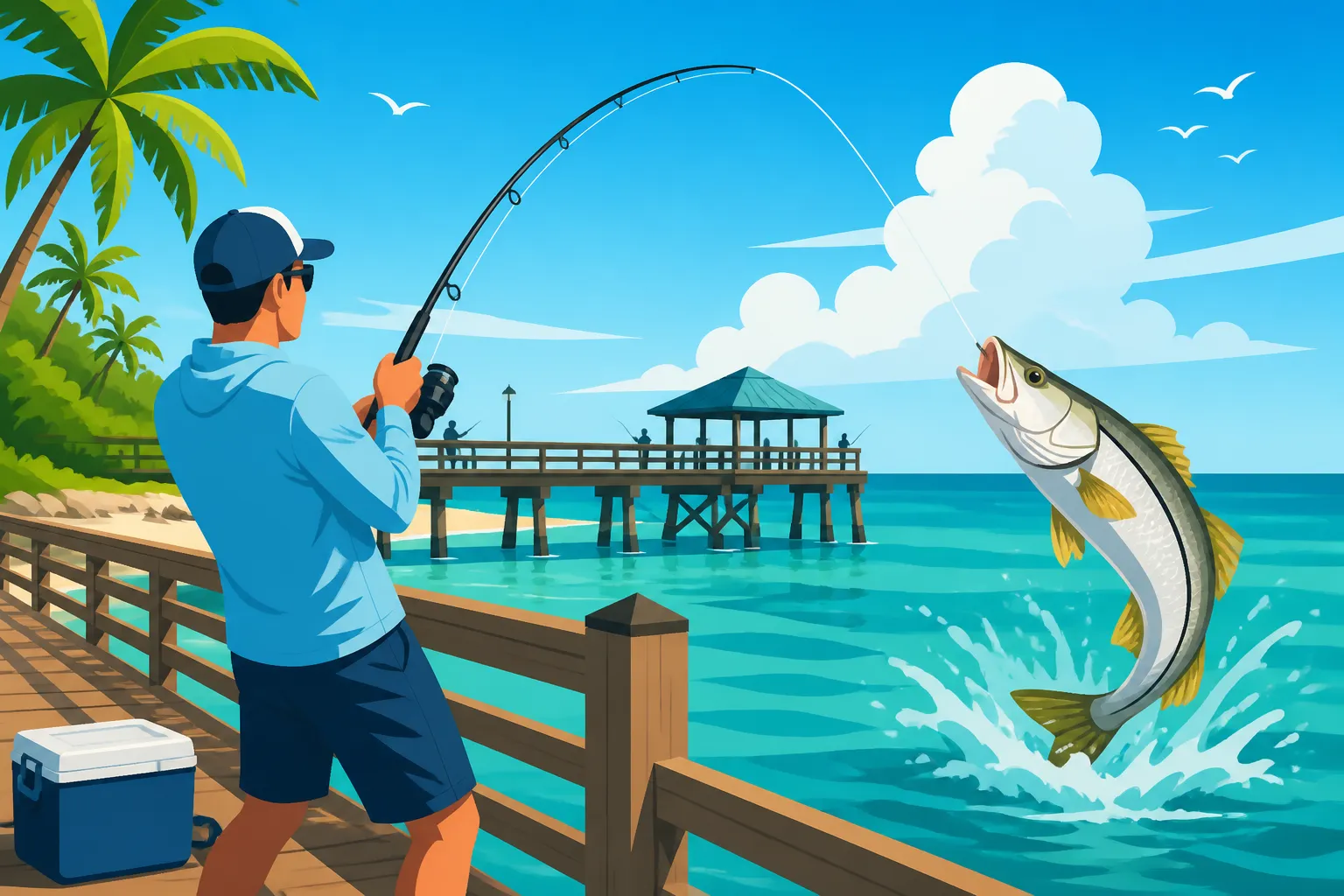
It’s a tale as old as time for many aspiring anglers: you’re standing on the shore, gazing out at those beautiful Florida waters, brimming with fish, but you don't have a boat. The dream of battling a powerful snook or reeling in a delicious snapper feels out of reach when you're landlocked. This guide is dedicated to everyone who loves to fish but doesn't own a vessel, proving that some of Florida’s most productive and enjoyable fishing can be found right from its many accessible piers.
Why Pier Fishing is a Game-Changer for Anglers Without a Boat
For countless anglers, the absence of a boat can feel like a major barrier to experiencing the best of Florida fishing. But here’s the secret: piers are a fantastic equalizer. They bring the fishing action normally reserved for boats right to your feet, opening up opportunities you might not have thought possible. It’s not just about convenience; it’s about accessing diverse ecosystems and enjoying a unique angling experience without the overhead of boat ownership or rental.
Accessibility and Convenience
One of the biggest hurdles for anglers without a boat is simply getting to where the fish are. Piers obliterate this problem, extending hundreds, sometimes thousands, of feet into productive waters. You don't need to worry about boat ramps, trailers, fuel, or navigating tricky channels. You simply drive up, park your car, pay a small fee (if applicable), and walk onto the structure. This ease of access makes spontaneous fishing trips a reality, whether it's an hour before sunset or a full day adventure. Many piers even offer gear rentals, bait shops, and snack bars right on site, turning a fishing trip into a full-service experience. It removes so many of the logistical headaches that can deter people from getting out on the water.
Imagine deciding on a whim to go fishing after work. With a boat, that might involve an hour of prep, launching, and then the same amount of time packing up and trailering. With a pier, you grab your tackle box and rod, hop in the car, and within minutes, you're casting lines into prime fishing grounds. It’s incredibly liberating and allows you to maximize your fishing time, even when your schedule is tight. This convenience factor is truly what makes pier fishing such a popular option for locals and tourists alike who want to immerse themselves in Florida’s rich angling culture.
Diverse Species and Techniques
While you might think pier fishing limits your targets, the reality is quite the opposite. Florida's piers, especially those extending into both state and federal waters, offer access to an incredible variety of fish. You can find everything from inshore favorites like redfish, snook, and spotted seatrout, to nearshore species such as Spanish mackerel, king mackerel, bluefish, and pompano. Head further out on longer piers, and you might even hook into snapper, grouper, tarpon, or sharks. The structure of the pier itself often acts as an artificial reef, attracting baitfish and, consequently, predatory species.
The range of species also means a wide array of techniques are effective. You can bottom fish with cut bait for snapper and grunt, cast spoons or jigs for mackerel, or even sight-fish for tarpon cruising by. Sabiki rigs are invaluable for catching live bait right from the pier, which can then be deployed for larger game fish. For those interested in deeper analysis of specific species, our guide on a Florida Tarpon Fishing Season Guide or a Florida Snook Fishing Guide can provide invaluable insights on what to target and when. The possibilities are truly extensive, allowing anglers to experiment and learn new skills right from a stable platform.
Community and Atmosphere
There’s a unique camaraderie that blossoms on a fishing pier. Unlike solitary boat trips, pier fishing puts you shoulder-to-shoulder with fellow anglers from all walks of life. This creates an immediate community where tips are shared, stories are exchanged, and successful catches are celebrated by everyone. It's common to see seasoned veterans offering advice to newcomers, or families sharing a bucket of bait. This social aspect can be incredibly rewarding, especially for those new to fishing or visitors looking to immerse themselves in the local culture.
The atmosphere is often vibrant and lively, especially during peak seasons or on weekends. Kids delight in watching fish being reeled in, and the scent of the ocean air, combined with the sounds of gulls and splashing water, makes for a truly relaxing experience. Many piers are part of larger parks or beach areas, meaning you can combine your fishing trip with a picnic, a swim, or simply enjoying the sunset. This makes pier fishing a fantastic option for families or groups where not everyone is strictly interested in fishing but wants to enjoy the coastal environment.
Unlocking the Best Piers in North Florida
North Florida, stretching from the Panhandle to the Atlantic coast around Jacksonville, boasts some impressive fishing piers that offer diverse opportunities. These piers are often long, reaching into deeper waters, and are known for attracting a wide array of species depending on the season.
Pensacola Beach Pier
The Pensacola Beach Pier is an iconic landmark stretching 1,471 feet into the Gulf of Mexico. It's a fantastic spot for both serious anglers and casual visitors, offering stunning views and, more importantly, excellent fishing. For a small daily fee, you can cast your line and enjoy the bounty of the Gulf. This pier is well-known for its access to various pelagic species, particularly during their seasonal migrations.
Anglers here often target king mackerel and Spanish mackerel, especially when schools of baitfish are present. Pompano are another popular catch, particularly in the cooler months, as are various types of snapper and flounder near the pilings. Many pier-goers use heavy tackle with large cut baits or live baits (often caught using Sabiki rigs) to target bull reds and even sharks further out. The pier also has a bait and tackle shop, making it easy to grab supplies or get advice from local experts. If you're wondering about the timing, exploring our guide on Best Time of Year to Fish in Florida could give you an edge on what to expect.
Navarre Beach Fishing Pier
Known as the longest fishing pier in Florida, stretching an impressive 1,545 feet into the Gulf of Mexico, the Navarre Beach Fishing Pier is a true angler's paradise. Its immense length means it reaches deep water, providing access to species usually only found offshore. This pier sustained damage from Hurricane Sally in 2020 but has since been meticulously rebuilt and reopened, even stronger and better. It’s a testament to Florida’s resilience and commitment to its fishing heritage.
On any given day, you might find anglers reeling in king mackerel, Spanish mackerel, cobia, pompano, redfish, flounder, and various species of snapper. The pier is also a hotspot for targeting large sharks, though specific regulations for shark fishing from piers apply, so it’s always wise to check current Florida Fishing Regulations and Bag Limits. They have a fully stocked bait and tackle shop, along with helpful staff who can offer real-time advice on what's biting. The sheer scale of this pier allows for ample space, even on busy days, giving everyone a good shot at some incredible fishing.
Jacksonville Beach Pier
After years of being partially closed due to hurricane damage, the Jacksonville Beach Pier fully reopened in 2024, much to the delight of local anglers. This Atlantic coast pier is a beloved spot, stretching over 1,300 feet into the ocean. Its reopening marked a significant moment for the northeast Florida fishing community, bringing back a prime location for shore-based angling.
The Jacksonville Beach Pier is particularly good for surf fishing species that move closer to shore, such as pompano, whiting, and flounder. Further out, anglers frequently target redfish, drum, and various species of mackerel. During the warmer months, you might even encounter tarpon or large jacks cruising by. The pier offers convenient amenities, including restrooms and cleaning stations. For those looking to maximize their chances, understanding patterns like Best Time to Fish an Incoming Tide at an Inlet can be very helpful as currents around pier pilings often concentrate baitfish.
Central Florida's Coastal Gems for Pier Fishing
Central Florida offers a blend of Gulf Coast and Atlantic Coast piers, each with its unique character and target species. From the historic charm of Cocoa Beach to the massive, dedicated fishing haven of the Skyway, these piers represent some of the best opportunities for boatless anglers.
Cocoa Beach Pier
The Cocoa Beach Pier, located on Florida’s "Space Coast," is more than just a fishing spot; it's a historic landmark and entertainment destination. Stretching 800 feet into the Atlantic Ocean, this wooden pier offers a vibrant atmosphere with restaurants, bars, and gift shops, all while providing excellent fishing opportunities. It’s a perfect blend of leisure and angling.
From the Cocoa Beach Pier, you can expect to catch a variety of saltwater species. Pompano and whiting are common catches, especially during cooler months. Snook and redfish often hang around the pier pilings, particularly at night or during tidal changes. Spanish mackerel and bluefish can be targeted when they run through the area, typically with spoons or Gotcha plugs. Live shrimp, often available from the pier’s bait shop, is a go-to bait for many species here. Even if you're not planning a charter, looking at local reports on platforms like FishingBooker can give you a good idea of what species are currently active in the area.
Skyway Fishing Pier State Park
Undoubtedly one of Florida’s most famous and unique fishing spots, the Skyway Fishing Pier State Park uses sections of the old Sunshine Skyway Bridge that once spanned Tampa Bay. It's an engineering marvel transformed into the world's longest fishing pier, with separate sections for the northbound and southbound spans, totaling miles of fishing access. This pier is open 24 hours a day, 365 days a year, making it an angler's dream.
The sheer size and deep-water access of the Skyway Piers mean an incredible diversity of fish. Anglers regularly catch redfish, snook, snapper (mangrove, lane, gray), grouper, pompano, cobia, Spanish mackerel, king mackerel, and enormous tarpon. Large sharks are also a common sight, and many anglers specifically target them from this pier. There are bait shops, restrooms, and even picnic areas right on the pier itself. The vehicle entry fee covers fishing licenses for everyone in the car while on the pier, which is a fantastic perk, especially for larger groups. This makes it an ideal spot for visitors who might not be familiar with Florida's specific Florida Fishing License Rules.
Fort De Soto Park Piers
Fort De Soto Park, consistently ranked among America's best beaches, offers not one, but two excellent fishing piers: the Gulf Pier and the Bay Pier. Located in Tierra Verde, just south of St. Petersburg, these piers provide distinct fishing experiences within a stunning natural setting. The park itself requires an entry fee, but the fishing opportunities are well worth it.
The Gulf Pier stretches into the open waters of the Gulf of Mexico, making it ideal for targeting migratory species like Spanish mackerel, king mackerel, ladyfish, and often even smaller sharks. During specific times of the year, schools of baitfish will congregate here, bringing in larger predators. The Bay Pier, on the other hand, extends into the calmer, shallower waters of Tampa Bay, and is excellent for catching redfish, snook, spotted seatrout, and various types of snapper. It’s particularly great for families or beginners due to its generally calmer conditions. Both piers offer bait and tackle shops, making it convenient to grab supplies. For those looking for a family-friendly spot, the park’s numerous amenities, from beaches to playgrounds, complement a day of pier fishing perfectly.
South Florida's Productive Piers
South Florida, with its warm waters and rich marine life, is a prime location for pier fishing. The region's piers often provide access to species that thrive in subtropical environments, offering exciting angling opportunities year-round.
Dania Beach Pier
The Dania Beach Pier, also known as Anglins Fishing Pier, is a popular spot located just south of Fort Lauderdale. Extending over 900 feet into the Atlantic, this pier offers a vibrant fishing scene and is particularly renowned for its snook and tarpon action, especially during peak seasons. It's a classic Florida pier experience, complete with a bait shop and a restaurant at its entrance.
Anglers at Dania Beach often target pompano, whiting, croaker, and various types of snapper and grunt. However, the real draw for many are the larger game fish. Snook can be found patrolling the pilings, especially during strong tidal flows, and tarpon are known to make appearances, particularly in the mornings and evenings. Spanish mackerel and king mackerel are also common catches when they are running offshore. Using live bait, such as pilchards or mullet caught with a cast net, can be highly effective here. Learning How to Cast Net for Live Bait is a skill that will certainly pay off on this pier.
Lake Worth Pier (William O. Lockhart Municipal Pier)
The William O. Lockhart Municipal Pier, more commonly known as the Lake Worth Pier, is a gem on the Atlantic coast of Palm Beach County. This 976-foot concrete pier extends over a vibrant reef system, making it incredibly productive for a wide array of marine species. Its proximity to deeper water currents and structure ensures a consistent flow of fish.
Anglers frequently pull up a variety of species including snapper, croaker, bluefish, pompano, and whiting. During the migratory seasons, it becomes a hotspot for Spanish mackerel, king mackerel, and even mahi-mahi on occasion for those casting further out. The pier is also well-regarded for its shark fishing opportunities, with several species patrolling the deeper waters. Live bait and heavy tackle are often the keys to success for larger catches. There's a bait shop on site, along with a restaurant and restrooms, making it a comfortable place to spend the day fishing.
Pompano Beach Fishing Pier (Fisher Family Pier)
The Fisher Family Pier in Pompano Beach is a modern, state-of-the-art structure that replaced an older, beloved pier. Opened in 2019, this pier is an engineering marvel, extending over 1,000 feet into the Atlantic and designed to withstand hurricanes. Its unique design and location make it an excellent fishing spot for locals and visitors.
This pier is fantastic for catching a variety of migratory species. Spanish mackerel, bluefish, pompano, and jacks are common, especially during their seasonal movements. Snook and redfish can also be found closer to the pilings. Many anglers here utilize sabiki rigs to catch baitfish, then use them to target larger game. The pier is also well-lit at night, creating opportunities for night fishing when many species become more active. The surrounding area has been revitalized, with numerous restaurants and shops, making it a great destination for a full day or evening out. If you're considering a more guided experience in this area, exploring a Florida Fishing Charter Cost Guide might reveal options to explore nearby reefs and wrecks that are inaccessible from the pier.
Essential Gear and Tips for Successful Pier Fishing
Pier fishing is incredibly accessible, but having the right gear and knowing a few key tips can significantly improve your success and enjoyment. You don't need a boatload of expensive equipment, but some thoughtful preparation goes a long way.
Rods, Reels, and Line
For general pier fishing in Florida, versatility is key. You'll want a setup that can handle a range of species, from smaller panfish to potentially larger game.
- Medium-Heavy Spinning Setup: A 7-foot to 9-foot spinning rod with a medium-heavy action paired with a 4000-6000 series spinning reel is a great all-around choice. This setup provides enough backbone to cast heavier baits and fight larger fish, while still being sensitive enough for smaller bites. Spool it with 20-30 lb braided line, which offers strength and sensitivity, and a fluorocarbon leader (20-50 lb, depending on target species) for abrasion resistance and stealth. This kind of rod and reel will handle most common pier fish like pompano, whiting, redfish, and even smaller mackerel.
- Heavy-Duty Setup (Optional): If you're specifically targeting king mackerel, cobia, tarpon, or sharks from a longer pier like Navarre or the Skyway, you'll want to step up your gear. A heavier 10-12 foot surf rod or a specialized pier rod, paired with an 8000-10000 series reel spooled with 50-80 lb braid, is necessary. For these larger, toothy fish, a wire leader or heavy monofilament leader (80-100 lb) is essential to prevent bite-offs. Make sure your reel has a smooth, powerful drag system, as these fish can make blistering runs. Our guide on What Pound Test Line for Snook Fishing or What Pound Test Line for Tarpon Fishing can offer further specialized advice.
Bait and Tackle Box Essentials
Your tackle box is your lifeline on the pier. It should be stocked with a variety of essentials to cover different scenarios and target species.
- Hooks: A selection of circle hooks (sizes 1/0 to 7/0) and J-hooks (sizes 1/0 to 5/0) will cover most bait fishing needs. Circle hooks are excellent for catch-and-release as they typically hook in the corner of the mouth, reducing gut-hooking.
- Sinkers: Pyramid sinkers (2-6 oz) are crucial for holding bottom in strong currents, while egg sinkers or barrel swivels (1/2-3 oz) are good for slip-sinker rigs.
- Leaders: Keep a variety of fluorocarbon leader material (20-80 lb) and some steel leader (30-60 lb) for toothy fish like mackerel. Swivels and snaps are vital for connecting your main line to your leader and quickly changing lures.
- Terminal Tackle: Sabiki rigs are an absolute must for catching live bait like pilchards, sardines, or pinfish, which are irresistible to many predatory species. Bobbers, beads, and a pair of pliers or braid scissors are also indispensable.
- Bait: Live shrimp is a universal bait in Florida and works for almost everything. Cut bait (squid, mullet, ladyfish, or bonita) is excellent for bottom fish and larger predators. Artificial lures like spoons, Gotcha plugs, and soft plastics (like MirrOlure or D.O.A. Lures) are great for casting to schooling fish or jigging around structure. For specific species, our guide on Best Bait for Snook Fishing in Florida or Best Bait for Redfish Fishing in Florida can provide more tailored recommendations.
- Accessories: Don't forget a cooler with ice for your catch and drinks, sunscreen, a hat, polarized sunglasses, a sharp knife, a rag or towel, and a measuring tape to ensure your catch meets Florida Fishing Regulations and Bag Limits. A small rolling cart or wagon can be a lifesaver for hauling all your gear down a long pier.
| Pier Feature | Pensacola Beach Pier | Navarre Beach Pier | Skyway Fishing Pier | Cocoa Beach Pier | Dania Beach Pier |
|---|---|---|---|---|---|
| Length (approx.) | 1,471 ft | 1,545 ft | Miles (2 spans) | 800 ft | 900 ft |
| Primary Species | Mackerel, Pompano, Snapper, Flounder | Mackerel, Cobia, Redfish, Snapper, Sharks | Snook, Tarpon, Grouper, Snapper, Mackerel | Pompano, Whiting, Snook, Redfish | Snook, Tarpon, Pompano, Mackerel |
| Amenities | Bait shop, Restrooms, Restaurant | Bait shop, Restrooms, Restaurant | Bait shops, Restrooms, Food vendors | Bait shop, Restrooms, Restaurants, Bars | Bait shop, Restrooms, Restaurant |
| Entry Fee | Yes (Daily/Annual) | Yes (Daily/Annual) | Yes (Vehicle/Daily) | Yes (Daily/Annual) | Yes (Daily/Annual) |
| Open 24/7 | No | No | Yes | No | No |
| Known For | King Mackerel, Views | Longest Pier, Diverse Gulf Species | Unique Bridge Structure, 24/7 Access, Large Game Fish | Historic Charm, Entertainment, Snook | Tarpon/Snook Action, Reef Proximity |
Pier Etiquette and Safety
Fishing piers are shared spaces, and following proper etiquette ensures an enjoyable experience for everyone.
- Respect Others' Space: Give fellow anglers ample room, especially when casting. Don't crowd someone's fishing spot, and be mindful of your backcast. A good rule of thumb is to maintain at least 10-15 feet between anglers if space allows.
- Keep it Clean: Use designated trash receptacles. Do not leave bait scraps, fishing line, or other litter on the pier. Dispose of unwanted fish properly, typically in the ocean or designated cleaning stations, not in trash cans that will stink up the pier for everyone.
- Fish Cleaning Stations: Use these areas responsibly. Clean your fish quickly and efficiently, and rinse down the area afterward.
- Be Aware of Overhead Lines: Before making a long cast, always look up and around to ensure you won't snag someone else's line or, more importantly, hit another person. Many piers have specific casting zones; adhere to them.
- Safety First: Observe all posted rules and regulations. Be mindful of wet surfaces, especially near cleaning stations, which can be slippery. If a pier has a railing, don't climb on it. Supervise children closely, especially near the edge of the pier.
- Sharing a Good Time: Remember that many people are there to relax and enjoy themselves. Be courteous, lend a hand if someone needs help, and embrace the communal spirit of pier fishing. Sometimes, simply chatting with a seasoned local about how to approach a certain situation can be as effective as hours of trial and error.
Pier fishing offers an incredible, accessible way to enjoy Florida’s legendary angling without the need for a boat. With the right preparation and respect for fellow anglers, your next big catch might just be a short walk away!
Disclaimer
The information provided in this guide is for general informational purposes only and does not constitute professional advice. Fishing regulations, license requirements, and local conditions can change rapidly. Always consult the latest rules and regulations from the Florida Fish and Wildlife Conservation Commission (FWC) before engaging in any fishing activity. Always prioritize safety on and around the water.