Why Grass Flats Hold More Trout in Winter
For many anglers, the shift from long, warm Florida summer days to the crispness of winter can feel like a complete reset, especially when it comes to finding their favorite speckled trout. You might be accustomed to chasing them in deeper channels or around structure during the hotter months, only to feel utterly lost when the mercury drops. It's a common frustration, but it doesn't mean the trout have vanished! In fact, the colder season often sees a remarkable concentration of these popular game fish, and understanding why grass flats become their winter haven is key to continued success. This guide will dive deep into the environmental factors and trout behaviors that make these shallow, verdant underwater meadows the undisputed hotspot for speckled trout fishing during Florida's winter.
Understanding Florida's Winter Climate and Its Impact on Trout
Florida winters might not involve snow and ice for most of the state, but they certainly bring a distinct change in temperature that profoundly impacts marine life, especially cold-blooded creatures like speckled trout. These changes aren't just about the air; they dictate where fish find comfort and sustenance.
The Cold Front Effect on Water Temperatures
When a cold front sweeps through Florida, it brings cooler air and often stronger northerly winds. While a 50-degree day might still feel pleasant to us, it can send a shiver through the shallow waters. However, it's crucial to understand the dynamic of these waters. Shallow grass flats, by their very nature, are quick to respond to temperature shifts. On a sunny winter day, even after a chilly night, these expansive, dark-bottomed flats absorb solar radiation much more efficiently than deeper channels or open bays. Think of it like a shallow puddle heating up faster than a deep swimming pool under the same sun; it's a simple thermodynamic principle at play.
This phenomenon creates thermal refuges where water temperatures might be just a few degrees warmer than surrounding deeper areas, but those few degrees make all the difference to a trout. The difference could be enough to jump from uncomfortable to tolerable, or from tolerable to prime. Anglers who understand this often find themselves checking water temperatures with a thermometer, looking for those critical hotspots. You can often see the impact of these changes directly after a significant weather event. For a deeper dive into how these weather patterns affect fishing, check out our article on How Cold Fronts Affect Winter Fishing in Florida.
How Water Temperature Influences Trout Metabolism
Speckled trout, like all fish, are ectothermic, meaning their body temperature is regulated by the surrounding water. When water temperatures drop, their metabolism slows down significantly. This isn't just about comfort; it impacts their energy levels, digestion, and overall activity. In extremely cold water, trout become sluggish, less inclined to chase fast-moving prey, and their digestive systems slow to a crawl. They need to conserve energy, and that means seeking out the warmest water available to maintain optimal bodily functions.
The slightly warmer water on grass flats provides that critical boost. It allows their metabolism to function more efficiently, enabling them to digest food, recover from exertion, and respond to predatory instincts without expending excessive energy. This isn't about thriving in tropical warmth, but about finding a comfortable "sweet spot" where they can still actively feed and survive. Understanding this metabolic shift is why anglers need to adjust their techniques, opting for slower retrieves and more subtle presentations, as trout are less likely to chase down a zippy lure in their colder, energy-saving state.
The Abundance of Forage on Winter Grass Flats
Beyond the thermal comfort, grass flats offer something equally vital for trout survival in winter: a consistent and accessible food source. When other areas of the estuary might see baitfish disperse or go dormant, grass flats remain a bustling cafeteria for speckled trout.
Grass Flats as Natural Nurseries and Shelters
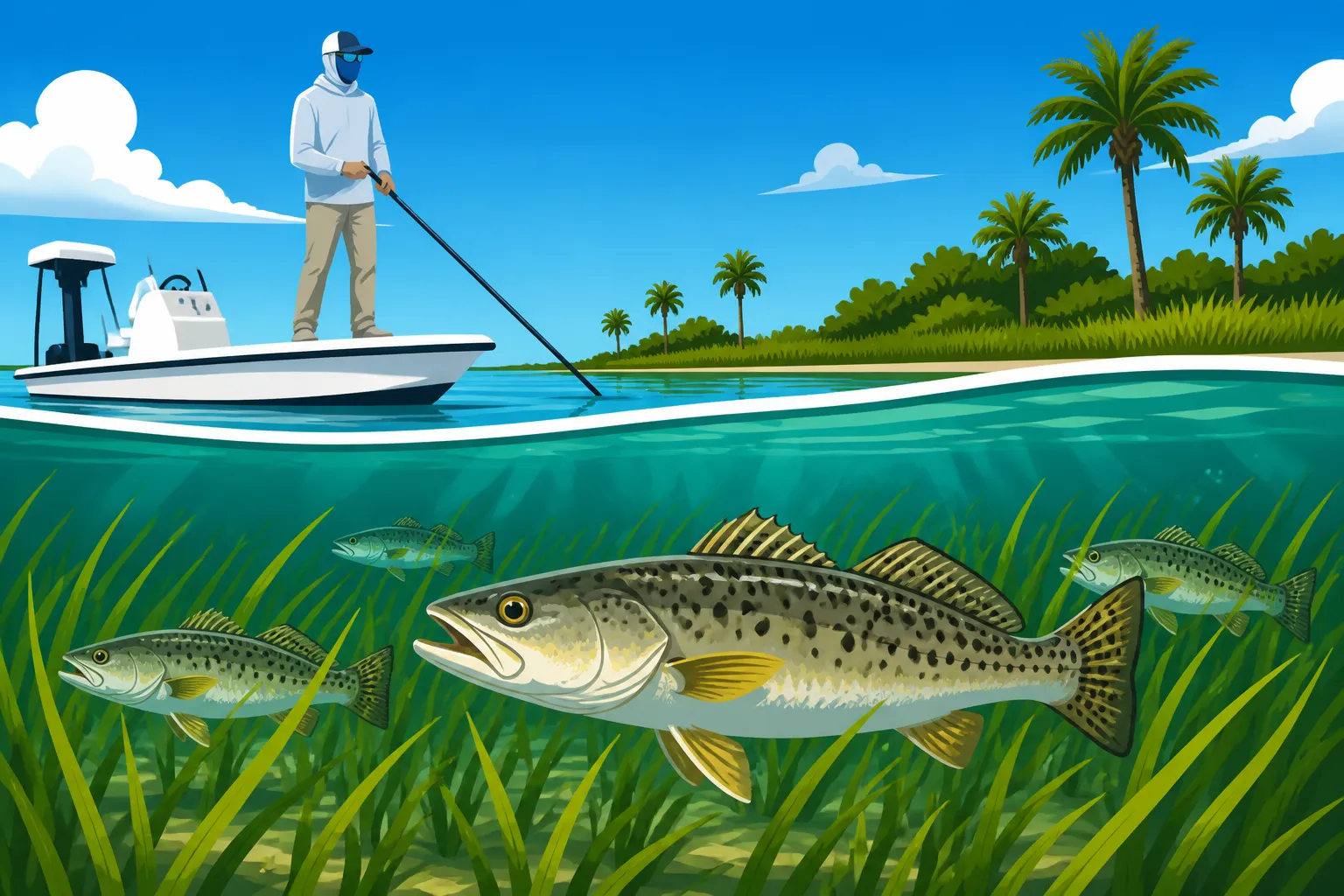
Florida's seagrass beds are incredible ecosystems, serving as crucial nurseries and shelters for a vast array of marine life. During winter, many smaller organisms, including juvenile baitfish, shrimp, and crabs, seek refuge within the dense blades of seagrass. This dense vegetation provides excellent camouflage from predators and a relatively stable environment where they can feed and grow. These resilient little creatures, hunkering down in the grass, become the primary forage for trout.
Imagine a dense underwater forest: the grass blades offer countless hiding spots, making it difficult for larger predators to navigate or spot their prey easily. This means that while larger schools of baitfish might move to deeper, more consistent temperatures offshore or become scarcer in open water, the grass flats maintain a steady, if slightly less abundant, supply of calories for the trout that reside there. They don't have to chase far or work hard to find a meal, which is exactly what a trout with a slower winter metabolism needs.
The Seasonal Movement of Baitfish
The cooler water temperatures don't just affect trout; they also influence the behavior and distribution of their prey. Many of the larger, fast-swimming baitfish species like mullet might move into deeper channels or even offshore to warmer waters during prolonged cold snaps. However, the smaller, more sedentary prey items – shrimp, small crabs, and diminutive baitfish that rely on the grass for cover – tend to remain concentrated within the warmer, shallower grass flats.
This means that for a speckled trout, the grass flat becomes a predictable and relatively easy place to find food. Instead of expending precious energy chasing down scattered, evasive bait in vast open waters, they can patrol the edges and potholes of a grass flat, ambushing unsuspecting prey from the cover of the seagrass. This concentration of food is a powerful magnet, drawing trout away from their summer haunts. Knowing what these trout are eating is critical, and our guide on the Best Bait for Trout Fishing in Florida offers excellent insights into preferred winter offerings.
Strategic Advantages of Winter Grass Flats for Trout
The combination of warmer water and available forage makes grass flats incredibly appealing, but there are additional strategic advantages that elevate them to prime winter trout territory. These flats are not just comfortable; they are inherently safer and more efficient hunting grounds.
Thermal Refuges and Protection from Predators
We've already touched on the warmer water, but it's worth reiterating its critical role as a thermal refuge. When a bitter cold front drops water temperatures across the estuary, those shallow grass flats act like natural heat sinks. Trout can move into these areas to escape the chilling effects of deeper, colder water, effectively regulating their body temperature within a more comfortable range. This isn't just about avoiding discomfort; it's about survival. Prolonged exposure to critically low temperatures can be lethal for speckled trout.
Beyond thermal comfort, the dense seagrass also offers excellent protection from larger predators. Dolphins, sharks, and even larger predatory fish struggle to navigate or effectively hunt within the thick, tangled blades. A trout nestled within the grass is much less vulnerable than one exposed in open water. This dual benefit – warmth and safety – creates a compelling reason for trout to seek out these habitats when winter conditions prevail. It's a natural fortress against both the elements and potential threats, contributing to why these flats hold more trout.
Prime Ambush Points and Feeding Efficiency
Grass flats are not just places to hide; they are perfectly designed ambush zones for speckled trout. The irregular patterns of grass, sand pockets, and slight depth changes create numerous opportunities for a trout to lie in wait, concealed, before darting out to snatch a passing meal. In winter, when water often becomes clearer due to fewer algal blooms and less boat traffic stirring up sediment, trout can use their keen eyesight to spot prey from a distance.
The efficiency of feeding on grass flats is paramount for trout in colder water. With a slower metabolism, they cannot afford to expend excessive energy in long, arduous chases. The "sit and wait" ambush strategy that grass flats facilitate is highly energy-efficient. They can position themselves strategically near a sandy pothole where bait might congregate, or along the edge of a grass bed, waiting for the perfect moment to strike. This increased feeding efficiency directly translates to better survival rates and, for anglers, a higher chance of a strike. When you're fishing these spots, consider how a trout would approach its prey, and adjust your presentation accordingly.
Targeting Winter Trout on Florida Grass Flats
Now that we understand why grass flats are trout magnets in winter, let's talk about how to successfully fish them. It's not just about showing up; it's about understanding the nuances of trout behavior in colder water and adapting your approach.
Best Times and Tides for Winter Trout Fishing
Timing is everything when targeting winter trout on grass flats. After a cold night, the early morning sun is your best friend. As the sun climbs, it warms those shallow flats, often prompting trout to become more active. The period from mid-morning through early afternoon, especially on a bluebird day with light winds, can be exceptionally productive. This is when the water has had the most time to warm up.
Tides also play a crucial role. An incoming tide can bring slightly warmer water from the deeper parts of the estuary onto the flats, stimulating feeding. However, an outgoing tide can also be excellent, as it drains water off the flats, concentrating baitfish and shrimp into potholes, channels, and along the edges of the grass beds. Trout will often position themselves at these pinch points, waiting for an easy meal to be swept their way. Understanding how to read the water and current is key, and our guide on the Best Tides for Inshore Fishing in Florida can offer invaluable tips. Look for those sunny, slack-tide periods or the first push of an incoming tide to maximize your chances.
Effective Lures and Baits for Cold-Water Trout
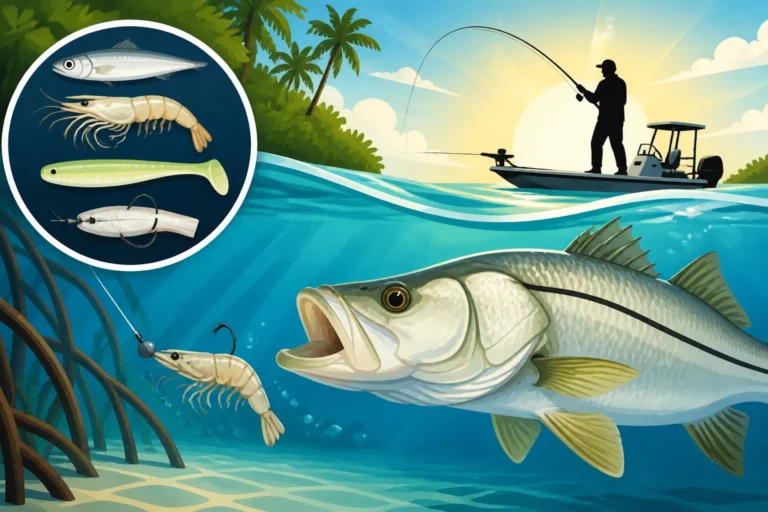
With their metabolism slowed, winter trout are often less willing to chase. This means your lure selection and presentation need to reflect their more lethargic state. Live bait is almost always a surefire winner. Live shrimp, especially, are irresistible to winter trout. They're naturally present in the grass and represent an easy, high-protein meal. You can free-line them, use them under a small popping cork, or rig them on a light jig head. Our article on How to Rig a Live Shrimp for Trout can show you some effective methods.
If you prefer artificials, think slow and subtle. Soft plastic paddle tails or jerk shads rigged on a light jig head (1/8 oz to 1/4 oz) are excellent choices. Colors like white, chartreuse, or natural baitfish patterns tend to work well. The key is a slow, methodical retrieve with occasional pauses, mimicking a struggling or easy-to-catch baitfish. Suspending twitch baits, retrieved with long pauses, can also be deadly, allowing the lure to hang enticingly in the trout's strike zone. Many anglers stock up on these versatile lures from online retailers like Amazon, ensuring they have a variety of options. Don't forget that even in winter, a fish's preference can vary daily, so carrying a selection, perhaps a few different sizes of jig heads and soft plastic bodies from your last Amazon order, is always a good idea.
Techniques for Fishing Winter Grass Flats
Stealth is paramount when fishing shallow winter grass flats. Trout can be skittish, and loud noises or sudden movements can send them scattering. If fishing from a boat, consider using a trolling motor to move quietly, or even better, pole your boat slowly across the flat. This quiet approach ensures you don't spook fish before you even get a cast in.
Focus on working the edges of the grass, particularly where it meets sand patches or potholes. These irregularities in the bottom contour are where trout often stage. Cast your lure or bait into these sandy areas and retrieve it slowly, allowing it to bump along the bottom, simulating a grubbing shrimp or a bottom-dwelling baitfish. In deeper potholes, let your bait sink and work it with subtle twitches. Remember, the retrieve should be much slower than what you'd use in summer. Some days, a simple drag-and-pause is all it takes. Experiment with pauses that are longer than you might initially feel comfortable with; sometimes, that prolonged suspend or stationary bait is what triggers a strike from a hesitant trout. Our comprehensive Florida Spotted Seatrout Fishing Guide offers even more strategies for year-round success.
When you do hook a trout, especially a larger one, handle it with care, as cold water can make them more susceptible to stress. Practicing Catch and Release Best Practices for Snook can also be applied to trout to ensure the health of the fishery. A quick, efficient release is always best.
Here’s a quick overview contrasting summer and winter trout fishing strategies:
| Feature/Season | Summer Trout Fishing | Winter Trout Fishing |
|---|---|---|
| Primary Location | Deeper channels, shaded structure, open flats (early/late) | Shallow grass flats, sandy potholes within grass, sheltered canals |
| Water Temperature | Warmer, often seeking cooler, deeper water | Colder, seeking warmer, shallower water |
| Trout Metabolism | High, active, chasing faster prey | Slower, less active, conserving energy |
| Preferred Bait | Fast-moving live bait (mullet, pilchards), energetic artificials | Slow-moving live bait (shrimp), subtle artificials |
| Lure Presentation | Faster retrieves, aggressive pops, topwaters | Slow retrieves, long pauses, bottom-bumping |
| Best Time of Day | Early morning, late evening, night | Mid-morning to early afternoon (sunny days) |
| Tide Preference | Often outgoing to concentrate bait | Incoming (warmer water) or outgoing (concentrates bait) |
| Overall Strategy | Cover water, find bait schools | Seek thermal refuges, target structure on flats, precise casts |
Understanding why grass flats are a winter haven for speckled trout is a game-changer for Florida anglers. It's about adapting to the environmental realities of the season and recognizing the fundamental needs of the fish. By focusing on warmer, sheltered grass flats and employing patient, subtle techniques, you can enjoy some of the most consistent and rewarding trout fishing experiences Florida has to offer, even when the air gets a little nippy.
Disclaimer
This article is for general informational purposes only and does not constitute professional advice. Laws, prices and regulations vary by location and change over time. Consult a qualified professional for guidance on your specific situation.