Best Spots in Mosquito Lagoon for Redfish
Trying to pinpoint the absolute best spots for redfish in a vast, complex system like Mosquito Lagoon can feel like searching for a needle in a haystack, especially with its ever-shifting waters and endless shallow flats. It's a common struggle for anglers, both seasoned and new, who want to make the most of their time in this legendary fishery. This comprehensive guide is here to cut through the confusion, revealing the prime redfish haunts and offering practical advice to maximize your chances of success in Mosquito Lagoon.
Why Mosquito Lagoon is a Redfish Haven
Mosquito Lagoon, often hailed as a jewel in Florida's crown for inshore fishing, isn't just another body of water; it's a unique estuarine environment that actively nurtures some of the state's most sought-after game fish, particularly redfish. If you've ever heard anglers rave about its potential for trophy reds, there's a good reason for it. This place offers an unparalleled combination of factors that make it an ideal habitat and a dream destination for anglers.
Unique Ecosystem and Geography
What truly sets Mosquito Lagoon apart is its distinct ecosystem. It's part of the Indian River Lagoon system, stretching over 20 miles long and ranging from 1 to 5 miles wide, but it's remarkably shallow, often just a few feet deep in many areas. This shallow depth means sunlight penetrates all the way to the bottom, fostering dense seagrass beds that are the lifeblood of the lagoon. These seagrass flats, rich in nutrients, provide abundant food sources like crabs, shrimp, and small baitfish, creating a natural buffet for redfish. The lagoon is also semi-enclosed, with limited access to the open ocean, which helps to concentrate fish populations and protect them from severe oceanic conditions. This relative isolation contributes to its stable environment, making it a reliable spot when other coastal areas might be too choppy or murky. It's no wonder that a place like this earns its reputation; there's a reason why Mosquito Lagoon is Known for Trophy Redfish.
Shallow Water Appeal for Anglers
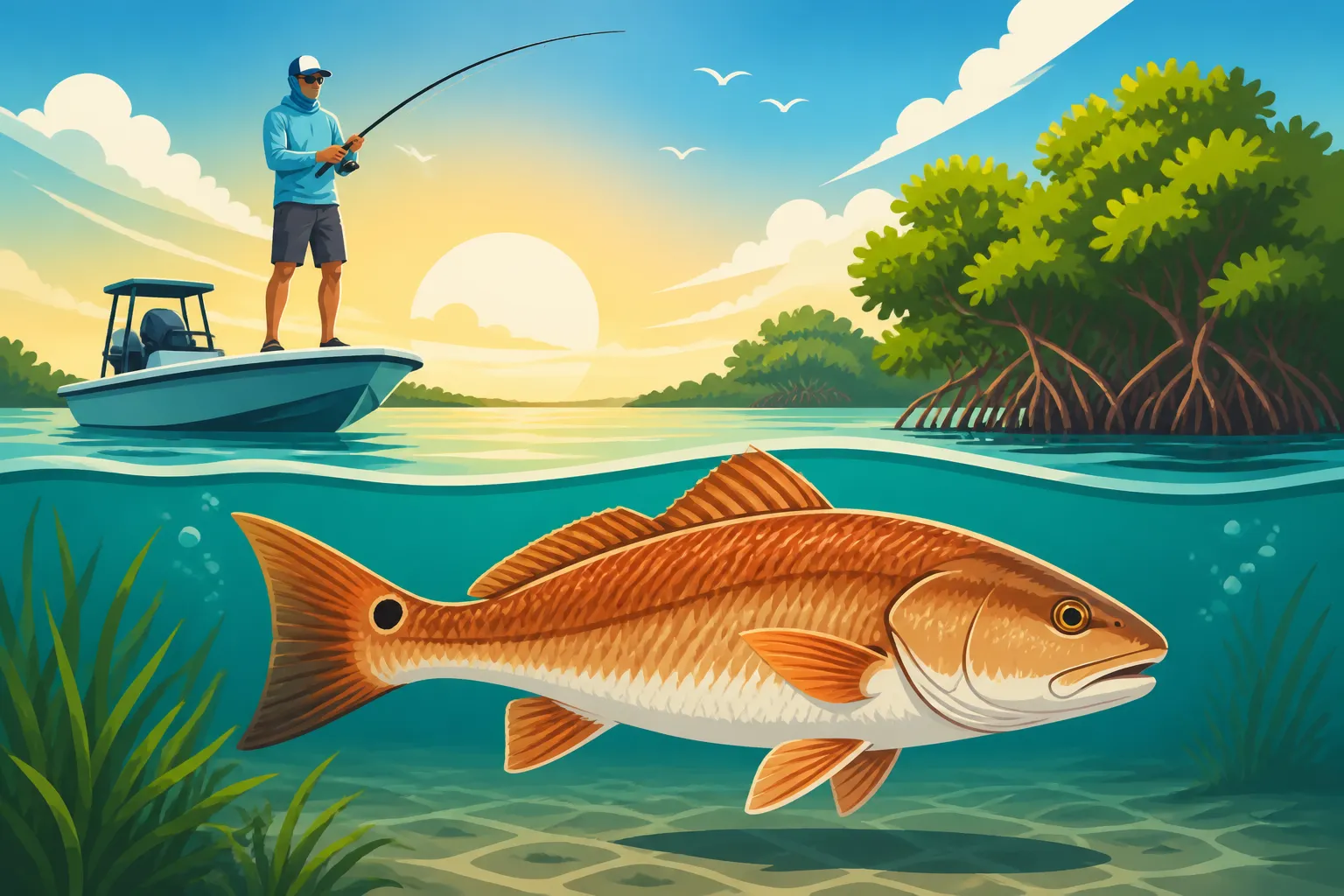
For anglers, especially those who love sight fishing, the shallow, clear waters of Mosquito Lagoon are an absolute dream come true. Imagine poling silently across a flat, scanning the water for the tell-tale "tailing" of a redfish as it feeds head-down in the grass, or the subtle shadow of a cruising school. This visual aspect of fishing is what draws so many to the lagoon. The average depth allows for excellent visibility on calm days, letting you spot fish before they see you. This provides a thrilling challenge and an incredibly rewarding experience when you successfully stalk and cast to a target. It demands patience and stealth, but the payoff of watching a redfish eat your lure or fly in crystal-clear water is simply addictive. Moreover, the extensive network of flats, islands, and mangrove shorelines means there's always a new spot to explore, offering endless opportunities for anglers to find their own hidden gems.
Top Redfish Hotspots within Mosquito Lagoon
While the entire Mosquito Lagoon is essentially one giant redfish playground, certain areas consistently produce better results due to specific geographic features, prevailing currents, or bait concentrations. Knowing these hotspots can significantly cut down your search time and increase your chances of finding that coveted red drum.
Peacocks Pocket
One of the most famous and productive areas within Mosquito Lagoon is undoubtedly Peacocks Pocket. Located on the western side of the lagoon within the Merritt Island National Wildlife Refuge, this expansive area is characterized by vast, intricate networks of shallow flats, meandering channels, and numerous small islands. Its relative seclusion and designation as a wildlife refuge mean less boat traffic and a more pristine environment, contributing to thriving redfish populations. Anglers often find large schools of redfish, especially during cooler months, as they seek refuge in the slightly deeper channels or feed actively on the sun-warmed flats. Access is primarily by small skiffs, kayaks, or even by foot for wade fishing in certain spots, which adds to its allure for those seeking a more intimate fishing experience. The sheer abundance of bait here, from fiddler crabs to various minnows, keeps the redfish well-fed and often aggressive.
Ponce Inlet Area
At the northern end of Mosquito Lagoon, where it connects to the Halifax River and then the Atlantic Ocean via Ponce Inlet, lies another prime redfish territory. This area, while subject to more tidal flow and boat traffic due to its proximity to the inlet, offers different advantages. The deeper channels and current rips around the inlet and the various spoil islands provide excellent ambush points for larger redfish. Here, reds often mingle with other species like snook and trout, capitalizing on the baitfish pushed in and out by the tides. Structure, such as rocky jetties, docks, and bridge pilings, also plays a significant role in attracting and holding fish. While it might require a slightly different approach than the shallow flats of Peacocks Pocket, the Ponce Inlet area can be incredibly rewarding, especially for anglers targeting larger, solitary reds or those who prefer fishing with live bait in stronger currents. Checking the local tide charts to understand the movement of water is crucial here; understanding the Best Tides for Inshore Fishing in Florida can make all the difference.
Backcountry Islands and Flats
Beyond the well-known names, the true magic of Mosquito Lagoon often lies in its vast, intricate backcountry of unnamed islands and expansive grass flats. These areas, particularly towards the central and southern parts of the lagoon, offer endless opportunities for exploration. Picture hundreds of small mangrove islands, some no bigger than a car, others forming larger complexes, all surrounded by incredibly shallow grass flats. These islands provide crucial shelter from strong winds and serve as vital nurseries for baitfish, which in turn attract redfish. The key to success here is often stealth and patience. Poling or quietly paddling a kayak allows you to approach these areas without spooking fish. Look for subtle signs: nervous water, baitfish showering, or the characteristic bronze flash of a redfish. The beauty of these backcountry spots is their ever-changing nature; what was a hot spot yesterday might be quiet today, urging anglers to constantly adapt and explore. Many anglers rely on mapping apps like Navionics or C-MAP to navigate these labyrinthine waters, marking their productive spots for future trips. For those willing to put in the effort, these hidden gems offer some of the most consistent and exciting sight-fishing opportunities.
| Hotspot Name | Primary Features | Best Fishing Methods | Ideal Conditions | Notes |
|---|---|---|---|---|
| Peacocks Pocket | Expansive shallow flats, intricate channels, islands | Sight fishing, wade fishing | Calm winds, clear water | Great for large schools, requires stealth. |
| Ponce Inlet Area | Deeper channels, current rips, jetties, spoil islands | Live bait, artificial lures | Moving tides, especially outgoing | More boat traffic, good for larger fish. |
| Backcountry Flats | Numerous mangrove islands, vast grass flats | Sight fishing, stealthy approach | Calm to light winds, good sun | Endless exploration, rewards patience and observation. |
Mastering Mosquito Lagoon Redfish: Techniques and Timing
Catching redfish in Mosquito Lagoon isn't just about showing up; it's about understanding their behavior, knowing what they eat, and adapting your tactics to the unique environment. It's a challenging but incredibly rewarding pursuit that hones your angling skills.
Effective Baits and Lures
When it comes to enticing Mosquito Lagoon redfish, having the right presentation is paramount. Given the clarity of the water and the fish's natural diet, live bait often reigns supreme. Live shrimp, especially those "popping" varieties, are absolute candy for reds and are readily available at local bait shops around the New Smyrna Beach or Titusville area, or you can even learn How to Catch Shrimp for Bait in Florida yourself. Free-lining a live shrimp into a school of tailing reds or near a mangrove prop root is often irresistible. Pinfish, mud minnows, and finger mullet are also excellent choices, particularly for larger reds. These can be rigged on a weedless hook or under a popping cork to draw attention.
For those who prefer artificial lures, the options are plentiful and effective once you dial in what the fish are keying on. Soft plastics, such as Berkley Gulp! shrimp or D.O.A. C.A.L. jigs in natural colors like rootbeer or new penny, rigged on a 1/8 to 1/4 ounce jig head, are perennial favorites. Work them slowly along the bottom, mimicking a fleeing crab or shrimp. Weedless spoons, like the Johnson Silver Minnow, are fantastic for covering a lot of water on the flats and are nearly snag-proof in the seagrass. Topwater plugs, especially during low light conditions in the mornings or evenings, can provoke explosive strikes that will get your heart pounding. Popular choices include the MirrOlure Top Dog or the Heddon Super Spook Jr. Remember, matching the hatch – or mimicking what the redfish are naturally feeding on – is always a smart strategy. For more detailed advice, check out the comprehensive guide on Best Live Bait for Florida Inshore Fishing.
Reading the Tides and Weather
In Mosquito Lagoon, the fishing success is intrinsically linked to the tides and prevailing weather conditions. Unlike areas with strong tidal swings, Mosquito Lagoon experiences subtle water movements, but these movements are critical. Redfish often follow the incoming tide onto the shallower flats to feed, and as the tide recedes, they may retreat into deeper pockets or channels. Monitoring a tide chart from a reliable source like NOAA for the nearby Indian River Lagoon can give you a crucial edge. An incoming tide often brings clearer water and pushes bait closer to shore, making it an ideal time for sight fishing.
Weather also plays a massive role. Calm, sunny days with light winds are perfect for spotting fish on the flats. A slight chop on the water, sometimes called a "redfish chop," can actually be beneficial, as it breaks up the surface and makes it harder for fish to spot you, while still allowing for good visibility below. However, strong winds can churn up the shallow bottom, leading to murky water and making sight fishing nearly impossible. Cold fronts, especially in winter, can push redfish into deeper, warmer channels and reduce their activity, requiring a slower, more deliberate presentation. Conversely, during warmer months, early mornings and late evenings are often the most productive times, as the water temperatures are more comfortable for the fish. For a broader understanding of seasonal patterns, consider reviewing our guide on the Best Time of Year to Fish in Florida.
Sight Fishing Strategies
Sight fishing for redfish in Mosquito Lagoon is an art form, demanding skill, patience, and a keen eye. The goal is simple: spot the fish before it spots you, then make a precise, quiet cast. This technique, often employed in other shallow water environments, is perfectly suited for the clear, expansive flats here, as detailed in our article on Sight Fishing Technique for Shallow Flats. Start by positioning your boat, kayak, or yourself (if wading) with the sun at your back. This helps cut down glare and allows you to see into the water better. Pole your boat or paddle your kayak slowly and deliberately, scanning the water ahead for any signs of fish.
Look for subtle movements: a pushing wake, a shimmering shadow, or the unmistakable bronze glint of a redfish. The most exciting sign is often a "tailing" redfish, where its tail fin breaks the surface as it feeds head-down on the bottom. Once you spot a fish or a school, the approach is crucial. Move slowly and quietly, aiming to cast well ahead of the fish's path, allowing your lure or fly to settle before the fish arrives. The cast itself needs to be soft and accurate, avoiding any splash that might spook them. If fishing with a fly rod, a precise, unweighted fly imitation of a shrimp or crab is often deadly. For spinning gear, a weedless soft plastic or spoon retrieved slowly can be incredibly effective. Remember, a successful sight fish is a testament to your ability to blend into the environment and present an irresistible offering without alerting your target.
Navigating and Conserving Mosquito Lagoon
Mosquito Lagoon's pristine environment is a treasure, and responsible angling practices are essential to preserve it for future generations. Knowing how to navigate its shallow waters and understanding the local regulations ensures not only a successful trip but also contributes to the lagoon's health.
Essential Gear and Navigation
Navigating Mosquito Lagoon requires specific gear and knowledge due to its shallow depths and protected status. First and foremost, a shallow-draft boat is almost a necessity. Skiffs, flats boats, and especially kayaks or paddleboards are ideal. Larger bay boats can access some areas but must be extremely cautious in the shallower sections. A push pole is an invaluable tool for silently moving across flats without spooking fish or damaging sensitive seagrass beds with a trolling motor or outboard. If you use a trolling motor, opt for an electric motor with a weedless prop.
For navigation, reliable GPS and mapping software are critical. Apps like Navionics or C-MAP on a smartphone or dedicated chart plotter provide detailed maps of channels, depths, and no-motor zones. These are often within the Merritt Island National Wildlife Refuge, which has strict rules. Always carry a physical map or ensure your electronic devices are fully charged. Safety gear, including PFDs, a whistle, and a first-aid kit, is always wise. Given the extensive sun exposure on the open flats, plenty of water, sunscreen, a wide-brimmed hat, and polarized sunglasses are non-negotiable. Polarized sunglasses are particularly vital for effective sight fishing. When considering a guided trip, many excellent captains in the area can be found through platforms like FishingBooker, offering expertly equipped boats and local knowledge to help you navigate these complex waters safely and effectively.
Understanding Local Regulations and Conservation
Mosquito Lagoon falls under the purview of the Florida Fish and Wildlife Conservation Commission (FWC), and adherence to their regulations is not just a suggestion, it's mandatory. Before heading out, always ensure you have a valid Florida Fishing License Guide. For redfish, specific size and bag limits are in place to ensure sustainable populations. It's crucial to know the current Florida Redfish Size and Bag Limits, as these can change. Redfish in the lagoon often have a slot limit, meaning they must be within a specific length range to be legally harvested, and there's a daily bag limit per person. It’s also common for certain areas to be designated "catch and release only," especially for species like snook, or during specific times of the year. While redfish might not have the same strict permit requirements as, say, a Florida Snook Permit, understanding all local rules is paramount.
Conservation is a huge part of fishing in Mosquito Lagoon. The entire area is part of the Indian River Lagoon Aquatic Preserve and the Merritt Island National Wildlife Refuge, meaning strict rules apply. "No-motor zones" are common, requiring you to use a push pole, paddle, or electric trolling motor only. These zones are vital for protecting sensitive habitats and minimizing disturbance to wildlife. When handling redfish, especially larger ones, practice good Catch and Release Best Practices for Snook (which can be applied to redfish). Minimize their time out of the water, support their body weight horizontally, and revive them gently before release. Using circle hooks can also reduce gut hooking, improving a fish's chances of survival. By following these guidelines, you're not just fishing; you're actively participating in the preservation of one of Florida's most cherished fisheries. You can often find reputable guides on FishingBooker who are well-versed in these regulations and committed to conservation, ensuring you have a responsible and successful trip.
Disclaimer
The information provided in this guide is for general informational purposes only and is subject to change. Fishing regulations, seasons, and local conditions can vary. Always consult the latest regulations from the Florida Fish and Wildlife Conservation Commission (FWC) before your fishing trip. Fishing involves inherent risks; always prioritize safety on the water.