Best Public Boat Ramps on Lake Okeechobee
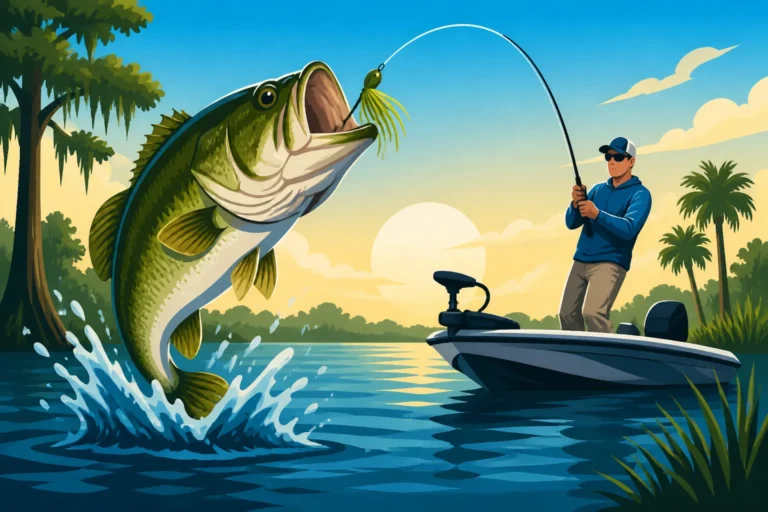
Trying to find the perfect launch point on Lake Okeechobee can feel like a quest, especially when you're itching to get on the water and the clock is ticking. Florida's "Big O" is legendary for its bass fishing, but navigating its vastness and finding reliable public boat ramps can be surprisingly tricky. This guide is here to cut through the confusion, helping you pinpoint the best public access points so you can spend less time worrying about your launch and more time reeling in those trophy fish.
Understanding Lake Okeechobee's Unique Fishing Landscape
Lake Okeechobee, often affectionately called "The Big O," isn't just a lake; it's an ecosystem, a historical marvel, and a fishing paradise all rolled into one. Covering roughly 730 square miles, it's the largest freshwater lake in Florida and the second largest in the contiguous United States. Its sheer size means that accessing it isn't as simple as pulling up to any old boat ramp. You need to know which ramps are reliable, what amenities they offer, and how they connect you to the diverse fishing grounds of this incredible body of water.
Why Boat Ramps are Crucial on the Big O
Imagine driving for hours, boat in tow, only to arrive at a ramp that's too shallow, too crowded, or completely shut down due to maintenance or low water levels. It's a frustrating scenario many anglers have faced. On a lake as large and dynamic as Okeechobee, a well-chosen boat ramp isn't just a convenience; it's a critical component of a successful fishing trip. The right ramp offers not only easy access but also a gateway to specific fishing areas, whether you're targeting the vast hydrilla fields for bass or heading out to deeper waters. Being able to launch efficiently and safely means more time with your line in the water, which, let's be honest, is why we're all here.
Challenges of Accessing Lake Okeechobee
Accessing Lake Okeechobee can present a few unique challenges that set it apart from smaller, more predictable bodies of water. One of the biggest factors is the fluctuating water levels, which are managed by the U.S. Army Corps of Engineers. What might be a perfectly good ramp one month could be practically unusable the next if the water drops significantly. This necessitates checking local conditions before you head out.
Additionally, the lake's sheer size and its peripheral towns mean that access points are spread out. You can't just pick a spot on the map and expect to find a ramp. Some areas are more developed with marinas and multiple ramps, while others are more remote. Understanding these geographical nuances is key to planning your trip effectively, especially if you're traveling from afar or aiming for a specific fishing zone.
Top Public Boat Ramps on Lake Okeechobee
When it comes to public access points on Lake Okeechobee, you'll find a variety scattered around its perimeter, each offering a slightly different experience and proximity to various fishing hotspots. It's not just about getting your boat in the water; it's about finding the right spot to start your adventure. Let's break down some of the most popular and reliable options.
Clewiston Boat Ramps
Clewiston, often referred to as the "Sugarland of America," sits on the southwestern shore of Lake Okeechobee and is a prime hub for anglers. It boasts some excellent public boat ramps that are generally well-maintained and offer good access to the lake, even during periods of lower water levels. The town's infrastructure, with plenty of bait shops, tackle stores, and accommodations, makes it a convenient base for extended fishing trips.
The Clewiston City Marina boat ramp is one of the most popular choices. It features multiple lanes, ample parking for trailers, and usually offers easy access to the water. From here, you're in a great position to reach many of the famous bass fishing areas, including the expansive grass flats and open water stretches that hold big fish. The marina itself often has fuel and basic supplies available, which is always a plus. For those looking to explore the western side of the lake, Clewiston offers a strategic starting point.
Belle Glade Boat Ramps
On the southeastern side of Lake Okeechobee lies Belle Glade, another significant access point, particularly for those approaching from the east coast of Florida. While perhaps not as widely known as Clewiston for its fishing infrastructure, Belle Glade provides vital access and is undergoing revitalization efforts to enhance its appeal to anglers. The Torry Island Campground & Marina is a key location here, offering boat ramps that are regularly used by both local and visiting fishermen.
The ramps at Torry Island typically accommodate larger vessels and provide straightforward entry into the lake. What makes Belle Glade interesting is its proximity to different fishing conditions; depending on the prevailing winds and water levels, you might find certain areas more productive or accessible from this side of the lake. It's a quieter option compared to some other areas, offering a bit more solitude on the ramps and potentially less traffic on the water, especially during peak seasons.
Okeechobee City Area Boat Ramps
Okeechobee City, nestled on the northern shore, is arguably the most recognized gateway to the Big O, and for good reason. It’s home to several excellent public boat ramps that cater to a wide range of anglers. This area provides fantastic access to the northern and central portions of the lake, which are renowned for some of the best bass fishing opportunities. The town itself is completely geared toward fishing, with numerous tackle shops, guides, and services.
Perhaps the most famous ramp in this area is the Okee-Tantie Park boat ramp. This facility is extensive, featuring multiple launching lanes, spacious parking for trucks and trailers, and often a fish cleaning station. It's a bustling hub, especially on weekends and during tournaments. From Okee-Tantie, you're positioned to reach legendary spots like the Kissimmee River entrance and various canals and ledges that consistently produce big bass. Other ramps in the vicinity, like those at Scott Driver Recreation Area, also offer excellent access, providing alternatives if Okee-Tantie is particularly busy. Navigating the waters from the Okeechobee City side means you're quickly into some of the most fertile fishing grounds.
Roland Martin Marina & Resort Boat Ramps
While not strictly a "public" boat ramp in the sense of being free and government-managed, Roland Martin Marina & Resort in Clewiston is such an iconic and vital access point that it warrants a mention. It operates more like a public-access facility with a fee. This world-renowned fishing resort offers top-tier boat ramps that are meticulously maintained, ensuring excellent launch conditions regardless of the lake's water levels. Its reputation for catering to anglers is unparalleled, making it a go-to for serious fishermen.
The ramps here are robust, accommodating a wide range of boat sizes, and the expansive parking lot can handle numerous trucks and trailers. Beyond the convenience of the ramps, Roland Martin Marina provides a full suite of services: a tackle shop, guide services, lodging, and a restaurant. It’s more than just a place to launch; it's a complete fishing destination. Many anglers choose to pay the launch fee here because of the reliability and comprehensive facilities, knowing they'll have a smooth start and end to their day. For those looking to book a guided trip, many experienced guides listed on platforms like FishingBooker operate out of facilities like Roland Martin, offering easy access to their vessels.
Lakeport Boat Ramps
For those looking for a slightly less crowded experience or access to the northwestern part of Lake Okeechobee, the Lakeport area offers viable options. Located just a bit north of Clewiston, this community provides a more tranquil launching environment. The public boat ramp at Lakeport is typically well-maintained and offers a peaceful alternative to some of the busier hubs, making it a favorite for local anglers and those seeking a quieter start to their day.
The Lakeport ramp provides direct access to the western rim canal and the northern sections of the lake, which can be fantastic for both bass and crappie fishing depending on the season and water conditions. While it might not have the extensive amenities of a large marina, it offers the fundamental need of getting your boat safely into the water. Its more rural setting means you're quickly immersed in natural surroundings, often seeing wildlife even before you start fishing. This ramp is a great choice if you're exploring different fishing zones on the Big O or prefer to avoid the hustle and bustle of larger towns.
What to Consider When Choosing a Boat Ramp
Choosing the right boat ramp for your Lake Okeechobee adventure involves more than just picking the closest one on the map. Several factors can significantly impact your experience, from the moment you back your trailer down to the water to your return. Being prepared and informed about these considerations can save you a lot of hassle and ensure a smooth, enjoyable fishing trip.
Water Levels and Accessibility
This is perhaps the single most critical factor when planning a trip to Lake Okeechobee. The lake's water levels fluctuate throughout the year due to rainfall, dry spells, and strategic releases by the South Florida Water Management District (SFWMD) and the U.S. Army Corps of Engineers. What was a perfectly functional ramp last month could be too shallow for your boat today. Before you even leave your driveway, check the current lake levels. Websites from the SFWMD often provide real-time data, or a quick call to a local bait shop or marina in areas like Okeechobee City or Clewiston can give you invaluable, up-to-the-minute information.
Some ramps are designed to handle lower water levels better than others, often featuring longer, deeper concrete sections. Ramps with significant drops or very short concrete sections might become unusable when the lake is low, potentially leaving you stranded with your boat halfway off the trailer. Always assess the ramp's slope and condition upon arrival, especially if you're unfamiliar with it. A little foresight here can prevent a lot of frustration and potential damage to your boat or trailer.
Amenities and Services
Beyond just getting your boat wet, consider what other amenities and services are available at or near your chosen boat ramp. Are there clean restrooms? Is there a fish cleaning station to process your catch before heading home? What about bait and tackle shops where you can pick up last-minute supplies or get a local fishing report? These small conveniences can make a big difference in the overall quality of your trip.
Ramps associated with larger parks or marinas, like those at Okee-Tantie Park or the Roland Martin Marina & Resort, typically offer the most comprehensive facilities. They might have picnic areas, fuel docks, convenience stores, and even restaurants. On the other hand, more secluded public ramps might be bare-bones, offering only the ramp itself and basic parking. Decide what level of convenience is important to you and plan accordingly. If you're planning a long day on the water, knowing where you can refuel or grab a snack can be incredibly helpful.
Security and Parking
When you're out on the water, the last thing you want to worry about is the safety of your truck and trailer. Consider the security of the parking area at the boat ramp. Are the lots well-lit? Is there any surveillance or regular patrols? While no parking area is entirely foolproof, some offer a greater sense of security than others. Ramps located within larger parks or commercial marinas often have better security measures in place than isolated, unmonitored ramps.
Another practical concern is the availability and layout of parking. Lake Okeechobee is a popular destination, and on peak days, ramps can become incredibly crowded. Look for ramps with ample, clearly marked parking spaces that can accommodate boat trailers. Trying to maneuver a large boat trailer in a small, congested lot can be stressful and lead to accidents. Some ramps might have designated overflow parking, while others might require you to park further away. Always be considerate of other users, park properly, and avoid blocking access points or other vehicles. Checking out satellite imagery on apps like Google Maps can sometimes give you a good idea of the parking situation before you go.
Tips for a Smooth Launch and Retrieve
A successful day of fishing often starts and ends with a smooth launch and retrieve. Nothing sours the mood faster than fumbling at the ramp, holding up other anglers, or, worse, damaging your boat. Being prepared and practicing good ramp etiquette will not only make your experience better but also keep things flowing for everyone.
Pre-Launch Checklist
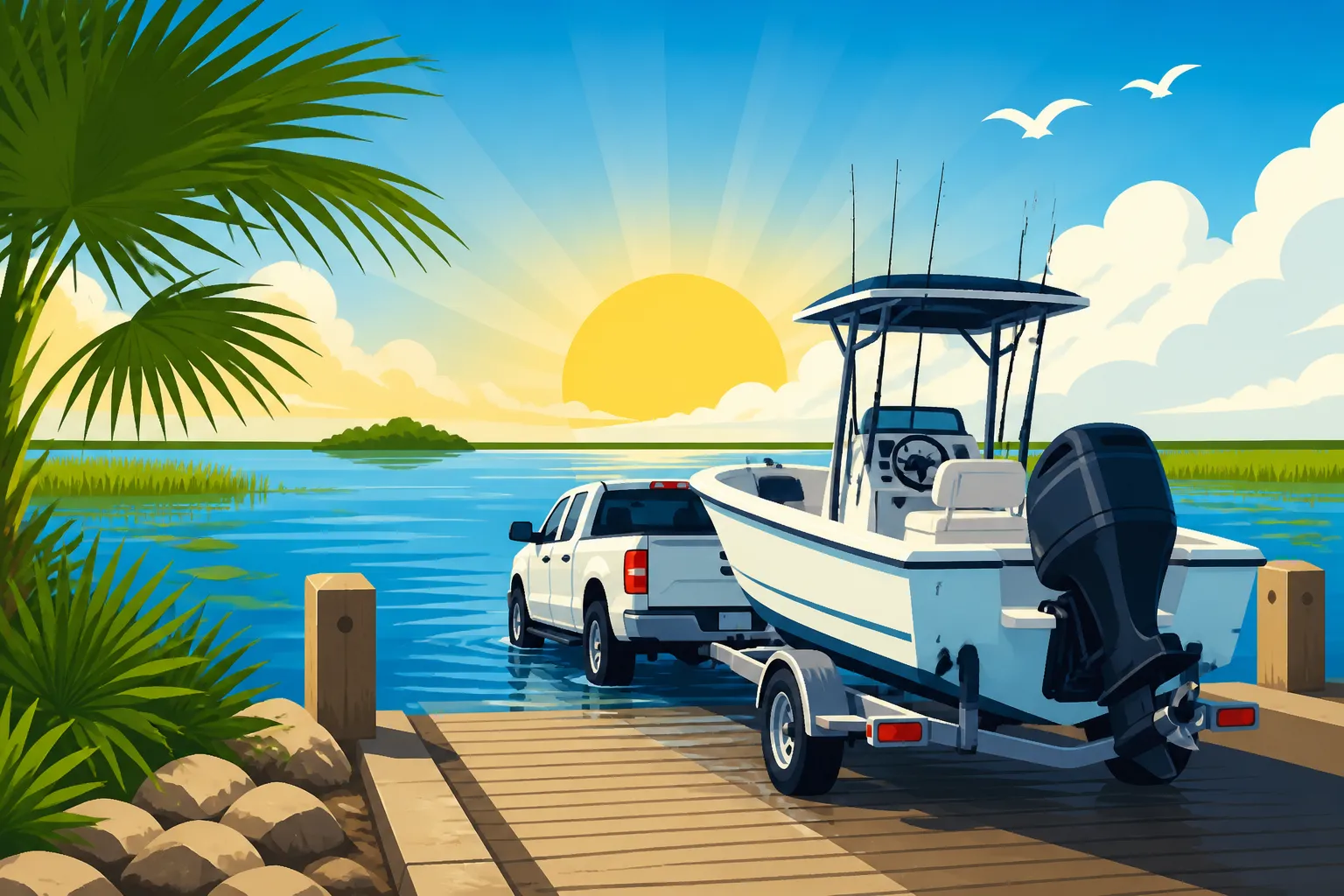
Before you even get your boat near the water, run through a quick checklist. This simple habit can prevent countless headaches. First, ensure your drain plug is securely in place – a classic mistake that can ruin a day! Next, check that your straps and tie-downs are removed, but leave the bow strap attached until you're ready to back into the water. Make sure your motor's trim is up, and your navigation lights are accessible if you're launching in the dark.
It’s also wise to load all your gear, tackle boxes, rods, and coolers into the boat while still in the parking lot, not on the ramp itself. This saves valuable time and keeps the line moving. Hooking up your sonar, charging your trolling motor batteries, and even getting your first bait ready can be done before you hit the ramp. Being organized allows you to quickly back down, launch, and clear the area, showing respect for other anglers waiting to use the ramp.
Navigating Crowded Ramps
Crowded boat ramps are an inevitable part of Florida fishing, especially on popular lakes like Okeechobee during prime fishing seasons. Patience and courtesy are paramount. If you see a line, accept it and wait your turn without trying to cut ahead. Observe how others are launching and retrieving; sometimes you can pick up a tip or understand the local flow.
When it's your turn, move efficiently but safely. Don't rush so much that you make mistakes. Communicate with your boat partner; a clear signal system for backing up and launching can be incredibly helpful. Once your boat is floating, quickly move it away from the ramp to a safe tie-up spot or have your partner take it out while you park the trailer. Similarly, when retrieving, have your trailer ready and backed down as soon as your boat approaches. Being quick and courteous is the name of the game, and it helps maintain a positive atmosphere at the ramp.
Essential Safety Practices
Safety at the boat ramp extends beyond just efficient launching. Always wear appropriate footwear with good grip, as ramps can be slippery from algae or wet conditions. Ensure your tow vehicle is in good working order, especially the brakes, as you'll be backing heavy loads down inclines. Be aware of your surroundings, watching for children, other vehicles, and pedestrians who might not be paying attention.
If you're launching or retrieving alone, take extra precautions. Consider using a stern line to help guide your boat if there's wind or current. Always have your safety equipment readily available in your boat, including life jackets, a whistle or horn, and a fire extinguisher. While you don't need a separate fishing license if you're fishing from a vessel with a valid recreational vessel fishing license, individual licenses are still generally required. Always double-check your Florida Fishing License Guide to ensure you're compliant before heading out. Moreover, understand the local rules, such as speed limits in canal areas or idle zones near ramps, to ensure a safe and respectful experience for everyone on the water.
Comparison of Key Lake Okeechobee Boat Ramps
To help you quickly decide which boat ramp might be best for your next trip, here’s a comparison of the top public and public-access options on Lake Okeechobee. Keep in mind that conditions, especially water levels, can change, so always verify current status before your trip.
| Ramp Location | Side of Lake | Primary Fish Access | Amenities | Parking | Launch Fee | Notes |
|---|---|---|---|---|---|---|
| Clewiston City Marina | SW | Bass, Crappie, Panfish | Restrooms, Bait/Tackle nearby, Fuel | Ample, Paved | No | Good all-around access to western flats. |
| Torry Island (Belle Glade) | SE | Bass, Panfish, Catfish | Restrooms, Camping, Marina facilities | Ample, Paved/Gravel | Yes (Marina) | Quieter, good for SE lake access. |
| Okee-Tantie Park (Okeechobee City) | N | Bass, Crappie, Catfish | Restrooms, Fish cleaning, Bait/Tackle | Very Ample, Paved | No | Most popular, can be very busy. |
| Roland Martin Marina (Clewiston) | SW | Bass, Crappie, Panfish | Full Marina, Guides, Lodging, Food | Very Ample, Paved | Yes | Top-tier facilities, highly reliable. |
| Lakeport Public Ramp | NW | Bass, Crappie, Panfish | Basic Restrooms (limited) | Moderate, Gravel | No | More secluded, good for NW lake access. |
This table provides a snapshot, but remember that checking current conditions is always your best bet. Local fishing reports on platforms like FishingBooker often include comments on ramp conditions and accessibility, giving you an added layer of insight.
Beyond the Ramp: Maximizing Your Lake Okeechobee Fishing Trip
Getting your boat in the water is just the first step. To truly make the most of your Lake Okeechobee fishing trip, you need to think about what happens after you leave the ramp. This includes understanding the best fishing strategies for the "Big O" and knowing when to seek the expertise of a professional guide.
Best Times and Techniques
Lake Okeechobee is a year-round fishery, but different seasons and conditions favor different species and techniques. For largemouth bass, which the lake is most famous for, spring (February to April) is often prime time due to the spawning season, when big females move into shallower waters. Techniques like flipping jigs or creature baits into heavy cover, pitching senkos around reeds, or throwing topwater lures in the early morning can be highly effective. The Florida Bass Fishing Techniques guide offers even more insights into maximizing your bass catches.
In cooler months, crappie fishing really heats up. Anglers often target them by drifting minnows or small jigs in open water, especially around the edges of deeper channels or hydrilla beds. During the hotter summer months, bass often move to deeper grass lines or congregate around submerged structure, requiring different approaches like deep cranking or using Carolina rigs. Understanding these seasonal patterns and adapting your techniques accordingly is crucial. You might also find certain areas, like the Kissimmee River entrance or the Rim Canal, to be more productive during specific times of the year.
Hiring a Guide for the Big O
For those unfamiliar with the vastness and complexities of Lake Okeechobee, or simply looking to learn its secrets, hiring a local fishing guide is an invaluable investment. A seasoned guide brings years of experience, knowing exactly where the fish are biting, what baits they prefer, and how to navigate the ever-changing conditions of the lake. They often have specialized equipment, including shallow-draft boats and advanced electronics, to get you to the most productive spots.
A good guide can save you countless hours of searching and experimenting, significantly increasing your chances of a successful and memorable day on the water. Many reputable guides operate out of major hubs like Clewiston or Okeechobee City. Platforms like FishingBooker make it easy to find and compare local guides, read reviews, and book a trip tailored to your preferences, whether you're after trophy bass, a cooler full of crappie, or just a relaxing day catching panfish. They can also offer critical insights into current Florida Fishing Regulations and Bag Limits for various species, ensuring you're fishing legally and responsibly.
Disclaimer
Please note that fishing conditions, regulations, and boat ramp availability on Lake Okeechobee can change frequently. Always consult the Florida Fish and Wildlife Conservation Commission (FWC) for the most current regulations, bag limits, and licensing requirements. Check local marina and park websites or call ahead for up-to-date information on boat ramp conditions, especially regarding water levels and potential closures, before planning your trip.