Best Way to Cook Trout
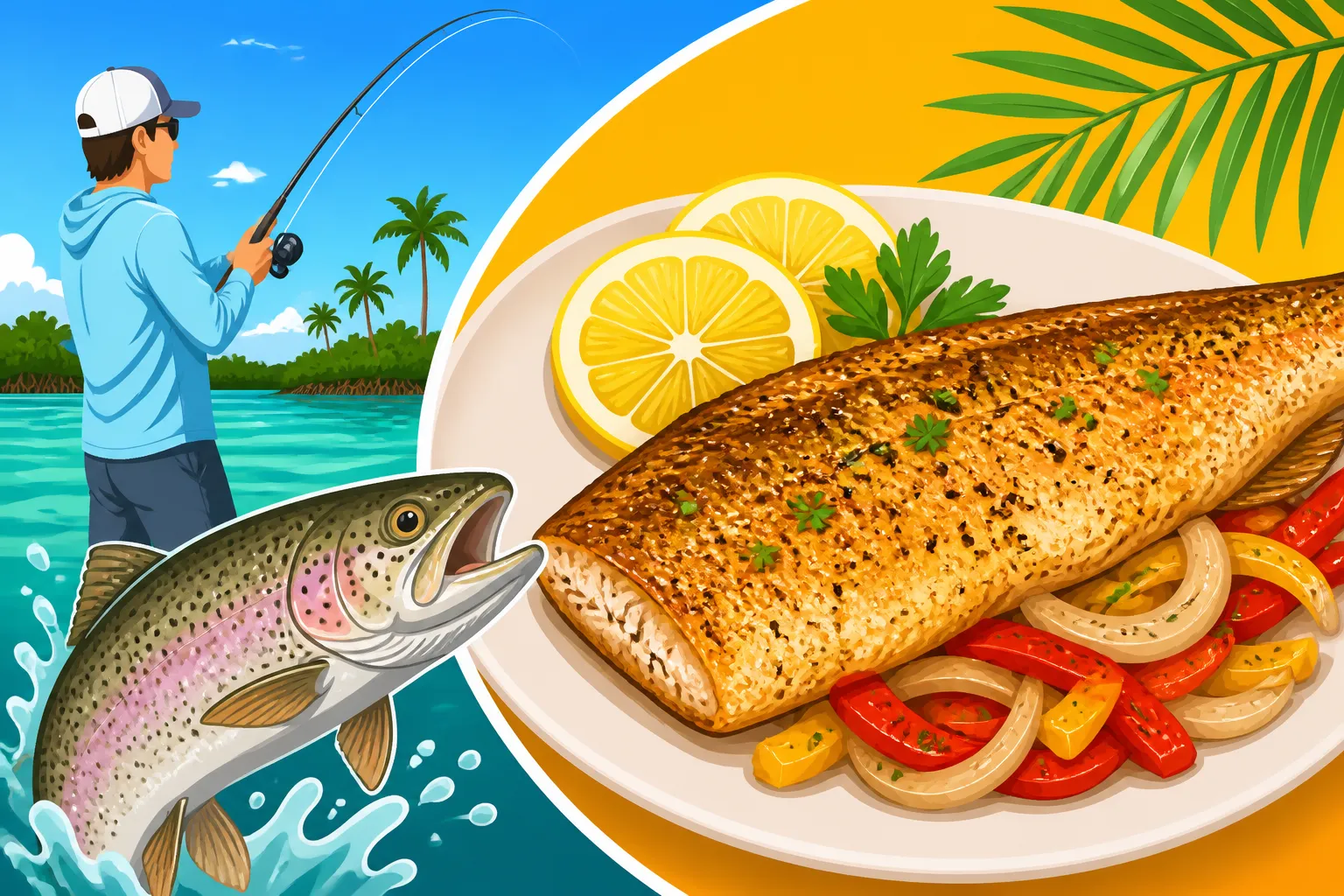
So, you've spent a glorious day on the flats or in a sparkling estuary, battling and finally landing some beautiful Florida trout. There's nothing quite like the satisfaction of bringing home fresh catch. But then you get home, the fish is on the counter, and you're staring at it, wondering, "Okay, now what's the absolute best way to prepare this delicate fish to truly honor its flavor?" This guide is all about taking that amazing Florida Spotted Seatrout from scale to plate, transforming it into a meal that will make your taste buds sing.
Understanding Florida Trout: A Culinary Perspective
Before we even think about turning on the stove, it's really helpful to understand the star of our show: the Florida trout. When most anglers in Florida talk about "trout," they're almost always referring to the Spotted Seatrout, a prized inshore species found in our coastal waters. These aren't your typical cold-water rainbow trout; they have a unique character that shines through with the right preparation.
The Flavors of Florida Trout: Freshwater vs. Saltwater
Let's clear up any confusion right away. When we're talking about Florida "trout" for eating, almost always, we mean the Spotted Seatrout, which is a saltwater species. While Florida has many wonderful freshwater fish, true trout like rainbow or brown trout aren't native to our warm waters. So, the culinary experience of a Florida "trout" is distinctly different from what you might find in a mountain stream up north.
Spotted Seatrout are known for their incredibly mild, delicate flavor and flaky white flesh. They have a subtle sweetness that's not overpowering, making them a fantastic canvas for various seasonings and cooking methods. Because of this mildness, they don't require heavy-handed spices that might mask their natural taste. Instead, think about enhancing that gentle flavor. Their texture is quite tender, almost melting in your mouth when cooked correctly. This delicate nature also means they can dry out easily if overcooked, so precision is key to keeping that beautiful flaky texture moist and delicious. If you’re looking to learn more about targeting this fantastic fish, check out our Spotted Seatrout Fishing Guide.
Preparing Your Catch: Cleaning and Filleting
The journey to the "best way to cook trout" really begins the moment you land your fish. Proper handling and immediate chilling are absolutely crucial for preserving that delicate flavor and firm texture. Get your fish on ice as quickly as possible after catching it. Seriously, don't let it sit in a bucket of warm water for an hour; that's a recipe for a "fishy" taste.
Once you're back home, it's time for the cleaning process. If you want a detailed walkthrough, our guide on How to Clean a Trout for Cooking is incredibly helpful. For a quick overview, you'll want to scale the fish first, gently scraping against the grain of the scales with a scaler or the back of a knife. Then, make an incision from the vent to the gills and remove all the internal organs, making sure to scrape out the kidney line along the backbone, which often looks like a dark red streak. Rinse the cavity thoroughly.
Now, on to filleting. This is where you really transform your catch into ready-to-cook portions. Lay the fish on its side on a clean cutting board. Using a sharp fillet knife, make a cut behind the pectoral fin, down to the backbone. Then, turn the blade flat and glide it along the backbone towards the tail, separating the fillet from the bones. Repeat on the other side. You'll then have two beautiful fillets. You can choose to leave the skin on for certain cooking methods (it can get wonderfully crispy!), or carefully slice it off by placing the fillet skin-side down and running your knife between the flesh and the skin, holding the tail end of the skin firmly. Remember, if you're keeping your catch, make sure you're aware of the Spotted Seatrout Size and Bag Limits.
Classic & Simple Cooking Methods for Florida Trout
Sometimes, the best way to enjoy a fresh catch is also the simplest. You don't need fancy equipment or a culinary degree to make delicious Florida trout. These methods focus on highlighting the fish's natural flavors with minimal fuss.
Pan-Searing for a Crispy Finish
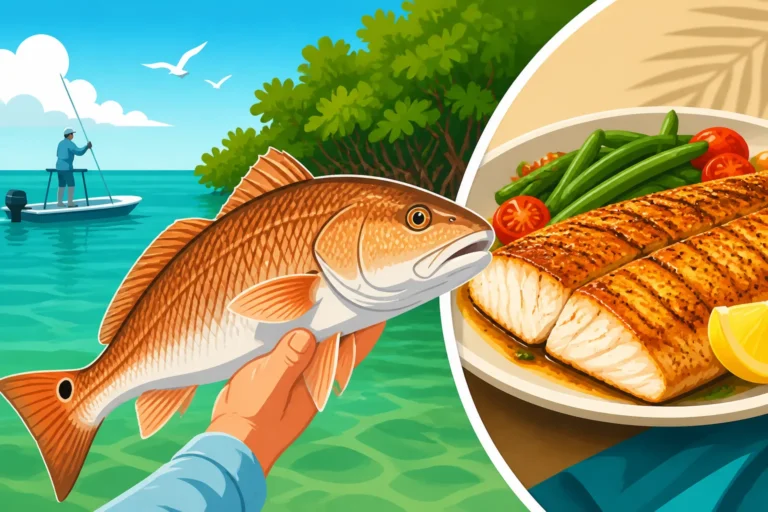
Pan-searing is arguably one of the most popular and satisfying ways to cook Spotted Seatrout. It's quick, easy, and when done right, gives you a beautiful crispy skin (if you leave it on!) and tender, flaky flesh. It’s a favorite for a reason!
Start by patting your fillets thoroughly dry with paper towels. This is a crucial step – moisture on the skin prevents crisping. Season both sides generously with salt, black pepper, and perhaps a sprinkle of garlic powder or a light Cajun seasoning blend. Heat a heavy-bottomed skillet, like a cast iron pan or a good quality stainless steel pan, over medium-high heat. Add a tablespoon or two of a high smoke point oil, like olive oil, avocado oil, or grapeseed oil. You want enough oil to lightly coat the bottom of the pan.
Once the oil shimmers and just begins to smoke, carefully place the trout fillets skin-side down into the hot pan. Don't crowd the pan; cook in batches if necessary. Press down gently on the fillets for the first 30 seconds to ensure even contact with the pan and prevent curling. Let it cook undisturbed for about 3-4 minutes, or until the skin is golden brown and crispy, and you can see the flesh begin to cook up the sides of the fillet. Then, carefully flip the fillets and cook for another 1-2 minutes on the flesh side, just until it's opaque and flakes easily with a fork. Overcooking will dry it out, so keep a close eye on it. Serve immediately with a squeeze of fresh lemon.
Baking or Roasting for a Healthy Option
Baking or roasting offers a healthy, hands-off approach that’s perfect for both whole fish and fillets. It’s a great way to infuse flavor without adding a lot of extra fat, and it minimizes the chance of the delicate fish breaking apart.
If you're baking whole trout (scaled and gutted), simply stuff the cavity with lemon slices, fresh dill or parsley, and a few pats of butter or a drizzle of olive oil. Rub the outside with oil and season with salt and pepper. For fillets, arrange them on a baking sheet lined with parchment paper or foil (for easy cleanup). Drizzle with olive oil, season with salt, pepper, and your favorite herbs like dried dill, thyme, or a pinch of paprika. A couple of lemon slices placed directly on top of each fillet adds fantastic moisture and flavor. You can even add some chopped cherry tomatoes or thin onion slices to the pan for a built-in side dish.
Preheat your oven to around 400°F (200°C). Bake whole trout for approximately 15-20 minutes, depending on size, or until the flesh is opaque and flakes easily. Fillets will cook much faster, typically 10-15 minutes. The key is to check frequently and pull it out as soon as it's done. You don't want dry fish! A good internal temperature is around 145°F (63°C).
Grilling for that Outdoor Flavor
Nothing says "Florida" quite like cooking outdoors, and grilling fresh trout adds a smoky, char-kissed flavor that's simply irresistible. This method is fantastic for a backyard cookout and works well for both whole fish and fillets.
First things first, make sure your grill grates are absolutely clean and well-oiled. This is paramount to prevent the delicate fish from sticking and falling apart. You can lightly oil the fish itself as well. For fillets, using a grill basket is a game-changer. It allows you to easily flip the fish without it breaking through the grates. If grilling whole fish, make a few shallow diagonal slits on each side; this helps it cook evenly and allows seasonings to penetrate. Season your trout with salt, pepper, and perhaps a touch of cayenne for a little kick, or a dry rub designed for fish. A marinade of olive oil, lemon juice, and garlic for 20-30 minutes beforehand also works wonders.
Preheat your grill to medium-high heat. If using a grill basket, place the seasoned fillets inside, latch it, and place it on the grates. If grilling whole fish directly on the grates, ensure the skin is well-oiled. Cook for about 4-6 minutes per side, depending on thickness, or until the internal temperature reaches 145°F (63°C) and the flesh is opaque. Resist the urge to constantly flip it; let it develop a good sear before turning. Serve with grilled veggies and a cold drink.
Creative & Advanced Trout Preparations
While simple methods are fantastic, sometimes you want to get a little more adventurous in the kitchen. Florida trout, with its versatile flavor, is perfect for exploring more creative and advanced culinary techniques.
Deep Frying for the Ultimate Southern Comfort
For many, a fish fry is a quintessential Florida experience, especially after a successful day on the water. Deep frying Spotted Seatrout delivers a delightfully crispy exterior and a juicy, tender interior. It's definitely a comfort food classic.
The secret to a great fried trout is the batter. You can go simple with seasoned flour, or classic Southern with a cornmeal-based breading. A common mix is 1 part cornmeal to 2 parts all-purpose flour, seasoned generously with salt, pepper, garlic powder, onion powder, and a dash of cayenne. Some folks like to dip their fillets in buttermilk before dredging in the seasoned mix for an extra tender result.
Heat your frying oil (peanut oil, vegetable oil, or canola oil work well) in a deep pot or an electric deep fryer to a consistent 350-375°F (175-190°C). This is where a good frying thermometer, easily found on places like Amazon, becomes your best friend. Carefully lower your breaded fillets into the hot oil, making sure not to overcrowd the pot. Fry for about 3-5 minutes, or until golden brown and floating. The fish will cook quickly. Remove with a slotted spoon or spider and place on a wire rack over paper towels to drain excess oil. Serve immediately with lemon wedges, homemade tartar sauce, and classic sides like hushpuppies or coleslaw.
Smoking for a Rich, Flavorful Experience
Smoking trout is a fantastic way to impart a deep, complex flavor that's completely different from other cooking methods. It's a bit more involved, but the results are absolutely worth the effort, creating a rich, flaky fish that's wonderful on its own or in other dishes.
The first step for smoking is often a brine. A simple brine can be a solution of water, salt, brown sugar, and a few spices (like bay leaves or peppercorns). Submerge your trout fillets in the cooled brine for 4-8 hours in the refrigerator. After brining, rinse the fillets thoroughly under cold water and pat them completely dry. Then, let them air-dry on a wire rack in the fridge for a few hours (or overnight) until a shiny pellicle forms on the surface. This pellicle is crucial for smoke adherence and flavor.
Set up your smoker with a mild wood, like apple, cherry, or alder, for fish. Hardwoods like hickory or mesquite can be too strong for delicate trout. Maintain a low smoking temperature, typically between 180-225°F (82-107°C). Place the pellicle-formed fillets on the smoker grates and smoke for 1.5 to 3 hours, or until the internal temperature reaches 145°F (63°C) and the fish flakes easily. Once cooled, smoked trout can be flaked into dips, used in salads, or simply enjoyed straight from the fridge.
Ceviche or Crudo: A Raw and Refreshing Take
For the absolute freshest Spotted Seatrout, especially if you caught it yourself just hours ago, a raw preparation like ceviche or crudo can be an incredibly refreshing and impressive way to enjoy its pristine flavor. This method, however, demands impeccable freshness.
Ceviche involves "cooking" the fish in the acidity of citrus juice. For Florida trout ceviche, thinly slice your very fresh fillets into small, bite-sized pieces. Place them in a non-reactive bowl and cover with fresh lime or lemon juice (or a mix of both). Add finely diced red onion, jalapeño (seeds removed for less heat), chopped cilantro, and a pinch of salt and pepper. Gently toss, ensuring all the fish is submerged. Refrigerate for 20-30 minutes. You'll notice the fish turning opaque, indicating it's "cooked" by the acid. Don't marinate too long, or it can become rubbery. Serve immediately with tortilla chips or on its own.
Crudo is even simpler, focusing on the quality of the fish itself. Slice the trout fillets extremely thinly, almost paper-thin, and arrange them on a chilled plate. Drizzle lightly with a high-quality extra virgin olive oil, a few flakes of sea salt, freshly ground black pepper, and perhaps some very thin slices of radish or a few capers. A final squeeze of lemon or lime juice ties it all together. The goal here is to let the pure flavor of the fish shine through, enhanced by minimal, high-quality ingredients.
Essential Tools and Seasonings for Trout Cooking
Having the right gear and the perfect flavor enhancers can make all the difference in turning a good meal into a great one. Don't underestimate the impact of quality tools and thoughtful seasoning.
Must-Have Kitchen Gadgets for Anglers
You don't need a gourmet kitchen to cook amazing trout, but a few key items will certainly make your life easier and your fish taste better.
First and foremost, a sharp fillet knife is non-negotiable. A dull knife is a dangerous knife, and it makes filleting a delicate fish like trout much harder, often resulting in ragged fillets and wasted meat. Look for one with a flexible blade around 6-9 inches. You can find excellent options on online retailers like Amazon, from brands like Dexter-Russell or Rapala, which are well-regarded by anglers.
Next, a sturdy cutting board that won't slip is essential for safety and efficiency. A large plastic or composite board is easy to clean and won't absorb fish odors. If you plan on grilling, a fish grill basket is a fantastic investment. As mentioned earlier, it prevents your delicate fillets from sticking to the grates and makes flipping a breeze. Again, check out Amazon for a wide selection. For deep frying, a frying thermometer is crucial for maintaining consistent oil temperature, ensuring your fish is cooked perfectly crispy without being greasy or burnt. And of course, a good cooler isn't just for keeping your catch fresh on the boat; it's vital for transporting your fish home safely to maintain that peak freshness for cooking.
Seasoning Blends and Flavor Pairings
Spotted Seatrout has a beautiful, mild flavor, which means it pairs wonderfully with a variety of seasonings without being overwhelmed. The goal is to enhance, not mask.
For a classic, effortless flavor, you can't go wrong with lemon, butter, salt, and pepper. This combination perfectly complements the delicate fish. Fresh dill or parsley are also natural companions, bringing a bright, herbaceous note. Minced garlic, either fresh or granulated, adds a lovely aromatic depth.
If you're looking for a bit more zip, especially if you're pan-searing or deep-frying, a Cajun or Creole seasoning blend works beautifully. These blends often contain paprika, garlic powder, onion powder, black pepper, and cayenne, offering a savory, slightly spicy kick that resonates with Florida's culinary landscape. Just be mindful of the salt content in pre-made blends. Consider making your own simple blend at home to control the ingredients. You can also find a fantastic array of individual spices and pre-mixed blends from various brands on Amazon to experiment with, expanding your flavor pantry easily. For a unique touch, a sprinkle of smoked paprika can add a subtle smoky depth without needing an actual smoker.
Remember, start with a light hand and taste as you go. You can always add more, but you can't take it away!
Troubleshooting Common Trout Cooking Problems
Even experienced cooks can encounter hiccups. When it comes to delicate fish like Florida trout, a few common issues can arise. Knowing how to prevent or fix them will save your meal and your sanity!
Avoiding Dry, Overcooked Fish
This is perhaps the most common pitfall when cooking trout. Because its flesh is so delicate and thin, it cooks incredibly quickly, and even an extra minute or two can turn a juicy fillet into a dry, flavorless hockey puck.
The best way to avoid this is to pay close attention and use your senses. The moment the flesh becomes opaque all the way through and flakes easily with a fork, it's done. Don't wait for it to be firm; that's too late. When pan-searing, look for the edges to turn white and opaque, then flip and cook for just a short time on the other side. For baking, start checking around the minimum suggested cooking time. A meat thermometer, inserted into the thickest part of the fillet, should read 145°F (63°C).
Another trick is to remove the fish from the heat slightly before it's completely done. It will continue to cook for a minute or two from its residual heat, especially if you let it rest. Speaking of resting, just like a steak, letting your cooked trout rest for 2-3 minutes before serving allows the juices to redistribute, keeping the fish moist and tender.
Preventing Fish from Sticking to the Pan or Grill
Nothing is more frustrating than perfectly cooked fish falling apart because it welded itself to your cooking surface. The good news is, this is an easily avoidable problem with a few key steps.
First, heat is your friend. Whether it's a pan or a grill, ensure your cooking surface is properly preheated to the correct temperature before adding the fish. A cold pan will almost guarantee sticking. Second, oil, oil, oil! Use enough cooking oil (like olive, avocado, or grapeseed oil) to lightly coat the bottom of your pan or to thoroughly brush your grill grates. Don't be shy. For grilling, you can also lightly brush the fish itself with oil.
Third, pat your fish dry. Excess moisture on the fish's surface will cause it to steam rather than sear, making it more prone to sticking. Use paper towels to pat both sides of your fillets completely dry before seasoning and cooking. Finally, don't move it too soon. Once you place the fish in the hot, oiled pan or on the grill, leave it alone for a few minutes. Let a crust form. When it's ready to flip, it will often release itself from the surface quite easily. If it's sticking stubbornly, it's probably not ready. Give it another minute.
Dealing with Fishy Smells
While fresh Florida trout should have a mild, pleasant aroma, sometimes you might encounter a stronger "fishy" smell. This often indicates the fish isn't as fresh as it could be, or it wasn't handled properly after being caught.
The absolute best defense against "fishiness" is freshness and proper handling. Always gut and ice your fish immediately after catching. If possible, cook it the same day or within a day or two. When selecting fish, look for clear eyes, bright red gills, and firm, shiny flesh.
If you do find your fish has a slightly stronger odor, there are ways to mitigate it. Soaking fillets in milk for 15-20 minutes can help, as the casein in milk binds to the compounds that cause fishy odors. Rinse thoroughly after soaking. Another effective method is to use acidic marinades. Lemon juice, lime juice, or even a splash of white vinegar in your seasoning mix can help neutralize odors. These acidic ingredients are also fantastic flavor enhancers. And during cooking, ensure good ventilation in your kitchen by turning on your range hood or opening a window to disperse any lingering aromas.
Pairing Your Perfectly Cooked Trout
You've successfully cooked your Florida trout to perfection – congratulations! Now, to truly complete the meal, consider what to serve alongside it. Thoughtful pairings can elevate the entire dining experience, complementing the delicate flavors of the fish without overpowering them.
Classic Side Dishes
When it comes to sides for trout, simplicity and freshness are often the best approach. You want dishes that support the fish, not compete with it.
Roasted or steamed vegetables are always a winner. Asparagus, green beans, broccoli, or even a medley of colorful bell peppers tossed with olive oil, salt, and pepper, then roasted until tender-crisp, makes for a light and healthy accompaniment. The slight char from roasting can also echo the flavors if you grilled your fish. For something a bit heartier, roasted potatoes – cut into small cubes and seasoned with rosemary and garlic – provide a comforting starch.
If you prefer a lighter starch, rice pilaf or a simple fluffy white rice can be a great canvas for soaking up any pan sauces or butter that accompany your fish. In a nod to Southern tradition, especially if you deep-fried your trout, a creamy bowl of grits can be a surprisingly delicious pairing. And for a refreshing contrast, a crisp, simple green salad with a light vinaigrette or a classic coleslaw can cut through the richness of fried fish beautifully.
Sauces and Garnishes to Elevate the Dish
Sometimes, a little extra something can take your perfectly cooked trout from great to absolutely unforgettable. A simple sauce or a fresh garnish can add brightness, moisture, and an extra layer of flavor.
The most classic and often best accompaniment is a simple lemon-butter sauce. Melt butter in a small pan, add a squeeze of fresh lemon juice, a pinch of salt, and finely chopped fresh parsley or dill. Drizzle this over your pan-seared or baked trout just before serving. It's rich, tangy, and incredibly complementary.
For deep-fried trout, a homemade tartar sauce is a must. A simple version involves mayonnaise, finely chopped dill pickles or capers, a squeeze of lemon juice, and a dash of hot sauce. Mix it up a day ahead to let the flavors meld.
Beyond sauces, fresh herbs are fantastic garnishes. A sprinkling of fresh chopped parsley, dill, chives, or cilantro over the finished dish adds color, aroma, and a burst of fresh flavor. And, of course, a few lemon or lime wedges on the plate allow everyone to add a final squeeze of bright acidity, which always makes fish pop. Don't underestimate the power of that last little burst of citrus!
| Cooking Method | Best for | Flavor Profile | Cooking Time (fillets) | Key Tip |
|---|---|---|---|---|
| Pan-Searing | Crispy skin, quick meal | Golden, savory, delicate | 5-7 minutes | Pat dry for crispy skin |
| Baking/Roasting | Healthy, hands-off, whole fish | Mild, infused with aromatics | 10-15 minutes | Don't overcook – watch closely |
| Grilling | Smoky flavor, outdoor cooking | Charred, smoky, tender | 8-12 minutes | Clean, oiled grates are crucial |
| Deep Frying | Crispy, comfort food | Rich, crunchy, juicy | 3-5 minutes | Maintain oil temperature |
| Smoking | Rich, complex, flaky | Deeply smoky, tender | 1.5-3 hours | Brine for best results |
| Ceviche/Crudo | Raw, refreshing, ultra-fresh | Bright, tangy, pristine | 20-30 min (ceviche) | Absolute freshest fish required |
This article is for general informational purposes only and does not constitute professional advice. Laws, prices and regulations vary by location and change over time. Consult a qualified professional for guidance on your specific situation.