Is Florida Snook Season Closed in Winter?
It can be incredibly frustrating to plan a fantastic fishing trip to Florida, only to find yourself scratching your head over whether or not snook season is open, especially during those cooler winter months. The regulations feel like they're always changing, and nobody wants to risk a fine or harm this incredible species. This guide is here to clear up all that confusion about Florida's snook season closures in winter, helping you understand the rules so you can fish responsibly and legally.
Understanding Florida's Snook Season Regulations
Florida is famous for its snook, a truly iconic sportfish known for its explosive strikes and impressive fights. Because they're so highly prized, snook populations are carefully managed by the Florida Fish and Wildlife Conservation Commission (FWC) to ensure their long-term health and abundance. This management often involves seasonal closures, which can feel a bit complex, but they're put in place for very good reasons.
The Rationale Behind Seasonal Closures
Snook are particularly vulnerable during certain times of the year, and seasonal closures are a critical tool in conservation efforts. One of the main reasons for closing the season is to protect snook during their spawning aggregations. When these fish gather in large groups to reproduce, they become much easier targets for anglers. By closing the season during these crucial periods, the FWC helps ensure that enough snook successfully spawn, contributing to future generations of the species. Think of it as giving them a much-needed break to do their thing without added pressure.
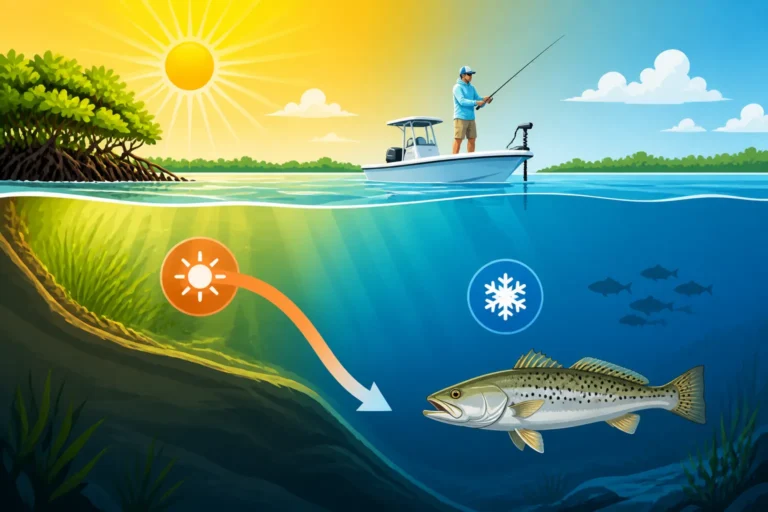
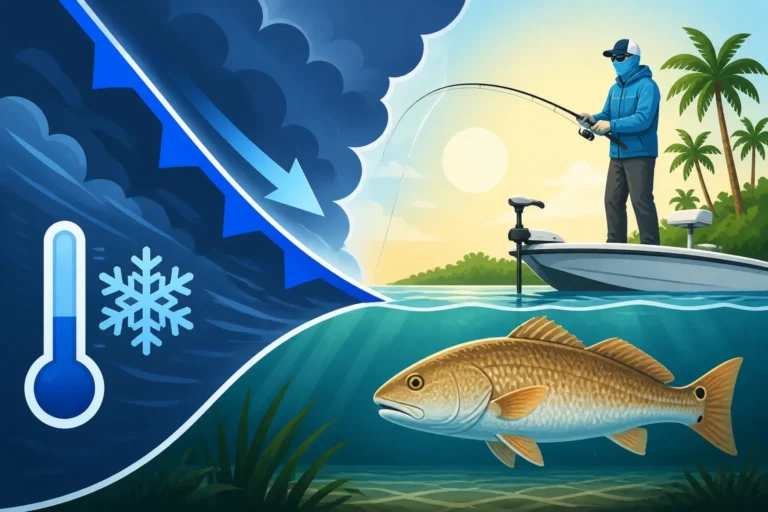
Another significant factor, especially pertinent to the winter months, is the snook's sensitivity to cold water. Unlike many other Florida species, snook are tropical fish and cannot tolerate prolonged exposure to water temperatures below certain thresholds. When cold fronts sweep through Florida, especially in parts of the state like the Gulf Coast, water temperatures can plummet. Snook become sluggish, stressed, and gather in warm-water refuges, making them extremely susceptible to capture. Closing the season during these cold periods protects these stressed fish from additional mortality. It's a proactive measure to prevent large-scale die-offs or severe impacts on the population when they are at their most vulnerable.
General Winter Snook Season Status
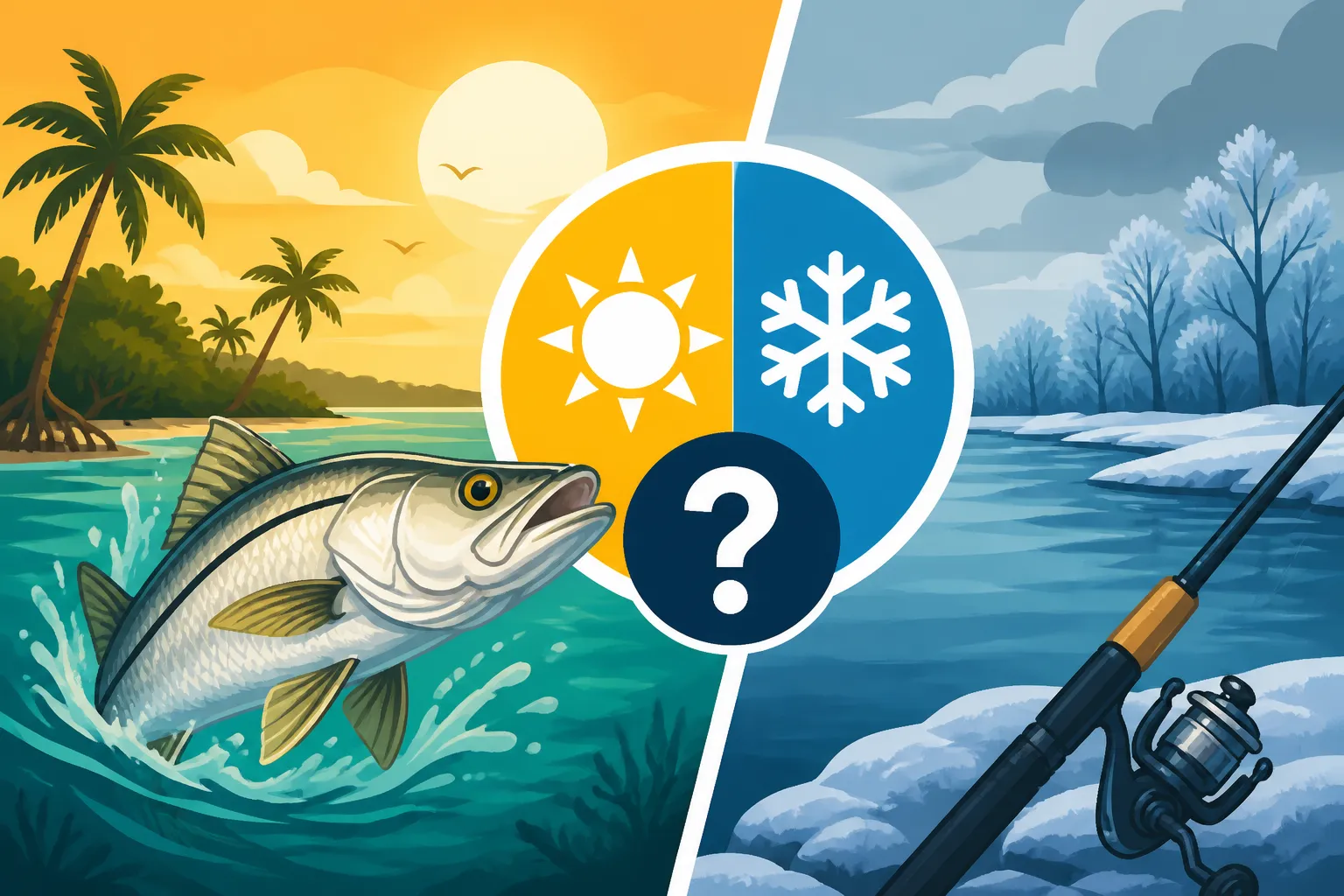
So, let's get right to it: is Florida snook season closed in winter? The short answer is, yes, typically a significant portion of the winter is indeed closed for snook, especially on the Gulf Coast. The exact dates can vary slightly year to year based on FWC management decisions and current stock assessments, but historically, the Gulf Coast region experiences a closure from December 1st through the end of February. This three-month period is specifically designed to protect snook during the coldest parts of the year, preventing harvest when they are concentrated in deep canals, rivers, and other warm-water sanctuaries.
On the Atlantic Coast, the winter closure differs. While there used to be a general December 15th through January 31st closure, current regulations sometimes see these dates shift or become more localized. It's crucial to always check the most up-to-date FWC regulations, as they are subject to change. However, the overall principle remains: winter is a period of heightened caution and often closure for snook fishing across significant parts of Florida due to their cold sensitivity. Even when open, the fish are often lethargic and catch-and-release with extra care is paramount. You can dive deeper into the overarching rules by checking out our comprehensive guide on the Florida Snook Season Guide.
Regional Variations and Specific Dates
Florida is a big state with diverse ecosystems, and the snook regulations reflect that. What applies to the Gulf Coast might not apply to the Atlantic Coast, and even within those regions, specific management zones can have their own nuances. This is where it gets a little tricky, but it's vital to know your fishing zone.
On the Gulf Coast, the standard winter closure is from December 1st to the last day of February. This applies to all state waters from Hernando County south to Gordon Pass in Collier County, including all of Everglades National Park. However, it's worth noting that the waters surrounding Monroe County (the Florida Keys) have their own unique management, often aligning more closely with Atlantic rules, but still with specific considerations. This general Gulf closure is quite steadfast because these areas are more prone to severe cold snaps that impact snook directly.
The Atlantic Coast traditionally sees a different winter schedule. For example, the Atlantic Coast, from the Georgia border south to the Miami-Dade/Monroe County line, typically has a closure from December 15th to January 31st. However, the FWC has, at times, kept the season open through this period or adjusted dates. The reason for these differences often relates to the frequency and severity of cold fronts, as the Atlantic generally experiences less dramatic temperature drops than the shallow Gulf. It's also about managing specific regional populations. Always, and I mean always, double-check the current Florida Fishing Regulations and Bag Limits directly with the FWC before heading out, as these dates can be amended.
Here’s a simplified breakdown of the typical snook season patterns, keeping in mind these are general guidelines and not definitive legal advice:
| Region | Typical Winter Closure Dates (Check FWC for current year) | Primary Rationale |
|---|---|---|
| Gulf Coast | December 1st – February 28/29th | Cold water sensitivity, population protection |
| Atlantic Coast | December 15th – January 31st (historically, may vary) | Cold water sensitivity, spawning protection |
| Monroe County | Often aligns with Atlantic, but unique rules may apply | Species management, cold sensitivity |
Understanding these regional differences is key. Fishing in the wrong zone during a closed season, even if it's open elsewhere, can lead to significant penalties. This complexity is why many experienced anglers subscribe to FWC email alerts or use their app to get real-time updates.
Navigating Catch and Release Rules During Closed Seasons
Just because snook season is closed for harvest doesn't mean you can't go fishing for them! Many anglers enjoy targeting snook year-round on a catch-and-release basis. In fact, practicing responsible catch and release is a fantastic way to sharpen your skills, enjoy the thrill of the fight, and contribute to conservation. However, during closed seasons, proper technique and equipment are not just good practice; they are absolutely essential to ensure the fish's survival.
Essential Gear for Responsible Catch and Release
When you're out there specifically for catch-and-release snook fishing, having the right gear can make all the difference in minimizing stress and harm to the fish. Forget the old notions of just yanking them onto the bank – responsible angling demands a more thoughtful approach.
First and foremost, a proper dehooking tool is non-negotiable. Pliers are fine for some situations, but a long, curved dehooker allows you to remove hooks deep in a fish's mouth with minimal handling. This means less time out of the water and less stress for the snook. You can find excellent options on Amazon, designed specifically for different hook sizes, that are a true game-changer. Next up is a rubberized landing net or a lip-gripping tool (without locking jaws). Regular nylon nets can strip away a fish's protective slime layer, leaving them vulnerable to disease. Rubberized nets are much gentler, and a good lip gripper (used correctly, to support the fish horizontally) allows for control without causing jaw damage. Avoid grippers that lock and let the fish hang vertically, as this can severely injure their internal organs.
Another often-overlooked piece of gear is your fishing line. Using a line that's too light for the fish you're targeting can prolong the fight, exhausting the snook to the point where it can't recover. While it's tempting to go light for a bigger challenge, during closed seasons, prioritize the fish's health. Opt for a slightly heavier leader and main line than you might otherwise, ensuring you can land the fish quickly and efficiently. For example, many anglers targeting larger snook prefer 30-40lb fluorocarbon leader. High-quality fishing line, easily found on platforms like Amazon, makes a huge difference in preventing break-offs which leave hooks in fish.
Best Practices for Handling Snook
Even with the best gear, proper handling is paramount. Every second a snook is out of the water is a stressor. Here’s a step-by-step guide to best practices:
- Minimize Fight Time: As mentioned, use appropriate tackle to bring the fish in swiftly. A prolonged fight can deplete the snook's energy reserves, making it less likely to survive release.
- Keep it Wet: Whenever possible, try to dehook the snook while it's still in the water, especially if you're fishing from a boat or kayak. If you must bring it aboard, use that rubberized net and place the fish on a wet, soft surface. Never let a snook flop around on dry boat decks or hot sand.
- Support the Fish: If you lift the fish for a quick photo, support its body horizontally with two hands – one under the belly and one near the tail. Avoid holding it solely by the jaw, especially for larger snook, as this can cause severe damage to their spine and internal organs. The Florida Fish and Wildlife Conservation Commission strongly advocates for proper handling methods, emphasizing the two-hand support for larger fish.
- Quick Dehooking: Use your dehooking tool to remove the hook as quickly and gently as possible. If the hook is deeply swallowed and cannot be easily removed without causing further trauma, cut the line as close to the hook as possible. Hooks will often rust out or pass through the fish's system.
- Revive if Necessary: If the snook appears sluggish after release, gently hold it upright in the water, facing into the current. Move it back and forth slightly to push water over its gills until it regains strength and swims away on its own. Don't just toss it back if it's not ready.
Following these practices, covered in more detail in articles like Catch and Release Best Practices for Snook, not only ensures the fish's survival but also enhances the integrity of the sport.
Legal Implications of Mismanaging Catch and Release
During closed seasons, all snook caught must be released immediately and unharmed. This isn't just a suggestion; it's a legal requirement. Mismanaging catch and release, even unintentionally, can lead to serious consequences. If a law enforcement officer observes you mishandling a snook, or if a fish you've caught appears to be in distress or injured due to improper handling, it could be interpreted as a violation of catch and release rules.
The penalties for violating fishing regulations in Florida can range from hefty fines to more severe consequences, including confiscation of gear or even criminal charges in extreme cases. For example, the Penalty for Fishing Without a License in Florida gives you an idea of the seriousness of fishing violations. When snook season is closed, keeping even one fish, regardless of size, is illegal and will result in significant fines. Furthermore, any actions that deliberately or negligently cause harm to a snook that should have been released could also lead to enforcement actions. Always err on the side of caution, educate yourself thoroughly on the Florida Fishing Regulations and Bag Limits, and ensure your practices align with conservation goals. It's about respecting the resource and the law.
Alternative Winter Fishing Opportunities in Florida
While snook fishing is a blast, the winter closures offer a fantastic chance to explore the incredible diversity of Florida's fisheries. Don't let a closed snook season put a damper on your winter angling plans; the Sunshine State has plenty of other exciting species to target!
Other Prized Species to Target
When snook are off-limits for harvest, many other popular game fish are still biting and in season. One of the top alternatives, especially in the saltwater flats and inshore areas, is redfish. These powerful, copper-colored fish are often schooling up in cooler water, making them a prime target for sight fishing on sunny winter days. They hit lures and live bait with enthusiasm, offering a fight that rivals snook. Check out our Florida Redfish Fishing Guide for more tips.
Spotted seatrout are another excellent choice. While they might move to slightly deeper channels and potholes during cold snaps, they remain active throughout the winter months. They are abundant and offer consistent action, often found on grass flats where they ambush baitfish. For those seeking something larger, sheepshead become incredibly active around structure like docks, bridges, and oyster bars in winter. These "convict fish" are notoriously tricky to hook due to their small mouths and bait-stealing habits, but they offer a unique challenge and are delicious table fare. You can often find them near major structures, like the bridges around Sanibel Island or in Tampa Bay.
If you're looking to venture offshore, winter can be prime time for grouper and snapper. While certain species like gag grouper might have specific closures, many varieties are open or have extended seasons, offering thrilling deep-water action. Species like red snapper have specific seasons, but others are often available. This is also a great time to target migratory species like king mackerel or cobia, which often move closer to shore as water temperatures drop. And of course, in freshwater, Florida's famous largemouth bass are active year-round, with winter often being a fantastic time to target trophy-sized fish on lakes like Okeechobee.
Exploring Different Fishing Techniques
With a change in target species often comes an opportunity to try new fishing techniques. While snook fishing often involves working artificials or live baits along mangroves or oyster bars, winter fishing for other species can introduce you to different strategies.
For redfish and trout on the flats, winter often means clearer water, which is perfect for sight fishing. You'll pole along quietly, scanning for individual fish or schools, then present a lure or bait with precision. This can be done effectively with artificial lures like soft plastic jerkbaits or scented grubs, or with live shrimp. For those targeting sheepshead, a finesse approach is key. Small hooks, light leader, and tiny pieces of shrimp, fiddler crabs, or barnacles fished directly on structure are usually the most effective. It's a game of patience and a gentle touch, but incredibly rewarding when you finally feel that subtle tap.
Offshore, bottom fishing with cut bait or live bait is the go-to method for many grouper and snapper species. You'll drop your rig down to the structure where these fish live, patiently waiting for a bite. For migratory species like king mackerel, trolling with baits or spoons can be highly effective. This involves slowly motoring through areas where fish are likely to be, covering more ground and presenting your offering at varying depths. Exploring some of these techniques can truly broaden your angling horizons.
Where to Fish When Snook Season is Closed
Florida has an abundance of incredible fishing spots that remain productive throughout the winter, even when snook season is closed. For inshore saltwater action, focus on areas known for thriving populations of redfish, trout, and sheepshead. The vast grass flats and intricate mangrove systems of Tampa Bay, Charlotte Harbor, and the Indian River Lagoon are fantastic choices. During colder periods, fish tend to seek out deeper pockets, canals, or sunny mud flats that warm up faster. Places like the canals in South Florida are not just for exotic species like peacock bass, but can also hold snook (for catch-and-release) and other species seeking warmth.
If you're interested in pier fishing or bridge fishing, winter is a great time to hit spots like the Skyway Fishing Pier State Park near St. Petersburg, which offers access to a variety of species including sheepshead, mackerel, and often even permit. Similarly, many coastal bridges provide excellent opportunities for sheepshead and sometimes even flounder. For freshwater enthusiasts, Lake Okeechobee remains a world-class destination for largemouth bass throughout the winter. Other prominent lakes like Lake Toho and the Kissimmee Chain of Lakes also produce excellent bass fishing. Don't limit yourself to just the obvious spots; explore local ponds, rivers, and even retention ponds, as many hold healthy populations of various fish species that are open for harvest year-round. Many of these locations are covered in our Best Fishing Spots in Florida guide.
Staying Informed About Regulation Changes
The world of fishing regulations can feel like a moving target, especially with species like snook that are so carefully managed. Keeping up with the latest rules is not just a good idea; it's essential for legal and responsible angling. You don't want to rely on outdated information from a few years ago or hearsay from a fellow angler.
Official Sources for Up-to-Date Information
The absolute best and most reliable source for Florida fishing regulations is the Florida Fish and Wildlife Conservation Commission (FWC). They are the governing body responsible for setting and enforcing these rules. Their website, MyFWC.com, is a treasure trove of information, regularly updated with the latest changes, news releases, and detailed guides for every species. You can find specific recreational harvest limits, season dates, and regional breakdowns directly from the source. It's not the prettiest website, perhaps, but it's the authoritative one.
Beyond their website, the FWC publishes an annual recreational fishing regulations booklet. While this booklet is printed, always remember that in-season changes can and do occur, so the website should be your primary reference for real-time updates. You can also sign up for FWC email alerts or follow their official social media channels, where they often post notifications about upcoming regulation changes or emergency closures due to things like severe cold weather events. These official channels are designed to ensure anglers have direct access to the most accurate information.
Utilizing Fishing Apps and Local Knowledge
In addition to official FWC channels, there are fantastic modern tools that can help you stay current. The Fish Rules App is a highly popular and incredibly useful tool for Florida anglers. This app provides real-time regulations based on your exact GPS location, taking the guesswork out of "am I in the Gulf or Atlantic zone?" and showing you what's in season, bag limits, and size requirements for the fish you've caught. It updates frequently to reflect FWC changes, making it an almost indispensable tool for modern anglers. It's available for both iOS and Android platforms and many seasoned anglers swear by it.
Beyond apps, never underestimate the power of local knowledge. Chatting with reputable bait and tackle shop owners, local fishing guides, or even experienced anglers at the boat ramp can provide invaluable insights into current conditions, recent regulation tweaks, and what's biting. These individuals are often on the water daily and are the first to know about local nuances. For instance, a local tackle shop in Naples might have specific updates about fishing near Marco Island that isn't immediately obvious from a statewide FWC announcement. Just remember to cross-reference any critical information with official FWC sources, especially regarding legalities.
Planning Ahead for Future Snook Seasons
Understanding the recurring patterns of snook season closures, particularly in winter, allows you to plan your fishing adventures more effectively. If you know that the Gulf Coast is typically closed for harvest from December through February, you can plan your specific snook-targeting trips for spring, summer, or fall. During those winter months, you can then pivot to targeting other species that are abundant and open for harvest, or simply enjoy catch-and-release snook fishing, refining your skills and practicing careful handling.
For those planning vacations or specific fishing charters, knowing the typical season dates well in advance can prevent disappointment. Many top fishing guides, especially those specializing in snook, book up months in advance for peak season. Knowing when the season is open or closed, along with understanding Florida Tarpon Fishing Season Guide or Florida Redfish Season, can help you strategically schedule your trips to align with the species you most want to target. It also allows you to purchase necessary permits like a Florida Snook Permit Requirements well before your trip, ensuring you're ready to go when the season opens and the bite is on!
Disclaimer
Please remember that fishing regulations are subject to change at any time. While this guide aims to provide accurate and up-to-date information, it is your sole responsibility to verify all current rules and regulations with the Florida Fish and Wildlife Conservation Commission (FWC) before engaging in any fishing activities. MyFWC.com is the official source for all Florida fishing regulations.