What Time of Day Do Trout Bite Best in Florida?
One of the most common questions I get from fellow anglers, especially those new to Florida's incredible inshore fishing scene, is about timing: "What time of day do trout bite best?" It's a frustrating riddle when you spend hours on the water without a nibble, wondering if you just missed the window. Thankfully, cracking the code for spotted seatrout isn't as mysterious as it seems, and this guide will dive deep into understanding their habits so you can hit the water at the prime moment.
Understanding Spotted Seatrout Behavior in Florida Waters
Spotted seatrout, often just called "trout" by locals, are a staple of Florida's inshore fisheries. They’re a beautiful, aggressive, and often plentiful species that provides fantastic sport, whether you're fly fishing the flats or casting artificials from a kayak. But like all fish, their activity is heavily influenced by a combination of environmental factors, with the time of day being a major player. Understanding these underlying behaviors is key to consistently finding them.
The Impact of Light and Low Light Conditions
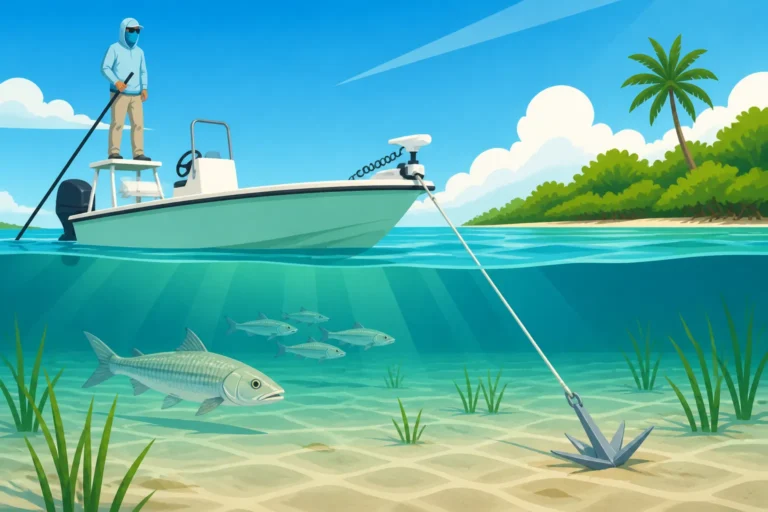
Trout, by nature, are ambush predators, and their eyes are specially adapted for low-light conditions. This is why you'll often hear experienced anglers talk about the "dawn patrol" or "evening bite." When the sun is high and bright, trout tend to retreat to deeper grass flats, shaded areas around mangroves, or even deeper channels where they feel more secure and less exposed to overhead predators like ospreys and dolphins. Their camouflaged backs help them blend in with grassy bottoms, but direct, intense sunlight can make them hesitant to venture out into open areas to feed.
Conversely, as the sun begins to dip below the horizon or before it fully rises, the light becomes diffused and less intense. This twilight period offers trout the perfect conditions to hunt. Their vision, superior in low light, gives them an advantage over their prey, such as mullet, shrimp, and pilchards, which might be less alert in these dimmer conditions. The reduced light also provides a blanket of safety from their own predators, making them more confident to cruise the shallower flats, oyster bars, and shorelines in search of a meal. Many anglers find their most aggressive bites for big "gator" trout during these magical times.
How Tides Influence Feeding Patterns
Beyond the light, tides are arguably the most critical factor for successful inshore trout fishing in Florida. The movement of water, whether incoming or outgoing, dictates where baitfish and crustaceans are concentrated, and trout will follow this food source. A strong current can disorient bait, making them easier targets, and it also washes nutrients and small prey out of mangrove prop roots and grass beds, creating a feeding frenzy.
During an incoming tide, particularly the first half, baitfish are pushed onto the flats and into mangrove estuaries. Trout will position themselves strategically along the edges of these incoming currents, waiting for food to be delivered to them. As the tide reaches its peak and begins to slacken, the feeding activity might slow down slightly, as the current isn't pushing food with the same intensity. However, the last half of the outgoing tide can be equally productive, as bait is flushed off the flats and out of the mangroves, creating another prime ambush opportunity for hungry trout waiting in deeper channels or along the edges of the flats. Understanding Best Tides for Inshore Fishing in Florida is absolutely essential. Many seasoned guides will tell you that a strong moving tide, even in the middle of a sunny day, can often outperform a slack tide during prime low-light hours.
Seasonal Shifts in Trout Activity
Florida's seasons, while not as dramatic as up north, still significantly impact trout behavior and, consequently, the best times to fish. In the cooler months, generally from late fall through early spring, water temperatures drop. Trout become less active in extremely cold water and will often seek out deeper pockets, canals, or dark-bottomed areas that absorb more sunlight to warm up. During these times, the warmest part of the day, usually mid-morning to late afternoon, can be the most productive, especially after a cold front. The fish are looking to feed and bask in any available warmth.
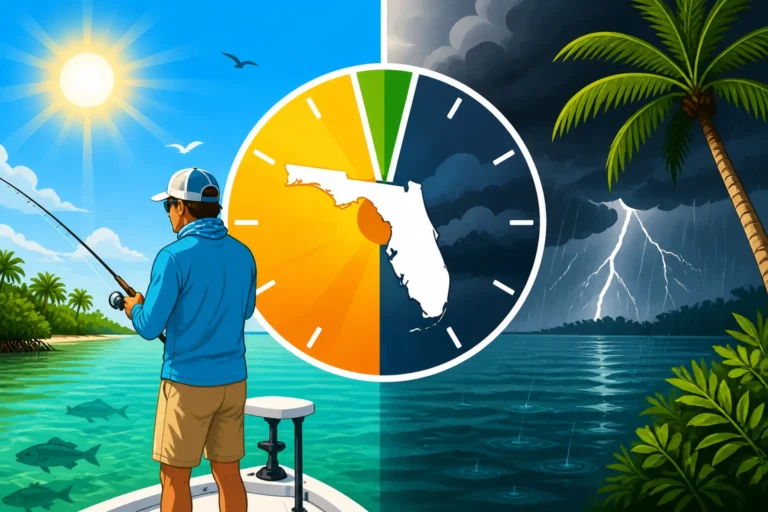
Conversely, during the scorching Florida summer, the surface water can become too hot for trout, especially on shallow flats. When this happens, they'll often move to deeper grass beds, channels, or shaded areas during the heat of the day. This pushes the prime feeding windows back to the very early morning or late evening, when the sun's intensity is lower and the water temperature is a bit more comfortable. Sometimes, fishing into the night can even be effective for trout in the summer, particularly around well-lit docks and bridges where baitfish gather. Learning about Florida Fishing Seasons Explained can give you a significant edge.
Prime Time for Florida Spotted Seatrout Fishing
While many factors combine to influence trout bites, there are definitely specific periods that stand out as consistently more productive. Think of these as your "golden hours" – times when the odds are stacked in your favor for catching some quality spotted seatrout.
Dawn and Dusk: The Golden Hours
Hands down, if you want to maximize your chances of catching spotted seatrout, target the first hour after sunrise and the last hour before sunset. These "low-light" periods are when trout are most actively feeding and least wary. As mentioned earlier, their vision is optimized for these conditions, giving them a distinct advantage over their prey. You'll often find trout pushing baitfish aggressively in shallow water during these times, creating tell-tale splashes and boils.
During dawn, as the sun barely cracks the horizon, the water often starts to wake up. Baitfish become active, and trout move out of deeper holding areas onto the flats and shorelines to ambush them. The air is typically cooler, the water calmer, and the sense of anticipation is palpable. Similarly, as the sun begins its descent, casting long shadows and reducing glare, trout once again feel comfortable enough to hunt in more exposed areas. This is often when some of the larger "gator" trout, which are usually more cautious, will venture out to feed. These windows can be short, so being on the water, rigged, and ready to cast when the light is just right is crucial. For anglers who enjoy peaceful mornings or beautiful sunsets, these fishing times offer an added bonus of stunning natural scenery.
Fishing the Moving Tides: Incoming and Outgoing
As vital as low light, a moving tide is paramount for trout success. Trout are opportunistic feeders, and they rely on the current to bring food to them or to disorient baitfish. The most productive tide phases are usually the middle two hours of an incoming tide and the middle two hours of an outgoing tide. During these periods, the water movement is strongest, pushing bait around and creating prime ambush points.
- Incoming Tide: As the tide floods in, especially over shallow grass flats, it brings with it shrimp, crabs, and baitfish. Trout will often position themselves at the mouths of creeks, along the edges of channels, or on the down-current side of oyster bars, ready to intercept anything swept in by the current. Focusing on points and current seams during this phase can be incredibly effective.
- Outgoing Tide: As the tide recedes, especially from mangrove estuaries and expansive flats, it flushes bait out into deeper troughs, channels, and bays. Trout will lie in wait at these egress points, gorging themselves on the fleeing prey. This can be an especially good time for targeting larger trout that tend to hold in slightly deeper water.
Many anglers find it beneficial to consult local tide charts before planning a trip. Knowing precisely when the tide will be moving and how strong the current will be can significantly increase your chances of success. You can often find detailed tide information for specific Florida locations using popular fishing apps or weather websites. The key is to match your fishing effort with the strongest water movement.
Overcast Days and Rainy Weather Opportunities
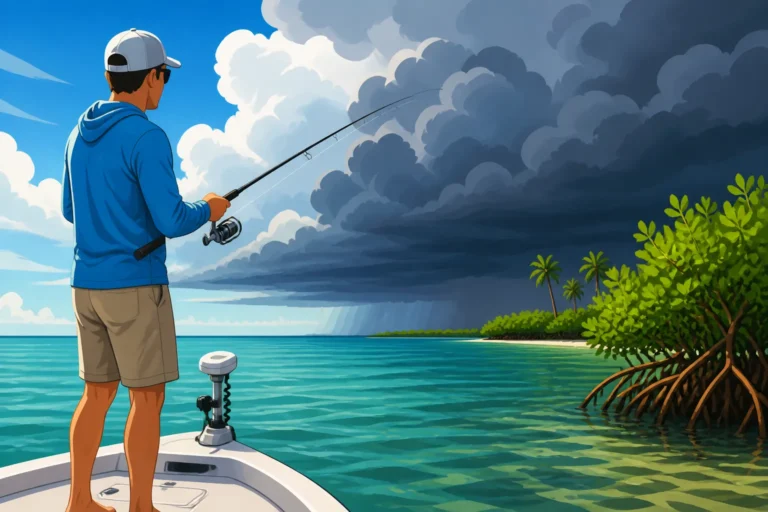
Don't let a cloudy sky or a light drizzle deter you; these conditions can actually be fantastic for trout fishing! Overcast days effectively extend those "low-light" conditions throughout much of the day. Without the harsh glare of direct sunlight, trout often remain active in shallower waters for longer periods, making them more accessible to anglers. The diffused light creates a comfortable environment for them to feed, and they tend to be less spooky.
Similarly, a gentle rain can be a blessing. Rain breaks up the surface tension of the water, making it harder for fish to spot overhead predators and potentially disorienting baitfish. It also washes insects and other terrestrial food sources into the water, attracting baitfish and, subsequently, trout. However, avoid fishing during heavy downpours or thunderstorms, as these can be dangerous and cause trout to become inactive or move to deeper, safer areas. A light, steady rain combined with a moving tide on an overcast day can be one of the most productive times to target Florida trout. Make sure you're geared up with a good rain jacket, perhaps something from a brand like Columbia or even a reliable option from Amazon, so you can take full advantage of these weather windows.
Factors Beyond Time of Day That Influence Trout Bites
While the time of day and tide are huge, they're not the only things influencing whether a trout decides to bite. There are other crucial environmental and tactical elements that play a significant role. Ignoring these could lead to a less productive day, even if you nail the timing perfectly.
Water Temperature and Clarity
Water temperature is a huge driver of fish metabolism and activity, especially for a species like spotted seatrout that are very sensitive to thermal changes. We touched on this with seasonal shifts, but even day-to-day fluctuations matter. Trout prefer a comfortable temperature range, typically between 65-80 degrees Fahrenheit. If the water is too cold (below 60°F), they become sluggish and less likely to chase a lure or bait aggressively. They might still eat, but it will often be a slow, subtle bite, requiring very slow presentations. Conversely, if the water gets too hot (above 85°F), especially in shallow flats during summer, trout will seek deeper, cooler water or shade, making them harder to find and less willing to exert energy chasing food.
Water clarity also plays a vital role. Trout are visual predators, so clear water allows them to spot prey from a distance. However, extremely clear, calm water can also make them very wary and easily spooked by anglers or boat noise. In these conditions, long casts and quiet approaches are critical. Slightly stained or "tea-colored" water, common in many Florida estuaries, can be ideal. It provides enough visibility for trout to hunt but also offers them a sense of security from predators, making them more confident to feed. Very murky water, often caused by heavy rains or strong winds stirring up the bottom, can make fishing challenging, as trout struggle to see. You might need to rely more on scent or vibration lures in such conditions.
Forage Availability and Location
No matter how perfect the time of day or tide, if there's no food around, the trout won't be there. Trout are constantly following their food source. This means finding bait — schools of mullet, pilchards, glass minnows, or areas with abundant shrimp and crabs — is often synonymous with finding trout. Look for signs of baitfish activity: dimpling on the surface, nervous bait jumping, or birds diving. These are often indicators that predators, including trout, are nearby.
The type and size of bait available also influence what artificial lures or live baits you should present. If trout are feeding on small glass minnows, a tiny jig or a soft plastic twitchbait mimicking those minnows will be more effective than a large topwater plug. Conversely, if large mullet are abundant, a bigger profile bait or lure might be what they're looking for. Using a cast net to catch the local bait can be a game-changer. Carrying a variety of soft plastics from brands like D.O.A. Lures or Z-Man, readily available on Amazon, ensures you can match the hatch. Understanding Best Bait for Trout Fishing in Florida can make a world of difference.
Equipment and Technique Considerations
Even with perfect timing, the wrong gear or technique can lead to a frustrating day. For spotted seatrout, light to medium-light spinning tackle is usually ideal. A 7-foot rod with a fast action, paired with a 2500-3000 size reel spooled with 10-15 lb braided line and a 20-25 lb fluorocarbon leader, is a versatile setup for most inshore situations. This allows for long, accurate casts and provides enough backbone to handle a good-sized trout.
Your presentation technique is equally important. Trout respond well to a variety of retrieves, but typically a slow, deliberate approach is best. Soft plastic paddle tails or jerkbaits rigged on a light jig head (1/8 to 1/4 ounce) are deadly when hopped or dragged slowly along the bottom. Topwater lures can be incredibly exciting during low-light conditions, walked across the surface to imitate an injured baitfish. Live bait, such as shrimp or a small pilchard under a popping cork, is often irresistible to trout. The key is to experiment with different retrieve speeds and lure types until you find what the fish are responding to that particular day. Don't be afraid to change things up if you're not getting bites, even if you're fishing at the "perfect" time. Many anglers like to review Florida Inshore Fishing Techniques to brush up on their skills.
Here's a quick summary to help you plan your next trout trip:
| Factor | Prime Conditions for Trout | Less Productive Conditions | Notes |
|---|---|---|---|
| Time of Day | Dawn, Dusk | Mid-day (high sun) | Overcast days extend prime hours. |
| Tide Phase | Moving (mid-incoming, mid-outgoing) | Slack tide, dead low/high | Strong currents bring food and disorient bait. |
| Water Temp. | 65-80°F | Below 60°F, Above 85°F | Trout are sluggish in extreme temps; seek warmer/cooler water. |
| Water Clarity | Slightly stained to clear | Very murky, extremely clear/calm | Murky water requires scent/vibration. Clear water demands stealth. |
| Weather | Overcast, light rain | Bright sun, heavy storms | Clouds diffuse light; light rain disorients bait. Avoid lightning. |
| Bait Presence | Abundant, active baitfish | Scarce bait | Trout follow their food. Look for signs of bait schools. |
It's a beautiful dance between understanding the fish, the environment, and your own technique. By paying attention to these details, you'll significantly increase your chances of finding those elusive gator trout.
Disclaimer
Fishing conditions and regulations in Florida can change frequently. Always consult the latest Florida Fish and Wildlife Conservation Commission (FWC) regulations before heading out. This guide provides general information and should not be considered a substitute for official FWC guidelines.