Why Are Tarpon Called the Silver King?
For many anglers, there’s one fish that represents the pinnacle of Florida’s saltwater fishing experience, a creature of immense power, beauty, and legendary fighting spirit. But why is this magnificent fish, the tarpon, so universally known as the "Silver King"? It's a question that echoes across the flats and along the passes, often after a heart-pounding battle that leaves an angler both exhausted and awestruck. This guide will dive deep into the captivating reasons behind the tarpon's regal nickname, exploring its physical attributes, its unparalleled fighting prowess, and the sheer challenge it presents to anyone who dares to hook one.
The Dazzling Appearance: Why "Silver"?
You don't have to see a tarpon leap high out of the water to understand why "silver" is part of its iconic name. Just a glimpse of one cruising a shallow flat or rolling near the surface is enough to make you catch your breath. These fish are genuinely breathtaking, their scales glinting like polished precious metal under the Florida sun.
Iridescent Scales and Shimmering Sides
Imagine being out on a calm morning, the sun just kissing the horizon, and you spot a tarpon. As it turns, its massive scales, each one like a perfectly crafted disc, catch the light and explode into a brilliant, almost blinding flash of silver. This isn't just a dull metallic sheen; it's an iridescent sparkle, reflecting the blues of the sky and the greens of the water, creating a living, moving prism. These large, hard scales are so prominent and uniquely reflective that they become the fish's defining visual characteristic. It’s a natural armor that’s both protective and profoundly beautiful.
When a school of tarpon is on the move, it’s like a liquid silver river flowing beneath the surface. From a distance, that flash is often the first sign of their presence, an unmistakable signal to seasoned anglers that the "Silver King" is in the vicinity. Many anglers even keep a shed tarpon scale as a prized souvenir after a successful catch and release, a tangible piece of that legendary silver.
Camouflage and Light Play
While their brilliance is captivating to us, it serves a crucial purpose for the tarpon: camouflage. In the diverse environments they inhabit—from murky backcountry waters to clear ocean flats—their silvery bodies allow them to blend seamlessly with their surroundings. When viewed from below, their bright underside disappears into the glare of the surface light. From above, their darker dorsal side helps them vanish against the bottom. This countershading, combined with their highly reflective scales, makes them incredibly difficult for predators (and unsuspecting baitfish) to spot.
This light-bending ability is also what makes them such a challenge for sight fishing. One moment you see that tell-tale flash, the next it's gone, as if the fish has simply dissolved into the water. Anglers spend countless hours honing their ability to spot these ghost-like fish, often relying on subtle movements or surface disturbances rather than a clear view of the fish itself. It's a game of hide-and-seek played on a grand scale, where the tarpon's silver coat is its ultimate trick. How to Sight Fish for Tarpon on the Flats offers more insight into this challenging technique.
The Unrivaled Fight: Why "King"?
If their appearance earns them the "silver," it's their incredible fighting spirit that unequivocally crowns them "king." There's no other fish in Florida, and arguably few in the world, that offers such a sustained, powerful, and acrobatic battle.
Aerobatic Leaps and Powerful Runs
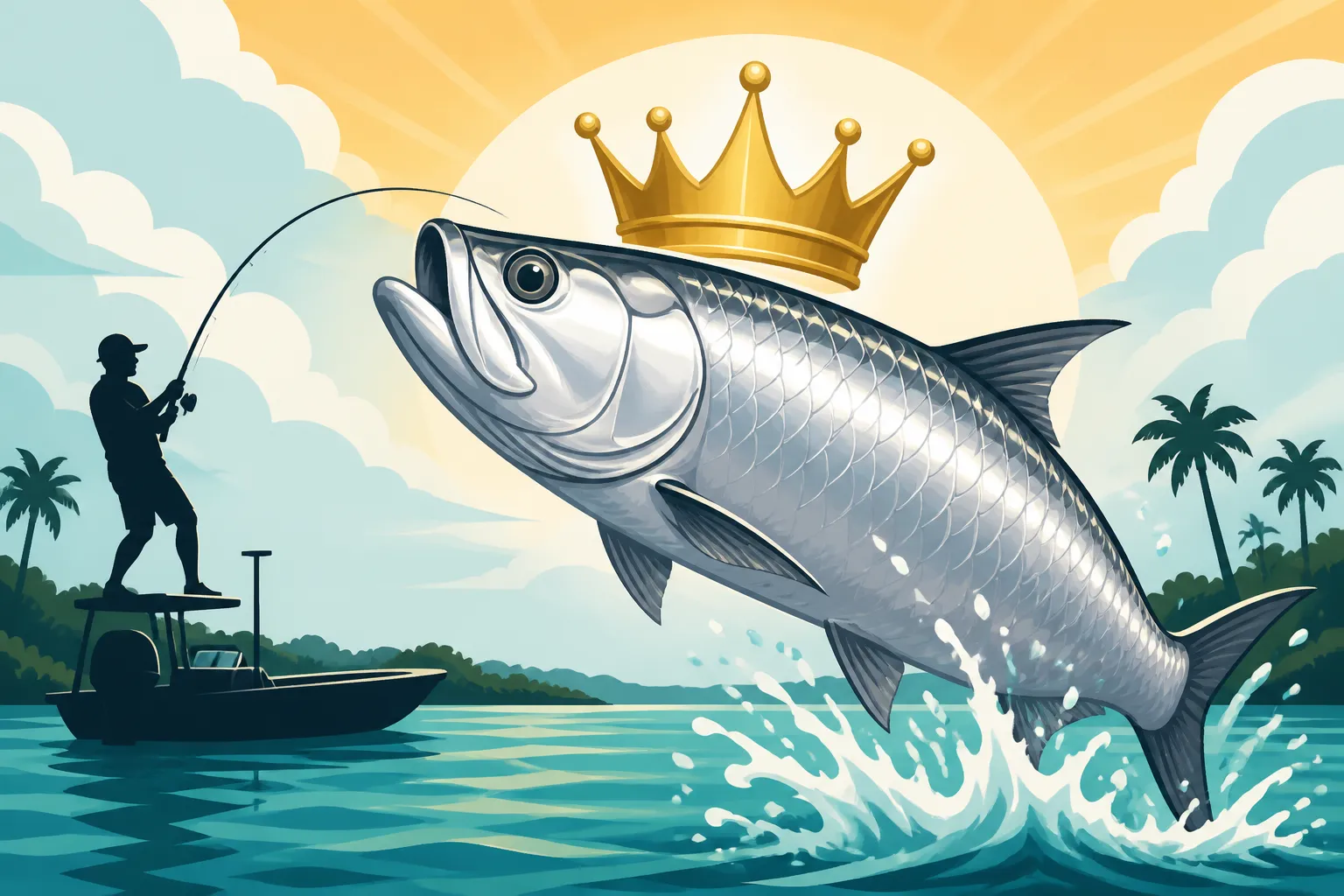
Picture this: you've made a perfect cast, the bait is inhaled, and suddenly, your line screams off the reel. Before you can even register what's happening, a massive silver torpedo explodes from the water, shaking its head violently, gills flared, trying to throw the hook. This isn't just a jump; it's an aerial display of raw power and defiance. Tarpon are famous for their spectacular leaps, often clearing the water entirely, sometimes multiple times during a single fight. These "gill plates," as they're called, are sharp and unforgiving, acting like razors against your line if it gets tangled during a jump.
Beyond the leaps, tarpon are also renowned for their blistering runs. They are incredibly powerful swimmers, capable of sustained bursts of speed that will test the drag system of any reel and the strength of any angler. A hooked tarpon can strip hundreds of yards of line in seconds, forcing you to chase it down with your boat or risk being spooled. This combination of aerial acrobatics and relentless runs is what makes every tarpon encounter an unforgettable, epic duel. Understanding What Pound Test Line for Tarpon Fishing? becomes crucial when preparing for such a battle.
The Battle of Willpower
Fighting a large tarpon is not just about brute strength; it's a test of an angler's endurance, skill, and sheer willpower. These fights can last for an hour or more, especially with a truly big fish. Your arms will ache, your back will protest, and your resolve will be pushed to its limit. You need to apply constant, heavy pressure to turn their head and guide them, all while anticipating their next move. It's a constant dance, a give-and-take where a single mistake—a slack line during a jump, a sudden run into an obstacle, or losing focus—can mean losing the fish.
Many anglers describe landing a tarpon as an almost spiritual experience. It’s not just catching a fish; it’s conquering a challenge, earning a victory over one of the most formidable adversaries in the aquatic world. This intense, personal struggle is what cements the tarpon's reputation as the "king" of sportfish. The feeling of finally bringing that magnificent silver body boatside for a quick photo and release is a triumph few other catches can match. For tips on handling these majestic creatures, check out How to Fight a Tarpon on Light Tackle.
Size, Longevity, and Elusiveness: The Royal Presence
Beyond their stunning looks and fighting spirit, tarpon command respect through their sheer physical presence, their long lives, and their notoriously difficult nature, all contributing to their regal status.
Reaching Impressive Proportions
When you hear "king," you expect something grand, and tarpon deliver. These fish can grow to truly enormous sizes, with individuals commonly caught in the 100 to 150-pound range. Imagine battling a fish that can be as long as a person and heavier than many small adults! While What Is the Florida State Record Tarpon? might highlight an exceptionally rare catch, even an average-sized adult tarpon is a force to be reckoned with. This massive size adds to the spectacle of their jumps and the power of their runs, making them an imposing sight both in and out of the water.
Their impressive girth and length make them powerful, but it's not just about the numbers. The sheer bulk of a large tarpon, with its broad shoulders and powerful tail, communicates an undeniable dominance in its aquatic realm. When a school of these giants rolls on the surface, the disturbance they create can be felt and seen from a distance, signifying the presence of a truly royal procession. Anglers often meticulously plan their trips around certain times of the year, knowing that specific conditions increase their chances of encountering these larger, more mature specimens, especially during the famous Florida Tarpon Migration Timing.
A Long and Wary Life
Tarpon are not fast-growing, short-lived fish. They can live for many decades, with some individuals potentially reaching 50 years or more. This longevity means that the larger, trophy-sized tarpon you encounter have seen many seasons, navigated countless challenges, and likely learned a thing or two about avoiding hooks. They are intelligent and wary predators, especially the older, wiser ones. This ancient, almost mythical quality adds to their allure; you're not just fighting a fish, you're engaging with a survivor, a seasoned veteran of the tides.
Their long lifespan also contributes to their mystique. Each tarpon carries the history of its migrations and its battles within its scales. They are part of the very fabric of Florida's coastal ecosystems, a constant presence that symbolizes the wildness and beauty of these waters. For those seeking to read up on tarpon behavior and lore, there are many excellent books available on platforms like Amazon that delve into the fascinating life cycle of these majestic creatures. Knowing that the fish you're targeting might be older than you are certainly adds a layer of respect to the pursuit.
The Challenge of the Hook-Up and Landing
Despite their large size and abundant presence in certain seasons, tarpon are notoriously difficult to hook and even harder to land. Their mouths are incredibly bony, making it tough for a hook to find purchase. Many times, an angler will get a bite, feel the initial rush, only for the hook to pull free during the first spectacular jump. It's often said that for every ten tarpon hooked, only a fraction are actually brought boatside. This elusiveness is a huge part of their "king" status; they don't give themselves up easily.
Even when hooked securely, the fight is far from over. Their strength, endurance, and acrobatic antics mean an angler must be on top of their game from start to finish. Losing a tarpon after a long battle is a common, albeit frustrating, experience, making every successful landing feel like a truly monumental achievement. This difficulty, this relentless challenge, only elevates their standing among sportfish. It's why so many anglers dedicate their lives to mastering the art of Florida Tarpon Fishing Guide.
Cultural Impact and Conservation: Maintaining the Crown
The tarpon's status as the "Silver King" isn't just about what it does in the water; it's also about its profound impact on the culture of Florida fishing and the dedicated efforts to protect its legacy.
A Legacy in Florida's Waters
For generations, the tarpon has been a central figure in Florida's fishing lore. From the legendary guides of the Florida Keys who chased them on the flats to the anglers targeting them in the passes and rivers, the pursuit of the Silver King has shaped communities and forged countless friendships. It’s not uncommon to hear tales of past tarpon battles recounted with vivid detail, each story adding to the mystique of the fish. Major tournaments are dedicated to them, drawing anglers from around the globe, all vying for the chance to best this iconic species.
The tarpon represents the wild spirit of Florida's coastlines. Its image is emblazoned on fishing lodge signs, boat decals, and countless pieces of fishing apparel. It is a symbol of challenge, adventure, and the ultimate fishing dream. Many anglers invest heavily in specialized gear—like tarpon-specific fly rods and reels, often found on Amazon—just for the chance to engage with this particular species. Its presence in our waters is a testament to the health and vibrancy of our marine ecosystems, a source of pride for the state's fishing community.
Protecting the Monarch
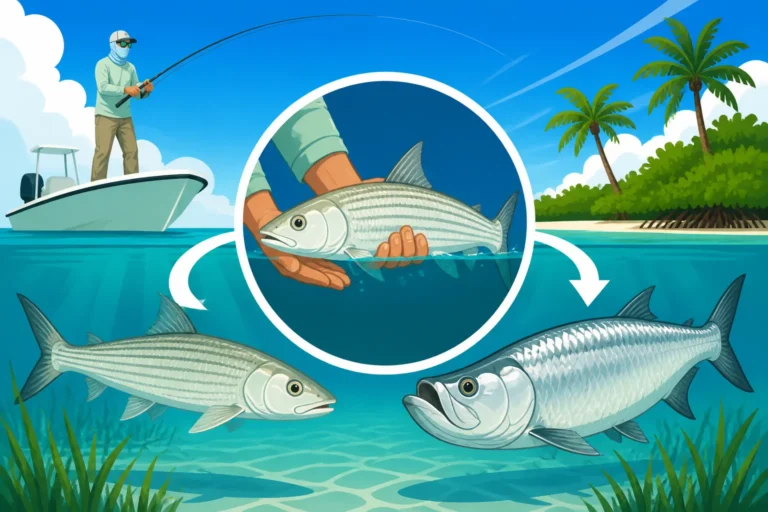
Given its revered status, it’s no surprise that conservation efforts for tarpon are robust. In Florida, tarpon are primarily a catch-and-release fishery. While technically legal to harvest one tarpon per person, per year with a specific permit, the vast majority of anglers choose to release these magnificent fish, often going to great lengths to ensure their safe release and survival. This voluntary catch-and-release ethos underscores the deep respect anglers have for the species, recognizing its value as a renewable resource that provides endless sport.
Regulations are in place to protect tarpon, especially during vulnerable times like spawning season. Education on proper handling techniques, such as minimizing fight time, supporting the fish horizontally during photos, and avoiding removing them entirely from the water, is widespread. These efforts ensure that future generations of anglers will also have the opportunity to experience the thrill of battling the "Silver King." Understanding and adhering to these guidelines, much like knowing Where Do Tarpon Spawn in Florida?, is crucial for sustaining the population of this royal fish. This commitment to preservation is another reason why the tarpon truly earns and retains its majestic title.
Characteristics of the Silver King
| Characteristic | "Silver" Aspect | "King" Aspect |
|---|---|---|
| Appearance | Large, reflective, iridescent scales; brilliant sheen | Imposing size; majestic presence |
| Fighting Style | N/A (focus on physical aspect) | Spectacular aerial leaps; powerful, sustained runs |
| Size & Weight | N/A | Grows to massive proportions (100+ lbs common) |
| Endurance | N/A | Long, grueling battles; tests angler's stamina |
| Elusiveness | Master of camouflage in water | Bony mouth, difficult to hook; sheds hooks easily |
| Lifespan | N/A | Long-lived (decades); wary, intelligent adversary |
| Cultural Impact | Iconic image of Florida's pristine waters | Coveted trophy; centerpiece of fishing tournaments |
| Conservation Status | Symbol of healthy ecosystems | Primarily catch-and-release; highly valued resource |
In the end, whether you're a seasoned angler with dozens of tarpon under your belt or someone dreaming of their first encounter, the allure of the "Silver King" is undeniable. It's a fish that embodies strength, beauty, and challenge, deeply woven into the fabric of Florida's fishing heritage. Its nickname isn't just a catchy phrase; it's a perfectly fitting tribute to a truly magnificent creature that continues to capture the hearts and imaginations of anglers worldwide.
Disclaimer
This article is for general informational purposes only and does not constitute professional advice. Laws, prices and regulations vary by location and change over time. Consult a qualified professional for guidance on your specific situation.