Why Florida Closes Snook Season in Summer
It's a familiar sting for many Florida anglers: just when the summer heat has you dreaming of those thrilling snook battles, you remember… snook season is closed! It can feel counterintuitive, especially with so many other species biting, but there's a vital, science-backed reason behind why Florida closes snook season in summer, and understanding it will help you fish smarter and protect this incredible species for generations to come.
The Biological Rationale Behind Summer Snook Closures
Florida's waters are a living, breathing ecosystem, and few fish embody the vibrant spirit of our coastal fisheries quite like the common snook. These powerful, acrobatic game fish are highly prized by anglers, but their popularity also means they require careful management to ensure their populations remain healthy. The summer closure isn't just an arbitrary rule; it's a critical component of a larger conservation strategy rooted deeply in the snook's life cycle.
Snook, scientifically known as Centropomus undecimalis, have specific biological needs and behaviors that dictate when and where they are most vulnerable to fishing pressure. Understanding these natural rhythms is key to appreciating why these closures are so important. It’s all about giving these magnificent fish the best chance to do what they need to do to thrive.
Snook Spawning Habits and Vulnerability
The primary reason for the summer snook season closure revolves around their reproductive cycle. Snook are broadcast spawners, meaning they release their eggs and milt into the water column where fertilization occurs. This isn't a year-round affair; they have a distinct spawning season.
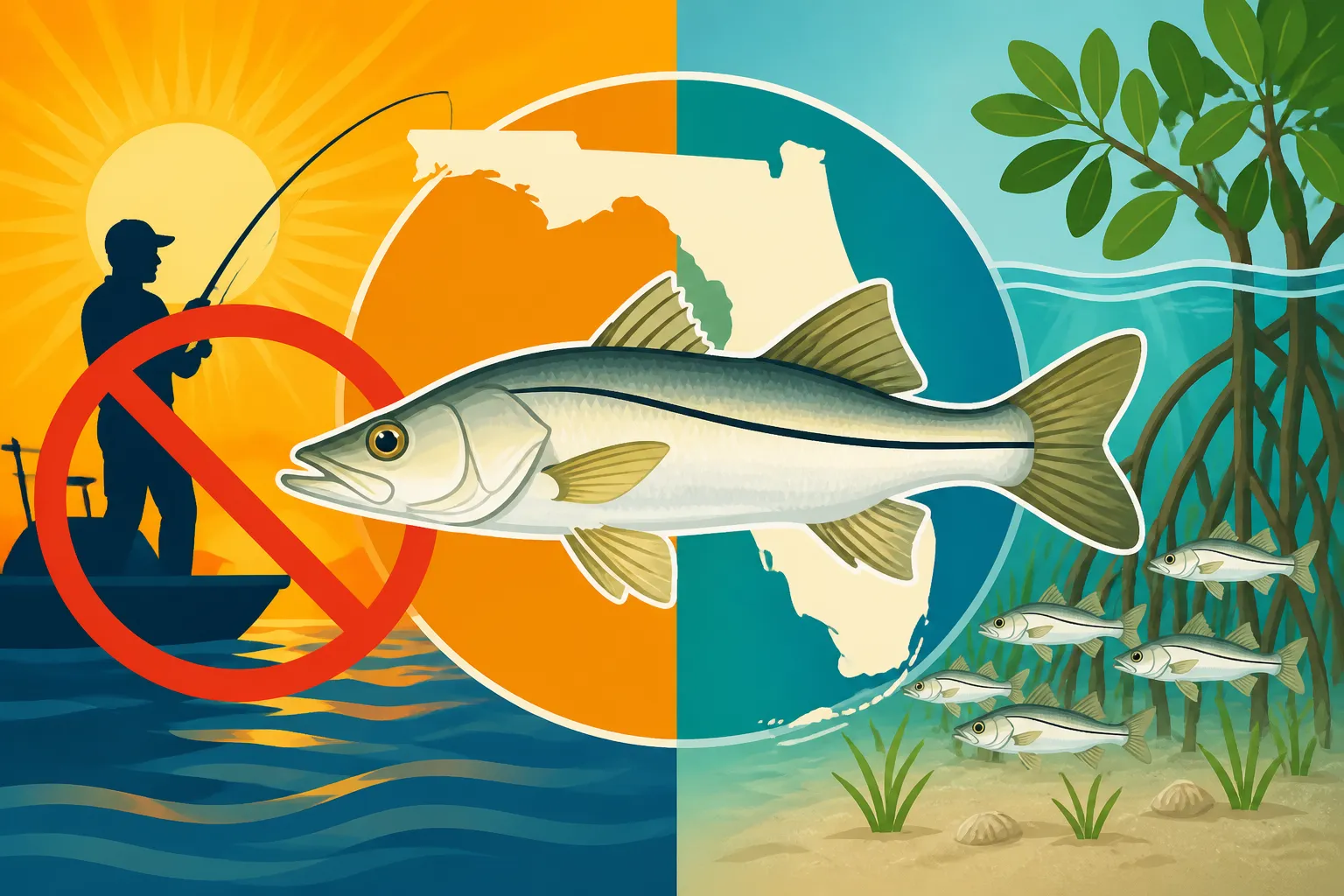
During the warmer months, typically from May through August, snook migrate from their winter haunts in rivers, estuaries, and canals to more open, nearshore waters and passes along Florida’s coasts. They aggregate in large numbers in these areas, forming dense schools specifically for spawning. This aggregation makes them incredibly vulnerable. Imagine a hundred snook all gathered in a relatively small area, focused entirely on reproduction. They become easy targets for anglers, and even careful catch-and-release efforts can cause stress that impacts their ability to successfully spawn. When snook are stressed during spawning, it can lead to lower egg production, reduced fertilization rates, or even mortality if mishandled. Therefore, closing the season during this critical time significantly reduces fishing pressure when the fish are at their most vulnerable. If you’re curious about their habits, check out our Florida Snook Fishing Guide.
Protecting Future Generations
The summer closure isn't just about protecting individual fish; it's about safeguarding the entire snook population for the future. By allowing snook to spawn undisturbed, fisheries managers ensure that a healthy number of eggs are laid, fertilized, and given the chance to develop into larvae and juvenile fish. This directly translates into a stronger snook population in the years to come.
Think of it as an investment. We sacrifice a few months of harvest opportunities now so that there will be plenty of snook to catch in the future. Without these protective measures, overfishing during spawning season could lead to a significant decline in snook numbers, making it harder for anglers to find and catch them down the road. The Florida Fish and Wildlife Conservation Commission (FWC) uses data from population surveys, angler reports, and scientific studies to determine the most effective ways to manage the species. These regulations, including the summer closure, are a testament to Florida's commitment to sustainable fishing practices and ensuring that future generations can experience the thrill of a snook on the line. It's a prime example of How Florida Fishing License Fees Fund Conservation.
The Role of Conservation and Fisheries Management
Fishing in Florida isn't just about grabbing a rod and heading out; it's a carefully managed activity designed to protect our precious marine resources. The decision to close snook season in summer isn't made lightly or arbitrarily. It's the result of extensive scientific research, data analysis, and a commitment to long-term sustainability. Organizations like the Florida Fish and Wildlife Conservation Commission (FWC) play a crucial role in overseeing these complex regulations.
It’s often frustrating to see a fish you love to catch go out of season, especially when you feel like the fish are abundant. However, these regulations are put in place by experts who are looking at the bigger picture, ensuring the health of the entire ecosystem, not just what's biting on a given day.
How Regulations Are Determined
Fisheries management is a complex science that involves continuous monitoring and adaptation. The FWC, along with other state and federal agencies, collects a vast amount of data to inform their decisions. This data includes:
- Stock assessments: Scientists estimate the size and health of the snook population, including how many fish are reproducing and how many are surviving to adulthood.
- Harvest data: Records are kept on how many snook are caught and kept by recreational and commercial fishermen.
- Biological studies: Research is conducted on snook spawning patterns, migration routes, diet, and habitat needs.
- Environmental factors: The impact of red tides, cold snaps, and habitat loss are also considered.
This information is then used to model different management scenarios, such as varying season lengths or bag limits, to predict their impact on the snook population. Public input is also a critical part of the process, with anglers often having opportunities to voice their opinions and observations. However, scientific evidence remains the cornerstone of these decisions. The goal is always to find a balance that allows for responsible fishing while ensuring the long-term health of the species. For specific dates, you can always check Florida Snook Closed Season Dates.
Balancing Angler Opportunity and Conservation Needs
The art of fisheries management lies in finding a delicate balance between providing ample fishing opportunities for anglers and robust conservation measures for the fish. It’s a constant tug-of-war, with passionate anglers wanting to fish more often, and conservationists advocating for stronger protections. The summer snook closure is a prime example of this balance in action.
While it restricts fishing for a few months, it does so to ensure that when the season is open, there are healthy, thriving populations of snook available for catch. It's a temporary sacrifice for a greater, more sustainable future. This approach allows for a healthy recreational fishery, which in turn supports local tackle shops, bait suppliers, and charter operations. Many local guides, despite the closure, will encourage clients to target other species during this time or practice strict catch-and-release for snook, demonstrating a shared commitment to the resource. When the season is open, be sure to understand Florida Snook Size and Slot Limits to stay compliant.
What This Means for Anglers During Summer
So, snook season is closed for harvest during the summer. Does that mean you have to hang up your rods and reels? Absolutely not! Florida's diverse waters offer countless other fishing opportunities, and even for snook, there are ways to still engage with the species respectfully. It simply means adapting your approach and focusing on responsible angling practices.
For many avid snook fishermen, the summer closure is a time to explore different techniques or target other species. It's a chance to broaden your fishing horizons and discover new favorite spots or fish. It also presents an opportunity to refine your skills in a catch-and-release environment, where every interaction with the fish is focused on its well-being.
Catch-and-Release Best Practices
While harvesting snook is prohibited during the summer, catch-and-release fishing for snook is generally allowed, provided you adhere to all other regulations and handle the fish with extreme care. The key here is care. Snook are powerful fish, and a prolonged fight, improper handling, or rough release can be fatal, especially when they are stressed from spawning.
To minimize stress and maximize survival rates:
- Use appropriate tackle: Don't try to land a big snook on ultralight gear. Use a stout rod and reel with strong line to minimize fight time. A good 30-pound braided line or more for larger fish is often recommended.
- Circle hooks are your friend: These hooks are designed to hook fish in the corner of the mouth, reducing the chance of gut-hooking, which is often lethal. You can find quality circle hooks from brands like Mustad or Gamakatsu on platforms like Amazon.
- Minimize handling: Keep the fish in the water as much as possible. If you must bring it out for a quick photo, support its entire body horizontally and get it back in the water within seconds. Avoid holding it vertically by the jaw.
- Use dehooking tools: A good pair of long-nosed pliers or a dehooker can remove hooks quickly and safely without touching the fish excessively. These tools are invaluable and easily found on Amazon.
- Revive the fish: Hold the fish gently in the water, facing into the current, until it regains its strength and can swim away on its own. Don't just toss it back if it's sluggish.
- Know the law: Always double-check current FWC regulations. While catch-and-release is usually permitted, there can be specific closures or emergency actions that temporarily prohibit even catch-and-release in certain areas. Stay informed about Is Snook Fishing Catch and Release Only Right Now? for updates.
Alternative Species to Target
Florida is a fishing paradise, and even without snook on the menu, there’s an abundance of other species to pursue during the summer months. This can be a fantastic opportunity to diversify your angling skills!
In saltwater, you might consider:
- Redfish: Often found alongside snook in estuaries, redfish are another powerful inshore species that provide excellent sport. They are subject to their own seasons and bag limits, which can vary by region.
- Spotted Seatrout: These common inshore residents are great targets for light tackle, especially in grass flats. They are delicious and offer consistent action.
- Mangrove Snapper: A feisty species that can be caught around docks, bridges, and oyster bars. They are excellent table fare.
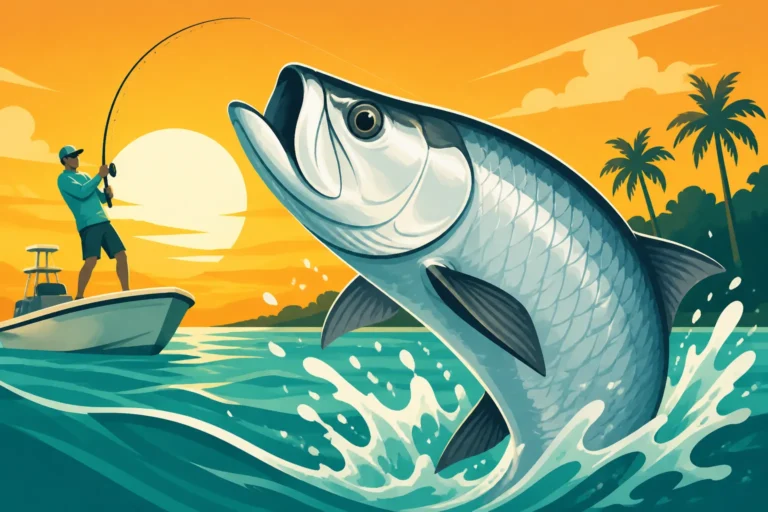
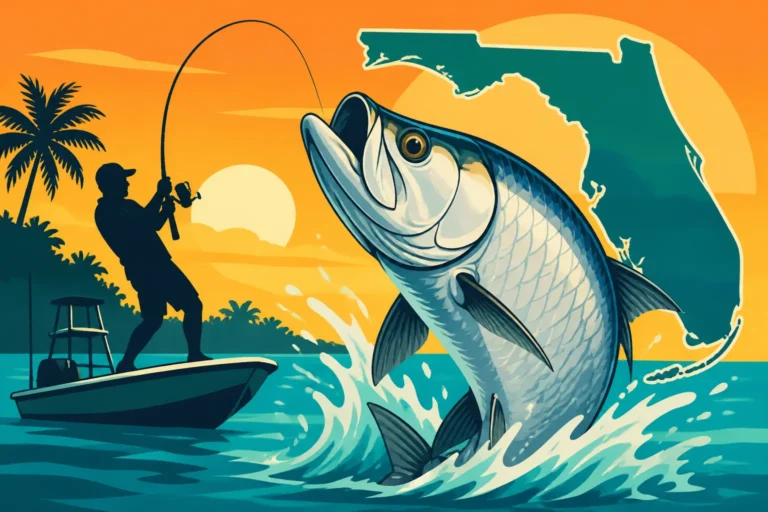
- Tarpon: The "Silver King" offers epic battles and is a popular catch-and-release target during the summer, particularly during their migration. You can learn more about this incredible fish in our Florida Tarpon Fishing Guide.
- Mahi-Mahi, King Mackerel, or Tuna: If you're heading offshore, these pelagic species are often abundant during the warmer months and offer thrilling bluewater action.
For freshwater anglers, Florida's lakes and rivers are teeming with:
- Largemouth Bass: Always a popular target, bass fishing can be fantastic in the summer, especially during cooler mornings or evenings. Our Florida Largemouth Bass Fishing Guide has tons of tips.
- Peacock Bass: Found primarily in South Florida canals, these colorful, hard-fighting exotics are a blast to catch.
- Panfish (Bluegill, Crappie): Great for family fishing trips, these smaller species provide consistent fun and delicious fillets.
Don't let the snook closure discourage you; instead, use it as an excuse to explore all the other incredible fishing opportunities Florida has to offer!
How to Stay Informed About Regulations
Fishing regulations in Florida can change, sometimes with short notice, due to environmental factors, stock assessments, or emergency actions. Staying informed is paramount to being a responsible and legal angler. Relying on old information or hearsay can lead to fines and harm to the resource.
Here's how to ensure you're always up-to-date:
- FWC Website: The official Florida Fish and Wildlife Conservation Commission (myfwc.com) website is your go-to source. They have detailed sections for saltwater and freshwater regulations, including species-specific rules, seasons, bag limits, and any emergency closures.
- FWC App: The FWC's Fish|Hunt FL app is a fantastic tool for on-the-water reference. You can quickly look up regulations by species or location directly from your smartphone, ensuring you have the latest info at your fingertips.
- Local Bait and Tackle Shops: These local businesses are often excellent resources for current regulations and local nuances. The staff are usually avid anglers themselves and can offer valuable insights.
- Sign Up for FWC News Alerts: You can often subscribe to email newsletters or alerts from the FWC to receive notifications about significant regulation changes.
- Official Fishing Guides: While not real-time, official FWC fishing guides (often available at bait shops or online) provide a comprehensive overview of regulations, but always cross-reference with the website for the very latest updates. You can often purchase physical copies or download digital versions, or even find supplementary guides on Amazon for specific regions or species.
Remember, ignorance of the law is not an excuse. It's your responsibility as an angler to know and follow the rules.
Regional Variations and Exceptions
While the general principle of summer snook closures applies across much of Florida, it's important to recognize that fishing regulations can sometimes have regional nuances. Florida is a large state with diverse ecosystems on both the Gulf and Atlantic coasts, and fisheries managers sometimes tailor rules to address specific conditions or population dynamics in different areas.
Understanding these variations is crucial for any angler traveling across the state or fishing in transition zones. What's legal in one county might not be in another, and this applies not just to snook but to many other species as well. This highlights the importance of checking current regulations for your specific fishing location.
Different Management Zones
Florida typically divides its coastal waters into different management zones, particularly for species like snook. The most common division is between the Gulf Coast and the Atlantic Coast. While the summer closure for snook is fairly consistent across the state during the peak spawning months, there can be subtle differences in exact dates or other rules.
For example, sometimes a specific region might experience an emergency closure due to a cold snap or a red tide event, making its season dates temporarily different from other areas. The overarching goal of these zones is to allow for more granular management, meaning regulations can be fine-tuned to reflect the unique biological and environmental conditions of a particular area without imposing unnecessary restrictions statewide. This ensures that conservation efforts are as effective and targeted as possible.
Here's a general overview of the common snook closure periods, which can sometimes vary in exact dates based on FWC announcements:
| Region | Summer Closure Period (General) | Winter Closure Period (General) | Primary Reason for Summer Closure | Primary Reason for Winter Closure |
|---|---|---|---|---|
| Gulf Coast | May 1 – Aug 31 | Dec 15 – Jan 31 | Spawning Aggregations | Cold Stress & Vulnerability |
| Atlantic Coast | June 1 – Aug 31 | Dec 15 – Jan 31 | Spawning Aggregations | Cold Stress & Vulnerability |
Note: These dates are general and subject to change. Always check the official FWC website for the most current regulations for your specific location.
This table illustrates that while summer spawning is a primary concern for both coasts, the exact timing can shift slightly. The winter closure, discussed in more detail in Why Florida Closes Snook Season in Winter, addresses snook's vulnerability to cold weather.
Snook Permits and Special Rules
Beyond the seasonal closures, snook also have a few special rules that set them apart from many other species, regardless of the season. One significant aspect is the requirement for a snook permit.
If you plan to harvest snook during the open season (which, again, is not during summer), you must possess a valid Florida saltwater fishing license and a separate snook permit. This permit is an additional fee that goes directly towards snook research and management efforts. It's a way for anglers who specifically target and keep snook to contribute directly to the health of the fishery. Even during the open season, snook are subject to strict slot limits and bag limits, which ensure that only a certain size range of fish can be kept and only a limited number per angler per day. These rules are designed to protect both the smaller, immature fish and the larger, reproductively valuable breeding adults. To understand the specifics of this, check out Florida Snook Permit Requirements. Always ensure you have all the necessary documentation before you hit the water, whether you're targeting snook or another one of Florida's amazing game fish.
Disclaimer
This article is for general informational purposes only and does not constitute professional advice. Laws, prices and regulations vary by location and change over time. Consult a qualified professional for guidance on your specific situation.