Spearfishing Charter Requirements in Florida
It can be incredibly confusing to figure out exactly what you need to do to legally go spearfishing in Florida, especially when you're thinking about booking a charter. Between state regulations, federal rules, and what the charter boat itself provides, it's easy to feel overwhelmed and worry you'll miss something crucial. This comprehensive guide is here to untangle all those requirements, from licenses and permits to gear and safety, ensuring you're fully prepared for a successful and legal spearfishing adventure.
Navigating Florida's Spearfishing Scene: What You Need to Know
Florida's waters are a spearfisher's paradise, offering incredible visibility and an abundance of marine life. But before you dive in, it’s essential to understand what spearfishing entails and why a charter can be such a game-changer. It's not just about jumping in the water with a pole spear; there’s a whole ecosystem of rules and practices to learn, especially in a state as passionate about conservation as Florida.
What Exactly is Spearfishing in Florida?
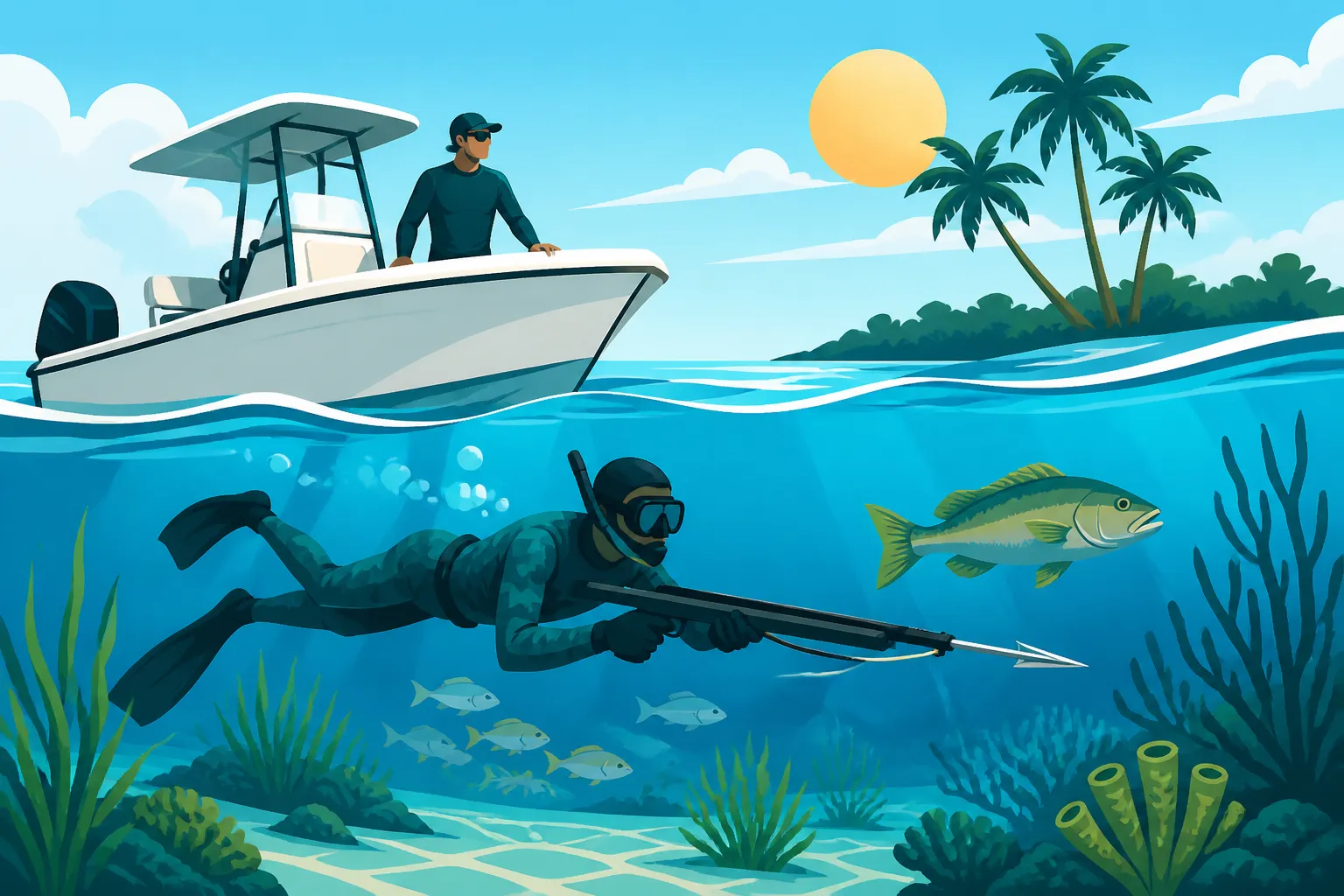
Spearfishing, at its heart, is a highly selective and exciting method of harvesting fish using a spear or speargun while diving, either freediving (holding your breath) or scuba diving. Unlike traditional rod and reel fishing, spearfishing gives you a direct, up-close encounter with your target. It requires skill, patience, and a deep understanding of marine behavior and environments. You're actively pursuing your prey, often in its natural habitat, which is why many spearfishers find it to be an intensely rewarding experience. It’s a very personal and hands-on way to connect with the ocean and put fresh seafood on your table.
Many people come to Florida specifically for the spearfishing opportunities, drawn by the crystal-clear waters of the Keys or the productive reefs off both coasts. Whether you're targeting snapper on a reef or hogfish closer to shore, the challenge and reward are immense. It's not just a sport; for many, it's a way of life that demands respect for the ocean and its inhabitants.
Why Choose a Spearfishing Charter?
If you’re new to spearfishing in Florida or visiting from out of state, booking a charter isn’t just a convenience; it’s often the smartest, safest, and most effective way to experience the sport. First off, a good spearfishing charter comes with an experienced captain and crew who know the local waters like the back of their hand. They understand the currents, the best dive spots, where the fish are hiding, and critically, how to navigate the complex web of local regulations. They'll take you to productive reefs, wrecks, and ledges that you'd likely never find on your own.
Beyond their local knowledge, charters also provide essential safety equipment, including dive flags, first-aid gear, and often even communication devices for emergencies. They also usually supply the specialized spearfishing gear, from spearguns and pole spears to fins and masks, saving you a significant upfront investment. Plus, they handle the boat, the fuel, and the cleaning of your catch, allowing you to focus purely on the dive and the hunt. Websites like FishingBooker are great resources for finding reputable spearfishing charters that can cater to your experience level.
Common Spearfishing Targets
Florida's diverse marine environment means a wide array of species are available to spearfishers, depending on the region and time of year. Knowing your target species is crucial, not only for the thrill of the hunt but also because different species have different regulations, seasons, and habitats.
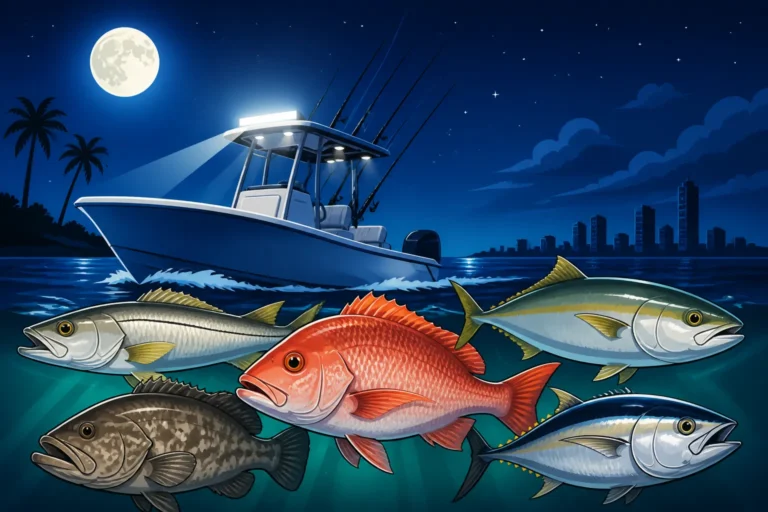
For those venturing into the shallow reefs and wrecks, species like Hogfish are incredibly popular due to their delicious meat and challenging nature. Snappers, including Mangrove Snapper and Mutton Snapper, are also frequent targets and are found throughout Florida's coastal waters. Groupers, such as Gag Grouper and Red Grouper, are highly prized but often have very strict seasons and size limits. Triggerfish, known for their powerful bite and tasty fillets, are another common sight on the reefs. Offshore, you might find larger pelagic species like King Mackerel or Mahi-Mahi, though these are typically targeted by more experienced spearfishers in deeper waters. Each of these species offers a unique challenge and requires different spearfishing techniques, adding to the excitement of the sport.
Licenses, Permits, and Exemptions for Spearfishing Charters in Florida
This is where things can get a little murky, and many people scratch their heads trying to figure out what they truly need. The good news is that when you go on a reputable charter, much of the heavy lifting regarding boat-specific licensing is already taken care of. However, you, as an individual angler, still have responsibilities. It’s all about protecting our precious marine resources for generations to come, and your license fees directly contribute to that. How Florida Fishing License Fees Fund Conservation is a great resource if you're interested in learning more.
The Role of Your Individual Fishing License
Even if you're on a chartered boat, you are generally responsible for holding a valid Florida fishing license for the species you intend to harvest. For saltwater spearfishing, this means you’ll need a Florida saltwater fishing license. The charter boat's license typically covers the vessel itself, but not the individual anglers on board. This is a common misconception, and it's where many people can unintentionally run into trouble. Imagine showing up ready to dive, only to find out you can't participate because you didn't secure your personal license beforehand! It's a bummer, and easily avoidable.
There are different types of licenses available, from annual to short-term options, depending on your residency status and how long you plan to be in Florida. Florida Saltwater Fishing License Rules outlines these distinctions in detail. Make sure you get the appropriate license for saltwater fishing, as freshwater licenses won't cover your spearfishing endeavors. It's always best to purchase your license well in advance of your trip to avoid any last-minute stress.
Special Spearfishing and Harvest Permits
Beyond the general saltwater fishing license, some species targeted by spearfishers require additional, specific permits or endorsements. For instance, if you plan on targeting spiny lobster, you’ll need a Florida lobster permit, even if you’re spearfishing them (though technically, it's typically hand-harvesting or using a tickle stick and net). Florida Lobster Permit Requirements explains these nuances. These extra permits are often in place to manage specific fisheries that are particularly popular or vulnerable, ensuring their sustainability.
It's absolutely critical to research the specific permit requirements for any species you hope to harvest. Regulations change, and what was allowed last year might not be this year. Your charter captain will be an invaluable source of information on this, but it’s ultimately your responsibility to be compliant. Don't assume anything; a quick check of the Florida Fish and Wildlife Conservation Commission (FWC) website or a call to your charter captain can save you a headache and potential fines.
Understanding Charter Boat Licensing
This is the good news part! When you book a licensed spearfishing charter, the boat itself operates under a valid federal and/or state charter license. This license, held by the captain, covers the vessel for carrying paying passengers for fishing activities. This generally means that the boat is equipped and inspected to certain safety standards, and the captain holds the necessary U.S. Coast Guard certifications. This is why you don't typically need a "charter boat fishing license" as an individual passenger; you just need your personal recreational fishing license.
However, it's still smart to verify that your chosen charter is properly licensed and insured. Reputable captains and booking platforms like FishingBooker will clearly display this information. This ensures not only your legality but also your safety while out on the water. A good captain will also handle the dive flag regulations, ensuring it's displayed properly while divers are in the water, which is a significant safety and legal requirement in Florida.
| Requirement Type | Individual Angler | Charter Captain / Boat | Notes |
|---|---|---|---|
| Recreational Saltwater Fishing License | YES | NO (Unless captain is also fishing recreationally) | Required for all individual recreational anglers, including spearfishers. |
| Federal Reef Fish Permit | NO | YES (For federal waters) | Required for charter boats harvesting reef fish in federal waters. |
| State Charter License | NO | YES | Required for carrying paying passengers for fishing. |
| Specific Species Permits (e.g., Lobster) | YES (If targeting) | NO (Unless captain is also fishing recreationally) | Required in addition to the base fishing license for certain species. |
| Dive Flag | NO (Boat provides) | YES | Required to be displayed by the vessel when divers are in the water. |
Understanding Florida's Spearfishing Regulations: Species, Gear, and Areas
Florida's marine environment is incredibly diverse and vibrant, and keeping it that way requires a strict set of regulations. These rules are designed to manage fish populations, protect vulnerable habitats, and ensure safe practices for everyone enjoying the water. For spearfishers, knowing these regulations is non-negotiable. Breaking them can lead to hefty fines, confiscation of gear, and even jail time, none of which you want to experience on your dream spearfishing trip. The FWC sets these rules, and they can vary by region and change seasonally. It's truly a dynamic regulatory landscape. You can find comprehensive details in a general guide like Florida Fishing Regulations and Bag Limits.
Prohibited Species and Protected Areas
Not every fish in the sea is fair game for a speargun, and not every patch of water is open for spearfishing. Florida has strict rules about which species can be harvested by spear, and many are completely off-limits. For example, Billfish (Marlin, Sailfish, Swordfish), Tarpon, and Goliath Grouper are all absolutely prohibited from spearfishing. Florida Tarpon Fishing Guide highlights the protected status of these magnificent fish, regardless of fishing method. Certain sharks are also protected. The rationale behind these prohibitions is usually conservation – protecting iconic game fish, critically endangered species, or those vital to the ecosystem.
Equally important are the prohibited areas. Spearfishing is often restricted or completely banned in certain zones, such as within state parks, national parks (like portions of the Everglades), around fishing piers, public swimming beaches, and within specific marine protected areas or sanctuary preservation areas. It’s also often prohibited within 100 feet of a public swimming beach or fishing pier in saltwater, and sometimes even further in freshwater. When you book a charter, your captain will know these areas inside and out and will steer you clear of them, but it’s good to have a general awareness. They’re called protected areas for a reason – they serve as vital nurseries, spawning grounds, or habitats for sensitive marine life.
Allowed and Prohibited Spearfishing Gear
The gear you can use for spearfishing in Florida is also regulated. Generally, spearguns, Hawaiian slings, and pole spears are permitted for taking most legal finfish. However, certain types of spearguns, particularly those that use explosives or powerheads, are typically prohibited for recreational use. Using SCUBA gear for spearfishing is legal in Florida for most species, but there are specific exceptions. For example, you cannot use SCUBA gear or a rebreather to harvest Gag Grouper or Black Grouper in state waters, nor can you harvest any species for which the season is closed, regardless of depth. This nuance is why having a knowledgeable charter captain is so important; they live and breathe these rules.
Your captain will ensure the boat is properly equipped with a dive flag, which is mandatory when divers are in the water. This brightly colored flag (red with a white diagonal stripe or a blue and white "alpha" flag) signals to other boaters that divers are below, and they must maintain a safe distance. Failure to display a dive flag, or for boaters to adhere to the safe distance, can have serious consequences. Always check that the charter has the correct and properly sized flag.
Navigating Bag and Size Limits
Just like with rod and reel fishing, spearfishing is subject to strict bag and size limits for legal species. These limits are set to prevent overfishing and ensure healthy fish populations. For example, you can only harvest a certain number of Snapper or Grouper per person per day, and those fish must meet minimum and sometimes maximum size requirements. For a deep dive into specific species, you might look at a guide like Florida Grouper Fishing Guide or Florida Red Snapper Fishing Guide. The captain on your charter will keep you informed of these limits for the day’s targets.
It’s crucial to respect these limits. "One more won't hurt" is a dangerous mindset that undermines conservation efforts. If you catch a fish that is undersized or over the bag limit, you must release it immediately and unharmed. Your charter captain will have measuring devices on board and will help you confirm your catch is legal. They often have ice chests or fish boxes to properly store your legal catch, ensuring it stays fresh for dinner. These regulations are not just arbitrary; they are the backbone of sustainable fishing and spearfishing in Florida.
Booking and Preparing for Your Florida Spearfishing Charter
So, you're ready to take the plunge and experience Florida spearfishing. That's fantastic! But just like any great adventure, a little preparation goes a long way. This isn't just about showing up with your swimsuit; it's about making informed choices and knowing what to expect so you can maximize your fun and minimize any potential hiccups. After all, you're investing in a memorable experience, and you want it to be perfect.
Choosing the Right Spearfishing Charter
Selecting the right spearfishing charter is paramount. Not all fishing charters specialize in spearfishing, and even among those that do, there's a wide range of experience, boat types, and approaches. When looking, consider the captain's experience, especially with spearfishing in the specific area you'll be visiting. Do they focus on freediving or scuba spearfishing? Are they accustomed to beginners or primarily cater to advanced spearos? A good place to start is by checking out reputable booking platforms like FishingBooker, which often feature reviews and detailed descriptions of charters. You can filter by location, target species, and even spearfishing preference (e.g., Best Spearfishing Charters Out of Key West).
Ask about what's included in the charter price. Does it cover gear rental (spearguns, fins, masks, wetsuits)? Is bait (if needed for chumming) provided? What about ice and fish cleaning? Understanding these details upfront helps manage expectations and budget. Also, inquire about the number of divers allowed and the typical duration of the trip. Some charters offer half-day trips, while others prefer full-day excursions to reach more distant spots. Communication is key; a good captain will be happy to answer all your questions.
Essential Gear and Safety Briefings
While a charter will typically provide the heavy-duty gear, there are still some personal items you'll want to bring. Think sun protection: a good hat, sunglasses, and reef-safe sunscreen are non-negotiable. Hydration is also crucial, so bring plenty of water and maybe some electrolyte drinks. A small dry bag for your personal items (phone, wallet, keys) is always a smart idea. For apparel, quick-drying clothing and a swimsuit are obvious choices. If you have your own mask and snorkel that you prefer and know fits well, bring it – comfort is king when you're spending hours in the water.
Before you even get in the water, a professional spearfishing charter captain will conduct a thorough safety briefing. This isn't just a formality; it's vital information. They'll cover emergency procedures, how to properly use the spearguns or pole spears, safe entry and exit from the water, buddy system protocols, and how to safely handle and land your catch. They’ll also remind you of critical regulations, such as minimum sizes and bag limits. Pay close attention, ask questions, and never hesitate to voice any concerns. Your safety, and the safety of everyone on board, is the top priority. What to Bring on a Florida Fishing Charter will give you a good general checklist.
Making the Most of Your Spearfishing Adventure
Once you're out on the water, listen to your captain and crew. Their experience is your biggest asset. They'll guide you to the best spots and offer tips on technique. Be patient; spearfishing isn't always about immediate gratification. Sometimes, it takes time to locate the fish, read their behavior, and execute a perfect shot. Enjoy the process, the stunning underwater scenery, and the unique challenge of the hunt.
Remember, conservation is a core principle of spearfishing. Only take what you plan to eat, and adhere strictly to all bag and size limits. Responsible spearfishing helps ensure that future generations can enjoy this incredible sport. When the day is done, and you've harvested some delicious fish, your captain or crew will often assist with cleaning and bagging your catch, ready for you to take home and enjoy. This full-service approach is one of the many benefits of a well-chosen spearfishing charter, leaving you with nothing but great memories and fresh fillets.
Disclaimer
This article is for general informational purposes only and does not constitute professional advice. Laws, prices and regulations vary by location and change over time. Consult a qualified professional for guidance on your specific situation.