Florida Tarpon Fishing Guide
There’s a unique thrill that courses through every angler's veins when they dream of tangling with a Florida Tarpon. Often called the "Silver King," these magnificent fish are renowned for their incredible size, acrobatic jumps, and sheer fighting power. If you’ve ever felt the sting of a missed strike or the utter exhaustion after a long battle with one of these beauties, you know exactly why they captivate us. This comprehensive guide is dedicated to helping you understand the allure, habits, and techniques required to successfully pursue and safely release Florida's iconic tarpon, turning those dreams into unforgettable memories.
The Allure of the Silver King: Why Tarpon Captivate Anglers
Florida's waters are home to a remarkable array of sportfish, but few command the respect and admiration quite like the tarpon. They are truly in a league of their own, drawing anglers from around the globe to experience what many consider the ultimate saltwater challenge. The pursuit of the Silver King isn't just about catching a fish; it's about the entire experience—the hunt, the battle, and the profound connection to one of nature's most spectacular creatures. It’s a pursuit that often becomes an obsession, once you’ve witnessed their raw power firsthand.
The Unmatched Fight and Aerial Acrobatics
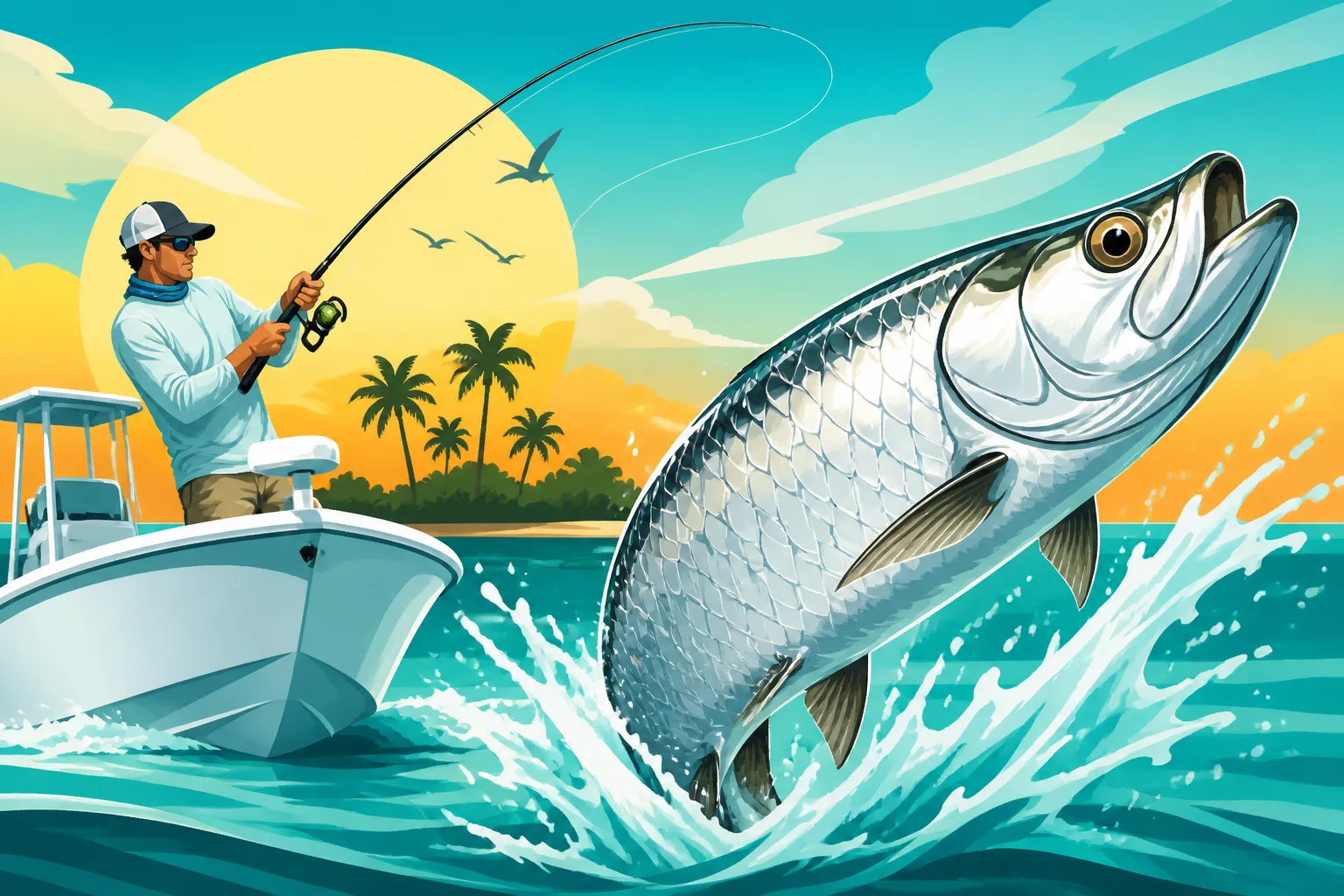
Picture this: You’re holding your rod, focused intently on the water, when suddenly, your line goes tight. Before you can even register what’s happening, a massive silver torpedo explodes from the water, shaking its head violently in a desperate attempt to throw the hook. This isn't just a fish; it's a spectacle. Tarpon are famous for their incredible aerial displays, leaping high into the air, sometimes clearing the water entirely multiple times during a single fight. It's a heart-stopping performance that will test your reflexes, your tackle, and your endurance. Many experienced anglers agree that no other fish in Florida offers such a visually dramatic and physically demanding fight.
The sheer power behind these leaps is something you have to witness to truly appreciate. They come out of the water with such force that it feels like the ocean itself is trying to rip the rod from your hands. Every jump is a critical moment where the angler must "bow to the king," dropping the rod tip to ease pressure and prevent the line from breaking as the fish thrashes in the air. Fail to do so, and you'll likely be left with a slack line and a story about "the one that got away." This constant engagement, the need for quick thinking and precise execution, is a huge part of what makes tarpon fishing so addictively challenging.
Beyond the jumps, tarpon are incredibly strong swimmers, capable of long, powerful runs that strip line from your reel at an alarming rate. They use their broad, powerful tails to surge through the water, turning what might seem like a straightforward retrieve into a grueling tug-of-war. The fight can last anywhere from a few minutes to well over an hour, depending on the size of the fish and the tackle used. It's a full-body workout that leaves you both exhausted and exhilarated, with a profound respect for these incredible creatures.
Florida's Unique Tarpon Habitats and Migration
Florida is often considered the capital of tarpon fishing, and for good reason. The state's diverse aquatic environments, from shallow grass flats and mangrove-lined estuaries to deep passes and nearshore waters, provide ideal habitats for tarpon throughout their life cycle. This variety means that no matter where you are in Florida, from the Panhandle down to the Keys, there’s a good chance you’re not too far from a potential tarpon encounter. Our warm waters are truly a sanctuary for them.
One of the most defining characteristics of Florida’s tarpon population is their incredible annual migration. Every spring, vast schools of mature tarpon begin their epic journey, moving northward along both the Gulf and Atlantic coasts, following baitfish and seeking suitable spawning grounds. This "Grand Migration" is a phenomenon that draws thousands of anglers to specific hotspots, hoping to intercept these massive schools. These fish are creatures of habit, often following similar routes year after year, making certain areas legendary for their seasonal tarpon runs. Understanding Florida Tarpon Migration Timing is key to planning a successful trip.
However, it's not just the migrating giants that make Florida special. We also have significant populations of resident tarpon that spend their entire lives in particular estuaries, rivers, and bays. These non-migratory fish provide fantastic year-round opportunities, especially for those who prefer to avoid the intense crowds of the migratory season. They often frequent brackish water environments, sometimes venturing far upriver, presenting a different kind of challenge and requiring unique tactics. The ability to target both migratory and resident tarpon truly makes Florida a unique angling destination.
Understanding Tarpon as a Catch-and-Release Species
For those passionate about tarpon fishing, the understanding that these are primarily a catch-and-release species is fundamental. While it is legal to harvest a tarpon in Florida with the purchase of a tarpon tag, the vast majority of anglers, and certainly all ethical ones, release these fish unharmed. This conservation-minded approach is crucial for sustaining healthy tarpon populations for future generations to enjoy. The thrill isn't in keeping the fish, but in the experience of the fight and the respectful release.
Florida Fish and Wildlife Conservation Commission (FWC) regulations reflect this conservation ethic. Strict rules are in place regarding tarpon harvest, including specific requirements for the use of a tarpon tag, which is limited and intended primarily for those seeking a potential state record or mounting a trophy fish. For most recreational anglers, the standard practice is to handle the fish with extreme care, minimize its time out of the water, and ensure a strong, healthy release. These Catch and Release Best Practices for Snook are very similar to those for tarpon, emphasizing minimal stress.
The emphasis on catch-and-release also means that anglers must be well-versed in proper handling techniques. This includes using appropriate gear to minimize fight time, avoiding dragging the fish onto abrasive surfaces, supporting its body weight adequately when taking a quick photo, and ensuring it's fully revived before letting it go. It's a commitment to the species that every serious tarpon angler embraces, understanding that their actions directly impact the health and availability of these magnificent fish for years to come.
Prime Time for Tarpon: Florida's Fishing Seasons
Understanding when and where to find tarpon in Florida is critical to success. While some locations offer year-round opportunities, the state truly shines during specific seasons when the migratory patterns bring these giants into accessible waters. Timing your trip can make all the difference between a few speculative casts and an action-packed day. It's about knowing when the stars align—or, more accurately, when the baitfish are plentiful and the water temperatures are just right.
The Grand Migration: Spring and Summer Peak Seasons
The most famous time to chase tarpon in Florida is during the spring and early summer, typically from April through July. This is when the "Grand Migration" is in full swing, as massive schools of mature tarpon move along both coastlines. Along the Gulf Coast, this migration often starts in the Florida Keys in late March or early April, pushing northward through the famous passes of Boca Grande, Charlotte Harbor, and continuing up towards the Panhandle. Anglers flock to these areas, ready to intercept the moving schools.
On the Atlantic side, the migration can start a bit earlier in the southern parts of the state, often peaking from May into July as fish move north along the coast, through areas like the Everglades National Park, Biscayne Bay, and then northward past the inlets. These are the months when the sheer numbers of tarpon can be staggering, presenting opportunities for sight fishing massive schools of hungry fish. For many, this window is synonymous with trophy tarpon fishing, offering the best chance to hook into truly giant individuals. If you're looking for Best Month to Catch Tarpon in Florida, this is often it.
However, "peak season" also means peak crowds. Popular spots like Boca Grande Pass can become quite busy with boats all vying for position. Planning ahead, booking guides well in advance, and being prepared for competition are all part of the experience during these bustling months. Despite the crowds, the sheer volume of fish and the energy of the fishery make it an undeniably exciting time to be on the water. It’s an electric atmosphere that few other fisheries can match.
Year-Round Opportunities: Resident Tarpon Hotspots
While the migration draws the most attention, Florida also boasts healthy populations of resident tarpon that provide fantastic fishing throughout the year, especially in south Florida. These fish typically inhabit estuaries, brackish rivers, canals, and deeper bay systems. Unlike their migratory cousins, these tarpon don't undertake long journeys, staying put in their home waters, making them a more predictable target for local anglers. You might not find the same massive schools, but you'll often encounter large, strong individual fish.
Areas like the Everglades, Ten Thousand Islands, and even some urban canal systems in Miami and Fort Lauderdale hold resident tarpon populations. These fish often feed on different forage than their migratory counterparts, adapting to the local ecosystem, which means different baits and techniques might be more effective. For example, resident tarpon in mangrove estuaries might be targeted with live mullet or pinfish, while those in canals could respond well to artificial lures or even fly patterns.
Fishing for resident tarpon can be particularly rewarding because it offers a more intimate experience. You often find yourself in quieter, more secluded waters, allowing for a more focused and less crowded fishing trip. It's an excellent option for anglers who want to escape the hustle and bustle of the migratory season or for those visiting Florida outside of the traditional spring/summer window. Exploring the backcountry of Everglades Fishing Guide or the deep canals can yield surprising results any time of year.
Weather and Water Conditions: Ideal Tarpon Windows
Tarpon are highly sensitive to environmental factors, and understanding these can significantly improve your chances of success. Water temperature is arguably the most critical factor; tarpon prefer warmer waters, typically above 75°F. During cold snaps, they become lethargic and seek refuge in deeper, warmer pockets, making them much harder to entice. This is why the spring warm-up is such a crucial trigger for their migration and feeding activity.
Beyond temperature, stable weather patterns are generally preferred. Strong cold fronts can shut down a tarpon bite for days, as the fish become uncomfortable and less active. Overcast skies with light winds are often ideal for sight fishing on the flats, as they reduce glare and allow for better visibility. On the other hand, a choppy surface can make sight fishing impossible but might be perfect for drift fishing with live baits in deeper channels where the fish are less wary.
Tides also play an enormous role, especially in coastal passes and inlets. Moving water concentrates baitfish, and tarpon often position themselves to ambush prey during strong incoming or outgoing tides. Understanding the tidal flow and how it impacts bait movement and fish behavior in a specific area is paramount. A good fishing guide will often schedule trips around optimal tidal windows, knowing that even a few hours can make a world of difference. Always check local forecasts and tide charts, as these natural rhythms dictate much of the tarpon's feeding behavior.
Where to Find the Silver King: Top Florida Tarpon Destinations
Florida is blessed with an abundance of waters that tarpon call home, either seasonally or year-round. While the entire state offers opportunities, some locations have achieved legendary status for their consistent tarpon action and the sheer number of giants that frequent their waters. Knowing these hotspots can help you narrow down your options and focus your efforts on areas with the highest probability of success.
The Legendary Florida Keys
When people talk about tarpon fishing in Florida, the Florida Keys almost invariably come up first. This chain of islands, stretching southwest from the tip of the Florida peninsula, is renowned worldwide as a premier tarpon destination. From Islamorada down to Key West, the shallow flats, mangrove channels, and deep passes of the Keys are teeming with tarpon during their annual migration, particularly from March through July. The clear, turquoise waters of the Keys offer unparalleled sight-fishing opportunities, allowing anglers to spot and cast to individual fish or entire schools.
The fishing experience in the Keys is often intimate, with anglers poling silently across vast flats, looking for the tell-tale "roll" of a tarpon or the subtle shadow of a cruising fish. When a tarpon is spotted, the challenge becomes a delicate dance of stealth, accurate casting, and precise presentation. Key hotspots include the bridges, which serve as natural ambush points and migratory highways, and the countless backcountry basins and channels. For a truly immersive experience, exploring the Florida Keys Fishing Guide will provide deep insights into this incredible fishery.
Many anglers choose to hire a local flats guide in the Keys, and for good reason. These guides possess an encyclopedic knowledge of the tides, the currents, the fish's habits, and the best ways to approach these wary giants. Their expertise significantly increases your chances of a successful hookup, and they are masters at navigating the complex and sometimes challenging shallow water environment. It’s an investment that often pays off in spades, especially when targeting such a challenging species.
Gulf Coast Giants: Boca Grande and Charlotte Harbor
Moving up the Gulf Coast, the area around Boca Grande Pass, often dubbed the "Tarpon Capital of the World," is a must-fish destination for any serious tarpon angler. Located at the mouth of Charlotte Harbor, this pass sees an incredible concentration of migratory tarpon from April through July, sometimes numbering in the tens of thousands. The fishing here is intense, often involving large schools of boats drifting through the pass, dropping live baits or jigs into the deep channels. The sheer volume of fish can be astounding, and multiple hookups are not uncommon.
Charlotte Harbor itself is another prime location, offering a slightly different experience than the pass. This vast estuary, fed by several rivers, provides excellent habitat for both migratory and resident tarpon. Anglers can find fish rolling in the calmer waters of the harbor, chasing baitfish in the numerous creeks and bayous, or lurking around oyster bars and mangrove islands. The sheer size of the harbor means there's always a new spot to explore, and the variety of fishing scenarios keeps things interesting. For detailed information on this renowned area, check out Boca Grande Pass Tarpon Fishing in Southwest Florida.
While the pass is famous for its "fishing rodeo" atmosphere during peak season, the wider Charlotte Harbor area offers opportunities for quieter, more strategic fishing. Whether you're targeting fish in the pass with heavy tackle and live crabs or poling the shallow edges of the harbor with a fly rod, the Boca Grande/Charlotte Harbor region truly caters to every style of tarpon enthusiast. It's a place where legends are made, and even a single hookup can be the culmination of years of angling dreams.
Atlantic Coast Adventures: From Everglades to Mosquito Lagoon
Don't let the Gulf Coast and Keys get all the glory; Florida's Atlantic Coast offers exceptional tarpon fishing as well, particularly in its southern and central regions. The Everglades National Park, for instance, provides a vast and wild backcountry environment where tarpon thrive year-round. This is a place for adventure, with anglers exploring intricate mangrove labyrinths and shallow bays, often sight-fishing to rolling tarpon in pristine solitude. The experience here is about wilderness, stealth, and a deep appreciation for nature.
Further north, areas like Biscayne Bay in Miami and the Indian River Lagoon system, including the renowned Mosquito Lagoon, also hold significant tarpon populations. These areas are excellent for both resident and migratory fish, offering diverse fishing environments from urban bridges and inlets to expansive grass flats. In places like Mosquito Lagoon, tarpon often mingle with large redfish and trout, providing a unique multi-species angling experience. The Indian River Lagoon Fishing Guide and Mosquito Lagoon Fishing Guide in Florida offer more specific insights into these productive waters.
Atlantic Coast tarpon fishing often involves a mix of tactics, from live baiting under bridges at night to casting artificial lures in expansive flats during the day. The inlets and coastal rivers serve as vital pathways for migratory fish, and timing the tides here is just as important as on the Gulf. No matter which part of the Atlantic Coast you choose, the challenge and reward of landing a Silver King are equally profound. These regions offer a fantastic alternative to the more heavily fished western coast, often with fewer crowds and equally impressive fish.
Gear Up for Battle: Essential Tarpon Tackle
Going head-to-head with a tarpon is not for the faint of heart, nor is it a job for flimsy tackle. These fish are built for power and explosive runs, meaning your gear needs to be up to the task. Skimping on tackle can lead to frustrating break-offs and lost fish, diminishing the experience for both you and the tarpon. Investing in the right equipment isn't just about catching a fish; it's about giving yourself the best chance and ensuring the fish can be released in good health.
Rods, Reels, and Line: Matching Strength to the Fight
When it comes to tarpon, you need a powerful rod that can handle the stress of long fights and strong surges. A medium-heavy to heavy action spinning or conventional rod, typically in the 7 to 8-foot range, is ideal. This length provides good casting distance and leverage, while the heavy action ensures you have the backbone to turn a large fish. For spinning gear, a 5000 to 8000 series reel with a smooth, powerful drag system is essential. Conventional reels, often preferred for live baiting in passes, should be robust, star-drag or lever-drag models capable of holding several hundred yards of line.
The line choice is equally critical. Braided line, with its incredible strength-to-diameter ratio and lack of stretch, is almost universally preferred for tarpon. A 50 to 80-pound test braided line is standard, allowing for strong hook sets and direct contact with the fish. The minimal stretch of braid also helps in feeling subtle bites and maintaining pressure during the fight. However, braid's lack of abrasion resistance means a robust leader is absolutely necessary. You can find a fantastic selection of strong braided lines for various fishing styles on platforms like Amazon, offering convenience and competitive pricing for quality brands.
Remember, the goal is to land the fish as quickly and efficiently as possible to minimize stress on the animal, especially when practicing catch-and-release. Overmatched tackle leads to prolonged fights, which increase the tarpon's exhaustion and reduce its chances of survival after release. Therefore, matching the strength of your rod, the drag of your reel, and the breaking strain of your line to the potential size of the tarpon you're targeting is paramount. For more detailed line recommendations, refer to What Pound Test Line for Tarpon Fishing?.
Leaders and Terminal Tackle: The Critical Connection
This is where many anglers either succeed or fail. Tarpon have incredibly abrasive mouths, and without a heavy leader, your main line will snap like a twig. A fluorocarbon leader ranging from 60 to 100 pounds test is standard. Fluorocarbon is nearly invisible in water and highly abrasion-resistant, making it the perfect choice. The length of your leader will vary depending on your technique; for sight fishing, a 6-to-8-foot leader might be used, while for live baiting in deep passes, a shorter, heavier shock leader might be appropriate. Connecting your braided main line to the fluorocarbon leader with a strong knot like an FG knot or an Albright knot is crucial, as this is often the weakest link in your setup.
Hooks must be incredibly strong and sharp. Circle hooks are almost universally recommended for tarpon, especially when using live or cut bait. They are designed to hook fish in the corner of the mouth, minimizing deep hooking and making for easier, safer releases. Sizes typically range from 7/0 to 12/0, depending on the bait size and the type of fishing. Always use high-quality, corrosion-resistant hooks that won't straighten under pressure. For those who prefer artificial lures, split rings and treble hooks should also be upgraded to heavy-duty, saltwater-grade components to withstand the power of a tarpon.
Swivels, if used, should be heavy-duty ball-bearing swivels to prevent line twist, especially when casting or drifting with live baits. For sinkers, the weight will depend entirely on the current and depth you're fishing. In strong currents, heavier egg sinkers or lead weights might be necessary to get your bait down to the strike zone. Ensuring every component of your terminal tackle is robust and reliable is not just good practice; it's a necessity when targeting fish that can grow well over 100 pounds.
Live Bait and Lure Choices: What Tarpon Can't Resist
Tarpon are opportunistic feeders, but they certainly have their preferences. For live bait, mullet, pilchards, threadfin herring, pinfish, and especially live crabs (blue crabs or pass crabs) are incredibly effective. The choice of bait often depends on the region and the time of year, as tarpon will key in on the most abundant natural forage. In the Keys, crabs are king for migratory fish, while on the Gulf Coast, mullet and threadfins are often preferred. Presenting live bait naturally, either free-lined, under a float, or with minimal weight, is usually the most effective approach.
When it comes to artificial lures, a variety of options can entice a strike. Large soft plastic paddle tails or jerkbaits, often weighted with a heavy jig head, are excellent for imitating baitfish and can be fished in various depths. Hard plastic lipped plugs or suspending twitch baits that mimic mullet or sardines are also popular, especially when retrieved with a stop-and-go action. For fly anglers, large flies resembling baitfish (like mullet patterns) or crabs (like crab imitations) are essential. These flies often feature heavy lead eyes to help them sink quickly and flash to attract attention.
No matter your preference, having a variety of live baits or lures available is a good strategy. Tarpon can be finicky, and what works one day might not work the next. Pay attention to what the fish are feeding on naturally, if visible, and try to "match the hatch." For those looking to stock up on a wide array of lures, hooks, and leader materials before their trip, online retailers like Amazon offer an expansive selection, making it easy to prepare for any tarpon scenario.
Mastering the Hunt: Tarpon Fishing Techniques
Catching a tarpon is a blend of art, science, and a healthy dose of patience. There's no single "magic bullet" technique; rather, successful tarpon anglers learn to adapt their methods to the specific conditions, location, and behavior of the fish. From the stealthy approach on the flats to the intense action in a busy pass, each scenario demands a different approach.
Sight Fishing the Flats: The Ultimate Challenge
Sight fishing for tarpon on shallow grass flats, particularly in the Florida Keys or the vast backcountry of the Everglades, is arguably the most exhilarating and challenging method. This technique involves slowly poling a shallow-draft boat (or even wading, in some specific areas) across expansive flats, looking for tell-tale signs of tarpon. These signs can include the actual fish themselves, either cruising or laid up, or the subtle "rolls" as they gulp air near the surface. The crystal-clear waters often allow you to see the fish long before they see you, turning the hunt into a chess match.
Once a tarpon is spotted, the real challenge begins. A precise, quiet cast is paramount. Any splashy entry or errant line can easily spook these wary fish, sending them bolting into the horizon. The presentation of the bait or fly needs to be natural and intercept the fish's path without landing directly on top of it. It’s a delicate balance of leading the fish and placing the offering where it looks like an easy meal. Success often hinges on a single, perfectly executed cast.
The anticipation during sight fishing is immense. Your heart pounds as a massive tarpon slowly approaches your bait. The moment of the strike, often a subtle sip or a hard pull, is electrifying. This technique demands keen eyesight, excellent casting skills, and immense patience. It's not about quantity but quality; each fish hooked this way feels like a monumental achievement. Fly fishing for tarpon is a prime example of this method, where the presentation must be flawless. If you're considering Fly Fishing for Florida Tarpon, sight fishing is largely what you'll be doing.
Bait Fishing Channels and Passes: Patience Pays Off
In contrast to the visual intensity of flat fishing, bait fishing in deeper channels, inlets, and passes, like the famous Boca Grande Pass, often requires a more patient, methodical approach. Here, anglers typically drift or anchor, deploying live baits (often large crabs or mullet) with the current, allowing them to present naturally in the strike zone. The goal is to put your bait where large schools of migratory tarpon are known to congregate or pass through, waiting for a bite.
This method can be incredibly productive, especially during peak migration periods when thousands of tarpon are funneling through these natural choke points. Anglers might use a "free-lined" bait with no weight, a float rig to suspend the bait at a specific depth, or a heavier lead-head jig to get the bait down into the deepest parts of the channel. The key is to understand the current, depth, and the tarpon's preferred feeding lanes. Sometimes, a subtle vibration from your rod tip is all the indication you get before the line screams off the reel.
Chumming can also be effective in some scenarios, drawing tarpon closer to the boat. However, this is more common with resident tarpon in estuaries than with migratory fish in strong currents. The sheer volume of fish in these passes often means that it’s more about presenting an appealing meal in the right place at the right time. While it might lack the visual drama of sight fishing, the sheer power of a tarpon strike in a deep channel is a thrilling experience all its own, often leading to explosive runs against heavy current.
Trolling and Casting: Adapting to Different Scenarios
While sight fishing and bait fishing dominate the tarpon scene, trolling and casting artificials can also be highly effective, especially when tarpon are scattered or actively chasing bait in open water. Trolling is less common for tarpon but can be used in certain situations, such as covering large areas of nearshore waters where schools might be moving quickly, or around specific structure. Large diving plugs that imitate mullet or ladyfish can be trolled at slow to moderate speeds, especially if you're marking fish on your sonar.
Casting artificial lures is a versatile technique that works well in a variety of environments, from bridges and jetties to open bays and even freshwater canals. Soft plastic swimbaits, jerkbaits, and even large topwater plugs can provoke aggressive strikes from hungry tarpon. The key here is often retrieving the lure with an erratic, injured baitfish action, enticing a predatory response. This method requires constant casting and retrieving, making it a more active style of fishing.
Adapting your technique to the conditions is a hallmark of a successful tarpon angler. On a windy day when sight fishing is difficult, drifting live baits or casting artificials in a protected cove might be the best option. When the sun is high and fish are laid up, a perfectly presented fly might be the only way to get a bite. Having a diverse arsenal of techniques and the willingness to switch strategies based on what the fish are doing is what truly separates consistent tarpon anglers from the rest.
The Art of the Hookup and Fight: Landing Your Tarpon
Hooking a tarpon is just the beginning of a true test of skill and endurance. Their bony mouths, powerful jumps, and incredible runs make them one of the hardest fish to keep connected to. Many an angler has celebrated prematurely, only to watch their tarpon throw the hook mid-air. Mastering the hookset and understanding how to fight these acrobatic giants is crucial to bringing one boat-side.
Setting the Hook: The Tarpon's Hard Mouth
One of the most frustrating aspects of tarpon fishing for newcomers is their incredibly bony mouth. It’s like trying to drive a hook through a brick! A soft or tentative hookset simply won't cut it. When a tarpon takes your bait or lure, you need to deliver a powerful, deliberate hookset – often multiple times. If you're using a circle hook with live bait, resist the urge to rear back immediately. Instead, let the fish take the bait, then slowly apply pressure until the rod loads up, and the circle hook does its job, usually seating itself in the corner of the fish's jaw.
With artificial lures or J-hooks, a sharp, upward sweep of the rod, followed by another, and sometimes even a third, is often necessary to ensure the hook penetrates past the barb. This is where the non-stretch properties of braided line really shine, allowing for a more direct and powerful transmission of force to the hook. Be prepared for the immediate chaos that follows a good hookset; a tarpon's first reaction is almost always to explode into a series of jumps.
Missing a strike is a common frustration, and even experienced anglers will tell you they miss more tarpon than they land. It's part of the game. Don't get discouraged if the first few fish spit the hook. Learn from each encounter, adjust your timing and power, and stay persistent. The feeling of finally driving that hook home and having the line scream off your reel is pure exhilaration.
Fighting the Jumps: The "Bow to the King" Maneuver
Once hooked, a tarpon will almost certainly go airborne. This is their primary method of trying to throw the hook, and it's incredibly effective. As soon as you see the fish launch itself out of the water, you must immediately "bow to the king." This means quickly lowering your rod tip towards the water, creating slack in the line. The slack helps to absorb the shock of their violent head shakes and reduces the chance of the hook pulling free. If you keep a tight line during a jump, the constant tension against the fish's thrashing head creates leverage for the hook to tear free.
After the fish re-enters the water, quickly reel up the slack and get back to fighting the fish. This requires quick reflexes and coordination, especially when a tarpon puts on multiple aerial displays. It's a dance between applying pressure and giving slack, a constant adjustment to the fish's movements. You'll often hear a guide shouting "Bow!" as soon as a fish jumps, reminding anglers of this critical maneuver.
Beyond the jumps, tarpon are incredible runners. They will often make blistering initial runs, stripping hundreds of yards of line from your reel. Maintain a steady, strong drag, but be prepared to adjust it if the fish decides to take a breather or suddenly changes direction. Keep the rod tip up, pointed towards the fish, and pump and reel, gaining line whenever the fish isn't actively running. This is where the quality of your reel's drag system truly comes into play, ensuring a smooth, consistent payout of line without jerking.
Safe Handling and Release: Protecting the Future of Tarpon
Given their status as a protected game fish and the strong emphasis on conservation, safe handling and release practices are paramount for tarpon. The goal is to ensure the fish has the best possible chance of survival after the fight. One of the most important rules is to keep the fish in the water as much as possible. Prolonged exposure to air is extremely detrimental to tarpon. If you must take a photo, do it quickly, supporting the fish horizontally with two hands, one under the head and one under the tail, ensuring its weight is evenly distributed. Never hang a large tarpon vertically by its jaw.
Tools like a de-hooker are invaluable for quickly and safely removing hooks, minimizing stress and damage to the fish. Heavy-duty gloves can also protect your hands from sharp teeth and gill plates. For those looking to equip themselves with proper de-hooking tools and robust gloves, Amazon provides a variety of options that are suitable for large game fish handling. Always have these tools ready and easily accessible on the boat.
Once the hook is removed, it's crucial to properly revive the tarpon. Hold the fish by the tail and jaw, pointing its head into the current, or gently move it back and forth to force water over its gills. Look for signs of strength, such as firm tail kicks and a renewed ability to hold itself upright. Don't release the fish until it's ready to swim away under its own power. Sometimes this can take several minutes, but patience here is key to ensuring a successful release and the continued health of the population. Remember, these practices contribute directly to the species' future.
Regulations and Conservation: Fishing Responsibly
Florida’s tarpon fishery is a precious resource, and its continued health depends on responsible angling and strict adherence to regulations. The Florida Fish and Wildlife Conservation Commission (FWC) manages this fishery with conservation as the top priority, which is why most tarpon fishing is strictly catch-and-release. Understanding and respecting these rules isn't just about avoiding fines; it's about being a good steward of our natural environment.
Tarpon Tag Requirements and Catch-and-Release Rules
The overarching rule for tarpon fishing in Florida is catch-and-release. This means that if you're fishing for tarpon, the expectation is that you will release every fish alive and unharmed. However, there's a specific exemption: if you intend to harvest a tarpon, you must purchase a special tarpon tag. These tags are limited in number and are primarily intended for anglers seeking a state record or a mountable trophy. For the vast majority of recreational anglers, a tarpon tag is not needed, as the fish will be released. You can learn more about specific requirements in the Florida Saltwater Fishing License Rules or Florida Fishing License Guide.
It's also important to note that tarpon tags come with strict rules about when and where they can be used, and how the fish must be reported. The intent is to discourage harvest and prioritize the conservation of the species. Most charter captains and serious recreational anglers operate under a strict catch-and-release ethic, recognizing the ecological and economic value of healthy tarpon populations. The thrill is truly in the fight and the safe release, not in taking the fish home.
Beyond the tag, specific rules exist regarding the handling of tarpon over 40 inches. These larger fish must remain in the water when being photographed or handled, emphasizing the commitment to minimizing stress. This "no large tarpon out of the water" rule is crucial for their survival, as their internal organs can be damaged by their own weight when unsupported on land. Always review the latest FWC regulations before heading out, as rules can change.
Ethical Angling Practices and Protecting the Resource
Ethical angling for tarpon extends beyond simply following the rules; it embodies a respect for the fish and the environment. This means being mindful of other anglers, especially in crowded areas like Boca Grande Pass, and giving fellow boaters enough space. It also means minimizing your impact on fragile habitats, such as shallow grass flats, by avoiding prop scars and operating your vessel responsibly. A true conservationist always leaves the fishing spot cleaner than they found it.
Using appropriate tackle that minimizes fight time is another ethical consideration. As mentioned earlier, overpowered tackle leads to longer fights, exhausting the fish and reducing its chances of survival. Similarly, practicing quick and efficient hook removal with a de-hooker is paramount. If a fish is deeply hooked, it’s often best to cut the line as close to the hook as possible rather than attempting to rip it out, which can cause further internal damage.
The future of tarpon fishing in Florida relies heavily on the collective actions of its anglers. By adopting a strong catch-and-release ethic, educating others about proper handling, and supporting conservation efforts, we ensure that the "Silver King" continues to thrill generations of fishermen to come. It’s a responsibility we all share to protect this incredible resource.
The Importance of Hiring a Knowledgeable Guide
For many, especially those new to tarpon fishing or visiting Florida, hiring a knowledgeable fishing guide is not just a luxury but a crucial step towards a successful and responsible trip. A good guide offers invaluable expertise, from knowing the best spots and understanding tarpon behavior to ensuring proper techniques are used and regulations are followed. They are often masters of their local waters, with years, if not decades, of experience reading the tides, currents, and subtle signs of tarpon. For insight into what to expect when hiring one, consult Florida Fishing Charter Cost Guide.
Guides also play a vital role in conservation. They are usually well-versed in the latest FWC regulations and demonstrate best practices for catch-and-release. They can teach you how to properly handle a tarpon for a quick photo and ensure a healthy release, protecting both you and the fish. Their boats are typically equipped with all the necessary safety gear and specialized tackle, saving you the expense and hassle of acquiring it yourself. Many will even provide a Florida Fishing License for Boat Captains that covers all anglers on board, simplifying the licensing process for you.
Beyond the practical benefits, a skilled guide enhances the entire experience. They share their knowledge, tell stories, and often provide tips that can elevate your own angling skills. They act as mentors, offering insights into why tarpon behave the way they do and how to outsmart them. While it's an investment, the value a reputable guide brings in terms of safety, success, and education is immeasurable, often turning a good trip into a truly unforgettable one. You can find more details on Tipping Etiquette for Florida Fishing Guides to ensure you show appreciation for their hard work.
Disclaimer
This article is for general informational purposes only and does not constitute professional advice. Laws, prices and regulations vary by location and change over time. Consult a qualified professional for guidance on your specific situation.