Florida Redfish Size and Bag Limits
Navigating the ever-changing landscape of fishing regulations can feel like a labyrinth, especially when you're targeting a prized species like the redfish here in Florida. One minute you think you've got it figured out, and the next, there's a new update or a regional exception that throws a wrench in your plans. It's enough to make any angler, whether a seasoned local or a visiting enthusiast, feel a little overwhelmed. This comprehensive guide is here to untangle the complexities of Florida's redfish size and bag limits, helping you understand not just what the rules are, but why they're in place, so you can enjoy a responsible and rewarding fishing experience.
The Enduring Appeal of Florida Redfish
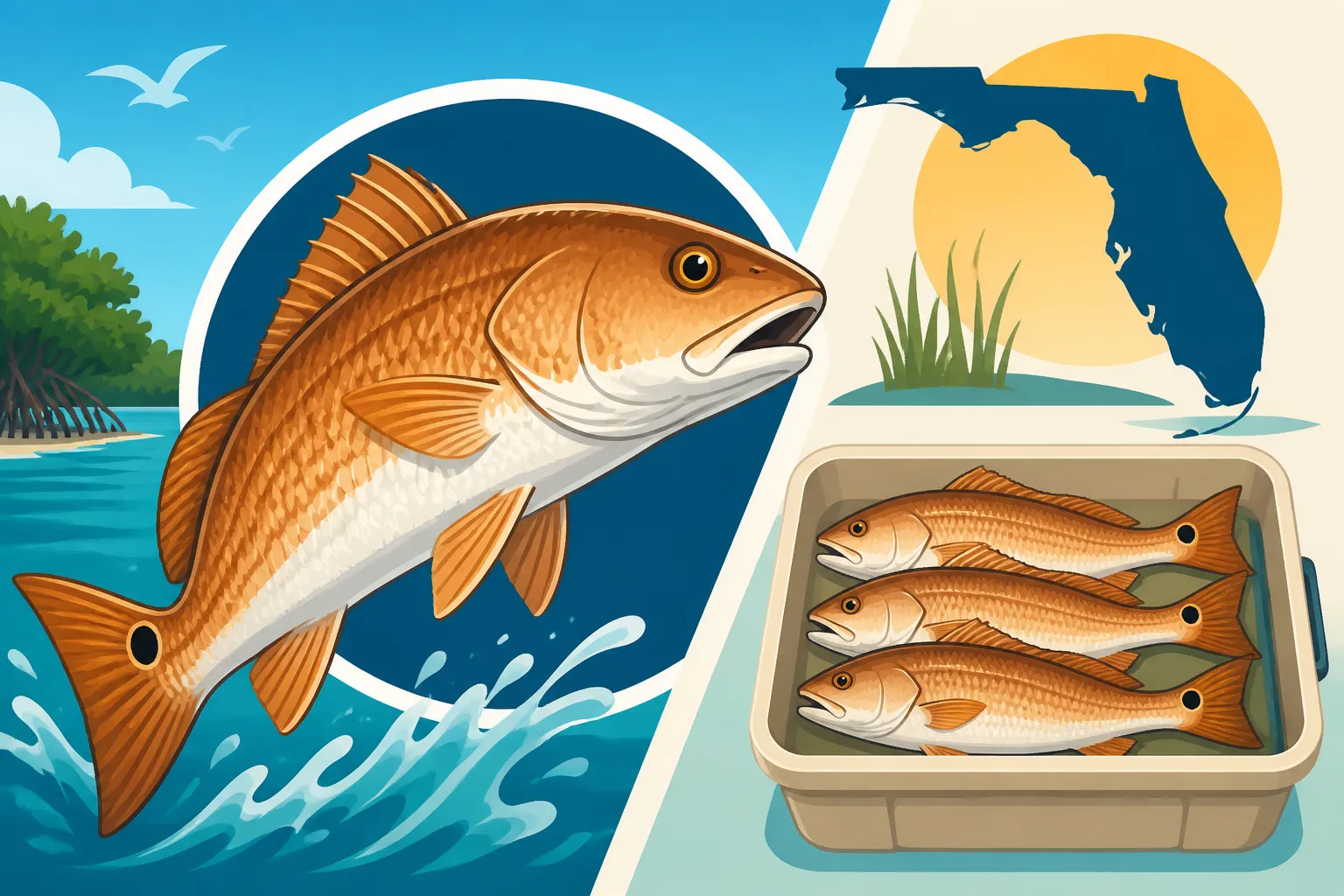
Redfish, often called red drum or channel bass, are a quintessential Florida sport fish, famous for their powerful fights, beautiful bronze coloration, and distinct tail spot (or spots!). They're found in nearly all of Florida's coastal waters, from shallow grass flats and oyster bars to mangrove shorelines and deeper channels. Anglers flock to Florida specifically for the chance to hook one of these magnificent fish, making them a cornerstone of our state's recreational fishing culture.
Why Redfish are So Popular in Florida
There's something truly magical about stalking redfish in the clear shallows, sight-fishing for a "tailing" drum, or feeling that characteristic thump on your line as one of these powerful fish engulfs your bait. Their widespread availability across diverse saltwater habitats means that no matter where you are in coastal Florida, there's a good chance you can find them. From the Panhandle down to the Keys and up the Atlantic coast, redfish provide consistent action and an exciting challenge for anglers of all skill levels. They're also incredibly resilient and offer a fantastic catch-and-release experience, which many dedicated redfish anglers prioritize. For those who enjoy taking a fish home for dinner, they're also a delicious table fare.
The Role of Regulations in Redfish Management
But with such popularity comes the responsibility to protect this incredible resource. The Florida Fish and Wildlife Conservation Commission (FWC) meticulously studies redfish populations, growth rates, and reproductive cycles to establish regulations that ensure their long-term health and sustainability. These rules aren't just arbitrary lines in the sand; they're based on sound science, public input, and a deep understanding of the species' biology. Without these carefully crafted limits, overfishing could quickly deplete local populations, diminishing the quality of fishing for everyone and potentially harming the delicate marine ecosystems they inhabit. It's a balancing act: allowing anglers to enjoy their passion while safeguarding the future of the fishery.
Deciphering Statewide Redfish Regulations
When it comes to redfish, Florida implements a "slot limit" system, which is common for many popular inshore species. This means there's a minimum and maximum size for fish you can legally keep, rather than just a minimum size. The idea is to protect both the very young, immature fish and the large, mature breeding stock.
Statewide Size Limits for Redfish
The current statewide recreational size limit for redfish is generally a 18-inch minimum and a 27-inch maximum total length. This "slot" is crucial. It means any redfish you catch that measures less than 18 inches from the tip of its nose to the tip of its tail (with the tail compressed) must be immediately released unharmed. Similarly, any redfish exceeding 27 inches in length must also be released. These larger fish, often referred to as "bull reds" or "overslot" fish, are typically mature breeders that contribute significantly to the overall health and reproduction of the redfish population. Protecting them ensures that future generations of redfish are abundant. Always double-check your measurements, and consider investing in a reliable measuring device, easily found on platforms like Amazon, to ensure accuracy on the water.
Statewide Bag Limits for Redfish
Beyond size, there's also a daily bag limit, which dictates how many fish of a particular species an individual angler can keep in a single day. For redfish, the statewide recreational bag limit is typically one fish per person per day. This limit is designed to spread the harvest among more anglers and reduce the overall pressure on the redfish population. It means that once you've legally harvested your one redfish for the day, any additional redfish you catch, even if they fall within the slot limit, must be released. It's a critical component of conservation that helps prevent a few anglers from taking a disproportionately large number of fish. Remember that vessel limits can also apply, meaning there's a maximum number of redfish allowed on a single boat, regardless of how many licensed anglers are aboard. You can learn more about general regulations in our Florida Fishing Regulations and Bag Limits article.
Understanding the Slot Limit Concept
The slot limit might seem a bit counterintuitive at first – why can't I keep that huge redfish I just caught? But it's actually one of the most effective conservation tools. Think of it this way: the smaller fish (under 18 inches) haven't had a chance to reproduce yet, or are just beginning to. By letting them grow, they contribute to the population's future. The larger fish (over 27 inches) are often the most prolific breeders, producing many eggs. By releasing them, they can continue to spawn for years, ensuring a robust redfish population. The "slot" between 18 and 27 inches represents the fish that have likely had at least one or two spawning cycles, but haven't yet reached their peak reproductive potential, making them suitable for harvest without significantly impacting the overall population. It's a smart strategy that benefits both the fish and the anglers. If you're new to this, our Florida Redfish Slot Limit Explained guide provides even more detail.
Regional Variations and Special Management Zones
While there are statewide regulations, Florida's vast and diverse coastline means that some areas, particularly those facing unique environmental challenges or population pressures, might have stricter or different rules. It's absolutely crucial to be aware of these regional nuances before you head out, as ignorance of the law is no excuse.
Indian River Lagoon Redfish Rules
Perhaps the most prominent example of regional regulations for redfish is the Indian River Lagoon (IRL) system. This vast estuary, stretching along much of Florida's east coast, has faced significant environmental challenges, including harmful algal blooms and habitat degradation. In response to these issues and concerns about redfish populations, the FWC has historically implemented more conservative measures for redfish in the IRL. This has sometimes meant a reduced bag limit, specific closed seasons, or even temporary catch-and-release-only directives.
For example, anglers might find that the bag limit for redfish in the IRL is zero, meaning all redfish must be released immediately, regardless of size. This is a direct measure to aid in the recovery of the fishery in this critical habitat. Always, always check the most current FWC regulations specifically for the Indian River Lagoon and surrounding counties (e.g., Volusia, Brevard, Indian River, St. Lucie, Martin counties) before fishing there. These regulations can change based on ongoing stock assessments and environmental conditions. Our article Is Red Drum Catch and Release Only in the Indian River Lagoon? delves deeper into this topic.
Other Regional Considerations
While the Indian River Lagoon often has the most distinct redfish regulations, other regions can also experience temporary changes or specific rules. Sometimes, after a severe red tide event, a cold snap, or a hurricane, localized closures or reduced bag limits might be put in place to protect stressed fish populations. These situations are usually temporary but can have a significant impact on your fishing plans.
It's not just about what's currently in effect, but also about understanding the FWC's proactive approach to management. They continuously monitor redfish stocks across the state, and if a particular region shows signs of stress, they are quick to implement protective measures. This is why a quick check of the FWC website or the "Fish Rules" app before every trip is more than just a good idea – it's an essential part of responsible angling. Don't rely on what you heard last year, or what your buddy told you about a different part of the state. Always verify the rules for your specific fishing location on the day you plan to fish.
Essential Permits and Licensing for Redfish Anglers
Before you even think about the size of that redfish or how many you can keep, you need to make sure you're legally allowed to fish in the first place. This means obtaining the proper Florida fishing license. It's a non-negotiable step for almost everyone who wants to wet a line in our beautiful waters.
General Recreational Fishing License Requirement
Unless you fall under one of the very specific exemption categories, virtually everyone 16 years of age or older needs a valid Florida fishing license to catch redfish. Since redfish are a saltwater species, you'll need a Florida saltwater fishing license. This applies whether you're casting from shore, wading in the flats, fishing from a private boat, or kayaking. The funds generated from license sales are absolutely vital. They directly support conservation efforts, habitat restoration projects, and the enforcement of fishing regulations, ensuring that future generations can enjoy the same incredible fishing opportunities we have today. You can purchase these licenses online, at tackle shops, or through various retailers. For a complete overview, check out our Florida Fishing License Guide and Who Needs a Fishing License in Florida.
Charter Boat and Pier Exemptions
There are a few instances where you might not need your own individual license to fish for redfish. If you're fishing from a licensed pier (meaning the pier itself holds a valid pier fishing license), or if you're on a for-hire charter boat or head boat that possesses the necessary federal or state permits, you might be covered under their license. This is a common arrangement, especially for tourists or those new to fishing who want to experience Florida's waters without the hassle of purchasing a license.
However, it's always wise to confirm this directly with the pier operator or charter captain beforehand. Don't assume. A reputable charter captain will always be upfront about license requirements. While many charters cover the fishing license for everyone on board, it's good practice to ask to avoid any confusion or potential fines. Even if you're covered, knowing the redfish size and bag limits is still your responsibility as an angler. You can find more details in our article about Do You Need a License to Fish From a Florida Pier? or Florida Charter Boat Fishing License Rules.
The Crucial Role of Conservation
Every time we cast a line, we're interacting with a complex ecosystem, and our actions, even seemingly small ones, have an impact. The redfish regulations aren't just about what you can take; they're fundamentally about ensuring that this incredible fishery thrives for years to come. Conservation isn't just for scientists or policymakers; it's a responsibility we all share as anglers.
Protecting Breeding Stock for Future Generations
The slot limit, as we discussed, is a direct conservation measure designed to protect the most important age classes of redfish. The large "bull reds" that are often released are the primary breeders, producing millions of eggs during spawning events. By allowing these mature fish to remain in the water, we are essentially safeguarding the reproductive engine of the entire redfish population. This ensures a steady supply of new recruits to grow into legal-sized fish for future seasons. Without protecting these vital breeding fish, populations could crash, leading to much more restrictive regulations or even long-term closures. It's about thinking long-term, beyond just today's catch.
Promoting Sustainable Angling Practices
Beyond just following the size and bag limits, conservation also involves practicing ethical angling techniques. This includes things like careful handling of fish you intend to release. Using appropriate tackle, landing fish quickly, minimizing their time out of water, and using proper dehooking tools (which you can find on Amazon) can significantly increase a fish's survival rate. For redfish, supporting the head and tail when holding them horizontally, or holding them vertically by the lower jaw, helps protect their internal organs. Never hold a large redfish by its gills or eyes.
Choosing the right bait and tackle for the species you're targeting also plays a role. If you're consistently catching undersized fish or unwanted species, consider adjusting your bait or fishing location. Every fish, whether kept or released, deserves respect and the best chance of survival. By embracing these sustainable practices, we contribute to a healthier, more vibrant fishery for everyone. Learn more about proper release in our How to Handle a Redfish for Release article.
Consequences of Non-Compliance
It's easy to think of regulations as just a set of rules, but failing to follow them can have serious repercussions, not just for you but for the redfish population as a whole. Florida's law enforcement, including FWC officers, takes these violations very seriously.
Penalties for Illegal Harvest
If you're caught violating redfish size or bag limits, the penalties can range from significant fines to confiscation of your gear, and in some cases, even jail time. For example, being caught with an undersized or over-slot redfish, or more than your daily bag limit, will likely result in a citation. These fines can quickly add up, and repeat offenses can lead to even harsher penalties, including the suspension of your fishing privileges.
The exact cost of a fine can vary depending on the severity of the violation, whether it's a first offense, and the specific circumstances. It's not just about the monetary cost; it's also about the time spent dealing with legal proceedings and the potential loss of your ability to enjoy fishing. It's simply not worth the risk. Always err on the side of caution. If there's any doubt about a fish's size, release it. If you've already met your bag limit, release any additional fish. For more on what happens if you fish without a license, see our Penalty for Fishing Without a License in Florida article.
The Broader Impact on the Fishery
Beyond the personal consequences, violating regulations directly harms the redfish population and the collective efforts of conservation. Every illegally harvested fish represents a missed opportunity for that fish to reproduce or contribute to the ecosystem. When too many individuals disregard the rules, it puts undue pressure on the fish stocks, making it harder for them to recover and maintain healthy numbers. This, in turn, can lead to even stricter regulations for everyone, less productive fishing trips, and a decline in the overall quality of Florida's redfish fishery.
Think of it as a shared resource: if some people take more than their fair share, there's less for everyone else. Adhering to the regulations is a sign of respect for the fish, the environment, and your fellow anglers. It’s an investment in the future of Florida fishing.
Quick Reference Guide: Florida Redfish Regulations
To help you keep track of the main regulations, here's a quick reference table. Remember, always verify the most current regulations with the FWC directly, especially for regional specifics, before heading out.
| Category | Statewide Regulation (General) | Indian River Lagoon (IRL) & Other Special Zones (Check FWC) | Notes |
|---|---|---|---|
| Minimum Size | 18 inches total length | Varies; often 18 inches, but always verify | Fish smaller than this must be immediately released. |
| Maximum Size | 27 inches total length | Varies; often 27 inches, but always verify | Fish larger than this (overslot) must be immediately released. |
| Slot Limit | 18-27 inches total length | Varies; may be 18-27 inches or catch-and-release only | Only fish within this range can be harvested. |
| Daily Bag Limit | 1 fish per person per day | Varies; often 0 (catch-and-release only) | Maximum number of fish an individual can keep. |
| Vessel Limit | Maximum 8 redfish per vessel (where 1 fish/person applies) | Varies; often 0 per vessel (catch-and-release only) | Maximum number of fish allowed on a boat, regardless of anglers. |
| License Required | Yes, Florida Saltwater Fishing License for ages 16 and up | Yes, unless covered by charter/pier | Essential for recreational harvest. |
Disclaimer: This table is for general informational purposes only. Official FWC regulations are subject to change and should always be consulted prior to fishing.
Best Practices for Redfish Anglers
Beyond just knowing the rules, applying some best practices can make your redfish fishing more successful and enjoyable, while still being conservation-minded. A truly good day on the water isn't just about the fish you catch, but how you go about catching them.
Gear and Technique Considerations
Redfish are powerful, so using appropriate tackle is key. For inshore redfish, a medium-light to medium action spinning rod with a matching reel spooled with 10-20 lb braided line is a good starting point. A fluorocarbon leader (20-30 lb test) is often preferred for its abrasion resistance and low visibility. Lures like weedless spoons, soft plastic jerkbaits, and topwater plugs are highly effective. Live baits such as pilchards, mullet, or shrimp are also excellent choices, especially when fished under a popping cork or on a jig head. Remember, using the right gear helps you land the fish quickly, reducing stress, which is vital for released fish. You can find a vast array of fishing gear, from lines to lures, on sites like Amazon. For more detailed advice, check out Best Bait for Redfish Fishing in Florida.
Handling and Release for Redfish
Even if you intend to keep a legal redfish, proper handling is paramount. If you plan to release a fish, which most redfish anglers do, especially for oversized individuals or when you've hit your bag limit, quick and careful handling increases its survival chances.
- Minimize Fight Time: Fight the fish efficiently to avoid over-exhaustion.
- Wet Hands: Always wet your hands before touching a fish to protect its slime coat, which is its primary defense against infection.
- Support the Fish: If taking a photo, support the fish horizontally with one hand under the belly and the other gripping the lower jaw. Avoid holding large fish vertically by only the mouth, as this can damage their jaw and internal organs.
- Use Dehookers: Carry a dehooking tool to remove hooks quickly and cleanly, especially if the fish has swallowed the hook.
- Rapid Release: Get the fish back in the water as quickly as possible. If it seems sluggish, gently revive it by holding it upright and moving it forward to push water over its gills until it swims away strongly.
By following these simple steps, you ensure that the redfish you release have the best possible chance to recover and continue to contribute to Florida's amazing fishery.
Conclusion: Your Role in Redfish Conservation
Fishing for redfish in Florida is an experience unlike any other, offering thrilling battles and the satisfaction of targeting a truly iconic species. But with that privilege comes the responsibility to understand and respect the regulations designed to protect them. The size and bag limits, including the vital slot limit and regional variations, are not hurdles to overcome but cornerstones of a sustainable fishery.
By staying informed, adhering to the rules, and practicing ethical angling, you become an active participant in conservation. Your actions on the water contribute directly to the health of the redfish population and ensure that these magnificent fish will continue to thrive for future generations of anglers to enjoy. So, grab your gear (maybe a new measuring board from Amazon!), check the latest FWC updates, and head out with confidence, knowing you're doing your part to keep Florida the "Fishing Capital of the World."
Disclaimer
This article is for general informational purposes only and does not constitute professional advice. Laws, prices and regulations vary by location and change over time. Consult a qualified professional for guidance on your specific situation.