How Many Redfish Can You Keep in Florida?
Trying to keep up with Florida's fishing regulations can sometimes feel like trying to land a monster redfish on ultralight tackle – exciting, but also a little confusing and potentially frustrating if you don't know the rules! You've heard whispers of different limits depending on where you are, and you just want a clear answer on how many of those beautiful, bronze-backed fighters you can actually bring home. This guide is here to untangle the lines and give you a comprehensive look at the redfish bag limits across the Sunshine State, so you can fish with confidence and stay on the right side of conservation.
Understanding Florida's Redfish Regulations: It's More Than Just a Number
Let's be honest, nobody wants to get a stern talking-to, or worse, a citation from a Florida Fish and Wildlife Conservation Commission (FWC) officer because they misunderstood a regulation. When it comes to redfish, it's not as simple as a single statewide number. Florida's approach to managing this iconic sport fish is dynamic, aiming to protect populations while allowing recreational harvest. This means understanding not just the numbers, but also the why behind them.
The Statewide Redfish Bag Limit and Slot Size: A Baseline
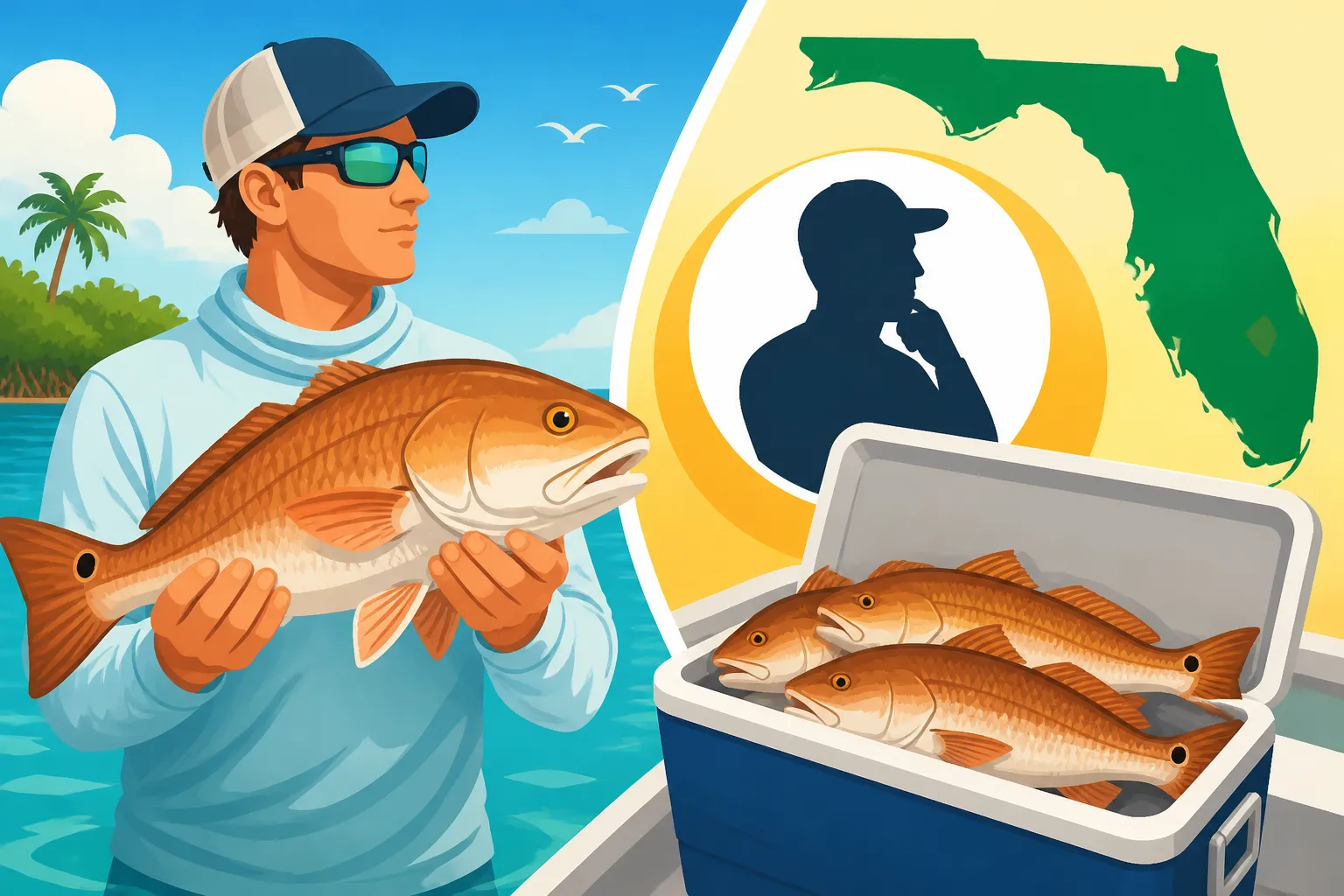
For many years, the standard statewide rule for redfish has been pretty consistent in areas without special restrictions: anglers are typically allowed to keep one redfish per person per day. But here's the kicker – that fish also has to fall within a very specific size range, known as the "slot limit." For redfish, this generally means your fish must measure between 18 and 27 inches in total length. This slot is absolutely crucial; it protects the smaller, juvenile fish so they can grow and reproduce, and it protects the larger, breeding-stock fish that are vital for future generations.
Think of it like this: the little ones are like the kids in school, they need to grow up. The big ones are the wise elders, the grand-daddies and grand-mamas, and they're the ones making more redfish! So, by keeping fish only within that middle range, we ensure a healthy balance. Always remember to measure your fish accurately from the tip of the nose to the tip of the tail, making sure to pinch the tail for the longest measurement. Having a reliable measuring device on your boat or in your tackle box is non-negotiable. You can find durable, easy-to-read measuring boards and tapes on Amazon or at any local bait and tackle shop, which are essential for every trip. Getting a solid grasp on these general rules is the first step, and if you want to dive deeper into the specifics, check out our guide on Florida Redfish Slot Limit Explained.
Why Regulations Vary: Regional Management Zones
Now, if you thought that one-fish-per-day, 18-27-inch slot was the end of the story, welcome to the wonderful world of Florida fishing! The truth is, redfish regulations often vary across different regions of the state. Florida is a massive peninsula with diverse ecosystems, and redfish populations behave differently in the panhandle versus the Keys, or along the Atlantic versus the Gulf coasts. The FWC recognizes this and has implemented a system of regional management zones. This means that depending on which county or coastal area you're fishing in, the bag limit, slot size, or even harvest seasons can change.
These zones are established based on scientific data, population assessments, and local conditions, including environmental factors like red tide events or habitat health. It’s a smart way to manage the resource more effectively, rather than a one-size-fits-all approach that might overprotect in some areas and underprotect in others. It does, however, put the onus on us, the anglers, to know our specific zone and its rules before we even cast a line. This variability is why it's always best to consult the most current regulations for your specific fishing location, which can sometimes be a bit of a moving target. For a broader overview of how these limits are structured, take a look at our Florida Redfish Size and Bag Limits article.
Navigating Regional Redfish Rules: What Zone Are You In?
This is where the rubber meets the road. Florida's coastal waters are broadly divided into several management zones for redfish, and each can have its own nuances. It's not just about saltwater versus freshwater, but specific coastal stretches. Knowing your zone is paramount to avoiding an accidental infraction.
Northwest, Northeast, and Southwest Zones: Specifics and Nuances
Let's break down some common regional distinctions. In the Northwest Zone, which generally encompasses the Panhandle from the Escambia/Okaloosa County line east to the Pasco/Hernando County line, the standard bag limit is usually one redfish per person per day, within that familiar 18-27 inch slot. However, it's critical to know that even within this zone, certain areas might have special considerations. For instance, specific bays or estuaries might have temporary closures or modified limits if local populations are struggling.
Moving to the Northeast Zone, covering areas like Jacksonville, St. Augustine, and down to Volusia County, you'll also typically find a one-fish, 18-27-inch slot limit. But again, local conditions can sometimes prompt temporary adjustments. It's never a set-it-and-forget-it situation with FWC regulations; they are designed to be responsive.
The Southwest Zone, stretching from Hernando County south to Collier County, often follows the same one-fish, 18-27-inch slot. However, this region, especially around areas historically impacted by red tide or other environmental concerns, might see more frequent changes or prolonged catch-and-release-only periods to allow populations to recover. It's truly a testament to how environmental factors directly influence fishing opportunities, reminding us how important it is to be good stewards of the resource.
Central East and South Zones: More Complex Scenarios
Now, let's talk about the Central East Zone, which runs from Volusia County down through Brevard, Indian River, St. Lucie, and Martin counties. This region, particularly the Indian River Lagoon system, has faced significant environmental challenges in recent years. Because of these challenges, the FWC has, at times, implemented more restrictive measures for redfish here. This could mean reduced bag limits, tighter slot sizes, or even extended periods where redfish are strictly catch-and-release only. These tougher rules are a direct response to scientific data showing stress on the redfish population in these specific areas, and they are crucial for allowing the ecosystem to heal and fish stocks to rebound.
Similarly, the South Zone, encompassing areas from Palm Beach County south through the Florida Keys and around to Miami-Dade and Monroe counties on the Gulf side, might also have unique regulations. While it often defaults to the one-fish, 18-27-inch slot, the sheer angling pressure and unique ecological factors here mean you must double-check before heading out. Imagine planning your dream fishing trip to the Keys only to find out you can't keep any redfish in your target area – it's a real bummer, which is why prior research is so vital. If you're particularly interested in regulations for heavily impacted areas, our article Is Red Drum Catch and Release Only in the Indian River Lagoon? offers specific insights.
How to Confirm Your Fishing Zone and Regulations
Okay, so with all this talk of different zones and changing rules, you're probably asking, "How in the world do I keep track?" Great question, and thankfully, the FWC provides excellent resources to help us all stay compliant.
The absolute best way to confirm the most current redfish regulations for your specific location is to visit the Florida Fish and Wildlife Conservation Commission (FWC) website. They have an interactive map and detailed regulation summaries that are updated regularly. You can also download the "GoOutdoors Florida" app on your smartphone, which is incredibly handy for on-the-water checks. It allows you to instantly see current regulations by species and location, and even purchase or renew licenses.
Beyond digital resources, it’s always a good idea to pick up a physical copy of the current Florida fishing regulations booklet. These are typically available wherever fishing licenses are sold, such as at sporting goods stores like Bass Pro Shops or even many county tax collector offices. Keep one in your glove compartment or tackle box for quick reference. It’s a small effort that can save you a big headache, ensuring you're always fishing legally and responsibly. Understanding these details is part of being a smart angler, and it contributes directly to the long-term health of our beloved fishery. For a more general overview of all the rules, our comprehensive Florida Fishing Regulations and Bag Limits guide is a fantastic place to start.
Essential Considerations Beyond the Bag Limit for Redfish
Knowing the bag limit and slot size is fundamental, but responsible angling goes much further. When you're out chasing redfish, there are other crucial aspects to consider that contribute to the sustainability of the fishery and ensure a positive experience for everyone.
Proper Handling and Release Practices
Let's face it, sometimes you'll catch a redfish that's too small, too large, or you've simply reached your bag limit. In these scenarios, proper catch-and-release techniques are not just good practice – they're essential for the fish's survival. Redfish are generally pretty hardy, but mishandling can still cause significant stress or injury.
When you're releasing a redfish, try to minimize the time it's out of the water. If possible, keep the fish in the water while you remove the hook. Use tools like dehookers or long-nose pliers to quickly and gently extract the hook. Avoid touching the fish's gills or eyes, and support its body horizontally if you must lift it for a quick photo. Never hold a redfish vertically by its jaw alone, as this can damage its internal organs. If the fish looks lethargic, gently revive it by holding it in the water, facing into a current, until it swims away under its own power. These simple steps make a world of difference in ensuring that the fish you release can go on to thrive and spawn. You can find quality dehookers and specialized fish handling gloves, which protect both you and the fish, readily available on Amazon or at any well-stocked tackle store. Learning and applying these practices is just as important as knowing the bag limit, and you can learn more about general best practices in our guide How to Handle a Redfish for Release.
Understanding Your Fishing License Requirements
It might seem obvious, but it's surprising how many people overlook the need for a valid fishing license. Whether you're targeting redfish, snook, trout, or anything else, if you're over a certain age and not exempt, you generally need a Florida saltwater fishing license. This applies whether you're fishing from a boat, kayak, pier, or the shore. The money collected from fishing licenses directly funds critical conservation efforts, habitat restoration, and enforcement that keep our fisheries healthy for generations to come.
Don't assume that because you're "just" going for catch and release, or because someone else has a license, you're covered. Each angler typically needs their own license, unless specifically covered by an exemption (like on a licensed charter boat, which we'll discuss next). It's a small investment that pays huge dividends for Florida's incredible natural resources. Getting caught without one isn't just embarrassing; it can lead to fines and legal trouble. Make sure you understand all the ins and outs by reviewing our comprehensive Florida Fishing License Guide and especially Who Needs a Fishing License in Florida.
Charter Boat Fishing and Redfish Limits
A popular way to target redfish, especially for visitors or those without their own boats, is to book a fishing charter. This brings up a common question: what about redfish bag limits on a charter boat? This is where things get a bit simpler for the individual angler, but it's still good to understand the dynamics.
When you fish on a licensed charter boat with a Florida Fish and Wildlife Conservation Commission (FWC) charter license, the vessel itself holds the necessary fishing license for all paying passengers. This means you, as an individual angler on that charter, typically do not need your own personal recreational fishing license. Your captain and crew are responsible for ensuring the boat operates within all state and federal regulations, including bag limits and slot sizes for redfish. They will manage the catch for everyone on board to ensure the boat's collective limit is not exceeded. For instance, if the limit is one redfish per person per day, and there are four anglers on board, the boat's total harvest limit for redfish for that trip would be four.
Your captain will guide you on what fish can be kept and how many. This takes a lot of the guesswork out of it for you, allowing you to focus on the fishing! However, it's still a good idea to communicate with your captain about your intentions – whether you prefer catch-and-release or want to keep your legal limit for dinner. This ensures everyone is on the same page and helps maintain sustainable fishing practices. For more specifics on how charters handle licenses and catch, refer to Charter Boat Fishing License Rules in Florida and Can You Keep the Fish You Catch on a Charter?.
Florida Redfish Bag and Slot Limit Summary (General Guidelines)
Remember, these are general guidelines, and it is critical to check the current FWC regulations for your specific fishing location before every trip, as rules can change based on environmental conditions or management needs.
| Zone/Region | Individual Bag Limit (Per Person, Per Day) | Slot Size (Total Length) | Specific Notes/Considerations |
|---|---|---|---|
| Northwest Zone | 1 Redfish | 18-27 inches | Generally consistent, but localized restrictions or temporary closures can occur in specific bays or estuaries. Always check FWC. |
| Northeast Zone | 1 Redfish | 18-27 inches | Typically follows standard limits. Monitor for temporary adjustments due to population studies or environmental factors. |
| Southwest Zone | 1 Redfish | 18-27 inches | Often adheres to standard limits. Historically, this zone has been subject to more frequent changes or catch-and-release periods, especially following events like red tide. Verify current status. |
| Central East Zone | Often Zero or Highly Restricted | N/A or Reduced | This zone (including the Indian River Lagoon) has frequently implemented strict catch-and-release only rules or significantly reduced limits/slot sizes due to environmental stress and population concerns. Crucial to verify current regulations. |
| South Zone | 1 Redfish | 18-27 inches | Standard limits are common, but high fishing pressure and local conditions (e.g., in the Keys) warrant double-checking. Keep an eye out for any temporary rule changes. |
| Florida Keys | 1 Redfish | 18-27 inches | Falls under the South Zone, but given its unique ecosystem and popularity, specific local advisories or variations are always a possibility. Verify FWC regulations for Monroe County. |
| Federal Waters | No Harvest | N/A | Redfish are considered a state-managed species. There is no harvest allowed for redfish in federal waters (beyond 9 nautical miles in the Gulf, beyond 3 nautical miles in the Atlantic). If you catch one in federal waters, it must be immediately released. This is a common point of confusion for anglers venturing offshore. |
Disclaimer
This article is for general informational purposes only and does not constitute professional advice. Laws, prices and regulations vary by location and change over time. Consult a qualified professional for guidance on your specific situation.