Where Are Peacock Bass Found in Florida?
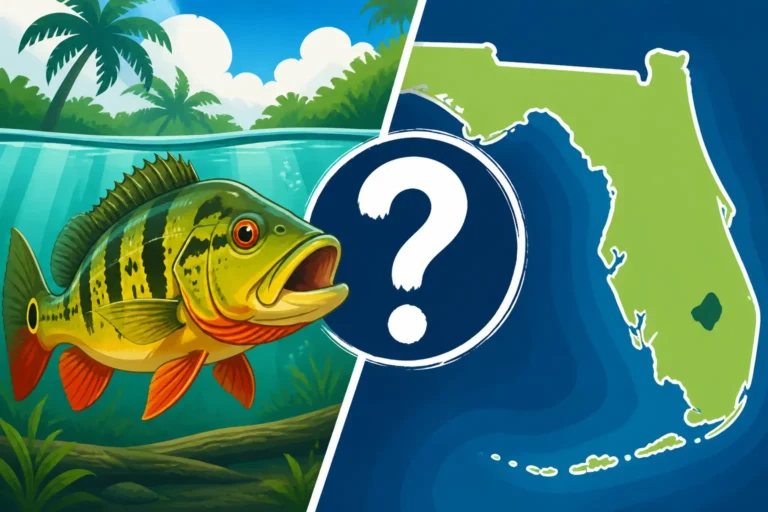
One of the most exciting and visually stunning freshwater fish you can target in Florida isn't native to our sunny state, but it has certainly made itself at home, particularly in our intricate urban canal systems. If you've been dreaming of that vibrant, hard-fighting peacock bass and scratching your head about where exactly to find them in Florida's vast waters, you're not alone. Many anglers assume they're spread far and wide like our native largemouth bass, but the truth is, these exotic beauties have very specific preferences. This guide is going to take a deep dive into precisely where you can encounter peacock bass, unraveling the mystery of their unique distribution across the Sunshine State.
The Origin Story of Florida's Peacock Bass: An Intentional Introduction
It might surprise you to learn that peacock bass didn't just accidentally show up in Florida's waters. Unlike some invasive species that cause ecological headaches, the introduction of the butterfly peacock bass (the most common species found here) was a deliberate, well-researched effort by the Florida Fish and Wildlife Conservation Commission (FWC). This wasn't some haphazard release; it was a carefully considered strategy to address a specific issue, and it absolutely dictates where you'll find these fish today.
A Deliberate Introduction for a Specific Purpose
Back in the mid-1980s, South Florida's canals were facing a problem. Non-native, undesirable cichlid species, introduced largely through aquarium releases, were thriving and competing with native fish. These cichlids, such as the Mayan cichlid and spotted tilapia, were hardy, prolific, and generally not considered sport fish. The FWC needed a predator that could help control these populations without negatively impacting native species or becoming a nuisance itself.
Enter the butterfly peacock bass from the Amazon basin. Researchers determined that this tropical predator would be perfectly suited to the warm waters of South Florida. Crucially, they also knew that the peacock bass would be highly sensitive to cold water, preventing them from spreading too far north and potentially impacting ecosystems outside their intended range. The idea was brilliant: introduce a fish that eats the unwanted invasives, provides a fantastic sportfishing opportunity, and essentially self-limits its own geographic spread due to temperature constraints. This historical decision is the single biggest factor in understanding Are Peacock Bass Native to Florida? and why their distribution is so specific.
Why South Florida Became Their Exclusive Domain
The decision to stock peacock bass exclusively in South Florida wasn't arbitrary. It all comes down to the climate. Peacock bass are tropical fish, accustomed to the consistently warm waters of equatorial regions. They simply cannot tolerate prolonged exposure to cold temperatures. Think about it: during a significant cold snap, you'll hear warnings about native snook heading for deeper, warmer pockets to survive. Peacock bass are even more sensitive.
The FWC’s research indicated that the southernmost counties of Florida offered the ideal thermal refuge. Even in winter, these areas generally avoid the sustained freezing temperatures that would decimate peacock bass populations. This natural barrier means that while they might occasionally be found slightly further north in isolated instances, their self-sustaining populations are firmly rooted in the warmest parts of the state. This natural thermal "fence" is why you won't find them thriving in the Panhandle or even central Florida, no matter how much you might wish for it!
The Geographic Heartbeat: South Florida's Intricate Canal Systems
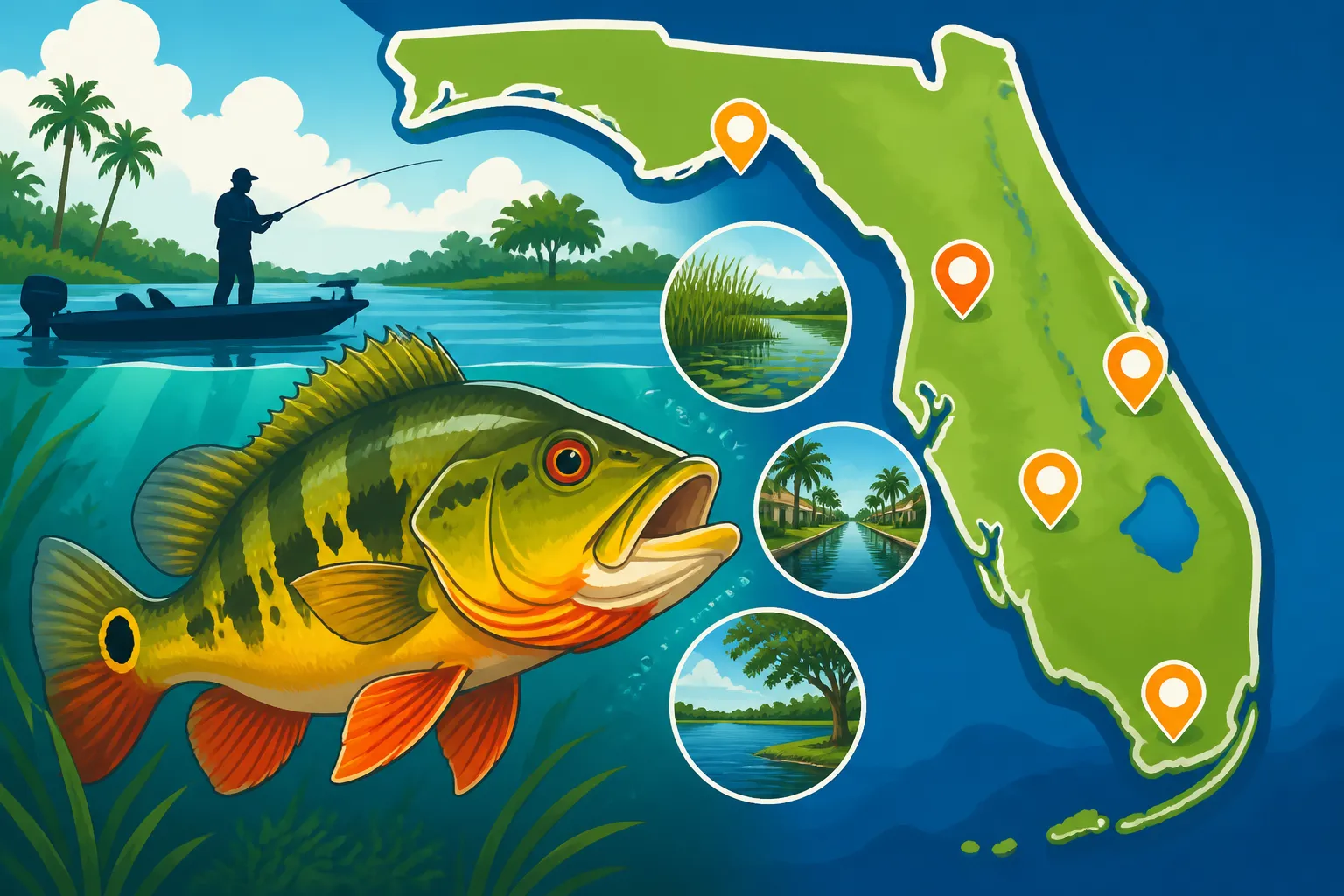
If you're looking for peacock bass, forget the natural lakes and rivers of Central or North Florida. Your quest will lead you directly to the sprawling, man-made canal systems of South Florida. These canals, originally built for flood control and drainage, have become a unique, thriving ecosystem for these colorful predators. They offer everything a peacock bass could want: warm water, plenty of baitfish (including those invasive cichlids), and structure.
Miami-Dade County: The Epicenter of Peacock Bass Action
When people talk about peacock bass fishing in Florida, Miami-Dade County is almost always the first place that comes to mind, and for good reason. This is truly the epicenter of the fishery. The county boasts an incredibly vast and interconnected network of canals, all within the warm, subtropical climate that these fish demand.
Imagine driving through residential areas, past golf courses, and alongside bustling highways, only to spot crystal-clear water teeming with vibrant fish. That's Miami-Dade for you. The canals here range from wide, open stretches perfect for small boats to narrow, shallow ditches accessible only by kayak or foot. They are often lined with rip-rap, culverts, bridge pilings, and overhanging vegetation – all prime ambush points for a hungry peacock bass. The best part? Many of these spots are publicly accessible, making it an urban angler's dream. When considering Best Spots to Catch Peacock Bass in Miami Canals, you'll find an almost endless list of potential honey holes.
Notable Canal Systems in Miami-Dade:
- Miami Canal (C-7): A massive system stretching for miles, connecting to numerous smaller canals and lakes. It’s a great starting point for many anglers.
- Tamiami Canal (C-4): Another major player, running east-west, offering diverse habitats and access points.
- Snapper Creek Canal (C-2): Known for its clear waters and good structure, often producing quality fish.
- Black Creek Canal (C-1): Similar to Snapper Creek, offering excellent opportunities, especially around residential areas.
These canals are not just conduits; they are miniature ecosystems, complete with their own micro-climates and resident populations of baitfish. They are constantly fed by underground springs and runoff, maintaining a stable temperature range crucial for peacock bass survival.
Broward County's Extensive Network: Just as Productive
Just north of Miami-Dade, Broward County continues the tradition of excellent peacock bass fishing. While perhaps not as globally renowned as Miami, Broward's canal systems are equally expansive and incredibly productive. The climate remains ideal, and the canals offer a similar array of structure and forage. Anglers who venture here often find less pressure and equally large, aggressive fish.
Broward's canals weave through cities like Fort Lauderdale, Hollywood, and Pembroke Pines, offering countless miles of fishable water. You'll find canals running parallel to major roads, behind shopping centers, and through residential neighborhoods. Many of these canals connect to larger flood control systems, creating a labyrinth of freshwater opportunities. This makes Broward a fantastic choice for those looking to explore a slightly different landscape while still targeting these incredible fish.
Key Broward County Canal Systems:
- C-14 Canal: A significant system that winds through several cities, offering ample bank access and boat ramps.
- Cypress Creek Canal: Known for its consistent action and varied structure.
- The extensive network around Everglades Holiday Park and other western Broward areas, where the urban sprawl meets the edge of the Everglades, can also hold good numbers of fish, blurring the lines between urban and more wild settings.
Palm Beach County's Reach: The Northern Fringe
As you move further north into Palm Beach County, you start to approach the northern limit of the peacock bass's viable habitat. While populations here are generally not as dense or widespread as in Miami-Dade or Broward, there are definitely areas where peacock bass thrive. The further north you go, the more susceptible the populations become to severe cold fronts.
However, Palm Beach County still offers compelling opportunities, particularly in its southern and central sections. The extensive canal systems around West Palm Beach, Boca Raton, and Delray Beach are where you're most likely to find them. These canals benefit from the lingering warmth of South Florida's climate, creating pockets where peacock bass can successfully reproduce and sustain themselves. If you're wondering Where to Catch Peacock Bass in South Florida generally, remember that Palm Beach is still very much part of that zone, even if it's the northernmost reach.
Palm Beach County Hotspots:
- Lake Ida Chain of Lakes and Canals: This interconnected system near Delray Beach is a well-known area for peacock bass, offering a mix of open lakes and canal sections.
- Canal systems around West Palm Beach and Boca Raton: Look for areas with good flow, structure, and proximity to residential or golf course ponds.
The key in Palm Beach County is to understand that the cold tolerance threshold is closer here. A really harsh winter might temporarily set back populations more significantly than in the more southerly counties. However, given a few warm years, these populations bounce back quickly.
Beyond the Main Canals: Other Locations and Environmental Considerations
While the major canal systems are the primary strongholds for peacock bass in Florida, these fish aren't exclusively confined to them. Their exploratory nature and the interconnectedness of Florida's waterways mean they can sometimes pop up in less expected places. However, their survival and sustained presence in these secondary locations are always dictated by the same environmental factors that govern their main habitats.
Connecting Lakes and Ponds: How They Disperse
The beauty of South Florida's water management system is its interconnectedness. Many of the major canals flow into smaller residential lakes, golf course ponds, or even retainage areas designed to hold stormwater. When water levels are high due to heavy rains, or through controlled water releases, peacock bass can and do move into these auxiliary bodies of water.
This means that a seemingly isolated pond in a housing development in Miami or Fort Lauderdale might actually hold a thriving population of peacock bass. These smaller, often shallower, lakes and ponds can be fantastic places to fish, sometimes offering less crowded conditions than the main canals. The same principles apply: look for clear water, structure like docks, submerged vegetation, or overhanging trees. While these spots might not have the sheer volume of fish as the massive canal networks, they can certainly surprise an angler with a trophy-sized peacock. It’s a good idea to research local parks or public access points to these smaller waters.
Temperature Sensitivity and Range Limits: The Immutable Barrier
We've touched on this, but it's crucial to reiterate: the single most important factor determining where peacock bass are found in Florida is temperature. Their physiological makeup simply cannot handle prolonged cold water. A general rule of thumb is that water temperatures below 60°F (15°C) start to stress them, and anything below 50°F (10°C) for an extended period can be lethal.
This extreme sensitivity is precisely why the FWC chose them as a biological control agent that wouldn't become invasive further north. It creates an invisible, yet impenetrable, barrier. While a stray peacock bass might occasionally be reported in, say, Orlando, it's almost certainly an isolated specimen that won't survive a typical central Florida winter. You won't find self-sustaining, reproducing populations outside of the warm, subtropical climate of Collier, Miami-Dade, Broward, and southern Palm Beach counties. This explains why you'll never find a guide offering "Peacock Bass Fishing in Gainesville!" – the climate simply won't allow it. This geographic limitation is a testament to the FWC's careful planning and a key piece of information for any angler targeting these fish.
Private Ponds and Community Lakes: The Hidden Gems
Beyond the public canals, many private communities, golf courses, and even some larger private properties in South Florida have their own network of ponds and lakes. If these waters are connected to the larger canal systems (which many are, for drainage purposes) or were specifically stocked, they can also hold excellent numbers of peacock bass.
Accessing these waters can be tricky, as they often require permission from landowners or homeowners' associations. However, if you happen to live in or visit such a community, these can be incredible, unpressured fisheries. Always ensure you have explicit permission before fishing private property, as trespassing is a serious offense. Some fishing guides might even have arrangements with private landowners to access these exclusive spots, offering a unique fishing experience away from the crowds.
Practical Tips for Finding Peacock Bass in Their Florida Haunts
Knowing where the fish are generally found is one thing, but knowing how to find them within those vast networks is another. Peacock bass are aggressive and visual predators, which means they often give away their presence through their behavior and preferred habitats.
Key Habitat Features to Look For
When you're exploring the canals of South Florida, keep your eyes peeled for these tell-tale signs and structures:
- Structure, Structure, Structure: Peacock bass love to ambush prey. This means they will gravitate towards anything that offers cover or a current break. Think bridge pilings, culvert pipes, fallen trees, dock pilings, rock formations (rip-rap), and dense submerged vegetation. Look for shaded areas too, especially on bright, sunny days.
- Moving Water: While they tolerate stagnant water, peacock bass absolutely thrive in areas with some current. This could be around canal intersections, spillways (when open), or points where water is being pumped from one section to another. Moving water often brings food and higher oxygen levels.
- Clear Water: While they can adapt to some turbidity, peacock bass are sight feeders. They prefer clear water where they can easily spot their prey. If you find yourself in very murky, muddy water, it might be worth moving to a clearer section of the canal.
- Baitfish Activity: Where there's bait, there are predators. Look for schools of smaller fish (like Mayan cichlids, tilapia, or shiners) flickering at the surface or darting into cover. Topwater explosions are an obvious sign that a peacock bass is on the hunt.
- Peacock Bass Fry: A dead giveaway that you're in a productive area is seeing adult peacock bass guarding their fry. The adults will aggressively protect their offspring from anything that comes too close. This often happens in shallow, sheltered areas along the banks.
Timing Your Search: Best Times of Day and Year
Peacock bass are highly active during warm weather. Unlike largemouth bass, which might get lethargic in extreme heat, peacocks often thrive in it.
- Time of Day: They are most active during daylight hours, especially on sunny days. Unlike many other species that prefer dawn and dusk, peacock bass love the sun. The brighter the sun, the more active they seem to become. This doesn't mean they won't bite early or late, but peak activity often coincides with high sun.
- Time of Year: The best time of year to target peacock bass in Florida is typically from late spring through early fall, during the warmer months. This is when water temperatures are consistently high, and the fish are most active and aggressive. Winter can still be productive, but you'll need to focus on the warmest parts of the day and look for deeper, sun-warmed pockets if a cold front has recently passed. This is especially important information when considering Best Spots for Fishing in South Florida During Summer.
Gear Considerations for Peacock Bass Fishing
You don't need highly specialized gear to catch peacock bass, but a few considerations will certainly improve your success.
- Rod and Reel: A medium to medium-heavy spinning or baitcasting outfit is usually perfect. Look for something in the 6'6" to 7'6" range. For spinning reels, a 2500-4000 series is ideal. For baitcasters, a standard freshwater setup works great. You can find excellent options on Amazon for a range of budgets.
- Line: Braided line (10-20 lb test) with a fluorocarbon leader (20-30 lb test) is a popular choice. The braid offers sensitivity and strength for pulling fish out of cover, and the fluorocarbon leader provides invisibility in the clear water and abrasion resistance.
- Lures: Peacock bass are aggressive and will hit a variety of lures.
- Topwater Plugs: Poppers, walk-the-dog lures, and prop baits can elicit explosive strikes. They are a blast to use!
- Jerkbaits/Minnow Plugs: Hard-bodied minnow imitations are incredibly effective, especially when twitched aggressively.
- Spinnerbaits/Chatterbaits: These can work well, especially in slightly stained water or around vegetation.
- Soft Plastics: Flukes, paddle tail swimbaits, and even creature baits rigged weedless can be effective when fished around cover.
- Live Bait: Live shiners are absolutely deadly for peacock bass if you're looking for consistent action and don't mind the extra effort.
- Sunglasses: Polarized sunglasses are essential. They cut the glare off the water, allowing you to spot fish, structure, and baitfish activity much more easily. You can find many affordable and effective polarized sunglasses on Amazon.
- Wading Gear/Kayak: While many spots are accessible from shore, a kayak or small boat opens up many more possibilities, especially in the larger canal systems. If you plan to wade, make sure you have appropriate footwear and are aware of your surroundings (alligators are present in these waters!). A decent pair of wading boots or water shoes can be found on Amazon.
Remember that while fishing a charter might come with a Cost of a Peacock Bass Guide in Miami, doing it yourself with the right gear can be incredibly rewarding. If you’re ever curious about differences, it’s worth reading Difference Between Largemouth Bass and Peacock Bass to understand what makes these fish unique targets.
Here’s a quick overview of primary peacock bass zones:
| County | Primary Fishing Zones | Typical Habitat Features | Access Methods | Notes |
|---|---|---|---|---|
| Miami-Dade | Miami, Tamiami, Snapper Creek, Black Creek Canals | Extensive canal networks, residential ponds, golf course lakes, bridge pilings, rip-rap, dense vegetation | Shore fishing, kayak, small boat, sometimes wading | The densest populations, widest range of publicly accessible spots. |
| Broward | C-14, Cypress Creek Canals, urban lakes | Similar canal systems to Miami-Dade, good mix of urban and some fringe Everglades connections | Shore fishing, kayak, small boat, limited wading | Excellent fishing, often with slightly less pressure than Miami. |
| Palm Beach | Lake Ida Chain, southern canals (Boca Raton, Delray Beach, West Palm Beach) | Canal systems, interconnected lakes, golf course ponds. | Shore fishing, kayak, small boat, less wading potential | Northernmost viable populations, more susceptible to cold fronts. |
| Collier | Eastern portions, Faka Union Canal (limited) | Limited, more natural-looking canals, closer to Everglades. | Primarily boat/kayak, more remote access | Smaller, less consistent populations, further west than main fishery. |
When you're out there, just remember that the FWC introduced these incredible fish to create a unique and exciting fishery, and they've certainly succeeded. With a little research and exploration, you'll be well on your way to catching one of Florida's most striking freshwater residents. Before you head out, make sure you're familiar with the current Florida Fishing Regulations and Bag Limits for peacock bass and other species you might encounter. Also, always practice responsible catch and release, especially for larger fish, to help preserve this amazing resource for future generations.
Disclaimer
This article is for general informational purposes only and does not constitute professional advice. Laws, prices and regulations vary by location and change over time. Consult a qualified professional for guidance on your specific situation.