Do Largemouth Bass Live in Brackish Water?
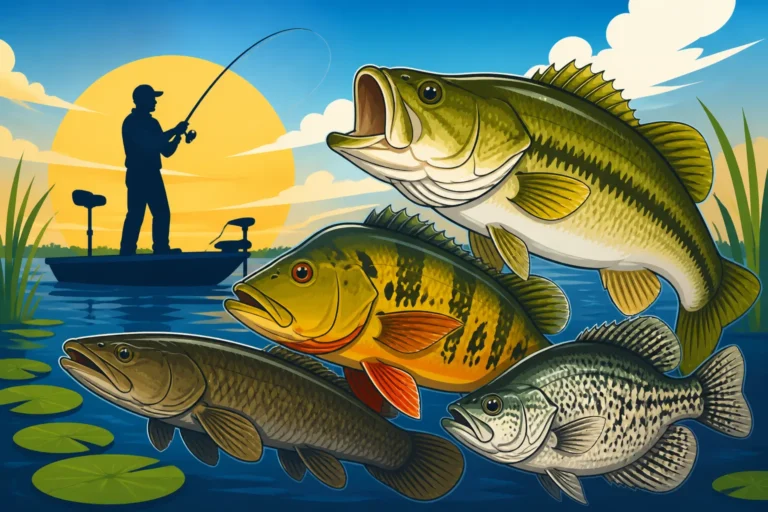
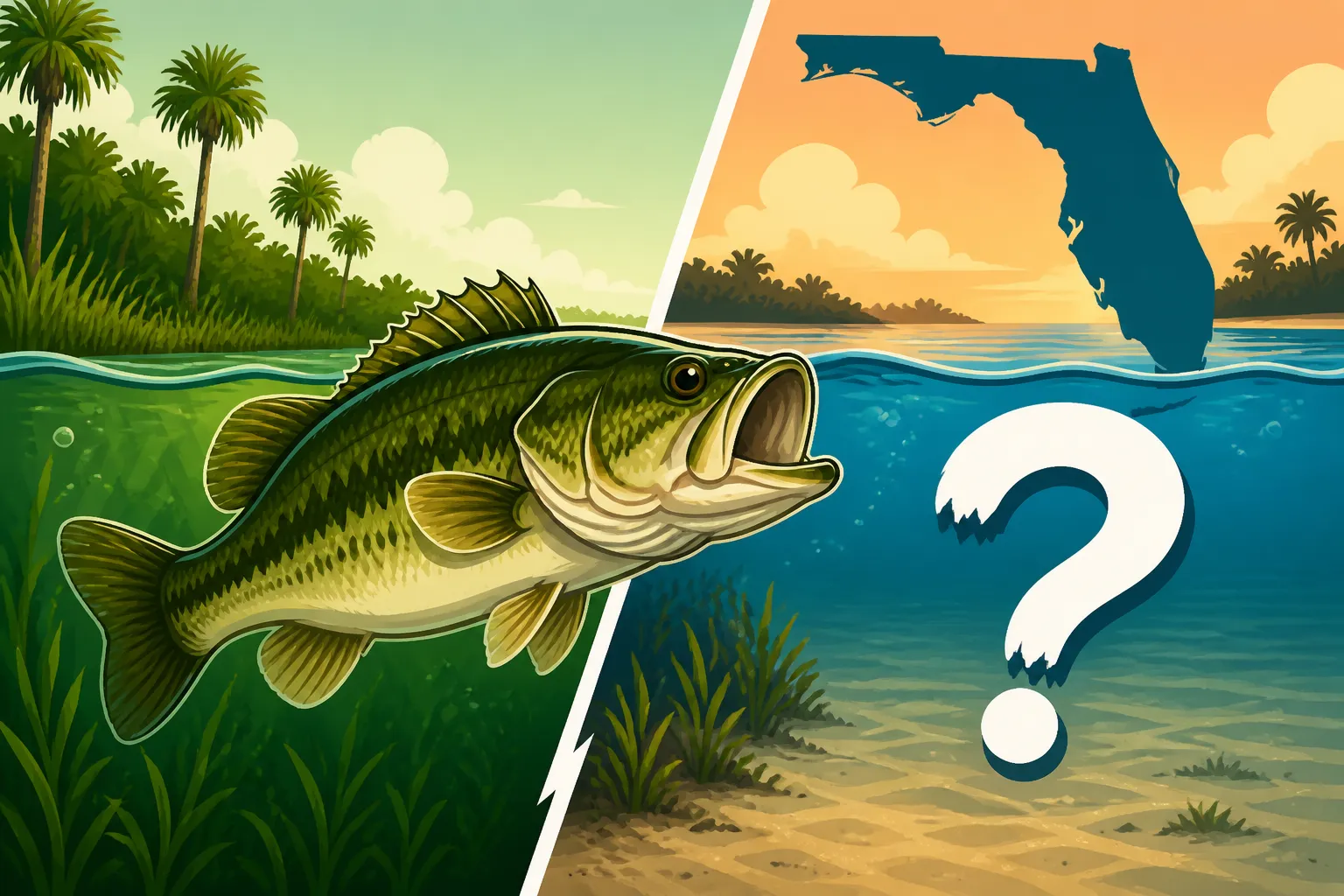
It's a question many anglers ponder, especially here in Florida with our incredibly diverse and interconnected waterways: can largemouth bass, those quintessential freshwater fighters, really survive, let alone thrive, in brackish water? You've probably heard conflicting stories or perhaps even caught one yourself in a spot that felt a little "salty." This guide aims to clear up that mystery, diving deep into where these adaptable fish can be found and what it means for your fishing strategy in the Sunshine State.
The Largemouth Bass: A Freshwater Icon's Adaptability
When you think of a largemouth bass, your mind likely conjures images of serene freshwater lakes, lily pads, submerged timber, and quiet river bends. For good reason, too! These incredible game fish are the undisputed kings of freshwater sportfishing across much of North America. But Florida, with its unique geography and hydrology, throws a fascinating curveball into this generally accepted wisdom. Our state is a tapestry of freshwater lakes, rivers, vast wetlands, and estuaries that often blend in ways you might not expect.
The Classic Freshwater Domain
Typically, largemouth bass (scientific name: Micropterus salmoides) are obligate freshwater fish. This means their bodies are physiologically adapted to live and reproduce in waters with very low salinity. They regulate their internal salt and water balance differently than saltwater fish, which thrive in high-salinity environments. Their gills, kidneys, and other organs are designed to excrete excess water and retain salts, a process that becomes incredibly stressful, or even impossible, in water that's too salty.
You'll find them abundant in our beautiful freshwater systems like Lake Okeechobee, the Kissimmee Chain of Lakes, and countless smaller ponds and canals. Here, they dominate the food chain, feasting on smaller fish, crustaceans, and insects. Their robust health and growth in these environments are a testament to their freshwater specialization. For an in-depth look at where these beauties thrive, check out our Florida Largemouth Bass Fishing Guide.
Why Florida's Waterways Present a Unique Case
Florida is truly a land of water, and not always in neatly separated packages. Our peninsula is relatively flat, and many of our major river systems, like the St. Johns River, flow northward, often meandering through vast floodplains and low-lying coastal areas before reaching the ocean. These rivers, along with countless smaller creeks, sloughs, and canals, connect freshwater lakes and marshes directly to vast saltwater estuaries. Think about the Everglades, a huge "river of grass" that slowly pushes freshwater south into the brackish waters of Florida Bay. Or the vast Indian River Lagoon system, which receives freshwater input from numerous sources.
This constant mixing of fresh and salt water creates what are known as "transitional zones." Here, the salinity can fluctuate dramatically based on rainfall, tides, and even wind patterns. It's in these dynamic environments that the lines blur, and where the question of largemouth bass living in brackish water becomes more than just theoretical – it becomes a real-world fishing scenario that savvy anglers often capitalize on. Understanding these unique hydrological connections is key to unlocking some truly exceptional fishing opportunities.
Demystifying Brackish Water: What It Means for Fish
To truly understand how largemouth bass might survive, or even temporarily thrive, in brackish water, we need to get a little scientific about what "brackish" actually means. It's not just "kinda salty" water; there's a specific range of salinity that defines it, and it plays a huge role in determining what species can call it home.
The Definition of Salinity and Its Spectrum
Salinity refers to the concentration of dissolved salts in water, typically measured in parts per thousand (ppt).
- Freshwater is generally defined as having a salinity of less than 0.5 ppt. This is your classic drinking water, rivers, and most lakes.
- Brackish water falls in the range of 0.5 to 30 ppt. This is the sweet spot of mixing, where freshwater runoff meets the encroaching tides of the ocean. It's not as salty as the sea, but definitely not fresh.
- Saltwater (or marine water) has a salinity greater than 30 ppt, with typical ocean salinity around 35 ppt.
This spectrum is critical because different fish species have varying tolerances to salinity. Some are euryhaline, meaning they can tolerate a wide range of salinities (like snook or redfish), while others are stenohaline, meaning they can only survive in a very narrow range (like most purely freshwater or purely saltwater species). The challenge for a freshwater fish like the largemouth bass, when venturing into brackish water, is dealing with the osmotic stress – essentially, their bodies trying to maintain the right internal salt balance when the outside environment is saltier than they're used to.
Common Brackish Habitats in Florida
Florida is absolutely teeming with brackish water habitats. They are the transition zones, the nurseries, and often the battlegrounds where freshwater and saltwater species meet.
- Estuaries: These are semi-enclosed coastal bodies of water where freshwater rivers and streams flow into the ocean. The St. Johns River is a prime example; its lower reaches, near Jacksonville, are distinctly brackish and influenced by tides, yet it holds plenty of largemouth bass. The St. Johns River Fishing Guide has more on this unique fishery.
- Mangrove Forests: Along Florida's southern coasts, vast mangrove systems act as natural filters and nurseries. These areas are inundated by tidal saltwater but also receive significant freshwater runoff, creating highly variable salinity. Think of the western Everglades, where freshwater marshes slowly merge into mangrove estuaries, eventually meeting the Gulf. Our Everglades Fishing Guide touches on these incredible environments.
- Tidal Creeks and Canals: Many urban and suburban areas in Florida have canal systems that connect to larger bays or estuaries. These can be freshwater far inland but become increasingly brackish closer to the coast, especially during high tides.
- The Indian River Lagoon & Mosquito Lagoon: These vast lagoon systems on Florida's east coast are world-renowned for their diverse fisheries, including both saltwater giants like redfish and snook, and, in certain areas, largemouth bass where significant freshwater input dilutes the salinity. Explore more in our Indian River Lagoon Fishing Guide in Florida or Mosquito Lagoon Fishing Guide in Florida.
These dynamic environments are where the fascinating overlap of species occurs, and where a largemouth bass might indeed make a temporary home.
Largemouth Bass in the Salty Edge: Survival vs. Thriving
So, the big question: do largemouth bass live in brackish water? The short answer is yes, sometimes, for periods, in specific conditions. But it's crucial to understand the difference between merely surviving a brief venture into brackish water and truly thriving in it. They are not like snook or redfish, which are perfectly at home in a wide range of salinities and actively seek out brackish areas.
The Physiological Challenges of Salinity
For a largemouth bass, brackish water is a physiological challenge. Their bodies have to work harder to maintain their internal balance. This is called osmoregulation. In freshwater, a fish's body is saltier than the surrounding water, so water tends to flow into the fish, and salts tend to flow out. Their kidneys are designed to produce a lot of dilute urine to get rid of excess water, and their gills actively absorb salts.
In brackish water, especially as it gets saltier, this process reverses. The external water becomes saltier than the fish's internal fluids, leading to water loss and salt gain. The bass's body has to expend significant energy to prevent dehydration and excrete excess salts. This can lead to stress, reduced growth rates, and even death if the salinity is too high or if the exposure is prolonged. Think of it like a human trying to breathe at a high altitude – you can do it, but it takes more effort and you're not performing at your peak.
When and Where Bass Venture into Brackish Zones
Despite the challenges, largemouth bass do venture into and inhabit brackish waters in Florida, particularly where there's a strong, consistent influx of freshwater. These are often the upper reaches of estuaries or river systems where the salt wedge (the layer of denser saltwater) meets the outflowing freshwater.
- During Heavy Rainfall: After significant rain events, the increased freshwater runoff can push the salt wedge further out, creating larger zones of diluted brackish water that are more hospitable to bass.
- Seasonal Migrations: Some bass populations may temporarily move into slightly brackish areas during certain times of the year, often following baitfish or seeking refuge from extreme heat in cooler, deeper channels that might have a slightly higher salinity.
- Consistent Freshwater Flow: Rivers with powerful currents, even if tidal, like the lower St. Johns, can maintain a relatively stable, low-salinity environment far downriver, allowing bass to establish permanent populations.
It's typically in these areas, where the salinity hovers at the lower end of the brackish spectrum (e.g., 0.5 to 5 ppt), that you'll find largemouth bass actively feeding, though they might not be reproducing successfully there. They often coexist with true brackish or saltwater species like redfish, flounder, and even some snook. This convergence of species makes for incredibly exciting and unpredictable fishing! You'll need to know the Florida Saltwater vs Freshwater Fishing License requirements in these zones, as you might hook either type of fish.
Identifying Largemouth in Transitional Waters
When you're fishing a transitional zone, how do you know if you're in a spot where bass might be? Look for visual cues that indicate freshwater influence:
- Water Color: Darker, tannic water (stained from decaying vegetation) often signifies strong freshwater input, even if it's tidal.
- Vegetation: Patches of freshwater grasses, lily pads, or even cypress trees growing along the banks are strong indicators of prolonged freshwater presence, even if the tide brings in some salt.
- Baitfish: Observe the type of baitfish present. If you see shiners, bluegill, or tilapia, you're likely in a freshwater-dominant area. If you start seeing mullet, pilchards, or fingerling snook, you're definitely in a mixed zone.
It's this dynamic environment that makes fishing in Florida so endlessly fascinating. You might be casting a weedless frog over lily pads and suddenly hook a fat redfish, or throwing a saltwater soft plastic and pull out a chunky largemouth.
Here’s a quick overview of how environmental factors affect largemouth bass:
| Factor | Freshwater (0-0.5 ppt) | Low Brackish (0.5-5 ppt) | Moderate Brackish (5-15 ppt) | High Brackish (>15 ppt) |
|---|---|---|---|---|
| Bass Presence | Abundant | Common, especially with flow | Occasional, stressed | Rare, temporary, highly stressed |
| Growth Rate | Optimal | Good, but potentially slower | Stressed, reduced growth | Severely impacted |
| Reproduction | Yes, successful | Unlikely/Difficult | No | No |
| Osmoregulation | Low stress | Moderate stress, adaptable | High stress | Critical stress |
| Competition | Freshwater species | Mixed freshwater/saltwater | Mostly saltwater species | Predominantly saltwater species |
| Typical Habitat | Lakes, ponds, rivers | Upper estuaries, tidal rivers | Lower estuaries, coastal bays | Salt marshes, ocean inlets |
Targeting Largemouth Bass in Florida's Brackish Backwaters
Fishing for largemouth bass in brackish water isn't necessarily harder, but it does require a slight adjustment to your mindset and techniques. You're entering a realm where freshwater and saltwater fishing worlds collide, and being prepared for both is your best bet.
Adjusting Your Strategy: Baits, Lures, and Gear
When fishing these transitional zones, versatility is key. While your traditional bass gear will still work, you might want to consider some modifications.
- Baits and Lures:
- Freshwater Staples: Don't abandon your tried-and-true bass lures. Spinnerbaits, chatterbaits, plastic worms, and topwater frogs are still incredibly effective, especially in areas with significant freshwater vegetation. Bass in brackish areas still feed on the same things they would in pure freshwater, plus some additional brackish food sources.
- Saltwater Crossover: Consider lures that appeal to both bass and common brackish species. Soft plastic jerkbaits, paddle tail swimbaits, and even some shallow-diving crankbaits that mimic mullet or other baitfish can be deadly. These often come in more durable designs and hook styles that stand up to potentially stronger saltwater fish if they happen to strike. Check out what's available on Amazon for versatile options.
- Live Bait: If you're a live bait angler, live shiners or wild-caught minnows are excellent for bass. However, don't be surprised if a snook or redfish inhales your bait in these mixed zones. Bringing some finger mullet or shrimp can also pay off.
- Gear Considerations:
- Rod and Reel: While a standard medium-heavy bass setup is often sufficient, if you anticipate running into larger snook or redfish, you might want to bump up your line strength and consider a slightly heavier action rod. Many anglers opt for a 7-foot medium-heavy spinning rod spooled with 20-30 lb braid, which offers excellent casting distance and enough backbone for most brackish encounters. For more specialized gear, look at options mentioned in our Best Rod and Reel Setup for Florida Inshore Fishing.
- Corrosion Resistance: Saltwater, even brackish water, is corrosive. Make sure your reel is rated for saltwater use, or at least be diligent about rinsing it thoroughly with fresh water after each trip.
- Leader Material: Fluorocarbon leader in the 20-40 lb range is a good choice. It's less visible than monofilament and more abrasion-resistant, which is crucial around oyster beds and sharp structure often found in brackish estuaries.
- Terminal Tackle: Have a variety of hooks (weedless worms hooks, jig heads), weights, and swivels on hand. Ensure they are saltwater-grade to prevent rust.
Reading the Environment: Tides and Water Clarity
Unlike pure freshwater lakes, brackish environments are heavily influenced by tidal cycles and rainfall. Being able to read these conditions is paramount to success.
- Tides: The tide dictates water movement and salinity fluctuations in brackish zones.
- Incoming Tide: An incoming tide brings in saltier water. While this might push bass further upstream into fresher pockets, it can also bring in baitfish from the deeper estuary, often congregating at choke points or current breaks. Many anglers find the last hour of an incoming tide and the first hour of a falling tide to be productive.
- Outgoing Tide: An outgoing tide often means fresher water is pushing out from inland, which can concentrate baitfish and bass in channels or along edges where current carries food. This can be an excellent time to target bass, especially if there's been recent heavy rainfall. Understanding How to Read a Tide Chart for Fishing is invaluable.
- Water Clarity:
- Clear Water: In clear brackish water, bass can be spookier. Lighter leaders, more natural bait presentations, and stealth become more important. Sight fishing might be an option.
- Stained or Muddy Water: After heavy rains or strong tides, water can become stained or muddy. In these conditions, bass often rely more on their lateral line (to detect vibrations) and sense of smell. Lures with strong vibrations (chatterbaits, spinnerbaits) or scent-infused soft plastics can be very effective. Brighter colors or those with flash can also help bass locate your offering.
- Rainfall: Pay close attention to recent rainfall. Heavy rains will significantly push freshwater downriver, expanding the "bass-friendly" brackish zones. Conversely, prolonged dry spells will allow the salt wedge to push further inland, shrinking those areas.
Ultimately, fishing for largemouth bass in Florida's brackish waters is a truly unique experience that highlights the incredible adaptability of these fish and the dynamic nature of our state's aquatic ecosystems. It’s a rewarding challenge that can yield surprising catches and a deeper appreciation for Florida's diverse fisheries. Just remember to have the right Florida Fishing License Guide in hand, as depending on where you are, you might need a saltwater, freshwater, or even a combination license!
Disclaimer
This article is for general informational purposes only and does not constitute professional advice. Laws, prices and regulations vary by location and change over time. Consult a qualified professional for guidance on your specific situation.