Best Time of Year to Catch a Trophy Tarpon
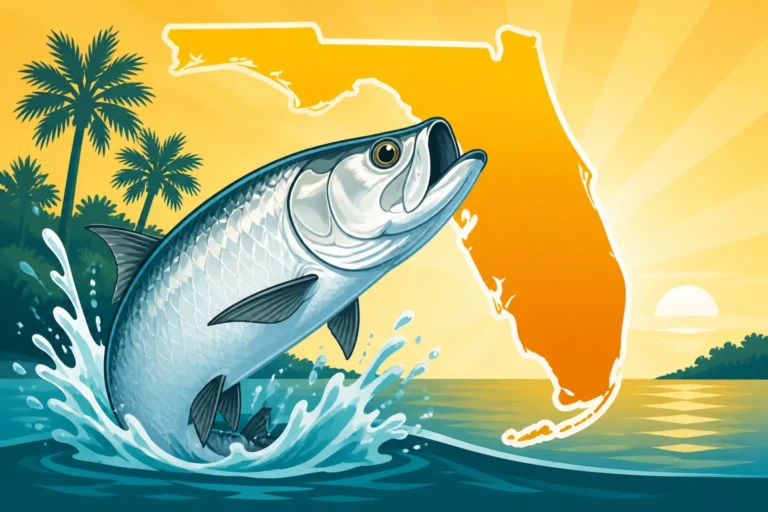
Ah, the quest for a trophy tarpon in Florida! It's a dream for so many anglers, a true bucket-list fish. But let's be honest, trying to connect with one of these magnificent "Silver Kings" when they're at their biggest and most active can feel like finding a needle in a haystack if you don't know when and where to look. This guide is all about cutting through the guesswork, helping you understand the rhythms of the tarpon, and pinpointing the absolute best time of year to maximize your chances of battling a true trophy tarpon in the Sunshine State.
Understanding the Tarpon Migration in Florida
Florida is a prime destination for tarpon fishing, largely thanks to its extensive coastline and the massive migratory patterns these fish undertake. A "trophy" tarpon, generally speaking, is one of those giants that pushes the scales well over 100 pounds, sometimes even upwards of 150-200 pounds, and landing one is a feat of angling skill and endurance. To catch one, you really need to be there when the biggest fish are present and actively feeding, which ties directly into their annual migration.
These fish aren't just lounging around; they're on a mission, driven by spawning instincts and the availability of food. Understanding this cycle is the first, most critical step to putting yourself in the right place at the right time. It's like knowing when the birds will flock south for winter; tarpon have their own predictable calendar, though nature always throws in a curveball or two.
The Spring Run: Why April to July is Prime Time
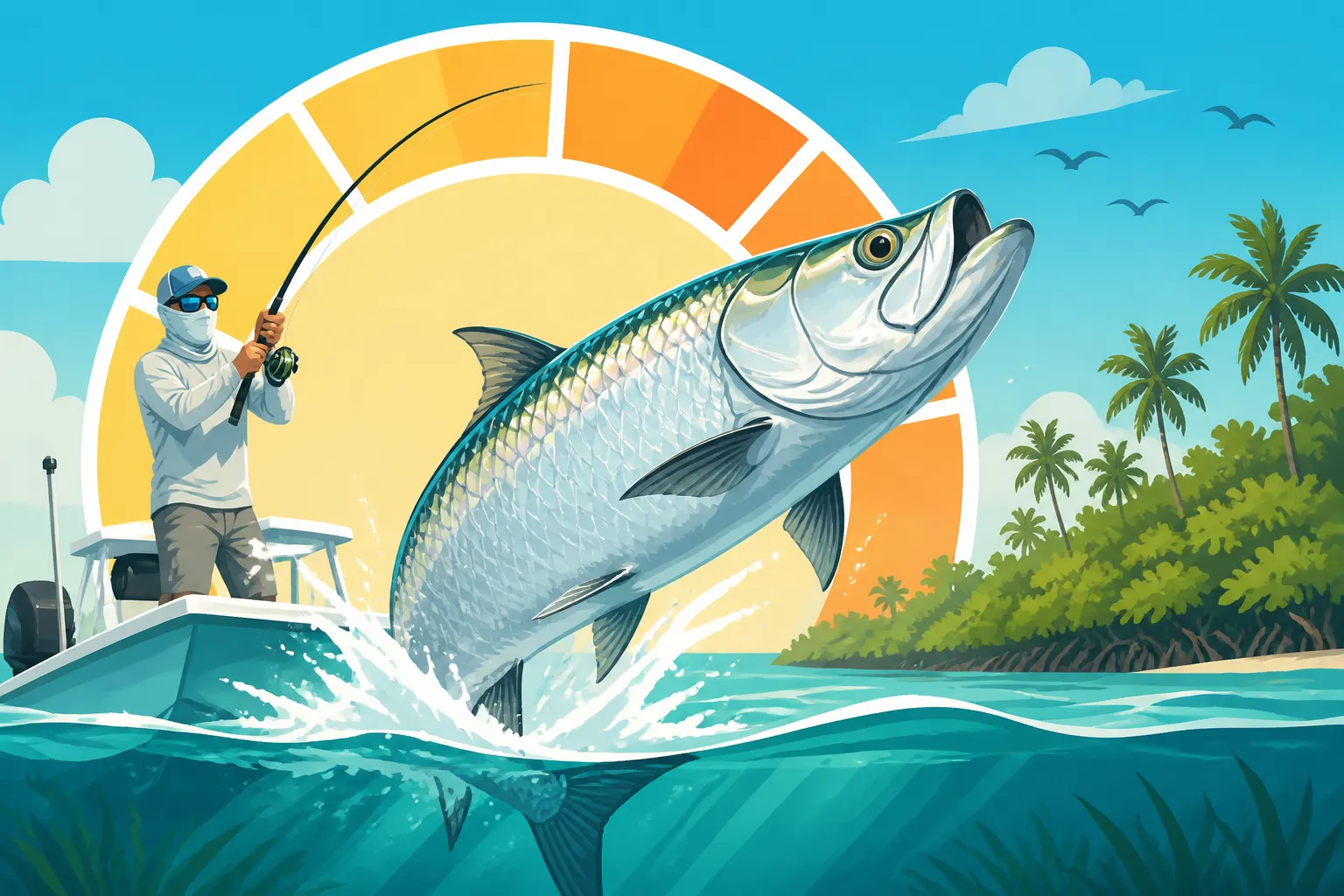
When we talk about trophy tarpon, almost universally, anglers will point to the late spring and early summer months as the undisputed peak. This period, roughly from April through July, is when the grand tarpon migration is in full swing, bringing colossal numbers of adult fish into Florida's coastal waters, especially along the Gulf Coast. They gather in specific areas, often in huge schools, preparing to spawn. This aggregation creates the perfect storm for trophy hunting.
The fish are traveling from warmer wintering grounds, moving north along the coast, and then concentrating in estuaries, passes, and nearshore waters. They're often seen "rolling" on the surface, gulping air, which gives anglers a visual cue to their presence. While they're focused on reproduction, they still feed, and their sheer numbers increase the odds of encountering a truly massive specimen. It's a spectacle to behold, seeing hundreds of large tarpon moving in unison.
During this time, the water temperatures are ideal, and baitfish are plentiful, providing the energy reserves these large fish need for their journey and spawning activities. The sustained warmth encourages them to be active and responsive to bait presentations. For many, this window is not just the best, but the only time they consider seriously targeting trophy tarpon. If you're planning a trip specifically for a giant, this is the window you absolutely need to aim for.
Regional Hotspots and Their Peak Windows
While the general April-July timeframe is excellent, different regions of Florida have their own specific peak windows within that larger season, influenced by local geography, water temperatures, and the specific migratory paths the tarpon take. Knowing these nuances can help you fine-tune your planning for maximum success. Each spot has its own charm and challenges, but they all share the common thread of hosting epic tarpon action during their prime.
| Region | Peak Trophy Tarpon Season | Primary Fishing Style | Notes |
|---|---|---|---|
| Florida Keys | April – June | Flats, Channels, Bridges | Famous for sight fishing on the flats. |
| Boca Grande Pass | May – Mid-July | Pass Fishing, Anchoring | World-renowned tarpon capital. |
| Everglades National Park | April – June | Backcountry, Mangrove Edges | Challenging but rewarding, remote feel. |
| Southwest Florida Coast (e.g., Charlotte Harbor, Pine Island Sound) | April – July | Bays, Passes, Nearshore | Excellent for both live bait and lures. |
| Central/North Gulf Coast (e.g., Homosassa, Crystal River) | Late May – July | Coastal, Bays, River Mouths | Later start as fish move north. |
The Florida Keys Fishing Guide outlines some fantastic opportunities down south, where tarpon arrive early, sometimes as early as March, but really hit their stride in April and May. Here, you'll find them cruising the shallow flats, making it a sight-fishing paradise for fly and spin anglers alike. Further north, the famous Boca Grande Pass Tarpon Fishing in Southwest Florida typically sees its explosive peak in May and June, drawing anglers from all over the globe to witness and participate in the incredible "hill tide" action. This pass is legendary for its massive fish and intense fishing pressure, but for a trophy, it's hard to beat.
Even the remote Everglades Fishing Guide areas, particularly around Flamingo and the Ten Thousand Islands, offer incredible, if more challenging, trophy tarpon opportunities from April through June. These fish are often found deeper in the backcountry, hugging mangrove shorelines or ambushing bait in deeper channels. Understanding these regional variations can help you pick the perfect time and place to deploy your strategy. It’s not just about being in Florida; it’s about being in the right part of Florida at its best time. You'll find many specialized guides for these regions who know these peak windows intimately.
Factors Influencing Tarpon Activity Beyond Just Season
While the general season is your starting point, trophy tarpon fishing isn't just about showing up during the peak migration. These are intelligent, wary fish, and their behavior is heavily influenced by a host of environmental factors. Ignoring these details, even during the best month, can lead to a frustrating day on the water. It’s the difference between being present and being productive.
Think of it like this: knowing it's "baseball season" is one thing, but knowing when your favorite team has a home game, who's pitching, and what the weather will be like on game day significantly increases your enjoyment and ability to plan. Similarly, for tarpon, layering these additional factors onto your seasonal knowledge is key for success.
Tides, Moon Phases, and Weather Conditions
Daily and weekly factors play a massive role in whether trophy tarpon decide to eat or just cruise by. Tides are arguably the most critical element, especially when fishing passes, inlets, and flats. Tarpon often use tidal currents to conserve energy during their migration and to ambush bait. Strong incoming or outgoing tides, particularly around river mouths and passes, can create feeding lanes where tarpon will actively stack up, waiting for an easy meal. Best Tides for Inshore Fishing in Florida often apply here, as strong water movement tends to concentrate bait and, subsequently, predators.
Moon phases also exert a powerful influence, primarily through their effect on tidal strength. The new and full moons typically bring the strongest "spring tides," which can be excellent for tarpon, especially in famous areas like Boca Grande Pass during the "hill tide." During these strong tides, millions of crabs are flushed through the pass, creating a tarpon feeding frenzy that is truly unmatched. However, too much current can make fishing difficult, so it's a balance. Beyond tides, weather fronts, sudden temperature drops, or even sustained high winds can shut down a tarpon bite faster than you can say "silver king." Overcast conditions, however, can sometimes be a blessing, making tarpon less wary on the flats. Being able to read the conditions and adjust your plans accordingly is a hallmark of a successful tarpon angler.
Water Temperature and Bait Availability
These two factors are fundamental biological drivers for tarpon and play a huge part in their presence and feeding behavior. Tarpon are warm-water fish, and while they can tolerate cooler temperatures for short periods, consistent warm water is essential for their activity and metabolism. Water temperatures typically need to be in the 70s Fahrenheit (roughly 21-26 Celsius) for them to be truly comfortable and active. This is why the migration typically begins when spring brings sustained warmth to Florida's coastal waters. A sudden cold snap, even in May, can send these fish into a lethargic state, making them nearly impossible to entice.
Equally important is the availability of their preferred forage. Tarpon are opportunistic predators, but they have favorites, and their presence heavily dictates where the tarpon will concentrate. Mullet, threadfin herring, pilchards, crabs, and even large shrimp are all on the menu. If bait schools are abundant in a particular area, you can bet the tarpon won't be far behind. Sometimes, a lack of local bait, even if the water temperature is perfect, can cause tarpon to bypass an area entirely or simply not feed aggressively. Experienced anglers often spend time locating bait schools before even looking for tarpon. Observing nature is key – if the birds are diving and bait is showering, tarpon are likely in the vicinity, looking for an easy meal.
Gear and Tactics for Trophy Tarpon Success (Timing It Right)
Once you've nailed down the "when" and "where" for trophy tarpon, the "how" becomes the next crucial piece of the puzzle. Targeting these massive, powerful fish requires specialized gear and specific techniques that are finely tuned to their behavior during the peak season. You can't just show up with your bass rod and expect to land a 150-pound tarpon. This is heavy-duty angling, and coming prepared means the difference between a thrilling battle and a heartbreaking break-off.
Many anglers find it helpful to research and purchase their gear well in advance, often looking for durable, high-quality options. Websites like Amazon offer a vast selection of heavy-duty rods, reels, and terminal tackle that are up to the challenge of a trophy tarpon. Investing in the right tools is paramount, as these fish will test every single component of your setup.
Selecting the Right Tackle and Baits for Peak Season
When chasing trophy tarpon, you need to bring serious firepower. For conventional tackle, think heavy spinning or conventional rods in the 7-8 foot range, capable of handling 30-50 pound braided line, sometimes even heavier. Matching these with strong, smooth reels that have excellent drag systems and high line capacity is essential. A 5000-8000 series spinning reel or a robust conventional reel designed for big game will serve you well. What Pound Test Line for Tarpon Fishing? will show you that most anglers opt for strong main lines and even stronger leaders. Fluorocarbon leaders of 80-120 pounds are common, providing both abrasion resistance and stealth.
For baits, live bait is often king during the peak migration, especially when the fish are concentrated. Large mullet, pilchards, threadfin herring, and blue crabs are all excellent choices. Presenting these naturally, either freelined or under a float, can be incredibly effective. For artificials, large soft plastics, D.O.A. Bait Buster lures, or big swimming plugs can also trigger strikes. Fly anglers targeting trophy tarpon during the migration will need powerful 10-12 weight fly rods, paired with strong reels and specialized tarpon flies that imitate baitfish or crabs. The key is to match the hatch and present your offering in a way that looks irresistible to a wary, large tarpon.
Best Fishing Strategies for Encountering Giant Tarpon
During the peak migration, several strategies stand out for trophy tarpon. Sight fishing on the shallow flats of the Florida Keys or along the Gulf Coast is exhilarating. This involves poling quietly through clear, shallow water, spotting cruising tarpon, and making a precise cast to intercept them. This requires skill, patience, and often, the keen eye of a professional guide. How to Sight Fish for Tarpon on the Flats is a technique that can be incredibly rewarding.
Another highly effective method, especially in areas like Boca Grande Pass, is live baiting in the currents. Anglers often anchor upstream of schools of rolling tarpon and drift live baits back into the current, or use weighted setups to present baits on the bottom. When the "hill tide" brings crabs through the pass, it's a completely different game, requiring specific rigging to imitate these crustaceans. For those who prefer a more active approach, casting artificial lures or flies to rolling or cruising fish in deeper channels or near structure can be productive. Regardless of the method, quiet approaches, stealth, and long, accurate casts are vital, as trophy tarpon are notoriously spooky. Many anglers seek out a Florida Fishing Charter Guide to take advantage of their local knowledge and specialized equipment.
Fly fishing for tarpon, especially these larger migratory fish, is a true challenge and an art form. Fly Fishing for Florida Tarpon demands perfect timing, presentation, and the ability to fight a powerful fish on relatively light tackle. The takes are often explosive, and the jumps are legendary. No matter your preferred method, being prepared for an intense fight is crucial. How to Fight a Tarpon on Light Tackle can offer valuable tips for landing these acrobatic giants without breaking your spirit or your gear.
Considerations for a Successful Trophy Tarpon Trip
Landing a trophy tarpon isn't just about the fish itself; it's about the entire experience, from the planning stages to the moment you safely release that magnificent creature. Given the popularity of trophy tarpon fishing, especially during the prime spring and summer months, some logistical elements require careful attention. A little foresight can prevent a lot of disappointment.
Remember, this is not just any fishing trip. It's often an investment of time, effort, and money, and ensuring everything lines up for success means thinking beyond just the fishing itself. It’s about managing expectations, respecting the resource, and making the most of a truly special opportunity.
Booking Charters and Planning Logistics
If you're serious about a trophy tarpon, especially for your first time or if you're visiting from out of state, booking a reputable guide or charter is almost non-negotiable. These guides live and breathe tarpon fishing; they know the local waters, the migratory patterns, and the subtle cues that indicate a feeding fish. However, the best guides book up incredibly fast, sometimes a year or more in advance, particularly for the prime April-July window. Do not wait until the last minute! You'll often find guides on Amazon selling their branded merchandise or even gift certificates, but for booking a trip, you'll need to go directly to their websites or contact them by phone.
When you do book, clarify what's included (bait, tackle, licenses), what you need to bring (sunscreen, hat, polarized sunglasses are essential), and what the expected tipping etiquette is. Consider travel and accommodation well in advance too, as popular fishing destinations fill up quickly during peak season. Having a backup plan for weather delays or cancellations is also wise, as Mother Nature doesn't always cooperate. A well-planned trip removes much of the stress and allows you to focus on the fishing.
Ethical Angling and Conservation for These Magnificent Fish
Trophy tarpon are often decades old and are the future of the fishery. They are primarily a catch-and-release species in Florida, and handling them properly is not just good practice, it's essential for their survival and the sustainability of the sport. While the excitement of a trophy fish is immense, remember that these fish are tough, but also delicate. Minimizing the fight time, keeping the fish in the water as much as possible for photos and release, and avoiding dragging them onto boat decks or sandy shores are all crucial.
Use de-hooking tools to remove hooks quickly and gently. If you absolutely must take the fish out of the water for a quick picture, support its body horizontally with two hands (one under the head, one under the tail) and keep it out for only a few seconds. Do not hold it vertically by the jaw or gills. Revive the fish by holding it gently in the current until it swims away strongly. The privilege of targeting such a magnificent creature comes with the responsibility of ensuring it swims away healthy to spawn again. This commitment to conservation ensures that future generations of anglers will also have the chance to pursue their own trophy tarpon dreams.
Disclaimer
This article is for general informational purposes only and does not constitute professional advice. Laws, prices and regulations vary by location and change over time. Consult a qualified professional for guidance on your specific situation.