Florida Bag Limit for Flounder
It's no secret that navigating the world of fishing regulations in Florida can sometimes feel like trying to untangle a particularly stubborn fishing knot. You're out there, enjoying the beautiful waters, and suddenly you're second-guessing if that perfect flounder you just landed is within the legal size and bag limits. It's a common worry that can quickly take the fun out of a great day on the water. This guide is here to untangle those knots for you, specifically focusing on the flounder bag limit in Florida, so you can fish with confidence and peace of mind.
Understanding Florida's Flounder Regulations
Before we dive into the nitty-gritty of how many flounder you can keep, it’s really helpful to understand why these rules exist in the first place. The Florida Fish and Wildlife Conservation Commission (FWC) sets these regulations not to make your life harder, but to ensure that our amazing fisheries remain healthy and abundant for generations to come. Think about it: if everyone kept every fish they caught, regardless of size or quantity, our favorite species like flounder would quickly disappear. It's a delicate balance, and we all play a part in maintaining it.
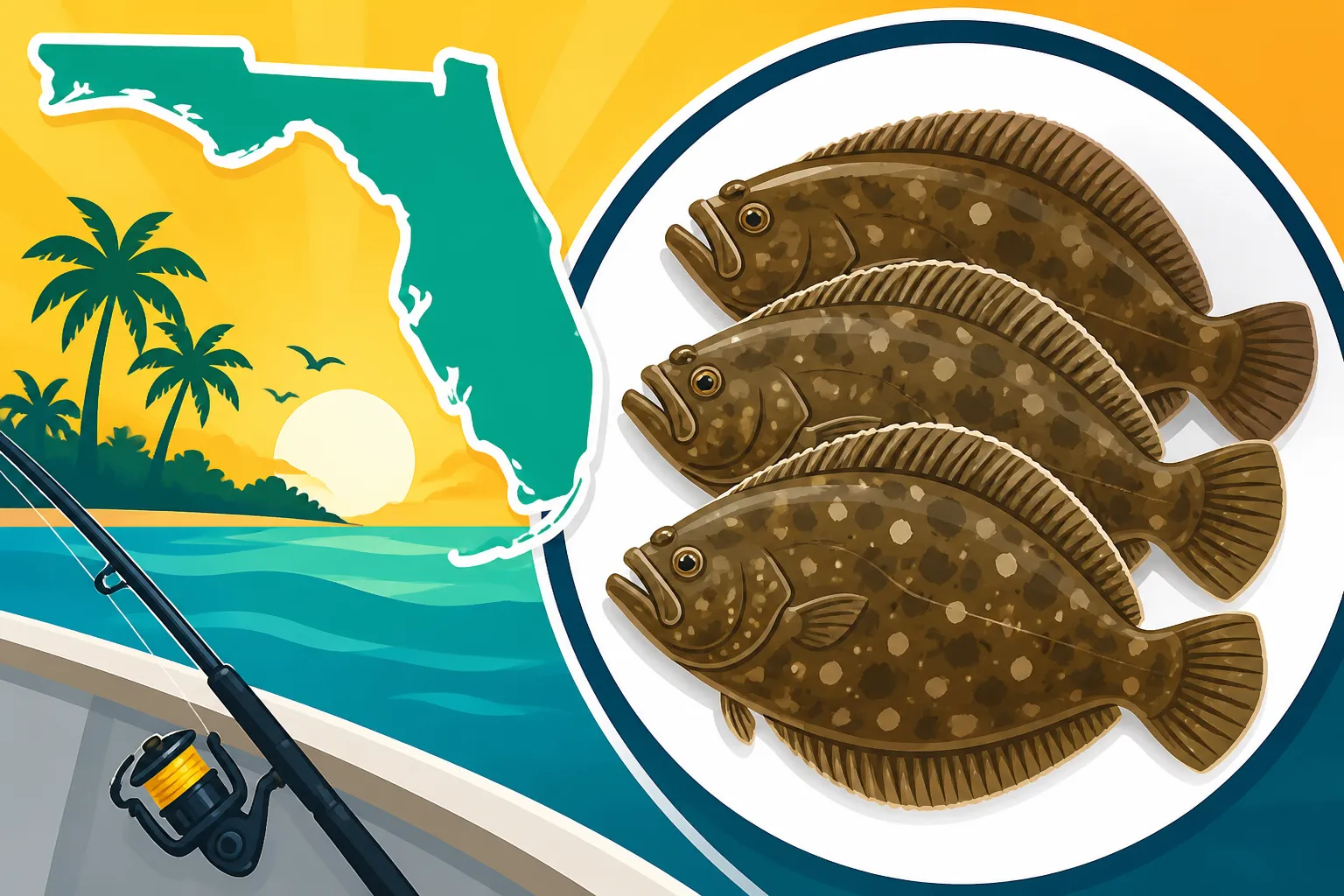
Flounder, with their unique flat bodies and delicious white meat, are a highly sought-after species in Florida, both by recreational anglers and commercial fishermen. This popularity makes them particularly vulnerable to overfishing if not properly managed. The FWC continually studies fish populations, spawning habits, and environmental factors to determine the most sustainable limits. These limits often include a "bag limit" (how many fish you can keep per day) and a "minimum size limit" (the smallest legal size you can keep). Sometimes, there are even specific seasons when a particular species is entirely off-limits to allow them to spawn and recover. It's a dynamic system, so staying informed is key.
The Specific Flounder Bag Limit in Florida
Alright, let's get down to the core question you've been asking: what's the deal with flounder? For recreational anglers, the Florida bag limit for flounder is generally five fish per person, per day. This means that in any 24-hour period, you can legally keep up to five flounder that meet the minimum size requirements.
However, it's not just about the number. There's also a crucial size limit that must be respected. Flounder must typically be at least 14 inches in total length to be legally harvested. "Total length" means measuring from the most forward point of the head to the farthest tip of the tail, with the fish laid flat on its side. It's super important to get this measurement right, as an undersized fish can result in a citation. Many anglers find a sturdy, permanent measuring device helpful to have on their boat or in their tackle box to avoid any guesswork. You can even find some great options on Amazon that are designed to withstand saltwater conditions.
Additionally, flounder also have a closed season in Florida, which means there are specific times of the year when you cannot harvest them at all, regardless of size or how few you've caught. This closure is typically during a critical spawning period to give the species a chance to reproduce without additional fishing pressure. Historically, this has been a month-long closure, often in October, but specific dates can shift. This is why always double-checking the most current regulations on the FWC website or app before you head out is absolutely essential. The last thing you want is to have a perfect day ruined by accidentally keeping a fish during a closed season. For a broader understanding of how all these rules fit together, you might want to read up on Florida Fishing Regulations and Bag Limits.
Practical Tips for Adhering to Flounder Bag Limits
Adhering to bag limits and size restrictions isn't just about avoiding a fine; it's about being a responsible angler and contributing to the health of our marine ecosystems. Let's talk about some practical ways to make sure you're always on the right side of the rules.
Measuring Your Catch Accurately
The 14-inch minimum size for flounder might seem straightforward, but in the heat of the moment, with a wiggling fish, it can be tougher than you think. You absolutely need a reliable measuring device. Forget the flimsy tape measure that blows away or gets tangled. Invest in a sturdy, fixed measuring board or a durable, retractable measuring tape specifically designed for fishing.
When you catch a flounder that looks close to the limit, gently lay it flat on its side on your measuring device. Make sure the head is pressed firmly against the stop or the zero mark, and observe where the tail finishes. Don't stretch the fish or pinch the tail to gain an extra fraction of an inch; measure it naturally. If there's any doubt, err on the side of caution and release the fish. It's always better to send a borderline fish back to grow bigger than to risk a fine or contribute to overfishing. Keeping a dedicated, rigid measuring board can really help with this, and they're easy to mount on a boat or kayak. Many experienced anglers swear by the precision and ease of use offered by a good quality measuring tool, some of which are readily available through retailers like Amazon.
What to Do with Undersized or Excess Flounder
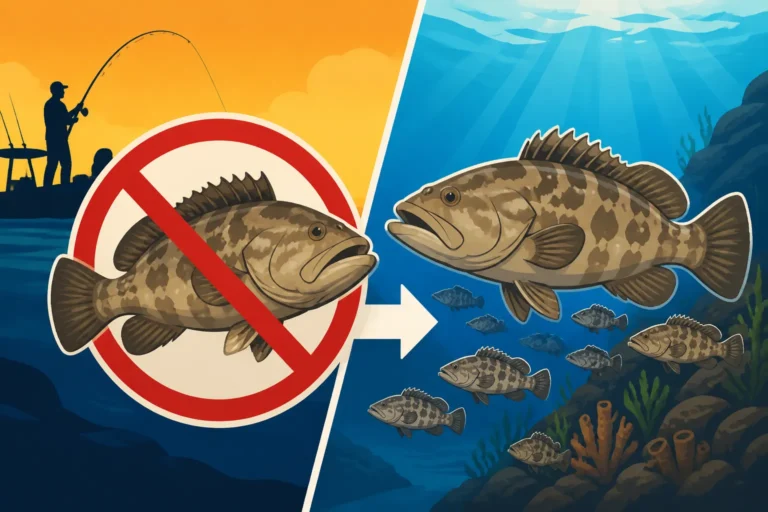
It's going to happen: you'll catch a flounder that's too small, or you'll already have your five-fish limit for the day. This is where proper catch-and-release techniques become paramount. Your goal is to get that fish back into the water as quickly and as healthily as possible.
First, minimize handling. Try to unhook the fish while it's still in the water if possible. If you must bring it aboard, handle it with wet hands to protect its slime coat, which is vital for its immune system. Avoid touching its gills or eyes. Use a dehooking tool to remove the hook gently. If the fish is deeply hooked, especially in the gills or gut, it might be best to cut the line as close to the hook as possible rather than trying to rip the hook out, which often causes more damage. Once unhooked, gently place the fish back into the water headfirst and allow it to swim away under its own power. Sometimes, especially with larger fish, a gentle hold of the tail and a slight forward motion will help it regain its equilibrium. For more insights on ethical fishing, check out guides like Catch and Release Best Practices for Snook, which offer principles applicable to many species. Ignoring these practices for undersized fish can be similar to the issues outlined in What Happens If You Keep an Undersized Fish in Florida?.
Regional and Seasonal Considerations
While the five-fish bag limit and 14-inch minimum size are statewide general rules for flounder, regulations can sometimes have regional nuances or be subject to changes based on FWC assessments. For instance, specific management zones might have different rules for brief periods, or a particular area might be closed if a fish population is struggling.
The most common change you'll encounter beyond the standard bag and size limits is the aforementioned closed season. Flounder typically have a spawning aggregation period when they congregate in certain areas to reproduce. To protect them during this crucial time, the FWC usually implements a full closure to flounder harvesting for at least a month out of the year. Historically, this has been in October, but it's crucial to check the most current FWC regulations each year before planning your trip. For example, if you're fishing in a specific area like Sebastian Inlet Fishing Guide in Florida, it's always wise to check local signage or specific FWC notices for that region, as sometimes localized closures can occur due to environmental factors. Being prepared also involves having your Florida Fishing License Guide in order, especially if you're targeting saltwater species.
The Importance of Conservation and Responsible Angling
Let's be honest, we all love fishing because of the thrill of the catch, the beauty of the outdoors, and maybe even the delicious meal that follows. But none of that is possible without healthy fish populations and thriving ecosystems. Every single angler holds a piece of the responsibility for maintaining this precious resource. When you adhere to bag limits and size restrictions, you're not just following a rule; you're actively participating in conservation. You're giving juvenile fish a chance to grow and reproduce, and you're ensuring that the adults contribute to the next generation.
Think about the long game. The little bit of patience it takes to measure a fish correctly, or the decision to release a fish you've already caught your limit of, contributes to better fishing for everyone down the line. It means future generations will still get to experience the joy of reeling in a beautiful flounder. Florida's waters are truly special, a unique blend of freshwater and saltwater habitats that support an incredible diversity of fish, from the mighty largemouth bass to the elusive snook and, of course, our flat friends, the flounder. Knowing the rules, like those detailed in Florida Saltwater Fishing License Rules, and respecting them, is part of the privilege of fishing here.
Being a responsible angler also means staying informed. Regulations can and do change. The FWC continually updates its rules based on scientific data and public input. It’s a good habit to check the FWC website, their "MyFWC" app, or even pop into a local tackle shop to ask about the latest rules, especially before a trip targeting a specific species like flounder. Don't rely solely on what you remember from last year or what your buddy told you. A quick check can save you a lot of hassle and help protect our fisheries. This dedication to conservation is also why Florida occasionally offers Florida Free Fishing Days, to encourage new anglers while still emphasizing responsible practices.
Disclaimer
This article is for general informational purposes only and does not constitute professional advice. Laws, prices and regulations vary by location and change over time. Consult a qualified professional for guidance on your specific situation.