Florida Bag Limit for Spanish Mackerel
It's incredibly frustrating to spend a beautiful day out on the water, reeling in what feels like a perfect catch, only to wonder if you're actually breaking the rules. Florida's fishing regulations, especially bag limits for popular species like Spanish mackerel, can sometimes feel like a moving target. This guide is here to clear up the confusion and provide a comprehensive overview of the current bag limits for Spanish mackerel, ensuring you can enjoy your fishing trip with confidence and stay on the right side of conservation efforts.
Understanding Florida's Approach to Spanish Mackerel Regulations
Florida's abundant waters are a treasure, and keeping them healthy for generations of anglers is a top priority. That's why state wildlife agencies, primarily the Florida Fish and Wildlife Conservation Commission (FWC), implement and enforce a robust set of regulations, including specific bag and size limits for various fish species. Spanish mackerel are a prime example of a species that benefits from these carefully considered rules.
Why Bag Limits Are Crucial for Spanish Mackerel Conservation
Imagine if everyone could keep every Spanish mackerel they caught, every single day. The population simply couldn't sustain that level of pressure, no matter how prolific the species. Bag limits are a vital tool in fisheries management, designed to prevent overfishing and ensure that Spanish mackerel populations remain healthy and robust for the long term. These limits are not arbitrary; they are based on scientific data, population assessments, and habitat health studies conducted by marine biologists and fisheries experts. They aim to strike a balance: allowing recreational anglers to enjoy catching and keeping fish, while also protecting the species from unsustainable harvest rates. When you adhere to these limits, you're not just following a rule; you're actively participating in the conservation of Florida's precious marine ecosystems, helping to keep our waters teeming with life.
Furthermore, these regulations consider the entire lifecycle of the Spanish mackerel. By limiting the number of fish an individual can take, and often setting minimum size requirements, the rules help ensure that enough fish reach maturity and have the opportunity to reproduce. This reproductive success is key to maintaining a strong population year after year. It's a collective responsibility, and every angler plays a part in this delicate balance.
The Importance of Knowing Recreational vs. Commercial Limits
It's absolutely essential to understand that fishing regulations in Florida often distinguish between recreational and commercial fishing. What's legal for a recreational angler—someone fishing for sport or personal consumption—might be vastly different from what's allowed for a commercial fisherman, who is catching fish to sell. This guide specifically focuses on recreational fishing for Spanish mackerel.
Commercial fishing operations typically operate under a much more stringent and complex set of rules, requiring special licenses, permits, quotas, and gear restrictions. They are often subject to different season openings and closures, as well as distinct reporting requirements. Attempting to apply commercial fishing rules to your recreational outing could lead to severe penalties, and vice-versa. Always make sure you're looking at the recreational regulations that apply to you. Florida Fishing Regulations and Bag Limits provides a broader context for all species.
For the vast majority of us who simply love getting out on the water and catching a few fish for dinner or the thrill of the fight, focusing solely on the recreational guidelines is the path to compliance and enjoyment. Never assume that a rule you heard for a charter captain or a commercial operation applies to your personal trip. When in doubt, always refer to the official recreational guidelines published by the FWC.
Deciphering the Specific Spanish Mackerel Bag Limit in Florida
Now, let's get down to the nitty-gritty of what you can actually keep when you're targeting Spanish mackerel in Florida. These numbers are set to provide ample opportunity for recreational anglers while still protecting the species, and it's crucial to commit them to memory or, better yet, carry a copy of the regulations with you.
The Daily Per-Angler Bag Limit
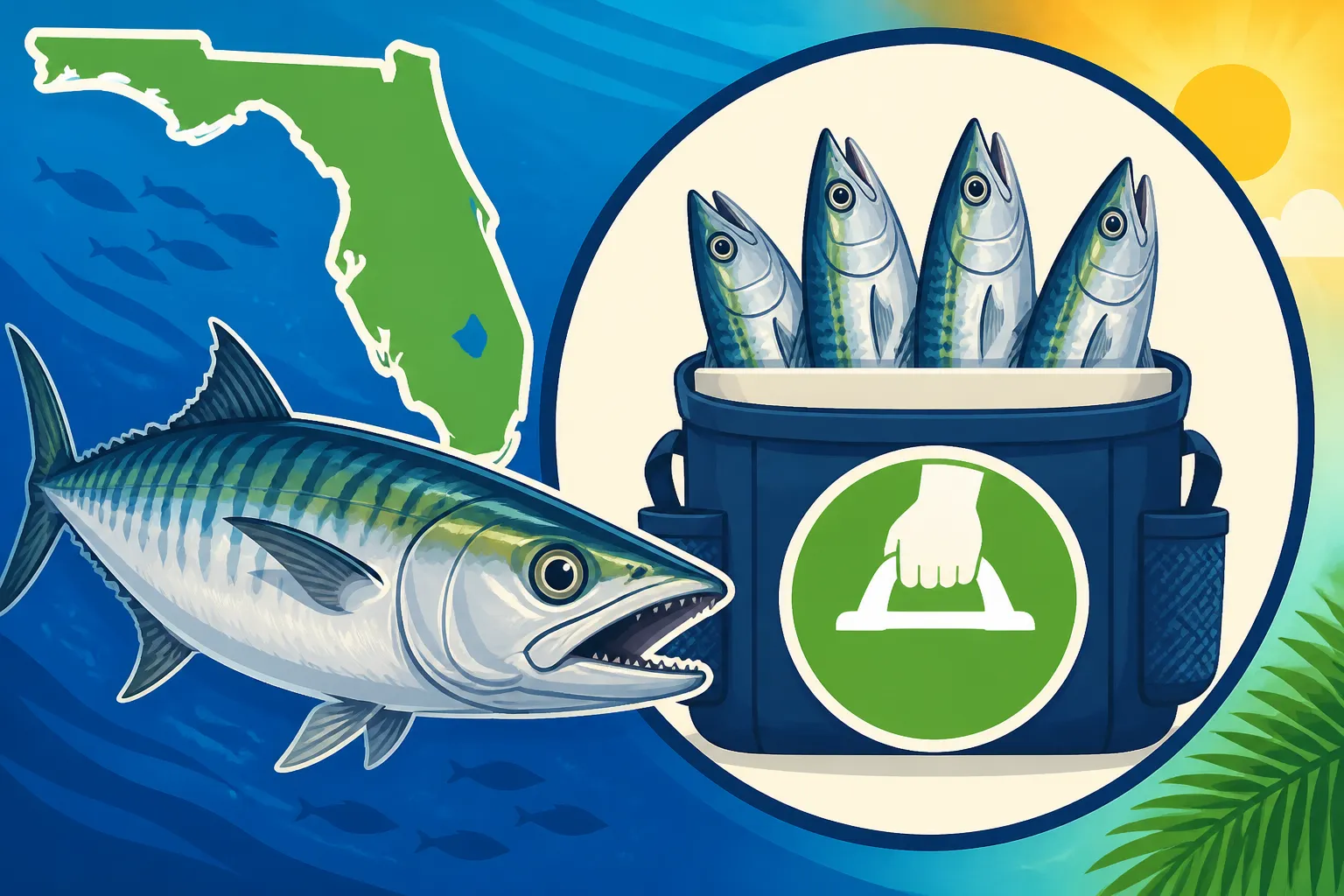
For recreational anglers in Florida, the daily bag limit for Spanish mackerel is typically 15 fish per person, per day. This means that each individual angler aboard a vessel or fishing from shore can harvest up to 15 Spanish mackerel within a 24-hour period. It's a generous limit, reflecting the species' relative abundance and popularity as a sport fish.
It’s vital to understand what "per person" truly means. This is not a "boat limit." If you have four anglers on a boat, each person can theoretically keep 15 fish, for a total of 60 Spanish mackerel. However, if only two people are actively fishing, even if there are four people on the boat, only those two active anglers can contribute to the bag limit, meaning a maximum of 30 fish. This rule prevents a single individual from filling multiple bag limits by claiming fish for non-fishing passengers. Everyone must be actively participating in the angling process to count towards the total.
Think of a scenario: you're out with your family, a spouse and two kids under 16. In Florida, typically children under 16 do not need a fishing license, but they do count towards bag limits if they are actively fishing. So, if everyone is reeling them in, that's four active anglers, meaning a potential combined daily limit of 60 Spanish mackerel. Just remember that each fish must also meet the minimum size requirement, which we'll discuss next.
The Mandatory Minimum Size Limit
In addition to the daily bag limit, Spanish mackerel in Florida are subject to a mandatory minimum size limit. You can only keep Spanish mackerel that measure 12 inches fork length or greater. This "fork length" measurement is very important. It means you measure from the tip of the fish's nose (the most forward point of the head) to the deepest indentation in its tail (the fork). You do not measure to the absolute tip of the upper or lower tail fin.
Measuring accurately on a rocking boat can be a challenge, but it's a non-negotiable part of responsible fishing. Many anglers carry a designated fish measuring board or a flexible tape measure with clear markings specifically for this purpose. If a Spanish mackerel you catch is under 12 inches fork length, it must be immediately and carefully released back into the water to maximize its chances of survival. Keeping undersized fish, even accidentally, can result in a citation and fines, and it certainly doesn't help the fishery.
Practice makes perfect. Before you head out, make sure your measuring device is easily accessible and that everyone on board knows how to properly measure a fish. A quick, accurate measurement is key. It's also important to minimize the time the fish spends out of the water, especially if you intend to release it, as this helps prevent unnecessary stress.
Statewide Consistency and Notable Exceptions
For Spanish mackerel, anglers can generally expect the bag and size limits to be consistent throughout Florida's state waters, whether you're fishing the Atlantic coast, the Gulf coast, or the Florida Keys. This statewide uniformity simplifies things considerably for anglers who might travel across different regions of Florida to fish.
While some other species might have regional specific regulations (e.g., certain grouper or snapper species may have different rules depending on if you're in the Gulf or Atlantic), Spanish mackerel rules tend to be fairly stable and universal across the state's jurisdiction. This means you don't typically need to worry about different bag limits if you fish near Miami one week and then move up to the Panhandle the next, as long as you're in state waters.
However, it's always a good practice to be aware that federal waters (generally beyond 9 nautical miles on the Gulf side and 3 nautical miles on the Atlantic side) can sometimes have different or additional regulations for some species. For Spanish mackerel, most recreational fishing occurs within state waters, so the FWC regulations are usually the primary concern. Always keep an eye on FWC announcements, as regulations can change based on stock assessments and conservation needs.
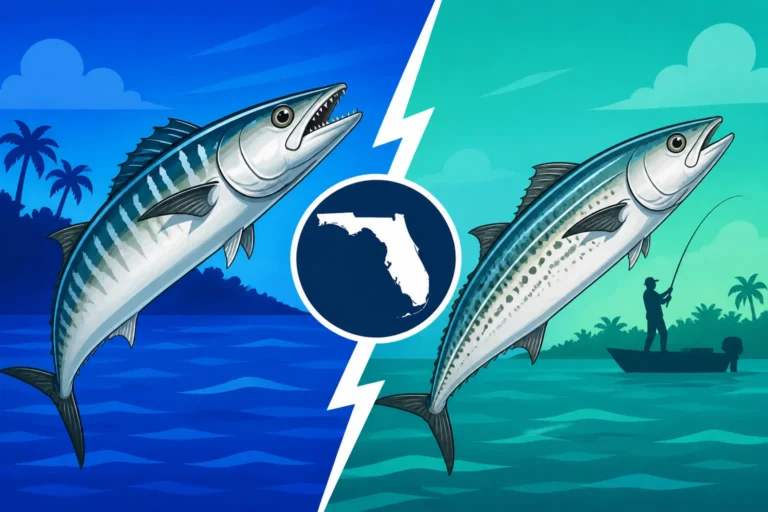
To help clarify, here's a quick comparison of the Spanish Mackerel limits versus a similar but distinct species, the King Mackerel, which often get confused. This illustrates how even closely related species can have different rules, underscoring the need for careful identification.
| Feature | Spanish Mackerel | King Mackerel |
|---|---|---|
| Daily Bag Limit | 15 fish per person | 3 fish per person |
| Minimum Size | 12 inches fork length | 24 inches fork length |
| Distinguishing Markings | Prominent dark spots, often with a broken lateral line, smaller mouth and teeth | Fewer, fainter spots (or none), distinct dip in lateral line, larger mouth and teeth |
| Typical Size | Smaller, commonly 1-5 lbs | Much larger, commonly 10-40+ lbs |
Understanding these differences, particularly the visual cues, is crucial when you're out on the water. Florida King Mackerel Fishing Guide offers more details on that specific species.
Essential Practices for Responsible Spanish Mackerel Anglers
Beyond just knowing the numbers, responsible angling involves how you interact with the fish, from the moment it's hooked to deciding whether it goes in the cooler or back into the water. Being prepared and mindful of best practices ensures both your compliance and the health of the fishery.
Accurate Measurement and Responsible Handling Techniques
When you hook into a Spanish mackerel, the first thing (after the initial fight, of course!) is to properly measure it if you intend to keep it. As mentioned, a 12-inch fork length is the minimum. Having a reliable measuring device is paramount. You can find durable, boat-friendly measuring boards or adhesive rulers at almost any tackle shop or even online on platforms like Amazon. These are often marked with common legal lengths, making quick checks easier.
When measuring, lay the fish flat on its side on a hard, flat surface (like a measuring board or cooler lid). Position the nose against the stop, and gently pinch the tail to get an accurate reading at the fork. If the fish is legal, you can then make the decision to keep it. If it's undersized, or if you've already met your bag limit, the fish must be released. For released fish, minimize air exposure, handle them with wet hands to protect their slime coat, and use a de-hooking tool to remove the hook quickly and cleanly. Avoid dragging them on rough surfaces or putting fingers in their gills if you plan to release them. The goal is to get them back into the water as quickly and gently as possible so they can swim away strongly. Catch and Release Best Practices for Snook offers general advice applicable to most species.
Gear That Helps You Stay Compliant
While any good fishing setup will help you catch Spanish mackerel, certain items are crucial for staying compliant with regulations. A reliable measuring tape or, even better, a solid fish measuring board, is at the top of the list. Some boat coolers even come with integrated rulers, which can be super convenient. You can find excellent, durable measuring tools readily available online through retailers like Amazon, or at local tackle shops across Florida.
Beyond measuring devices, consider tools that aid in responsible catch and release. A good pair of long-nose pliers or a dedicated de-hooking tool can make removing hooks from feisty mackerel much safer and faster, reducing stress on the fish. A small, rubberized landing net can also be invaluable for scooping fish quickly without damaging their scales or slime coat, especially when you know you might be releasing many. Strong leader material is also key to preventing break-offs, which leave hooks in fish that could still be swimming around.
For Spanish mackerel specifically, a medium-light to medium action spinning rod with 10-15 lb test line is generally a great choice. They are fast, hard-fighting fish that don't typically require heavy gear. Using appropriate gear, combined with your measuring tools and de-hookers, ensures you're ready for a successful and legal day on the water. Best Rod and Reel Setup for Florida Inshore Fishing offers more general insights into tackle selection.
Recognizing and Avoiding Common Pitfalls
One of the most frequent mistakes anglers make is misidentifying their catch. Spanish mackerel are often confused with juvenile King mackerel, especially when they are smaller. As noted in the table above, King mackerel have a much higher minimum size limit (24 inches fork length) and a much smaller bag limit (3 fish per person). Keeping a small King mackerel thinking it's a Spanish mackerel could lead to a violation. Pay attention to the spots, the lateral line, and the overall body shape. When in doubt, let it go!
Another common pitfall is the "boat limit" mentality. Remember, the bag limit is per active angler, not per vessel. If you have non-fishing friends or family on board, their presence doesn't increase your allowed catch. Only those actively holding a rod and reel, attempting to catch fish, count towards the total number of individuals whose bag limits can be combined. Always be transparent about who is fishing and whose limits are being filled.
Finally, relying on outdated information or hearsay is a dangerous game. Regulations can and do change. What was true last year or even last month might not be true today. Always verify the current rules before heading out. The FWC makes all regulations readily available, so there's no excuse for not having the most up-to-date information at your fingertips.
Navigating the Broader Regulatory Landscape for Florida Fishing
Understanding the Spanish mackerel bag limit is a huge step, but it's just one piece of the larger puzzle when it comes to legal fishing in the Sunshine State. To be a truly responsible and compliant angler, you need to be aware of other requirements and resources.
Accessing the Latest Official Regulations
The Florida Fish and Wildlife Conservation Commission (FWC) is your absolute go-to source for all fishing regulations in the state. They work tirelessly to monitor fish populations and adjust rules as needed to ensure sustainable fisheries. Their official website is a treasure trove of information, regularly updated with the latest bag limits, size restrictions, season dates, and other pertinent details for every species. You can easily search for "Florida FWC fishing regulations" to find their comprehensive guides.
Beyond the website, the FWC also produces annual printed recreational fishing guides that are often available for free at bait and tackle shops, county tax collector offices, and sometimes even at popular sporting goods stores like Bass Pro Shops. These guides are invaluable to keep on your boat or in your tackle box. Additionally, the FWC's "GoOutdoorsFlorida" mobile app is an excellent resource, allowing you to access regulations directly from your smartphone, report harvests, and even purchase licenses. This app can be a lifesaver when you're out on the water and need a quick reference.
Understanding Your Fishing License Requirements
It's crucial to remember that observing bag limits for Spanish mackerel (or any other species) is separate from having a valid Florida fishing license. With very few exceptions, if you are 16 years of age or older, you will need a Florida fishing license to recreationally harvest marine fish, including Spanish mackerel. This applies whether you're fishing from a boat, pier, bridge, or shoreline.
There are different types of licenses available, including annual licenses, multi-year licenses, and combination freshwater/saltwater licenses. Non-residents also have options for shorter-term licenses if they're just visiting. While the specific license type you need might vary, the fundamental requirement remains: get licensed! The funds generated from fishing license sales are directly reinvested into Florida's fisheries conservation and management programs, so your license fee directly supports the health of the waters you love to fish. Check out Florida Saltwater Fishing License Rules or the broader Florida Fishing License Guide for detailed information on what license you might need. If you're wondering Who Needs a Fishing License in Florida, we've got you covered there too. And yes, there are Florida Fishing License Exemptions for certain groups or situations, but always confirm if they apply to you.
The Consequences of Non-Compliance
Fishing without a valid license, keeping undersized fish, or exceeding bag limits are not minor infractions in Florida. These violations can carry significant consequences that go far beyond a slap on the wrist. A common penalty for a first offense might include a substantial fine, typically several hundred dollars, plus court costs. You could also face the forfeiture of your fishing gear (like your rods, reels, and even your boat in severe cases), and certainly the confiscation of any illegally harvested fish.
Repeat offenses or more serious violations, such as fishing in a closed area or during a closed season, can lead to much higher fines, suspension of your fishing privileges, and even jail time. Conservation officers with the FWC are empowered to enforce these laws, and they do so to protect Florida's natural resources. It's simply not worth the risk to disregard the regulations. Beyond the legal ramifications, exceeding limits or keeping undersized fish undermines the very conservation efforts designed to ensure future fishing opportunities for everyone. Stay informed, stay compliant, and help preserve Florida's incredible fishing heritage. For more general information on penalties, see Penalty for Fishing Without a License in Florida.
Disclaimer
This article is for general informational purposes only and does not constitute professional advice. Laws, prices and regulations vary by location and change over time. Consult a qualified professional for guidance on your specific situation.