Florida Bag Limit for Cobia
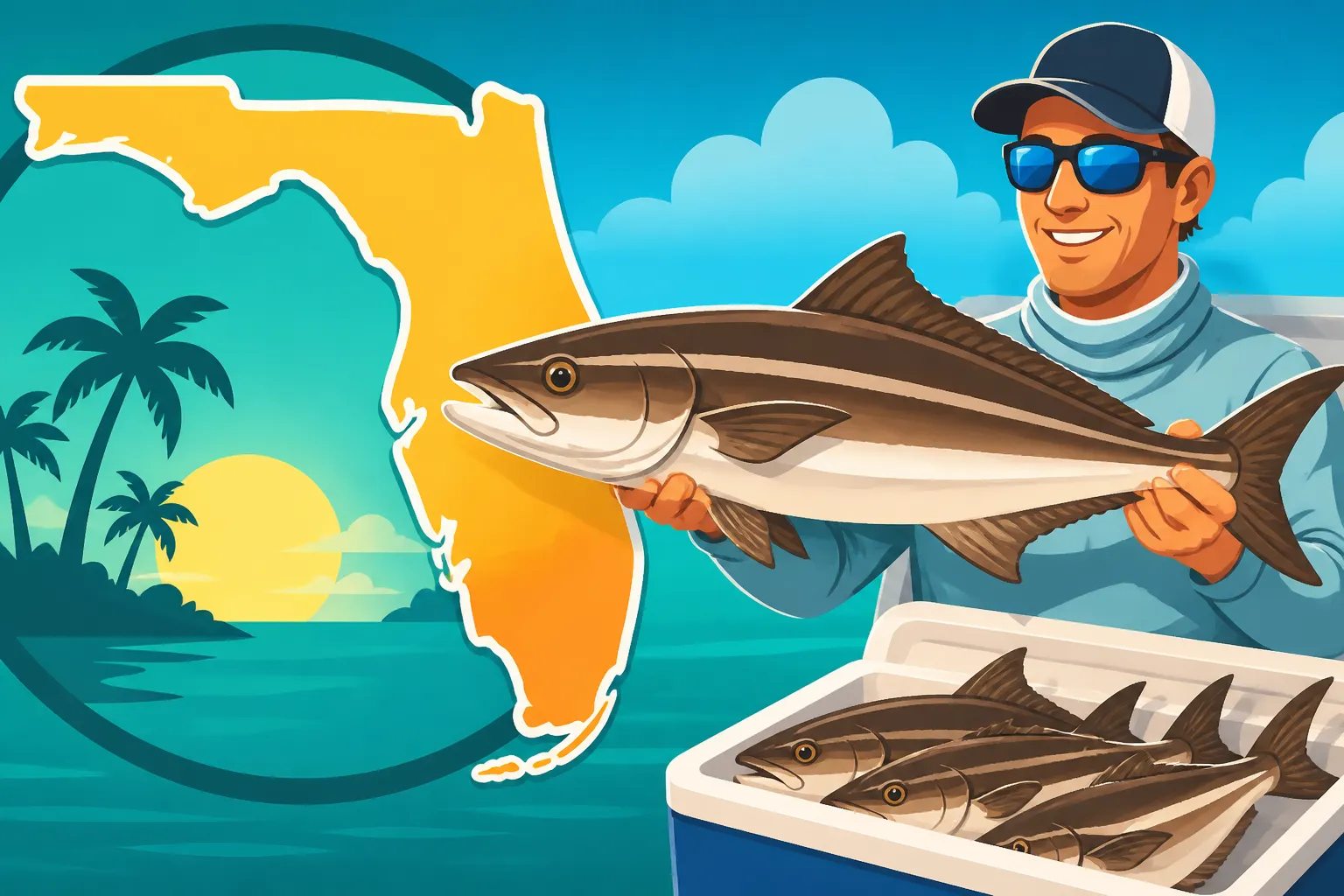
There's nothing quite like the thrill of spotting a cobia cruising near a channel marker or alongside a ray in the clear Florida waters. These powerful, curious fish are a true prize for any angler, but the excitement can quickly turn to confusion when it comes to understanding all the specific rules. Many folks get tangled up trying to figure out the exact bag limits and size restrictions, and honestly, it’s not always straightforward! This comprehensive guide is here to clear up all that uncertainty, so you can focus on the catch, knowing you're fishing responsibly and legally in the Sunshine State.
Understanding Florida's Cobia Bag Limit: Why It Matters So Much
Cobia are incredible fish – they fight hard, they're beautiful, and they're fantastic table fare. But because they're such a popular target, and given their unique migratory patterns and life cycles, they need careful management. Anglers sometimes feel like regulations are just arbitrary hurdles, but for species like cobia, they are absolutely crucial for ensuring healthy populations for future generations to enjoy. It's a balance between enjoying today's fishing and protecting tomorrow's.
The Importance of Conservation for Cobia
Imagine a species that travels vast distances, often congregating in predictable areas, making them relatively easy to target. That's a cobia. Their curious nature means they often approach boats, making them accessible even to less experienced anglers. While this makes for thrilling fishing, it also makes them vulnerable. Without strict regulations on how many can be harvested, and at what size, their populations could dwindle rapidly. The bag limits aren't there to make your life harder; they're the Florida Fish and Wildlife Conservation Commission's (FWC) way of ensuring sustainability.
Think about it: when you're out on the water and everyone is keeping every cobia they hook, regardless of size or quantity, that puts immense pressure on the stock. These fish need time to grow, mature, and reproduce. Releasing smaller fish, or stopping when you've reached your limit, directly contributes to a robust fishery for your kids and grandkids. It’s a collective effort, and every angler plays a part in this vital conservation story. When you see a healthy population of fish in five, ten, or twenty years, you'll know your adherence to the rules helped make that possible.
Navigating State vs. Federal Waters for Cobia
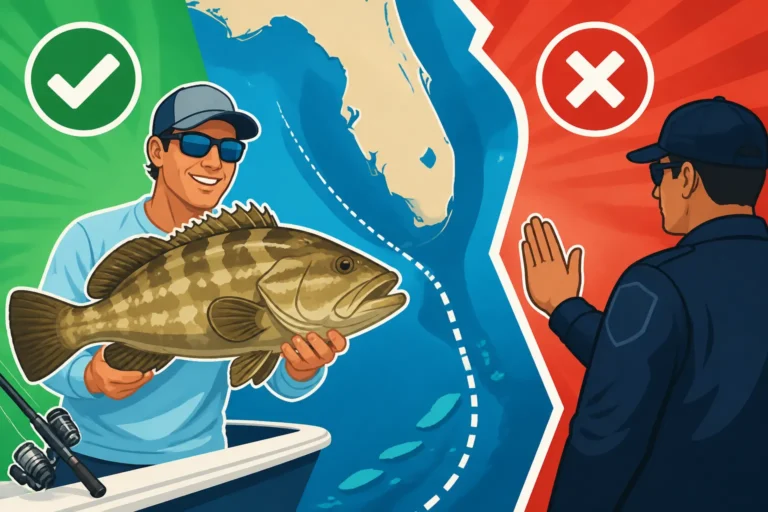
One of the biggest head-scratchers for Florida anglers, especially those targeting species like cobia that roam far and wide, is the difference between state and federal fishing regulations. It’s not just an academic distinction; it can dramatically change your bag limit and minimum size requirement, and ignorance of the law is no excuse for a marine patrol officer.
In Florida, state waters generally extend out to 9 nautical miles in the Gulf of Mexico and 3 nautical miles in the Atlantic Ocean. Anything beyond those boundaries is considered federal water. Why does this matter for cobia? Because federal agencies, like the National Oceanic and Atmospheric Administration (NOAA), set their own rules that can sometimes differ from Florida's state regulations. While Florida usually tries to align its rules with federal guidelines, especially for highly migratory species, there can be nuances. For example, a season might close federally but remain open in state waters, or the bag limits might vary. This makes checking the most current regulations for both jurisdictions absolutely critical, especially if you plan to venture offshore. You can find detailed information on these boundaries by looking at nautical charts or using GPS-enabled marine mapping applications. Knowing where you are at all times is key to staying compliant. The complexities of these distinctions are often discussed, and a good read on this might be State Waters vs Federal Waters Fishing Rules in Florida.
The Specifics: Florida's Cobia Bag Limit and Size Restrictions
So, what are the actual numbers? While specific regulations can shift, the core principles of cobia bag and size limits are usually consistent. It’s about knowing the standard rules and then always checking for any recent updates before you head out. These aren't just suggestions; they're legal requirements designed to protect this incredible species.
Current Recreational Bag Limits for Cobia
For recreational anglers in Florida, the general rule of thumb for cobia has typically been a conservative one. It's often set at one fish per person, or six fish per vessel, whichever number is less. Let's break that down because it's where a lot of confusion comes from.
- One Fish Per Person: If you're fishing solo, your personal limit is one cobia. If you have three people on your boat, each person can theoretically keep one cobia, totaling three.
- Six Fish Per Vessel: This is the overarching limit. Even if you have eight anglers on your boat, and each person could legally keep one cobia, your boat limit would cap you at six fish. So, you'd have to decide who gets to keep the extra fish, or more likely, you'd simply stop harvesting once the sixth cobia is on board.
This "whichever is less" rule is designed to prevent large groups of anglers on a single boat from harvesting an excessive number of fish. It ensures that whether you're fishing alone, with a buddy, or with a larger party, the overall impact on the cobia population remains within sustainable levels. Always remember, if you have six people and each catches one, that's six fish. If you have seven people, it's still six fish for the vessel. These are strict rules, and officers will count every fish in your cooler. You might find more detail on general regulations in Florida Fishing Regulations and Bag Limits.
Minimum Size Requirements for Cobia
Just as important as the bag limit is the minimum size requirement for cobia. Historically, Florida has typically set the minimum size for cobia at around 33 inches fork length. But what exactly does "fork length" mean, and why is it important to measure correctly?
- Fork Length Explained: Fork length is measured from the tip of the fish's snout to the deepest indentation of its tail fin (the "fork"). It's a standard measurement used for many species to ensure consistency and accuracy, especially compared to total length which can vary depending on how a tail is pinched or relaxed.
- Why 33 Inches? This size isn't arbitrary. It’s generally the length at which a cobia has had the chance to mature and reproduce at least once, contributing to the next generation of fish. Allowing smaller fish to grow ensures that the population can sustain itself.
- Measuring on the Water: This is where the rubber meets the road. You need to have a reliable measuring device on your boat – a tape measure, a fixed ruler, or even a cooler with marked measurements. When you catch a cobia, especially one that looks "borderline," you need to measure it quickly and accurately. If it's short, it must be released immediately and carefully. Handling a feisty cobia can be a challenge, so having a good measuring board or tape that's easily accessible and clearly marked is essential. You can often find durable, marine-grade measuring devices on sites like Amazon that can withstand saltwater conditions.
When Cobia Season Might Have Special Rules
Unlike some other popular Florida species like snook or grouper, cobia typically do not have a specific closed season where harvesting is completely prohibited. However, that doesn't mean you can fish for them unrestricted year-round. This is where the complexity of state and federal regulations, and potential emergency closures, comes into play.
While a general "season" might not be published, management bodies are constantly monitoring fish stocks. If data suggests that cobia populations are under stress, or if harvest limits are being met, there could be temporary closures or changes to bag and size limits. These changes can happen quickly, so relying on what you "remember" from last year can get you into trouble. It's crucial to understand that federal waters might close to cobia fishing even if Florida state waters remain open, or vice-versa. Always check the Florida FWC website (MyFWC.com) or use their official Fish Rules app right before your trip. This proactive approach will save you potential fines and ensure you're always fishing legally and helping to conserve the resource. For general info on permits that might come into play for other species, you can read Florida Fishing License Guide.
Practical Tips for Responsible Cobia Fishing
Fishing for cobia is a fantastic experience, but doing it responsibly means more than just knowing the rules. It involves having the right gear, understanding best practices for the fish you don't keep, and staying diligently informed about regulations. These tips aren't just about avoiding a ticket; they're about ensuring the health of the fishery and making your time on the water more enjoyable and sustainable.
Essential Gear for Measuring and Handling Cobia
When you're dealing with a powerful, often acrobatic fish like a cobia, having the right tools for quick and safe measurement and handling is non-negotiable. This is especially true when you catch an undersized fish or one that pushes you over your bag limit and needs to be released.
- Reliable Measuring Device: A sturdy, clearly marked measuring board or a heavy-duty, retractable tape measure is paramount. Avoid flimsy tapes that can stretch or break. Many anglers permanently affix a ruler to their boat's gunwale or cooler. Look for options on platforms like Amazon that are designed for marine environments – they’ll withstand the sun and saltwater much better.
- Landing Net or Lip Gripper: A large, rubber-coated landing net can help subdue a cobia safely without damaging its protective slime layer, making it easier to measure. For larger fish, a quality lip gripper can provide control for quick measurement and release, but use it carefully to avoid jaw damage.
- Dehooking Tool: Even with careful handling, some fish get deep-hooked. A long-nosed dehooking tool minimizes handling time and stress on the fish, increasing its chances of survival upon release.
Always have these tools ready and easily accessible. The faster and more efficiently you can measure and release a fish, the better its chances of swimming away strong.
Best Practices for Catch and Release
Let's be honest, sometimes you'll catch a cobia that's just a bit short of the legal limit, or maybe you've already filled your bag limit. In these situations, catch and release isn't just a good idea, it's mandatory. Employing best practices ensures those fish have the best chance of survival.
- Minimize Fight Time: While a long fight is exhilarating, it exhausts the fish. Use appropriate tackle to land the fish as quickly as possible without overstressing it. If you're targeting large cobia, using a robust Best Rod for Inshore Fishing in Florida will help you land them faster.
- Gentle Handling: Avoid touching the fish's gills or eyes. Support its body horizontally, especially if it's a larger fish. If possible, keep the fish in the water while measuring and dehooking.
- Quick Release: Once measured and dehooked, release the fish headfirst into the water. If it appears sluggish, gently move it back and forth to force water over its gills until it regains its strength and swims away on its own.
- Deep Hooks: If a fish is deep-hooked, and you can't easily remove the hook without causing more damage, it's often best to cut the line as close to the hook as possible. Hooks made of non-stainless steel will eventually corrode, allowing the fish a better chance of survival.
Remember, every released fish is an investment in future fishing opportunities. This approach aligns with broader conservation efforts, as discussed in Catch and Release Best Practices for Snook, which apply to many species.
Keeping Up-to-Date with Regulations
Florida's fishing regulations are dynamic. They can change due to stock assessments, federal mandates, or even unexpected environmental factors like a prolonged cold snap or a red tide event. Relying on outdated information is a recipe for trouble, potentially leading to fines or, worse, contributing to unsustainable fishing practices.
- Official Sources are Key: Always go directly to the source. The FWC website (MyFWC.com) is your ultimate authority for Florida fishing regulations. They provide detailed, up-to-the-minute information on bag limits, size limits, season dates, and any special provisions for all species, including cobia.
- FWC Fish Rules App: This mobile app is a godsend for anglers. It uses your phone's GPS to tell you the regulations for your exact location, instantly clarifying state vs. federal waters, bag limits, and size requirements. It’s an indispensable tool for any serious Florida angler.
- Check Before Every Trip: Make it a habit to check the regulations right before you head out, even if you just checked last week. Things can change quickly, and a quick glance can save you a lot of headache. Understanding how and when regulations are enforced can be a bit intimidating, and it's a good idea to know What Happens If You Keep an Undersized Fish in Florida? to underscore the importance of these rules.
| Cobia Regulation Aspect | Typical Recreational Rule (General Guidance) | Key Details & Notes |
|---|---|---|
| Bag Limit | One (1) fish per person, OR six (6) per vessel | Whichever is less. This means if you have 7 people, you can still only keep 6 fish. If you have 2 people, you can keep 2 fish. Applies to both Gulf and Atlantic. |
| Minimum Size | Approximately 33 inches fork length | Measure from the tip of the snout to the fork of the tail. Ensure you have a reliable measuring device on board. Undersized fish must be released immediately and carefully. |
| Season | Generally open year-round | Cobia typically do not have a specific closed season, but always check for emergency closures or regional changes, especially in federal waters. |
| Federal Waters | Regulations may differ | Beyond 9 nautical miles in the Gulf or 3 nautical miles in the Atlantic, federal rules apply and may vary from state rules. Always verify both. |
| Possession Limit | Same as bag limit while on water | You cannot possess more than the daily bag limit while fishing or in transit. |
Disclaimer
This article is for general informational purposes only and does not constitute professional advice. Laws, prices and regulations vary by location and change over time. Consult a qualified professional for guidance on your specific situation.