State Waters vs Federal Waters Fishing Rules in Florida
It's incredibly frustrating when you're out on the beautiful Florida waters, enjoying a perfect day of fishing, only to worry if you're accidentally breaking a rule because you crossed an invisible line in the ocean. The confusion between state and federal fishing regulations in Florida is a real headache for many anglers, leading to stress, uncertainty, and sometimes even costly mistakes. This comprehensive guide will clear up that confusion, helping you understand where state waters end and federal waters begin, and what that means for your fishing trip so you can fish with confidence and peace of mind.
The Confusing Lines in the Water: Understanding Florida's State and Federal Waters
Ah, Florida, the Sunshine State! Our waters are teeming with incredible fish, from the inshore flats to the deep blue offshore. But with all that amazing fishing comes a catch (pun intended!): a complex web of regulations that can feel overwhelming. One of the biggest sources of confusion for both seasoned and new anglers alike is the distinction between state and federal waters, and how those invisible lines dictate what you can and can't do with your rod and reel. It’s not just about getting your Florida Fishing License Guide, it's about understanding the nuances of where you're casting your line.
Why This Distinction Matters So Much for Anglers
You might think, "Fish are fish, water is water, what's the big deal?" But trust me, the difference between state and federal waters is a very big deal indeed. For starters, the governing authorities change. In state waters, you're primarily under the jurisdiction of the Florida Fish and Wildlife Conservation Commission (FWC), while federal waters fall under the purview of federal agencies like NOAA Fisheries and the Gulf of Mexico Fishery Management Council or the South Atlantic Fishery Management Council. These different bodies often have vastly different rules regarding seasons, bag limits, size limits, and even approved fishing gear for the same species.
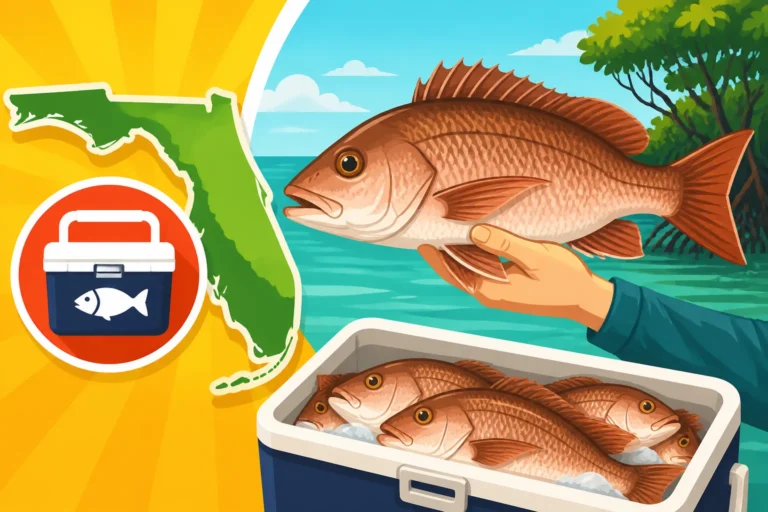
Imagine you're targeting a prized red snapper. You might be perfectly legal with a certain size and bag limit while you're within state waters. However, just a few miles further offshore, in federal territory, the season might be completely closed, or the size and bag limits could be drastically different. If you mistakenly keep a fish caught in federal waters when the season is closed, or if it doesn't meet federal size requirements, you could face significant fines, confiscation of your catch and gear, and even more serious penalties. It’s a classic example of "ignorance of the law is no excuse," and believe me, those wardens out on the water are well-versed in where the lines are drawn. This isn't just a hypothetical; many anglers, especially those new to offshore fishing, have learned this lesson the hard way.
The Basic Boundary: Where State Waters End
So, how do you know where one ends and the other begins? It’s not like there’s a big buoy marking the transition (though that would certainly make things easier!). The general rule of thumb for Florida's state waters is that they extend a specific distance from the coastline.
On the Atlantic side of Florida, state waters extend 3 nautical miles (about 3.45 statute miles) from the mean low water line. This means if you're fishing off the coast of Jacksonville, Daytona, or Miami, you have 3 nautical miles of state-regulated ocean before you enter federal waters. This area encompasses most of the popular nearshore reefs, wrecks, and even some of the closer offshore fishing grounds.
On the Gulf of Mexico side of Florida, the boundary is much more expansive. State waters extend 9 nautical miles (about 10.35 statute miles) from the mean low water line. This larger expanse means that many of the popular fishing spots in the Gulf, like those off Clearwater, Sarasota, or Naples, are still within state jurisdiction, even if they feel like you're way offshore. This is a critical difference to remember, as it allows for a broader range of species to be managed solely by the FWC in a larger area, which can be a boon for local anglers who don't want to venture too far out. Understanding this basic boundary is the first step in making sure you're compliant with Florida Saltwater Fishing License Rules and other regulations.
Florida State Waters: What You Need to Know for Inshore and Nearshore Fishing
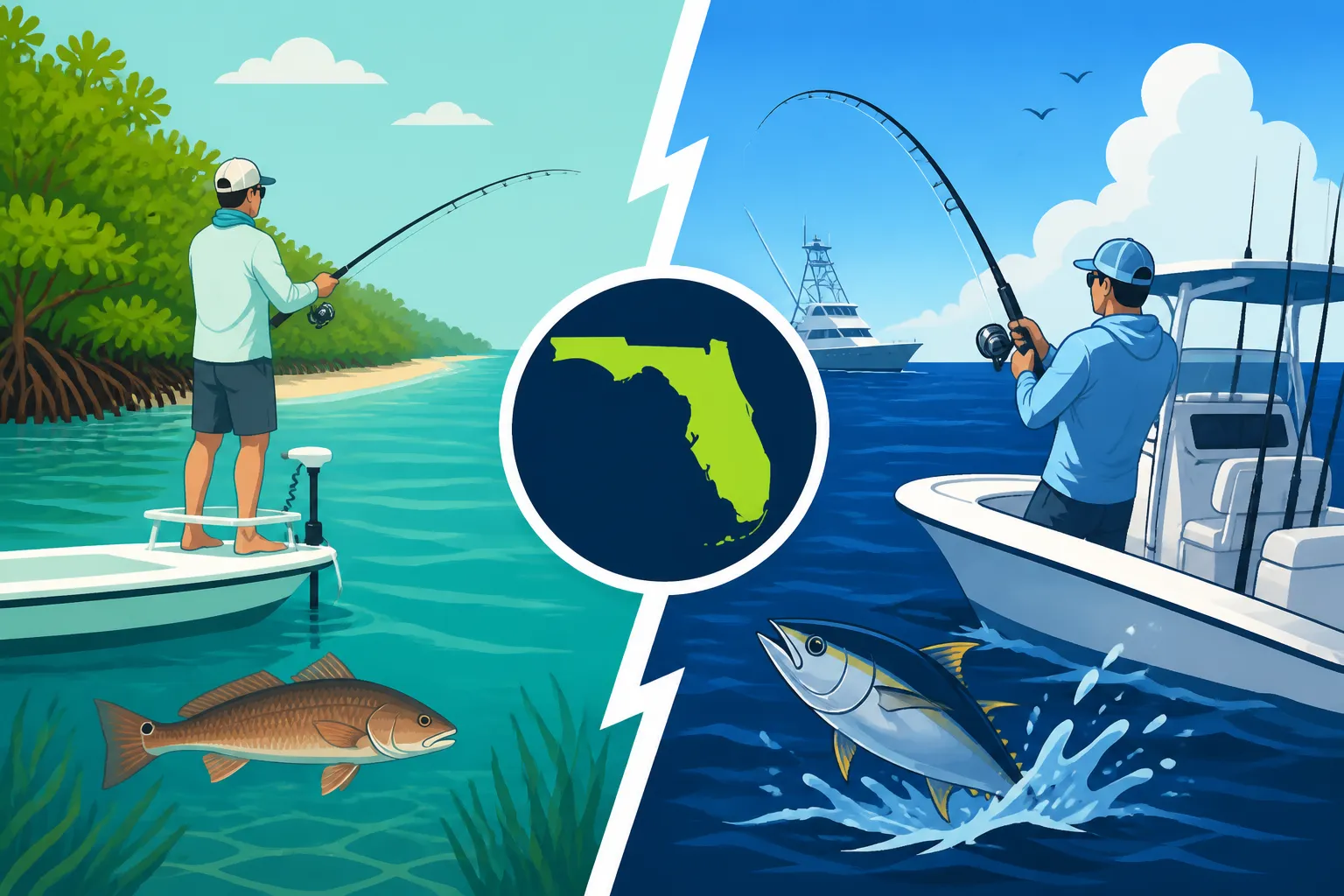
Fishing in Florida's state waters is what most of us think of when we picture a typical day out. Whether you're poling a flats boat across a skinny water bay, casting from a bridge, or heading just a few miles offshore in your center console, you're likely in state territory. This is where the majority of recreational fishing happens, and thankfully, the rules are often a bit more straightforward, though still require your attention.
Common Regulations You'll Encounter in State Waters
When you're within Florida state waters, the Florida Fish and Wildlife Conservation Commission (FWC) is your primary guide for regulations. They set the rules for a vast array of species, both freshwater and saltwater. Even if you're not planning to venture into federal waters, it's vital to stay up-to-date on FWC regulations. These rules cover everything from the types of fishing gear you can use, to species-specific limits, and even closed seasons.
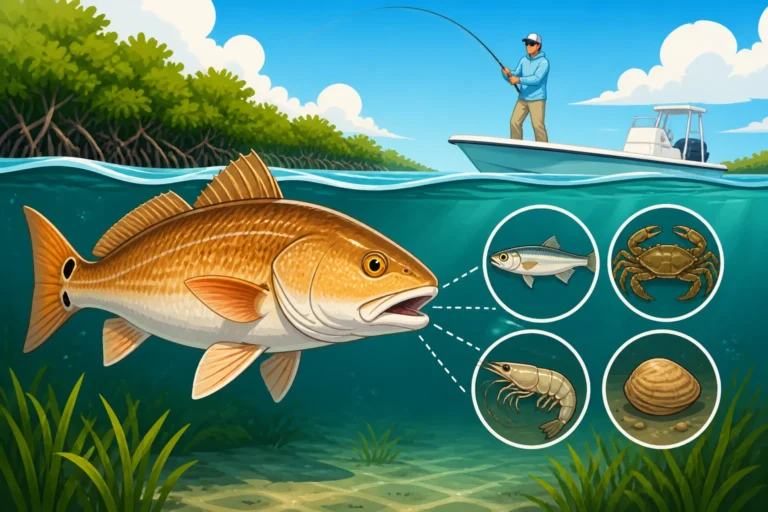
For instance, FWC regulations dictate the specific size and bag limits for beloved inshore species like snook, redfish, and spotted seatrout. These limits often vary by region and can even change seasonally to protect spawning populations. You'll also find regulations concerning protected species, certain types of nets (like cast nets, which are usually allowed for bait), and restrictions on certain areas or times of the year. For example, some areas might have speed limits for boats to protect manatees, or specific zones might be entirely closed to fishing during bird nesting seasons. This is also where you'll find information about Florida Snook Season Guide or how many redfish you can keep. Always check the FWC website or the "Fish Rules" app before you head out, as regulations can and do change. Carrying a laminated copy of the current regulations or having an accessible digital version on your phone is always a smart move, and you can often find such guides or apps by searching on platforms like Amazon.
Specific Species Rules: How They Differ
The regulatory framework for species in state waters is often designed with local ecosystems and angling pressure in mind. This means that rules for a particular fish might differ slightly between the Gulf and Atlantic coasts, or even between different management zones within the same coast.
Let's take a look at some common species:
| Species | Typical State Water Regulation Focus | Example Regulation |
|---|---|---|
| Snook | Slot limits, seasonal closures, regional variations, hook type restrictions | Must be within a specific slot (e.g., 28-33 inches), closed in winter & summer months. |
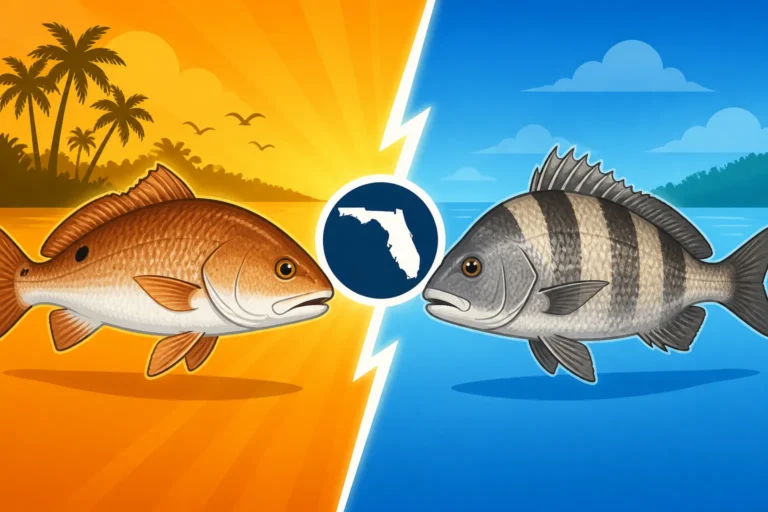
| Redfish | Slot limits, bag limits, regional variations | Must be within a slot (e.g., 18-27 inches), limited bag per angler, often 1-2 per person. |
| Spotted Seatrout | Bag limits, size limits, regional variations, gear restrictions | Minimum size (e.g., 15 inches), bag limit (e.g., 5 per person). |
| Tarpon | Primarily catch-and-release, specific tag requirements for harvest | Harvest limited to one tarpon per year with a tarpon tag, mostly catch and release. |
| Gag Grouper | Seasonal closures, size limits | Specific open seasons, minimum size (e.g., 24 inches). |
| Red Snapper | Seasonal closures (if applicable), size limits, bag limits | Highly regulated, often very short seasons, minimum size, bag limit. |
Note: The regulations in this table are illustrative examples and are subject to change by FWC. Always verify current regulations before fishing.
As you can see, the FWC maintains specific control over these popular fish. The state's management strategies are often focused on the inshore and nearshore stocks that support the massive recreational fishing industry and provide critical ecological balance. For species like Florida Tarpon Fishing Guide, harvest is so restricted that most fishing is purely for sport, and that's entirely managed by the state. This intricate system is designed to sustain fish populations for future generations of anglers, ensuring that the beautiful waters remain productive and enjoyable.
Venturing into Federal Waters: Deeper Seas, Different Rules
When you decide to run your boat further out, beyond those 3 or 9 nautical miles, you're entering a whole new world – both in terms of fishing opportunities and regulatory complexities. Federal waters are often where you'll find the really big pelagic species and deep-dwelling reef fish, but they also come with a different set of rules enforced by different agencies.
The Jurisdiction Shift: What Changes Beyond State Lines
Crossing into federal waters means you're no longer primarily under the FWC's direct regulatory hand, though their officers can still enforce federal laws. Instead, you're now under the umbrella of federal fishery management councils and NOAA Fisheries. These federal bodies manage highly migratory species (like tuna and billfish) and fish stocks that span multiple states or even international boundaries. They also manage deeper water species that are found well beyond state lines.
This shift in jurisdiction is significant because federal regulations are often more stringent, can have different season dates, different size and bag limits, and might even require different reporting methods. For instance, federal red snapper seasons in the Gulf of Mexico are often incredibly short and can change even mid-year based on quota attainment. The federal government aims to manage these fisheries sustainably across large geographic areas, which means their decisions might not always align perfectly with state-specific interests. Many anglers find themselves checking multiple sources of information to ensure they're compliant when heading offshore, often cross-referencing information from the FWC, NOAA Fisheries, and regional management councils. It can feel like you need a law degree just to go fishing! Understanding Florida Red Snapper Season Guide is particularly critical here.
Common Federal Regulations for Offshore Species
When you're out in federal waters, you're often targeting species that behave differently and traverse much larger areas than their inshore cousins. Here are some of the species and types of regulations you'll frequently encounter:
- Red Snapper: This is perhaps the most famous example of federal regulation. Gulf of Mexico federal red snapper seasons are typically very short and announced close to the season start. The Atlantic coast also has its own, often different, federal red snapper regulations. Minimum size limits and bag limits are strictly enforced.
- Grouper (Gag, Red, Scamp, etc.): While FWC has rules for grouper in state waters, federal waters often have different season dates, size limits, and bag limits, especially for species like gag grouper which can be found in deeper offshore habitats. Knowing the specifics of Florida Grouper Season Guide for federal waters is key.
- Amberjack: These powerful fighters are often found on offshore wrecks and reefs in federal waters. They have specific size and bag limits, and often a closed season, especially for Greater Amberjack, to protect spawning stocks.
- Mahi-Mahi (Dolphin): These pelagic beauties are highly migratory, often targeted in federal waters. While typically generous, there are still federal bag limits and sometimes size restrictions. Planning for Florida Mahi Mahi Fishing Guide trips means understanding these federal rules.
- Tuna (Yellowfin, Blackfin): Like Mahi-Mahi, tuna are pelagic and almost exclusively caught in federal waters. There are federal bag limits and sometimes specific size restrictions, especially for certain species.
- Billfish (Sailfish, Marlin): These iconic sport fish are primarily catch-and-release in Florida, especially in federal waters. If harvest is allowed, it often requires a specific federal HMS (Highly Migratory Species) permit and strict reporting.
Beyond specific species, federal regulations also cover things like:
- Prohibited Species: Certain sharks, Goliath grouper, and other critically endangered or protected species are strictly prohibited from harvest in federal waters.
- Gear Restrictions: There might be rules about hook types (e.g., non-stainless steel circle hooks are often required for reef fish in federal waters), dehooking tools, and descending devices for releasing fish with barotrauma.
- Vessel Permits: For certain fisheries or commercial operations, federal vessel permits might be required, though this typically doesn't apply to recreational anglers for basic fishing, unless targeting highly migratory species with certain gear.
This table highlights just how varied the regulations can be:
| Species/Category | State Water Focus (FWC) | Federal Water Focus (NOAA/Councils) |
|---|---|---|
| Red Snapper | Very limited or no open season in Gulf state waters, Atlantic often closed. | Short, specific open seasons (Gulf & Atlantic), strict size/bag limits, constant changes. |
| Gag Grouper | Often open seasons, specific size/bag limits, regional variations. | Longer closed seasons, larger minimum sizes, different bag limits than state waters. |
| Snook/Redfish | Exclusively state-managed (slot limits, regional closures). | Not typically found or managed in federal waters. |
| Mahi-Mahi | Generally no specific state limits, falls under federal guidelines. | Federal bag limits, sometimes minimum sizes. |
| Amberjack | Limited state management, mostly federal. | Strict open/closed seasons, minimum size, bag limits. |
| Gear Rules | Basic hook/line rules, cast net for bait. | Often requires circle hooks for reef fish, descending devices, dehooking tools. |
Note: Regulations are complex and subject to change. Always consult current FWC and NOAA Fisheries guidelines.
The key takeaway here is that federal waters demand a heightened level of awareness. You can't just assume the rules you know for fishing a few miles off the beach apply when you're 20 or 30 miles out.
Navigating the Rules: Tips for Staying Legal and Enjoying Your Trip
The sheer volume of regulations can feel like a daunting task to keep straight. But don't let it deter you from enjoying Florida's amazing fishing opportunities! With a few proactive steps and the right resources, you can confidently navigate both state and federal waters, focusing on the thrill of the catch rather than the fear of a fine.
Essential Tools and Resources for Anglers
Staying informed is your best defense against accidental violations. Thankfully, there are several excellent resources at your fingertips:
- FWC Website & App: The Florida Fish and Wildlife Conservation Commission's website (myfwc.com) is your ultimate source for state regulations. They also have a fantastic, free "Fish Rules" app (available on iOS and Android) that uses your phone's GPS to tell you if you're in state or federal waters and instantly provides the regulations for your location. This is an absolute game-changer and a must-have for any Florida angler. You can even check it while buying last-minute gear at a tackle shop or browsing Amazon for fishing accessories.
- NOAA Fisheries Website: For federal regulations, particularly for Gulf of Mexico or South Atlantic species, the NOAA Fisheries website is crucial. It provides updates on season openings and closures, especially for highly dynamic fisheries like red snapper. You'll also find links to the regional fishery management councils.
- Fishing Charts and GPS: A good marine chart or GPS unit that clearly marks the 3-nautical-mile and 9-nautical-mile boundaries is invaluable. Many modern chartplotters have these lines built-in or available as an overlay. Knowing your exact position relative to these lines is non-negotiable for offshore trips. You can find excellent waterproof charts or compatible GPS units from retailers, or explore options on Amazon.
- Local Bait and Tackle Shops: Don't underestimate the wisdom of your local bait and tackle shop! The folks working there are often avid anglers themselves and stay up-to-date on local and regional regulations. They can be a fantastic resource for current conditions and any recent rule changes.
- Experienced Guides and Charters: If you're new to offshore fishing or the area, consider hiring a reputable How to Choose a Florida Fishing Guide or Florida Fishing Charter Guide. They are professionals who not only know where the fish are but are also experts on all the current regulations, ensuring your trip is legal and enjoyable. They deal with these distinctions every day, so you don't have to stress.
Making a habit of checking these resources before every trip, especially if you plan to venture offshore, will save you a lot of grief. It might seem like overkill for a casual trip, but trust me, a few minutes of checking can prevent hours of headaches and potentially hefty fines.
What Happens If You Cross the Line Unknowingly
It's a common scenario: you're trolling along, following a weed line or a temperature break, and suddenly you realize you've drifted a mile or two further offshore than you intended. What if you caught a fish that's legal in state waters but closed in federal waters?
The consequences for fishing violations in Florida can vary widely depending on the severity of the offense and whether it's a state or federal violation. Generally, state violations might result in fines, forfeiture of your catch, and potentially suspension of your fishing license. Federal violations, particularly for species like red snapper during a closed season, can carry much heavier penalties, including significantly larger fines, forfeiture of your boat and gear, and even criminal charges in some extreme cases.
What if it was truly an honest mistake? While law enforcement officers often have discretion, the general rule is that you are responsible for knowing and adhering to the regulations of the waters you are in. Claiming ignorance typically won't get you off the hook.
Here’s a table outlining potential outcomes (this is for illustrative purposes only, actual penalties vary):
| Violation Type | Typical State Water Consequence (FWC) | Typical Federal Water Consequence (NOAA) |
|---|---|---|
| Minor size/bag limit infraction | Fine (e.g., a few hundred dollars), forfeiture of fish. | Fine (can be higher), forfeiture of fish, potential warning. |
| Fishing in closed season (e.g., Snook) | Substantial fine, forfeiture of fish, license points. | Significant fine (e.g., thousands of dollars), forfeiture of vessel/gear. |
| Fishing a federally managed species in closed season | If caught in state waters, FWC will enforce federal law. | Very substantial fine, forfeiture of vessel/gear, potential federal charges. |
| No required permit (e.g., federal HMS) | Rare for recreational, usually federal. | Significant federal fine, forfeiture. |
Note: This table provides general examples. Actual penalties depend on many factors, including jurisdiction, species, number of fish, prior offenses, and specific laws.
The best advice? Err on the side of caution. If you're unsure if you've crossed into federal waters, assume you have and adhere to the most conservative regulations. If you catch a fish that falls under federal rules and you're unsure about the season or limits, it's always safer to release it unharmed. This diligent approach not only keeps you legal but also contributes to the conservation efforts that keep Florida's fisheries vibrant for generations to come.
Disclaimer
This article is for general informational purposes only and does not constitute professional advice. Laws, prices and regulations vary by location and change over time. Consult a qualified professional for guidance on your specific situation.