Fastest-Growing Sport Fish in Florida Waters
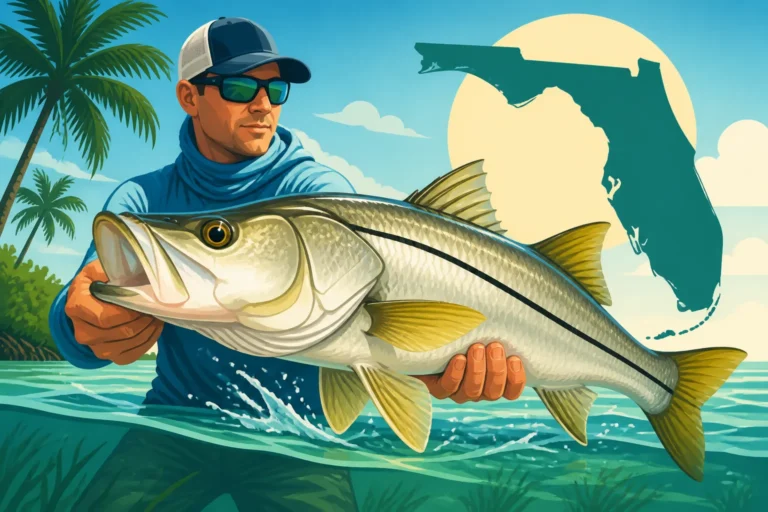
Every angler who's spent a fair amount of time on Florida's waters has felt that unique blend of excitement and anticipation, wondering what kind of fish they'll hook next. But let's be honest, sometimes you just want consistent action, or you're hoping to bring home a tasty meal without feeling like you're depleting the local population. This guide is all about satisfying that craving by diving deep into the fastest-growing sport fish found in Florida, helping you understand which species offer both thrilling bites and a quicker path to a sustainable harvest.
Why Knowing About Fast-Growing Sport Fish Matters in Florida
When you're out on the water, whether it's a calm morning on a flats boat or a bumpy offshore adventure, the type of fish you target often depends on your goals. Are you after a trophy? Or maybe you're looking for dinner? For many of us, it's about the pure joy of the tug on the line and knowing that our efforts are part of a healthy, thriving ecosystem. That's where understanding fast-growing species really shines. They provide more opportunities for action and tend to rebound quickly, making them excellent targets for regular fishing trips.
The Thrill of Consistent Action
Let's face it, nobody likes to sit on a boat or stand on the shore for hours without a single bite. It can be frustrating, especially when you've invested time, effort, and maybe even a little bit of money into your fishing trip. Fast-growing sport fish often means a more active bite. These species are typically prolific feeders, constantly on the hunt for their next meal, which translates directly into more opportunities for you to hook up. You'll find yourself reeling in fish more frequently, keeping the excitement levels high and the "skunk" off your boat. This consistent action is a huge draw for new anglers, families with kids, or anyone who simply enjoys a productive day on the water rather than a long, quiet wait. It's about maximizing your time and enjoyment when you hit the rich fishing grounds of Florida.
Contributing to Sustainable Fisheries
One of the biggest concerns for any responsible angler is the health of the fish populations we enjoy targeting. We want our kids and grandkids to experience the same incredible fishing opportunities that we do. Fast-growing species are often much more resilient to fishing pressure because they reach maturity and reproduce quickly. This means they can replenish their numbers at a faster rate, making them a more sustainable choice for harvest. When you target these species, you're helping to distribute pressure away from slower-growing, longer-lived fish that might take decades to recover from overfishing. It’s a way to enjoy the bounty of Florida's waters responsibly, ensuring that our natural resources remain vibrant for years to come. Supporting these species, whether through thoughtful harvest or careful catch and release, is a direct contribution to the overall health and future of Florida's diverse marine and freshwater environments.
Florida's Top Contenders for Fastest-Growing Sport Fish
Florida is a paradise for anglers, boasting an incredible array of fish species. But when we talk about "fastest-growing" in the context of sport fishing, we're looking at species that can go from egg to a respectable size quickly, providing ample angling opportunities and often delicious table fare. These fish are true workhorses of the ecosystem, replenishing their numbers with impressive efficiency. Let's dive into some of the top contenders that fit this description, offering both excitement and a healthy population to target.
Spotted Seatrout: The Inshore Prolific Producer
Ah, the spotted seatrout! These beautiful, speckled fish are a staple of Florida's inshore fishing scene, and for good reason. They grow quickly, reach maturity early, and are incredibly prolific spawners, often multiple times a year. A trout can grow from a tiny fry to a keeper-sized fish (usually around 15-20 inches, depending on regional regulations and how you define "keeper") in just a couple of years. This rapid growth rate makes them an excellent target for consistent action in grass flats, oyster bars, and shallow bays all across the state. They hit both artificial lures and live bait with gusto, providing a fantastic fight on light tackle. Whether you're drift fishing with a popping cork and a live shrimp or casting a soft plastic jig, you're likely to encounter a healthy population of trout. Check out our Florida Spotted Seatrout Fishing Guide for more in-depth tips on targeting these amazing fish, and always be aware of Spotted Seatrout Size and Bag Limits.
Spanish Mackerel: Coastal Speedsters
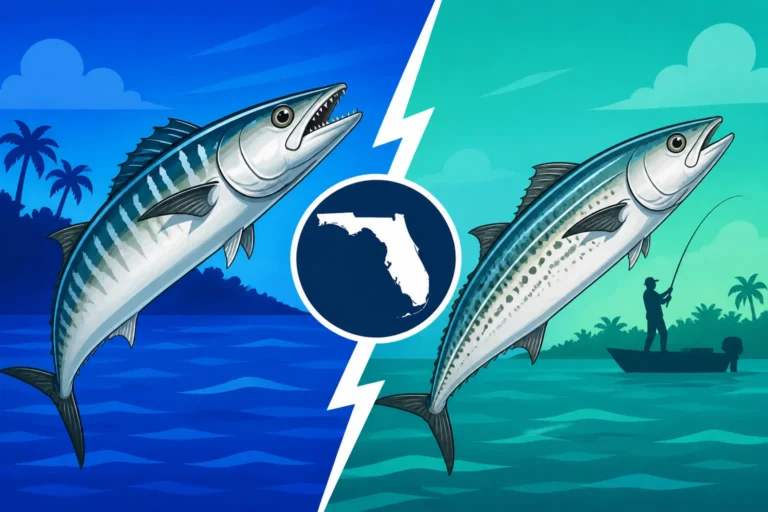
If you're looking for sheer speed and aggressive strikes, the Spanish mackerel is your fish. These torpedo-shaped predators zip through coastal waters, often found in large schools chasing baitfish. Spanish mackerel are known for their incredibly fast growth rate, maturing quickly and reproducing in huge numbers. They can go from a small bait-stealer to a powerful, drag-screaming fighter in a surprisingly short amount of time. You'll find them cruising near passes, around piers, and just offshore, especially during their migratory periods. Trolling small spoons, casting fast-moving jigs, or throwing shiny Gotcha plugs are all effective methods for hooking into these fast-paced fish. They provide exhilarating action and are fantastic table fare, though they need to be kept on ice immediately after catching for the best quality. Knowing the Florida Bag Limit for Spanish Mackerel is essential before you head out.
Mahi-Mahi (Dolphin): Offshore Growth Machines
When it comes to offshore sport fish, few can match the incredible growth rate of the mahi-mahi, often called dolphin (not to be confused with marine mammals!). These vibrant, acrobatic fish are like the sprinters of the open ocean. They can grow from a tiny hatchling to a massive bull mahi weighing 50 pounds or more in less than a year. Their diet of squid, flying fish, and smaller baitfish fuels this explosive growth. Mahi are typically found around weed lines, floating debris, and temperature breaks offshore, where they congregate in schools. The sight of a school of mahi crashing your baits is an unforgettable experience, and their aerial acrobatics during the fight are legendary. They're also one of the most delicious fish in the sea. Understanding their habits, such as described in our Florida Mahi Mahi Fishing Guide, can greatly improve your success. They are truly an offshore angler's dream, offering both a thrilling fight and a sustainable harvest due to their rapid life cycle.
Pompano: The Beach Brawler with a Rapid Life Cycle
Pompano are often considered one of Florida's premier surf fishing targets, but their appeal extends beyond the sandy beaches. These silvery, hard-fighting fish are also known for their relatively fast growth and quick turnover in the ecosystem. While they might not reach the sheer size of a mahi-mahi, they grow from a juvenile to a respectable eating size in about a year, ensuring a healthy population for anglers to pursue. Pompano are common along sandy beaches, in inlets, and within certain bay systems, especially during cooler months when they migrate along the coast. They're incredibly strong fighters for their size, providing a fantastic tug on light tackle. Small jigs, sand fleas, and fresh shrimp are irresistible to them. For more details on these feisty fish, check out the Florida Pompano Fishing Guide. Always be sure to consult the Florida Bag Limit for Pompano before you hit the surf or pier.
Here's a quick comparison of these fast-growing species:
| Species | Primary Habitat | Average Growth to Edible Size | Typical Fishing Method | Table Fare Quality |
|---|---|---|---|---|
| Spotted Seatrout | Inshore (Grass Flats) | 1-2 years | Live bait (shrimp), soft plastics | Excellent |
| Spanish Mackerel | Coastal, Nearshore | 1 year | Trolling spoons, fast jigs, Gotcha | Good (fresh) |
| Mahi-Mahi (Dolphin) | Offshore (Open Ocean) | <1 year | Trolling, pitching live baits | Excellent |
| Pompano | Surf, Inlets, Bays | ~1 year | Sand fleas, shrimp, small jigs | Superior |
Tactics for Targeting Florida's Quick Growers
Now that you know which species are the champions of rapid growth in Florida, it’s time to talk about how you can get them on the end of your line. Catching these fast-growing fish isn't just about luck; it's about understanding their habits and having the right gear and techniques in your arsenal. With a little preparation and the right approach, you can significantly increase your chances of a successful and exhilarating day on the water.
Essential Gear and Bait Recommendations
Having the correct tackle is paramount when pursuing these species. For spotted seatrout and pompano, a light to medium-light spinning rod (around 7 feet) paired with a 2500-3000 series reel spooled with 10-15 pound braided line will give you the sensitivity to feel subtle bites and the backbone to handle a good fight. A fluorocarbon leader (20-30 lb test) is often crucial for these fish, especially in clear water, as it's nearly invisible. Live shrimp are a universal killer for both, and artificial options like soft plastic paddle tails on a jig head or small pompano jigs can be incredibly effective. You can find a wide range of proven lures and tackle on platforms like Amazon that are specifically designed for inshore saltwater applications, making it easy to stock up before your trip. When learning How to Rig a Live Shrimp for Trout or choosing best bait for pompano fishing in Florida, these gear setups are perfect.
For Spanish mackerel, a slightly heavier setup might be preferred due to their aggressive strikes and speed. A medium-action spinning rod with a 4000 series reel spooled with 20-pound braid is a solid choice. A wire leader is almost a necessity to prevent their razor-sharp teeth from cutting your line. Small spoons, Gotcha plugs, and fast-retrieve jigs are excellent artificials. When considering specific gear, look for reputable brands offering saltwater-resistant components, which are often available through online retailers like Amazon.
Mahi-mahi require even sturdier gear for offshore battles. A medium-heavy conventional or spinning setup with a 30-50 pound braided main line and a heavy fluorocarbon leader (50-80 lb) is a good starting point. Trolling lures, rigged ballyhoo, or live baits like pilchards and goggle eyes are typical offerings. The fight can be powerful and extended, so reliable drag systems are a must. Many anglers will purchase their heavier offshore tackle from specialized stores, but even essentials like leaders, hooks, and swivels can be conveniently sourced from Amazon.
Prime Times and Locations to Find Them
Timing and location are everything in fishing, and targeting fast-growing species is no exception. For spotted seatrout, focus on grass flats at the changing tides, especially incoming or outgoing. Early mornings and late afternoons are often most productive, though they can bite throughout the day in cooler weather. Oyster bars and creek mouths where bait congregates are also prime spots. Our Best Time of Day to Fish in Florida and Best Tides for Inshore Fishing in Florida articles have more insights.
Spanish mackerel are often found near inlets, passes, and around structures like piers and bridges when baitfish are plentiful. Look for diving birds, which are a dead giveaway that mackerel are feeding on schools of bait just below the surface. They are migratory, so checking local fishing reports for their presence in your area is key. They're often around in spring and fall, but can be present year-round in warmer southern Florida waters.
Mahi-mahi are pelagic, meaning they live in the open ocean. Their location is heavily influenced by offshore currents, weed lines (especially Sargassum), and floating debris that attracts baitfish. They are most prevalent during warmer months and can be found anywhere from a few miles to many miles offshore, typically in water depths ranging from 50 feet to thousands of feet. Keep an eye out for sargassum weed lines or changes in water color and temperature, as these are often hot spots.
Pompano are classic surf fishing targets, particularly along sandy beaches with good wave action and troughs where they feed on sand fleas and crustaceans. They also move into inlets and passes. Cooler months generally bring better pompano fishing to many parts of Florida, as they migrate along the coast. However, they can be found year-round in certain southern locations. Learning How to Fish an Incoming Tide or How to Fish an Outgoing Tide can be especially helpful for these surf-dwelling fish.
Responsible Angling for Sustainable Catches
Catching fast-growing sport fish offers abundant opportunities, but with great opportunity comes great responsibility. Ensuring that these populations remain healthy and plentiful for future generations is a commitment we all share as anglers. This means not just following the rules, but also practicing ethical angling habits that go beyond the minimum requirements. Our impact on the fishery is a direct reflection of our actions, and making smart, informed choices is vital.
Navigating Size and Bag Limits
Florida's wildlife commission (FWC) sets specific regulations, including size and bag limits, for nearly every species. These rules are not arbitrary; they are carefully crafted based on scientific data about fish populations, growth rates, and spawning cycles. For fast-growing species like spotted seatrout, Spanish mackerel, mahi-mahi, and pompano, these limits are designed to allow for a sustainable harvest while ensuring enough fish remain to reproduce and keep the populations strong.
Before every trip, it is absolutely crucial to check the most current regulations for the species you intend to target and the specific region you'll be fishing in. For instance, trout regulations can vary by management zone, and seasonal closures might apply. Always measure your fish accurately as soon as you catch them. If a fish is undersized, or if you've already met your bag limit, it needs to go back into the water promptly and with the least amount of stress possible. Ignorance of the law is never an excuse, and violating these regulations can lead to significant fines and penalties, as detailed in our article What Happens If You Fish Without a License. Being a responsible angler means being a knowledgeable angler.
Practicing Smart Catch and Release
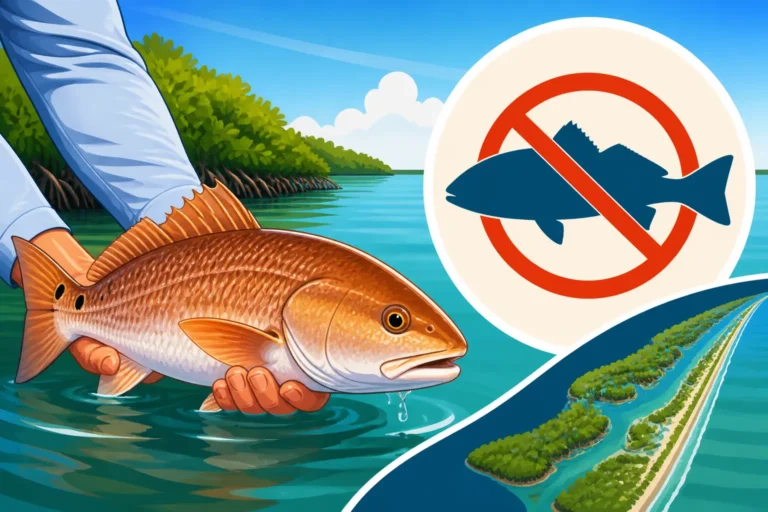
Even when targeting fast-growing species that can handle more harvest pressure, practicing proper Catch and Release Best Practices for Snook (which apply to many other species) is incredibly important for fish you don't intend to keep. Perhaps you've caught your limit, or maybe you're simply enjoying the sport and want to release your catch unharmed. Here are a few key tips to minimize stress and maximize survival rates:
- Handle Fish Gently and Quickly: The less time a fish is out of water, the better its chances of survival. Support its body weight, especially for larger fish.
- Use the Right Tools: A dehooking tool or needle-nose pliers can quickly remove hooks. Avoid tearing or excessive handling of gills and eyes.
- Wet Your Hands: If you must touch the fish, wet your hands first to protect its protective slime coat, which is vital for preventing disease.
- Avoid Over-Fighting: While the fight is fun, an exhausted fish is less likely to survive. Use appropriate tackle to bring fish in efficiently.
- Revive If Necessary: For an exhausted fish, hold it gently in the water, facing into the current, allowing water to flow over its gills until it regains strength and can swim away on its own.
By adhering to these practices, we contribute to the overall health and resilience of Florida's fish populations. Every released fish is a potential future catch and a vital part of the ecosystem. It's about respecting the resource that gives us so much joy.
Disclaimer
This article is for general informational purposes only and does not constitute professional advice. Laws, prices and regulations vary by location and change over time. Consult a qualified professional for guidance on your specific situation.