Minimum Size for Keeping a Flounder in Florida
There’s nothing quite like the thrill of feeling that distinct flounder thump on your line, followed by the fight of bringing one of these delicious flatfish to the boat or shore. But the joy can quickly turn to a moment of anxiety when you realize you’re not entirely sure if your catch is a keeper. Many anglers, even seasoned ones, find themselves scratching their heads over Florida's specific fishing regulations, especially when it comes to minimum size limits. This guide is here to cut through the confusion and give you all the details you need to confidently know the minimum size for keeping a flounder in Florida, ensuring you stay legal and contribute to healthy fish populations.
The Essential Flounder Size Limit in Florida
Let's get right to the heart of the matter because nobody wants to guess when it comes to keeping their catch. For recreational anglers targeting flounder in Florida's state and federal waters, there is a very clear minimum size limit. You might haul in a beautiful flounder, but if it doesn't meet this specific requirement, it absolutely has to go back into the water.
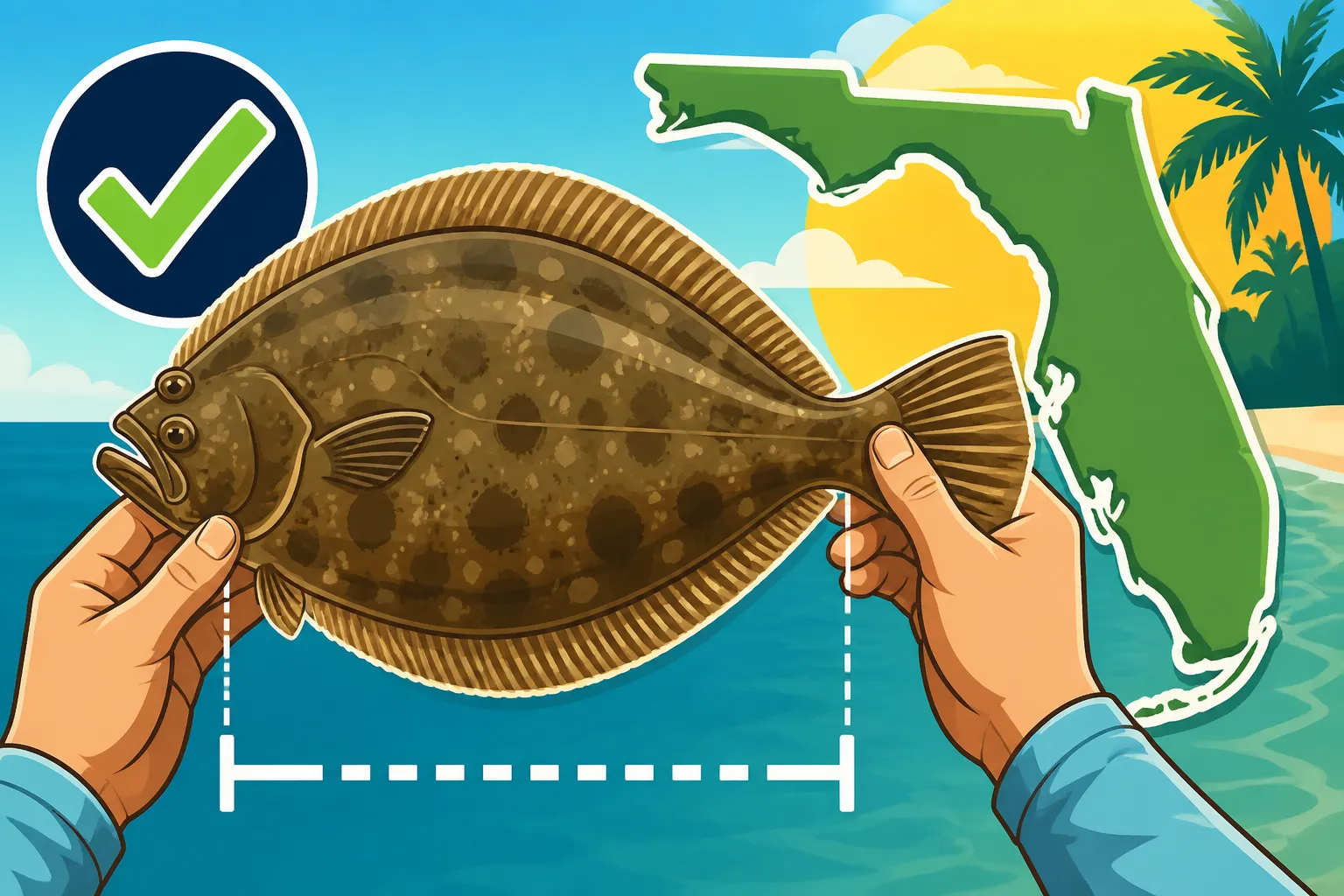
The minimum size for keeping a flounder in Florida is 14 inches total length. This isn't just a suggestion; it's a hard and fast rule set by the Florida Fish and Wildlife Conservation Commission (FWC) to ensure the longevity and health of our flounder populations. I know, it can be frustrating sometimes. You've fought a fish, you're excited, and then you lay it on your measuring board only to find it's just a hair under 14 inches. It happens to all of us! But remember, these rules aren't there to spoil your fun. They're scientifically determined to allow flounder enough time to grow, mature, and reproduce at least once before they become eligible for harvest. This sustainable approach helps guarantee that future generations of anglers, and even your own kids and grandkids, will have plenty of flounder to catch. It’s a small price to pay for the long-term health of our beloved fishery.
Consider the life cycle of a flounder. These fascinating fish start off swimming upright like typical fish, but as they mature, one eye migrates to the other side of their head, and they begin to lie flat on the seafloor, perfectly camouflaged. They need time to complete this transformation, grow to a size where they can effectively feed and avoid predators, and importantly, contribute to the next generation of flounder. Removing them from the ecosystem too early by keeping undersized fish can have a significant negative impact over time. So, while it's tough to let a feisty 13.5-inch flounder go, you're doing your part for Florida's incredible marine resources.
How to Accurately Measure Your Flounder
Knowing the 14-inch minimum size limit is one thing, but knowing how to correctly measure your flounder is equally, if not more, important. A slight miscalculation or an improper measuring technique can land you in hot water with a wildlife officer, even if your intentions were good. The FWC has clear guidelines on how to measure fish, and flounder are no exception.
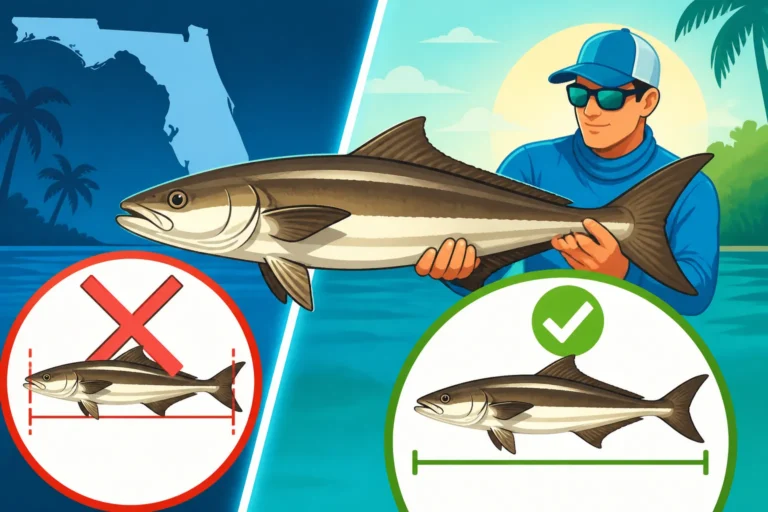
When measuring a flounder, or any fish for that matter, you need to measure its total length. This means you'll place the fish on a flat surface or against a measuring device, with its mouth closed. You then measure from the most forward point of the head (the tip of its nose or jaw) to the farthest tip of the tail, with the tail compressed or squeezed together to achieve the maximum length. It's not about measuring to the fork in the tail, which is common for some other species; for flounder, it's straight to the very end of the tail fin. This might sound simple, but in the excitement of a catch, it’s easy to rush or make a mistake. Always take your time.
To make this process easy and accurate, it's absolutely crucial to have a reliable measuring device on your boat, kayak, or pier setup. Many anglers opt for a good quality measuring board, ruler, or tape measure that is clearly marked and easy to read. You can find excellent, waterproof fish rulers that stick to your cooler or boat deck, or even flexible tape measures that roll up for easy storage, on sites like Amazon. Having one readily available will save you time and prevent any doubt. Imagine pulling up alongside a FWC patrol boat and confidently measuring your fish right there – it instills confidence not just in you, but in the officer observing you.
What if you measure it and it's too short? This is where proper handling comes in. If your flounder doesn't meet the 14-inch minimum, it must be released immediately. Handle the fish as little as possible, and with wet hands if you must touch it directly, to protect its slime coat. Avoid touching the gills or eyes. If the fish is deeply hooked, consider cutting the line as close to the hook as possible rather than trying to rip the hook out, especially if it looks like removing it would cause more damage. The goal is to get that fish back into the water quickly and safely, giving it the best chance of survival. Releasing a short fish correctly is just as important as knowing the size limit in the first place. For more general advice on handling fish for release, you might find some useful tips in our guide on Catch and Release Best Practices for Snook.
Beyond Size: Bag Limits and Flounder Conservation
While the minimum size limit is a cornerstone of flounder regulations, it's not the only rule you need to be aware of. Florida's FWC also implements daily recreational bag limits, which dictate how many flounder you can keep per person, per day. These limits work in tandem with size restrictions to ensure sustainable fishing practices and prevent overharvesting.
Currently, the recreational bag limit for flounder in Florida is five fish per person per day. This means that even if you're having an epic day and catching flounder left and right, once you’ve kept five legal-sized fish, any additional flounder you catch must be immediately released, regardless of their size. This limit applies from midnight to midnight, so you can't go out in the morning, keep five, and then go out again in the evening and keep another five. It’s a daily quota designed to spread the harvest among more anglers and reduce overall pressure on the stock. For a comprehensive overview of all the rules, it’s always a good idea to consult the Florida Fishing Regulations and Bag Limits.
Regarding seasons, flounder fishing in Florida has historically seen some changes, but for many years, the fishery has generally been open year-round with the established size and bag limits. However, regulations can and do change, sometimes annually, based on stock assessments and conservation needs. It is always your responsibility as an angler to check the latest rules before you head out. The FWC website or their free "Fish Rules" app are excellent resources for the most up-to-date information, including any unexpected closures or changes to seasons. For broader information on when different species are biting or protected, check out our guide on Florida Fishing Seasons Explained.
These combined regulations – minimum size, bag limits, and any potential seasonal closures – are all part of a larger, carefully considered conservation strategy. They are designed to allow a healthy portion of the flounder population to reach reproductive age, sustain themselves, and ensure there are plenty of fish for future seasons. It's a delicate balance, and every angler plays a crucial role in maintaining it. By adhering to these rules, you're not just avoiding fines; you're actively participating in the stewardship of Florida's incredible natural resources. This also highlights why having a good understanding of Who Needs a Fishing License in Florida is so important, as your license fees contribute directly to these conservation efforts.
| Regulation Category | Flounder Rule in Florida | Important Notes |
|---|---|---|
| Minimum Size | 14 inches total length | Measure from tip of nose to compressed tail. |
| Bag Limit | 5 fish per person per day | Applies recreational harvest. |
| Season | Generally open year-round | Always verify current FWC regulations for any changes. |
| Measuring | Total length, tail squeezed | Use a reliable, visible measuring device. |
Avoiding Penalties and Fishing Responsibly
Ignoring or simply not knowing the rules can lead to some pretty significant headaches, not to mention a dent in your wallet. FWC officers are out there to protect our resources, and they take regulations seriously. Getting caught with an undersized flounder, or exceeding your bag limit, can result in a citation and a fine. Trust me, nobody wants their fun day on the water to end with a lecture and a ticket. It's a costly mistake that's entirely avoidable with a little preparation. If you're curious about the potential repercussions, you can read more in our article about What Happens If You Keep an Undersized Fish in Florida?.
The best way to avoid these penalties is simple: be prepared and stay informed. Before every fishing trip, especially if you're targeting a specific species like flounder, take a few minutes to review the latest FWC regulations. Technology makes this incredibly easy with smartphone apps and readily accessible websites. Don't rely on old knowledge or what someone told you months ago – regulations can change. Furthermore, make sure you have the right equipment. A good, clearly marked measuring device is non-negotiable. You can pick up durable and accurate rulers and measuring tapes from your local tackle shop or online retailers like Amazon.
Beyond just following the letter of the law, responsible angling also involves ethical practices. This includes knowing your local waters, understanding fish behavior, and respecting the environment. When you’re fishing for flounder, which often hang out on sandy or muddy bottoms near structures, being mindful of your impact is key. Use appropriate gear – a light to medium spinning rod with 10-20 lb braid is usually sufficient for these bottom dwellers, and you can find great options for Best Rod and Reel Setup for Florida Inshore Fishing that will work perfectly. Whether you prefer Live Bait vs Artificial Lures for Florida Inshore Fishing, ensure your tackle is suitable for the species you're targeting and allows for quick, clean hooksets and releases.
Consider the health of the fish you release. Practicing good catch-and-release techniques for undersized flounder means they have a higher chance of survival and can contribute to the fishery later. This isn't just about legality; it's about being a good steward of Florida's amazing fishing opportunities. After all, we all want to ensure that flounder populations thrive for years to come.
Disclaimer
This article is for general informational purposes only and does not constitute professional advice. Laws, prices and regulations vary by location and change over time. Consult a qualified professional for guidance on your specific situation.