How Old Do Tarpon Live to Be?
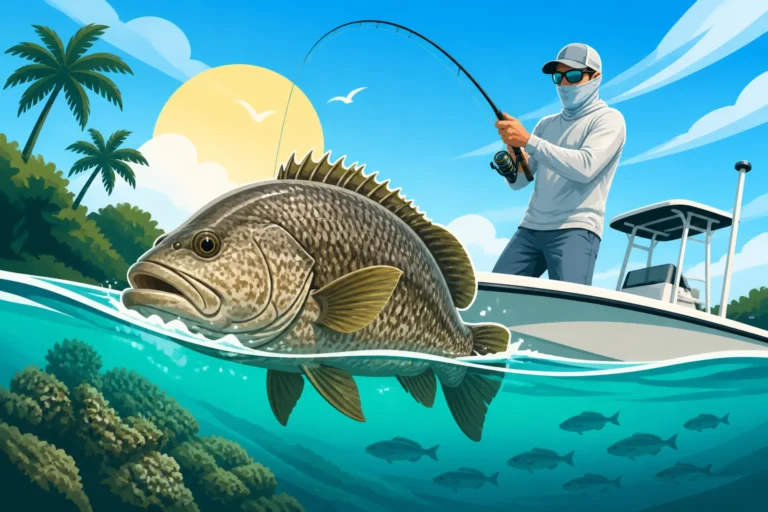
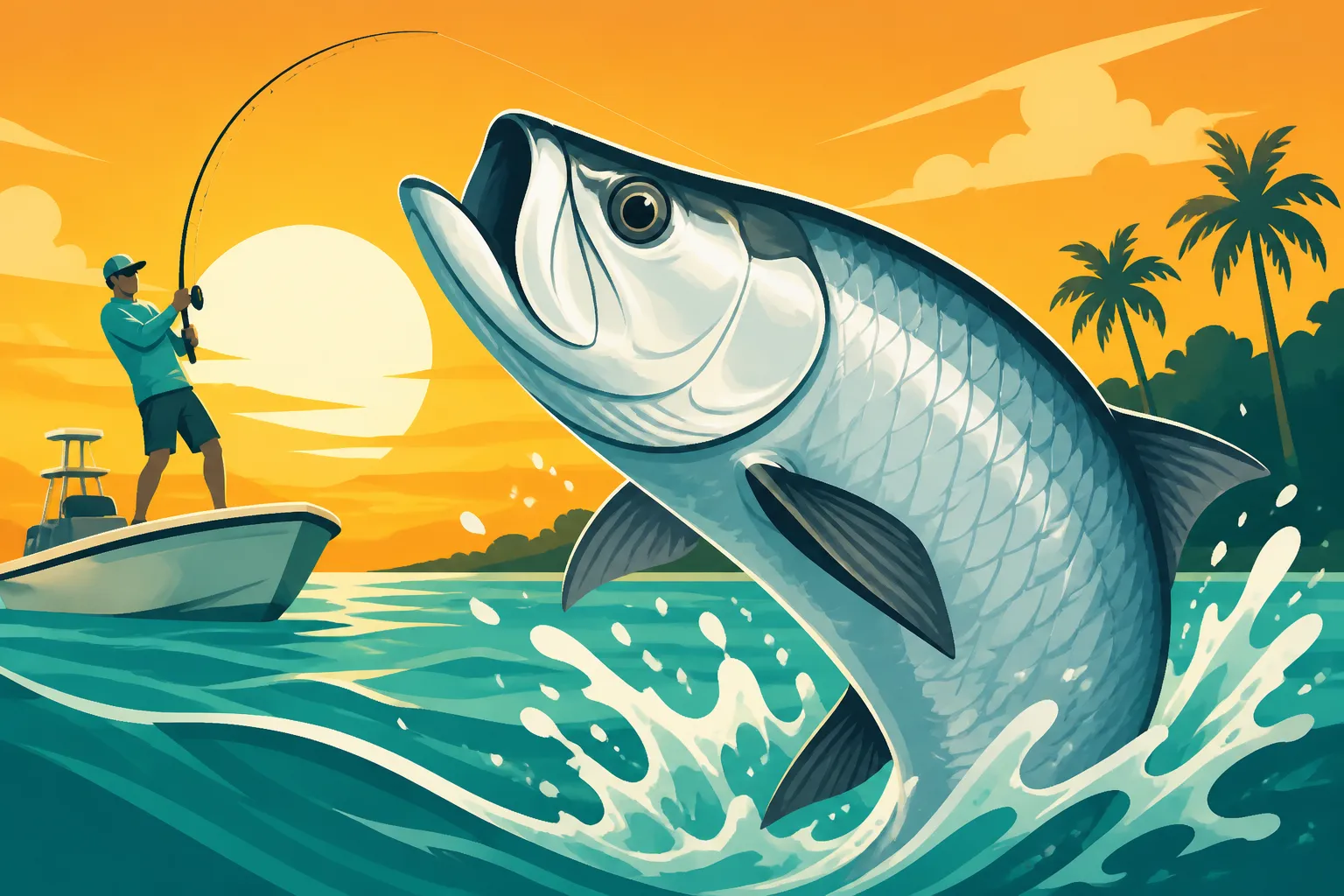
When you're out on the water, battling a powerful tarpon as it leaps and runs, you can't help but wonder about this magnificent creature's life story. These "Silver Kings" are legendary for their incredible fight, but have you ever stopped to consider just how long they've been swimming our Florida waters? Understanding a tarpon's lifespan helps us appreciate their resilience and the importance of conservation efforts. This guide is dedicated to pulling back the curtain on the impressive longevity of the tarpon, exploring the science behind their age, and the various factors that contribute to how many years these giants get to patrol the coast.
The Remarkable Lifespan of the Silver King
Tarpon ( Megalops atlanticus) are truly ancient fish, and their impressive size is matched only by their incredible ability to thrive for decades. They are one of those species that capture the imagination not just for their acrobatic jumps and powerful runs, but for the sheer span of time they exist in our ecosystems. When you hook into a really big one, you might be fighting a fish that has seen more Florida sunrises than you have!
Scientific Estimates and Average Age
When marine biologists want to figure out how old a fish is, they don't just guess. They rely on specialized methods, much like counting rings on a tree. For tarpon, one of the primary methods involves examining their otoliths, or "ear stones." These tiny structures, located in the fish's head, grow in distinct layers throughout the fish's life, creating rings that can be counted under a microscope. It’s a painstaking process, but it provides invaluable data.
Through years of such research, scientists have determined that tarpon can live for a surprisingly long time. On average, you're looking at a lifespan that often extends into the 30s and even 40s. Think about that for a moment: a fish you catch today could have been swimming around when you were just a kid, or even before you were born! The average tarpon that reaches adult size has likely been through many seasons, migrations, and encounters in its lifetime.
Documented Longevity and Record Holders
While the average lifespan is impressive, there are always outliers, the true old-timers of the tarpon world. Some individual tarpon have been documented to live for even longer, pushing the boundaries of what we might expect. The scientific literature and anecdotal reports from dedicated anglers and researchers point to some specimens reaching ages well over 50 years. Imagine a tarpon that has survived half a century, navigating everything from hurricanes to hungry sharks, and countless encounters with anglers.
These long-lived individuals are often the largest tarpon you'll encounter, having had the time to grow to truly monumental sizes. While it's rare to encounter a fish quite that old, it underscores the potential for these fish to reach an incredible age when conditions are favorable. These documented cases often come from fish that have been part of long-term tagging studies or specimens recovered for scientific analysis. It really puts into perspective the journey these magnificent fish undertake during their long lives in the wild.
Factors Influencing Tarpon Longevity
A tarpon's lifespan isn't just a set number; it's a dynamic outcome influenced by a complex interplay of environmental factors and interactions with other species, including us. Much like humans, a tarpon's health and longevity are shaped by its surroundings and experiences.
Habitat and Environmental Conditions
The quality of the environment is perhaps the most critical factor in determining how long a tarpon will live. Tarpon depend on healthy, thriving ecosystems throughout their life stages, from their early days as tiny larvae to their decades as mature adults. This means having access to clean water, abundant food sources, and suitable nursery grounds.
Estuarine systems, like the intricate network of the Everglades, and coastal waters with healthy seagrass beds and mangrove forests, provide vital shelter and feeding grounds. When these habitats are degraded by pollution, development, or natural disasters like severe red tides, it can drastically impact a tarpon's ability to find food, avoid predators, and simply survive. A tarpon living in pristine conditions with a steady food supply is much more likely to live a long, healthy life than one struggling in a polluted or resource-scarce area. Maintaining the health of these vital ecosystems is paramount for supporting the long lives of tarpon. You can learn more about specific environments in our Everglades Fishing Guide.
Predation and Human Interaction
While tarpon are formidable predators themselves, they aren't at the top of every food chain. Younger tarpon are vulnerable to a wider range of predators, including larger fish and various wading birds. As they grow, their primary natural predators become large sharks, such as bull sharks and hammerheads, which often patrol the same coastal and estuarine waters. An encounter with a powerful shark can certainly cut a tarpon's life short.
Human interaction also plays a significant role, particularly through fishing pressure. Tarpon are a highly prized sport fish, and while they are primarily a catch-and-release species in many areas, the act of being caught can still take a toll. A long fight, improper handling, or rough removal of hooks can lead to stress, injury, and even post-release mortality. This is why practicing proper Catch and Release Best Practices for Snook, which apply broadly to other large game fish like tarpon, is so crucial for ensuring these fish survive to swim another day and continue their impressive lifespans. We, as anglers, have a direct impact on their ability to reach old age.
Diet and Growth Rates
A well-fed fish is a healthy fish, and a healthy fish is a long-lived fish. Tarpon are opportunistic predators with a diverse diet that changes somewhat as they grow. As juveniles, they might feast on small minnows and crustaceans. As they mature, their diet expands to include larger baitfish like mullet, pinfish, and pilchards. You can get a deeper dive into their menu in What Do Tarpon Eat?.
Consistent access to abundant food allows tarpon to grow steadily and maintain their health, which directly contributes to their longevity. A tarpon that struggles to find food might experience stunted growth, be more susceptible to disease, or lack the energy reserves needed to migrate and spawn. Growth rates, as revealed by otolith studies, can vary depending on food availability and environmental conditions. Faster, healthier growth early in life often sets the stage for a longer overall lifespan, as the fish develops the strength and resilience needed to face the challenges of its environment.
How Scientists Determine Tarpon Age
You might be wondering how we know so much about how old these fish are. It's not like they wear little birth tags! Marine scientists have developed ingenious methods to accurately gauge the age of fish, providing invaluable data for conservation and management.
Otoliths: Nature's Age Rings
The most reliable method for determining a tarpon's age is by examining its otoliths, or "ear stones." These small, calcium carbonate structures are found in the inner ear of bony fish. They play a vital role in a fish's hearing and balance, but for scientists, they serve as a remarkable biological timeline. As a fish grows, its otoliths also grow, adding concentric layers of material, much like the rings in a tree trunk.
To age a fish, a scientist carefully removes the otoliths. For a fish like a tarpon, this usually involves sacrificing the fish (which is why these studies are typically conducted on fish caught commercially or those that have died naturally, rather than from recreational catch-and-release). The otolith is then prepared, often by slicing it very thinly, and examined under a microscope. Each pair of light and dark rings represents a year of growth. By meticulously counting these rings, scientists can determine the fish's exact age in years. This method has provided the foundational understanding of tarpon longevity and growth patterns.
Limitations and Challenges in Age Assessment
While otolith analysis is precise, it's not without its challenges, especially for a species like the tarpon. One major limitation is the difficulty in obtaining samples from such a large, highly migratory, and recreationally important fish that is largely protected by catch-and-release regulations. Collecting enough specimens to form a comprehensive dataset over various age classes and geographical areas can be tough.
Furthermore, interpreting otolith rings can sometimes be tricky. Environmental stressors, periods of starvation, or even rapid growth spurts can affect the clarity and spacing of the rings, making accurate counting a specialized skill. For very old fish, the inner rings can become compacted and harder to distinguish. Despite these challenges, otolith research remains the gold standard, providing the scientific backbone for everything we know about how old tarpon live to be. For anglers interested in the science, you might find some excellent resources, like field guides or scientific journals, available digitally or physically on Amazon that delve into these fascinating biological details.
Tarpon Through the Years: Growth and Maturity
A tarpon's life is a journey of incredible transformation, starting from a tiny, almost transparent larva and growing into the formidable "Silver King" we admire. Each stage is critical, and the duration of these stages ultimately contributes to their overall longevity.
From Larvae to Juvenile
The life of a tarpon begins far offshore, where adult tarpon migrate to spawn. Once fertilized, the eggs hatch into what's known as a leptocephalus larva. These larvae are truly unique: transparent, ribbon-like, and quite unlike the adult fish. They drift with ocean currents, feeding on microscopic particles. This larval stage is a period of high vulnerability, but also rapid transformation.
As they develop, these larvae undergo metamorphosis and eventually make their way into sheltered coastal estuaries, mangrove forests, and even freshwater canals. Here, as juveniles, they begin to resemble miniature versions of adult tarpon. These nutrient-rich nursery habitats are crucial for their survival and early growth. During this time, they feed voraciously on smaller fish and crustaceans, growing quickly to escape many of their early predators. The success of this juvenile stage significantly impacts how many tarpon survive to become adults and how long they might eventually live.
Adult Life and Reproductive Cycle
Once a tarpon reaches maturity, usually around 7-10 years old, it begins its annual reproductive cycle, contributing to the next generation of these magnificent fish. They embark on complex, often extensive, migrations to offshore spawning grounds, typically in the late spring and summer months. Where Do Tarpon Spawn in Florida? is a fascinating topic that highlights these critical journeys.
Unlike many fish that stop growing once they reach sexual maturity, tarpon continue to grow throughout their entire lives, albeit at a slower rate once they are adults. This continuous growth is one of the reasons they can reach such impressive sizes, as discussed in How Big Do Tarpon Get in Florida?. A tarpon's adult life is a continuous cycle of feeding, migrating, and reproducing, all while navigating the ever-changing challenges of their environment. Their long lifespan means that individual tarpon can contribute to the gene pool for many decades, making them a vital component of Florida's marine ecosystems. When you're fishing for these incredible creatures, whether you're using specialized rods and reels or just looking for the right lures on Amazon, remember the incredible life journey each one has undertaken.
Charting the Lifespan: Key Influencers
To summarize, a tarpon's ability to reach its impressive maximum age is a testament to its adaptability and the health of its environment. Here’s a quick overview of the key factors at play:
| Factor | Impact on Tarpon Lifespan | Description |
|---|---|---|
| Healthy Habitat | Positive (Increased) | Abundant food, clean water, and diverse ecosystems like estuaries and mangroves provide essential shelter and sustenance, promoting robust health and growth. |
| Predation | Negative (Decreased) | While large sharks are natural predators, human fishing pressure, even with catch and release, can inadvertently shorten lifespans if fish are not handled properly. |
| Environmental Stressors | Negative (Decreased) | Events like severe cold snaps, harmful algal blooms (red tides), and widespread habitat degradation directly impact tarpon health, survival rates, and longevity. |
| Food Availability | Positive (Increased) | Consistent and ample access to preferred prey items ensures sufficient energy for growth, migration, and reproduction, all of which contribute to a longer, healthier life. |
| Catch & Release Practices | Neutral/Negative (Can decrease if poor) | Proper handling techniques, minimal fight time, and swift, careful release are absolutely crucial for ensuring the survival of a caught tarpon, allowing it to continue its life journey. |
Ultimately, the goal for any angler or conservationist should be to ensure that these magnificent "Silver Kings" have every opportunity to live out their full, impressive lifespans. Their longevity is a barometer for the health of our coastal waters, and protecting them means protecting the entire ecosystem they inhabit.
Disclaimer
This article is for general informational purposes only and does not constitute professional advice. Laws, prices and regulations vary by location and change over time. Consult a qualified professional for guidance on your specific situation.