Live Bait vs Artificial Lures for Florida Inshore Fishing
The age-old question for any angler hitting the stunning inshore waters of Florida often boils down to a fundamental choice: do you rig up with natural, wriggling live bait, or do you reach for the latest, most realistic artificial lure? It's a dilemma that can genuinely impact your success on the water, leading to frustration when you're not getting bites and seeing others land fish. This comprehensive guide will delve deep into both methods, helping you understand their unique advantages, when to employ them, and how to make the best decision for your next Florida inshore fishing adventure.
Understanding the Appeal of Live Bait for Inshore Fishing
There's something undeniably effective about presenting a living, breathing meal to a hungry fish. Live bait has been the cornerstone of fishing for centuries, and for good reason. In the intricate ecosystems of Florida's inshore flats, mangroves, and grass beds, a natural presentation can often be the difference between a slow day and a banner one.
The Natural Instinct Trigger
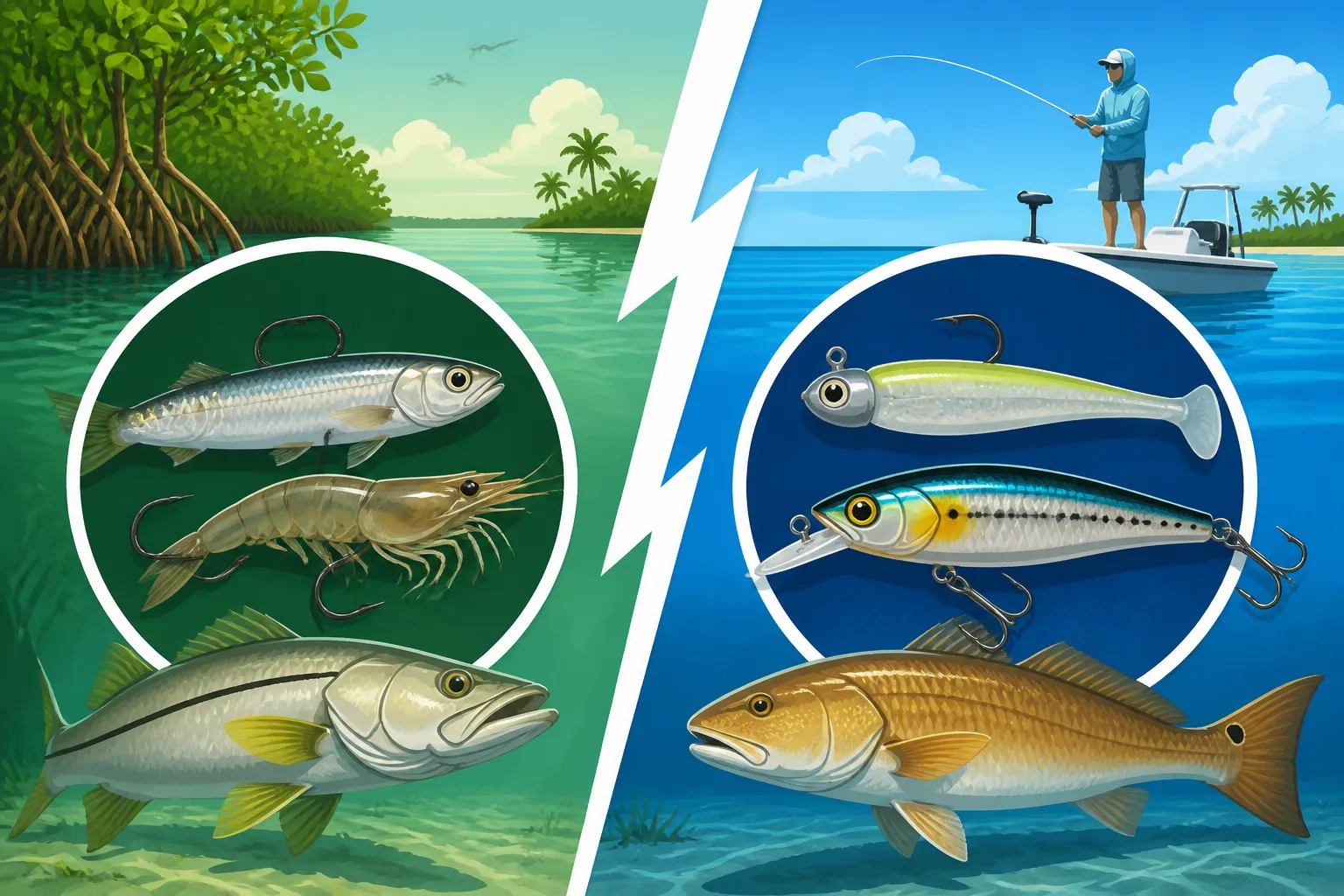
Live bait excels at triggering a fish's most primal instincts. Unlike an artificial lure, which relies on an angler's skill to impart lifelike action, live bait moves, breathes, and smells like genuine prey. A struggling pilchard, a shrimp flicking its tail, or a crab scuttling across the bottom emits natural vibrations and scents that fish are hardwired to detect and respond to. This organic appeal can be particularly effective when fish are pressured or finicky, as they are less likely to be fooled by an unnatural presentation. The subtle movements, the panicked darting, and even the faint distress signals of live bait are cues that predatory fish simply can't ignore, often resulting in more aggressive strikes.
Moreover, the scent trail created by live bait is a huge advantage, especially in murky water or low-light conditions where visibility is reduced. Fish rely heavily on their olfactory senses to locate food, and a live shrimp or baitfish continuously releases natural odors into the water, acting as an irresistible beacon. This natural chumming effect can draw fish from a wider area, increasing your chances of a bite even when they aren't actively hunting by sight. When you're trying to entice a wary snook hiding deep in the mangroves or a redfish rooting around in thick grass, that natural scent can be the ultimate game-changer.
Species-Specific Effectiveness
Certain Florida inshore species show a distinct preference for live bait. While many fish will strike artificials, some are notoriously picky and seem to be more consistently caught using live offerings. Take tarpon, for instance, often called the "Silver King." While some anglers have mastered fly fishing for Florida Tarpon, many find that a live mullet or crab is almost essential for consistent hookups, especially for larger fish. Similarly, big snook lurking in ambush points will often ignore artificials but quickly inhale a well-presented live pilchard or whitebait.
Redfish, another popular inshore target, can be caught on a variety of lures, but when they're feeding cautiously on the flats, a live shrimp or small crab presented quietly can be incredibly effective. Even spotted seatrout, which are often eager to strike a MirrOlure or a soft plastic, will frequently pounce on a live shrimp with unparalleled enthusiasm. Understanding these species-specific preferences can help you decide whether to stock up on live bait or rely on your tackle box. This knowledge is crucial for optimizing your approach and increasing your catch rate, particularly when targeting trophy-sized fish that have seen every lure in the book.
Sourcing and Keeping Live Bait
Acquiring and maintaining live bait is an art in itself. Many dedicated anglers prefer to catch their own, often using a cast net for live bait in Florida waters. Targeting baitfish like pilchards, threadfin herring, or mullet can be a rewarding experience, but it also requires skill, time, and the right equipment. Local bait shops are another convenient option, offering everything from live shrimp and pinfish to various sizes of baitfish. Prices can fluctuate depending on the season and availability, and it's a cost to factor into your fishing budget.
Once acquired, keeping live bait healthy is paramount. A good livewell with proper aeration and circulation is essential, especially on warmer days. Many anglers invest in portable bait buckets with aerators, which you can find on Amazon or at local tackle stores, to ensure their bait stays lively throughout the fishing trip. The health of your bait directly correlates with its effectiveness; a weak, dying baitfish is far less appealing than a vibrant, energetic one. Regularly checking water quality, avoiding overcrowding, and even adding ice to keep water temperatures down can make a significant difference in bait longevity and performance.
The Allure and Advantages of Artificial Lures
While live bait holds a special place in the hearts of many, artificial lures have revolutionized inshore fishing, offering unparalleled versatility, convenience, and a rewarding challenge for anglers. The constant innovation in lure design means there's almost always a perfect imitation for any forage or feeding scenario.
Versatility and Mimicry
Modern artificial lures are engineering marvels designed to mimic virtually any type of prey found in Florida's inshore waters. From soft plastic shrimp imitations that perfectly replicate the real thing's erratic movements to hard-bodied topwater lures that splash and dart like fleeing baitfish, the options are endless. This incredible versatility allows anglers to "match the hatch" — selecting a lure that closely resembles the prevalent baitfish or crustaceans in the area. If you know the fish are keying in on small greenbacks, you can choose a soft plastic swimbait in a similar size and color. If crabs are abundant, a realistic crab imitation can be deadly.
Furthermore, artificial lures offer diverse actions and presentations that live bait simply can't replicate. You can twitch a jerkbait, bounce a jig along the bottom, or walk the dog with a topwater plug, creating a wide array of enticing movements. This control allows anglers to experiment and find what triggers a strike on any given day. The ability to quickly change lures, colors, and retrieve speeds to adapt to changing conditions or fish preferences gives artificial lures a distinct advantage in terms of adaptability. This dynamic approach to fishing can be incredibly engaging, turning each cast into an opportunity to solve a puzzle.
Convenience and Cost-Effectiveness
One of the most significant advantages of artificial lures is their sheer convenience. There's no need to spend time cast netting bait or rushing to the bait shop before daylight. You simply grab your tackle box, and you're ready to hit the water. This saves valuable fishing time and reduces the logistical complexities of a trip. Lures also eliminate the need for specialized bait-keeping equipment like livewells or aerators, simplifying your setup and cleanup. You don't have to worry about running out of bait mid-trip, nor do you have to dispose of leftover bait at the end of the day.
While the initial investment in a good assortment of artificial lures might seem higher than a bucket of live shrimp, they are often more cost-effective in the long run. A single lure can be used for countless fishing trips, whereas live bait is a one-time use item. Many popular artificial lures are durable, and even if one gets lost or damaged, replacing it is straightforward. Over time, an angler who primarily uses artificials will often spend less than one who consistently buys or catches and maintains live bait. Plus, you can easily stock up on your favorite lures, from brands like Z-Man or D.O.A., online on platforms like Amazon, ensuring you're always prepared.
Skill Development and Presentation
Fishing with artificial lures demands a higher degree of skill and engagement from the angler. It's not just about putting bait in front of a fish; it's about actively presenting the lure in a way that convinces the fish it's real. This involves mastering various retrieve techniques, understanding how different lures behave in the water, and developing a keen sense of touch to detect subtle bites. Learning to work a topwater plug to imitate a wounded baitfish, or to bounce a jig along oyster beds without snagging, hones your angling abilities and provides immense satisfaction when a fish commits to your carefully executed retrieve.
This emphasis on skill development translates into a deeper understanding of fish behavior and habitat. As you experiment with different lures and presentations, you learn more about what fish are feeding on, where they're holding, and how they react to various stimuli. It pushes you to become a more thoughtful and observant angler, constantly analyzing conditions and refining your approach. The reward of fooling a wary game fish with an artificial lure, knowing that your skill was the primary factor in generating that strike, is an incredibly fulfilling experience for many anglers.
When to Choose Live Bait: Scenarios and Species
Deciding when to use live bait versus artificial lures isn't a hard and fast rule; rather, it's about understanding the conditions, the target species, and the fish's mood. There are definitely times when live bait holds a distinct advantage, often making it the go-to choice for seasoned pros.
Tough Bite Conditions and Finicky Fish
We've all been there: you're on the water, the conditions look perfect, but the fish just aren't cooperating. This is often when live bait truly shines. When fish are finicky, pressured, or experiencing a "tough bite" due to factors like changing weather patterns, strong fronts, or heavy boat traffic, a lively natural offering can be the only thing that tempts them. An artificial lure, no matter how realistic, requires the fish to commit to a visual presentation and motion, which they might be unwilling to do when sluggish or wary.
In contrast, a live shrimp or small baitfish presented naturally simply requires the fish to open its mouth and feed. The subtle movements, the natural scent, and the genuine vulnerability of live prey are often enough to trigger a strike when all else fails. During a particularly slow day, anchoring up on a promising grass flat or near a mangrove island and freelining a live pilchard can often turn the tide, eliciting strikes from fish that ignored every artificial in your tackle box. This strategy is particularly effective when the water is clear and fish have ample opportunity to scrutinize your offering.
Targeting Predatory Game Fish
For anglers specifically targeting larger, more aggressive predatory game fish, live bait is frequently the preferred method. Species like big snook, redfish, and especially tarpon, known for their size and fighting prowess, often prefer a substantial, living meal. While these fish can certainly be caught on artificials, the consistent success rates for trophy-sized specimens often lean heavily towards live bait. A large live mullet or ladyfish slowly drifting under a float near an inlet can be an irresistible meal for a monster snook or a migratory tarpon.
Consider the immense amount of energy a large game fish expends in a single fight. They are not always looking for a chase; sometimes, they prefer an easy, high-calorie meal. Live bait provides just that – a slow-moving, nutritious target that requires minimal effort to subdue. When you're dreaming of that personal best redfish or a snook that tests the limits of your gear, especially the best rod and reel setup for Florida inshore fishing, don't underestimate the power of a lively, healthy baitfish.
Specific Florida Inshore Species That Prefer Live Bait
While many species are opportunistic, some Florida inshore residents have a well-documented preference for live bait. For instance, the formidable goliath grouper, though primarily a catch-and-release species, is almost exclusively targeted with large live or dead bait due to its immense size and predatory nature. Similarly, when targeting large snook in inlets or along structure, live pilchards, pinfish, or mullet are often considered top-tier choices. For these highly sought-after fish, particularly when they are wary or not actively feeding aggressively, nothing beats a natural presentation.
Many anglers find that when trying to land a substantial redfish, especially during the colder months when they might be a bit more lethargic, a live shrimp or small crab presented on the bottom or under a popping cork often works wonders. Even mangrove snapper, a smaller but delicious inshore species, responds incredibly well to live shrimp or small baitfish presented near structure. Knowing which species are more likely to strike live bait can significantly streamline your approach and increase your chances of success. When you're focused on a particular target, consulting a Florida Snook Fishing Guide or a Florida Redfish Fishing Guide will often highlight the effectiveness of live offerings.
When to Opt for Artificial Lures: Situations and Strategies
While live bait has its moments, artificial lures offer their own set of advantages that make them indispensable for many Florida inshore anglers. They provide efficiency, versatility, and the ability to cover vast amounts of water, often outperforming live bait in specific scenarios.
Covering Water and Locating Fish
One of the most significant benefits of artificial lures is their efficiency in covering large expanses of water. Unlike live bait, which is often fished more passively or cast to a specific spot, lures allow you to make countless casts, retrieve quickly, and thoroughly explore an area. This is particularly valuable when you're trying to locate actively feeding fish on expansive grass flats, searching for schools of baitfish, or working along lengthy mangrove lines. A skilled angler can fan-cast a soft plastic jig or a topwater lure across a flat, covering a wide swath of territory in a short amount of time.
This search-and-destroy method is incredibly effective for finding concentrations of fish, especially when you're unfamiliar with a particular spot or when fish are scattered. Instead of waiting for fish to come to your bait, you're actively seeking them out. Once a fish is located and caught on an artificial, you can then focus your efforts more precisely. This strategy is often employed by tournament anglers who need to find fish quickly and efficiently, and by recreational anglers who simply want to maximize their chances of encountering biting fish. This is where Florida Inshore Fishing Techniques really come into play.
Matching the Hatch and Experimentation
Artificial lures truly shine in their ability to "match the hatch" – that is, to select a lure that perfectly imitates the size, shape, and color of the natural forage fish are currently feeding on. When you observe schools of baitfish like glass minnows or finger mullet flickering on the surface, you can tie on a silver spoon or a small swimbait that perfectly mimics their appearance. If the fish are eating shrimp, a realistic soft plastic shrimp imitation fished with an erratic retrieve can be incredibly effective. This precision allows anglers to capitalize on specific feeding patterns, often leading to explosive strikes.
The sheer variety of artificial lures also encourages experimentation, which is vital in figuring out what the fish want on any given day. If one lure isn't working, you can quickly switch to a different color, size, action, or depth. This trial-and-error process helps you understand the fish's preferences, the water conditions, and the effectiveness of various presentations. For instance, sometimes a subtle retrieve is best, while other times a fast, aggressive twitch might be the ticket. Brands like D.O.A. and MirrOlure offer a vast array of options, making it easy to adapt to whatever the fish are keying in on.
Ethical Angling and Conservation
For many conservation-minded anglers, artificial lures offer significant ethical advantages, particularly when practicing catch-and-release. Fish caught on artificial lures, especially those with single hooks, often suffer less injury compared to those that swallow a live bait with a treble hook or multiple points. The hook-up tends to be in the mouth or jaw, making removal easier and less traumatic. This is especially important for species like tarpon and snook, which are highly valued for their sportfishing qualities and often released. To learn more about how to ensure the best outcome for released fish, check out Catch and Release Best Practices for Snook.
Furthermore, using artificial lures reduces the potential for "gut hooking," where a fish swallows the bait and hook deep into its throat or stomach. While anglers can take precautions with live bait, gut hooking is an inherent risk. With artificials, you typically set the hook as soon as you feel the strike, often before the fish has fully ingested the lure. This leads to a higher survival rate for released fish, contributing to the sustainability of Florida's valuable inshore fisheries. This mindful approach aligns with broader conservation efforts, ensuring healthy fish populations for future generations of anglers.
Gear Considerations for Both Approaches
The choice between live bait and artificial lures also impacts your gear selection. While there's certainly overlap, optimizing your rod, reel, and terminal tackle for your chosen method can significantly improve your presentation, hook-up ratios, and overall fishing experience. Having the right tools for the job makes all the difference.
Rod and Reel Setups for Live Bait
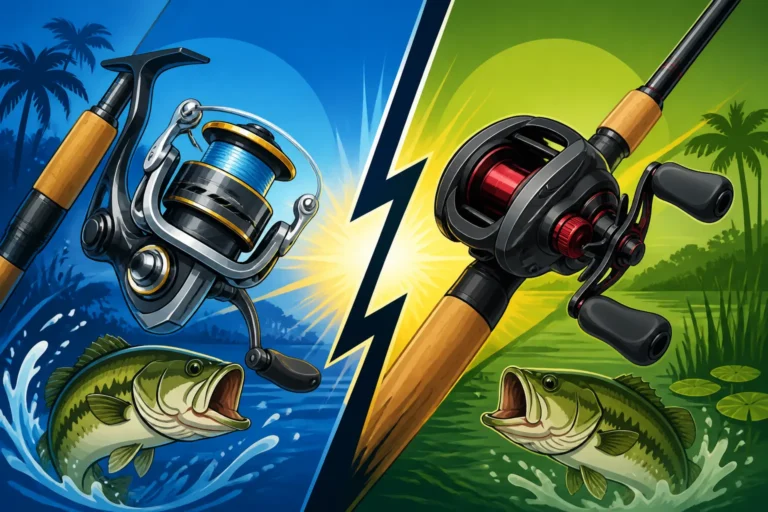
When fishing with live bait, especially for larger inshore species, a slightly heavier and more robust setup is often preferred. You're typically dealing with larger baits that create more drag in the water, and you need the backbone to cast them effectively. A medium-heavy to heavy power spinning rod, usually between 7 and 7.5 feet in length, provides the necessary leverage for casting live pilchards, mullet, or crabs without excessive whip. This power also helps to control struggling bait and subdue strong fish.
For the reel, a durable spinning reel in the 3000 to 5000 size range, spooled with 15-30 lb braided line, is a common choice. The braided line offers superior casting distance and sensitivity, allowing you to feel even the slightest tap. You'll typically use a fluorocarbon leader of 20-50 lb test, depending on the target species and water clarity, to connect your main line to the hook. Circle hooks are often favored for live bait as they tend to hook fish in the corner of the mouth, reducing the chance of gut hooking and making releases easier. Understanding Florida Inshore Fishing Techniques will help you choose the right setup.
Rod and Reel Setups for Artificial Lures
Fishing with artificial lures, particularly soft plastics and lighter jigs, generally calls for a more sensitive and lighter setup. The goal is to feel every subtle bump and vibration as you work the lure. A medium to medium-light power spinning rod, typically 6.5 to 7.5 feet long, with a fast action tip, is ideal. The fast action allows for quick, precise hook sets and provides excellent feel for lure manipulation. Lighter rods also reduce fatigue when making hundreds of casts throughout the day.
Matching this rod with a smaller, lighter spinning reel (2500-3000 size) spooled with 10-20 lb braided line is a common practice. This lighter line, combined with a 15-25 lb fluorocarbon leader, offers maximum casting distance for lighter lures and incredible sensitivity. The goal is to make the lure feel like an extension of your hand, allowing you to impart the most natural action possible. When selecting a new setup, consider researching the Best Rod and Reel Setup for Florida Inshore Fishing to ensure you’re investing wisely for your preferred lure style. For topwater lures like those used in Topwater Lure Fishing for Snook, some anglers prefer a slightly shorter, stiffer rod for better lure control.
Terminal Tackle Differences
The terminal tackle used for live bait and artificials also varies significantly. For live bait, simplicity is often key. You'll typically use a single circle hook (size 1/0 to 5/0, depending on bait and target), perhaps a small split shot or an egg sinker if you need to get the bait down, and sometimes a popping cork to keep the bait suspended and create enticing noise. Swivels might be used to prevent line twist, especially with baits that spin.
| Feature | Live Bait | Artificial Lures |
|---|---|---|
| Primary Appeal | Natural scent, movement, and vulnerability | Visual mimicry, varied action, angler-imparted motion |
| Convenience | Requires sourcing, keeping alive, messy | Grab and go, clean, reusable |
| Cost | Ongoing purchase/time to catch | Higher initial investment, reusable, long-term savings |
| Skill Level | Easier for beginners to get bites, less casting | Demands technique, presentation skill, active fishing |
| Best for | Finicky fish, tough bites, specific predators | Covering water, searching, diverse conditions, conservation |
| Terminal Tackle | Circle hooks, split shot, popping cork, swivels | Jig heads, treble hooks (on plugs), snaps, leader |
| Rod/Reel | Medium-heavy to heavy, 3000-5000 reel | Medium-light to medium, 2500-3000 reel |
| Conservation | Higher risk of deep hooking | Generally less traumatic, easier release, single hooks |
For artificial lures, the options are more diverse. Jig heads are fundamental for soft plastics, with varying weights and hook sizes to match the lure and desired sink rate. Swivels are often unnecessary, but a strong fluorocarbon leader is always recommended. For hard baits like topwater plugs or jerkbaits, a small, strong snap swivel might be used to allow for quick lure changes and ensure the lure's action isn't hindered. Many artificial lures come pre-rigged with treble hooks, though some anglers opt to swap them out for single inline hooks for easier release and less damage to the fish. You can find a vast selection of terminal tackle, from hooks to leaders, at your local tackle shop or through online retailers like Amazon.
Hybrid Approaches and Strategic Combinations
The decision between live bait and artificial lures doesn't always have to be black and white. Many savvy Florida inshore anglers employ hybrid strategies, combining the best aspects of both worlds to maximize their chances of success. It's about being adaptable and understanding when a blended approach might yield better results.
Tipping Lures with Live Bait
One of the most popular hybrid tactics is "tipping" an artificial lure with a piece of live bait. This technique combines the attractive movement and visual appeal of an artificial lure with the irresistible scent and taste of natural bait. A common example in Florida is putting a piece of live or dead shrimp on the hook of a soft plastic jig head. The soft plastic provides the profile and action, while the shrimp offers a potent scent trail that can entice hesitant fish to strike. This is especially effective when fish are somewhat lethargic or the bite is slow.
This method works well for various species, including redfish, trout, and snook, particularly in cooler water or during post-front conditions when fish might not be aggressively chasing lures. The added scent can encourage a fish that might have just followed the lure to commit and take a bite. You can experiment with different combinations: a small piece of squid on a jig, a chunk of cut bait on a bucktail, or even a small live worm on a weedless soft plastic. The key is to enhance the artificial's appeal without hindering its action.
Switching Between Methods
An often overlooked but highly effective strategy is simply being prepared to switch between live bait and artificial lures based on what the fish are telling you. Start your day by covering water with artificials to locate actively feeding fish. If you find a promising area but the fish aren't committing to your lures, anchor down and try presenting live bait. Conversely, if you're getting bites on live bait but want to be more active, try mimicking your live bait's size and color with an artificial lure.
Being versatile is a hallmark of a successful inshore angler. Conditions change rapidly in Florida – tides shift, bait schools move, and fish moods fluctuate. What worked an hour ago might not work now. Keeping both options open and having the gear ready for either method allows you to adapt on the fly. You might start a morning trip targeting trout on artificials during the Best Time of Day to Fish in Florida, but if the bite slows, switch to freelining live pilchards for a chance at a redfish or snook. This flexibility maximizes your time on the water and your chances of a successful outing. Remember to also consider Best Tides for Inshore Fishing in Florida when deciding to switch up your methods.
Reading the Conditions for Optimal Choice
Ultimately, the decision to use live bait, artificial lures, or a combination of both comes down to reading the specific conditions of your fishing spot on any given day. Factors like water clarity, water temperature, current, wind, and the presence of natural forage all play a role.
- Water Clarity: In clear water, artificial lures need to be highly realistic, but so does live bait – a fish has more time to inspect. In murky water, the scent of live bait can be a massive advantage, but artificials with strong vibrations or bright colors can also attract attention.
- Water Temperature: Colder water often means fish are less active. A slow-fished live bait that requires minimal effort from the fish can be more effective than a fast-moving artificial. In warmer water, aggressive fish might readily chase and strike fast-moving lures.
- Tide and Current: Strong currents might make it difficult to present lighter artificials effectively, whereas a live bait can drift naturally with the flow. Conversely, a jig or soft plastic can be bounced along the bottom in current to mimic natural forage.
- Presence of Forage: If there's a strong "hatch" of a particular baitfish, matching that with an artificial lure can be incredibly productive. If bait is scarce, live bait might be more appealing as it represents an easy meal.
By paying attention to these environmental cues and continuously experimenting, you'll develop an intuitive sense of when to reach for the bucket of live bait or the tackle box full of artificials, becoming a truly well-rounded and effective Florida inshore angler.
Disclaimer
Fishing regulations, seasons, and licensing requirements can change. Always consult the latest Florida Fish and Wildlife Conservation Commission (FWC) regulations before heading out to fish. This guide is for informational purposes only and should not replace official FWC resources.