Florida Flats Fishing Guide Rates
Thinking about booking a Florida flats fishing guide can bring up a lot of questions, especially when you start looking at the prices. It’s easy to feel overwhelmed by the range of rates and wonder what exactly you’re getting for your hard-earned money. Many anglers, new and experienced alike, struggle to understand why some trips cost more than others and what truly defines a quality experience. This comprehensive guide is here to demystify Florida flats fishing guide rates, breaking down all the factors that contribute to the cost and helping you make an informed decision for your next unforgettable fishing adventure.
What Exactly is Florida Flats Fishing?
When you hear "flats fishing" in Florida, it conjures images of crystal-clear, shallow water, often just inches deep, teeming with elusive game fish. It's a highly specialized and intimate style of fishing that's worlds apart from dropping a line off a pier or trolling in the open ocean. If you’ve ever tried to spot a camouflaged fish in a foot of water, you know the thrill and challenge involved. This isn't just fishing; it's a hunt, a stealth mission, and a deep connection with the unique ecosystem of Florida's inshore waters.
The Unique Appeal of the Flats
The allure of the flats lies in their pristine beauty and the intense, visual nature of the fishing. Imagine gliding silently across a glassy expanse of water, scanning for the subtle signs of fish: a nervous school of bait, a faint ripple, or the tell-tale "tailing" of a redfish rooting in the grass. This is sight fishing at its finest, demanding keen eyes from both angler and guide, precise casting, and often, a whole lot of patience. It’s not about quantity; it’s about the quality of the encounter, the challenge, and the reward of outsmarting a wary predator in its natural habitat. The environment itself, with its mangroves, seagrass beds, and abundant birdlife, provides a stunning backdrop that makes every trip feel like an escape into a wild, untamed paradise.
One of the most captivating aspects is the shallow water itself. Being able to see the fish you're targeting, to watch its reaction to your fly or lure, and to witness the strike unfold before your very eyes, is an experience that conventional fishing rarely offers. It creates a direct, visceral connection to the fish that makes the battle even more thrilling. Many anglers find this visual interaction so addictive that once they've experienced flats fishing, other forms of angling just don't quite compare.
Target Species and the Experience
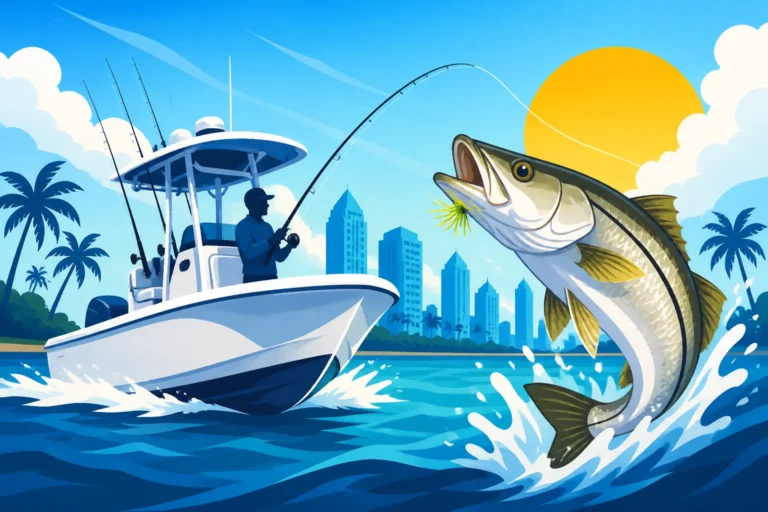
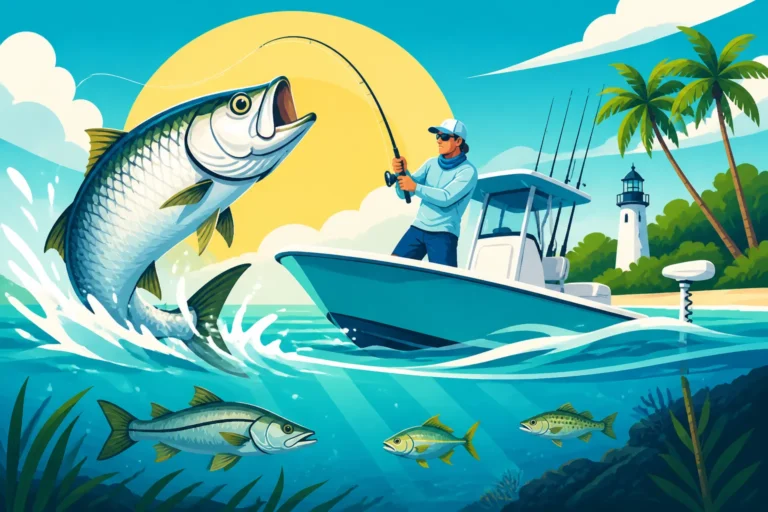
While a wide variety of fish can be found on the flats, the "Big Three" that most anglers target are snook, redfish, and tarpon. These aren't just any fish; they are legendary sport fish renowned for their fighting ability and the challenge they present. Chasing a snook along a mangrove edge, casting to a schooling redfish in the grass, or battling a giant "Silver King" tarpon as it leaps from the water are the kinds of moments that define a Florida flats fishing trip. Each species demands different approaches, different flies or lures, and different levels of stealth.
Beyond the Big Three, you might also encounter permit, speckled trout, and even sharks patrolling the shallower edges. The pursuit of these fish is often done with light tackle or fly fishing gear, further enhancing the sporting challenge. It's an active style of fishing where you're constantly engaged, observing, and preparing for that perfect shot. A skilled guide will not only put you on these fish but will also teach you how to spot them, how to present your offering effectively, and how to fight them successfully in shallow water. You're not just buying a boat ride; you're investing in an educational, immersive, and often humbling angling experience. For more on what these amazing fish are all about, check out our Florida Snook Fishing Guide or Florida Tarpon Fishing Guide.
Specialized Gear and Techniques
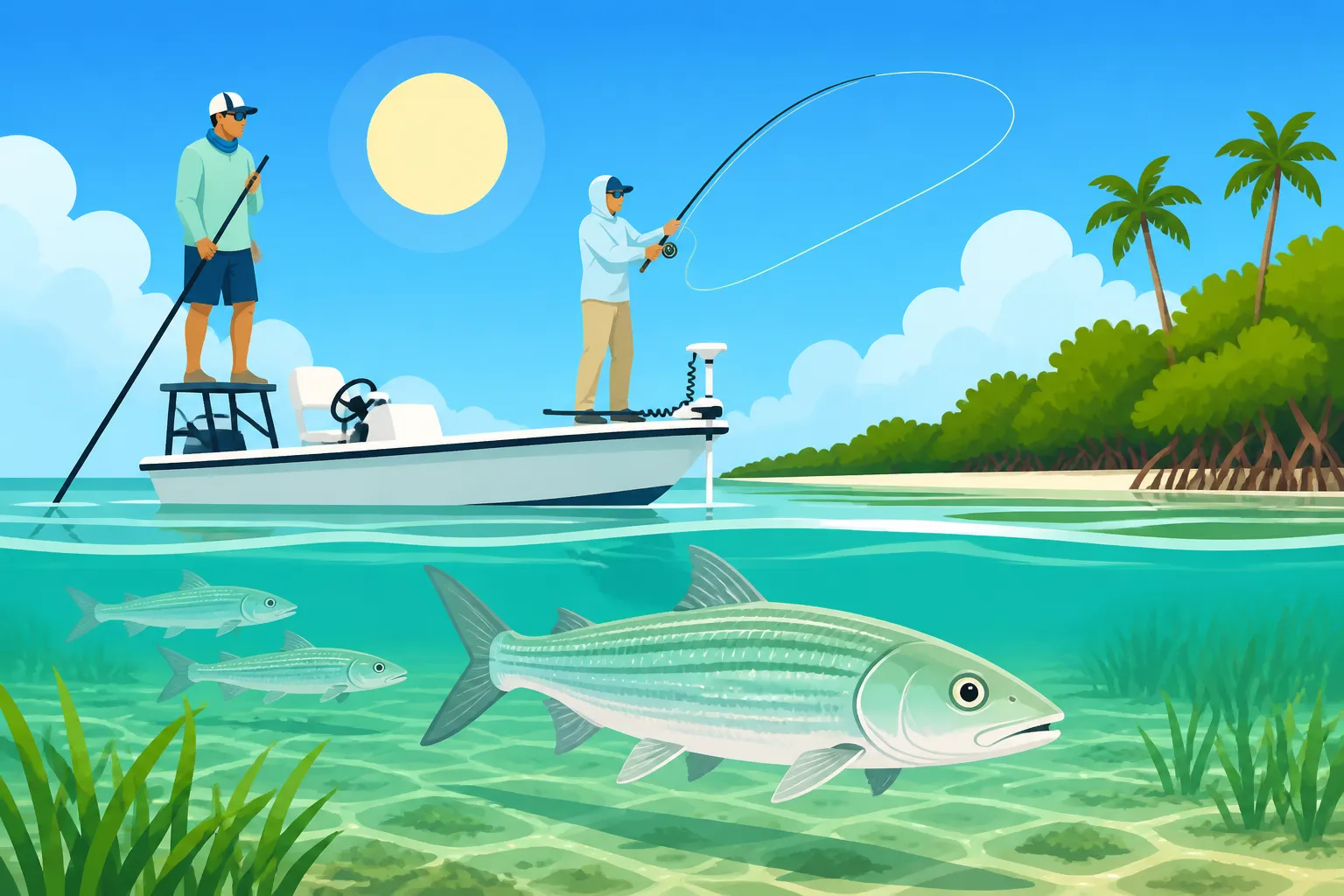
Flats fishing isn't just a location; it's a methodology that requires specialized equipment and unique techniques. You won't see giant offshore trolling rods or heavy baitcasting setups. Instead, guides often employ purpose-built shallow-draft boats – like skiffs or technical poling skiffs – designed to navigate incredibly shallow water without spooking fish. These boats are typically pushed silently by the guide using a long pole, rather than a noisy outboard motor, allowing for stealthy approaches to wary fish. This method of propulsion, known as poling, is a skill in itself and a hallmark of authentic flats fishing.
The rods and reels are often lighter, designed for accuracy and finesse rather than brute force. Fly fishing is particularly popular on the flats, requiring specialized fly rods, reels, and a deep understanding of casting techniques to present flies subtly and accurately. Even with spin tackle, the lures and baits used are typically smaller, more natural presentations that mimic the shrimp, crabs, and baitfish found in the shallow environment. Learning these techniques from an experienced guide is part of the value. They'll teach you how to cast into the wind, how to "lead" a moving fish, and how to read the water for subtle signs of life, fundamentally improving your angling skills. This specialized approach, from the boat to the tackle, is a significant part of why guide rates reflect a higher level of expertise and equipment investment.
Factors Influencing Flats Fishing Guide Rates
It’s completely natural to see a range of prices for flats fishing guides and wonder, "Why the difference?" Just like anything else, from plumbers to chefs, the cost of a fishing guide isn’t a flat, one-size-fits-all number. Several key elements come together to determine what a guide charges for their services. Understanding these factors will help you appreciate the value proposition and choose a guide that aligns with your expectations and budget.
Guide's Experience and Reputation
This is perhaps the biggest differentiator in guide rates. An experienced, highly reputable flats guide isn't just someone who owns a boat; they are a seasoned professional with years, often decades, of on-the-water knowledge. They know the tides, the seasonal patterns, the feeding habits of the fish, and the specific nuances of their home waters. They've spent countless hours honing their craft, learning how to find fish when others can't, how to teach anglers of all skill levels, and how to deliver an exceptional experience even on tough days. Think of it like hiring a master craftsman versus an apprentice; both can do the job, but the master brings a level of skill and insight that commands a premium.
A top-tier guide often has a loyal following and a reputation built on consistent success, professionalism, and a genuine passion for sharing their expertise. They are often sought after, booked far in advance, and their rates reflect that demand and their proven ability to put clients on fish. You're paying for their encyclopedic knowledge of the local ecosystem, their ability to adapt to changing conditions, and their commitment to making your trip memorable. Reviews and word-of-mouth are often excellent indicators of a guide's reputation, and platforms like FishingBooker often highlight guides with strong track records and positive client feedback. This level of expertise can be the difference between a frustrating day of casting at empty water and hooking into the fish of a lifetime.
Trip Duration: Half-Day vs. Full-Day
The length of your trip is another straightforward factor in pricing. Most flats guides offer both half-day and full-day charters, with full-day trips, understandably, costing more. A half-day trip typically runs about 4 hours, while a full-day excursion is usually 8 hours or sometimes a bit longer. While a half-day can be a great option for beginners, families with young children, or those on a tighter schedule or budget, it often means less time on the water and potentially fewer opportunities to chase different species or explore a wider range of fishing spots.
Full-day trips, on the other hand, provide a more comprehensive experience. They allow for longer travel times to more remote or productive areas, the chance to fish through different tide cycles, and the flexibility to pursue multiple species. For example, you might spend the morning chasing redfish and snook, then transition to searching for rolling tarpon in the afternoon. The increased time also allows for more instruction, more diverse techniques, and a more relaxed pace overall. While the full-day rate is higher, the per-hour cost can sometimes be more efficient, and the increased opportunity for success and deeper learning often makes it the preferred choice for serious anglers. For a detailed breakdown of what to expect, check out our Half-Day vs Full-Day Fishing Charter Cost in Florida article.
Location, Location, Location
Just like real estate, where you fish in Florida significantly impacts guide rates. Florida's vast coastline offers diverse flats fishing opportunities, from the famous waters of the Florida Keys to the expansive grass flats of Tampa Bay, the pristine Indian River Lagoon, or the backcountry of the Everglades. Each region has its own unique characteristics, target species, and, consequently, its own pricing structure. Guides operating in high-demand, world-renowned areas like Islamorada or Key West, known for their trophy tarpon, permit, and bonefish, often command higher rates due to the prestige of the fishery and the specialized nature of the guides who work there.
Areas with a longer run to productive fishing grounds might also see slightly higher rates to account for increased fuel costs and travel time. Conversely, guides operating in less famous but equally productive areas might offer slightly more competitive rates. The type of fishery itself plays a role; shallow, technical poling for bonefish or permit often requires a different level of expertise and patience than, say, targeting redfish in a bay. Even within a general region, some specific "hot spots" might have guides who specialize and, thus, charge accordingly. Before booking, consider where you want to fish and what species you hope to target, as this will directly influence the cost. Many of the Best Fishing Spots in Florida have dedicated guides with unique pricing structures.
Included vs. Excluded Amenities
When comparing rates, it's crucial to understand what's actually included in the price. Some guides offer an all-inclusive package, covering everything you might need, while others might list a base rate with certain "add-ons." Typically, a standard flats fishing charter will include:
- The guide's time and expertise
- The boat and fuel
- All necessary fishing licenses (usually a blanket charter license covers everyone on board, so you typically don't need your own Florida Fishing License Guide)
- Rods, reels, and basic tackle
- Bait (live bait can sometimes be an extra charge, depending on the guide and species)
- Cooler with ice and bottled water
However, some guides might charge extra for specialized gear like fly fishing equipment (especially high-end rods or specific flies), or if you request an unusually large amount of live bait. Lunch is often not included on half-day trips but might be provided on full-day charters, or you might be expected to bring your own. Always clarify these details upfront. A good guide will provide a clear list of what's included, so there are no surprises on the day of your trip. Don't be shy about asking if something specific like a particular type of lure or bait is covered; it's better to know beforehand than to be caught off guard.
Understanding Different Rate Structures
Beyond the basic factors, the way guides structure their rates can also vary, which can be a point of confusion for anglers trying to budget their trip. Is it a per-person cost or a flat fee? Does it change depending on the season? These different structures are designed to accommodate various types of trips and angler preferences, so knowing what to expect can help you find the best fit for your group.
Private Charters vs. Shared Charters
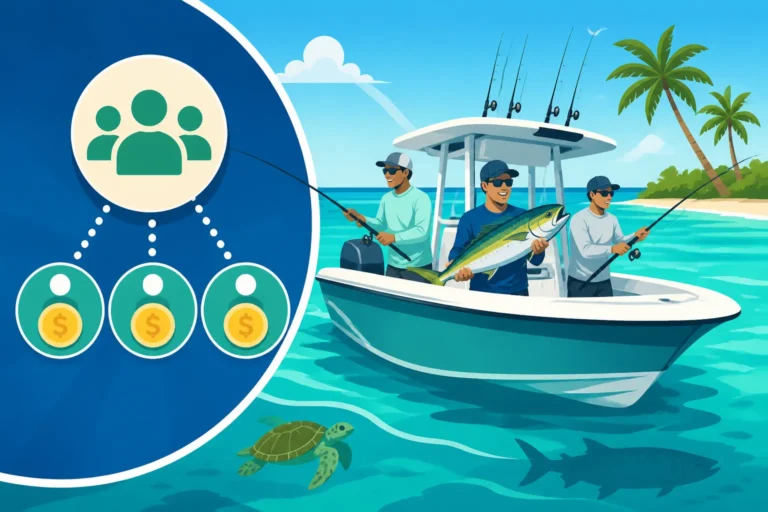
The vast majority of Florida flats fishing trips are private charters. This means you book the entire boat and the guide's attention is solely focused on you and your group (typically 1-2 anglers, sometimes 3 depending on the boat and guide). The rate you see advertised is usually for the entire boat, not per person. This offers an unparalleled personalized experience, allowing the guide to tailor the day to your specific skill level, target species, and preferences. You get to decide when and where to go (within reason, of course, as the guide's expertise is paramount), and you have the guide's undivided instruction.
| Charter Type | Description | Typical Angler Count | Pros | Cons |
|---|---|---|---|---|
| Private | You book the entire boat for your group, guide is dedicated solely to you. | 1-3 (usually 1-2) | Personalized experience, flexible itinerary, focused instruction, more intimate. | Higher upfront cost. |
| Shared | You book a single spot on a boat with other anglers you don't know. | 4-6+ (less common for flats) | Lower individual cost. | Less personalized, less flexible, might not be available for technical flats fishing due to space/stealth. |
While shared charters are common for larger offshore or party boat trips, they are much rarer for technical flats fishing. The nature of stalking fish in shallow water with a poling skiff doesn't lend itself well to multiple anglers all casting at once or requiring individual attention. If you're a solo angler looking to save money, sometimes guides will arrange "split charters" if they have another single angler looking for a partner, but this is less common for specialized flats trips and often requires some coordination. Always assume a flats guide's advertised rate is for a private charter unless explicitly stated otherwise. If you're hoping for a shared experience, it's best to inquire directly with the guide or use a booking platform filter, though options might be limited.
Peak Season vs. Off-Season Pricing
Just like hotels or flights, demand influences pricing. Florida has distinct peak fishing seasons, especially for highly sought-after species. For instance, the spring tarpon migration in the Keys can see guide rates at their highest. During these peak times, guides are often fully booked months in advance, and their rates reflect that high demand. If you’re dead set on fishing for a specific species during its prime window, be prepared to pay peak prices and book well in advance. Florida Tarpon Fishing Season Guide explains more about the timing for the "Silver King."
Conversely, during slower periods – often the hottest summer months or cooler winter weeks, depending on the region and target species – guides might offer slightly reduced rates or more flexibility with scheduling. These "off-season" periods can still provide excellent fishing opportunities, especially for species that thrive in warmer waters or for anglers who prefer to avoid crowds. It's a trade-off: potentially fewer prime weather days or certain species being less abundant, but with the benefit of lower costs and more availability. If budget is a primary concern, looking into off-season options can be a smart strategy. Don't underestimate the fishing during these times; often, it just means adjusting your target species or fishing times.
Specialized Trips
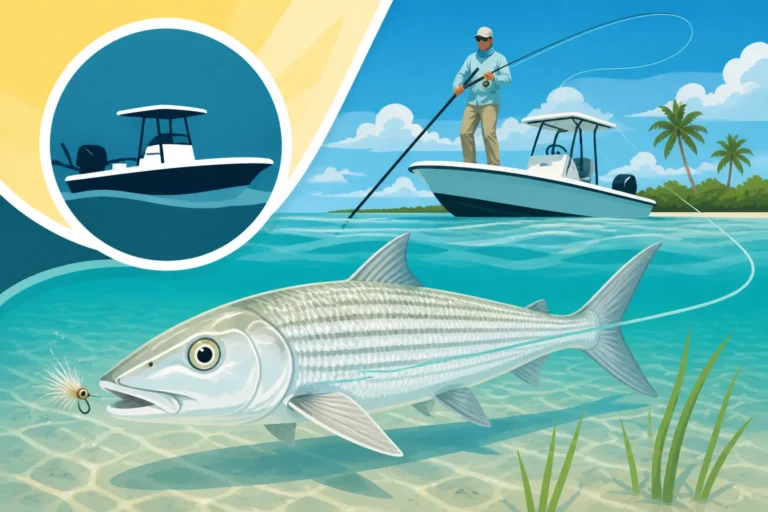
Some guides offer highly specialized trips that might come with a different rate structure. The most common example of this in flats fishing is dedicated fly fishing charters. While many guides are adept at both spin and fly fishing, a guide who specializes exclusively in fly fishing, particularly for notoriously difficult species like bonefish or permit, might charge a premium. This is due to the advanced skill required to guide a fly angler, the specific knowledge needed to present flies effectively, and often, the higher cost of maintaining top-tier fly fishing equipment.
Other specialized trips could include night fishing for snook under dock lights, specific tournament preparation days, or even multi-day packages that include accommodation. These niche offerings cater to experienced anglers looking for a very particular type of challenge or experience. When you're looking at these specialized options, expect rates to be on the higher end, as they reflect a unique skill set and often, a more intense or elaborate fishing plan. Always be clear about the type of trip you envision when discussing rates with a guide to ensure you're both on the same page.
Breaking Down the Costs: What You're Really Paying For
When you look at a flats fishing guide's rate, it might seem like a lot for "just fishing." However, it's crucial to understand that a significant portion of that fee goes towards the substantial operational costs that every professional guide incurs. This isn't just about paying someone to drive a boat; it's about covering extensive overhead and compensating for years of hard-won expertise. Once you peel back the layers, you'll see the true value embedded in the rate.
Boat Maintenance and Fuel
A flats boat, particularly a high-quality poling skiff, is a specialized piece of equipment designed for shallow water access and stealth. These boats are expensive to purchase, often costing as much as a luxury car, and require constant, meticulous maintenance to ensure they are safe, reliable, and performing optimally. Think about the regular engine servicing, hull cleaning, electrical system checks, and general wear and tear from saltwater exposure. These costs add up quickly.
Beyond maintenance, fuel is a major recurring expense. While flats boats are often pushed by pole for stealth, getting to and from the fishing grounds, sometimes many miles away, requires an outboard motor. Fuel prices fluctuate, but a full day on the water, especially if venturing far into the backcountry, can easily burn through a significant amount of gasoline. The guide isn't just charging for the gas consumed during your trip; they're factoring in the overall cost of owning and operating a dependable vessel that can safely and effectively navigate the demanding flats environment. This investment in a reliable, top-condition boat is fundamental to a successful and safe trip.
Bait, Tackle, and Equipment
Imagine having to buy and replace all the rods, reels, lines, leaders, hooks, lures, and flies needed for a full day of fishing, every single time you go out. That's essentially what a guide does. They provide high-quality, well-maintained fishing tackle, often tailored to the specific species and conditions of the day. Rods and reels get used, abused by saltwater, and occasionally broken by big fish or enthusiastic anglers. Lines need to be replaced regularly to prevent break-offs, and leaders are constantly being tied and retied. Flies and lures get lost, snagged, or chewed up by toothy critters.
Then there's the bait. If live bait is used (which is often preferred for certain species like redfish and snook), the guide has spent time, often hours before your trip, catching or purchasing fresh, lively bait. This might involve cast-netting mullet or pilchards, setting crab traps, or buying shrimp, all of which are expenses or a significant investment of time. The guide's rate covers not just the cost of these consumables but also the time and effort invested in procuring and maintaining them. You step onto the boat with everything ready to go, often with multiple setups rigged for different situations, which is a huge convenience and value.
Licenses, Insurance, and Professional Fees
Being a legitimate, professional fishing guide involves a host of legal and financial obligations. For starters, most reputable guides operate under a commercial vessel license issued by the U.S. Coast Guard, a significant credential that requires rigorous training, testing, and continuous renewal. They also carry specialized liability insurance to protect both themselves and their clients in case of an accident. These insurance premiums are substantial, reflecting the inherent risks of operating a boat on the water.
Furthermore, guides often pay various professional fees, such as permits for operating in certain state or federal waters, memberships in guiding associations, and marketing costs to make their services known. Don't forget the blanket charter fishing license that covers everyone fishing on board, meaning you generally don't need to purchase your own Florida Fishing License Exemptions are usually covered by the guide's commercial license. These are all non-negotiable costs of doing business responsibly and legally, ensuring client safety and adherence to regulations. These hidden administrative costs are a vital part of the rate you pay and contribute to a secure and professionally run operation.
The Guide's Expertise and Time
This is where the true intangible value of a flats fishing guide comes into play, and it’s arguably the most important element. You're not just paying for a boat and tackle; you're paying for the guide's extensive knowledge, their ability to read the water, spot fish, predict patterns, and adapt to changing conditions. This expertise has been accumulated over years, sometimes decades, of being on the water, observing, learning, and refining their craft. They know the subtle clues that indicate where fish are holding, what they're eating, and how best to approach them without spooking them.
Beyond their fishing acumen, a good guide is also a skilled instructor, patient teacher, and engaging host. They'll teach you casting techniques, knot tying, fish identification, and conservation practices. They spend countless hours before your trip preparing, scouting, catching bait, and after your trip, cleaning the boat, maintaining gear, and often cleaning your catch. This entire process, from pre-dawn prep to post-trip cleanup, constitutes a full workday that extends far beyond the actual charter hours. The guide's rate reflects this immense investment of time, energy, and specialized skill that transforms a simple boat ride into an educational and potentially life-changing angling experience.
How to Find and Book a Reputable Flats Fishing Guide
So, you're convinced that a flats fishing trip is for you, and you understand what goes into the rates. Now, how do you go about finding and securing that perfect guide? It can feel like searching for a needle in a haystack, especially with so many options out there. However, with a methodical approach and the right questions, you can confidently book a guide who will deliver an exceptional experience.
Researching and Vetting Guides
The first step in finding a great guide is doing your homework. Start by determining where you want to fish (e.g., Florida Keys, Tampa Bay, Everglades) and what species you hope to target. This will narrow down your search significantly. Once you have a general idea, dive into online research. Look for guides who specialize in flats fishing in your chosen area and for your preferred species. Websites, social media pages, and fishing forums are great places to start. Pay close attention to consistency in their reports and photos – do they regularly show the types of fish you're interested in catching?
Don't underestimate the power of reviews. Check platforms like Google Reviews, Facebook, and specialized fishing booking sites for testimonials. Look for patterns in feedback: do clients consistently praise the guide's patience, instructional ability, or knowledge of the local waters? A truly reputable guide will have a strong online presence and a history of satisfied clients. Remember, a glossy website is good, but consistent, positive feedback from real anglers is golden. This diligent research phase is crucial for ensuring you book a professional who meets your expectations. For more on this, read our How to Choose a Florida Fishing Guide article.
Booking Platforms and Direct Contact
Once you've identified a few potential guides, you have a couple of options for booking: using an online booking platform or contacting the guide directly. Many guides list their availability and rates on platforms like FishingBooker. These platforms can be incredibly convenient, allowing you to compare multiple guides, read reviews, see available dates, and often book directly online. They can also offer some level of consumer protection and simplified payment processing. When using a platform, make sure to read all the details carefully about what's included and any cancellation policies. FishingBooker, for instance, provides a streamlined way to connect with highly-rated Florida flats fishing guides across the state, making the search much easier.
Alternatively, you can contact guides directly via phone or email. This allows for a more personal conversation, where you can ask specific questions about their approach, their boat, and what they recommend for your particular trip goals. Direct contact can often foster a better connection before you even step on the boat. Whichever method you choose, confirm all details in writing, including dates, times, rates, what's included, and the cancellation policy. Clear communication upfront prevents misunderstandings later on.
Asking the Right Questions Before You Book
Before you commit to a booking, having a list of questions ready will help you ensure you're making the right choice. Don't be afraid to ask; a professional guide will appreciate your thoroughness. Here are some key questions to consider:
- What is your experience guiding in this specific area and for these species? (Look for specialization.)
- What type of boat do you run, and how many anglers can it comfortably accommodate for flats fishing? (Most flats skiffs are best for 1-2 anglers.)
- What exactly is included in the rate (e.g., bait, tackle, water, licenses, fish cleaning)? Are there any hidden fees? (Always clarify this!)
- What is your cancellation policy, especially for weather? (Florida weather can be unpredictable. Understand what happens if your trip is called off.)
- Do you primarily use spin tackle or fly fishing gear, or are you proficient in both? (Match their expertise to your preference.)
- What should I bring on the trip (e.g., sunscreen, hat, polarized sunglasses, snacks, rain gear)? (A good guide will have a clear list. You can also refer to our What to Bring on a Florida Fishing Charter guide.)
- What are your expectations for angler skill level? (This helps ensure a good match, especially for fly fishing.)
Asking these questions helps you understand the guide's professionalism, what to expect, and ultimately, whether they are the right fit for your fishing adventure. It's about finding a guide who not only puts you on fish but also aligns with your fishing style and personality.
Making the Most of Your Flats Fishing Investment
You’ve done your research, booked your guide, and now the anticipation is building for your Florida flats fishing adventure. To truly maximize your investment and ensure a memorable experience, there are a few key things to keep in mind, both before and during your trip. It's about being prepared, respectful, and open to learning, which will enhance your enjoyment and increase your chances of success.
Tipping Etiquette for Flats Guides
Tipping is a customary and expected part of the charter fishing industry, and flats guides are no exception. Just like a waiter or a hair stylist, a guide works hard to provide excellent service, and a tip is a direct way to show your appreciation for their effort, expertise, and hospitality. A standard tip for a flats fishing guide typically ranges from 15% to 20% of the total charter fee. If your guide went above and beyond, putting you on fish in challenging conditions, providing exceptional instruction, or just making the day incredibly enjoyable, a 20% tip is highly recommended.
However, if the guide's performance was subpar or if you had a genuinely negative experience, you might adjust the tip accordingly. It's important to remember that a "slow" fishing day isn't necessarily the guide's fault; they can't control the fish or the weather. Focus instead on their effort, attitude, and professionalism. If they worked hard, tried different spots, and kept a positive demeanor, they still deserve a good tip. It's also a good idea to bring cash for tipping, as it’s often preferred by guides and avoids credit card processing fees. Understanding Tipping Etiquette for Florida Fishing Guides can help you prepare.
Preparing for Your Trip
Preparation is key to a comfortable and successful day on the flats. Flats fishing boats are often exposed to the elements, so dressing appropriately is crucial. Think layers, breathable fabrics, and sun protection. Polarized sunglasses are non-negotiable for flats fishing; they allow you to see into the water and spot fish, which is half the fun! A good wide-brimmed hat, UPF-rated long-sleeve shirts, and plenty of sunscreen will protect you from Florida's intense sun. Non-marking boat shoes or sandals are typically preferred for stability and to protect the boat's deck.
Beyond attire, consider bringing any personal items you might need: snacks, extra drinks (though water is usually provided), any medications, and a camera to capture those unforgettable moments. Listen carefully to your guide's instructions before and during the trip. They are the experts on their home waters and their advice will be invaluable, whether it's how to cast, how to set the hook, or how to handle a fish for release. Being well-prepared and receptive to guidance will not only make your day more comfortable but also significantly increase your chances of hooking up.
Maximizing Your Catch (and Enjoyment)
While catching fish is often the primary goal, a flats fishing trip offers so much more. To truly maximize your enjoyment and potential success, focus on the entire experience. This means being patient, observant, and engaged. The flats often require quiet stealth and precise casting, so practicing your casting beforehand, especially with a fly rod if you're fly fishing, can make a huge difference. Don't get discouraged if you miss a few shots; it's part of the learning process.
Embrace the beautiful surroundings and the wildlife. You'll likely see dolphins, manatees, stingrays, and countless bird species. Ask your guide questions about the ecosystem, the fish, and their experiences. The more engaged you are, the more you'll learn and appreciate the unique environment. If you're planning to keep any fish for dinner (within regulations, of course), communicate this with your guide. They will usually clean and bag your catch for you at the end of the day. Ultimately, a successful flats trip isn't just measured by the number of fish caught, but by the quality of the experience, the memories made, and the skills learned.
Comparing Florida Flats Fishing to Other Charter Types
Florida is a fishing paradise, offering everything from deep-sea adventures to leisurely lake trips. With such a variety, it’s helpful to understand how flats fishing stands apart, especially when considering the associated guide rates. Each type of charter offers a distinct experience and, consequently, a different cost structure, primarily due to varying operational demands, equipment, and target species.
Flats vs. Nearshore vs. Offshore
The most common comparison is between flats, nearshore, and offshore fishing charters.
- Flats Fishing: As we've discussed, this involves specialized shallow-draft boats (skiffs), often poling, targeting species like snook, redfish, tarpon, permit, and bonefish in waters typically less than a few feet deep. The focus is on sight fishing, stealth, and a highly interactive, visual experience.
- Nearshore Fishing: These trips usually take place a few miles off the coast, targeting reefs, wrecks, and artificial structures in waters ranging from 10 to 60 feet deep. You might be targeting kingfish, Spanish mackerel, cobia, snapper, or smaller grouper. Boats are typically larger center consoles, capable of handling choppier seas but still relatively close to shore.
- Offshore Fishing (Deep Sea): This is the big game. Offshore charters venture many miles out into the open ocean, often to depths of hundreds of feet, in search of species like mahi-mahi, sailfish, tuna, wahoo, and large grouper or snapper. These require large, heavy-duty sportfishing boats with powerful engines, extensive navigation equipment, and specialized tackle for fighting monster fish.
While all provide a unique angling experience, the equipment, fuel burn, and safety requirements escalate significantly as you move from the flats to offshore. This directly impacts the guide's overhead and, therefore, their rates. A large offshore vessel consumes vastly more fuel than a flats skiff, and its maintenance costs are exponentially higher. The Florida Fishing Charter Cost Guide further breaks down these differences across various charter types.
Why Flats Fishing Can Seem More Expensive Per Person
When you first look at the guide rates, a flats fishing trip might appear to be more expensive per person than, say, a party boat offshore trip. This perception comes from a few key factors:
Firstly, flats fishing is almost exclusively a private charter experience, typically limited to 1-3 anglers due to the size of the boat and the nature of sight fishing. This means the total cost of the guide, boat, fuel, and gear is divided among very few individuals. On the other hand, a large offshore party boat might take 20-50 people, distributing the operational costs across a much wider group, making the per-person ticket price seem much lower.
Secondly, the specialization of the equipment and expertise for flats fishing is very high. Poling skiffs are niche boats, and the skill required to guide effectively on the flats (spotting fish, poling silently, giving precise instructions) is honed over many years. This specialized knowledge and gear command a premium that is often not necessary for more general deep-sea fishing.
Finally, the quality of the experience is often a key differentiator. Flats fishing offers a highly personalized, interactive, and often intimate experience with a dedicated guide, providing tailored instruction and undivided attention. It's a premium, bespoke angling adventure rather than a mass-market offering. While the per-person cost might be higher, the value lies in the exclusive access, personalized service, and the unique thrill of targeting wary fish in inches of water, making it a worthwhile investment for many passionate anglers.
Disclaimer
This article is for general informational purposes only and does not constitute professional advice. Laws, prices and regulations vary by location and change over time. Consult a qualified professional for guidance on your specific situation.