Marathon Florida Fishing Charter Rates
Trying to figure out what a fishing charter in Marathon, Florida, is actually going to cost you can feel like trying to land a trophy tarpon on a hand line – a real challenge! With so many options, from speedy flats boats to robust offshore vessels, it's easy to get overwhelmed trying to budget for your dream angling adventure. This guide is here to untangle the complexities of Marathon fishing charter rates, breaking down the factors that influence prices and helping you understand what to expect so you can plan your perfect trip without any unwelcome surprises.
Understanding What Drives Fishing Charter Rates in Marathon
When you're looking at fishing charter rates in Marathon, it’s not just a simple flat fee; there's a whole ecosystem of factors at play that determine the final cost. Marathon, situated right in the heart of the Florida Keys, offers access to incredibly diverse fishing grounds, from the shallow, crystal-clear flats of the backcountry to the deep, blue waters of the Atlantic and Gulf. This variety in fishing opportunities naturally leads to a variety in charter prices. Understanding these underlying drivers will help you make a more informed decision and avoid any sticker shock.
The 'Why' Behind the Numbers: Factors Influencing Cost
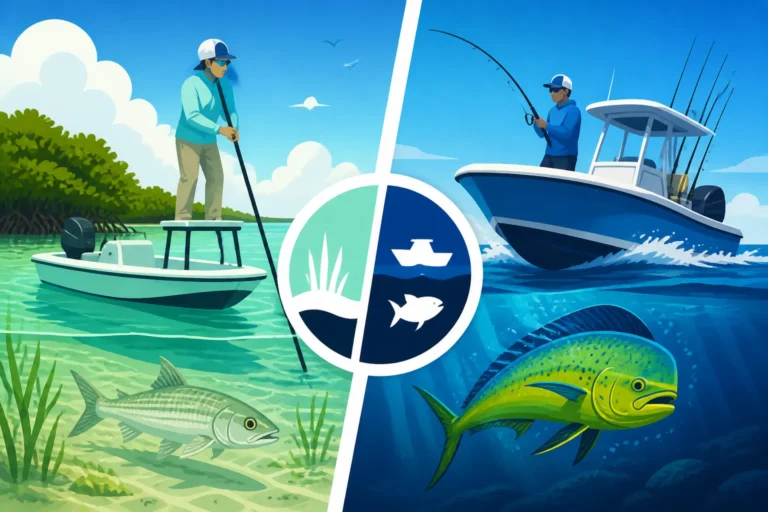
Several key elements contribute to the overall price tag of a fishing charter. First, and perhaps most obviously, is the type of fishing you're aiming for. Are you dreaming of stalking elusive bonefish on the flats with a fly rod, or are you envisioning a deep-sea battle with mahi-mahi miles offshore? Flats fishing often involves specialized shallow-draft boats and highly experienced guides who know the intricate movements of game fish in skinny water. Offshore trips, on the other hand, require larger, more powerful vessels capable of handling open ocean conditions, extensive safety equipment, and significantly more fuel. Each demands different resources, which translates directly into differing costs.
Beyond the type of fishing, the boat itself plays a huge role. Larger boats with more amenities, advanced electronics, and powerful engines naturally have higher operating and maintenance costs. A comfortable, air-conditioned cabin for offshore trips or a custom-built technical poling skiff for the flats are investments that charter captains pass on as part of their rates. The captain's experience and reputation are also incredibly valuable. A seasoned captain with decades of local knowledge, who consistently puts clients on fish and provides an exceptional experience, will often command a higher rate than a newer, less established guide. You're not just paying for a boat ride; you're paying for expertise, safety, and a higher probability of a successful outing. Lastly, the time of year and specific fishing seasons can influence demand and, consequently, rates. Peak seasons for target species like tarpon or sailfish might see slightly higher prices due to increased demand.
Comparing Trip Durations: Half-Day, Full-Day, and Extended Adventures
One of the most significant variables in Marathon fishing charter rates is the duration of your trip. Most charters offer a range of options, designed to fit different schedules, budgets, and fishing ambitions.
Half-day charters are typically the most budget-friendly option and are perfect for families with young children, beginners, or those simply looking for a taste of Florida Keys fishing. These trips usually last around 4-5 hours and focus on closer-to-shore fishing grounds, which means less travel time and lower fuel consumption. While you might not venture as far or target as many species, a half-day trip can still be incredibly productive for snapper, mackerel, or even smaller sharks in the backcountry or nearshore reefs. It's a great way to get out on the water without committing to an entire day. You can find more details about these options in our Half-Day vs Full-Day Fishing Charter Cost in Florida guide.
Full-day charters, usually running 8 hours, offer a more comprehensive fishing experience. With a full day, you have the time to travel further, explore more varied fishing spots, and target a wider array of species. For offshore trips, this extra time is crucial for reaching deeper wrecks, reefs, or the Gulf Stream current, where pelagic species like mahi-mahi, wahoo, and tuna often roam. For flats and inshore fishing, a full day allows the guide to follow tidal movements, adapt to changing conditions, and patiently pursue trophy fish. This extended time significantly increases your chances of a truly memorable catch.
For the truly dedicated angler, extended or multi-day charters are also available, though less common for single-day bookings. These often involve custom itineraries, perhaps combining a day of offshore trolling with a day of backcountry sight fishing, or even venturing to remote areas for specific targets. These trips are considerably more expensive due to the extended time, increased fuel, and potential for additional provisions, but they offer the ultimate immersive fishing adventure. Each additional hour or day translates directly into higher costs, but also unlocks greater possibilities.
Typical Marathon Fishing Charter Rate Ranges
Now, let's talk numbers, or at least the general shape of them. Marathon offers such a diverse array of fishing opportunities that the rates can vary quite a bit depending on where you're casting your line and what you're hoping to catch. It’s not uncommon to see a significant difference between an inshore flats trip and a serious offshore excursion. Keep in mind that these are general expectations, and actual prices will vary based on individual captains, specific services, and market demand.
Inshore and Flats Fishing Charter Rates
Inshore and flats fishing charters in Marathon give you access to the serene, shallow waters of the Gulf side or protected Atlantic bays. Here, you'll be targeting species like snook, redfish, spotted seatrout, and the prized "flats slam" species: bonefish, tarpon, and permit. These trips usually involve smaller, specialized boats like skiffs or bay boats, designed for navigating shallow water.
For a half-day (4-5 hour) inshore or flats trip, you can expect the rates to be on the lower end of the spectrum for private charters. This duration is fantastic for getting a taste of the backcountry, perhaps chasing some mangrove snapper for dinner or enjoying some light tackle action. A half-day is often perfect for beginners or those looking for a relaxed outing without a major time commitment.
A full-day (8-hour) inshore or flats trip will naturally be a significant step up in price. This allows your guide to cover more ground, follow the tides, and dedicate ample time to finding those elusive trophy fish like permit or even juvenile tarpon depending on the season. Guides often appreciate the full day to really work a spot or move to a different area if conditions aren't ideal, maximizing your chances of success. When booking, check platforms like FishingBooker to compare different guides and their offerings, as some may specialize in certain species or techniques, which could influence their pricing.
It's also worth noting that some flats guides who specialize in fly fishing or sight fishing for specific, challenging species like permit might have slightly higher rates due to their highly specialized skills and equipment.
Offshore and Deep Sea Fishing Charter Rates
If your heart is set on battling big game fish in the deep blue, then offshore and deep sea charters are what you're looking for. From Marathon, you have excellent access to both the Atlantic Ocean and the Gulf of Mexico, opening up opportunities for mahi-mahi, wahoo, tuna, sailfish, marlin, grouper, and snapper. These charters require larger, more powerful boats equipped for ocean travel, often with cabins, restrooms, and advanced navigation systems.
Half-day (4-5 hour) offshore trips are typically available but will usually focus on closer-to-shore reefs and wrecks. This might be a good option for targeting snapper, smaller grouper, or kingfish without venturing too far out. While still more expensive than an inshore half-day, it’s a more accessible entry point into offshore fishing. However, the limited time means less opportunity to chase migratory pelagics that might be further out.
Full-day (8-hour) offshore charters are where the real deep-sea action happens. This extended time allows the captain to run far offshore to the prime fishing grounds, giving you ample time to troll for pelagics, drop baits on deep wrecks, or even kite fish for sailfish. The fuel consumption alone for these trips is substantial, which is a major factor in the higher cost. Full-day charters are highly recommended for anyone serious about a true offshore experience and offer the best chance at landing a wide variety of impressive catches.
For specialized trips like targeting swordfish, which often involves specific overnight or extended day trips due to their deep-water habits, the rates will be considerably higher, reflecting the extreme duration, specialized gear, and increased operational costs. You can research Florida Offshore Fishing Charter Guide to get a better idea of what to expect on these kinds of excursions.
Specialty and Niche Fishing Charter Rates
Beyond the standard inshore and offshore options, Marathon also offers a variety of specialty fishing experiences, each with its own pricing structure. These niche charters cater to specific interests, techniques, or target species.
Shark fishing charters are a popular option, especially for those looking for a thrilling fight with a powerful predator. These trips are often offered as half-day or evening excursions, sometimes focusing on specific inshore or nearshore areas where sharks are prevalent. The rates for these can be comparable to standard inshore trips, but some specialized shark charters might charge a bit more for dedicated chumming and heavy tackle setups.
Night fishing charters are fantastic for targeting species that are more active after dark, such as snapper, tarpon under bridge lights, or even some types of grouper. These trips offer a unique experience away from the daytime heat and crowds. Rates for night fishing are usually similar to, or slightly higher than, daytime half-day trips, accounting for the specialized equipment needed for night navigation and fishing.
Another popular specialty in Marathon is spearfishing or snorkeling/fishing combo trips. While spearfishing charters require specific gear and expertise, general snorkeling trips can be combined with fishing for a fun, family-friendly outing. Rates for spearfishing charters tend to be higher due to the specialized equipment and safety considerations, often requiring an experienced divemaster or spearfishing guide in addition to the captain. If you're interested in permits, make sure to check Florida Snook Permit Requirements or Florida Lobster Permit Requirements if those are part of your plan.
Finally, some guides offer highly specialized eco-tour and fishing combo trips, especially in the Everglades or backcountry areas, combining light fishing with wildlife viewing. These can be a great option for mixed groups where not everyone is solely focused on fishing. Their rates are often structured differently, sometimes per person for sightseeing aspects, but still with a base charter fee for the boat and guide. Platforms like FishingBooker often list these specialized options, allowing you to filter for unique experiences.
| Charter Type | Typical Duration | Primary Targets | General Cost Implication |
|---|---|---|---|
| Inshore/Flats (Half-Day) | 4-5 hours | Snapper, Seatrout, Mackerel, Smaller Sharks, Redfish | Lower |
| Inshore/Flats (Full-Day) | 8 hours | Bonefish, Permit, Tarpon, Snook, Redfish | Moderate |
| Offshore/Deep Sea (Half-Day) | 4-5 hours | Nearshore Grouper, Snapper, Kingfish, Mackerel | Moderate |
| Offshore/Deep Sea (Full-Day) | 8 hours | Mahi-Mahi, Wahoo, Sailfish, Tuna, Deepwater Grouper/Snapper | Higher |
| Specialty (e.g., Night) | Varies | Tarpon (night), Snapper, Sharks | Variable (often similar to half-day) |
What's Typically Included (and Not Included) in Your Charter Fee
Understanding what your Marathon fishing charter rate actually covers is just as important as knowing the price itself. Many first-time anglers assume everything is rolled into one, but that's not always the case. Being aware of the standard inclusions and potential extra costs will help you budget accurately and avoid any unpleasant surprises on the day of your trip.
Standard Inclusions: Gear, Bait, and Licensing
The good news is that most reputable fishing charters in Marathon are pretty comprehensive when it comes to the essentials. You can generally expect the following to be included in your base rate:
Fishing Gear: This is a big one. Your charter will almost always provide all the necessary rods, reels, and tackle appropriate for the type of fishing you'll be doing. Whether it's light spinning gear for trout on the flats or heavy conventional tackle for offshore grouper, the boat will be fully equipped. This saves you the hassle and expense of bringing your own specialized equipment, which is especially helpful if you're flying into the Keys.
Bait and Lures: Live bait can be incredibly effective, and it’s usually a significant expense for captains. Most charters will include live bait (such as pilchards, pinfish, or shrimp for inshore, or goggle-eyes and ballyhoo for offshore) as part of the package. Artificial lures and terminal tackle (hooks, weights, leaders) are also typically supplied. However, if you have a specific, expensive lure you absolutely must try, it might be worth confirming if it’s covered or if you should bring your own.
Fishing License: This is a huge relief for many anglers! When you book a guided fishing charter in Florida, you generally do not need to purchase your own recreational fishing license. The charter boat operates under a blanket license that covers all passengers. This is a fantastic benefit, especially for out-of-state visitors or those who only fish occasionally. This is something we cover in detail in our Do You Need Your Own License for a Florida Charter? article. This means one less thing for you to worry about before you hit the water.
Safety Equipment: All licensed charter boats are required to carry a full complement of safety gear, including life jackets for all passengers (including child sizes), first-aid kits, communication devices, and fire extinguishers. Your captain will go over safety protocols before or during your trip.
Fish Cleaning and Bagging: After a successful day, most captains or their mates will be happy to clean and bag your legal catch for you, preparing it for transport back to your accommodation or for a fresh seafood dinner. This service is usually included and greatly appreciated.
Common Exclusions and Extra Costs to Budget For
While many essentials are covered, there are a few items and services that are almost universally not included in the base charter rate. Being aware of these will prevent any awkward moments at the end of your trip.
Gratuity for the Captain/Mate: This is arguably the most important "extra" to budget for. Tipping your captain and mate is customary and highly encouraged in the charter fishing industry, much like in the restaurant service industry. A standard tip usually ranges from 15-20% of the total charter cost, assuming you had a good experience. If the crew went above and beyond, a higher tip is certainly warranted. These hard-working individuals rely on tips as a significant portion of their income, and they work tirelessly to ensure your safety and success. Our guide on Tipping Etiquette for Florida Fishing Guides has more detailed advice.
Food and Drinks: While some high-end charters might offer light refreshments, it's generally expected that you bring your own food and beverages for the day. Pack a cooler with sandwiches, snacks, water, and your favorite non-alcoholic drinks. Many boats have onboard coolers for your use.
Sun Protection: The Florida sun is intense, even on cloudy days. You'll need to bring your own high-SPF sunscreen, polarized sunglasses, a wide-brimmed hat, and appropriate sun-protective clothing (long sleeves, fishing buffs). These are crucial for your comfort and safety. We have a great article on What to Bring on a Florida Fishing Charter that covers these essentials.
Motion Sickness Medication: If you're prone to seasickness, it's vital to bring and take your preferred medication before the trip, as directed. The captain cannot provide medication, and it's much better to prevent seasickness than to try and treat it once you're already feeling ill on the water.
Special Permits: While the general fishing license is covered, if you plan to target highly regulated species like snook or lobster, some personal harvest permits may be required in addition to the boat's license, depending on the current regulations and your specific activity. Always check with your captain beforehand, especially if your plan involves these species during their open seasons.
Fish Processing (Beyond Basic Cleaning): While basic cleaning and bagging are included, if you want your fish filleted and vacuum-sealed for shipping, or prepared for smoking, you'll likely need to either do it yourself (if facilities are available) or take it to a local seafood processor, which will incur additional fees.
Maximizing Value: Tips for Booking Your Marathon Fishing Charter
Booking a fishing charter in Marathon is an investment in a memorable experience. To ensure you get the best possible value and a trip that perfectly matches your expectations, a little strategic planning goes a long way. It's not just about finding the cheapest rate, but about finding the right fit for your fishing goals and making the most of your time and money.
Researching and Booking Smart
The first step to maximizing value is thorough research. Don't just jump on the first charter you find. Start by determining what kind of fishing experience you truly want: inshore, offshore, a specific species, a family-friendly trip, or a hardcore angling adventure. This will help narrow down your options significantly.
Read Reviews and Ask for Recommendations: Online platforms are invaluable here. Sites like FishingBooker are excellent for browsing a wide array of captains and boats in Marathon, complete with client reviews, photos, and detailed descriptions of their services. Pay close attention to recent reviews regarding the captain's communication, boat condition, and fishing success. Don't hesitate to ask local bait and tackle shops for recommendations too; they often have their finger on the pulse of who's consistently doing well. Look for charters with a consistent track record of positive feedback.
Communicate Your Expectations Clearly: Once you've identified a few potential captains, reach out to them directly. This is crucial. Discuss your budget, your target species, your experience level, and what you hope to achieve during the trip. A good captain will be upfront about what's realistic for the season and conditions. For example, if you've never fished before, ask about charters that specialize in beginners or families. If you're passionate about fly fishing, ensure the guide has the right gear and expertise. Clear communication upfront prevents misunderstandings and ensures the captain can tailor the trip to your liking as much as possible. Our How to Choose a Florida Fishing Guide article offers more tips.
Consider a Shared Charter: If a private charter's full cost is a bit steep for your budget, but you still want a more personalized experience than a large party boat, inquire about a shared or "split" charter. Some captains will arrange for individuals or small groups to share the cost of a full charter, usually for offshore trips. This means you'll be fishing with other anglers you don't know, but you'll split the cost, making it much more affordable per person while still enjoying a smaller, more focused boat experience. For more on this, check out Private Charter vs Shared Charter Cost in Florida.
Timing Your Trip for Better Value
The time of year you visit Marathon can significantly impact both the fishing success and the charter rates. Understanding peak seasons and off-peak opportunities can help you maximize your value.
Peak Seasons and Their Costs: The Florida Keys, and Marathon in particular, have peak tourist and fishing seasons. For example, the spring (March-May) is prime time for tarpon migration, making it highly sought after, and therefore, rates can be at their highest. Winter months, especially around holidays, also see an influx of visitors. Booking during these peak times means you'll likely pay standard or slightly elevated rates, and you'll need to book well in advance, sometimes months ahead, to secure a reputable captain. This is particularly true for highly popular destinations or specific events. Best Time of Year to Fish in Florida offers a good overview of the seasons.
Shoulder Seasons and Potential Savings: The shoulder seasons, typically late spring/early summer (May-July, after the main tarpon migration) and fall (September-November, after hurricane season peaks but before the full winter rush), can offer a sweet spot. During these times, the fishing can still be fantastic for many species, but the demand for charters might be slightly lower. You might find more availability and potentially even slightly more flexible pricing from captains. It's often less crowded on the water, too, providing a more peaceful experience.
Off-Peak or Summer Months: Florida's summer (July-August) can be hot and humid, and it's also hurricane season. While some fishing remains excellent (especially early mornings or late evenings for inshore species, or offshore for mahi-mahi), it's generally considered an off-peak period for tourism. This can sometimes translate into better deals on charters, and certainly more availability. However, you'll need to contend with the heat and potential for afternoon thunderstorms, so flexibility and an early start are key. Always check weather forecasts and discuss contingencies with your captain.
By being flexible with your dates and doing your homework, you can often find a fantastic charter experience in Marathon that aligns perfectly with your budget and fishing aspirations.
Alternative Fishing Options and Their Costs
While booking a private fishing charter in Marathon offers an unparalleled experience, it's understandable that the cost might not fit everyone's budget or preferences. Luckily, the Florida Keys offer several other ways to get out on the water and wet a line, some of which are significantly more budget-friendly. Exploring these alternatives can provide a great fishing experience without the full cost of a private guide.
Party Boat Fishing vs. Private Charters
One of the most popular and cost-effective alternatives to a private charter is a party boat, also known as a head boat or drift boat. These are large vessels that take many anglers (sometimes dozens) out to productive fishing grounds, typically reefs and wrecks, for bottom fishing.
Party Boat Experience:
- Cost: Significantly cheaper per person than a private charter. You pay a set fee per angler, which usually includes your rod, reel, bait, and the general fishing license. This makes it an excellent option for solo travelers, small groups, or families looking for an affordable way to fish offshore.
- Target Species: Primarily bottom dwellers like snapper (mangrove, yellowtail, mutton), grunts, porgies, and sometimes smaller grouper. Depending on the season and location, you might also hook into kingfish or mackerel.
- Pros: Very economical, social atmosphere, all gear provided, no need for personal license. Good for beginners as crew members are often available to help.
- Cons: Less personalized attention from the crew, limited choice of fishing spots (you go where the captain takes you), often crowded, can be less focused on specific trophy fish, and you might spend less actual fishing time if there are a lot of tangles or issues with other passengers.
- Marathon Options: Several reputable party boats operate out of Marathon, offering half-day and full-day trips. This is often the Cheapest Way to Go Fishing in the Florida Keys if your goal is just to catch some fish for dinner.
Private Charter Comparison:
- Cost: Much higher total cost, but offers exclusive use of the boat and personalized attention for your group.
- Target Species: You and your captain decide. Can target anything from shallow water flats species to deep-sea pelagics, tailored to your preference and the season.
- Pros: Fully customized trip, dedicated attention from the captain and mate, ability to switch spots or tactics, more comfortable space, higher chance of targeting specific trophy fish.
- Cons: Significantly more expensive, especially for solo anglers or very small groups.
The choice between a party boat and a private charter really comes down to your budget, group size, and desired level of personalization.
DIY Fishing: Rental Boats and Shore Access
For the independent angler or those on an even tighter budget, Marathon offers fantastic opportunities for do-it-yourself fishing. This route allows for maximum flexibility and can be incredibly rewarding.
Rental Boats:
- Cost: Renting a small center console or bay boat can be a cost-effective option for a full day of fishing if you have some boating and fishing experience. Rental rates vary by boat size, duration, and time of year, but typically include the boat, safety gear, and sometimes a basic map of fishing spots. You'll be responsible for fuel, bait, tackle, and your own Florida fishing license.
- Experience: You're the captain! This means you decide where to go, what to fish for, and for how long. It's perfect for experienced boaters and anglers who are confident navigating new waters and finding fish.
- Pros: Total freedom and flexibility, can be more affordable than a private charter for a small group, sense of accomplishment from finding your own fish.
- Cons: Requires boating experience and navigation skills, you're responsible for all gear, bait, and your personal fishing license, potential for getting lost or encountering mechanical issues, and less local knowledge than a guide provides.
When considering a rental, make sure you understand the local navigation, particularly for shallow areas like the backcountry, to avoid running aground. Always check weather and sea conditions before heading out, especially if planning to venture into the open ocean.
Shore, Pier, and Bridge Fishing:
- Cost: Often the most budget-friendly option, with little to no cost beyond your fishing gear, bait, and a personal fishing license (unless you are on a licensed pier). Some piers might charge a small access fee, but often this fee covers your fishing license requirement while on that specific pier.
- Experience: Accessible to everyone, from seasoned anglers to beginners and families. You can walk right up to a spot and cast a line.
- Target Species: Depending on the location, you can catch snapper, snook, seatrout, jacks, barracuda, and various baitfish. Bridges and deeper channels often hold larger fish.
- Pros: Very inexpensive, no boat needed, easy access, great for casual fishing, excellent for kids, and you can come and go as you please. Some specific locations, like certain bridges or piers, are renowned fishing spots in themselves. You can read up on Which Florida Piers Don't Require a Fishing License? for options.
- Cons: Limited range, can be crowded, often requires adapting to public access points, may not offer the same trophy fishing opportunities as a boat, and you'll need to secure your own Florida Fishing License Guide if fishing from unlicensed shore or bridges.
Whether you opt for the full-service experience of a private charter, the camaraderie of a party boat, or the independence of a rental boat or shore fishing, Marathon, Florida, offers abundant opportunities for every type of angler and every budget. The key is to assess your priorities and choose the option that best fits your fishing dream.
Disclaimer
This article is for general informational purposes only and does not constitute professional advice. Laws, prices and regulations vary by location and change over time. Consult a qualified professional for guidance on your specific situation.