Islamorada Fishing Charter Rates
Planning a fishing trip to Islamorada, the "Sportfishing Capital of the World," is incredibly exciting, but the sheer variety of charter options can make understanding the rates feel like trying to untangle a hundred fishing lines. Many anglers get frustrated trying to figure out if they're getting a good deal, what's actually included, and why prices fluctuate so wildly. This comprehensive guide is here to untangle those lines for you, breaking down Islamorada fishing charter rates so you can book your dream trip with confidence and clarity.
Understanding Islamorada's Fishing Charters
Islamorada isn't just a place on a map; it's a fishing institution. Nestled in the heart of the Florida Keys, its waters teem with an incredible diversity of fish, drawing anglers from all corners of the globe. But with such a reputation comes a wide spectrum of services, and understanding the different types of charters available is the first step to decoding their pricing.
The Allure of Islamorada Fishing
Picture this: the sun rising over the iridescent waters of the Florida Keys, the gentle rocking of the boat, and the anticipation of a tug on your line that could be a trophy tarpon, a hard-fighting snook, or a schooling mahi. Islamorada offers unparalleled access to both inshore and offshore fisheries. The shallow, clear flats on the Gulf side are world-renowned for sight fishing for bonefish, permit, and tarpon, while the deep blue waters of the Atlantic drop-off are home to marlin, sailfish, and various species of snapper and grouper. This incredible abundance and variety are precisely what makes Islamorada a bucket-list destination for so many, and naturally, the expertise to navigate these waters comes with a certain value. It's not just about catching fish; it's about the entire experience in such a unique ecosystem.
Types of Fishing Charters Available
When you start looking into Islamorada fishing, you'll quickly discover that not all charters are created equal. They typically fall into a few main categories, each with its own focus, equipment, and, consequently, price point. Knowing these categories will help you narrow down your search and understand why one boat might cost more than another.
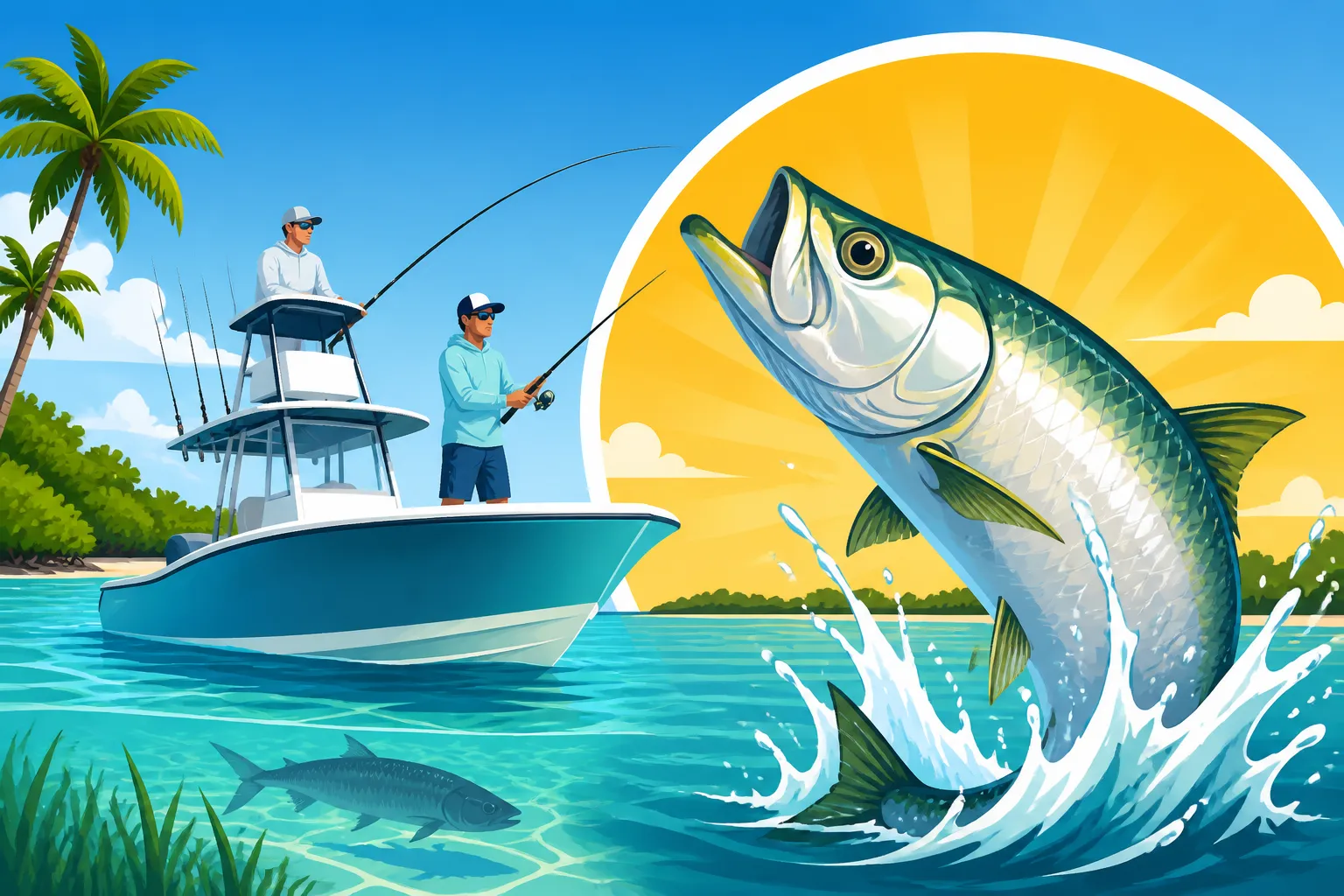
First, you have inshore or backcountry charters. These trips usually involve smaller, shallower-drafting boats, like flats boats or bay boats, designed to navigate the skinny waters of Florida Bay or the mangrove-lined channels. Guides here specialize in targeting species like snook, redfish, bonefish, permit, and juvenile tarpon. The focus is often on sight fishing, using light tackle or fly rods. These trips are incredibly engaging and require a captain with intimate knowledge of the local tides and fish movements.
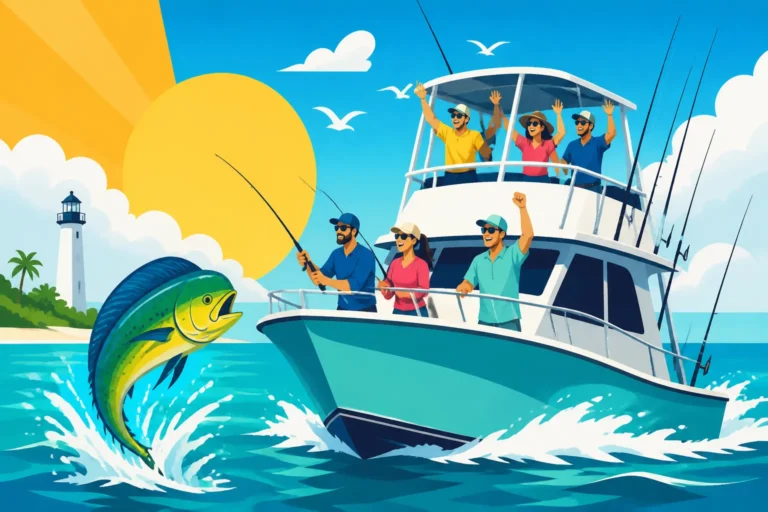
Next are offshore or deep sea charters. These operations run larger, more robust boats, often center consoles or sportfishing yachts, capable of handling the open Atlantic. The targets here are pelagic species like mahi-mahi (dorado), tuna, wahoo, king mackerel, and billfish such as sailfish and marlin. These trips involve longer runs out to sea, sometimes miles offshore to find temperature breaks or weed lines where baitfish congregate. The equipment is heavier, designed to handle powerful, fast-swimming fish, and the captain's expertise lies in reading ocean currents, locating structure, and deploying appropriate trolling or live bait strategies.
Finally, you might find reef and wreck fishing charters, which often use versatile center console boats. These trips typically stay closer to shore on the Atlantic side, targeting snapper, grouper, hogfish, and amberjack around artificial and natural reefs, and sunken wrecks. This style of fishing often involves bottom fishing with bait or vertical jigging, and it can be incredibly productive for anglers looking to fill a cooler with delicious table fare.
Why Charter Rates Aren't One-Size-Fits-All
It’s easy to get overwhelmed when you see such a wide range of prices for what seems like the same service. You might think, "Why is this charter boat asking for so much more than that one?" The truth is, there are numerous variables at play, and understanding them helps manage expectations and make an informed decision. The type of fishing, the duration of the trip, the size and amenities of the boat, the captain's experience level, and even the time of year all contribute to the final cost. A seasoned captain with a top-of-the-line boat and specialized equipment for targeting elusive species like tarpon will naturally command a higher rate than a newer guide with a basic setup focusing on easier-to-catch fish. This isn't just about price gouging; it's about the investment in gear, maintenance, insurance, fuel, and, most importantly, the invaluable knowledge that comes from years on the water.
Factors Influencing Charter Rates
When you're looking at Islamorada fishing charter rates, it's crucial to understand what drives those numbers. It's not just a random figure plucked from the air; it's a reflection of several key factors that contribute to the quality and nature of your fishing experience.
Duration of Your Trip: Half-Day vs. Full-Day
One of the most immediate and significant factors affecting charter rates is the length of your trip. Just like anything else, more time usually means more money, but the value proposition can be quite different.
Half-Day Charters: These trips typically run for about 4 hours. They're a fantastic option for families with young children, beginners, or those simply looking for a taste of Florida fishing without committing to an entire day on the water. You'll often stay closer to the dock, fishing more accessible spots. While productive, a half-day limits your travel time to prime fishing grounds and your overall fishing time. It's a great introduction, but if you're serious about targeting specific species or heading further offshore, you might feel a bit rushed. The captain needs to account for travel time to and from the fishing grounds, which eats into your actual fishing time.
Full-Day Charters: A full-day trip usually lasts 8 hours. This duration offers a much more comprehensive experience. You'll have ample time to run to distant, less-pressured fishing spots, giving you a better chance to encounter a wider variety of species or target specific trophy fish. For instance, if you're chasing migratory fish like sailfish or swordfish offshore, or planning a multi-spot backcountry trip for bonefish and permit, a full-day charter is almost essential. The extra hours allow for more flexibility, more diverse techniques, and often, more fish. The cost per hour might even be slightly less on a full-day trip compared to a half-day, as the captain's fixed costs for the day (fuel for starting, bait, prep) are spread over a longer period. You can explore the differences further in Half-Day vs Full-Day Fishing Charter Cost in Florida.
Type of Fishing: Inshore, Offshore, or Backcountry
The kind of fishing you want to do plays a huge role in the charter rate. Different environments demand different boats, different gear, and different levels of specialized knowledge from the captain.
Inshore/Backcountry Fishing: These trips generally utilize smaller, specialized boats (like flats skiffs) designed for shallow water. They focus on species like redfish, snook, permit, and bonefish in the calm, clear waters of Florida Bay or around the mangroves. The rates for these guides often reflect their deep understanding of local tides, currents, and fish behavior in complex shallow ecosystems. They might not burn as much fuel as an offshore boat, but their knowledge is highly specialized and often involves advanced techniques like poling the boat silently across flats for sight fishing. Many anglers seek out the specific thrill of a Florida Flats Fishing Guide Rates experience.
Offshore/Deep Sea Fishing: Heading out into the Atlantic's deep blue waters requires a larger, more powerful vessel, often a center console or sportfishing yacht, equipped with sophisticated electronics, outriggers, and heavy-duty tackle. These boats consume significantly more fuel, especially when running miles offshore to chase pelagic species like mahi-mahi, wahoo, tuna, or sailfish. The maintenance costs for these larger boats and their specialized equipment are also much higher. Consequently, offshore charter rates tend to be at the higher end of the spectrum due to these operational expenses and the sheer power required to battle big game fish in open water. If you're comparing a standard trip, you'll see a clear difference in rates compared to Florida Offshore Fishing Charter Guide options.
Reef and Wreck Fishing: These charters often sit somewhere in the middle. They usually use seaworthy center console boats that don't need to go as far offshore as a dedicated deep-sea trip, but still require robust gear for bottom fishing and fighting strong reef fish. Fuel consumption is moderate, and the focus is on structure fishing, which requires specific angling techniques. The rates will reflect a balance between the specialized knowledge of the reefs and the operational costs of the vessel.
Boat Size, Captain's Experience, and Amenities
Beyond the trip duration and type of fishing, the specific boat you charter and the person at the helm are massive determinants of cost.
Boat Size and Amenities: Larger boats generally mean higher rates. Why? They cost more to buy, more to maintain, more to fuel, and more to insure. A 40-foot sportfisher with an air-conditioned cabin, multiple fishing stations, top-tier electronics, and a private head (bathroom) will naturally be more expensive than a 20-foot open center console. The comfort, stability, and additional features provided by a bigger boat contribute to the overall experience, especially on longer offshore trips. For instance, a vessel equipped with a Seakeeper gyroscope for stabilization on rough days offers a premium experience that will be reflected in its price.
Captain's Experience and Reputation: This is arguably one of the most crucial factors. An Islamorada captain with decades of experience, a proven track record of successful trips, and a stellar reputation for finding fish and providing a memorable experience will command higher rates. You're not just paying for their boat; you're paying for their invaluable knowledge, their network of local contacts (for bait, conditions, etc.), and their ability to put you on fish when others can't. A top-tier guide has spent years learning the subtle nuances of the local waters, understanding fish patterns, and refining their techniques. While newer captains might offer more budget-friendly rates, you're often paying for peace of mind and a higher likelihood of success when you choose an experienced veteran. When booking through platforms like FishingBooker, you can often see captain bios and reviews that highlight their experience.
Specialized Equipment: Some charters specialize in very specific types of fishing that require unique, often expensive, equipment. Think about a fly fishing guide who provides custom rods and reels, or a swordfishing boat with specialized deep-dropping gear. These added investments in gear are passed along in the charter rate. For more details on what you might need to bring, check out What to Bring on a Florida Fishing Charter.
Typical Islamorada Charter Rate Ranges
Now that we've covered the factors influencing rates, let's talk numbers. While exact prices can vary, having a general idea of what to expect for different types of trips in Islamorada can help you budget and plan. Remember, these are typical ranges, and individual captains will have their own pricing structures. For a comprehensive overview, you might also want to look at Florida Fishing Charter Cost Guide.
Half-Day Inshore and Backcountry Rates
Half-day trips are a popular choice, offering a shorter commitment and a taste of the action, often focused on the calmer waters of the backcountry or nearshore areas.
Average Range: You can typically expect to pay a lower rate for a half-day trip compared to a full-day. This usually covers about 4 hours on the water. These trips are fantastic for targeting species like snook, redfish, and smaller trout in the flats or mangrove channels. They are often ideal for beginners or families who aren't sure if they want a full 8-hour adventure. The rates are influenced by the boat size and the captain's reputation, but generally provide a more accessible entry point into guided fishing.
What to Expect: For an Islamorada half-day backcountry charter, expect to see rates that reflect the specialized nature of flats fishing, the fuel for a shorter run, and the guide's expertise in navigating these complex shallow environments. While it's a shorter trip, the intensity and focus on specific, often challenging, species like bonefish or permit mean the expertise is still paramount. It's important to remember that while the trip is shorter, the captain's prep time and cleanup time are still significant.
Full-Day Offshore and Deep Sea Rates
Full-day offshore charters represent the premium end of the spectrum, offering extensive time on the water to pursue large, pelagic species far from shore.
Average Range: Full-day offshore and deep sea trips typically run for 8 hours or sometimes even 10 hours, allowing ample time to travel to prime fishing grounds and maximize fishing opportunities. These charters are designed for serious anglers looking to target mahi-mahi, wahoo, tuna, king mackerel, sailfish, or even swordfish. The rates here are significantly higher than half-day inshore trips due to the larger boat size, increased fuel consumption for longer runs, more extensive tackle requirements, and the often more specialized skills needed to consistently find and fight big game.
What to Expect: When you book a full-day offshore charter, you're investing in a comprehensive experience. The captain will have more time to adjust strategies based on conditions, move between different spots, and ensure everyone on board gets a chance at a variety of fish. It's common for these trips to include all tackle, bait, and often ice for your catch. However, remember to inquire about any potential fuel surcharges, especially for long runs, and always factor in the Tipping Etiquette for Florida Fishing Guides. For those exploring different parts of the Keys, comparing these rates with Key West Fishing Charter Rates or Marathon Florida Fishing Charter Rates can be insightful, as logistics and fishing styles vary.
Specialty Charters: Tarpon, Sailfish, and Night Fishing
Beyond the standard inshore and offshore options, Islamorada offers specialized charters that cater to specific angling pursuits. These often come with their own distinct pricing due to the unique demands they place on guides and equipment.
Tarpon Charters: The Florida Keys are world-famous for tarpon fishing, especially during their spring migration. Targeting these "Silver Kings" is a highly specialized skill. Tarpon charters are often booked months in advance and can have higher rates due to the intense focus, specific bait requirements, and the incredible effort involved in landing these powerful fish. Whether it's sight fishing with live bait or fly fishing, it demands immense patience and a guide who knows exactly when and where to find them. Knowing the Best Season to Book a Tarpon Charter in Florida is key for these trips.
Sailfish Charters: Islamorada is known as the "Sailfish Capital of the World," and chasing these acrobatic billfish is a thrilling experience. Sailfish charters are typically full-day offshore trips, often involving live bait kite fishing, which requires specialized gear and a highly skilled crew. The rates reflect the challenge of targeting these elusive game fish and the cost of maintaining the specific equipment.
Night Fishing: While less common than day trips, some captains offer night fishing charters, particularly for tarpon, snook, or snapper under dock lights or bridge lights. These trips offer a unique atmosphere and can be incredibly productive, but they fall outside standard operating hours, which can translate to a slightly different pricing structure. It's a different kind of challenge, often requiring specific techniques and a captain experienced in nocturnal navigation.
Breaking Down Charter Costs
It’s easy to look at a charter rate and just see a big number. But what exactly are you paying for? Understanding the breakdown of costs helps you appreciate the value of the service and budget effectively for your trip. This transparency is crucial for any angler.
What's Typically Included in the Price
Most reputable Islamorada fishing charters aim for an all-inclusive experience, especially regarding the core fishing necessities. When you book, you can generally expect the following to be covered by your charter rate:
- Captain's Expertise: This is the most valuable component. You're paying for their years of experience, local knowledge, ability to read the water, locate fish, and safely navigate the complex waters around Islamorada, Florida Fishing Spots.
- Boat and Fuel: The use of a well-maintained, safe vessel and the fuel it consumes for your trip. Fuel is a significant operating cost, especially for offshore charters that make long runs.
- Rods, Reels, and Tackle: High-quality fishing rods, reels, lines, and a wide array of terminal tackle (hooks, weights, leaders, lures, etc.) suited for the target species are usually provided. No need to bring your own unless you have a specific setup you prefer.
- Bait (Live or Artificial): Whether it's live shrimp for inshore action, pilchards for tarpon, or a spread of artificial lures for offshore trolling, bait is almost always included. This is another substantial expense for the captain, as live bait can be costly or require significant time to catch before your trip.
- Cooler with Ice: Most charters will have a cooler stocked with ice for your drinks and to keep your catch fresh.
- Safety Equipment: All necessary U.S. Coast Guard-approved safety equipment, including life jackets, first-aid kits, and communication devices, will be on board.
- Fishing License (Boat's Blanket License): This is a huge convenience! For most recreational fishing charters in Florida, the boat operates under a blanket charter license that covers everyone on board. This means you typically do not need to purchase an individual fishing license for your trip. However, it's always wise to confirm this with your captain when booking. You can learn more about this in Charter Boat Fishing License Rules in Florida.
Knowing what's included helps you avoid unnecessary purchases and ensures you're prepared for your day on the water. For a general understanding across the state, consider What's Included in a Florida Fishing Charter Price.
Common Exclusions and Hidden Costs (Tips, Bait, Licenses)
While much is included, there are a few things that are almost universally not covered by the charter rate, and it's essential to factor these into your overall budget to avoid any surprises.
- Gratuity for the Captain/Mate: This is the most significant "hidden" cost and one that many first-time charter clients forget. Tipping your captain and any mate(s) is standard practice and greatly appreciated. The industry standard is typically 15-20% of the charter fee, assuming they provided good service. These professionals work incredibly hard, from preparing the boat and bait before you arrive to cleaning your catch afterward, not just during the hours you're actively fishing. It's a crucial part of their income, and a good tip reflects a great experience. Tipping Etiquette for Florida Fishing Guides goes into more detail.
- Food and Drinks: While ice and a cooler are provided, you'll need to bring your own snacks, lunch, and beverages for the day. Staying hydrated and fueled is vital for a comfortable and enjoyable trip, especially in the Florida sun.
- Sun Protection and Personal Items: Sunscreen, hats, sunglasses (polarized are a must!), appropriate clothing, and any personal medications are your responsibility.
- Specialized Bait or Extra Live Bait: While standard bait is included, if you have a specific request for a large quantity of a particular live bait that's hard to acquire, some captains might charge a small extra fee. This is rare but worth clarifying if you have unique bait needs.
- Fish Cleaning (Sometimes): Many captains and mates will gladly fillet and bag your catch at the end of the day, but sometimes a small fee might apply, or it might be expected as part of the gratuity. Always ask upfront.
Being aware of these common exclusions will help you budget more accurately and ensure a smooth, enjoyable experience.
Understanding Fuel Surcharges
Fuel surcharges can sometimes pop up, especially for offshore charters or during periods of unusually high fuel prices. It's important to understand how they work:
Why They Occur: Fuel is one of the most volatile expenses for a charter operation. When gas prices spike dramatically, a captain might implement a fuel surcharge to cover the unexpected increase in operational costs. This prevents them from having to constantly re-price their charters, which are often booked months in advance.
How They're Applied: A fuel surcharge is usually an additional, flat fee or a per-gallon charge added to the base rate. It's typically communicated clearly at the time of booking or well in advance of your trip. For example, a captain might state, "A fuel surcharge may be applied if fuel prices exceed $X per gallon."
Clarification is Key: Always ask about potential fuel surcharges when you are inquiring about rates. A reputable captain will be transparent about this. This is particularly relevant for offshore trips where significant distances are covered, leading to higher fuel consumption. For instance, a long run out to the deep-water humps for tuna will burn far more fuel than a short jaunt to the patch reefs for snapper. Don't be shy about asking; it’s better to know upfront than to be surprised when you’re settling up at the dock.
Maximizing Value and Avoiding Sticker Shock
Booking a fishing charter in Islamorada is an investment in an experience. To ensure you're getting the best value for your money and avoiding any unpleasant surprises, it pays to be strategic in your approach.
Comparing Private vs. Shared Charters
This is a fundamental decision that impacts both cost and experience. Understanding the pros and cons of each will help you choose what's right for your group and budget.
Private Charters: With a private charter, you book the entire boat for your group (up to the legal limit, which is often 6 passengers for most recreational charters).
- Pros: This offers the ultimate flexibility. You decide on the target species, the fishing techniques, and the pace of the day. The captain's attention is entirely focused on your group, leading to a highly personalized experience. It's ideal for families, groups of friends, or serious anglers who want to maximize their chances for specific fish. You're not beholden to other anglers' preferences or skill levels.
- Cons: The main drawback is the cost. You're covering the entire boat's expenses yourself, so the per-person rate will be significantly higher than a shared trip.
- You can learn more about the cost difference in Private Charter vs Shared Charter Cost in Florida.
Shared Charters (Party Boats or Split Charters): Shared charters allow individual anglers or smaller groups to pay a per-person rate to join other anglers on a larger vessel.
- Pros: This is by far the most budget-friendly option, making offshore fishing accessible to more people. You get to experience the thrill of deep-sea fishing without the hefty price tag of a private boat. It's also a great way to meet other anglers.
- Cons: You sacrifice flexibility. The captain will cater to the group's general consensus, and you might not get to target your preferred species or use your favored techniques. Space can be more limited, and you'll be sharing fishing opportunities with others. The focus is often on quantity over quality, aiming to get everyone some fish. Platforms like FishingBooker sometimes facilitate "split charters" where they help connect small groups to form a full boat, offering a middle ground between private and party boat pricing.
Booking in Advance and Off-Season Savings
Timing can play a significant role in both availability and price. A little foresight can go a long way in securing your ideal trip at a potentially better rate.
Booking in Advance: Islamorada is a highly sought-after fishing destination, especially during peak seasons (like spring for tarpon or summer for mahi-mahi). Top captains and desirable boats book up months, sometimes even a year, in advance. Booking early ensures you get your preferred dates and captain, and avoids the stress of scrambling last minute, which often leaves you with fewer (and potentially more expensive) options. It also gives you more time to communicate with your captain about your expectations and plan your trip.
Off-Season Savings: Like many tourist destinations, Islamorada has peak and off-peak seasons.
- Peak Season: Generally spring (for tarpon) and summer (for offshore pelagics) and around major holidays. Demand is high, and rates are firm.
- Off-Season: Late fall (excluding Thanksgiving), early winter (excluding Christmas/New Year's), and parts of late summer/early fall (often coinciding with hurricane season) can sometimes offer slightly lower rates or more flexibility. While fishing can still be excellent, there might be fewer tourists, and captains might be more willing to negotiate, or offer special promotions. For instance, Fishing During Florida's Hurricane Season might offer deals, but also comes with weather considerations. Always inquire if booking during these times.
What to Prioritize When Choosing a Charter
With so many options, how do you make the right choice? It comes down to clearly defining your priorities.
- Your Budget: Be realistic about what you can afford. Don't overstretch for a luxury charter if it means cutting corners elsewhere on your trip. Conversely, don't pick the cheapest option if it means compromising on safety or experience.
- Target Species/Fishing Style: Are you dead set on catching a sailfish? Or do you just want to bend a rod and bring home some dinner? Do you prefer the challenge of fly fishing the flats or the excitement of trolling offshore? Your target fish will dictate the type of charter you need and, thus, the associated costs.
- Experience Level: If you're a seasoned angler, you might prioritize a captain known for their technical skills and willingness to go the extra mile for a trophy. If you're a beginner or fishing with kids, a family-friendly charter with a patient captain and a focus on action (even if it's smaller fish) might be more suitable. Look for Best Fishing Charters for Families in Florida if you're bringing the whole crew.
- Group Size and Dynamics: A private charter is best for close-knit groups or if you want privacy. A shared charter is perfect for solo anglers or small groups on a budget.
- Captain's Reputation and Reviews: Always check reviews and testimonials. Websites like FishingBooker provide angler reviews that offer invaluable insights into a captain's personality, professionalism, and fishing success. A glowing review about a captain's patience with kids or their ability to find fish consistently speaks volumes.
By weighing these priorities, you can make an informed decision that ensures your Islamorada fishing trip meets your expectations and provides excellent value.
Booking Your Islamorada Fishing Adventure
You've done your research, you understand the rates, and you know what you want. Now comes the exciting part: booking your adventure. This final stage involves some practical steps to ensure a smooth and successful trip.
Researching and Vetting Captains
Finding the right captain is just as important as finding the right boat, perhaps even more so. A great captain makes the trip, regardless of the fish count, and a poor one can sour the experience even if you catch a few.
Online Platforms and Reviews: Start your search on reputable online booking platforms like FishingBooker. These sites allow you to browse numerous charters, compare prices, see boat specifications, and, most importantly, read genuine reviews from past clients. Pay attention to comments about the captain's communication, professionalism, patience, and fishing success. Look for trends in reviews – does the captain consistently get praised for being family-friendly, or are they known for serious, hardcore angling? This helps align your expectations with their specialty.
Word-of-Mouth: Nothing beats a personal recommendation. If you know anyone who has fished in Islamorada, ask them about their experiences. Local tackle shops are also goldmines of information; the staff often know many captains personally and can offer unbiased recommendations based on your fishing goals.
Captain's Credentials: Always ensure your captain holds the necessary U.S. Coast Guard (USCG) Captain's License. This is a federal requirement for anyone operating a for-hire passenger vessel. Most reputable charters proudly display their credentials, and you can even verify them through public databases. This ensures they have undergone rigorous training, testing, and safety inspections. You want to know you're in safe, legal hands.
Reading the Fine Print: Deposits and Cancellation Policies
Before you commit to a booking, it's absolutely crucial to understand the financial terms and conditions. Skipping this step can lead to significant disappointment and financial loss.
Deposit Requirements: Most charters require a deposit to secure your booking, especially for popular dates and captains. This deposit can range from a percentage of the total fee to a fixed amount. Understand whether it's refundable, and under what conditions. Typically, deposits are non-refundable if you cancel without sufficient notice, but are usually fully refunded if the captain cancels due to unsafe weather conditions.
Cancellation Policies: This is where many anglers get caught out. Life happens – people get sick, flights get delayed, or plans change. Every charter will have a cancellation policy, and it's your responsibility to know it.
- Weather-Related Cancellations: Reputable captains will always prioritize safety. If the captain deems the weather unsafe (e.g., high winds, rough seas, lightning storms), they will cancel the trip. In such cases, you should expect a full refund of your deposit or the option to reschedule without penalty. This is often the only time you'll get a full refund if the cancellation isn't initiated by you.
- Client-Initiated Cancellations: If you cancel, the policy will dictate whether you forfeit your deposit, are charged a percentage, or receive a refund. The required notice period can vary greatly, from 48 hours to several weeks. Understand these terms clearly before booking. For a deeper dive into common practices, check out Cancellation Policy for Florida Fishing Charters.
Payment Methods: Clarify how payment is accepted for the balance (e.g., cash, credit card, Venmo). Some captains prefer cash for the remaining balance or for tips.
Utilizing Online Platforms and Local Knowledge
Leveraging the right resources can simplify your booking process and enhance your trip.
Online Booking Platforms: Websites like FishingBooker make it incredibly easy to search, compare, and book charters. They often provide real-time availability, clear pricing, and secure payment processing. Many also offer customer support to help with questions or issues. Using such platforms centralizes your search and provides a level of consumer protection through their review systems and booking guarantees.
Local Knowledge and Resources: Don't underestimate the power of local insight. Once you've tentatively picked a captain, give them a call. Have a conversation about your expectations, their experience, and what's biting. This personal interaction can confirm your choice and build rapport. Also, check local forums, fishing reports, and even social media groups dedicated to Islamorada fishing. Anglers often share current conditions, successful captains, and tips, which can be invaluable. This can sometimes lead to finding a hidden gem of a guide that might not be on the most popular booking sites.
By diligently following these steps, you'll not only understand Islamorada fishing charter rates but also confidently book a memorable fishing adventure in the Florida Keys.
| Charter Type | Duration | Typical Targets | Key Cost Drivers | Average Rate Range (Estimate) | Best For |
|---|---|---|---|---|---|
| Inshore/Backcountry | Half-Day | Snook, Redfish, Trout | Guide's expertise, specialized shallow boat | Check individual captains | Quick trips, families, sight fishing beginners |
| Inshore/Backcountry | Full-Day | Bonefish, Permit, Tarpon | Guide's expertise, specialized shallow boat | Check individual captains | Serious flats anglers, specific trophy fish |
| Offshore/Deep Sea | Half-Day | Snapper, Grouper (nearshore) | Larger boat, moderate fuel | Check individual captains | Introduction to offshore, diverse catch |
| Offshore/Deep Sea | Full-Day | Mahi-mahi, Sailfish, Wahoo, Tuna | Large boat, high fuel, specialized gear | Check individual captains | Big game hunters, extended fishing time |
| Specialty (Tarpon, Night) | Varies | Tarpon, specific seasonal species | Highly specialized knowledge, specific gear/timing | Check individual captains | Targeted seasonal fishing, unique experiences |
Disclaimer
This article is for general informational purposes only and does not constitute professional advice. Laws, prices and regulations vary by location and change over time. Consult a qualified professional for guidance on your specific situation.