Best Fishing Charters for Families in Florida
Planning a family fishing trip in Florida can feel like a daunting task, especially when you want to ensure everyone, from the littlest angler to the seasoned enthusiast, has a fantastic time without any hidden headaches. It's not just about catching fish; it's about creating lasting memories and an enjoyable experience for all ages. This comprehensive guide is here to help you navigate the waters of selecting the best fishing charters for families in Florida, ensuring your outing is smooth, safe, and full of smiles.
What Makes a Fishing Charter "Family-Friendly"?
When you're sifting through countless charter options, the term "family-friendly" can sometimes feel a bit vague. What does it really mean for your crew, especially if you have young children or diverse interests? It goes far beyond simply allowing kids on board; it’s about the entire experience being tailored to ensure comfort, safety, and engagement for everyone. A truly family-friendly charter understands the unique dynamics of bringing different age groups together for a day on the water.
Safety First: Beyond the Basics
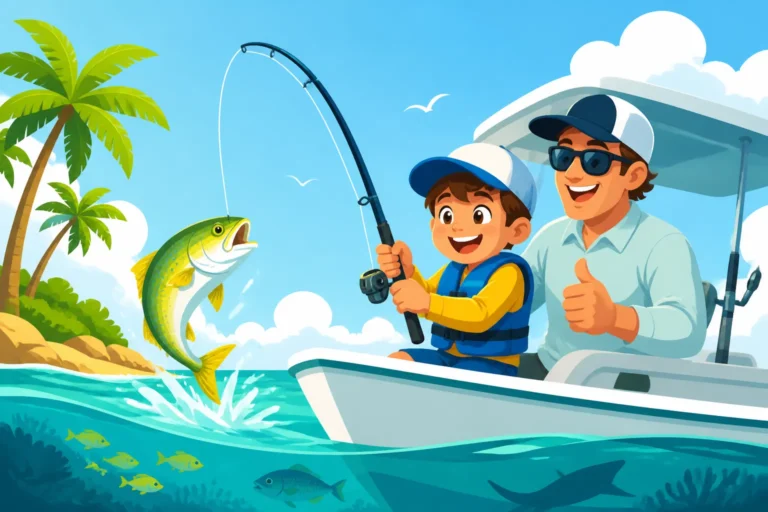
Of course, every reputable charter will have the necessary safety equipment, but for families, "safety first" often means an elevated level of preparedness and vigilance. Think about how active kids can be, or the specific needs of toddlers or elderly family members. A captain and crew who are genuinely family-friendly won't just have life jackets; they'll proactively ensure every child has one that fits properly before the boat even leaves the dock. You might even find charters that carry extra child-sized PFDs (Personal Flotation Devices) in a variety of sizes, knowing that kids grow quickly and one-size-fits-all rarely works for little ones.
Beyond life jackets, consider the physical layout of the boat. Are there high gunwales or railings that provide a secure feeling? Is the deck clear of trip hazards? Does the boat feel stable, even in a bit of chop? Some charters specifically outfit their boats with additional safety measures, like non-slip decking that’s regularly maintained, or secure storage for gear to keep walkways clear. They might even have a first-aid kit that's stocked for more than just a minor cut, anticipating common issues like sunburn or seasickness. It’s these thoughtful details that give parents peace of mind, allowing them to relax and enjoy the fishing, knowing their loved ones are in good hands. For instance, a captain who gives a thorough, kid-friendly safety briefing, explaining where everything is and what to do in simple terms, immediately earns family trust. This proactive approach to safety is paramount when choosing a charter for your loved ones. You'll want to ask about specifics like Do Florida Fishing Charters Provide Life Jackets for Kids? during your booking process.
Kid-Centric Amenities and Activities
Let's be honest: not every kid has the patience of a seasoned angler. While one might be thrilled to hold a rod for hours, another might lose interest after twenty minutes. A truly family-friendly charter anticipates this and offers more than just fishing. We’re talking about amenities that keep kids (and adults!) comfortable and engaged throughout the trip. This could include shaded areas to escape the Florida sun, especially important for sensitive skin. Some boats might even have a small head (marine toilet) onboard, which is a game-changer when you're out with little ones for a few hours.
But it’s not just about comfort; it’s about fun. Think about charters that offer opportunities for wildlife viewing, perhaps pointing out dolphins, manatees, or various bird species. Some captains carry simple binoculars or even a laminated fish identification chart to turn the trip into an educational adventure. A few might even have a small cooler stocked with kid-friendly snacks and drinks, or at least ample space for you to bring your own. The best family charters understand that variety is key. If the fish aren't biting, or if a child needs a break from holding a rod, what else can they do? A captain who can tell engaging stories about local marine life or patiently teach a child how to cast, even if they're not immediately successful, is worth their weight in gold. It's about creating a holistic experience, not just a fishing trip.
Patient and Engaging Captains
This is perhaps the most crucial element of a family-friendly charter. The captain and crew set the tone for the entire trip. A gruff, impatient, or overly serious captain can quickly turn a potential day of joy into an anxious ordeal for children and parents alike. Conversely, a captain who genuinely enjoys having kids on board, who speaks to them directly and respectfully, and who exhibits endless patience, can make all the difference. Imagine a scenario where a child gets tangled in their line for the third time in ten minutes – a patient captain will calmly help untangle it, maybe even sharing a quick tip, rather than sighing loudly or making the child feel like a nuisance.
These are the captains who aren't just experts at finding fish; they're experts at engaging young minds. They might take the time to explain how the reel works, identify different baitfish, or even let a child "drive" the boat for a few moments (under strict supervision, of course!). They understand that a child's first fishing experience can shape their lifelong interest in the sport and the outdoors. Many of these captains have families of their own and know firsthand the challenges and joys of fishing with kids. When researching, pay close attention to reviews that specifically mention the captain's demeanor with children. Services like FishingBooker often include detailed reviews where past customers share their experiences, and these can be invaluable for finding a captain who truly shines with families. A great captain doesn't just put you on fish; they create an atmosphere where everyone feels welcome, supported, and excited to participate.
Types of Family Fishing Experiences
Florida's diverse waters offer an incredible array of fishing opportunities, but not all are created equal when it comes to family outings. Understanding the different types of charters available can help you select the one that best matches your family's preferences, age ranges, and desired level of adventure.
Inshore and Nearshore Charters
For most families, especially those with younger children or first-time anglers, inshore and nearshore charters are often the sweet spot. "Inshore" typically means fishing in calmer, shallower waters like bays, estuaries, mangrove channels, and flats, often staying within sight of land. "Nearshore" ventures a little further out, usually within a few miles of the coast, targeting reefs or wrecks in slightly deeper but still generally calm waters. The biggest advantage here is the reduced likelihood of seasickness, which can quickly derail a family trip. How to Avoid Seasickness on a Florida Fishing Charter is a great resource to review beforehand.
These charters often target a variety of species that are exciting to catch but not overly challenging, such as speckled trout, redfish, snook (when in season), snapper, and even smaller sharks. The action can be quite consistent, keeping interest levels high for all ages. Imagine cruising through calm waters, spotting a dolphin, and then having your child reel in their very first snook right next to a mangrove island – these are the moments that truly create lasting memories. Many inshore and nearshore guides operate smaller, more nimble boats that allow for a more personalized experience, and they are often highly adept at working with children, patiently baiting hooks and untangling lines. They might even incorporate a little sightseeing or shelling into the trip, making it a multi-faceted adventure for the entire family. These trips are typically shorter, often half-day, which is ideal for shorter attention spans.
Half-Day Adventures vs. Full-Day Expeditions
Deciding between a half-day (typically 4 hours) and a full-day (6-8 hours) charter is a critical consideration for families. For most, especially those with young children, a half-day adventure is the clear winner. The excitement of fishing can wear off quickly for kids, and a shorter trip ensures they stay engaged and happy rather than becoming bored or tired. Four hours gives ample time to travel to a fishing spot, get some lines in the water, and hopefully catch a few fish, all before anyone gets too antsy or the Florida sun becomes too intense. It's often the perfect duration to leave everyone wanting more, rather than feeling drained.
Full-day expeditions, while offering more fishing time and the chance to venture further and target a wider variety of species, are generally better suited for families with older children or teenagers who have a proven passion for fishing and the stamina for a longer day on the water. These longer trips can involve more travel time to distant spots, more exposure to sun and elements, and potentially more downtime between bites. If your family thrives on extended outdoor adventures and has a high tolerance for waiting for the big bite, then a full-day trip might be rewarding. However, for most typical family outings, particularly with mixed ages, the half-day option provides a higher likelihood of a universally positive experience. You can explore the cost difference in depth by reading Half-Day vs Full-Day Fishing Charter Cost in Florida.
Party Boats: A Budget-Friendly Option
Party boats, also known as head boats or drift boats, offer a distinctly different family fishing experience. These are large vessels that take many anglers (sometimes dozens) out to productive fishing grounds, typically nearshore reefs or wrecks, where they bottom fish for species like snapper, grouper, porgies, and triggerfish. The appeal for families is often the lower cost per person compared to a private charter, making it a more accessible option for larger families or those on a tighter budget. You can find out more about these costs in Party Boat Fishing Cost in Florida.
On a party boat, the crew often works hard to help everyone, baiting hooks and removing fish. It's a lively, social atmosphere where kids can interact with other anglers and enjoy the hustle and bustle. However, it's important to set expectations. It's not a private experience; you'll be fishing shoulder-to-shoulder with strangers. While the crew is helpful, their attention is divided among many people, so children will need more direct supervision from parents than on a private charter. Seasickness can also be more of a concern as these boats often venture further offshore than inshore private charters. For families with older kids or teenagers who enjoy a bustling environment and are primarily focused on catching fish without the need for personalized instruction, a party boat can be a fun and economical choice. However, for very young children or those prone to anxiety in crowds, a private charter might offer a more comfortable and tailored experience.
Choosing the Right Charter for Your Family
Selecting the perfect fishing charter for your family involves more than just picking a boat with an open date. It requires thoughtful consideration of your family's unique dynamics, interests, and tolerance for adventure. Getting this right can mean the difference between an unforgettable memory and a day you'd rather forget.
Age and Attention Spans
This is arguably the most critical factor when planning a family fishing trip. A charter that’s perfect for teenagers might be completely inappropriate for a toddler, and vice-versa.
- For Toddlers and Preschoolers (ages 2-5): Short, very calm inshore trips are best. Look for boats with plenty of shade and safe, enclosed areas. The focus should be less on catching a trophy and more on the overall experience: seeing the boat, feeling the breeze, maybe reeling in a small panfish. A charter that specifically markets itself for "first-time anglers" or "young children" often means they have gear appropriate for tiny hands and a captain with incredible patience. Minimum Age for a Florida Fishing Charter is an excellent resource to check specific guidelines, as some charters have age restrictions.
- For Elementary Schoolers (ages 6-10): These kids are often brimming with enthusiasm! They can handle a bit more action and might genuinely enjoy learning to cast. Inshore or nearshore trips are still ideal, but a 4-hour charter usually hits the sweet spot. Charters that promise plenty of action, even if it's smaller fish, will keep them engaged. Look for captains who are good at teaching and storytelling. They often love being able to help bait their own hooks or reel in fish with minimal assistance.
- For Pre-Teens and Teenagers (ages 11-17): This age group can often handle longer trips and more challenging fishing. Depending on their interest, they might enjoy an offshore trip targeting bigger game fish, or a specialized inshore trip for species like snook or redfish that require more skill. They're often keen on learning specific techniques and might even bring their own gear. A full-day trip might be appropriate here, especially if they are seasoned anglers. They appreciate a captain who treats them like developing anglers rather than just "kids."
Always be realistic about your children's attention spans and their tolerance for being on a boat. A miserable child can quickly spoil the fun for everyone else.
Target Species: What Do You Want to Catch?
Florida offers an incredible diversity of fish, both freshwater and saltwater. Knowing what kind of fish your family hopes to catch can significantly narrow down your charter choices.
- Plenty of Action (Quantity over Size): If the goal is simply to get a bend in the rod and keep the kids excited, inshore species like spotted seatrout, mangrove snapper, and various panfish are excellent choices. They are often abundant and relatively easy to catch, providing consistent excitement. Many nearshore reefs also hold a variety of smaller snapper species that offer steady action.
- A "Trophy" or "Cool" Fish (Size and Excitement): If your family dreams of reeling in something larger or more iconic, you might consider targeting redfish, snook (during open seasons), or even smaller sharks inshore. For offshore adventures, species like mahi-mahi, king mackerel, or even smaller grouper can provide thrilling battles. Be aware that targeting larger fish often means more patience and sometimes fewer bites, so weigh this against the attention span factor. Charters specializing in specific species will have the right gear and knowledge to maximize your chances.
- Freshwater vs. Saltwater: Florida boasts world-class freshwater fishing, particularly for largemouth bass and peacock bass. If your family prefers lakes and canals to the open ocean, a freshwater bass guide might be the perfect fit. These trips often occur on calmer waters, eliminating seasickness concerns. However, if the allure of the ocean and its diverse marine life calls to you, then a saltwater charter is the way to go. Consider what truly excites your family – the calm serenity of a lake or the vast expanse of the ocean. The species targeted will heavily influence the location and type of charter you choose.
Geographic Considerations: Where in Florida?
Florida is a big state, and fishing opportunities vary greatly from region to region. Your travel plans will naturally dictate your options, but it’s worth considering which areas are particularly well-suited for family fishing.
- Florida Keys: Famous for incredible saltwater fishing, the Keys offer fantastic inshore (flats and backcountry) and offshore opportunities. Many charters cater specifically to families. The calm backcountry waters are excellent for younger kids. You can find charters specifically geared for kids here, like Best Fishing Charters for Kids in the Florida Keys.
- Southwest Florida (Naples, Fort Myers, Sanibel): Known for its abundant snook and redfish in the backcountry and nearshore waters. The barrier islands and calmer Gulf waters make it a great family destination.
- Tampa Bay Area (Tampa, St. Petersburg, Clearwater): A massive estuary system offering excellent inshore fishing for trout, redfish, and snook. Many family-friendly charters operate out of this region, with plenty of other attractions nearby if fishing isn't the sole focus.
- Orlando Area (Lakes Toho, Kissimmee): While inland, Central Florida is a mecca for largemouth bass fishing. Many guides specialize in family bass trips on these large, calm lakes, offering a different kind of angling adventure away from the saltwater.
- Panhandle (Destin, Panama City Beach): Known for its beautiful beaches and fantastic Gulf fishing. Offshore trips for snapper and grouper are popular, but there are also excellent bay and nearshore options suitable for families.
- Atlantic Coast (Jacksonville, Daytona, Sebastian Inlet): Offers a mix of inshore river fishing and strong Atlantic surf and offshore opportunities. The Indian River Lagoon, for example, is a prime spot for redfish and trout in calmer waters.
Consider your overall vacation plans. If you're already in Miami for sightseeing, a peacock bass trip in the canals might be a unique family experience. If you're spending a week on the beaches of Anna Maria Island, a nearshore Gulf charter would be a natural fit. Researching the local fish species and typical fishing conditions for your chosen region will help you align your family's expectations with what's realistically available.
Top Considerations for Booking a Family Charter
Once you have a general idea of the type of family fishing experience you're looking for, it's time to dive into the practicalities of booking. This stage involves scrutinizing reviews, understanding the financial commitment, and preparing for the unexpected, like changes in weather.
Reading Reviews and Reputations
In today's digital age, online reviews are your best friend when selecting a fishing charter. Don't just skim the star rating; truly delve into what previous customers, especially other families, have to say. Look for specific mentions of how the captain and crew interacted with children, their patience levels, and their ability to keep everyone engaged. Were the kids bored, or were they high-fiving the captain? These qualitative details are far more valuable than a simple "five stars."
Platforms like FishingBooker are excellent for this, as they often have a wealth of verified reviews. Pay attention to any recurring themes, positive or negative. For example, if multiple reviews praise a captain for their calm demeanor with young anglers, that's a strong indicator. Conversely, if several reviews mention a charter being "all business" or better suited for experienced adults, it might not be the best fit for your family, regardless of how many fish they catch. Also, consider how the charter responds to reviews, both good and bad. A charter that professionally addresses criticism shows a commitment to customer service and improvement. Beyond online platforms, don't hesitate to ask for recommendations from local tackle shops or fellow parents who have fished in the area. Word-of-mouth remains a powerful tool in finding truly exceptional family-friendly operations.
Understanding Pricing and Inclusions
Charter fishing can be a significant investment, so it’s absolutely crucial to understand exactly what’s included in the price and what might be an additional cost. Nothing sours a family outing faster than unexpected fees.
- Base Price: This typically covers the boat, captain, fuel, and basic tackle.
- Bait: Is live bait included, or is it an extra charge? Live bait can often make a big difference, especially for certain species.
- Fishing Licenses: For private charters, the boat typically holds a blanket license that covers everyone on board, so individual licenses aren't needed. However, it's always wise to confirm this. For certain types of fishing or party boats, individual licenses might be required. Review Florida Fishing License Guide to be sure, and ask your specific charter.
- Fish Cleaning: Is the captain willing to clean and bag your catch at the end of the trip, or is that an additional service or not offered at all? For families wanting to take their dinner home, this is a significant convenience.
- Drinks/Snacks: Most charters don't provide food or drinks, so you'll need to pack your own. However, some higher-end or specialty family charters might offer basic refreshments. Always clarify.
- Gratuity: Tipping the captain and crew is customary and expected, typically 15-20% of the trip's cost if you're happy with the service. Factor this into your budget beforehand. You can read Tipping Etiquette for Florida Fishing Guides for more detailed information.
Before booking, get a clear, itemized breakdown of costs. Don't be shy about asking questions to avoid any surprises. A transparent charter company will be happy to provide all this information upfront.
Cancellation Policies and Weather Concerns
Florida's weather can be notoriously unpredictable, especially during the summer months with pop-up thunderstorms, or during hurricane season. Understanding a charter's cancellation policy is vital, particularly when traveling with a family whose schedule might be less flexible.
Most reputable charters will have a policy regarding weather-related cancellations, usually offering a full refund or the option to reschedule if the captain deems conditions unsafe (e.g., high winds, severe thunderstorms). However, policies can vary. What if you need to cancel due to a sick child or another family emergency? Some charters might require significant advance notice (e.g., 72 hours) to offer a refund, while others might be more flexible, especially for family situations.
It's also important to clarify what constitutes a "weather cancellation." A light drizzle might not be enough for the captain to cancel, but it might make for a miserable trip with young children. Discuss your concerns with the captain or booking agent beforehand. Ask if they have a "rainy day" plan or alternative options. Booking during Florida's less volatile weather seasons (like spring or fall) can mitigate some of these concerns, but it's always best to be prepared for the possibility of rescheduling. Review Cancellation Policy for Florida Fishing Charters to understand common practices. Always have a backup plan for your family in case your fishing trip gets postponed, whether it's a visit to a local museum, an aquarium, or simply a fun pool day.
Preparing for Your Family's Fishing Adventure
You've picked the perfect charter, read the reviews, and understand the costs. Now comes the exciting part: getting ready for the big day! Proper preparation can significantly enhance everyone's comfort and enjoyment, ensuring your family fishing trip is a memorable success.
What to Pack for Comfort and Safety
Packing wisely is key to a comfortable family fishing trip, especially in Florida's often intense sun and humidity. Think about both comfort and safety for every member of your crew.
First and foremost, sun protection is non-negotiable. This includes broad-brimmed hats for everyone, sunglasses (polarized ones can help spot fish!), and plenty of high-SPF sunscreen. Apply it before you leave the house, and bring it along for reapplication throughout the trip, especially after splashing or sweating. Light-colored, long-sleeved shirts made of breathable, quick-drying fabric are highly recommended for sun protection, even if it feels counterintuitive in the heat.
Next, hydration is crucial. Bring plenty of water and other refreshing drinks. Florida heat can be deceptive, and dehydration can creep up quickly. A cooler packed with drinks and some easy-to-eat snacks (think fruit, crackers, granola bars) will keep energy levels up, particularly for hungry kids who might forget to eat when the fish are biting.
Appropriate footwear is also important. Closed-toe shoes with non-slip soles are best to prevent slips on a wet deck. Flip-flops can be risky. Bring a light rain jacket or poncho, even if the forecast looks clear; Florida summer showers can appear out of nowhere. Finally, consider a small bag for each child with a few non-fishing distractions like a small book, travel-sized game, or drawing pad, just in case they need a break from fishing. For a more exhaustive list, check out What to Bring on a Florida Fishing Charter.
Managing Expectations and Building Excitement
One of the most important things you can "pack" is the right attitude and realistic expectations. While catching fish is certainly the goal, it's not always guaranteed, and making the trip only about catching can lead to disappointment. Instead, focus on the overall experience: being on the water, spotting wildlife, spending quality time together, and learning something new.
Before the trip, talk to your kids about what to expect. Explain that fishing requires patience, and sometimes the fish aren't hungry. Emphasize the other fun aspects, like the boat ride, seeing dolphins, or learning from the captain. Watch a short, kid-friendly video about the type of fish you might catch or what fishing on a boat is like. Involve them in the preparation, like picking out snacks or their favorite hat. This builds excitement and a sense of ownership over the adventure. Remind them that even if they don't catch the biggest fish, the joy is in the attempt and the shared moments. For instance, you might say, "Even if we don't catch a giant fish, think about how cool it will be to see the pelicans dive for their food!"
Preventing Seasickness in Little Ones
Seasickness is a common concern for families, especially with younger children, and it can quickly ruin a day on the water. Taking preventative measures is always better than trying to treat it once it starts.
First, choose the right charter as discussed earlier – inshore and nearshore trips on calm waters are generally the safest bet for those prone to seasickness. Avoid rough days if possible, and communicate any concerns with the captain beforehand.
Over-the-counter medications like Dramamine or Bonine can be very effective, but always consult with your pediatrician before administering them to children. If approved, it's crucial to give them before getting on the boat, as they work best as a preventative measure. Once symptoms start, it's much harder to combat.
Natural remedies can also help. Ginger (ginger candy, ginger ale, or ginger chews) is known for its anti-nausea properties. Encourage kids to focus on the horizon rather than looking down at their hands or a screen. Staying in the fresh air and avoiding strong odors (like exhaust fumes) can also make a big difference. Avoid heavy, greasy meals before the trip; opt for light, bland foods. If a child does start to feel ill, encourage them to lie down in the freshest air possible, often in the stern of the boat, and keep them hydrated. Many charters will have a designated "seasick spot" on the boat. Being prepared and proactive can significantly increase the chances of a smooth, nausea-free trip for the whole family.
Common Questions About Family Fishing Charters
Even after meticulous planning, families often have lingering questions about the nitty-gritty details of a fishing charter. Here, we tackle some of the most frequently asked questions to ensure you feel fully informed and confident for your family's adventure.
Do Kids Need a License?
This is a very common question, and the answer can sometimes be confusing depending on the type of fishing and who you're fishing with. The good news for families booking a Florida fishing charter is that typically, no, individual children (or adults for that matter) do not need their own fishing license when fishing with a licensed for-hire charter boat.
Licensed charter captains operate under a specific vessel license that covers all passengers on their boat for recreational fishing purposes. This means that when you book a private charter, the cost of this blanket license is essentially built into the charter fee. This convenience is a huge bonus for families, as it eliminates the hassle of purchasing individual licenses for everyone, especially if you have several children.
However, there are exceptions. If you're fishing from a public pier that doesn't hold its own pier license, or if you decide to try shoreline fishing on your own after the charter, then individual license requirements would apply. For children, in Florida, residents under 16 years of age do not need a recreational freshwater or saltwater fishing license. Non-resident children under 16 also typically do not need a license. It’s always a good idea to confirm with your specific charter captain when you book to ensure you understand their policy, but for most standard charter trips, you can rest assured your family will be covered. For more details on the age requirements, see Do Kids Need a Florida Fishing License?.
Tipping Your Captain and Crew
Knowing when and how much to tip can often feel awkward, but it's an important part of the charter fishing etiquette, especially in Florida. Fishing guides and deckhands work incredibly hard to ensure your trip is enjoyable, safe, and successful. They put in long hours preparing the boat, maintaining gear, catching bait, and then dedicating their time and expertise on the water.
The standard industry practice for tipping a fishing charter captain and crew is 15-20% of the total charter cost. This percentage is based on the quality of service, not solely on the number of fish caught. Consider factors like their patience with your children, their efforts to find fish, their helpfulness with baiting and untangling lines, their knowledge, and their overall demeanor. If they went above and beyond, a higher tip is always appreciated.
It's customary to tip the captain directly, and they will usually share it with their mate if there is one. You can either hand them the cash at the end of the trip or, if paying by card, inquire if they can add a tip to the total. Cash is often preferred. Even if the fishing was slow, if the captain and crew worked hard and provided an excellent experience for your family, a tip is still warranted. Conversely, if you feel the service was genuinely poor, you can adjust the tip accordingly, but remember that fish sometimes simply don't cooperate. Focus on the service and effort provided. Understanding Tipping Etiquette for Florida Fishing Guides beforehand can make this interaction much smoother.
Fish Cleaning and Keeping Your Catch
After a successful day of fishing, many families look forward to taking their catch home for a fresh seafood dinner. But what happens to the fish after you reel them in?
Most reputable Florida fishing charters will clean and bag your catch for you at the end of the trip. This is typically included in the charter price as a standard service, but it’s always a good idea to confirm this when booking. Cleaning fish is a messy, time-consuming job, and having an experienced mate do it ensures you get neatly filleted, ready-to-cook portions. They'll usually rinse them and put them in Ziploc bags, often over ice, for your journey home.
It's important to remember that all fish kept must adhere to Florida's strict fishing regulations, including size limits and bag limits for each species. Your charter captain is an expert on these rules and will ensure that only legal fish are retained. They will also educate you on Florida Fishing Regulations and Bag Limits as needed. For some species, like tarpon or certain sharks, there are often catch-and-release rules in place. Always trust your captain's judgment regarding what fish can be kept.
If you plan to keep your fish, make sure you have a cooler in your car to transport them home, especially if you have a long drive. Some charters might have ice available, but it's best to be prepared. Enjoying your fresh catch together is a fantastic way to cap off a memorable family fishing adventure in Florida! You can also discuss with the captain Can You Keep the Fish You Catch on a Charter? when you book.
| Charter Type | Best For | Pros | Cons | Average Trip Length | Cost Consideration |
|---|---|---|---|---|---|
| Private Inshore | Young kids, first-timers, calm waters, personalized experience | Calm waters, less seasickness, personalized attention, high success rate for action | More expensive per person for smaller groups | 4-6 hours | Higher upfront cost, but exclusive experience |
| Private Nearshore | Families wanting variety, slightly more adventure, still calm | Targets reefs/wrecks, diverse species, more action than offshore, still somewhat calm | Can be slightly choppier than inshore | 4-6 hours | Similar to inshore, slightly more fuel cost possible |
| Party Boat (Head Boat) | Budget-conscious families, older kids, social atmosphere | Cost-effective per person, communal experience, crew assistance | Less personalized, crowded, attention divided, often rougher waters | 4-8 hours | Lowest per-person cost, but may have add-ons for bait/rod rental |
| Private Offshore | Older teens, experienced anglers, seeking trophy fish | Targets big game (Mahi, Kingfish), true deep-sea adventure | Long travel, can be very rough, higher seasickness risk, less action for kids | 6-10 hours | Most expensive, long day, only for the most dedicated families |
Disclaimer
This article is for general informational purposes only and does not constitute professional advice. Laws, prices and regulations vary by location and change over time. Consult a qualified professional for guidance on your specific situation.