Do Kids Need a Florida Fishing License?
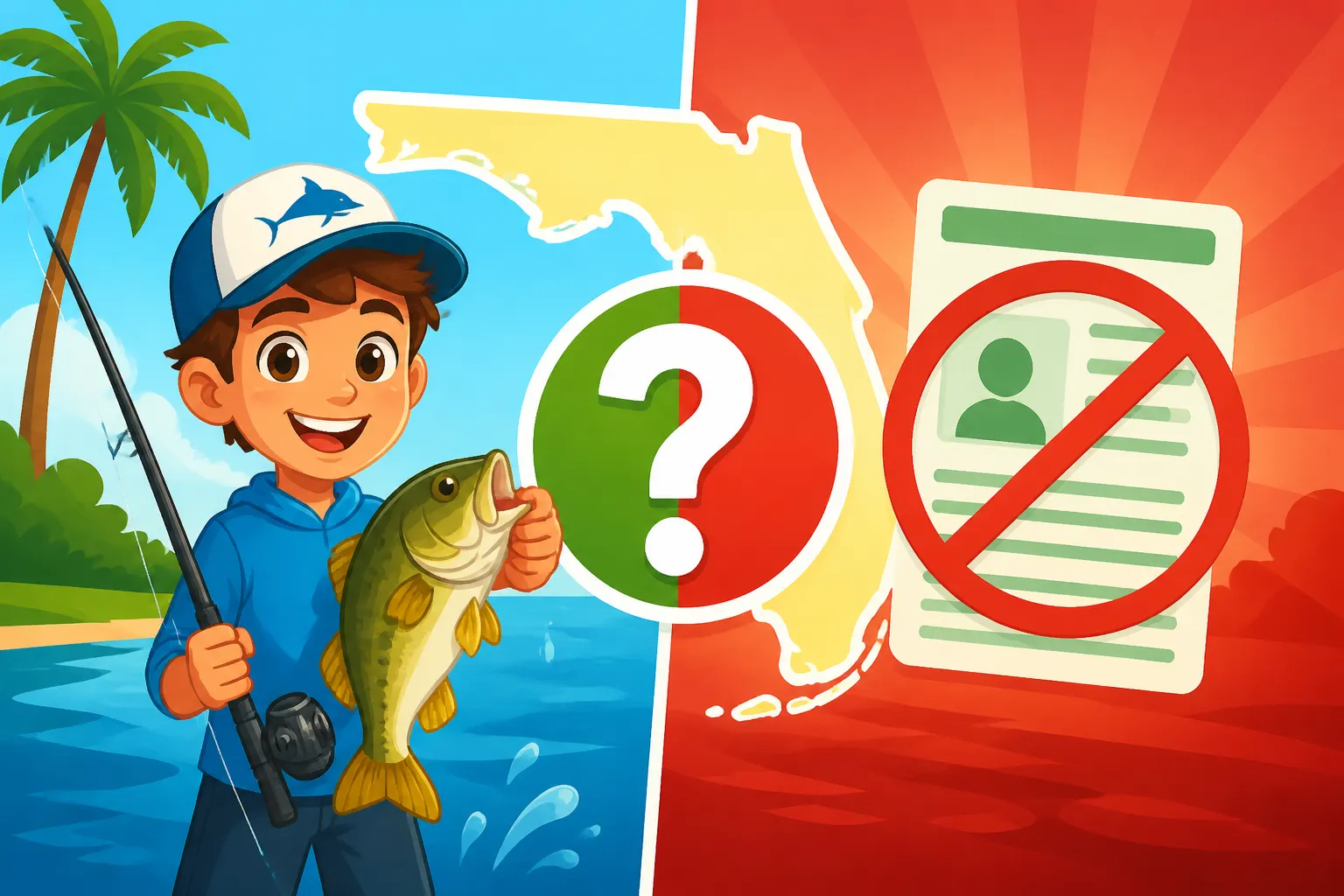
One of the most common questions I hear from families heading out for a day on the water in Florida is, "Do my kids need a fishing license?" It's a valid concern, and honestly, the rules around fishing licenses can feel like a tangled line sometimes, especially when you're just trying to enjoy a simple day with the little ones. This guide is here to untangle all that confusion, walking you through everything you need to know about Florida fishing license requirements for children so you can focus on making those precious fishing memories.
The Straight Scoop: Florida's Age-Based Fishing License Exemptions for Kids
Let's get right to the heart of the matter because this is often the biggest source of confusion for parents and guardians. In Florida, the state's wildlife conservation efforts are largely funded by fishing license sales, but there's a clear understanding that we want to encourage the next generation of anglers. Because of this, the Florida Fish and Wildlife Conservation Commission (FWC) has established specific age exemptions that make it much easier for kids to get out on the water without a bureaucratic hurdle.
Under 16? No License Required!
The golden rule in Florida is wonderfully simple: any child under the age of 16 does not need a fishing license to fish in Florida waters. This applies to both freshwater and saltwater fishing, whether they're casting a line from a boat, a dock, or the shore. It’s truly a fantastic policy designed to make it as easy as possible for youngsters to experience the thrill of a tug on their line. Imagine a sunny Saturday morning down in the Florida Keys, your little one with a grin from ear to ear as they reel in a pinfish – no need to worry if you remembered to grab them a license! This exemption covers everything from chasing bluegill in a local pond near Orlando to trying their luck for snapper in the Gulf of Mexico. This simplifies things immensely, allowing families to plan fishing trips without adding another item to the "to-do" list. It means more time actually fishing and less time worrying about paperwork.
Why This Age Limit Exists
You might wonder why age 16 is the magic number. This particular age cut-off is fairly standard across many states and for several reasons. Primarily, it's about balancing conservation funding with promoting youth engagement. The FWC relies on license fees to manage fish populations, maintain public access sites, enforce regulations, and fund critical research. If everyone fished for free, these vital programs wouldn't have the resources they need. However, by exempting younger anglers, the state removes a potential barrier that might prevent parents from introducing their children to fishing. It's an investment in the future of angling and conservation. We want kids to fall in love with fishing so they grow up to be responsible stewards of Florida's incredible natural resources. This exemption cultivates that love from a young age, hopefully leading them to become licensed anglers themselves once they hit the age requirement.
Think about it: a teenager turning 16 is often starting to drive, possibly getting a part-time job, and becoming more independent. This age often marks a transition into more adult responsibilities, and purchasing a fishing license aligns with that transition. It teaches them about contributing to the resources they enjoy. You can find more details on Florida Fishing License Age Requirements.
Diverse Fishing Scenarios and What They Mean for Kids
While the "under 16, no license" rule is generally steadfast, it's worth exploring specific fishing scenarios to ensure there are no surprises. Florida offers such a vast array of fishing experiences, and understanding how these might interact with license rules is key to a stress-free outing.
Fishing from Shore or Pier
For many families, shoreline fishing or dropping a line from a public pier is the easiest and most accessible way to introduce kids to fishing. Whether you're at a local park pond or a bustling pier like the one in St. Petersburg, the general rule holds true. If your child is under 16, they don't need a license to fish from the shore or a pier.
However, there's a nuance for adults that often causes confusion. While the child is exempt, you, as the adult fishing alongside them, would still need a license if you are 16 or older and actively fishing. Some piers operate under a special pier license that covers everyone fishing from it, but this is an exception, not the rule. Always double-check with the specific pier authority or state park before you go. For example, if you're fishing at a spot like the Sunshine Skyway Fishing Pier, sometimes a blanket license fee covers everyone, but it's always wise to confirm. Don't assume the pier covers the adult without asking. You can learn more about Do You Need a License to Fish From a Florida Pier?
Fishing from a Private Pond or Property
This is another area where many people get tripped up. The FWC has provisions for private ponds, which can be a fantastic, controlled environment to teach kids how to fish. Generally, if you're fishing in a private pond that is entirely self-contained and not connected to public waterways (meaning fish cannot move freely between the pond and larger rivers or lakes), neither adults nor children need a license.
However, the definition of "private pond" can be tricky. If that pond overflows into a creek that connects to a larger river system, or if it's stocked with fish from public waters, it might no longer be considered truly private for licensing purposes. The best practice is always to err on the side of caution. If there's any doubt about whether a private pond is truly "private" under FWC guidelines, it's safer for adults to have a license. The kids, as long as they are under 16, are still exempt. Understanding Florida Private Pond and Farm Pond Fishing Rules can save you a headache later.
Fishing on a Charter Boat or with a Guide
Many families choose to hire a fishing charter or guide for a fun, hassle-free experience, especially when visiting popular destinations like Destin or the Florida Keys. This is where the rules are usually simplified even further for everyone on board, including kids. When you fish with a licensed for-hire charter boat captain or fishing guide in Florida, you generally do not need your own individual fishing license, regardless of age. The captain's vessel license covers everyone fishing on that specific trip.
This is a huge perk for tourists and families, as it removes the burden of understanding all the nuances of Florida's licensing system. It means your child can enjoy the deep-sea thrill of catching a mahi-mahi or the inshore excitement of a redfish, all without you having to worry about their individual license status. Just confirm with your chosen charter operator beforehand, but this is a pretty standard arrangement for reputable charters. For more details, you can check out Do You Need a License to Fish From a Charter Boat in Florida?
Special Considerations and Exceptions for Young Anglers
While the "under 16" rule is fairly straightforward, there are a few other situations and exemptions that are worth knowing about, particularly if you have special circumstances or are looking for ways to maximize your fishing opportunities.
Florida's Free Fishing Days
Florida offers several free fishing days throughout the year, typically two in freshwater and two in saltwater. These days are absolute gold for families! On these designated days, everyone, regardless of age or residency, can fish without a license. This is an incredible opportunity to introduce kids to fishing, or for families to enjoy a day on the water without any licensing costs at all. It's a perfect stress-free way to test the waters, quite literally, and see if fishing sparks an interest in your children.
The FWC usually announces these dates well in advance, so keep an eye on their official calendar. Planning a trip around these days can be a fantastic way to experience Florida's diverse fisheries, from the bass-filled lakes of Central Florida to the productive inshore flats along the coast. For information on specific dates, look up Florida Free Fishing Days.
Youth with Disabilities
Florida is committed to making fishing accessible to everyone, and this includes provisions for youth with disabilities. While children under 16 are already exempt, there are also specific licenses and exemptions available for Florida residents with certain disabilities who are 16 or older. For example, a Florida resident with a total and permanent disability may be eligible for a no-cost Five-Year Persons With Disabilities Hunting and Fishing License. While your child might be covered by the under-16 rule, knowing about these options for their future, or for other family members, is incredibly helpful. These programs ensure that physical challenges don't stand in the way of enjoying Florida's beautiful outdoors. More details are available under Florida Fishing License Discounts for Disabled Residents.
Out-of-State and Foreign Visitor Children
The "under 16, no license" rule applies universally to all children, regardless of their residency status. This means if you're visiting Florida from another state, or even another country, your children under 16 can fish without a license. This is a huge relief for many vacationing families who might worry about navigating another state's regulations.
Imagine a family from Ohio visiting Disney World and deciding to take a side trip to fish in one of Florida's amazing lakes or coastal areas. Their 10-year-old and 14-year-old can both cast lines without needing any special nonresident youth license. This makes Florida an incredibly welcoming destination for family fishing vacations. Just remember, as soon as that child turns 16, if they are not a Florida resident, they would then need a Florida Nonresident Fishing License Types and Costs.
Encouraging Youth Participation in Florida Fishing
Beyond just the licensing rules, it's about fostering a love for fishing in the next generation. Getting kids hooked on fishing offers so many benefits, from developing patience and an appreciation for nature to creating unforgettable family memories.
Making Fishing Fun and Educational
Introducing children to fishing is more than just catching fish; it's an immersive outdoor classroom. It's an opportunity to teach them about local ecosystems, fish species like the Florida Largemouth Bass Fishing Guide, and the importance of conservation. You can teach them how to identify different fish, explain why catch and release is sometimes important, and even talk about the moon phases or tides affecting fish behavior. Simple things, like letting them pick out a new lure from a vast selection on Amazon, can make them feel more involved and excited.
Patience is a huge part of fishing, and it's a valuable life lesson for kids. Even if they don't catch a trophy fish on their first outing, the anticipation, the joy of just being outdoors, and the shared experience with family are what truly matter. Many local tackle shops, like those you'd find in a place like Steinhatchee, often have knowledgeable staff who are great at giving tips for getting kids started.
Essential Gear for Young Anglers
While you don't need to break the bank to get kids started, having some basic, appropriate gear can make a big difference in their enjoyment and success.
- Simple Rod and Reel Combo: A lightweight, easy-to-use spinning rod and reel combo is perfect for beginners. Look for something durable that they can handle easily. Many brands offer "kid combos" that are pre-spooled and ready to go. You can often find great beginner kits on Amazon that include everything from rods to small tackle boxes.
- Basic Tackle Box: A small, organized tackle box with a few hooks, sinkers, bobbers, and perhaps some brightly colored soft plastics or spoons will be plenty. Again, simple kits are readily available.
- Bait: Live bait, like worms or live shrimp, can often increase a child's chances of getting a bite, which keeps their interest level high. Watching a bobber go down with a live worm often creates instant excitement!
- Safety Essentials: Sunscreen, a hat, sunglasses, bug spray, and plenty of water are non-negotiable, especially in the Florida sun. A life jacket is also crucial, particularly if you're fishing from a boat. Always prioritize safety over everything else.
- Comfortable Clothing: Lightweight, breathable clothing is best. Quick-dry materials are a bonus if they get splashed.
Equipping them properly ensures they are comfortable and safe, making the entire experience more pleasant for everyone.
Promoting Catch and Release (When Appropriate)
Teaching kids responsible angling practices, such as proper catch and release techniques, is crucial for preserving fish populations. Explain why certain fish have Florida Fishing Regulations and Bag Limits and why releasing smaller fish helps them grow bigger for the future. Many of Florida's most prized game fish, like snook and tarpon, have strict regulations and are often catch-and-release only depending on the season and region. This instills a sense of stewardship early on.
By making fishing a positive and educational experience, we help ensure that these kids will grow up to be responsible anglers who care about Florida's amazing aquatic environments.
Florida Youth Fishing License Snapshot
To help summarize, here's a quick reference table regarding youth fishing licenses in Florida:
| Category | Age Group | License Requirement | Notes |
|---|---|---|---|
| Florida Residents | Under 16 years old | No license required | Applies to both freshwater and saltwater. |
| 16 years and older | License required | Residents may be eligible for various types, like a Florida Resident Annual Fishing License Cost. | |
| Nonresidents/Visitors | Under 16 years old | No license required | Applies to both freshwater and saltwater, regardless of origin. |
| 16 years and older | Nonresident license required | Options include annual, 3-day, or 7-day licenses. | |
| Charter/Guide Fishing | All ages (on charter) | No individual license required | Covered by the charter vessel's license. Always confirm with captain. |
| Florida Free Fishing Days | All ages | No license required | Specific dates throughout the year for both fresh and saltwater. |
| Private Ponds | Under 16 years old | No license required | Adults also exempt if pond is entirely self-contained and private. |
This table provides a concise overview, but always remember that context matters. When in doubt, checking the FWC website or contacting them directly is the safest bet.
Wrapping Up the Fishing License Question for Kids
Navigating fishing license rules can definitely feel like a maze, but when it comes to kids in Florida, the message is overwhelmingly clear and positive: get them out there! The state goes to great lengths to make it easy for young people under the age of 16 to enjoy fishing without needing a license, recognizing the immense value in fostering that connection to nature and the sport.
Whether you're planning a trip to the serene waters of Lake Okeechobee, venturing into the vastness of the Everglades, or simply enjoying a lazy afternoon at a local retention pond, rest assured that your little angler can cast away freely. Just focus on packing the essentials, like sunscreen, snacks, and perhaps a beginner rod and reel combo you found on Amazon, and most importantly, prepare for some incredible family fun. The joy of a child catching their first fish is truly priceless, and in Florida, it's intentionally kept free of licensing hassles for the youngest members of our fishing community.
Disclaimer
Please remember that fishing regulations, including licensing requirements, can change. Always consult the most current information directly from the Florida Fish and Wildlife Conservation Commission (FWC) website or official publications before heading out on your fishing trip. This guide is intended for informational purposes only and should not be considered legal advice.