Florida Free Shoreline Fishing License for Residents
Navigating Florida's fishing regulations can sometimes feel like trying to untangle a particularly stubborn knot in your fishing line – frustrating and confusing. Many Florida residents just want to cast a line from their favorite beach or local dock without worrying about a hefty fine or needing to buy a full-blown fishing license. This comprehensive guide is here to untangle that knot, clarifying everything you need to know about the Florida free shoreline fishing license for residents.
Understanding the Free Shoreline Fishing License
Florida is a paradise for anglers, and the state's wildlife commission (FWC) recognizes that not everyone has a boat or wants to commit to a full annual license just to enjoy a casual cast from shore. That's where the free shoreline fishing license exemption comes in, designed specifically for residents who prefer to keep their feet on solid ground while fishing.
Who Qualifies for This Special Exemption?
First and foremost, this fantastic exemption is strictly for bona fide Florida residents. You need to actually live in the Sunshine State to qualify. This means if you're just visiting for a vacation, even if you own property here, you unfortunately won't be able to utilize this particular freebie. The exemption applies to Florida residents between the ages of 16 and 64. If you're younger than 16 or 65 and older, you typically have other exemptions that cover you for recreational fishing, meaning you often don't need any recreational fishing license at all, paid or free, so make sure to check the specific Florida Fishing License Age Requirements or rules for seniors like Do Seniors Need a Fishing License in Florida?.
To prove your residency, you'll generally need a Florida driver's license or a state identification card. It’s not just a handshake agreement; you need to be able to demonstrate that Florida is your primary home. This is important because while the license itself is free, you’re still technically covered by an exemption that requires you to meet certain criteria. So, if you're a new resident, make sure your ID is updated.
What Activities Does It Actually Cover?
The "shoreline" part of this exemption is key. It's meant for those moments when you're fishing from land, a public fishing pier that doesn't hold its own recreational fishing license (many larger, popular piers do, so always double-check), a bridge, a jetty, or any other land-based structure that is directly connected to the Florida mainland. Think of those relaxing afternoons spent casting off a seawall, or maybe trying your luck from the edge of a causeway. This is precisely what the free shoreline fishing license is designed for.
What it absolutely doesn't cover, and this is where many people get tripped up, is fishing from any kind of vessel. That means if you're on a boat, a kayak, a canoe, a paddleboard, or even a belly boat, you will need a standard, paid Florida Saltwater Fishing License Rules. The moment you push off from shore and are afloat, the free shoreline exemption no longer applies. Similarly, it doesn't cover fishing in freshwater, which has entirely different licensing requirements that we’ll touch on next.
The Key Distinction: Saltwater Only
It's vital to understand that this free resident shoreline fishing exemption is exclusively for saltwater fishing. Florida's unique geography, with its vast coastline, brackish estuaries, and countless freshwater lakes and rivers, necessitates a clear distinction between saltwater and freshwater fishing regulations. The marine species you’d target from a beach, like snook, redfish, or spotted seatrout, are covered.
However, if you're planning to target largemouth bass, crappie, or bluegill in a local pond, a canal that's clearly freshwater, or one of Florida's famous inland lakes, this free shoreline exemption won't help you. For those adventures, you would need a Florida Freshwater Fishing License Rules. This split in licensing exists because the management and conservation efforts for marine and freshwater ecosystems are distinct, requiring different funding and regulatory approaches. It's not uncommon for people living near coastal areas to have both if they enjoy fishing both environments.
How to Obtain and Use Your Free Shoreline License
Even though it's called a "free license," it's more accurately described as a free shoreline fishing exemption. This isn't a physical card you carry in your wallet like a regular license, but rather a registration that confirms you meet the criteria to fish from the shore without purchasing a full saltwater license.
Is It Really "Free" and How Do You Get It?
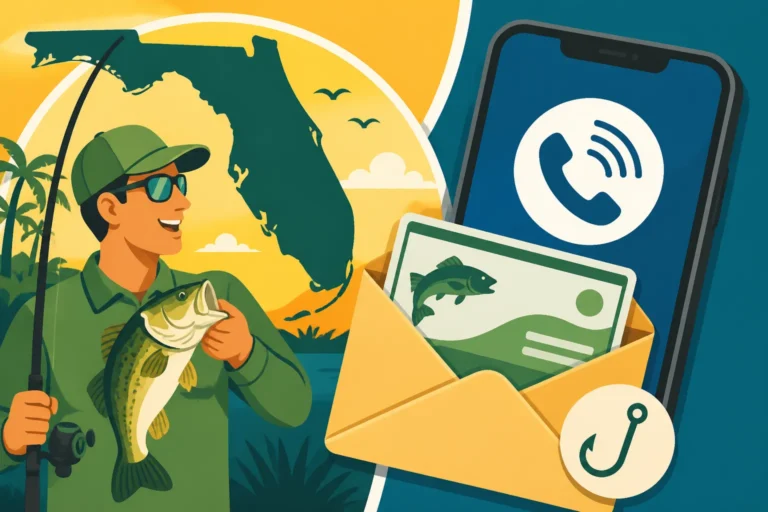
Yes, it is genuinely free, meaning there's no monetary cost involved. However, you still need to "obtain" it in the sense that you must declare your eligibility with the Florida Fish and Wildlife Conservation Commission (FWC). The easiest way to do this is through the FWC's GoOutdoors Florida online licensing system. You’ll create an account, provide your personal information, including proof of Florida residency, and then select the "Florida Resident Recreational Saltwater Shoreline Fishing License" exemption. It’s a quick process that basically registers you in their system as someone who qualifies for this specific form of recreational fishing.
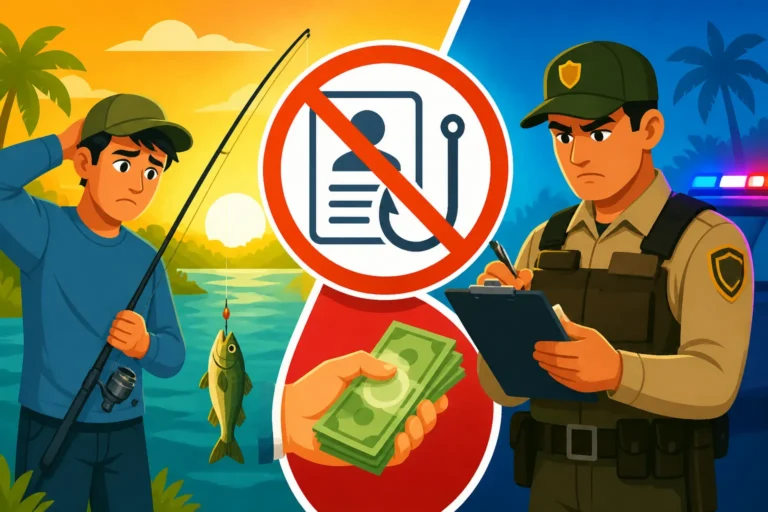
It’s not enough to simply be a resident and fish from the shore; you actually need to go through the registration process. This ensures that if an FWC officer checks your status while you're fishing, they can verify your exemption. Neglecting this step could potentially lead to a citation for fishing without a license, even if you technically qualify for the exemption.
What to Carry While Fishing
Since you won't have a physical "free shoreline license" card, you absolutely must carry valid identification that proves your Florida residency whenever you're out fishing under this exemption. A Florida driver's license or a Florida state ID card is your best bet. Think of it as your passport to free shoreline fishing. It's smart to keep it easily accessible, perhaps in a waterproof wallet or a small bag, so you can present it if requested by an FWC officer.
For those who are tech-savvy, the FWC GoOutdoors App Fishing License is a fantastic tool. While it's primarily designed for purchased licenses, your registered free shoreline exemption will also show up on the app if you've completed the online registration. This provides a convenient digital way to display your credentials right on your smartphone, saving you from fumbling for a physical card. Always make sure your phone is charged, though, especially if you're relying on the digital display!
Common Misconceptions and Clarifications
There's a lot of confusion surrounding fishing licenses in Florida, and the shoreline exemption is no exception. A common question is, "Do You Need a License to Fish From a Florida Pier?" The answer can be a bit nuanced. Many large, public fishing piers actually purchase a blanket pier license that covers all anglers fishing from that specific structure. If a pier has this, then everyone fishing from it, residents and non-residents alike, is covered and doesn't need an individual license. However, if a pier doesn't hold a blanket license, then Florida residents would need to qualify for this free shoreline exemption (or purchase a regular saltwater license), and non-residents would need a paid license. Always look for signage at the pier indicating its licensing status.
Another frequent question concerns "Do You Need a License to Fish From the Beach in Florida?" For residents, yes, if you're between 16 and 64, you need to be registered for the free shoreline exemption. For non-residents, a paid license is always required. This applies whether you're surf fishing, casting from a sandy point, or wading out a few feet into the shallows. The key is where your feet are – if they're on land or a structure connected to land, the shoreline rules apply. If you’re pushing off in a small boat or kayak, even just a few feet from the sand, you're back to needing a full license.
Where This Exemption Shines and Its Limitations
The Florida free shoreline fishing license is a fantastic resource for many, opening up countless opportunities to enjoy the state's incredible fisheries without a financial barrier. However, it's crucial to understand where its boundaries lie to avoid inadvertently breaking regulations.
Prime Spots for Free Shoreline Fishing
Florida boasts an incredible array of public access points perfect for using this free exemption. Think about the countless public beaches where you can walk up and cast a line into the surf, hoping for pompano or whiting. Many county and municipal parks offer docks and seawalls along saltwater canals, bays, and estuaries, providing easy access to species like redfish and snook. Causeways, like the Courtney Campbell Causeway spanning Tampa Bay or the beautiful Seven Mile Bridge in the Florida Keys, often have designated fishing areas where residents can cast from the bridge or shoreline. Jetties at inlets, such as those at Sebastian Inlet or Port Canaveral, are also popular spots.
To find these hidden gems, local parks departments are a great resource, as is the FWC website, which often lists public boat ramps and fishing access points. A quick search on Google Maps for "public fishing access" near your location can also reveal some promising spots. Remember, the beauty of this exemption is its simplicity: find a public saltwater access point connected to land, and you're good to go.
Understanding the Boundaries: What's NOT Covered
While wonderfully convenient, the free shoreline license has very specific limitations. As mentioned, the absolute biggest boundary is that it does not cover fishing from any type of vessel. This includes not just motorized boats, but also canoes, kayaks, paddleboards, or even if you're just wading far out from shore in deeper water where you might typically use a small boat. If you plan to float, paddle, or motor, you need a full, paid Florida Fishing License Guide.
Furthermore, this exemption is strictly for recreational fishing from the shoreline for general saltwater species. It does not cover any special permits you might need for specific species or activities. For instance, if you're hoping to target snook during their open season, you’ll still need a separate Florida Snook Permit Requirements in addition to your general fishing license (or exemption). The same goes for lobster; the free shoreline license doesn't grant you permission to harvest spiny lobster – that requires its own set of permits and often a paid fishing license.
The "Catch" to the Free License: What About Bag Limits and Regulations?
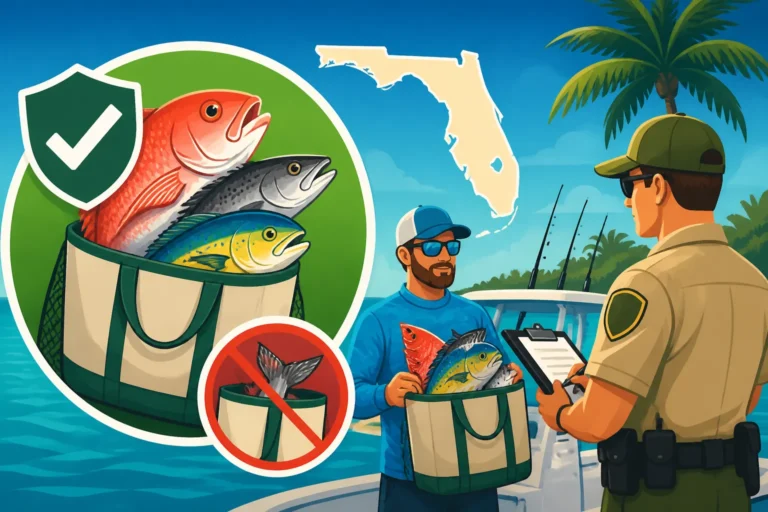
Here's an absolutely critical point: while the license fee is waived, all other Florida fishing regulations, bag limits, and size limits still apply. The free shoreline exemption isn't a free pass to ignore the rules that protect Florida's valuable fish populations. This means you must still adhere to specific seasons (e.g., Florida Snook Season Guide or Florida Grouper Season Guide), ensure your catch meets minimum and maximum size requirements, and respect the daily bag limits for each species.
For instance, if you reel in a beautiful redfish, you must measure it carefully and make sure it falls within the legal slot limit and that you haven't exceeded your daily bag limit for that species. Ignorance of the rules is not an excuse. FWC officers regularly patrol shorelines, piers, and other popular fishing spots. If you're caught violating bag limits, size restrictions, or fishing out of season, the penalties can be severe, including significant fines and even potential confiscation of your gear. In serious cases, a violation could be treated similarly to the Penalty for Fishing Without a License in Florida, even if you technically had the exemption. It’s always best to be familiar with the current Florida Fishing Regulations and Bag Limits before you head out.
Weighing the Free Exemption Against a Full License
Deciding whether the free shoreline fishing license exemption is sufficient for your needs or if a full, paid license is a better fit really depends on your angling habits and aspirations. Both options have their clear advantages.
When the Free License is Perfect for You
The free resident shoreline fishing license is an absolute godsend for the casual angler. If your idea of a perfect fishing day involves a leisurely stroll along the beach, stopping to cast a few times, or simply dropping a line off a local dock for an hour or two, this exemption is tailor-made for you. It's incredibly convenient for those spur-of-the-moment fishing trips where you might not have planned extensively. This is also a fantastic option for residents who are budget-conscious and want to enjoy fishing without the added expense of an annual license.
Think about residents who live in coastal communities and have easy access to a nearby seawall or a community pier. For them, grabbing a rod and heading out for some quick evening fishing is made possible and hassle-free by this exemption. It removes a barrier to entry, encouraging more residents to enjoy Florida’s natural beauty and incredible fishing opportunities.
When a Paid License is a Better Investment
However, if your fishing ambitions extend beyond the shoreline, a paid Florida saltwater fishing license (or a combination license) quickly becomes a necessity and a far better investment. If you own a boat, whether it's a large offshore vessel or a small jon boat for flats fishing, you'll need a full license. The same applies if you plan to explore the mangroves in a kayak, paddle a canoe in a bay, or even use a small float tube. Any time your fishing involves being on the water, even just a few feet from shore, the free shoreline exemption no longer applies.
Furthermore, if you're a serious angler who fishes frequently, explores diverse locations, or wants the flexibility to fish from both land and water without constantly checking rules, a paid annual license offers peace of mind. You won't have to worry about whether a particular dock is covered by a pier license or if your casual wade into slightly deeper water technically constitutes "fishing from a vessel." Checking out the various Florida Resident Fishing License Types and Costs can help you determine the best option for your specific needs.
Considering Long-Term Options
For dedicated anglers, especially those who plan to spend many years fishing Florida's waters, considering long-term paid options can be a smart move. A standard annual saltwater license for residents is quite affordable, and there are options like the Florida 5-Year Resident Fishing License Cost which can offer even more convenience and a slight discount over buying individual annual licenses. These options provide comprehensive coverage for both shoreline and vessel-based saltwater fishing (and sometimes even freshwater if you opt for a combination license), giving you maximum flexibility.
While you can't buy a fishing license directly on Amazon, it's an excellent place to pick up all your other essential fishing gear, from rods and reels to tackle boxes and bait buckets, making sure you're fully equipped for any fishing adventure. Many anglers find the convenience of a long-term license outweighs the initial cost, especially when considering the range of fishing experiences it unlocks across Florida’s diverse aquatic environments.
Disclaimer
The information provided in this guide is for general informational purposes only and is subject to change. Florida Fish and Wildlife Conservation Commission (FWC) regulations can be updated frequently. It is always the angler's responsibility to consult the most current FWC regulations and statutes before engaging in any fishing activities. Compliance with all applicable laws and regulations is mandatory.