Florida Snook Permit Cost and Requirements
Trying to navigate the ins and outs of Florida's fishing regulations can sometimes feel like you need a law degree just to cast a line. It’s particularly confusing when you hear whispers about special permits for certain species, like the elusive snook. Many anglers find themselves wondering if they truly need an extra piece of paper, what it costs, and what happens if they don’t have one. This guide is here to untangle the complexities of the Florida snook permit, covering everything from its cost and requirements to why it's so vital for conserving this incredible fish.
The Snook Mystique and Why Permits Exist
Ah, the snook! If you've ever spent time fishing Florida's inshore waters, you know there's something truly special about these fish. They're legendary for a reason, offering an incredible fight and a distinctive profile that makes them instantly recognizable. But with such popularity comes a responsibility to protect them, and that's where the permit comes into play.
Why Snook Are So Special in Florida
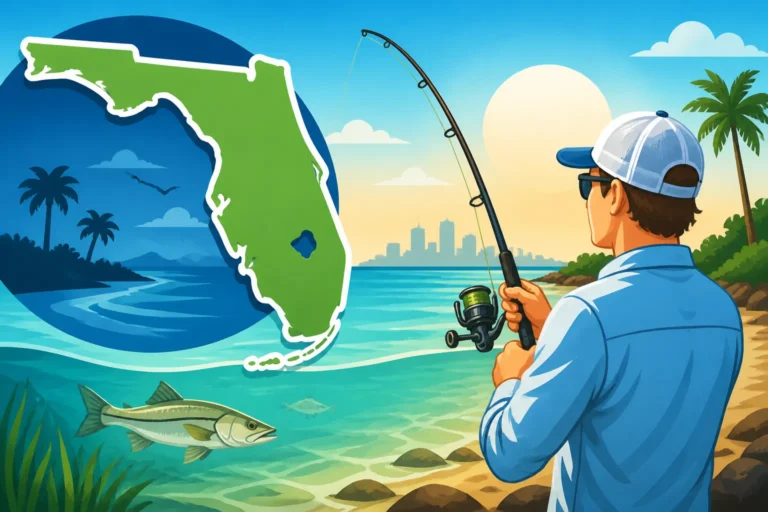
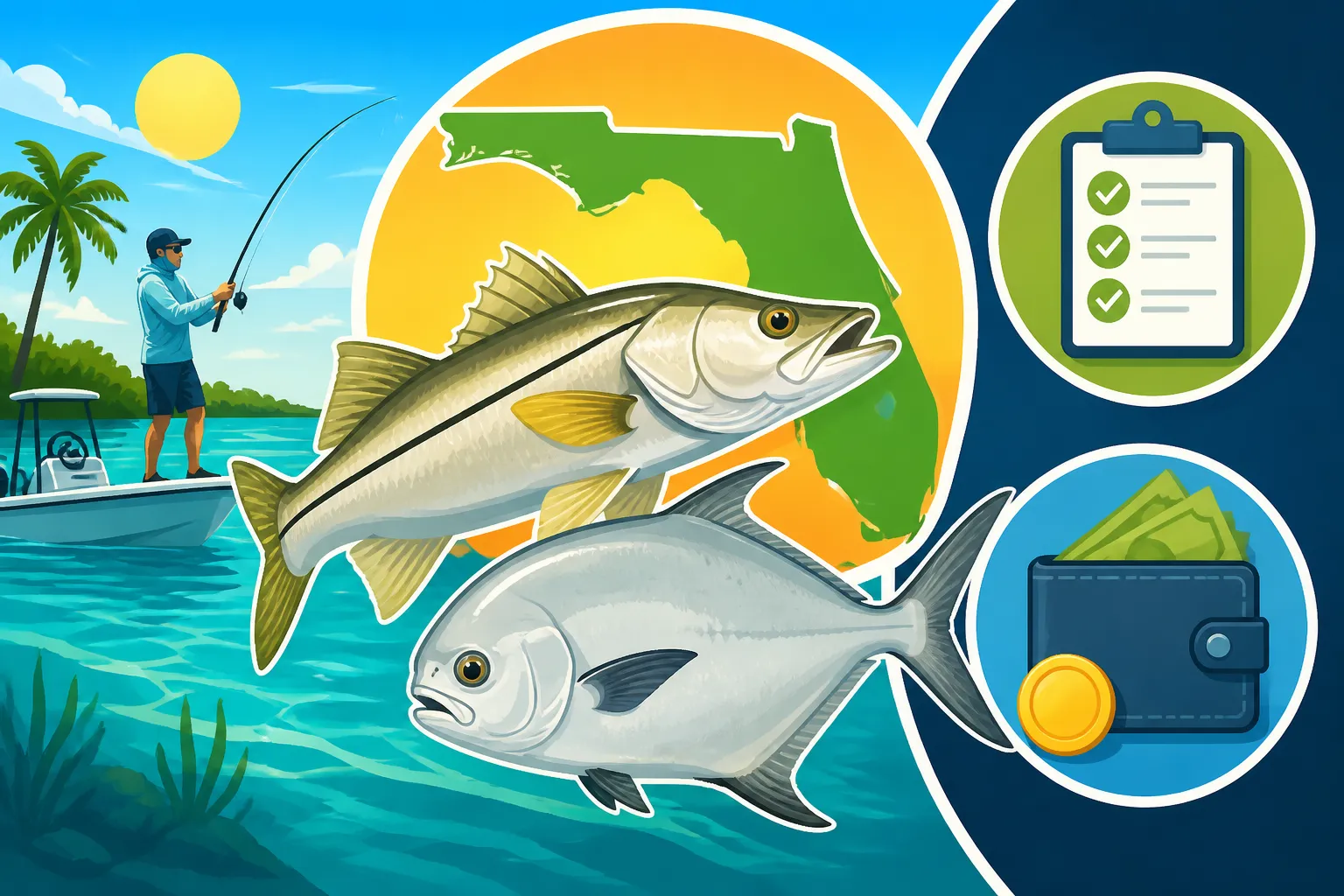
Let's be real, few fish get the heart pounding quite like a snook. They are absolutely spectacular, known for their powerful runs, acrobatic jumps, and that distinctive black lateral line. Anglers from all over the world dream of hooking into a Florida snook, whether it's on a calm flat, near a mangrove island, or tucked under a dock light at night. Their habitat ranges from coastal rivers and estuaries to the surf, making them accessible but also vulnerable. They’re a true apex predator in their environment, feasting on baitfish and shrimp with an aggressive strike that's incredibly rewarding to experience. The thrill of battling a big snook, especially one pushing the upper end of the slot limit, is something that keeps us coming back time and again. Because of their popularity and the unique challenges they face, such as cold weather events and habitat loss, they've been given a special conservation status by the state.
The Purpose of the Snook Permit
The Florida Fish and Wildlife Conservation Commission (FWC) didn't just decide to add a snook permit for fun; it's a critical component of their robust conservation strategy. The primary purpose of the snook permit is two-fold: to gather better data on angler effort and harvest, and to generate dedicated funds specifically for snook research and management. Every dollar collected from these permits goes directly back into programs designed to ensure healthy snook populations for future generations. This includes crucial scientific research into snook behavior, spawning patterns, and habitat needs, as well as efforts to restore and protect the crucial mangrove and seagrass habitats where snook thrive. Without this specific funding mechanism, many of these vital programs might not exist. It's about more than just collecting money; it's about making sure this iconic fish continues to be a vibrant part of Florida's natural heritage.
Navigating Florida Snook Permit Costs and Eligibility
Understanding who needs a snook permit and what it costs can be a bit tricky, but it’s simpler than you might think once you break it down. It’s an endorsement on your regular fishing license, not a separate license entirely.
Who Needs a Snook Permit?
Here’s the straightforward answer: anyone who wants to harvest (keep) a snook in Florida waters needs a valid Florida saltwater fishing license AND a snook permit. This applies to both residents and non-residents, and there are very few exceptions. If you're planning on fishing from a boat, kayak, or even from the shore or a bridge, and your intention is to keep a legal-sized snook, then yes, you need that permit. The only real "exemption" is if you're engaging in strictly catch-and-release snook fishing. If you're just fishing for the sport of it, admiring their beauty, and then releasing them unharmed, you don't need the permit. However, you still need your general Florida Saltwater Fishing License Rules in place. Children under 16 generally don't need a license or permit to fish in Florida, but this is a critical point that many often overlook – once you turn 16, even if you’re a resident, you need to ensure you're compliant. For non-residents, the age requirement is generally the same.
Current Costs for Snook Permits
The good news is that the snook permit is incredibly affordable, especially considering the vital conservation work it supports. It’s designed to be an accessible add-on for any angler serious about keeping snook.
Here's a breakdown of the typical costs:
- Florida Residents: $10.00
- Non-Residents: $10.00
Yes, you read that right – the cost is the same for residents and non-residents, which is pretty fair! This permit is an annual endorsement, meaning it’s valid for 12 months from the date of purchase, just like your regular annual fishing license. Remember, this is in addition to your base Florida Saltwater Fishing License Costs and Fees. You can usually purchase both at the same time, making it a seamless process. The funds go directly to the FWC for their dedicated snook conservation efforts, so it's money well spent for the future of the fishery. Many anglers pick up their permits while grabbing other gear, sometimes even finding gift cards for FWC licenses on platforms like Amazon if they want to give the gift of fishing to a friend or family member.
Here's a quick look at how the snook permit fits into the overall licensing structure:
| License Type | Cost (Resident) | Cost (Non-Resident) | Notes |
|---|---|---|---|
| Annual Saltwater Fishing | $17.00 | $47.00 | Required for saltwater fishing |
| Snook Permit (Annual) | $10.00 | $10.00 | Required to harvest snook (in addition to above) |
| Annual Freshwater Fishing | $17.00 | $47.00 | Required for freshwater fishing |
| Annual Combination (FW & SW) | $32.50 | $82.50 | Covers both fresh and saltwater fishing |
Costs are approximate and subject to change by FWC. Always check the official FWC website for the most current pricing.
How the Permit Differs from a Regular Fishing License
It's super important to understand that the snook permit is not a standalone license. Think of it as an "add-on" or an "endorsement" to your existing Florida Saltwater Fishing License. You absolutely cannot legally harvest a snook with just the snook permit; you need both. The regular saltwater license gives you the general authority to fish in saltwater, while the snook permit specifically grants you the privilege to keep a snook within the legal slot limit and season.
This distinction is crucial for enforcement and conservation. By separating the permit, the FWC can track snook-specific effort and apply the dedicated funds more directly. It's like needing a driver's license to drive, but then needing a motorcycle endorsement if you want to ride a motorcycle – two different authorizations, one overarching requirement. So, before you head out hoping to catch some dinner, make sure you've got your base license and that snook endorsement. If you're fishing from a charter boat, usually the vessel's license covers everyone onboard, but it's always smart to confirm with your captain about your individual Florida Charter Boat Fishing License Rules, especially for species like snook.
Acquiring and Understanding Your Snook Permit
Getting your snook permit is a relatively straightforward process these days, thanks to modern technology. But beyond just buying it, understanding the broader rules that accompany this permit is essential for responsible angling.
Step-by-Step Guide to Purchasing a Snook Permit
The FWC has made it incredibly easy to purchase your fishing licenses and permits. You have a few convenient options:
- Online via GoOutdoorsFlorida.com: This is often the quickest and most popular method. Simply visit the official GoOutdoorsFlorida website, log in or create an account, select your saltwater fishing license, and then add the snook permit endorsement. You can print it out immediately or save a digital copy to your phone. It’s a seamless way to handle your Florida Fishing License Renewal and Expiration too.
- In-Person at a Local Retailer: Many sporting goods stores, bait and tackle shops, and even some Walmarts and Bass Pro Shops across Florida are licensed vendors. This is great if you prefer human interaction or need to pick up some last-minute bait and tackle anyway. Just ask the clerk for a Florida saltwater fishing license and the snook permit. They'll process it for you on the spot. Some anglers even buy their fishing gear, like a new snook-specific lure, from Amazon before heading to a local shop to get their permit and bait.
- Through the Go Outdoors Florida Mobile App: For ultimate convenience, download the official "Go Outdoors Florida" app on your smartphone. You can purchase and store your licenses and permits digitally right on your device. This means you always have proof of your license on hand, which is super handy when you're out on the water. No more worrying about losing a paper copy!
- At a County Tax Collector's Office: While perhaps less common for just a snook permit, your local county tax collector's office can also process fishing licenses and permits. This might be a good option if you're handling other county business at the same time.
Whichever method you choose, make sure you have your Florida driver's license or identification handy, especially if you're a resident, as you’ll need to prove your residency for the base license. The process typically takes just a few minutes, getting you ready to hit the water without delay.
Essential Regulations Beyond the Permit
Having the snook permit is just one piece of the puzzle. Florida has very specific and strictly enforced rules regarding snook, all designed to protect this incredible species. Anglers must be aware of these other regulations:
- Snook Season: Snook seasons are dynamic and can vary by region (Gulf vs. Atlantic) and even within the year. Generally, snook have closed seasons during winter cold snaps and peak spawning times in summer. Always check the current Florida Snook Season Guide or the FWC website before you go. Taking a snook out of season is a serious violation.
- Slot Limits: There's a strict slot limit for snook. This means you can only keep snook within a specific size range, measured from the most forward point of the head to the rear-most tip of the tail. The slot limit is designed to protect both juvenile fish and large breeding adults. If a snook is too small or too large, it must be released immediately and unharmed. These slot limits can also change, so always verify the latest Florida Snook Size and Slot Limits.
- Bag Limits: Even with a permit and during open season, there’s a daily bag limit, usually one snook per person per day. This limits the total number of fish an individual can harvest, further contributing to conservation.
- Gear Restrictions: While not directly tied to the permit, it's worth noting that snook can only be taken by hook and line. Using methods like gigging or spearfishing for snook is strictly prohibited.
- Catch and Release Best Practices: If you're fishing during a closed season or catch a snook outside the slot limit, proper catch and release techniques are paramount. Minimize handling time, use circle hooks when possible, and support the fish horizontally. Resuscitate the fish if needed by gently moving it back and forth in the water until it swims away strongly. This ensures the best chance of survival for released fish, contributing to the overall health of the fishery. Many experienced anglers invest in specialized tools, often found on Amazon, like de-hookers and measuring devices to help them release fish quickly and safely.
Staying informed about all these regulations is part of being a responsible angler in Florida. Ignorance of the law is not an excuse, and FWC officers are vigilant in enforcing these rules to protect Florida's precious natural resources.
Common Pitfalls and Why Compliance Matters
It's easy to get caught up in the excitement of fishing, but overlooking the rules, especially those concerning specific species like snook, can lead to some significant headaches. Understanding the consequences and the broader impact of your actions is key.
The Risks of Fishing Without a Snook Permit
Fishing without a required snook permit, or without your base saltwater fishing license, is a serious offense in Florida, and the FWC doesn't take it lightly. A common frustration among anglers is feeling like there are too many rules, but these rules are there for a reason, and the penalties reflect that.
If you're caught fishing for or possessing a snook without the proper permit and/or license, you could face:
- Hefty Fines: Expect a significant fine. These aren't just a slap on the wrist; they can easily range into the hundreds of dollars. For instance, the penalty for fishing without a license in Florida can be substantial, and an additional permit violation only adds to that.
- Confiscation of Gear: In some cases, FWC officers have the authority to confiscate your fishing gear, including rods, reels, and even your boat, especially if there are repeated or egregious violations. Imagine having your favorite fishing rod taken away—a real nightmare for any angler.
- Legal Action: Depending on the severity and whether it's a repeat offense, you could face misdemeanor charges, requiring court appearances and potentially leading to community service or even jail time in extreme situations. Nobody wants their fishing trip to end up in a legal battle.
- Loss of Future Fishing Privileges: A violation can lead to the suspension of your fishing license and permit privileges for a period, meaning you won't be able to fish legally in Florida for a while.
A hypothetical scenario: You're out fishing in Tampa Bay, reel in a beautiful snook right in the slot, and decide to keep it for dinner. An FWC officer pulls up for a routine check, and you realize you forgot to add the snook permit to your online license. What seemed like a minor oversight suddenly turns into a costly ticket, a ruined day, and a lot of frustration. It’s just not worth the risk for a $10 permit. Always double-check your license and endorsements before heading out. The FWC GoOutdoors app is a great way to verify your licenses on the spot.
How Snook Permit Fees Support Conservation
Beyond avoiding penalties, complying with the snook permit requirement is a direct contribution to the health and future of Florida's snook population. Every single dollar generated from the sale of these permits is earmarked specifically for the Snook Conservation Program. This isn't just a generic pot of money; it's a dedicated fund that directly impacts the species you love to catch.
These funds are used for a variety of critical initiatives, including:
- Habitat Restoration: Supporting projects to restore vital snook habitats, such as mangrove estuaries and seagrass beds, which are crucial nurseries and feeding grounds for juvenile snook. Healthy habitats mean more snook.
- Research and Monitoring: Funding scientific studies that track snook populations, migration patterns, spawning success, and the impacts of environmental changes like red tide events or cold snaps. This data is essential for setting effective bag and slot limits and understanding the overall health of the fishery.
- Enforcement: Partially supporting the FWC's enforcement efforts, ensuring that regulations are followed, which protects snook from overfishing and illegal harvest.
- Stock Enhancement and Management: While direct stocking isn't the primary method for snook, understanding population dynamics through research helps the FWC make informed decisions about management strategies that allow populations to flourish naturally.
Essentially, by purchasing that small, affordable snook permit, you become a direct participant in ensuring that future generations can enjoy the same thrilling snook fishing experiences that you do today. It's a small investment with a huge return for Florida's incredible marine ecosystem. It highlights how Florida Fishing License Fees Fund Conservation across the state, ensuring that the natural beauty and fishing opportunities remain vibrant.
Disclaimer
Please remember that fishing regulations in Florida can change. While this guide provides comprehensive and up-to-date information at the time of writing, it is always your responsibility to check the latest rules and regulations directly with the Florida Fish and Wildlife Conservation Commission (FWC) before engaging in any fishing activities. The FWC website (MyFWC.com) is the official source for all current fishing license requirements, seasons, and bag limits.