Combination Hunting and Fishing License
Trying to keep up with all the different licenses and permits for enjoying Florida's incredible outdoors can feel like a full-time job. Between freshwater fishing, saltwater angling, and hunting seasons, many outdoor enthusiasts find themselves juggling multiple pieces of paper or digital permits, often leading to confusion and unnecessary stress. This comprehensive guide is here to untangle the complexities of the Florida Combination Hunting and Fishing License, helping you understand its benefits, what it covers, and how it can simplify your adventures in the Sunshine State.
What Exactly is a Florida Combination License?
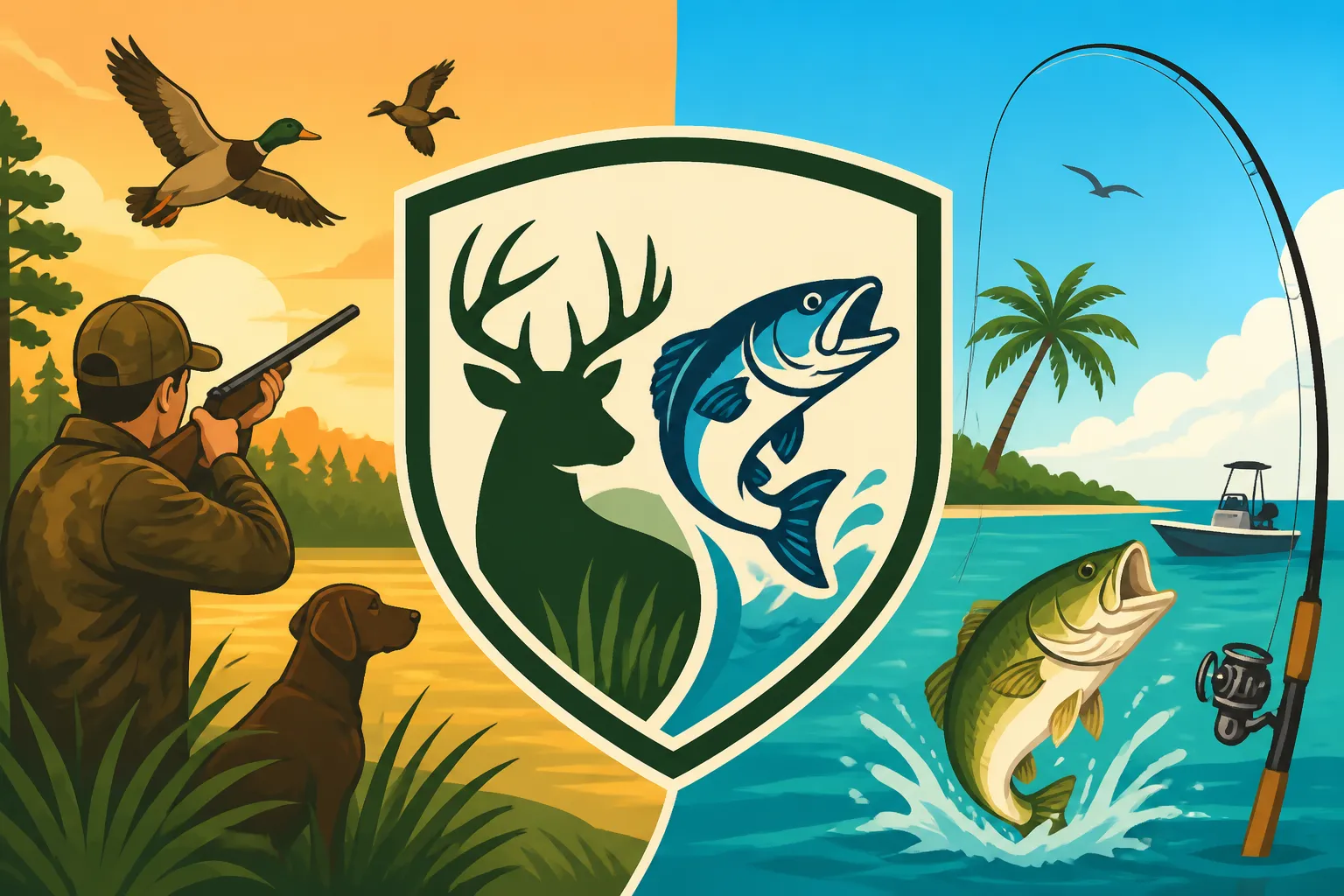
Imagine one simple license that grants you access to a vast array of Florida's natural playgrounds, both aquatic and terrestrial. That's the core idea behind the Florida Combination Hunting and Fishing License. It’s designed to be a one-stop solution for individuals who love to pursue both hunting and fishing within the state. Rather than purchasing separate licenses for each activity, this combo streamlines your compliance, making it easier to enjoy everything Florida has to offer.
More Than Just Two-in-One
While the name "combination" might suggest a simple merger of a general hunting license and a general fishing license, it’s a bit more nuanced and offers broad coverage. Specifically, the Florida Combination Hunting and Fishing License typically covers your basic statewide recreational freshwater fishing, saltwater fishing, and hunting privileges. This means you can cast your line in Lake Okeechobee for largemouth bass one weekend and pursue small game like rabbit or squirrel in a wildlife management area the next, all under the umbrella of a single license. It’s important to note that this foundational license covers general activities. We'll delve into specific endorsements and permits later, as some specialized pursuits still require additional add-ons. The Florida Fish and Wildlife Conservation Commission (FWC) designed this license to encourage participation in diverse outdoor activities while ensuring that conservation efforts are adequately funded through a streamlined system.
The Convenience Factor for Multi-Sport Enthusiasts
For those of us who simply can't choose between the thrill of the hunt and the tranquility of a fishing trip, the convenience of the combination license is undeniable. Instead of remembering two separate expiration dates, two different sets of license numbers, and potentially two different places of purchase, you consolidate everything into one. This not only cuts down on administrative hassle but also ensures you're less likely to be caught without the proper credentials when an impromptu opportunity arises. Think about it: you're planning a trip to the Everglades to fish for exotic species, but then your buddy calls with an invitation for a hog hunt upstate. If you have the combo license, you're already halfway there, mentally and legally, without having to scramble for additional paperwork. This ease of management is a huge selling point for avid outdoorsmen and women who embrace the full spectrum of Florida's natural resources.
Who Truly Benefits from a Combo License?
While the idea of a single license for multiple activities sounds appealing to many, it's particularly advantageous for certain groups. Understanding who these beneficiaries are can help you decide if the Florida Combination Hunting and Fishing License is the right choice for your lifestyle and outdoor pursuits. It's not just about saving a few bucks; it's about optimizing your access and simplifying your outdoor life.
The Dedicated Florida Outdoorsman
If your year revolves around Florida's fishing seasons and hunting calendars, then a combination license is practically a no-brainer. This applies to year-round residents who are deeply immersed in the state’s outdoor culture. You're the type who might spend spring chasing largemouth bass in the Panhandle, summer surf fishing on the Atlantic coast, autumn deer hunting, and winter trying your hand at duck hunting. For you, separate licenses would mean constant tracking and renewal reminders. A single combo license consolidates all those dates and requirements, freeing up your mental energy to focus on scouting new spots or honing your casting technique. This group often already possesses a deep understanding of Florida Fishing Regulations and Bag Limits and various hunting regulations, so integrating their licenses makes perfect sense.
Seasonal Visitors and Snowbirds with Diverse Interests
Florida is a magnet for seasonal visitors, often referred to as "snowbirds," who flock to the Sunshine State to escape colder climates. Many of these visitors aren't just here for the beaches; they come specifically for the world-class fishing and hunting opportunities. For non-residents planning extended stays, especially those lasting several months, who intend to pursue both fishing and hunting, the combination license offers a cost-effective and convenient solution. Instead of purchasing a Florida Nonresident Fishing License Rules and a separate nonresident hunting license, the combo package can simplify their seasonal outdoor experience. It makes their temporary residency feel a little more permanent and hassle-free from a licensing standpoint.
Families Introducing Kids to Multiple Outdoor Pursuits
Bringing up the next generation of anglers and hunters is a rewarding experience, but it comes with its own set of logistical challenges for parents. Managing licenses for yourself and your children, especially if they're engaging in both hunting and fishing, can be tricky. While Do Kids Need a Florida Fishing License? outlines that children under 16 generally don't need a license, once they reach that age, the requirements kick in. A family where parents are actively involved in both hunting and fishing might find the combo license simplifies their own licensing, setting a practical example for their children as they grow into requiring their own permits. It presents a unified approach to outdoor recreation, fostering a holistic appreciation for wildlife and responsible resource management.
Diving into the Coverage: What's Included and What's Extra?
Understanding precisely what the Florida Combination Hunting and Fishing License covers is crucial. While it's a fantastic umbrella license, it's not an all-access pass to every single species or activity. Florida has a rich diversity of fish and game, and with that comes specific regulations and sometimes additional permits required for certain species or methods.
Freshwater and Saltwater Fishing Privileges
At its core, the combination license includes the basic privileges for both Florida Freshwater Fishing License Rules and Florida Saltwater Fishing License Rules. This means you’re covered for recreational fishing from shore, from a vessel, or from a pier (unless that pier has a pier-specific license exemption) in most public waters of Florida. You can target common species like redfish, speckled trout, snapper, and grouper in saltwater, and largemouth bass, crappie, and various panfish in freshwater. This general coverage is what makes the combo so powerful for the casual and serious angler alike.
However, it's critically important to remember that certain highly sought-after species and specific harvesting methods require additional endorsements or permits, even if you hold a combination license. For instance, if you're planning to target snook, you'll need a separate Florida Snook Permit Requirements. Similarly, if you're dreaming of harvesting delicious spiny lobsters, a Florida Lobster Permit Requirements is mandatory. These permits are typically inexpensive but are non-negotiable for legal harvest. It's always a good practice to check the FWC regulations for any target species before heading out, which you can usually find on their GoOutdoorsFlorida website or through a quick search on a reliable platform like Amazon for fishing regulation guides.
General Hunting Privileges
On the hunting side, the combination license covers your basic general hunting needs throughout the state. This typically includes small game like squirrel, rabbit, and quail, as well as wild hog, which is a popular pursuit in Florida. It also covers migratory birds, but with an important caveat. While it provides the state migratory bird permit, if you intend to hunt federal migratory waterfowl like ducks and geese, you will still need to purchase a Federal Duck Stamp. This stamp is a federal requirement, separate from state licenses, and contributes directly to wetland conservation efforts across the nation.
For big game such as deer or turkey, specialized permits are also required. These permits are often specific to the type of game and the season (e.g., archery deer, muzzleloading gun deer, fall turkey, spring turkey). So, while your combination license gets you in the door to hunt, think of these additional permits as the keys to specific rooms within the hunting house. Always consult the latest FWC hunting regulations handbook, which is easily accessible online or at many sporting goods stores, before planning your hunt to ensure you have all the necessary endorsements.
Understanding Additional Endorsements and Permits
The Florida Fish and Wildlife Conservation Commission employs a system of endorsements and permits to manage specific species and activities, ensuring sustainable populations and funding targeted conservation efforts. Even with a Combination Hunting and Fishing License, these add-ons are often necessary. For instance, beyond the snook and lobster permits mentioned, you might need an Archery Season Permit, Muzzleloading Gun Season Permit, or Turkey Permits for specific hunting seasons. For federal migratory birds, the Federal Duck Stamp is essential, as is a free Migratory Bird Permit (which is usually part of the license purchase process).
These additional permits help fund conservation specific to those species or activities. For example, the revenue from Florida Snook Permit Requirements goes directly towards snook research and management. It’s not just about more money; it’s about targeted investment. When planning your outdoor adventure, it’s always best to have a clear idea of what species you intend to harvest or pursue, and then consult the FWC website or a detailed fishing and hunting regulations guide to verify if any specific endorsements are needed. This diligence prevents legal issues and ensures you're contributing appropriately to the conservation of Florida's diverse wildlife.
Cost Breakdown: Is a Combo License More Economical?
One of the most common questions people have when considering a combination license is whether it actually saves them money. After all, convenience is great, but a good deal is even better! The answer largely depends on your specific activities and residency status. For many multi-sport enthusiasts, the combination license offers a clear financial advantage over purchasing individual licenses.
Comparing Standalone Licenses vs. the Combo
Let's break down the typical costs for Florida residents and non-residents to see the savings in action. Keep in mind, these prices are for the annual licenses and do not include any additional permits for specific species like snook or deer, which would be added on top of any base license. These costs are subject to change, so it's always best to check the official FWC website for the most current pricing.
| License Type | Florida Resident (Annual) | Florida Nonresident (Annual) |
|---|---|---|
| Freshwater Fishing | $17.00 | $47.00 |
| Saltwater Fishing | $17.00 | $47.00 |
| Hunting | $17.00 | $151.50 |
| Combination Hunting/Fishing | $32.50 | $151.50 |
| Potential Savings (Resident) | $18.50 (vs. all three) | $93.00 (vs. all three) |
| Potential Savings (Non-Resident) | $93.00 (vs. all three) |
(Note: "All three" means buying separate Freshwater, Saltwater, and Hunting licenses. The Nonresident Combo currently costs the same as a standalone Nonresident Hunting license, with fishing licenses essentially included free for the year, which is a massive value.)
As you can see from the table, for Florida residents who plan to do all three activities (freshwater fishing, saltwater fishing, and hunting), the savings are quite apparent. Instead of paying for three separate $17 licenses ($51 total), you get everything for a reduced price of $32.50. This is a clear financial benefit. For non-residents, the value is even more striking. While the Nonresident Hunting License is significantly more expensive than resident options, the combination license often provides the freshwater and saltwater fishing components at no additional cost beyond the hunting license price, offering substantial savings compared to buying them all separately. This demonstrates how Florida Fishing License Costs and Fees can be significantly mitigated for those with diverse outdoor interests.
Long-Term Savings and Planning
Beyond the immediate annual savings, thinking long-term can unlock even more value. Florida offers multi-year license options, such as the Florida 5-Year Resident Fishing License Cost. While a 5-year combination license might not always be explicitly listed as a single line item, residents can often opt for multi-year versions of their base hunting and fishing licenses or combination options, locking in current rates and avoiding annual renewal hassles.
For dedicated Florida outdoorsmen, investing in a 5-year combination license, if available as a direct product or by combining multi-year options, can lead to substantial savings over half a decade. It’s also incredibly convenient, as you won't have to worry about renewals for an extended period. This kind of forward planning is especially beneficial for those who know they’ll be living in and enjoying Florida’s natural resources for the foreseeable future. Always double-check the specific long-term options and their exact costs on the FWC website to ensure you're getting the best deal for your individual circumstances.
How to Get Your Florida Combination License
Getting your Florida Combination Hunting and Fishing License is a straightforward process, designed to be accessible through several convenient channels. You won't need to jump through hoops, but knowing your options beforehand can save you time and hassle.
Online, In-Person, and Phone Options
The most popular and often easiest way to purchase your combination license is online through the Florida Fish and Wildlife Conservation Commission's GoOutdoorsFlorida portal. This platform allows you to purchase all types of licenses and permits from the comfort of your home, 24/7. It's quick, efficient, and you can usually print a temporary license immediately or have a permanent one mailed to you. For a comprehensive guide, check out How to Buy a Fishing License Online.
If you prefer a more personal touch or need assistance, there are plenty of in-person options. You can visit any Florida County Tax Collector's office, where staff can help you navigate the various license types and ensure you get exactly what you need. Many large sporting goods retailers, like Bass Pro Shops or even Walmart, are also authorized license vendors. These locations are great if you're already out shopping for gear and want to pick up your license at the same time. To find a location near you, consider checking Where to Buy a Florida Fishing License Near You. Finally, for those who prefer speaking to someone directly, you can also purchase licenses over the phone by calling the FWC customer service number during business hours.
What You'll Need to Purchase
Regardless of how you choose to purchase your combination license, you'll need a few key pieces of information and documentation.
- Proof of Identity: A valid form of identification, such as a driver's license or state ID, will be required. This confirms your identity and age.
- Proof of Residency (if applicable): If you're a Florida resident applying for a resident license, you'll need to demonstrate your residency status. This could include a Florida driver's license, a Florida voter registration card, or certain utility bills that clearly show your name and a Florida address. For detailed requirements, refer to Proof of Residency Needed for a Florida Fishing License. Non-residents, of course, won't need to prove Florida residency but will still need a valid ID.
- Social Security Number: Your Social Security Number is typically required for federal reporting purposes, especially concerning child support enforcement laws.
- Prior License Information (if renewing): If you're renewing an existing license, having your previous license number handy can speed up the process.
It's always a good idea to have this information readily available, especially if you're purchasing online, to ensure a smooth and quick transaction.
Important Considerations and Common Questions
Even with a combination license, understanding the nuances of Florida's fishing and hunting regulations is paramount. There are specific rules regarding age, expiration, and potential penalties that all outdoorsmen should be aware of. Being informed ensures a legal and enjoyable experience every time you head out.
Age Requirements and Exemptions
Florida has clear age requirements for both hunting and fishing licenses. Generally, anyone 16 years of age or older needs a license to fish or hunt. This applies whether you're a resident or a non-resident. However, there are some key exemptions. For instance, children under 16 are typically exempt from needing a fishing license, as detailed in Do Kids Need a Florida Fishing License?. This is a fantastic initiative to get youngsters involved in the outdoors without adding financial burden to parents.
For older anglers and hunters, Florida also offers exemptions. For example, Do Seniors Need a Fishing License in Florida? clarifies that Florida residents 65 years of age or older are typically exempt from needing a recreational fishing and hunting license, but they must carry proof of age and residency, such as a Florida driver's license or a Florida Resident Senior Citizen Hunting and Fishing Certificate. These exemptions are designed to honor and facilitate outdoor participation across all age groups, but it's crucial to understand the specific criteria to avoid any misunderstandings.
Understanding Renewal and Expiration
A common oversight for many outdoor enthusiasts is letting their licenses expire. The Florida Combination Hunting and Fishing License, like its individual counterparts, has a specific validity period. Most annual licenses are valid for 12 months from the date of purchase, not necessarily expiring at the end of the calendar year. So, if you bought your license on June 15th, it will expire on June 14th of the following year. This is a crucial detail, as it differs from a calendar-year system. For more information on this, refer to When Florida Fishing Licenses Expire.
It's your responsibility to keep track of your license's expiration date. While the FWC GoOutdoorsFlorida system often sends email reminders if you've opted in, it's not foolproof. Missing a renewal can lead to penalties if you're caught fishing or hunting without a valid license. Renewing your license is usually as simple as purchasing a new one online, in person, or over the phone, and it’s always better to do it a little early than a little late.
Compliance and Penalties
Fishing or hunting without a valid license or necessary permits in Florida is a serious offense. FWC law enforcement officers are actively patrolling Florida's waters and wildlife management areas, and they do check for licenses. The consequences of non-compliance can range from monetary fines to confiscation of equipment, and in some cases, even jail time, depending on the severity and number of offenses. For a detailed look at the repercussions, read What Happens If You Fish Without a License.
The goal of these regulations and the licensing system is not to inconvenience you but to ensure the sustainable management and conservation of Florida's precious natural resources. The fees collected from licenses directly fund FWC's vital conservation efforts, including habitat restoration, wildlife management, and law enforcement. So, when you purchase your combination license and any necessary permits, you're not just buying the right to enjoy the outdoors; you're actively contributing to its preservation for future generations. Always carry your valid license (either physical or digital via the GoOutdoorsFlorida app) when engaging in hunting or fishing activities.
Disclaimer
Please note that the information provided in this guide is for general informational purposes only and is subject to change. Florida's fishing and hunting regulations, including license requirements and costs, are set by the Florida Fish and Wildlife Conservation Commission (FWC) and can be updated periodically. It is always the angler's and hunter's responsibility to consult the most current official FWC regulations before engaging in any fishing or hunting activities.