Proof of Residency Needed for a Florida Fishing License
One of the most common headaches for anglers in the Sunshine State is figuring out exactly what they need to prove they actually live here when it comes to getting a fishing license. It's not always as straightforward as it seems, especially for new residents or those who split their time in Florida. This guide will walk you through the nitty-gritty of Florida's residency requirements for fishing licenses, so you can spend less time stressing over paperwork and more time with a line in the water.
Why Residency Matters for Your Florida Fishing License
Let's be real, nobody wants to pay more than they have to, especially for something as enjoyable as fishing. And in Florida, whether you're considered a resident or not makes a huge difference in the cost of your annual fishing license. It's not just about saving a few bucks; it's about the state's approach to managing its incredible natural resources.
The Price Difference: Resident vs. Non-Resident Costs
The financial disparity between resident and non-resident fishing licenses in Florida is quite significant. For residents, you're looking at a much more affordable annual fee, whether you're targeting freshwater bass or saltwater species. This is because your tax dollars already contribute to the conservation efforts of the Florida Fish and Wildlife Conservation Commission (FWC), which manages fish populations, habitats, and access points.
For non-residents, the fees are considerably higher. This is designed to ensure that everyone who enjoys Florida's waters contributes to their preservation, regardless of where they officially call home. Imagine planning a dream fishing trip to the Florida Keys or a bass-fishing expedition on Lake Okeechobee, only to find out your license costs three or four times more than your buddy who lives here year-round. It's a common frustration, and one that makes understanding these rules so important. You can find detailed breakdowns of the costs in our guide on Florida Resident Fishing License Costs and Fees and Florida Nonresident Fishing License Costs and Fees.
Protecting Florida's Natural Resources
Beyond the price tag, the residency distinction plays a vital role in conservation. Florida boasts an unparalleled diversity of aquatic environments, from the freshwater springs of the Panhandle to the sprawling saltwater flats of the Everglades and the deep blue waters of the Gulf Stream. Maintaining these ecosystems and their fish populations requires constant effort and funding.
By charging higher fees for non-residents, the FWC ensures that out-of-state visitors also contribute proportionally to the state's extensive conservation programs. These funds go directly back into things like habitat restoration, fish stocking programs, scientific research, and enforcement. So, while it might feel like an extra hurdle to prove you're a true Floridian, it's all part of a larger system to keep our fishing fantastic for generations to come.
What Counts as Proof of Florida Residency?
Alright, let's get down to brass tacks: what documents do you actually need to wave around to prove you're a Florida resident? The Florida Fish and Wildlife Conservation Commission (FWC) has specific guidelines, and it's essential to understand them to avoid any hiccups when you're trying to purchase your license. It's not just about having a Florida address; it's about demonstrating a genuine intent to reside here.
Primary Documents: The Heavy Hitters
When you're trying to secure a Florida fishing license at resident rates, certain documents carry a lot more weight. These are your "primary" proofs of residency, and having at least one of these is usually enough to establish your resident status. Think of these as the gold standard.
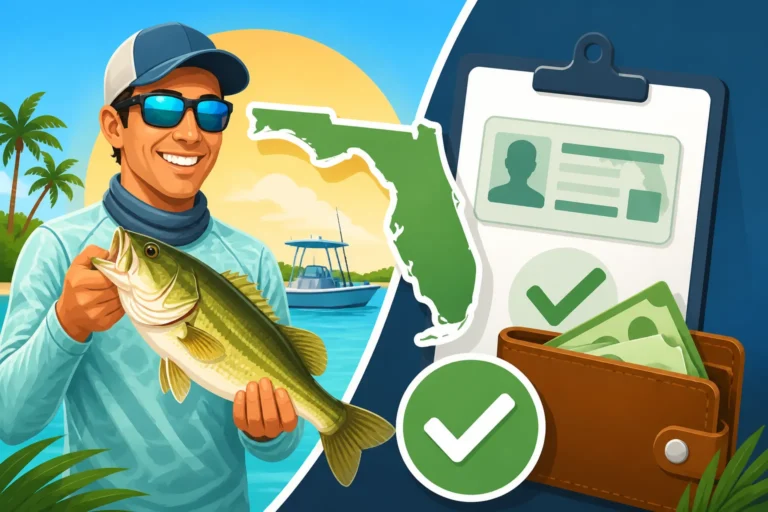
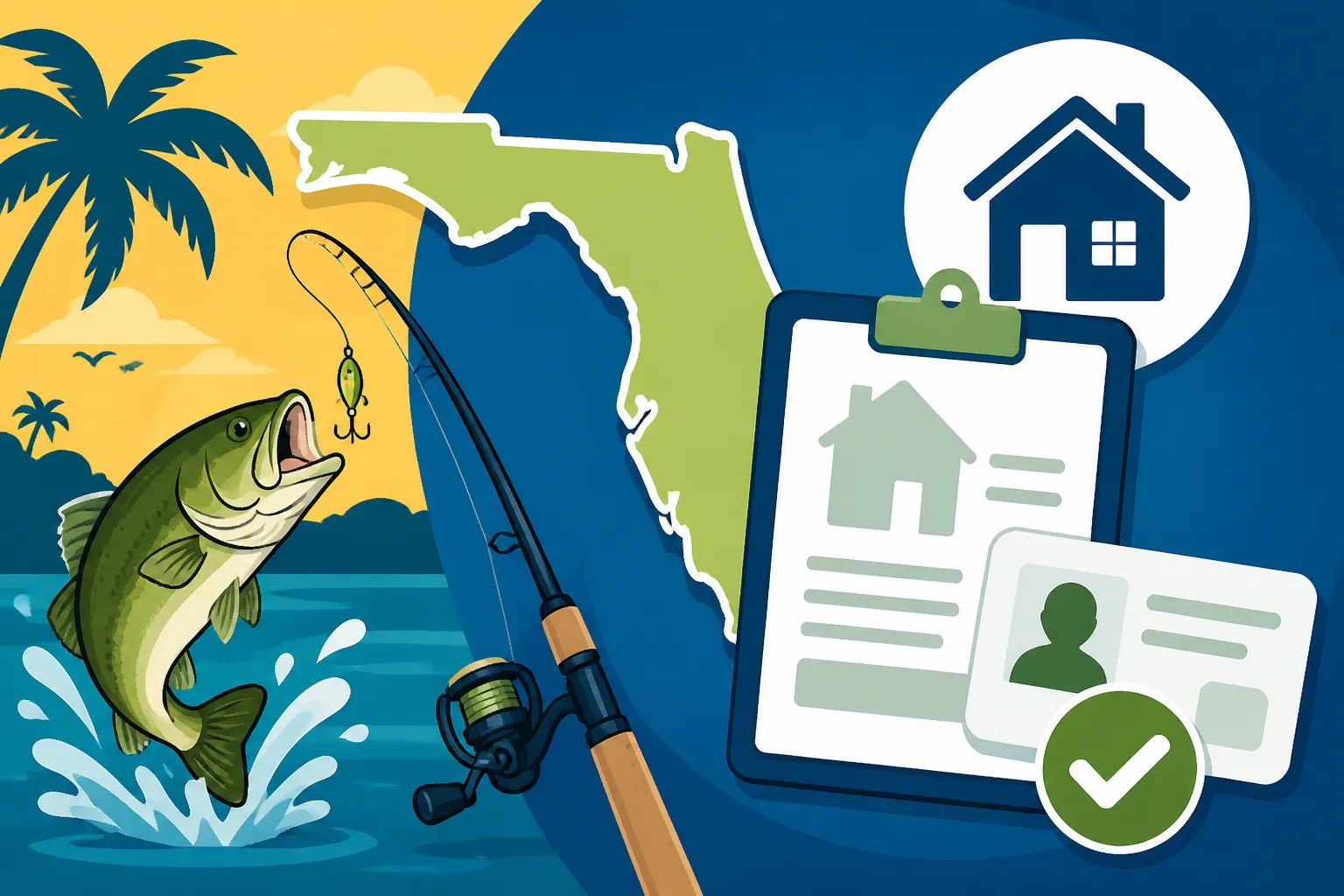
A current Florida Driver's License or a Florida Identification Card is typically the easiest and most universally accepted form of primary proof. If you've been living here for a while and have updated your license, you're usually good to go. The key is that it must be current and reflect your Florida address. If you're new to the state and haven't updated your license yet, you might run into issues, even if you’re certain you live here.
Another strong primary document is a Florida voter's registration card. This shows a clear intent to participate in state affairs and implies residency. Similarly, a declaration of domicile filed with the clerk of the circuit court in Florida also serves as excellent proof. This is a formal legal document stating your intent to make Florida your permanent home, often used by snowbirds or those establishing dual residency in the eyes of the law. Finally, a valid Florida homestead exemption can also serve as primary proof, as it's typically tied to your primary residence.
Secondary Documents: Supporting Your Claim
Sometimes, one primary document might not be enough, or you might be in a situation where you don't yet have one of the "heavy hitters." In these cases, secondary documents can be used to support your claim of residency. These are typically used in conjunction with a primary document, or in situations where specific rules apply, like for military personnel.
Examples of secondary documents include:
- A Florida vehicle registration.
- A Florida boat registration.
- Utility bills in your name at your Florida address.
- A lease agreement or deed to property in Florida.
- A W-2 form or income tax return with a Florida address.
- A student ID from a Florida college or university.
The idea here is to build a strong case that you genuinely reside in Florida. The more documentation you can provide that points to Florida as your permanent home, the smoother the process will be. For instance, if you're a new resident and only have an out-of-state driver's license but have just registered your car in Florida and have utility bills, these secondary documents can help establish your residency when paired with other forms. Always remember, the FWC wants to see a consistent pattern of residency, not just a temporary address.
The "Residency by Declaration" Quandary
There's often confusion, especially among those new to Florida or those who split their time, about what it truly means to be a "resident" for FWC licensing purposes. Some people assume that simply declaring intent to reside in Florida, perhaps by having a seasonal home here, is enough. Unfortunately, it's not quite that simple.
The FWC's definition of a Florida resident for hunting and fishing licenses is very specific. It generally means "any person who has established a true, fixed, and permanent home and principal establishment in Florida for the preceding six consecutive months, as evidenced by a Florida driver’s license or identification card, or other acceptable documentation, and who intends to continue to reside in Florida indefinitely." This means a verbal declaration isn't enough; you need solid, verifiable proof. Just owning property in Florida or spending a few months here each year doesn't automatically qualify you for resident rates. You need to meet the six-month continuous residency requirement and have the documents to back it up.
Real-World Scenarios for Proving Residency
Navigating residency requirements can feel like a maze, especially with Florida's diverse population. Let's look at some common real-world scenarios that often bring up questions about proving residency for your fishing license.
New Residents and Snowbirds
Ah, the glorious life of a Floridian! But for those just moving to the state, getting that resident fishing license can be a bit of a chicken-and-egg situation. You need six consecutive months of residency to qualify, but you might not have all the "primary" documents right away. If you've just moved, your out-of-state driver's license won't cut it. However, if you've been here for over six months, you should have applied for a Florida Driver's License or ID. This is typically the easiest way to establish your residency. Our guide on Florida Fishing License for New Residents goes into more detail.
For snowbirds, the situation can be trickier. Many spend a significant portion of the year in Florida, enjoying the warmer weather and incredible fishing. However, unless you've formally established Florida as your primary, permanent home for six consecutive months and can prove it with the necessary documentation (like a Florida Driver's License, voter registration, or declaration of domicile), you'll likely be considered a non-resident for licensing purposes. It's a tough pill to swallow for some, but the FWC's definition of "resident" is quite strict to prevent exploitation of lower fees. Simply having a winter home here, while lovely, doesn't make you a resident in the eyes of the fishing license laws.
College Students and Military Personnel
College students attending a Florida institution often wonder if they qualify for resident rates, especially if their permanent address is still out of state. The good news is that if you're attending a college or university in Florida, you can typically qualify as a resident for a fishing license. You'll need to show proof of enrollment and potentially other documents like a Florida address on a lease or utility bill, and ideally a Florida ID. The key here is that the FWC recognizes that students are establishing a temporary residence for educational purposes, which can count towards meeting the residency criteria.
For active-duty military personnel stationed in Florida, the rules are often more accommodating. If you're stationed in Florida, even if your legal residence is still in another state, you are generally considered a Florida resident for the purpose of purchasing a fishing license. This usually requires presenting your military ID and documentation proving you are stationed in Florida. This thoughtful consideration for service members ensures they can enjoy the recreational opportunities the state offers without unnecessary hurdles. Our article on Florida Military Fishing License Exemptions provides further details.
Online vs. In-Person Purchases
The method you choose to buy your license can also influence how your residency is verified. If you're buying a Florida fishing license online through the FWC's GoOutdoorsFlorida website or a third-party vendor like Amazon (if they are an authorized reseller, always check!), the system will rely on the information you provide and cross-reference it with state databases. If your Florida Driver's License or ID is current and in the system, it's usually a breeze. However, if there are discrepancies or if you're a new resident without updated state-issued ID, the system might flag you as a non-resident, or require additional steps for verification.
When purchasing in-person at a local bait and tackle shop, a Walmart, or a county tax collector's office, you have the advantage of speaking directly with a clerk. This can be incredibly helpful if your situation is a bit nuanced. They can manually review your various forms of documentation (driver's license, utility bills, voter registration, etc.) and guide you through the process. This is often the recommended route for new residents or anyone whose residency might not be immediately apparent from a single ID. You can find out more about purchasing options in our guides How to Buy a Fishing License Online and Where to Buy a Florida Fishing License Near You.
Common Pitfalls and How to Avoid Them
It's easy to get tangled up in the details when it comes to official paperwork, and Florida fishing licenses are no exception. Knowing the common pitfalls can save you a lot of grief and ensure your time on the water is stress-free.
Don't Assume: Verify Requirements
One of the biggest mistakes anglers make is assuming their situation qualifies them for resident rates without actually verifying the specific requirements with the Florida Fish and Wildlife Conservation Commission (FWC). Just because you pay property taxes in Florida or spend six months out of the year here doesn't automatically mean you're a resident for a fishing license. The FWC has a very clear, often stringent, definition of residency, which typically involves holding a valid Florida Driver's License or ID card, or other official documents that show you've established a "true, fixed, and permanent home and principal establishment" here for at least six consecutive months.
For example, many "snowbirds" or seasonal residents, despite owning homes here and spending significant time in the state, often do not meet the FWC's definition of permanent residency. This can lead to frustration when they're unexpectedly charged non-resident rates. Always consult the official FWC website or speak to a representative to clarify your specific situation before heading out to purchase your license. Ignorance of the rules, unfortunately, isn't an excuse.
Keep Your Documents Current
Another common snag is having outdated documentation. If you've recently moved within Florida, gotten a new mailing address, or let your driver's license expire, these seemingly minor details can cause big problems when trying to prove residency. Your Florida Driver's License or ID card is often the primary piece of evidence, and if the address on it doesn't match your current residence, or if it's expired, it can complicate the process of getting a resident fishing license.
Imagine you're at the bait shop, excited to get your license and hit the water, only to be told your proof of residency isn't valid because your ID is expired or shows an old address. It's a bummer, and easily avoidable. Make sure all your official documents, especially your state-issued ID, are current and reflect your up-to-date Florida address. It’s a good habit to keep all your important identification current, not just for fishing, but for life in general. This attention to detail will ensure a smooth transaction.
Consequences of Misrepresenting Residency
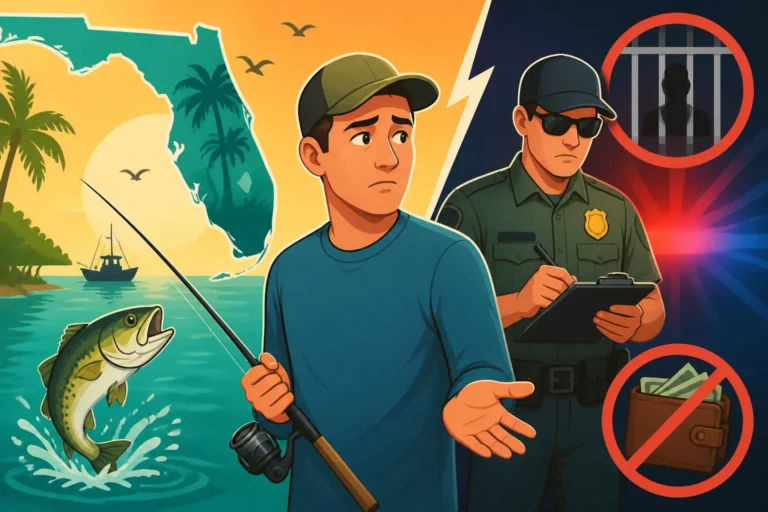
This is where things get serious. Deliberately misrepresenting your residency status to obtain a Florida fishing license at a lower resident rate is a violation of state law. It's not just a slap on the wrist; it can carry significant penalties, including fines and potential legal action. Enforcement officers from the FWC are well-versed in checking licenses and verifying information.
If you're caught fishing with a resident license that you obtained fraudulently, you could face substantial fines, typically ranging from hundreds to potentially thousands of dollars. In some cases, repeated offenses or severe misrepresentation could even lead to your fishing privileges being revoked. Is saving a few dollars worth the risk of a hefty fine, a ruined fishing trip, and a potential criminal record? Absolutely not. It's always best to be honest and ensure you meet all the criteria for the license you're purchasing. If you're unsure, always opt for the non-resident license or clarify your status with the FWC directly. Our article on What Happens If You Fish Without a License provides more insight into penalties.
Florida Fishing License Residency Document Guide
To help you get a clearer picture, here’s a quick reference table summarizing common documents accepted for proving Florida residency for fishing licenses. Remember, this is a general guide, and the FWC always has the final say.
| Document Type | Description | Primary/Secondary | Notes |
|---|---|---|---|
| Florida Driver's License | Current and valid Florida Driver's License. | Primary | Most common and easiest proof. Must be current and show Florida address. |
| Florida Identification Card | Current and valid Florida Identification Card (for non-drivers). | Primary | Similar to a driver's license, confirms identity and Florida residency. |
| Florida Voter Registration | Current Florida Voter's Registration Card. | Primary | Demonstrates intent to reside and participate in Florida's civic life. |
| Declaration of Domicile | Official document filed with a Florida Clerk of Court, affirming intent to make Florida permanent residence. | Primary | Strong legal proof, often used by those establishing formal residency, like "snowbirds" making Florida their official home. |
| Florida Homestead Exemption | Proof of a current Florida homestead exemption on property owned by the applicant. | Primary | Confirms primary residence for tax purposes, indicating permanent residency. |
| Florida Vehicle Registration | Current and valid Florida motor vehicle registration. | Secondary | Supports residency, especially when combined with other documents. Ensure it's in your name and has a Florida address. |
| Florida Boat Registration | Current and valid Florida vessel registration. | Secondary | Similar to vehicle registration, helps support residency claim. |
| Utility Bills | Recent utility bills (electricity, water, gas) in your name at your Florida address. | Secondary | Shows active household establishment. Usually require a few months' worth. |
| Lease Agreement / Deed | Current lease agreement for a Florida residence or deed to Florida property in your name. | Secondary | Provides evidence of physical presence and responsibility for a residence. |
| Military Orders | Official military orders assigning personnel to a duty station in Florida. | Special Case | Active-duty military personnel stationed in Florida (and their dependents) are often treated as residents regardless of legal domicile. |
| College Enrollment Proof | Official enrollment verification from a Florida college or university. | Special Case | Florida-enrolled students may qualify as residents, often needing additional proof of Florida address (e.g., lease). |
| Florida W-2 or Tax Return | W-2 form or income tax return showing a Florida address. | Secondary | Less common as primary proof but can support a broader residency claim. |
Disclaimer
The information provided in this guide is for general informational purposes only and does not constitute legal advice. Fishing regulations, license requirements, and residency definitions are subject to change by the Florida Fish and Wildlife Conservation Commission (FWC). Always consult the official FWC website or contact them directly for the most current and accurate information before purchasing any licenses or engaging in fishing activities.