Group Charter Fishing License Rules in Florida
Stepping onto a charter boat in Florida, with the sun glinting off the water and the promise of a big catch on the horizon, is an exhilarating feeling. But before you even cast a line, a common question often pops up: "Do I, as part of this group, need my own fishing license?" It's a valid and often confusing point, and understanding the specific rules for group charter fishing licenses in Florida is crucial to a worry-free and legal fishing adventure. This guide aims to clear up that confusion, diving deep into the regulations so you can focus on the fishing, not the paperwork.
The Foundation of Florida Charter Fishing Licenses
Florida's fishing regulations are designed to be comprehensive, ensuring sustainable fishing for everyone. When it comes to charter boats and group trips, there's a unique structure in place that often leads to misunderstandings. It's not always as simple as every single person needing a license, but it's not a free-for-all either.
The Captain's For-Hire License and Vessel Requirements
At the heart of legal group charter fishing in Florida is the captain and their vessel. A reputable charter boat captain isn't just someone who knows where the fish are; they are licensed professionals. This isn't just a general boat captain's license; it's specific to carrying passengers for hire for fishing purposes. The U.S. Coast Guard (USCG) mandates specific licenses for captains operating "for-hire" vessels, and the Florida Fish and Wildlife Conservation Commission (FWC) has additional requirements.
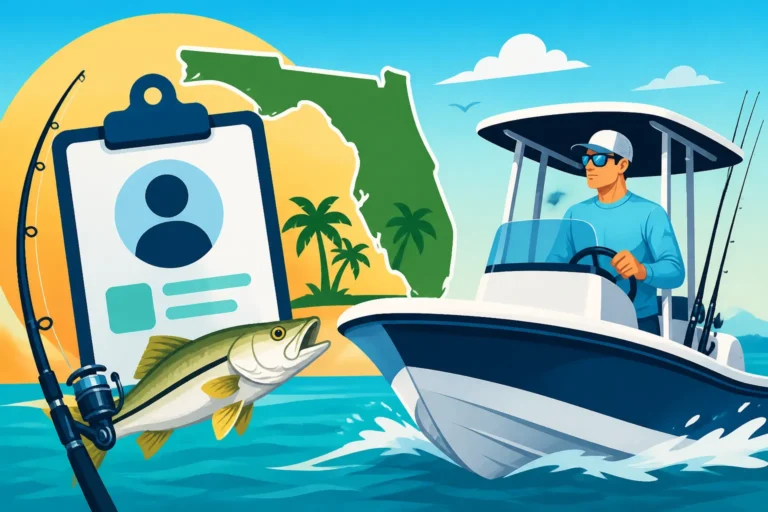
For saltwater fishing charters, the vessel itself must possess a valid Florida Vessel Saltwater Fishing License, often referred to as a "for-hire" license. This license covers all recreational anglers fishing from that vessel in Florida's state waters. Think of it as a blanket license that allows everyone on board to fish without needing individual licenses. This is a huge convenience and one of the primary benefits of booking a legitimate charter. It simplifies the process immensely, especially for tourists or those who don't fish often enough to justify an annual personal license. This is also why understanding the nuances of Florida Charter Boat Fishing License Rules is so important. Without this specific vessel license, every single person on board would need to hold their own valid Florida fishing license, which would be a logistical nightmare for a group trip.
Understanding "Group" Charters vs. Individual Anglers
The term "group charter" can refer to a few different scenarios, and it's important to differentiate them because the licensing rules might subtly shift. Generally, when people refer to a "group charter," they're thinking of a "for-hire" vessel where everyone aboard is there to fish, and the trip is paid for. This typically includes:
- Private Charters: Where a group of friends or family book the entire boat for their exclusive use.
- Head Boats or Party Boats: Larger vessels that take individual paying passengers, often strangers, on a fishing trip together. These are essentially public charters.
- Shared Charters: Where a few individuals or smaller groups pay to share a boat with other passengers, often to reduce costs.
In all these standard "for-hire" scenarios for saltwater fishing within Florida state waters, as long as the vessel holds the proper charter license, individual recreational anglers onboard are generally not required to purchase their own personal Florida saltwater fishing license. This is a huge relief for many vacationers and groups planning a trip. You're essentially covered by the boat's commercial license. However, this general rule has some very specific exceptions, which we'll delve into in the next section. It’s a core distinction in the Florida Fishing License Guide.
When Anglers on a Group Charter Need Their Own License
While the blanket coverage of a charter vessel's license is a fantastic perk, it's not universally applicable. There are specific situations where even if you're on a licensed group charter, you, as an individual angler, will need to have your own personal Florida fishing license. Missing these nuances can lead to fines, so it's critical to be aware.
Exemptions for Passengers on Licensed For-Hire Vessels
For the vast majority of recreational fishing trips on a licensed for-hire charter in Florida's state waters (which extend up to 9 nautical miles into the Gulf of Mexico and 3 nautical miles into the Atlantic Ocean), individual anglers are indeed exempt from needing their own personal recreational saltwater fishing license. This is a key component of Florida Fishing License Exemptions and is a significant advantage of booking a charter. The captain's license and the vessel's specific for-hire license collectively cover the fishing activities of all passengers. This means less hassle for you and your group, no need to research individual license types, or worry about age requirements, as long as you're staying within these specific parameters. This applies whether you're fishing for redfish in Tampa Bay, snook in the Everglades, or snapper off Destin.
This exemption is specifically for the recreational saltwater fishing license. It's important to understand that this does not automatically cover specialized permits or freshwater fishing. So, if your charter plans to target certain species that require additional permits, or if you venture into freshwater territory, the rules change.
Specific Scenarios Where Individual Licenses Are Still Essential
Even on a for-hire charter, there are critical exceptions where you will need your own individual license. These are often overlooked and can lead to trouble.
Firstly, if your group charter ventures into federal waters, which are beyond 9 nautical miles in the Gulf and 3 nautical miles in the Atlantic, the rules can change significantly, especially for certain species. While the charter vessel might have federal permits for specific species (like reef fish or highly migratory species), individual anglers may still need to comply with specific federal licensing or reporting requirements depending on the trip and target species. It's always best practice to confirm with your captain if you'll be fishing in federal waters and what, if any, additional requirements exist.
Secondly, if your "group charter" is actually for freshwater fishing, the rules are entirely different. The vessel for-hire license system primarily applies to saltwater. If you're booking a guide for a group bass fishing trip on Lake Okeechobee or the St. Johns River, every eligible angler in your group will need their own personal Florida Freshwater Fishing License Rules compliant license, unless they meet specific age-based or other exemptions (e.g., being under 16 years old). Many freshwater guides operate under a different licensing structure, and their service typically does not cover individual angler licenses. You can easily purchase these licenses online through the FWC website or at retailers like Walmart and Bass Pro Shops, or even from their online storefronts on Amazon if they carry FWC-approved fishing essentials.
Thirdly, regardless of state or federal waters, if you plan to target specific species that require additional special permits on top of a standard fishing license, you will need to acquire those permits yourself. Common examples in Florida include a Florida Snook Permit Requirements and a Florida Lobster Permit Requirements. These permits are species-specific and are generally not covered by the vessel's for-hire license. They are personal permits tied to the individual angler. Always check with your captain if you plan to target these species, as they will likely tell you to get the necessary permits beforehand.
Lastly, there’s the question: Do You Need Your Own License for a Florida Charter?. For clarity, if you are fishing for species that are not included under the vessel's general recreational saltwater for-hire license, such as certain commercial species or those with specific permit requirements, you would need your own. The safest bet is always to clarify with your chosen charter captain before the trip to avoid any surprises.
Navigating Common Misconceptions and Ensuring Compliance
The waters of fishing regulations can be murky, and a lot of old wives' tales or outdated information floats around. It’s essential to cut through the noise and understand the current, accurate rules, especially when you're responsible for a group.
The Difference Between State and Federal Waters
This is a critical distinction, particularly for offshore group charters. As mentioned, Florida's state waters extend 9 nautical miles into the Gulf of Mexico and 3 nautical miles into the Atlantic Ocean. Within these boundaries, the for-hire vessel's saltwater fishing license typically covers all recreational anglers. However, once your charter crosses these invisible lines into federal waters, different rules can apply, especially concerning specific species like snapper and grouper.
Federal waters are managed by the National Oceanic and Atmospheric Administration (NOAA) Fisheries, in conjunction with regional councils, and often have separate seasons, bag limits, and sometimes even licensing requirements for certain species or types of fishing. While most reputable charter boats will hold federal permits (like a Gulf Reef Fish Charter/Headboat Permit) to operate and allow their clients to keep federal species, it's not a blanket pass. Some species might be open in state waters but closed in federal, or vice versa. Your captain is the ultimate authority on federal regulations for their specific permits and the species they target. When discussing your trip, always ask if you'll be fishing in federal waters and if any additional individual angler requirements exist beyond what the boat provides. This transparency ensures you understand Florida Fishing Regulations and Bag Limits wherever you cast your line.
Essential Permits for Specific Species on Charters
Even if you're covered by the charter's general fishing license for common species, Florida has a handful of highly sought-after fish that require individual special permits. These are not typically covered by the charter vessel's license, and you'll need to purchase them yourself if you intend to target and keep these species.
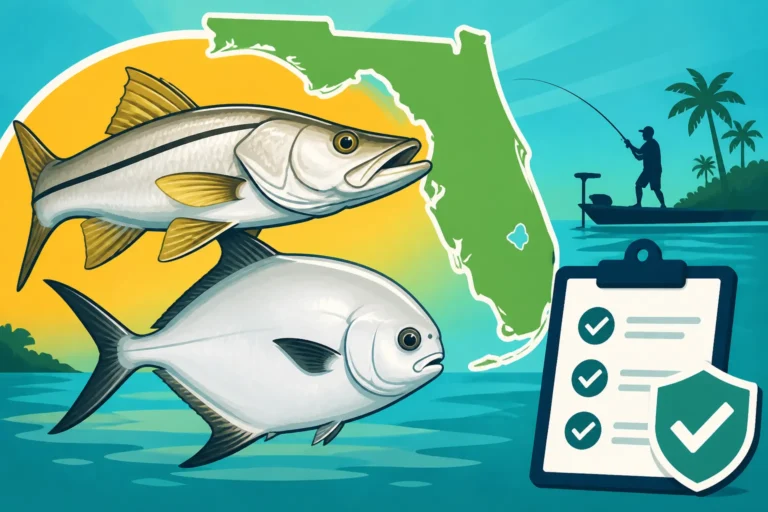
- Snook Permit: If your group is chasing the elusive snook, a separate Snook Permit is required for anyone wishing to keep one. This permit is an add-on to a standard recreational fishing license, but on a for-hire vessel, if you plan to keep a snook, you'll still need this individual permit. Remember that Florida Snook Season Guide provides specific dates and regions for harvest.
- Lobster Permit: Planning a trip during Florida's spiny lobster season, especially the popular mini-season, with a charter that offers diving or snorkeling for lobster? Every individual who intends to harvest lobster will need a Florida recreational saltwater fishing license and a Lobster Permit. Again, the charter boat's license doesn't cover this personal permit.
- Tarpon Tag: While most tarpon fishing is catch-and-release, if your group plans to harvest a tarpon (which is extremely rare and subject to very strict rules, often only one per angler per year), you would need to purchase a Tarpon Tag. This is another individual permit. The Florida Tarpon Fishing Season Guide outlines all the specifics.
These permits are generally inexpensive but crucial for legal harvest. You can usually purchase them when you buy your regular fishing license through the FWC's GoOutdoorsFlorida website or app, or from a licensed vendor. It's a small price to pay for compliance and supporting conservation efforts.
What to Look for in a Reputable Charter Operation
Choosing the right charter boat isn't just about finding a captain who knows where the fish bite; it's also about ensuring they are operating legally and safely. A legitimate charter operation will be upfront about their licensing and what it covers.
Here’s what to look for and questions to ask:
- USCG Captain's License: Your captain should hold a valid U.S. Coast Guard (USCG) Master or Operator of Uninspected Passenger Vessels (OUPV) license. This signifies they meet federal safety and operational standards. Don't be shy about asking to see it, or at least confirming they possess one.
- FWC For-Hire License: Confirm that the vessel has the appropriate Florida saltwater for-hire license. This is the license that covers your group's recreational fishing activities in state waters.
- Insurance: A professional charter will carry liability insurance. While not directly related to fishing licenses, it speaks to their professionalism and preparedness.
- Safety Equipment: Ensure the boat is equipped with all necessary safety gear, including life jackets for everyone (especially kids), first-aid kits, and communication devices.
- Clear Communication: A good captain will clearly explain what's included in the trip price, including bait, tackle, fish cleaning, and, critically, what licenses and permits are covered and what you might need individually. They should answer questions like Do You Need a License to Fish From a Charter Boat in Florida? without hesitation.
- Reviews and Reputation: Check online reviews on platforms like Google, TripAdvisor, or fishing-specific forums. A strong reputation usually indicates a reliable and compliant operator. You can even find recommendations for fishing gear on sites like Amazon that anglers use and trust, which speaks to a captain's knowledge.
By doing your homework and asking these questions, you're not only protecting your group from legal issues but also ensuring a safer and more enjoyable experience. You can even explore How to Choose a Florida Fishing Guide for a more in-depth look at what makes a great captain.
Penalties and Why Compliance Matters
Sometimes, the thought of fishing without a license might seem like a minor infraction, especially if you're just "one person in a big group." However, the Florida Fish and Wildlife Conservation Commission (FWC) takes licensing seriously, and the consequences of non-compliance, even on a charter, can be significant for both the individual angler and the charter captain. It's not just about avoiding a fine; it's about supporting the very resource you enjoy.
The Risks of Fishing Without Proper Licensing
Fishing without the required license or permits in Florida is a violation of state law. For recreational anglers, this typically results in a non-criminal infraction, similar to a traffic ticket. However, the penalties can quickly add up and vary depending on the severity and frequency of the offense.
- Fines: The most immediate consequence is a fine. For a first offense of fishing without a license, you could be looking at a fine that varies but often starts around $50, plus court costs. If you're caught without a required permit (like a Snook Permit), that's usually an additional fine. These fines can be issued on the spot by an FWC officer.
- Seizure of Equipment: In some cases, FWC officers have the authority to seize fishing equipment used in the commission of a violation. While less common for a simple license infraction, it's a possibility, and who wants to lose their favorite rod and reel?
- Criminal Charges: While rare for a first-time recreational license violation, repeat offenses or more serious infractions (like egregious poaching or exceeding bag limits) can escalate to criminal charges, potentially leading to higher fines, community service, or even jail time. For the charter captain, operating without the proper for-hire license or allowing clients to fish illegally could result in significant fines, suspension or revocation of their commercial licenses, and even criminal charges, putting their entire livelihood at risk. This highlights the importance of understanding What Happens If You Fish Without a License.
The inconvenience of dealing with a citation, paying a fine, and potentially having your fishing trip cut short far outweighs the small cost and effort of ensuring you and your group are properly licensed.
The Broader Impact of License Fees on Florida's Fisheries
Beyond the personal ramifications, understanding why these licenses and fees exist is crucial. Every time you or a charter captain purchases a Florida fishing license or a special permit, a significant portion of that money goes directly back into conservation efforts across the state. This is vital for maintaining Florida's reputation as a world-class fishing destination.
These funds support a wide array of programs, including:
- Fish Stock Enhancement: Hatchery programs and efforts to restore fish populations.
- Habitat Restoration: Protecting and restoring vital aquatic habitats like seagrass beds and oyster reefs.
- Research and Management: Funding scientific research to better understand fish populations, migration patterns, and ecosystem health, which informs bag limits and seasons.
- Law Enforcement: Supporting FWC officers who patrol waters to ensure compliance with regulations, protecting against poaching and overfishing.
- Public Access: Developing and maintaining boat ramps, fishing piers, and other public access points for anglers.
When you contribute to license fees, you're directly investing in the future of Florida fishing. It's not just a bureaucratic hurdle; it's a collective effort to preserve the incredible biodiversity and fishing opportunities that draw so many to the Sunshine State. For a deeper dive, consider researching How Florida Fishing License Fees Fund Conservation. Ensuring your charter is fully compliant means your money is supporting a captain who cares about the resource and contributes to its sustainability.
To help visualize the common scenarios, here's a table summarizing typical group charter fishing license requirements in Florida:
| Scenario | Vessel Type | Water Type (Primary) | Individual Angler License Needed? | Specific Permits Needed (Individual)? |
|---|---|---|---|---|
| Standard Saltwater Charter (Recreational) | For-Hire Vessel | State Waters | NO (covered by vessel license) | YES, for Snook/Lobster/Tarpon (if keeping) |
| Standard Saltwater Charter (Recreational) | For-Hire Vessel | Federal Waters | Usually NO (covered by vessel & federal permits), but confirm with captain for specific species | YES, for Snook/Lobster/Tarpon (if keeping) |
| Freshwater Fishing Guide Trip | Guide Vessel | Freshwater | YES (unless exempt by age/disability) | NO (generally) |
| Kayak/Private Boat Fishing Trip with Friends | Private Vessel | State or Federal | YES (unless exempt by age/disability) | YES, for Snook/Lobster/Tarpon (if keeping) |
This table provides a quick reference, but remember, always communicate directly with your charter captain. They are the experts on their specific vessel, permits, and the exact waters they plan to fish, and they'll be able to confirm all the current requirements for your trip.
Disclaimer
Please remember that fishing regulations are subject to change. While this guide aims to provide accurate and up-to-date information, it is your responsibility to verify all current Florida Fish and Wildlife Conservation Commission (FWC) regulations and federal guidelines before engaging in any fishing activities. Always consult the official FWC website or contact them directly for the most current information.