Do You Need a License to Fish From a Charter Boat in Florida?
It's a common question, and honestly, it can be a little confusing when you're planning a fantastic fishing trip to Florida, especially if you're hopping on a charter boat. Many anglers wonder if they still need their own personal fishing license when the boat itself is surely licensed. This guide is here to clear up that very confusion, making sure you understand exactly what's required so you can focus on the thrilling catch, not the paperwork.
The Golden Rule of Florida Charter Fishing Licenses
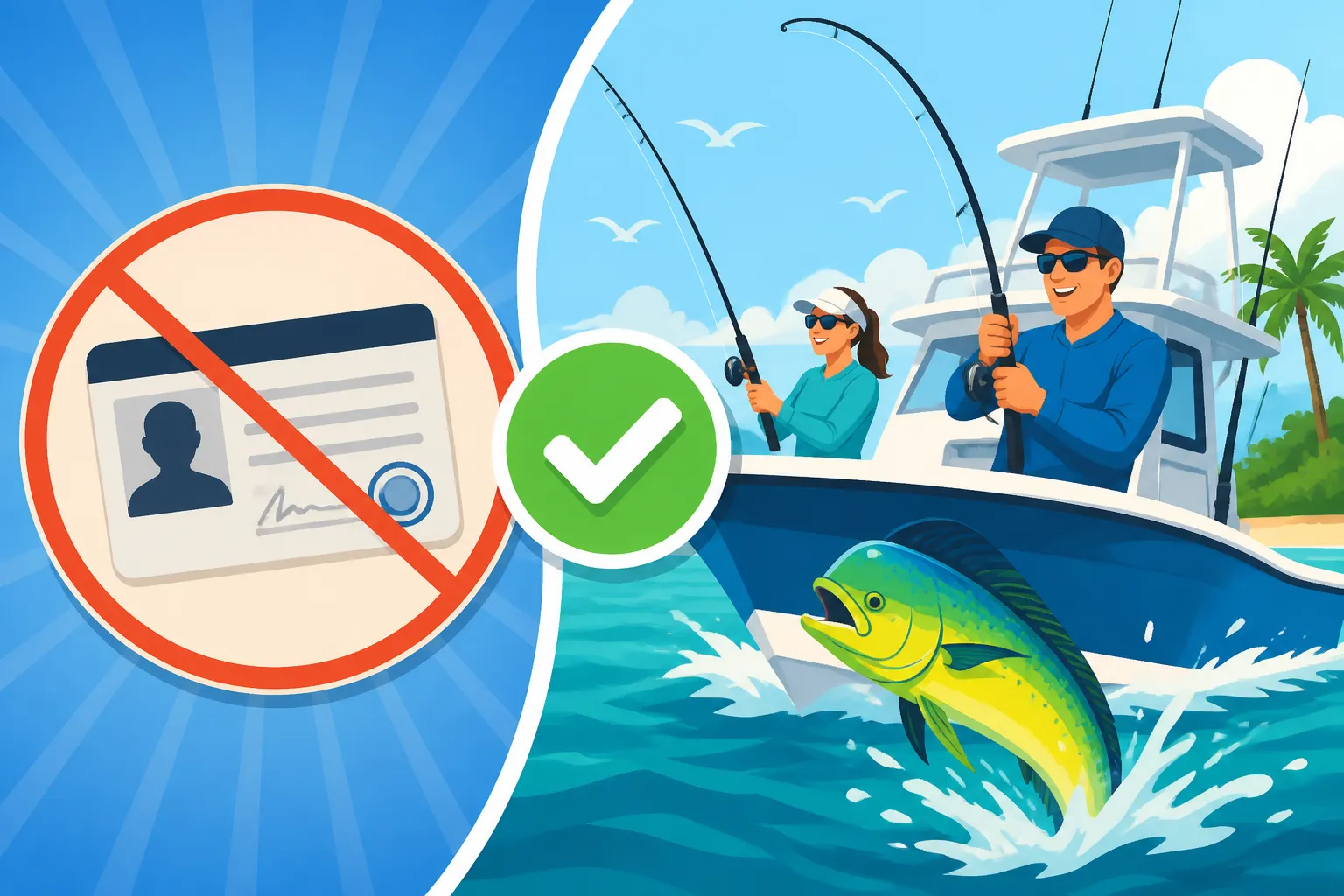
Let's get right to the heart of the matter because this is where many people get tripped up. The vast majority of the time, when you're fishing from a licensed Florida charter boat – whether it's an inshore flats boat or a big offshore vessel – you do NOT need to purchase your own recreational fishing license. This is one of the huge perks of booking a charter! The captain of the vessel typically holds a commercial license that covers all of their paying passengers. It's designed to simplify things for tourists and visitors who might only be fishing for a day or two.
How Charter Boat Licenses Work
Think of it this way: the charter boat itself, or more accurately, the United States Coast Guard (USCG) licensed captain operating it, possesses a specific type of license that acts as an umbrella for everyone on board. This isn't just any old recreational license; it's a commercial license specifically issued by the Florida Fish and Wildlife Conservation Commission (FWC) that allows them to take paying customers fishing. This means that as long as you're a paying passenger on a legitimate, licensed charter, you're covered. It's a huge relief for many, especially those who are just visiting the Sunshine State and don't want to navigate the complexities of Florida fishing license rules for short-term trips. The captain has already handled all the necessary registrations and fees, ensuring everyone on their boat is fishing legally.
This arrangement is particularly beneficial for those who are new to fishing in Florida or those who rarely fish and don't want to invest in an annual license. It removes a significant barrier to entry, encouraging more people to experience the incredible fishing opportunities Florida has to offer. Just imagine: you show up, step on the boat, and the captain has taken care of the red tape, leaving you free to enjoy the beautiful waters and the thrill of the bite. This also applies whether you're targeting saltwater species in the Gulf of Mexico or Atlantic Ocean, or even if your charter is specializing in freshwater bass fishing on one of Florida's famous lakes.
What's Covered by the Charter License
Generally, the charter boat's license covers the basic recreational fishing of most common species found in Florida's waters, both freshwater and saltwater. This includes your typical redfish, snook (during open season), trout, snapper, grouper (during open season), mahi-mahi, king mackerel, and many more. It truly offers comprehensive coverage for what most recreational anglers are hoping to catch.
However, it's crucial to understand that while the general fishing license is covered, this blanket coverage doesn't always extend to all permits for all specialized species or activities. For instance, if you're targeting certain highly regulated species, you might still need an individual permit. This is where things can get a little nuanced, but your charter captain will be the ultimate authority on what specific permits, if any, you might still need. They are required to be up-to-date on all Florida fishing regulations and bag limits. It’s always a good idea to confirm with your captain when booking if you have any questions about specific species you hope to target, especially if they are highly regulated or require special endorsements.
Understanding Specific Permit Requirements
While your general fishing license is almost always covered by a charter, Florida has some unique rules for certain sought-after species. These aren't tied to a general fishing license but are instead specialized endorsements or permits that help manage specific fisheries.
Snook and Lobster Permits
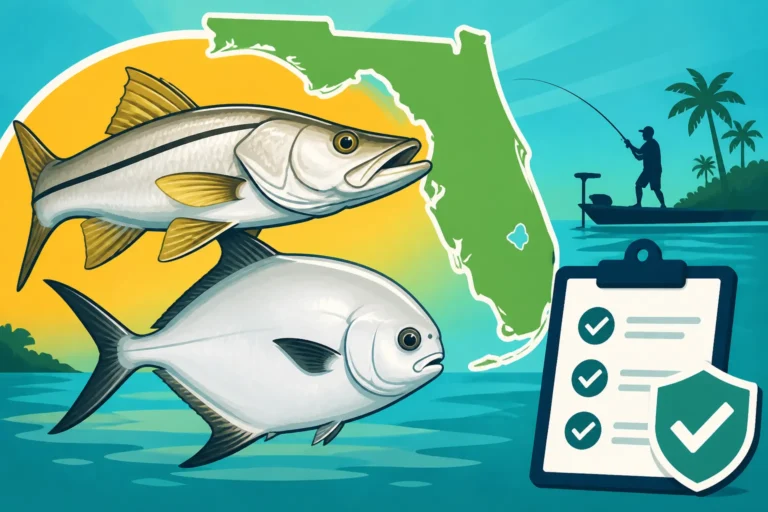
Here's a prime example of where individual permits come into play, even on a charter. If you plan to harvest snook or spiny lobster, you, as an individual angler, will need to possess the appropriate permit in addition to being covered by the charter's general license. The Florida Snook Permit Requirements are quite specific, and it's a separate endorsement you'd add to a regular Florida fishing license, if you had one. Since you don't need the base license on a charter, you still need to secure just the snook permit if you intend to keep one within the legal slot limit during the open season. The same goes for the Florida Lobster Permit Requirements if you plan to bag some delicious spiny lobster during the regular season or the recreational mini-season.
These permits exist because snook and lobster are highly prized species, and their populations require stricter management. The fees collected from these individual permits go directly towards conservation efforts specifically for these species. So, if your dream is to bring home a legal snook for dinner or a few lobsters, remember to purchase these individual permits beforehand. You can typically get them online through the FWC's GoOutdoorsFlorida website, or at many bait and tackle shops. It's a small extra step, but it ensures you're fully compliant with the FWC's rules and contributing to the sustainability of these incredible fisheries.
Federal vs. State Waters
Florida fishing regulations can sometimes differ depending on whether you're fishing in state waters or venturing into federal waters. Florida's state waters extend 3 nautical miles into the Atlantic Ocean and 9 nautical miles into the Gulf of Mexico. Beyond those boundaries, you're in federal waters, and while the general rule about the charter covering your basic license still applies, certain species might have different regulations, seasons, or even require specific federal permits for the boat itself to harvest them.
For instance, highly migratory species or certain reef fish might fall under federal management. Your captain will absolutely have the necessary federal permits for their vessel to fish in these areas. They are also legally responsible for knowing and adhering to the bag limits and size restrictions, which can vary between state and federal waters for some species. For example, the Gulf of Mexico's federal red snapper season is often very different from the state waters' season. This is where a knowledgeable captain really earns their stripes, ensuring everyone on board is fishing within the law, regardless of how far offshore you go. They’ll also be able to explain any differences in Florida Fishing Regulations and Bag Limits based on your location.
Exceptions and Special Considerations
While the "no personal license needed" rule is fantastic, there are always a few nuances and things to keep in mind to ensure your trip goes smoothly and legally.
Private Charters vs. Party Boats
The good news is that this rule generally applies across the board, whether you're on a small, intimate private charter with just a few friends or a larger "head boat" or "party boat" that takes dozens of anglers out for a shared experience. In both scenarios, the vessel and its captain hold the commercial license that covers all paying passengers.
The distinction primarily comes down to the experience and cost, not the licensing. A private charter offers a more personalized trip, often focusing on specific species or techniques, and you typically have the captain's full attention. Party boats are usually more budget-friendly per person and are great for families or solo anglers looking to make new friends, but the fishing might be less tailored. Regardless of the boat type, the captain's commercial license means you don't need your own recreational Florida Fishing License Guide. Just remember that if you're joining a party boat, you might want to bring your own tackle or at least check what's provided, as often rentals are extra. You can find many fishing essentials on Amazon before your trip.
Captain's Responsibilities and Your Role
Your charter captain is a professional, and part of their professionalism includes ensuring all legal aspects of your fishing trip are covered. This means they are responsible for:
- Holding the correct commercial fishing licenses for their vessel.
- Being knowledgeable about current FWC regulations, bag limits, and seasons for all species.
- Advising you on any individual permits you might need (like for snook or lobster) if you intend to harvest those species.
- Providing safety equipment and ensuring the vessel is seaworthy and inspected.
Your role as an angler is pretty straightforward:
- Communicate your intentions: If you specifically want to keep a snook or lobster, tell your captain before the trip so they can remind you about permits.
- Follow the captain's instructions: They are the expert on the water and the law. Listen to their guidance on handling fish, releasing undersized catches, and adhering to bag limits.
- Respect the rules: Fishing without a license or permit when required, or keeping undersized fish, can lead to stiff penalties, and neither you nor your captain wants that. Understanding What Happens If You Fish Without a License can help emphasize the importance of compliance.
What if You're Not a Paying Passenger?
This is an interesting edge case. What if you're on a friend's boat, and your friend is a licensed charter captain, but you're just along for the ride and not paying? Or perhaps you're on a non-charter private boat owned by a friend or family member?
In these scenarios, the charter boat rule does not apply. If you're on a private recreational vessel and are 16 years of age or older (and not otherwise exempt, such as children under 16 mentioned in Florida Fishing License Age Requirements), you will need your own Florida fishing license to legally fish, whether it's a Florida Saltwater Fishing License Rules or a Florida Freshwater Fishing License Rules, depending on where you're fishing. The only exception would be if the boat owner themselves holds a specific type of recreational vessel license that covers guests, but this is far less common than a commercial charter license. Always err on the side of caution and ask if you're unsure. When in doubt, getting a short-term nonresident license can save you a lot of hassle.
Why These Rules Exist: Conservation Efforts
It might seem like a lot of rules, but every single regulation, permit, and license fee in Florida fishing serves a critical purpose: the conservation and management of Florida's incredibly diverse and valuable fisheries.
Funding Conservation
The money collected from fishing licenses and permits, including those paid by charter captains for their commercial operations and individual anglers for their personal licenses, goes directly into funding vital conservation programs. This includes scientific research on fish populations, habitat restoration projects for critical ecosystems like seagrass beds and coral reefs, law enforcement to ensure compliance and prevent poaching, and educational programs that teach responsible angling practices.
For example, when you see healthy fish stocks or pristine waters, a significant part of that success can be traced back to these funding mechanisms. The FWC uses these funds to manage everything from oyster restoration projects in Apalachicola Bay to bass stocking programs in freshwater lakes like Okeechobee. Every license purchase, directly or indirectly, helps sustain the very resources that make Florida such a world-class fishing destination. It's a small investment with a huge return for future generations of anglers, ensuring that the thrill of catching a trophy fish remains a possibility for years to come. This directly answers the question of How Florida Fishing License Fees Fund Conservation.
Florida Charter Fishing License Summary
To help clarify the various scenarios, here's a quick reference table:
| Scenario | Do You Need Your Own Personal Florida Fishing License? | Notes |
|---|---|---|
| You are a paying passenger on a licensed Florida Charter Boat (private or party boat). | NO | The captain's commercial license covers all paying passengers. This is the primary benefit of chartering! |
| You are a paying passenger on a licensed Florida Charter Boat and want to keep Snook. | YES | You need to purchase an individual Snook Permit in addition to being covered by the charter. |
| You are a paying passenger on a licensed Florida Charter Boat and want to keep Spiny Lobster. | YES | You need to purchase an individual Spiny Lobster Permit in addition to being covered by the charter. |
| You are fishing from a private recreational boat (not a charter) and are age 16 or older. | YES | The boat owner's standard recreational registration does not cover individual anglers; each person needs their own license (unless otherwise exempt). |
| You are under 16 years old, regardless of boat type. | NO | Anglers under 16 are generally exempt from needing a Florida fishing license. |
| You are fishing on a "Free Fishing Day." | NO | Florida has specific Florida Free Fishing Days during which a recreational license is not required for anyone, including those on private boats. |
Final Thoughts on Your Charter Adventure
So, there you have it! When you book a fishing charter in Florida, you can usually breathe a sigh of relief knowing that the fishing license for general recreational fishing is taken care of by the captain. This means less hassle for you and more time to focus on what really matters: catching fish! Just remember to double-check with your captain if you have specific species in mind like snook or lobster, as those may require an additional, inexpensive individual permit. Getting ready for your trip is part of the fun – grab your favorite hat, some good sunscreen, and maybe even a pair of polarized sunglasses from Amazon, and get ready for an unforgettable day on the water.
Disclaimer
The information provided in this guide is for general informational purposes only and is subject to change. While we strive to keep the content up-to-date, fishing regulations, license requirements, and fees in Florida are determined by the Florida Fish and Wildlife Conservation Commission (FWC) and can be modified. It is always the angler's responsibility to verify the most current rules and regulations directly with the FWC before engaging in any fishing activity. This guide does not constitute legal advice.