Is Lake Okeechobee Good for Beginners?
If you've ever dreamt of fishing in Florida, chances are the legendary Lake Okeechobee, affectionately known as the "Big O," has popped up on your radar. But let's be real: seeing a lake so vast, with its maze of grass lines, open water, and diverse reputation for monster bass, can feel incredibly intimidating for a beginner. You might wonder if you're setting yourself up for frustration or if there's actually a pathway for new anglers to enjoy this iconic fishery. This comprehensive guide aims to demystify Lake Okeechobee for those just starting out, offering realistic insights and actionable advice to help you decide if it's your next fishing destination.
Understanding Lake Okeechobee's Allure and Challenges for New Anglers
Lake Okeechobee isn't just any lake; it's a Florida icon, a freshwater giant teeming with life. Its reputation precedes it, often drawing seasoned anglers from around the globe. But what exactly makes it so famous, and what initial hurdles might a beginner face when confronting such a legendary body of water?
The "Big O" – What Makes it Famous?
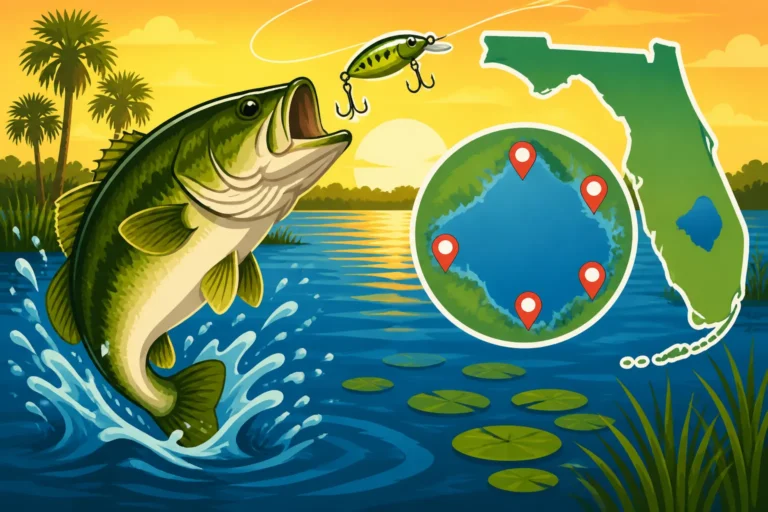
Lake Okeechobee is the largest freshwater lake entirely within Florida, covering approximately 730 square miles. Its sheer size and ecological significance are undeniable, but it's particularly renowned for one thing: its incredible bass fishery. Anglers flock here seeking trophy largemouth bass, and the lake consistently produces some of the biggest and healthiest bass in the country. This reputation stems from its rich aquatic vegetation, abundant baitfish, and warm climate, creating an ideal habitat for these prized game fish. Beyond bass, the lake supports healthy populations of crappie (speckled perch), bluegill, and various other panfish, making it a diverse ecosystem.
However, this very fame can be a double-edged sword for a beginner. The stories of massive bass and intricate fishing techniques often discussed by experienced anglers can be overwhelming. You might hear about "flipping mats" or "reading hydrilla lines" and feel like you're already behind before you've even wet a line. The idea of navigating such a sprawling body of water, knowing that others are hunting for truly enormous fish, can make any new angler question their abilities and whether they truly belong on the "Big O." It’s natural to feel a bit daunted when you’re standing at the edge of something so vast and storied.
Initial Hurdles Beginners Might Face
While the allure is strong, Lake Okeechobee presents several significant challenges for someone new to fishing, or even new to Florida's unique freshwater environment. The first and most obvious hurdle is navigation. The lake is predominantly shallow, but its vastness means it's incredibly easy to get turned around. There are unmarked channels, extensive grass beds, and fluctuating water levels that can change navigation routes overnight. Running aground or getting lost are real possibilities for the unprepared, and these experiences can quickly dampen an otherwise exciting day. Even seasoned captains can sometimes get confused, so imagine trying to figure it out with limited experience.
Another challenge is the sheer fishing pressure in popular areas. Because of its reputation, some of the most productive bass fishing spots on Lake Okeechobee can get quite crowded, especially during peak seasons or tournaments. This means you might be competing with many other boats, which can be intimidating and make it harder to find your own space to learn and practice. Furthermore, the specialized techniques often employed for trophy bass – like flipping heavy jigs into thick vegetation or precisely pitching soft plastics – require a good deal of practice, specific gear, and an understanding of fish behavior that beginners typically lack. Without the right knowledge, it's easy to spend a full day casting without a single bite, which can be disheartening. Finally, the gear requirements can also be a barrier; targeting large bass often means heavier rods, specific reels, and a tackle box full of specialized lures, which can be a significant investment for someone just starting out.
Why Lake Okeechobee CAN Be Beginner-Friendly
Despite the initial challenges, Lake Okeechobee absolutely holds potential as a fantastic learning ground for beginner anglers. It’s not just for the pros; with the right approach and a bit of guidance, new anglers can have a rewarding experience and even catch some great fish.
Abundant Fish Population
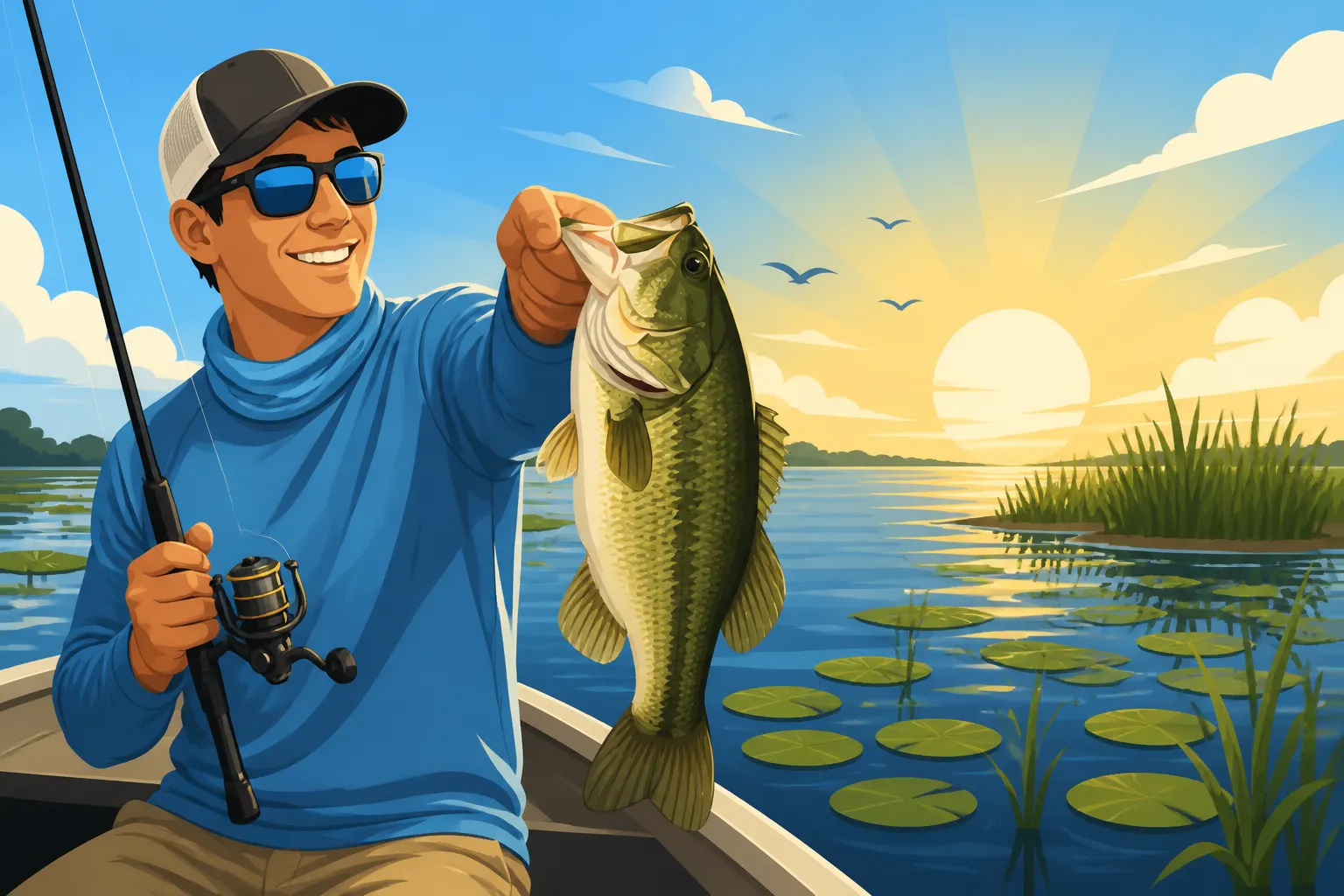
One of the biggest reasons Lake Okeechobee can be beginner-friendly is the sheer abundance of its fish population. Yes, it's famous for trophy bass, and pursuing those can be challenging, but the lake is literally teeming with fish of all sizes. This means that even if you're not targeting a lunker on your first trip, your chances of hooking into something are remarkably high. For a beginner, the most important thing is often consistent action – feeling bites, setting the hook, and reeling in fish – which builds confidence and reinforces the joy of the sport. You don't always need a record-breaker to have a fantastic time; simply catching a few decent-sized bass, or a mess of panfish, can make for an unforgettable day.
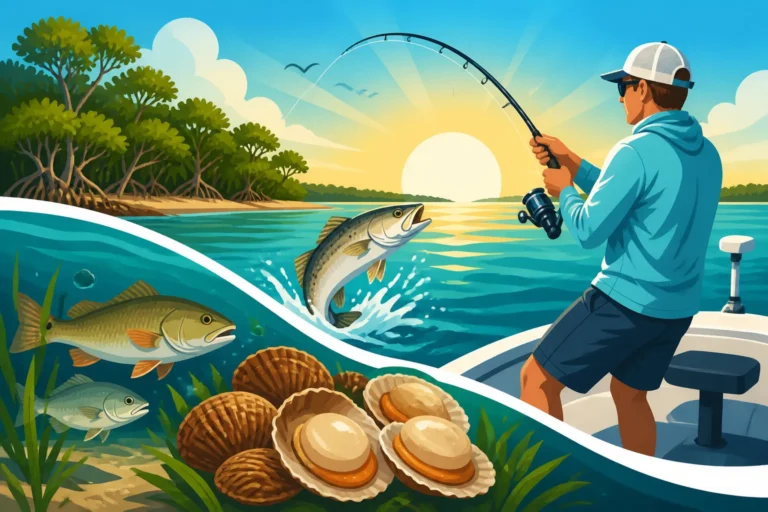
Beyond largemouth bass, Lake Okeechobee is an incredible fishery for crappie, locally known as speckled perch, and various sunfish like bluegill and shellcrackers. These species are often far less finicky than bass, biting readily on simpler baits and techniques. For kids and adults just learning the ropes, targeting bluegill or crappie offers a fantastic way to experience the lake's bounty without the pressure of chasing apex predators. It’s a chance to learn the basics of casting, bite detection, and fish handling in a more forgiving environment. Think of it as your entry-level experience into the diverse world of Florida Freshwater Fishing License Rules, where success, even with smaller fish, is a huge motivator.
Accessibility and Infrastructure
Another significant advantage for beginners is the well-developed infrastructure surrounding Lake Okeechobee. You don't need a secret access point or specialized knowledge to get onto the water. The lake boasts numerous public boat ramps, such as the ones found at Belle Glade or the popular Roland & Mary Ann Martin's Marina in Clewiston, offering easy access for launching boats of various sizes. These ramps often come with ample parking and facilities, making the logistics of getting on and off the water much simpler.
Furthermore, the towns dotted around the lake, like Clewiston, Okeechobee City, and Belle Glade, are well-equipped to cater to anglers. You'll find plenty of bait and tackle shops, many of which are independently owned and operated by locals who possess an incredible wealth of knowledge about current fishing conditions and techniques. Places like Roland & Mary Ann Martin's Marina even offer lodging, restaurants, and boat rentals, creating a one-stop shop for everything an angler might need. This makes planning a trip much less daunting, as resources are readily available. For those without a boat, there are also opportunities for shore fishing in certain areas, particularly around canals, and some community piers or park areas might offer limited bank access, providing a chance to cast a line without needing a vessel.
The Learning Curve – It's Not All Advanced
While Lake Okeechobee is famous for advanced bass techniques, the truth is that simpler methods are also incredibly effective, making the learning curve much less steep than you might imagine. For bass, live shiners are a universally effective bait that often outperforms artificial lures, especially for beginners. Tossing a lively shiner under a bobber near a grass line requires minimal skill but can yield impressive results, teaching you about where bass hold without needing to master intricate lure presentations. This takes the pressure off having perfect casting accuracy or understanding subtle lure twitches.
Similarly, for crappie and bluegill, a simple cane pole or a light spinning rod with a hook, sinker, and bobber, baited with crickets, worms, or small minnows, is all you need. These species are often found concentrated in schools, and once you locate them, the action can be non-stop. This allows beginners to focus on the fundamental aspects of fishing: casting, detecting a bite, setting the hook, and reeling in. It's a fantastic way to build muscle memory and confidence without getting bogged down by complex strategies. Learning to read the water, identify subtle changes in vegetation, or understand the impact of wind on your presentation becomes much easier when you're getting bites and aren't constantly frustrated by a lack of action. This gradual introduction to fundamental angling principles is a huge part of what makes the "Big O" a viable, even excellent, spot for beginners.
Strategies for Beginners to Conquer Lake Okeechobee
So, you're convinced that Lake Okeechobee might be for you, but how do you actually go about tackling this giant as a beginner without feeling completely lost? The good news is there are several smart strategies you can employ to ensure a successful and enjoyable first few trips.
Hiring a Fishing Guide – The Ultimate Shortcut
For many beginners, especially on a lake as vast and nuanced as Lake Okeechobee, hiring a professional fishing guide is hands down the best investment you can make. A guide provides an unparalleled shortcut to success, offering local knowledge accumulated over years on the water. They know where the fish are biting right now, what baits and techniques are most effective, and how to navigate the complex waterways safely. Think of them as your personal fishing professor and GPS rolled into one. Guides typically provide all the necessary gear – rods, reels, tackle, and bait – eliminating the need for you to invest in specialized equipment before you even know if you enjoy it. This alone can save you significant money and hassle.
Beyond catching fish, a good guide will teach you invaluable skills. They can show you how to cast correctly, identify productive fishing spots, explain fish behavior, and teach you proper fish handling for catch and release. This direct, hands-on instruction is far more effective than trying to piece together information from videos or articles. Platforms like FishingBooker are excellent resources for finding reputable Lake Okeechobee guides who specialize in catering to beginners, ensuring you get someone patient and knowledgeable. While there's a cost associated with a guided trip, the learning experience and increased chance of success often far outweigh the expense, transforming a potentially frustrating day into a memorable adventure. Many guides offer services specifically for Lake Okeechobee bass fishing or even multi-species trips, allowing you to tailor the experience to your interests.
Targeting Easier Species First
As tempting as it is to immediately chase those famous trophy bass, a much more beginner-friendly strategy is to start by targeting easier, more abundant species. Lake Okeechobee is exceptional for crappie (speckled perch) and various panfish like bluegill and shellcrackers. These fish are generally less cautious, bite more readily, and don't require highly specialized techniques or heavy tackle. You can use lighter rods and reels, simple bobber rigs, and readily available baits like crickets, worms, or small minnows. This approach allows you to focus on the fundamentals of fishing without the pressure of trying to fool a wary bass.
By targeting panfish, you'll gain crucial experience in feeling bites, setting the hook, and properly fighting and landing fish. This builds confidence and provides consistent action, which is incredibly motivating for new anglers. Once you've mastered the basics with these easier species, you can then gradually transition to more challenging targets like bass. You’ll have a better understanding of the lake’s dynamics, the feel of a fish on the line, and how to manage your gear, making the leap to bass fishing much smoother and more enjoyable. It’s a fantastic way to ensure you have a successful and fun day on the water, whether you're fishing with family or on your own. For more on this, check out our Florida Bluegill and Bream Fishing Guide.
Focusing on Specific Areas and Techniques
Lake Okeechobee is vast, but you don't need to learn every square mile on your first visit. A smart strategy for beginners is to focus on specific, more manageable areas, particularly those that are easier to navigate and where fish tend to concentrate. Canals that connect to the main lake, or the sheltered edges of the lake itself, often provide calmer waters and clearer navigation than the wide-open expanses. These areas also tend to hold fish consistently, as they provide cover, food sources, and often more stable water conditions. Asking at a local bait shop or consulting a map before you go can help you identify these spots.
When it comes to techniques, lean into what works reliably. For bass, live shiners are incredibly effective and require less finesse than artificial lures. For panfish, simple live bait presentations are almost always a winner. Don't feel pressured to use the latest, most complicated lures you see the pros using on TV. Master a few basic techniques with reliable baits, and you'll be surprised at your success. Additionally, using modern tools like fishing apps with detailed maps can be a huge asset for beginners. These apps often show depth contours, navigation channels, and points of interest, significantly reducing the learning curve for navigation and helping you identify potential fishing hot spots. This can be a game-changer when exploring new territory like Lake Okeechobee, allowing you to concentrate on the fishing rather than worrying about getting lost. Remember to also be aware of the Current Water Level at Lake Okeechobee as it can impact which areas are accessible.
Essential Tips and Gear for a Successful Beginner Trip
Embarking on a fishing trip to Lake Okeechobee as a beginner can be an incredible experience if you're properly prepared. Beyond just knowing where to go or what to fish for, having the right gear and understanding key safety considerations will make all the difference between a frustrating day and a fantastic one.
Basic Gear Recommendations
For a beginner heading to Lake Okeechobee, simplicity and versatility are key. You don't need to break the bank on a ton of specialized equipment. A good quality medium-light to medium-action spinning rod and reel combo is an excellent starting point. This setup is versatile enough for targeting bluegill and crappie with lighter lines, and can even handle smaller bass. If you're primarily aiming for bass, a medium-heavy action rod with a bit more backbone will be more suitable for managing their power and pulling them out of cover. Spool your reel with 10-15 lb monofilament or braided line; monofilament is forgiving for beginners, while braid offers sensitivity and strength.
Your tackle box essentials should include a variety of hooks (sizes #1 to 2/0 are good all-around options), an assortment of small weights or sinkers (split shot or bullet weights), and bobbers (both fixed and slip bobbers). For bait, live worms, crickets, or small minnows are consistently effective for panfish, while live shiners are a top choice for bass. Don't forget basic tools like needle-nose pliers for hook removal, a small pair of line cutters, and a small cooler for bait or keeping any fish you plan to take home. Most importantly, dress appropriately for the Florida sun: a wide-brimmed hat, polarized sunglasses, and breathable UPF-rated clothing are crucial for sun protection. A good pair of water-resistant shoes will also come in handy. For a more detailed look at what to bring, consider our guide on What to Bring on a Florida Fishing Charter, even if you’re not on one, it has great general advice.
Navigational Awareness and Safety
Lake Okeechobee's vastness and unique characteristics demand a strong focus on navigational awareness and safety, especially for beginners. Always be mindful of the weather. Florida's afternoon thunderstorms can pop up quickly and turn calm waters into choppy conditions in a matter of minutes. Keep an eye on the forecast, and if you see dark clouds building, it's always best to head back to shore early. Learning about Florida Fishing Regulations and Bag Limits is also critical before you cast your first line. These rules are in place to protect the fishery and ensure sustainable angling for everyone.
If you’re venturing out in your own boat, ensure it's in good working order, with all safety equipment on board (life jackets, flares, whistle). Always tell someone your float plan – where you’re going and when you expect to return. The lake is predominantly shallow, and water levels can fluctuate, so sticking to marked channels is crucial to avoid running aground. If you're unsure about navigation, consider sticking to areas closer to boat ramps or within visual range of landmarks until you become more comfortable. A reliable GPS on your phone or boat, along with a paper map as a backup, can be your best friends out there. Remember that having the proper Florida Fishing License Guide is not just a rule, but also a safety measure as it ensures you're recognized as a legitimate angler on the water.
Managing Expectations
Perhaps the most important tip for any beginner fishing Lake Okeechobee is to manage your expectations. It's easy to get caught up in the hype of "trophy bass" and feel like a failure if you don't land a double-digit lunker on your first outing. The reality is that fishing, especially for big, smart fish, takes time, patience, and a lot of learning. Your goal as a beginner shouldn't necessarily be to catch the biggest fish, but rather to enjoy the experience, learn new skills, and appreciate the incredible natural beauty of the "Big O."
Celebrate every catch, no matter the size. A small bass or a handful of bluegill can provide just as much excitement and learning opportunity as a giant. Embrace the process of learning to cast, understanding how different baits work, and simply being out on the water. Take time to observe the abundant wildlife, from ospreys diving for fish to alligators sunning themselves on the banks. Lake Okeechobee is a vibrant ecosystem, and the fishing is just one part of the adventure. By focusing on the journey and the lessons learned, rather than solely on the size of your catch, you'll find that Lake Okeechobee is indeed a fantastic and rewarding place for a beginner to start their Florida fishing story. Don't be afraid to try different spots, whether it’s some of the Best Bass Fishing Hot Spots on Lake Okeechobee, Florida or quieter canals; every outing is a chance to learn and grow.
Guided Trip vs. DIY for Beginners on Lake Okeechobee
Deciding whether to hire a guide or venture out on your own for your first Lake Okeechobee fishing trip is a crucial decision for any beginner. Each option comes with its own set of advantages and disadvantages. Here's a breakdown to help you weigh your choices:
| Feature | Guided Trip for Beginners | DIY Trip for Beginners |
|---|---|---|
| Cost | Higher upfront expense (avg. $400-$800 for a half/full day) | Lower upfront cost (fuel, bait, small tackle) |
| Gear Provided | Almost always included (high-quality rods, reels, bait, tackle) | Must provide all your own gear or rent/borrow |
| Local Knowledge | Extensive; guide knows hot spots, current conditions, techniques | Minimal; relies on pre-trip research, trial and error |
| Success Rate | Significantly higher chance of catching fish, especially target species | Varies widely; can be very challenging without experience |
| Navigation | Handled entirely by the guide, ensuring safety and efficiency | Challenging; high risk of getting lost or running aground |
| Instruction | Direct, personalized coaching on casting, retrieves, fish handling | Self-taught; learning from mistakes, online resources |
| Safety | Guide ensures safety, familiar with hazards and weather changes | Dependent on personal preparedness and knowledge |
| Flexibility | Less flexible; set schedule, guide determines spots/techniques | Highly flexible; choose your own pace, spots, and methods |
| Stress Level | Low; focus purely on fishing, minimal planning required | High; constant worry about navigation, fish finding, gear |
| Learning Curve | Fast-tracked; gain years of experience in a single day | Slower; requires consistent effort and patience |
Choosing a guided trip, especially through reputable services found on FishingBooker, offers an unparalleled educational experience and dramatically increases your chances of a successful and enjoyable first outing. While the cost is higher, the value in terms of learning, safety, and guaranteed action can be well worth it. A guide can teach you more in one day than you might learn in months of solo trips. On the other hand, a DIY trip offers the thrill of independent exploration and can be more budget-friendly in the short term, but it also comes with a steeper learning curve and a higher potential for frustration if you're not prepared. Ultimately, the best choice depends on your budget, your patience, and how quickly you want to immerse yourself in the world of Florida Largemouth Bass Fishing Guide on the "Big O."
Disclaimer
The information provided in this guide is for general informational purposes only and is not intended as legal or professional advice. Fishing regulations, license requirements, and safety guidelines can change, so always consult the latest resources from the Florida Fish and Wildlife Conservation Commission (FWC) before planning your trip. Fish responsibly and safely.