Best Flats Around Islamorada for Sight Fishing
Finding that perfect, glassy flat in Islamorada where you can actually see the fish before you cast – it’s a dream for many anglers, but knowing where to start in such a vast, intricate ecosystem can feel totally overwhelming. You spend hours scanning, hoping, and often coming up empty-handed. This guide is all about helping you unlock the secrets to successful sight fishing on the best flats around Islamorada, detailing specific locations, essential techniques, and local insights to make your next trip truly unforgettable.
Why Islamorada is the Mecca for Flats Fishing
Islamorada, often crowned the "Sportfishing Capital of the World," holds a special place in the hearts of anglers, particularly those obsessed with the shallow water pursuit of sight fishing. It’s not just a catchy title; this chain of islands in the Florida Keys is perfectly situated to offer unparalleled access to vast expanses of clear, shallow flats teeming with trophy-worthy species. The unique geography here, nestled between the calm, clear waters of Florida Bay on one side and the Atlantic Ocean on the other, creates an ecological wonderland. The bay side offers protected, intricate networks of turtle grass and sand flats, while the ocean side provides different, often deeper, flat systems influenced by ocean currents. This dual environment means a diverse range of conditions and a variety of fish, making it a year-round destination.
The Allure of Sight Fishing
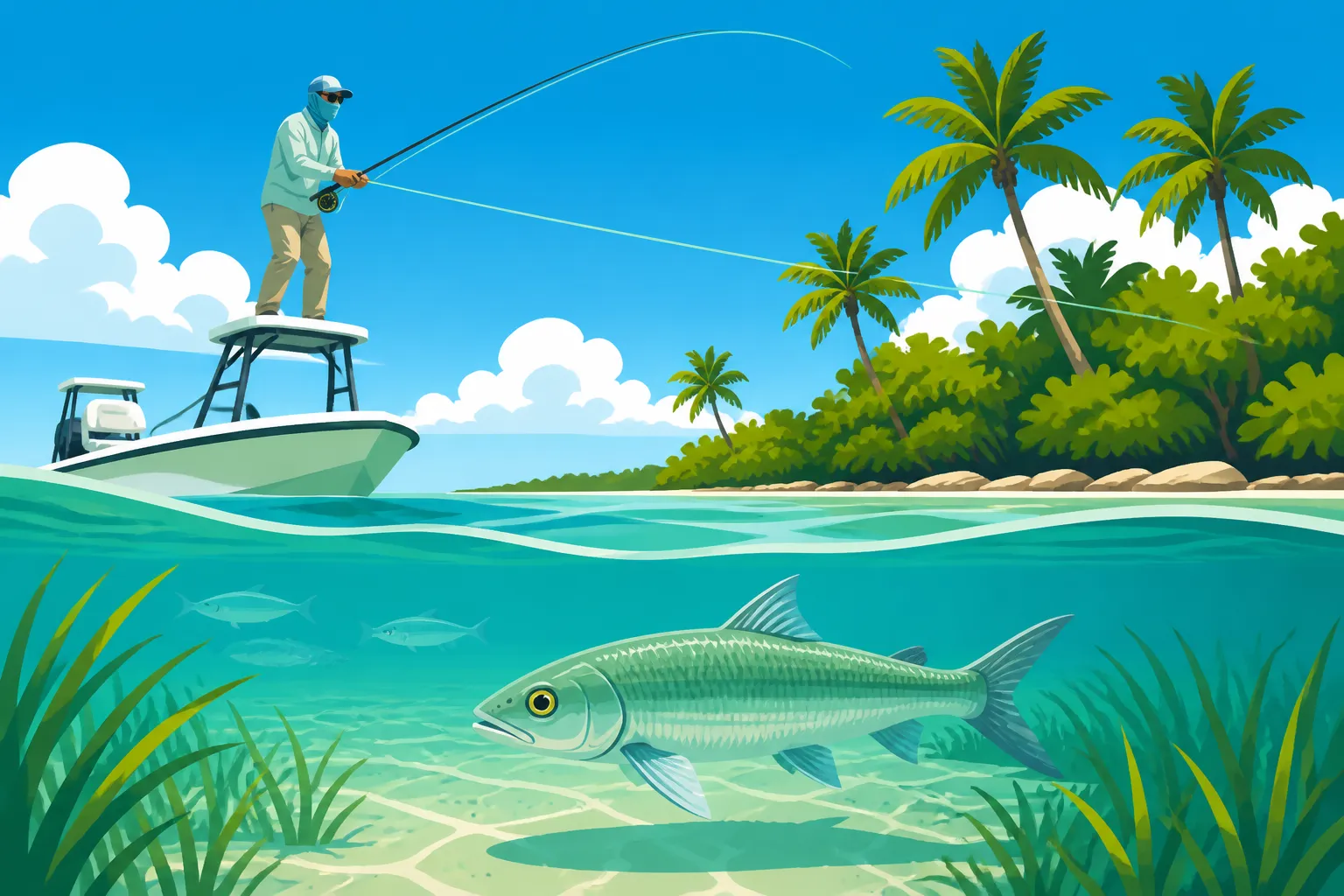
There's something profoundly captivating about sight fishing that elevates it far beyond merely catching fish. It's a game of chess, a delicate dance between angler and fish, where stealth, observation, and precision are paramount. You're not just casting blindly; you're actively hunting, poling silently across crystal-clear water, eyes peeled for a subtle tailing fish, a nervous push of water, or the distinct silhouette of a cruising predator against the bottom. The adrenaline rush when you spot a wary bonefish, make the perfect cast, and watch it respond to your fly or lure is unlike anything else. It requires a deep understanding of fish behavior, tides, and light, pushing your skills to their absolute limit. The challenge is real, and the rewards are immense, transforming a fishing trip into an immersive wildlife experience. It can be frustrating, no doubt, but that perfect cast to a visible fish is why we keep coming back.
Target Species on Islamorada Flats
The flats around Islamorada are famous for their "Big Three" – bonefish, permit, and tarpon. These aren't just any fish; they're revered among anglers for their intelligence, power, and elusive nature.
- Bonefish: Often called "grey ghosts of the flats," bonefish are incredibly wary and known for their blistering runs once hooked. They feed predominantly on crabs, shrimp, and small worms, rooting around in the seagrass and sandy patches. Their presence is often given away by their tails breaking the surface as they feed head-down in shallow water. Targeting them requires delicate presentations and long, accurate casts, especially when the sun is high and the water is calm. For a deeper dive, check out our guide on Florida Bonefish Fishing Guide and learn the intricacies of pursuing these elusive creatures.
- Permit: Considered by many to be the most challenging of the flats species, permit are exceptionally cautious and picky eaters. They are often found in slightly deeper water on the flats or around wrecks and channels, but they do tail aggressively on the shallowest flats during certain tides. Crabs are their absolute favorite meal, and presenting an imitation perfectly to a cruising permit is a true test of skill and patience. Hooking one is a badge of honor, as they fight hard and often dive for cover. Our Florida Permit Fishing Guide offers more detailed strategies for these formidable fish.
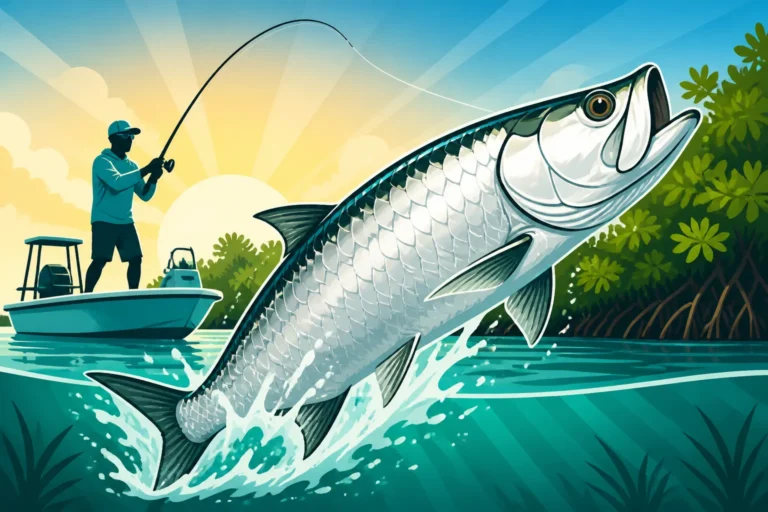
- Tarpon: The "Silver King" needs no introduction. While most commonly targeted in deeper channels and passes, especially during their spring migration, tarpon will venture onto the shallow flats, particularly in the early mornings or late evenings, to feed. These encounters are often explosive, with massive fish boiling and jumping in just a few feet of water. Catching a tarpon on the flats, whether with fly or spin gear, is an unforgettable experience, combining heart-stopping visuals with a brutal fight. If you're planning a trip around these magnificent fish, our Florida Tarpon Fishing Season Guide is an invaluable resource.
- Other Species: Beyond the Big Three, the Islamorada flats also host a variety of other exciting species. You might encounter barracuda lying in wait, sharks patrolling the edges, or even a snook or redfish venturing out from the mangroves onto the sandy bottoms, especially in the more brackish areas. These opportunistic catches can add unexpected thrills to your day.
Top Flats Around Islamorada for Unforgettable Sight Fishing
Islamorada's vast network of flats offers countless opportunities, but some areas consistently stand out for sight fishing. Remember, conditions change daily, so what's hot one day might be quiet the next. Flexibility and local knowledge are key. This is why having a good guide who knows the intricacies of Islamorada, Florida Fishing Spots is often essential for maximizing your chances.
Islamorada's Upper and Middle Keys Flats
The sheer volume and variety of flats here can be overwhelming, but certain areas are renowned. On the Florida Bay side (backcountry), you'll find expansive, protected flats with numerous small islands (keys) and mangrove shorelines. The water here is generally calmer and clearer, making it ideal for spotting tailing fish.
- Florida Bay Backcountry: This massive area to the north and west of Islamorada is a labyrinth of shallow water, islands, and channels. It's often referred to as "The Everglades National Park backcountry" because of its proximity and similar ecosystem. Here, you'll find vast turtle grass flats interspersed with sandy potholes, perfect for bonefish and permit. Look for areas like the "Lakes" – larger open water sections often surrounded by smaller keys – and the intricate creek systems that drain the Everglades. These areas offer shelter from wind and allow for incredibly clear sight lines on calm days. Specific areas like Snake Creek, which connects the bay to the ocean, and the numerous unmarked flats west of Tavernier and Islamorada, are prime bonefish and permit territory.
- Ocean Side Flats: While the backcountry offers more extensive flats, the ocean side can also be incredibly productive, especially for larger permit and cruising tarpon, particularly around channels and cuts. The flats closer to the main islands, near the bridges, or along the shallow edges of deeper channels can hold fish moving with the tides. Visibility on the ocean side can vary more with swell and current, but on calm days, the clarity can be stunning. Areas around the offshore patches and reefs also provide feeding opportunities for permit.
- Marquesas Keys: Though a bit of a run from Islamorada (usually requiring a longer day trip), the Marquesas Keys are legendary for their pristine flats and abundant bonefish and permit. This atoll-like formation offers a unique environment with incredible clarity and untouched beauty. It's a destination many serious flats anglers dream of, often accessed through Islamorada, but requiring dedicated effort.
Navigating the Challenges of Flats Fishing
Sight fishing on the flats isn't always easy. It's a dance with nature, and she doesn't always cooperate. The primary challenges are tides, light, and maintaining stealth.
- Tides: Tides are the lifeblood of the flats. They dictate when and where fish feed. An incoming tide often brings fish onto the shallower parts of the flats as new feeding grounds become accessible, pushing baitfish and crustaceans into reach. An outgoing tide can concentrate fish along the edges of channels or in deeper potholes as they retreat from the receding water. Understanding the Best Tides for Inshore Fishing in Florida is crucial. Local knowledge about specific flats and how they respond to different tidal phases can make or break your day. A spot that's fantastic on a high incoming tide might be a barren mud flat at low tide.
- Light: Clear, bright sunlight is your best friend for sight fishing. It allows you to spot fish from a distance, giving you precious seconds to prepare your cast. Overcast conditions make spotting incredibly difficult, often forcing anglers to resort to blind casting or looking for less obvious signs like nervous water. The angle of the sun also matters; morning and late afternoon sun can create glare that hides fish, while high noon often offers the best overhead visibility. Always wear polarized sunglasses—they are not optional for this type of fishing.
- Stealth: Fish on the flats are inherently wary. Shallow water offers them little cover, making them highly sensitive to noise and movement. Poling your skiff quietly, making soft casts, and avoiding sudden movements are paramount. One splash or an errant shadow can send a whole school of bonefish rocketing off the flat. The quieter and more patient you are, the higher your chances of success. It's about blending in and becoming part of the environment, not disturbing it.
Essential Gear and Techniques for Islamorada Flats
Having the right equipment and knowing how to use it effectively is non-negotiable for successful sight fishing in Islamorada. Skimping on gear can lead to frustration and missed opportunities when targeting such discerning fish.
Rods, Reels, and Lines
Your tackle needs to be robust enough to handle powerful runs but sensitive enough to make delicate presentations.
- For Bonefish: A 7-weight or 8-weight fly rod is standard for fly anglers, paired with a matching reel with a smooth drag and plenty of backing (at least 200 yards). Floating fly lines designed for tropical saltwater are essential, often with a shorter, more aggressive taper for punching through wind. For spin fishing, a 7-foot medium-light to medium action rod with a 2500-3000 size spinning reel spooled with 10-15 lb braided line is ideal. A fluorocarbon leader of 10-15 lb test is critical for its invisibility.
- For Permit: You'll want to step up your game slightly. A 9-weight or 10-weight fly rod is common, again with a strong reel and ample backing. The same floating tropical line applies. Spin anglers should consider a medium-heavy rod, a 3000-4000 size reel, and 15-20 lb braid with a 20-30 lb fluorocarbon leader. Permit are powerful and will find any weakness in your tackle.
- For Tarpon: When pursuing tarpon on the flats, heavy tackle is a must. Fly anglers typically use 10-weight to 12-weight rods, paired with powerful reels designed for big game, loaded with at least 250-300 yards of 30 lb backing. Tarpon-specific floating lines with aggressive front tapers are crucial for turning over large flies. Spin fishermen will need a heavy-action 7-foot rod, a 5000-6000 size reel, spooled with 30-50 lb braid, and a heavy fluorocarbon leader (60-80 lb) or shock tippet. Remember, a specific leader setup, often including a class tippet and bite tippet, is required by FWC regulations for tarpon.
Fly Fishing vs. Spin Fishing on the Flats
Both methods have their merits and dedicated followers on the Islamorada flats.
- Fly Fishing: This is often seen as the purest form of flats fishing and is incredibly popular in Islamorada. The delicate presentation of a fly, mimicking a natural food source, can be irresistible to wary fish. It requires a significant learning curve in casting, especially in windy conditions, but the reward of fooling a fish on a fly you tied yourself is immense. The ability to make long, accurate casts with minimal splash is a huge advantage. Fly fishing is particularly effective for bonefish and permit, and it's a thrilling challenge for tarpon. Our guide on Fly Fishing for Florida Tarpon goes into specific tactics.
- Spin Fishing: Don't underestimate spin fishing on the flats! For many, it's a more accessible entry point, and modern light tackle can be incredibly effective. Spin gear allows for precise casting of small jigs, soft plastics, or even live bait (like small crabs or shrimp) with excellent accuracy and distance, often out-performing fly gear in strong winds or when fish are holding at extreme range. The faster retrieve rates can also be advantageous when fish are moving quickly. Many anglers choose to carry both, using spin gear when conditions are tough for fly casting or when they need to quickly present a live offering.
| Species | Preferred Habitat | Best Bait (Spin) | Best Lure/Fly (Spin/Fly) | Fight Characteristics |
|---|---|---|---|---|
| Bonefish | Shallow sand and grass flats (1-3 ft) | Live shrimp, small crabs | Gotcha jigs, small crab/shrimp flies | Blazing fast initial runs, often multiple. Very wary. |
| Permit | Sand and grass flats (2-5 ft), deeper channels, wrecks | Live crabs (pass crab, blue crab) | Crab flies, small jigs | Powerful, deep dives, strong runs, stubborn. Extremely wary. |
| Tarpon | Channels, deeper flats, mangrove edges | Live mullet, pilchards, pinfish | Large soft plastics, flies (toad, tarpon) | Explosive jumps, long runs, incredible power, often acrobatic. |
| Redfish | Mangrove lines, grass flats, oyster bars | Live shrimp, cut bait | Gold spoons, soft plastic paddletails | Strong pulls, good bulldog fight, often tailing. |
| Snook | Mangrove shorelines, dock lights, inlets | Live pilchards, pinfish | Jerkbaits, topwater lures, flies | Powerful strikes, head shakes, strong runs, can jump. |
Maximizing Your Sight Fishing Success
Sight fishing is as much about strategy and patience as it is about skill. There are always ways to refine your approach and increase your chances of success on the demanding Islamorada flats.
The Importance of a Skilled Guide
While DIY fishing can be rewarding, hiring an experienced local guide for flats fishing in Islamorada is perhaps the single best investment you can make, especially if you're new to the area or this challenging style of fishing. These guides spend hundreds of days a year on these waters; they know the specific flats like the back of their hand, understand the subtle nuances of tides and currents, and can spot fish you'd never see. They know exactly where the fish will be feeding given the time of day, tide, and weather conditions. A good guide doesn't just put you on fish; they teach you how to spot them, how to approach them, and how to make the crucial cast under pressure.
They provide specialized flats skiffs, often custom-built for silent poling in extremely shallow water, and top-tier tackle, whether you prefer fly or spin fishing. They also possess the necessary permits and expertise to navigate protected areas of the Everglades National Park and other sensitive ecosystems responsibly. When you're ready to explore options, platforms like FishingBooker can connect you with experienced Islamorada flats guides who specialize in sight fishing for bonefish, permit, and tarpon. These captains live and breathe these waters and their insights are invaluable. Understanding Islamorada Fishing Charter Rates can help you budget for this essential experience.
Reading the Water and Approaching Fish
Learning to "read the water" is a skill that comes with time, but there are definite things to look for. It's not just about spotting the fish itself, but interpreting the subtle signs that indicate their presence.
- Tailing: This is the most exciting and obvious sign. When bonefish or permit are feeding head-down in shallow water, their tails will often break the surface. This indicates they are actively foraging and vulnerable. Approach slowly and quietly, aiming to get ahead of their direction of travel.
- Muds: Fish rooting around on the bottom can stir up mud, creating a plume in the water. Fresh, localized muds indicate actively feeding fish, though they can be hard to spot in a strong current. Larger, dispersed muds might mean a school has just passed through or has been spooked.
- Pushes and Wakes: Sometimes, you won't see the fish, but you'll see the disturbance they create on the surface. A "nervous water" ripple, a V-wake, or a "push" of water can betray the presence of a single fish or an entire school moving just below the surface. These can be incredibly subtle, requiring a keen eye and often better visibility than tailing fish.
- Shadows and Silhouettes: With good overhead light, you can sometimes spot the distinct shadow of a fish on the bottom before you see the fish itself. Alternatively, on a darker bottom, the lighter silhouette of a cruising fish can stand out. This often requires the sun to be at a favorable angle.
- Color Changes: A slight discoloration or darker patch in the water that seems to move or pulsate might be a school of fish. It's often referred to as a "cloud" or "dark spot."
- Making the Cast: Once you've spotted the fish, the cast is critical. It needs to be accurate, stealthy, and ideally, lead the fish by several feet so the fly or lure has time to sink or settle before the fish reaches it. Avoid casting directly on top of them, which will almost always spook them. Your guide will often call out "10 o'clock, 40 feet, moving right" to help you get your bearings. Practicing your casting before your trip, especially in windy conditions, will pay huge dividends. This is a core element of any Sight Fishing Technique for Shallow Flats.
Navigating these intricacies is why so many people choose to book a reputable captain through services like FishingBooker. They handle the nuanced understanding of tides, fish behavior, and specific hot spots, allowing you to focus on the thrill of the hunt and the challenge of the cast. What to bring on a Florida fishing charter, beyond your enthusiasm, typically includes polarized sunglasses, appropriate sun protection, and a positive attitude!
Disclaimer
Fishing regulations, seasons, and licensing requirements in Florida can change frequently. Always consult the latest rules and guidelines from the Florida Fish and Wildlife Conservation Commission (FWC) before planning your fishing trip to ensure compliance. This guide is for informational purposes only and does not constitute legal or official advice.