Where to Find Tarpon in the Florida Keys
The thrill of chasing the "Silver King" in the Florida Keys is an experience unlike any other, but for many anglers, the sheer vastness of the Keys can make locating these elusive giants feel like an impossible puzzle. It's frustrating to arrive in paradise with high hopes, only to spend precious fishing time wondering where to even start. This comprehensive guide is here to cut through the confusion, pinpointing the prime spots where you're most likely to encounter tarpon, and sharing insider tips to help you land that dream catch.
Understanding Tarpon Behavior in the Florida Keys
Before you even think about casting a line, getting a grasp on how tarpon behave in the unique ecosystem of the Florida Keys is absolutely crucial. These aren't just any fish; they're creatures of habit, driven by instinct, tides, and the warmth of the sun. Knowing their patterns is truly half the battle.
The Annual Tarpon Migration
One of the most defining characteristics of tarpon in the Keys is their incredible annual migration. Every spring, from roughly March through June, a massive influx of mature tarpon descends upon the shallow flats, channels, and bridges of the Florida Keys, transforming it into a world-renowned tarpon fishing destination. This isn't just a few fish; we're talking about thousands upon thousands of these magnificent creatures, all heading towards their spawning grounds and taking advantage of the abundant baitfish in the warmer waters. It's a spectacle that draws anglers from around the globe, creating a buzz that you can literally feel on the water. Understanding this grand movement is the single most important piece of information for planning your trip.
The trigger for this epic journey is primarily water temperature. As the waters of the Gulf of Mexico and the Atlantic warm up after winter, tarpon begin their push south and east, navigating through the intricate network of channels and flats that characterize the Keys. They often gather in large schools, sometimes numbering in the hundreds, making them a sight to behold as they "roll" on the surface, gulping air. This peak season, often highlighted in any Florida Tarpon Fishing Season Guide, represents the best chance to encounter these fish in significant numbers. However, they are still present year-round, just in smaller, more resident populations, making them a challenging target outside of the main migration.
Tidal Influences and Feeding Patterns
Tarpon in the Keys are incredibly influenced by tidal movements. The strong currents that push through the countless channels, passes, and under the iconic bridges of the Keys are essentially superhighways for baitfish, and where the bait goes, the tarpon follow. Savvy anglers know that focusing on specific tidal stages is far more productive than just randomly casting. Often, the beginning or end of an incoming or outgoing tide, when the current is at its strongest, can be the most productive. This is when baitfish are swept along, creating prime ambush opportunities for hungry tarpon.
During slack tide, when the water movement slows down, tarpon tend to "lay up" on the shallow flats or in deeper pockets, often becoming less active and harder to entice. However, even during these periods, a keen eye might spot them rolling for air, or a well-placed, subtle presentation can still trigger a bite. Conversely, during strong current flows, especially around bridges and channels, tarpon will often position themselves downstream, waiting for the current to deliver a meal. This makes understanding and reading a tide chart a critical skill for anyone hoping to succeed. Look for locations where water funnels, creating pinch points and eddies that concentrate bait and, consequently, tarpon.
Prime Tarpon Hotspots Across the Florida Keys
The Florida Keys offer a diverse range of environments, each with its own charm and challenges for tarpon anglers. From the bustling Upper Keys to the remote Lower Keys, understanding the unique characteristics of each area can dramatically improve your chances of success.
The Upper Keys: Islamorada and Key Largo
Starting in the Upper Keys, towns like Islamorada and Key Largo are legendary for their tarpon fishing, particularly during the spring migration. Islamorada, often dubbed the "Sportfishing Capital of the World," boasts incredible backcountry flats and a network of channels that become teeming with tarpon. One of the most famous spots is "Tarpon Alley," a series of deep channels and basins that act as a major thoroughfare for migrating fish. Here, you'll find guides poling anglers quietly across the flats, sight-fishing for cruising schools, or anchoring up in the channels to intercept fish moving with the tide. The clarity of the water in these areas makes sight fishing an exhilarating experience, but also demands extreme stealth and accurate casting.
Key Largo also offers fantastic opportunities, especially around the creeks and channels that lead into the vast Everglades National Park. The bridges along the Overseas Highway in both Islamorada and Key Largo are also prime locations, particularly during periods of strong tidal flow. Many experienced Florida Keys Fishing Charter Guide captains operate out of these areas, and if you're looking to book one, sites like FishingBooker can provide a great selection of local experts. They know the subtle nuances of the tides and the specific spots where tarpon congregate. Whether you're chasing them on the pristine flats or targeting them under the bridges, the Upper Keys provide an unforgettable tarpon experience, though the fish can be pressured due to their popularity.
The Middle Keys: Marathon and the Seven Mile Bridge
Moving south into the Middle Keys, the city of Marathon serves as a central hub for some of the most consistent tarpon action, largely thanks to its proximity to the iconic Seven Mile Bridge. This engineering marvel isn't just a scenic drive; it's a colossal habitat for tarpon. The pilings and structure of the bridge create strong currents, eddies, and ample ambush points where tarpon gather in staggering numbers, especially during the peak migration. Fishing the Seven Mile Bridge can be an intense experience, often involving anchoring upstream and letting live baits drift back into the strike zone, or slowly trolling specific areas. The sheer volume of fish around this structure is truly impressive.
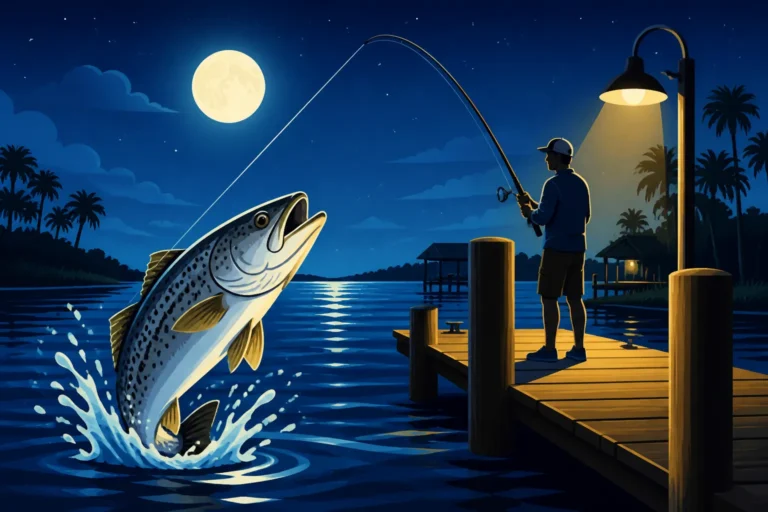
Beyond the bridge itself, Marathon offers a variety of other tarpon haunts. The surrounding channels, like those leading into and out of Florida Bay, also serve as critical migration routes. Many of the resident tarpon can be found in deeper holes and around specific structures throughout the year. Charters operating out of Marathon are well-versed in both bridge fishing and exploring the extensive flats and channels nearby. For those looking for a diverse experience, from the adrenaline of bridge fishing to the calm of the backcountry, Marathon Florida Fishing Spots and charters provide excellent opportunities. Anglers often fish through the night under the glow of the bridge lights, which is a whole different ballgame for these nocturnal predators.
The Lower Keys: Big Pine Key and Key West
Further south, the Lower Keys, encompassing areas like Big Pine Key, Cudjoe Key, and finally Key West, offer a slightly different, often more secluded, tarpon fishing experience. While still part of the migration path, the vastness of the flats and the intricate network of mangrove islands can make these fish feel less pressured. The flats around Big Pine Key are particularly renowned for exceptional sight fishing, offering chances to cast to individual cruising tarpon in incredibly clear water. This is where many hardcore fly anglers come to test their skills against these formidable opponents.
Key West, at the very end of the Keys chain, also presents unique tarpon opportunities. The harbor itself, especially around sunset and into the night, can hold large numbers of tarpon that feed on schooling baitfish. Beyond the harbor, the extensive backcountry of Key West offers endless possibilities for chasing tarpon through shallow channels and around mangrove islands. The calmer, protected waters are perfect for flats boats, allowing anglers to quietly pole into position. While the crowds thin out a bit compared to the Upper Keys, the quality of fishing remains exceptional. Exploring Key West Fishing Spots gives you access to incredible guides who specialize in these unique environments, often finding fish that haven't seen as many lures or flies.
| Location Category | Prime Spots | Best Time to Fish | Key Characteristics | Common Techniques |
|---|---|---|---|---|
| Upper Keys | Tarpon Alley, Lignumvitae Channel, Key Largo Flats | March – June (Peak) | Gin-clear water, extensive flats, moderate current in channels. | Sight casting (fly/spin), live baiting in channels. |
| Middle Keys | Seven Mile Bridge, Moser Channel, Bahia Honda Bridge | March – June (Peak) | Strong currents, deep water around bridge pilings, productive night fishing. | Live baiting (drift/anchor), slow trolling, jigging. |
| Lower Keys | Big Pine Key Flats, Content Keys, Key West Backcountry | March – June (Peak) | Vast, less-pressured flats, intricate mangrove systems, Key West harbor. | Sight casting (fly/spin), live baiting, night fishing in harbors. |
Essential Techniques and Gear for Keys Tarpon
Successfully landing a tarpon in the Florida Keys requires more than just knowing where they are; it demands specific techniques and the right equipment. These fish are powerful, acrobatic, and notoriously tricky to hook and handle.
Live Bait and Artificial Lures
When it comes to tempting a tarpon, both live bait and artificial lures have their place, and the choice often depends on the specific conditions and the behavior of the fish. Live baits are often king, especially when tarpon are holding in strong currents or under bridges. Local favorites include live mullet, pinfish, and various species of crab. These baits are typically presented on a circle hook, either free-lined with the current, suspended under a float, or slow-trolled. The key is to make the bait look as natural as possible, mimicking an injured or unsuspecting meal. Many anglers consider this a relaxed way to fish, but the strike is anything but subtle, often a sudden, powerful pull that can nearly rip the rod from your hands.
Artificial lures can be incredibly effective, especially during low light conditions or when tarpon are actively feeding on specific baitfish. Soft plastics, like paddle-tail swimbaits or larger jerkbaits, rigged on heavy-duty jig heads, can mimic a variety of forage. Suspending plugs and lipped diving baits are also popular, particularly when retrieved with a twitch-and-pause action. The size and color of the lure should generally match the prevalent baitfish in the area. The challenge with artificials is the need for precise casting and presentation, as tarpon can be incredibly finicky. When they're "laid up" on the flats, a soft plastic carefully presented can sometimes be more appealing than a struggling live bait that might spook them.
Fly Fishing for Tarpon on the Flats
For many, fly fishing for tarpon on the flats of the Florida Keys represents the pinnacle of the sport. It's an incredibly visual and intensely challenging pursuit, requiring skill, patience, and a healthy dose of luck. The experience involves a guide poling a shallow-draft boat silently across pristine flats, searching for individual or small schools of tarpon cruising in the clear, shallow water. Once spotted, the angler must make a precise, often long, cast with a heavy fly rod (typically 10-12 weight) to present the fly ahead of the moving fish. The fly patterns usually mimic crabs, shrimp, or small baitfish, such as the famous "Toad" or "Black Death" patterns.
The excitement of seeing a 100-plus-pound tarpon turn and inhale your fly in mere feet of water is unparalleled. However, hooking these bony-mouthed fish and then fighting them on fly tackle is a true test of angling prowess. Their explosive jumps and powerful runs demand top-tier gear, including large arbor reels with plenty of backing and a smooth, reliable drag system. Many anglers find this to be the most rewarding way to target tarpon, though it's certainly not for the faint of heart or the inexperienced. If you're looking to try this, make sure to find a guide who specializes in Fly Fishing for Florida Tarpon and is patient with beginners, as success often comes after many missed opportunities.
Planning Your Tarpon Expedition to the Keys
A successful tarpon trip to the Florida Keys isn't just about showing up with a fishing rod. Careful planning, especially regarding timing and professional assistance, can make all the difference.
Choosing the Right Time to Visit
As we've discussed, the prime window for targeting tarpon in the Florida Keys is during their annual migration, typically from March through June. This is when the largest numbers of fish are present, increasing your odds significantly. April, May, and early June are often considered the absolute peak, with consistent weather and abundant fish. However, this also means more crowds on the water, and prime charter dates can be booked far in advance. If you prefer fewer boats, the shoulder seasons—late February/early March or late June/early July—can still offer excellent fishing with less competition, though fish numbers might start to taper off. Keep an eye on the Best Time of Year to Fish in Florida charts that often correlate with tarpon activity.
Weather plays a huge role in tarpon fishing. Calm, sunny days with light winds are ideal, especially for sight fishing on the flats, as it allows for better visibility of cruising fish. Strong winds can churn up the water, making it difficult to spot tarpon, and can also make boat handling and casting much more challenging. While tarpon can still be caught in less-than-ideal conditions, planning your trip during stable weather patterns will undoubtedly enhance your experience. Pay close attention to moon phases too, as full and new moons often lead to stronger tides, which can concentrate tarpon in specific areas and trigger aggressive feeding.
Hiring a Reputable Guide
For anyone serious about catching a tarpon in the Florida Keys, especially if it's your first time, hiring a reputable local guide is almost non-negotiable. The intricate knowledge of the local waters, the ever-changing tarpon movements, and the specific techniques required for success are invaluable. A good guide isn't just a boat captain; they're a wildlife spotter, a casting coach, a knot-tying expert, and a keen observer of fish behavior. They know where the fish have been biting, what baits they prefer, and how to approach them without spooking them. They also provide all the necessary specialized gear, ensuring you're using the right rod, reel, line, and leader to handle these powerful fish.
Finding the right guide means looking for someone with extensive experience specifically targeting tarpon in the Keys. Ask about their approach – do they specialize in fly fishing, spin fishing with live bait, or a combination? Websites like FishingBooker are excellent resources for finding and booking local captains, allowing you to read reviews, compare rates, and see what types of trips they offer. Be sure to book well in advance, especially for peak season dates, as the best guides fill their calendars quickly. Understand what’s included in the charter price and be prepared for Tipping Etiquette for Florida Fishing Guides, as it's customary to show appreciation for their hard work. A good guide significantly increases your chances of connecting with the fish of a lifetime and makes the entire experience much more enjoyable and educational.
Disclaimer
Fishing in Florida carries inherent risks. Always check the latest regulations, bag limits, and licensing requirements from the Florida Fish and Wildlife Conservation Commission (FWC) before heading out. Safety should always be your top priority. The information provided here is for general guidance only and should not replace professional advice or personal judgment.