Best Backcountry Spots Near Key West
Navigating the labyrinthine waters of the Key West backcountry can feel like trying to solve a cryptic puzzle, especially if you're chasing those elusive shallow-water trophies. Many anglers find themselves overwhelmed by the sheer expanse of flats, mangrove islands, and channels, wondering where the fish actually hold up and what secrets the locals know. But don't you worry, because this guide is designed to cut through that confusion, giving you the insider scoop on the very best backcountry spots near Key West and how to tackle them like a seasoned pro.
Understanding Key West's Unique Backcountry Ecosystem
The waters surrounding Key West are more than just pretty scenery; they're a vibrant, intricate ecosystem teeming with life, offering some of the most exciting light tackle and fly fishing opportunities anywhere. It’s a completely different experience than fishing the open ocean, demanding a particular skill set and a deep understanding of the environment.
The Allure of the Flats and Mangroves
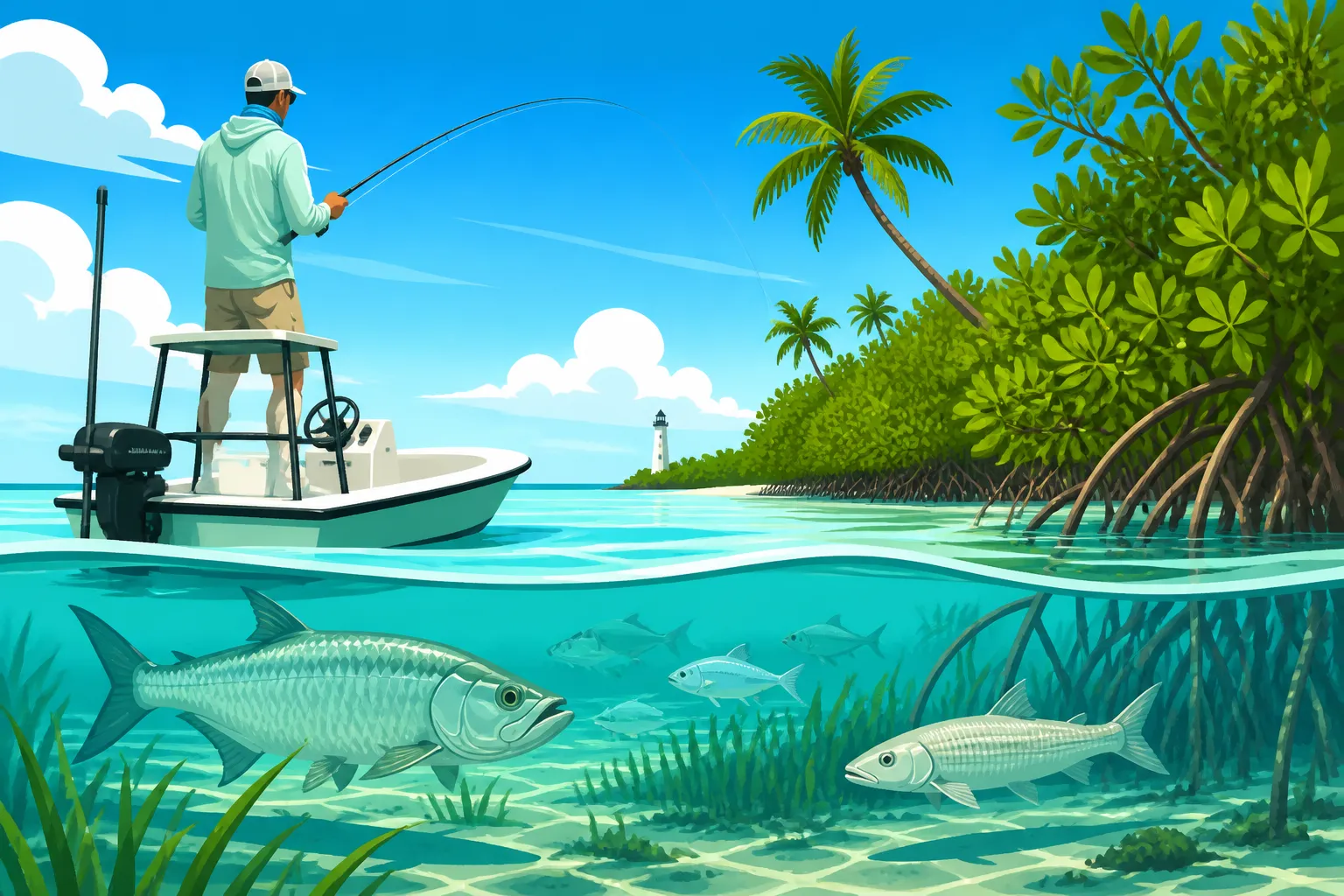
When we talk about the Key West backcountry, we're really talking about a vast network of shallow-water flats, intricate mangrove shorelines, winding tidal creeks, and deeper channels, all protected from the strong currents and heavy chop of the open Atlantic and Gulf of Mexico. This unique environment acts as a natural nursery and feeding ground for an incredible variety of game fish. The mangroves, with their tangled root systems, provide shelter and ambush points for predators, while the expansive grass flats serve as foraging areas for bonefish, permit, and hungry redfish.
Imagine poling silently across a glassy flat, the water barely reaching your knees, scanning for the subtle signs of life. A nervous wake, a shimmering tail, or the dark shadow of a cruising fish against the sandy bottom – that's the magic of it. It’s a truly immersive experience where patience and keen observation often lead to the most rewarding catches. Beyond the incredible fishing, the sheer beauty and tranquility of these untouched areas are a huge part of their appeal. You can spend an entire day out here and feel like you're the only person on earth, surrounded by nothing but the sounds of nature.
Tides, Currents, and Water Clarity
In the backcountry, tides and currents aren't just factors; they are the factors that dictate fish behavior. Understanding them is paramount to success. Fish use tidal currents to move between feeding grounds, ambush prey, and seek refuge. An incoming tide often pushes baitfish onto the flats, stimulating a feeding frenzy, while an outgoing tide can pull bait and fish out of the mangroves and into deeper channels, concentrating them for easier targeting. It's a constant dance between the water levels and the fish's movements.
Water clarity is another huge consideration, especially for sight fishing. On bright, calm days, gin-clear water allows you to spot fish from a distance, giving you ample time to plan your cast. However, conditions can change rapidly. Wind can churn up mud, or recent rains might temporarily reduce visibility. When the water gets murky, you need to adapt. This might mean switching to baits that create more vibration or scent, using louder lures, or targeting areas where fish are forced into tighter spaces, such as mangrove tunnels or channel edges. Always keep an eye on the local tide charts – they are your best friend when planning a trip to these amazing fishing grounds.
Top Backcountry Fishing Spots Near Key West
Key West's backcountry is expansive, with countless nooks and crannies to explore. While local guides often have their secret spots, there are several widely recognized areas that consistently produce fantastic fishing. These locations offer a diverse range of environments and target species, ensuring there's something for every angler.
The Marquesas Keys
For many, the Marquesas Keys are the holy grail of Key West backcountry fishing. Located about 20 miles west of Key West, this uninhabited atoll is a true natural wonder – the only atoll in the Western Hemisphere, formed by a meteor impact. Its unique ring shape encloses a vast, shallow lagoon surrounded by pristine flats, channels, and mangrove islands. The journey out there can be a bit of a haul, especially in choppier conditions, but the reward is often unparalleled fishing in some of the most unspoiled waters you'll ever encounter.
The Marquesas are famous for their resident population of large tarpon, especially during the spring migration. Anglers come from all over the world to try their hand at these "Silver Kings" on the fly or with light tackle. Beyond tarpon, the flats here are prime hunting grounds for trophy permit and bonefish, both notoriously challenging and incredibly rewarding species to target. You'll also find plenty of barracuda, sharks, and various snapper and grouper species in the deeper channels. Because of its remote nature, you often have these waters all to yourself, making for an incredibly serene and focused fishing experience. Checking out a detailed Florida Tarpon Fishing Season Guide before planning your trip to the Marquesas is highly recommended to hit the peak migration.
Content Keys and Snipe Keys
Closer to Key West, heading north and west, you'll find the Content Keys and Snipe Keys. This chain of islands and their surrounding flats are much more accessible than the Marquesas, making them popular for day trips, especially for those venturing out on their own or with a kayak. These areas are characterized by extensive grass flats, oyster bars, and dense mangrove shorelines, offering excellent habitat for a different mix of inshore species.
The Content Keys and Snipe Keys are renowned for their healthy populations of redfish, snook, and spotted seatrout. You can spend hours poling along the mangrove edges, casting lures or live bait into the shadows, or drifting over the grass flats for trout. While tarpon and permit do pass through, they are less consistently targeted here than in the Marquesas. The waters around these keys also provide a fantastic opportunity to chase juvenile tarpon in the deeper channels and creeks during certain times of the year. For anglers new to the Key West backcountry, these spots offer a gentler introduction to the ecosystem and the thrill of shallow-water fishing. If you're keen on landing a "red drum," you might want to read up on a Florida Redfish Fishing Guide for specific tactics.
Mud Keys and Newman's Bank
Venturing a bit further north from Key West, nestled within the expansive Great White Heron National Wildlife Refuge, are the Mud Keys and Newman's Bank. These areas offer a fantastic blend of vast flats, numerous mangrove islands, and slightly deeper channels. What makes these spots particularly special is the sense of solitude and the incredible diversity of fish you can encounter. It's a place where the backcountry truly feels wild and untamed.
You'll find everything from aggressive snook and redfish hiding in the creeks to wary permit and schools of bonefish tailing on the flats. During the cooler months, sea trout fishing can be exceptional over the deeper grass beds. Due to their location within a wildlife refuge, there are specific regulations and speed zones to be aware of, all designed to protect this fragile environment. It's crucial to consult the latest Florida Fishing Regulations and Bag Limits before heading out to ensure you're fishing responsibly and legally. The reward is a chance to fish in relative peace, surrounded by abundant birdlife and the serene beauty of the untouched Keys.
Lakes Passage and Boca Grande Channel
While the previous spots focus on specific island systems, Lakes Passage and Boca Grande Channel are major arteries through the backcountry, connecting different flat systems and providing deeper conduits for fish movement. These areas are less about expansive flats and more about strategic positioning to intercept migratory or actively feeding fish.
Lakes Passage, located west of Key West, is a prime example. Its deeper waters and strong currents act as a highway for game fish traveling between the Gulf and the Atlantic-facing flats. This makes it an excellent location for targeting large snook and tarpon, especially during changes in the tide when baitfish are being flushed through. Similarly, Boca Grande Channel, to the north, serves a similar purpose, funneling various species through its deeper cuts and along its edges. These channels are often fished with live bait, jigs, or deeper-diving lures, as the fish are typically holding in the current. If you're specifically targeting migratory tarpon, understanding Florida Tarpon Migration Timing is key to intercepting them in these passages.
Essential Techniques and Gear for Key West Backcountry
Fishing the Key West backcountry isn't just about knowing where the fish are; it's about knowing how to approach them, what to present, and with what equipment. It's a finesse game, a blend of stealth, precision, and quick thinking.
Sight Fishing Strategies
Sight fishing is the quintessential Key West backcountry experience. It involves spotting the fish before it sees you, presenting your bait or lure accurately, and enticing a strike. This requires patience, a keen eye, and the right tools. High-quality polarized sunglasses are non-negotiable – they cut through the glare, allowing you to see into the water. A good vantage point, like the poling platform of a flats boat or even standing on a cooler in a smaller vessel, helps significantly.
The approach must be stealthy. Poling a boat quietly is crucial; any sudden noise or shadow can send wary fish scattering. Once you spot a fish, the challenge is to present your offering naturally, leading the fish so it intercepts the bait without being spooked by the line or splashdown. For a cruising permit, this might mean a long, soft cast far ahead of its path. For a laid-up snook under a mangrove, a precise flip into the strike zone is necessary. Practice casting in your backyard or a local pond to perfect your accuracy and presentation – it makes all the difference when those trophy fish are just feet away. Mastering these skills is a core part of a Sight Fishing Technique for Shallow Flats.
Rods, Reels, and Line Choices
The gear for backcountry fishing tends to be lighter than what you'd use offshore, but still robust enough to handle powerful fish.
- Spinning Gear: A 7-foot to 7-foot 6-inch medium-light to medium action spinning rod paired with a 2500-3000 size reel is a versatile setup. This combination offers enough backbone for larger redfish and snook, while still being sensitive enough for subtle bites and long casts. Load your reel with 10-20 lb braided line, which offers incredible sensitivity, casting distance, and strength for its diameter. Always tie on a 20-40 lb fluorocarbon leader – it’s nearly invisible in the water and provides excellent abrasion resistance against sharp shells and fish mouths. Brands like Shimano, Daiwa, and Penn offer excellent spinning gear that stands up to the harsh saltwater environment.
- Fly Fishing Gear: For the dedicated fly angler, an 8-weight rod is a good all-around choice for bonefish and smaller redfish. For tarpon, permit, and larger snook, a 9 or 10-weight rod provides the necessary power. Matching reels should have a strong, smooth drag system and ample backing capacity. Fly lines designed for saltwater are essential, with proper tapers for casting larger flies in windy conditions.
- Bait and Lures: Live bait is often king in the backcountry. Live shrimp, pilchards, pinfish, and crabs are highly effective. For artificials, soft plastic paddle tails, jerkbaits, and weedless spoons are great for redfish and snook. Topwater plugs can elicit explosive strikes from snook and tarpon. For permit and bonefish, crab and shrimp patterns are the go-to flies. Consider consulting a Best Rod and Reel Setup for Florida Inshore Fishing guide to fine-tune your tackle choices.
Navigating the Shallow Waters
The Key West backcountry is defined by its shallow waters, which means specialized boats and careful navigation are crucial. Flats boats, skiffs, and kayaks are the preferred vessels due to their shallow draft. Running aground is not just an inconvenience; it can damage your boat, the delicate seagrass beds, and spook fish for miles around.
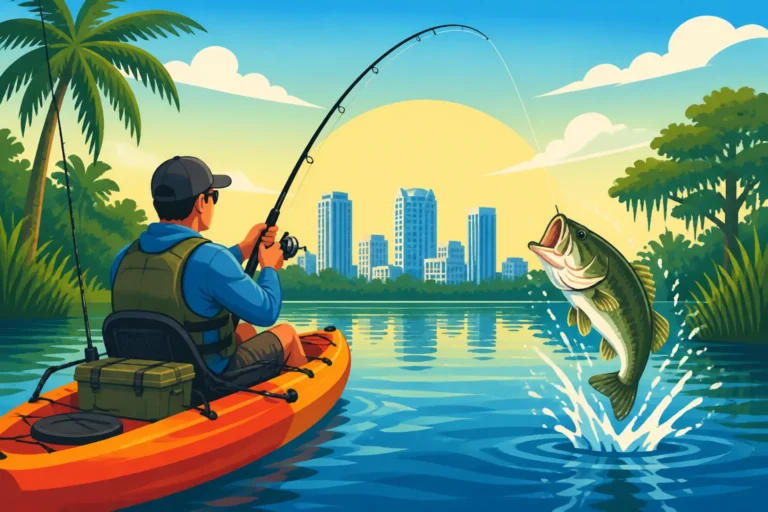
Always pay close attention to depth sounders and navigation charts. Learn to "read the water" – subtle changes in color can indicate depth variations, channels, or submerged obstacles like coral heads or rock formations. Green or clear water often means deeper areas or sandy spots, while dark patches can indicate grass beds (which are often shallower but vital fish habitat) or even deeper holes. Many areas within the wildlife refuges have strict "no motor" or "idle speed only" zones, which must be respected. Poling or using a trolling motor is often the most effective and environmentally friendly way to cover water in these areas. If you're looking for alternative ways to explore, check out Best Spots to Fish From a Kayak in Florida for more inspiration.
Planning Your Backcountry Adventure
A successful backcountry trip requires more than just knowing where to go and what to throw. It involves careful planning, understanding local regulations, and deciding whether a DIY approach or a guided trip is right for you.
DIY vs. Hiring a Guide
The decision to go it alone or hire a professional guide is a personal one, with pros and cons to both.
- DIY Angler: If you have your own shallow-draft boat, experience navigating complex waters, and are comfortable with the learning curve, a DIY trip offers incredible freedom and can be more budget-friendly. You can explore at your own pace and chase whatever species strikes your fancy. However, the Key West backcountry can be tricky to navigate, and finding fish consistently takes years of local knowledge. You'll spend a lot of time learning the ropes, and success might be inconsistent, especially for species like permit and tarpon.
- Hiring a Professional Guide: For most visitors, especially first-timers or those targeting specific trophy species, hiring a Key West fishing guide is highly recommended. A good guide offers invaluable local knowledge, knowing exactly where the fish are holding based on current conditions, tides, and recent patterns. They have specialized flats boats, top-of-the-line gear, and the expertise to put you on fish and teach you the techniques required. Furthermore, the best guides are typically booked well in advance, especially during peak seasons for tarpon or permit. Platforms like FishingBooker are excellent resources for finding reputable, experienced Key West backcountry guides who know these waters like the back of their hand. They can help you sift through options and read reviews to find the perfect fit for your trip. Another benefit is that on a charter, your fishing license is typically covered, so you don't have to worry about that particular detail. For more tips on finding the right expert, read our guide on How to Choose a Florida Fishing Guide.
Permits, Regulations, and Conservation
Fishing in Florida, especially in sensitive areas like the backcountry, comes with a set of rules and regulations designed to protect fish populations and their habitats.
- Florida Fishing License: The first and most important step is to obtain a valid Florida saltwater fishing license. Even if you're only targeting catch-and-release species, a license is generally required. You can purchase these online through the Florida Fish and Wildlife Conservation Commission (FWC) website, at bait and tackle shops, or through authorized vendors like Walmart or Bass Pro Shops. Understanding the specific Florida Saltwater Fishing License Rules is crucial.
- Special Permits: Certain highly sought-after species, like snook and spiny lobster, require additional permits or stamps on top of your base fishing license. Always check current FWC regulations for these.
- Bag and Size Limits: Florida has strict bag limits (how many fish you can keep) and size limits (minimum and maximum lengths) for nearly all game fish. These regulations vary by species, region, and season. It's imperative to know these limits before you go and to accurately measure your fish. Ignorance of the law is not an excuse, and violations can result in hefty fines.
- Catch and Release Best Practices: For many backcountry species, especially tarpon, bonefish, and permit, catch and release is the prevailing ethic, and for tarpon, it's mandatory unless you purchase a special tag. Learn proper handling techniques to minimize stress on the fish: keep them in the water as much as possible, use wet hands, and revive them thoroughly before release. The future of this incredible fishery depends on responsible angling. Guides, often holding a Florida Fishing License Requirements for Boat Captains, are typically well-versed in all current regulations.
| Species | Typical Tackle | Best Time of Year | Key Characteristics |
|---|---|---|---|
| Tarpon | 9-10 wt Fly / Heavy Spin | Spring-Early Summer | Silver King, acrobatic, strong runs, migratory |
| Permit | 8-9 wt Fly / Med Spin | Spring-Fall | Extremely wary, strong fighter, crab eater |
| Bonefish | 7-8 wt Fly / Light Spin | Year-round (warmer) | Ghost of the Flats, fast, hard runs, bottom feeder |
| Redfish | 7-8 wt Fly / Med-Light Spin | Fall-Spring | Tail-waving on flats, aggressive, mangrove dweller |
| Snook | 8-9 wt Fly / Med Spin | Spring-Fall (seasonal closures) | Ambush predator, strong fight, mangrove lines |
| Spotted Seatrout | 6-7 wt Fly / Light Spin | Year-round | Grass flat resident, easy to catch, good eating |
| Barracuda | Heavy Spin | Year-round | Aggressive, toothy, fast, often sight-fished |
Disclaimer
The information provided in this guide is for general informational purposes only and is subject to change. Fishing regulations, seasons, and local conditions in Florida can vary. It is the angler's responsibility to stay informed of the most current regulations issued by the Florida Fish and Wildlife Conservation Commission (FWC) before engaging in any fishing activities. Always prioritize safety and environmental stewardship.