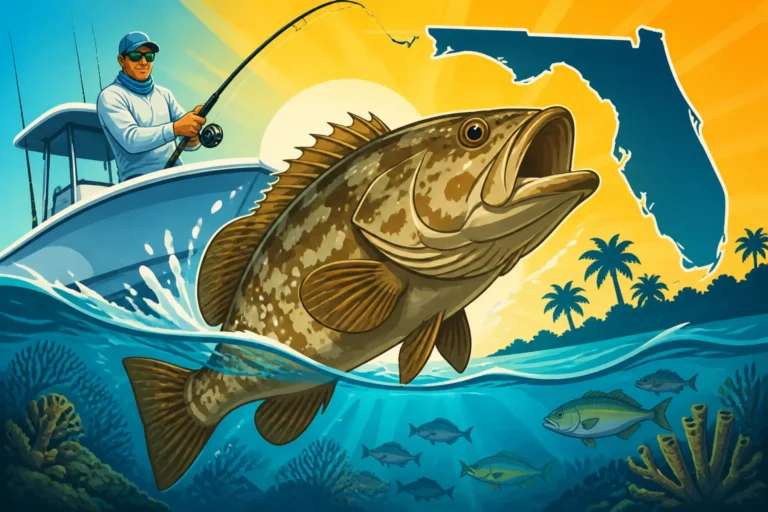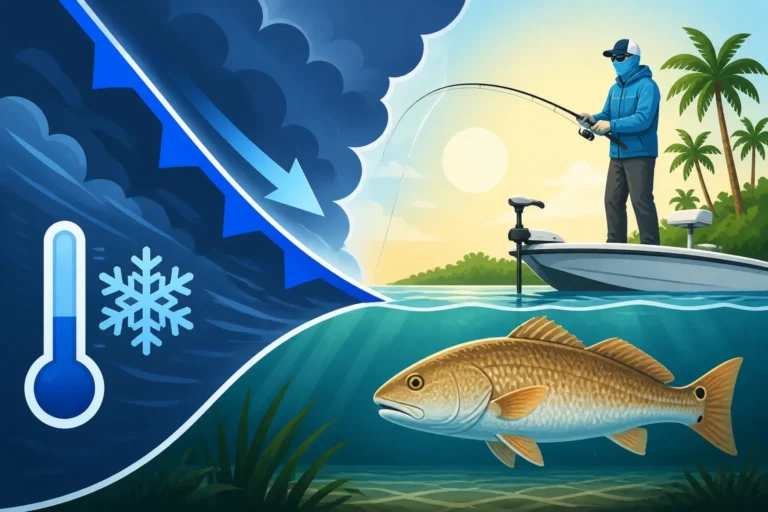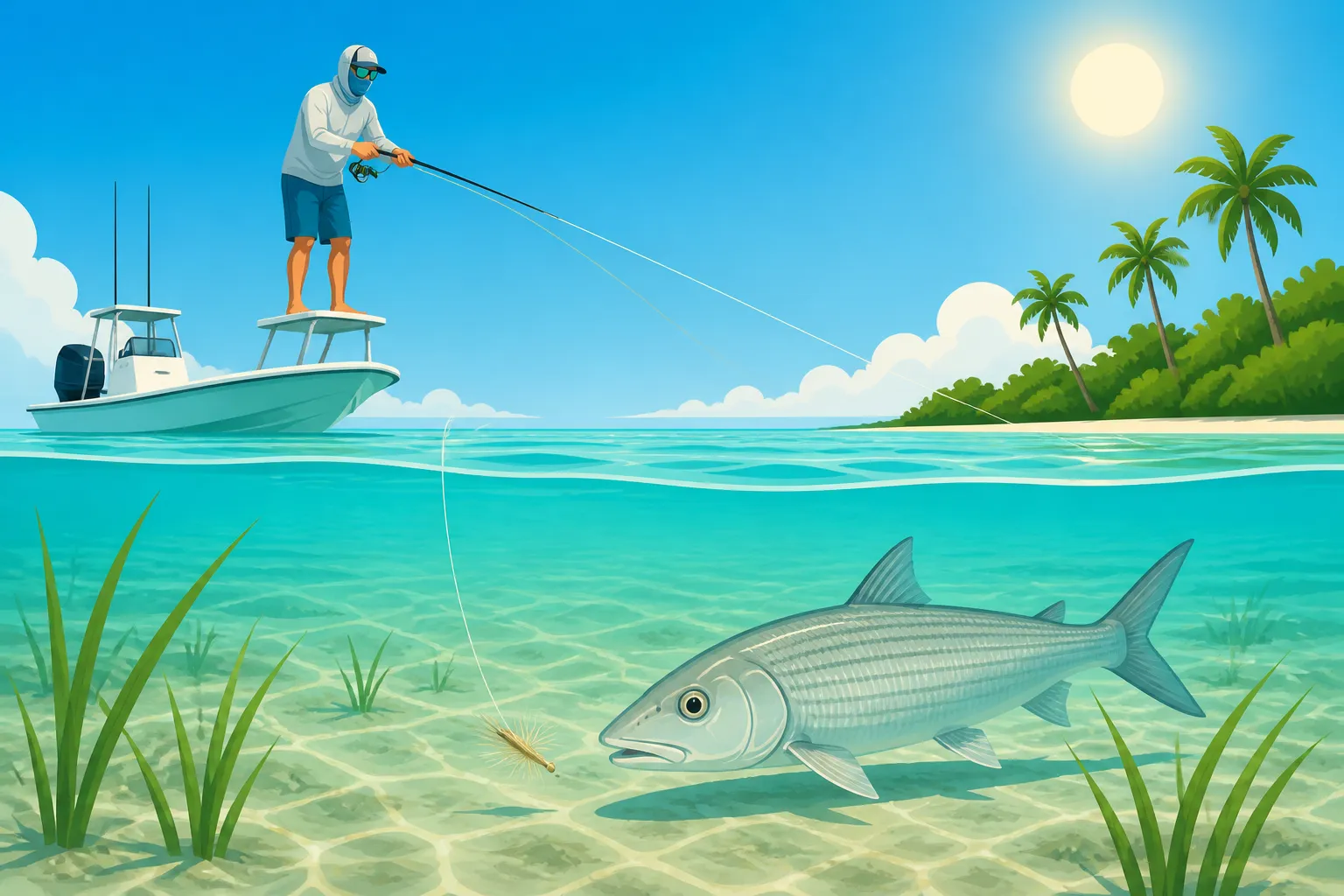
Sight Fishing Technique for Shallow Flats
There's a unique frustration that comes with knowing the fish are there, but just can't quite see them lurking in the shimmering shallow waters of Florida's famous flats. You squint, you strain your eyes, and you feel like you're missing a secret language that the seasoned pros seem to speak. This guide is all about unlocking that secret: teaching you the art and science of sight fishing, so you can confidently spot, target, and land those elusive inshore species that call the flats home.
Understanding the Basics of Sight Fishing Florida's Flats
Florida's shallow flats are an angler's paradise, but they present a distinct challenge: how do you catch fish when they have every advantage in their own backyard? That's where sight fishing comes in, turning the tables and giving you an incredible edge.
What Exactly is Sight Fishing?
At its core, sight fishing is exactly what it sounds like: actively looking for and spotting fish before you cast to them. Instead of blind casting or relying purely on electronics, you're using your eyes to pinpoint your target. This technique isn't just about seeing a dark shape; it's about interpreting subtle cues on the water – a flick of a tail, a nervous wake, a sudden cloud of mud, or even the shimmer of a fish turning in the sun. It’s an incredibly rewarding way to fish because it adds a huge layer of strategy and engagement. You become a hunter, observing, calculating, and making deliberate presentations rather than just covering water hoping for a bite. It sharpens your senses and deepens your understanding of fish behavior, making every hookup feel like a well-earned victory.
The beauty of sight fishing lies in its precision. Once you spot a fish, you can assess its size, direction of travel, and how it's behaving. This allows you to choose the perfect lure or bait, decide on the optimal casting angle, and even anticipate its reaction. It transforms fishing from a game of chance into a strategic chess match. Plus, there's nothing quite like the adrenaline rush of seeing a big redfish or snook turn and charge your bait after a perfect cast you saw them react to. It's a completely different experience than feeling a bump on your line from an unseen fish.
Why Florida's Shallow Flats Are Prime Territory
Florida's shallow flats are practically custom-made for sight fishing, thanks to their unique characteristics. We're talking about vast expanses of clear, relatively calm water that range from a few inches to a few feet deep, often fringed by mangroves or dotted with oyster bars. The clarity of the water, especially on calm days with high sun, is paramount. This allows light to penetrate to the bottom, illuminating the underwater world and making fish much easier to spot.
Beyond visibility, these flats are incredibly rich ecosystems. They provide abundant food sources, from shrimp and crabs to various baitfish, which in turn attract a diverse array of predatory species. The varied bottom, including lush seagrass beds, sandy potholes, and rocky structures, offers both feeding grounds and ambush points for fish. The sheer size and diversity of Florida's flats, from the expansive waters of the Indian River Lagoon to the labyrinthine backcountry of the Florida Keys, mean there's always new territory to explore and new fish to find, making them ideal for the sight fishing enthusiast.
The Primary Target Species for Sight Fishing
While you might spot a variety of marine life on the flats, certain species are the rockstars of Florida sight fishing. They're often found in very shallow water, are visually distinct, and tend to respond well to a stealthy, accurate presentation.
The undisputed king of the flats for many sight anglers is the Florida Redfish Fishing Guide. Known for their distinctive black spot (or spots) on their tail, redfish are often found "tailing" in super shallow water as they nose down to forage for crustaceans. They're strong fighters and readily take a well-placed fly or artificial lure. Next up, you have the powerful Florida Snook Fishing Guide. These ambush predators often hug mangrove lines, oyster bars, or even lay in sandy potholes, waiting for prey. Spotting a snook requires a keen eye for subtle shapes and shadows, but when you do, get ready for an explosive strike and a thrilling fight. Then there are the ever-popular Florida Spotted Seatrout Fishing Guide, which, despite their name, can sometimes be found in surprisingly shallow water, especially over grass beds. While less prone to "tailing," their torpedo shape and lateral line can give them away, particularly on brighter bottoms. And for the ultimate challenge, the majestic Florida Tarpon Fishing Guide, especially juvenile tarpon, can be sight fished in backcountry creeks and shallow flats. Their large, silver scales are unmistakable as they roll or cruise slowly.
Essential Gear for Successful Sight Fishing
To become a successful sight fisherman, it's not just about having the right technique; it's also about having the right tools. Your gear needs to enhance your ability to spot fish and then deliver your offering effectively and stealthily.
Rods, Reels, and Line Selection
Choosing the right rod, reel, and line is critical for sight fishing, as it directly impacts your ability to cast accurately and fight fish effectively without spooking them. For most inshore sight fishing, a medium-heavy spinning rod, typically 7 to 7.5 feet in length, is a versatile choice. This length provides good casting distance and accuracy, which is essential when trying to reach a cruising redfish without putting your boat too close. The action should be fast enough to give you good sensitivity and hook-setting power, but still have enough flex to make those delicate presentations. Pair this with a lightweight, smooth spinning reel in the 2500-4000 series size. Brands like Shimano and Daiwa offer excellent options that are both durable and have reliable drag systems, which you'll appreciate when a big snook decides to bolt.
When it comes to line, braided line is the go-to for many sight anglers. Its thin diameter, incredible strength, and zero stretch offer maximum sensitivity and casting distance. A 10-20 lb braided line is common for general flats fishing. Crucially, you'll need a fluorocarbon leader, typically 20-40 lb test, depending on the species and water clarity. Fluorocarbon is nearly invisible underwater, which is a huge advantage when you're trying to fool wary fish in clear, shallow conditions. The length of your leader can vary, but a 3-5 foot section is a good starting point, allowing you to re-tie several times without losing too much leader length. For more details on what works best, you might want to check out our guide on the Best Rod and Reel Setup for Florida Inshore Fishing.
Polarized Sunglasses and Vision Aids
If there's one piece of gear that is absolutely non-negotiable for sight fishing, it's a high-quality pair of polarized sunglasses. I cannot stress this enough – trying to sight fish without them is like trying to drive at night without headlights. They cut through the glare on the water's surface, allowing you to see into the water rather than just seeing reflections.
Different lens colors are better suited for different light conditions. For bright, sunny days with clear water, a copper, amber, or brown lens often enhances contrast and makes it easier to spot fish against varying bottom compositions. On overcast days or in lower light, a yellow or gray lens might be more effective. Popular brands like Costa Del Mar, Maui Jim, and Oakley are favorites among serious anglers, and you can find a wide selection of these essential polarized sunglasses on Amazon. Investing in a good pair isn't a luxury; it's an absolute necessity that will dramatically improve your ability to spot fish and, consequently, your success rate. Some anglers even use brimmed hats or visors to further reduce overhead glare, creating a sort of "tunnel vision" that helps focus the eye.
Boats and Poling Skiffs
While you can sight fish from shore or certain piers, the true essence of flats sight fishing involves a shallow-draft vessel. The ideal choice is a poling skiff or flats boat, specifically designed to navigate extremely shallow water quietly. These boats are typically wide and stable, allowing anglers to stand on casting platforms for better visibility. The most crucial feature is their ability to run and pole in mere inches of water without disturbing the fish.
A push pole is an indispensable tool for these boats. It's a long, sturdy pole (often 18-24 feet) used by an angler or guide to propel the boat silently across the flats. This stealthy approach is vital; even the slightest engine noise can send fish scattering. Learning How to Pole a Flats Boat Quietly is an art form in itself, requiring balance, strength, and an understanding of wind and current. When poling isn't feasible, a silent electric trolling motor with GPS capabilities (like those from Minn Kota or Rhodan) can be a fantastic alternative, allowing you to hold position or move slowly without making a sound. The key is minimal disturbance; the quieter you are, the more opportunities you'll have.
Lures and Baits Tailored for Sight Fishing
The goal of sight fishing is to present an offering that mimics the natural prey of the fish you're targeting without spooking them. This often means "matching the hatch" as closely as possible, both in size and appearance.
For artificial lures, soft plastics rigged on jig heads are incredibly versatile. Paddle tails, shrimp imitations, and jerkbaits in natural colors (like root beer, white, or green back with a silver belly) are highly effective for redfish, snook, and trout. Topwater lures can also be exhilarating for snook and aggressive redfish, especially during low light conditions or over grass beds. For fly anglers, classic patterns like shrimp flies, crab flies, and baitfish imitations are essential. Brands like DOA Lures and Z-Man are popular for soft plastics. The critical element is weight – you want a lure that casts accurately and sinks at a natural rate without creating a huge splash. When casting to visible fish, the initial presentation is everything.
Live bait can also be incredibly effective, especially for wary fish. Live shrimp are a universal bait that nearly all inshore species will devour. Pinfish, mullet, and pilchards are also excellent choices, particularly for larger snook and redfish. The challenge with live bait in sight fishing is presenting it naturally without a heavy weight that might spook the fish. Often, a small split shot or no weight at all, allowing the bait to drift naturally into the fish's strike zone, is the most effective approach. For a deeper dive into the pros and cons, check out our guide on Live Bait vs Artificial Lures for Florida Inshore Fishing.
Mastering the Art of Spotting Fish
This is arguably the most challenging, yet most rewarding, aspect of sight fishing. It's not just about looking at the water; it's about seeing what's beneath the surface, discerning subtle movements, and interpreting environmental cues.
Learning to Read the Water
The water tells a story, and a skilled sight angler learns to read its chapters. You're not just looking for the fish itself, but for any sign that betrays its presence. One of the most common and exciting indicators is "nervous water" – a slight ripple or disturbance on an otherwise calm surface that's not caused by wind. This often means a school of baitfish is being harassed by a predator, or simply that fish are moving just below the surface. Wakes are another clear sign, especially from larger fish like snook or redfish pushing water as they cruise. Look for V-shaped disturbances or a bulge that seems to move independently of the current.
Perhaps the most iconic sign of a feeding redfish or permit is "tailing." This happens when fish nose down into extremely shallow water to root for crabs or shrimp, causing their tails to break the surface. A subtle shimmer or flash can indicate a fish turning or flashing its scales as it feeds or moves. Finally, "muds" are a dead giveaway. These are plumes of stirred-up sediment caused by a fish rooting on the bottom. If you see a fresh mud, there's a good chance the fish that made it is still nearby, often actively feeding. Learning to distinguish these subtle signs from natural disturbances like wind chop or current is a skill that only comes with practice and patience.
Factors Affecting Visibility and Fish Behavior
Several environmental factors play a huge role in both your ability to spot fish and how the fish themselves behave. The position of the sun is paramount; ideally, you want the sun at your back or directly overhead, allowing its rays to penetrate the water without creating blinding glare. Early mornings and late afternoons can be challenging due to low sun angles creating long shadows and intense glare, though sometimes this can work in your favor if the fish are positioned between you and the sun. Overcast conditions reduce glare but also decrease light penetration, making it harder to see deep into the water.
Wind is a double-edged sword. A light breeze can create a surface ripple that helps break up your silhouette and makes it harder for fish to see you. However, too much wind can chop up the water, making it nearly impossible to distinguish fish from waves. Water clarity is, of course, critical. While some fish can be spotted in slightly murky water, clear, calm conditions are ideal. Tides also dictate where fish will be on the flats; during a rising tide, fish move onto the higher parts of the flats to feed, and as the tide falls, they'll retreat to deeper channels and edges. Understanding these dynamics will help you predict not only if you'll see them, but also where to look.
Stealth and Approach Techniques
Spotting a fish is only half the battle; getting close enough for a cast without spooking it is the other. Stealth is your best friend when sight fishing. Any sudden noise, shadow, or movement can send wary fish fleeing in a flash. When you're on a poling skiff, the push pole is your silent engine. Your guide (or you, if you're poling) will carefully work the boat across the flats, always looking ahead. The goal is to move slowly and deliberately, avoiding scraping the bottom or splashing the pole. If you're using a trolling motor, keep its speed low and try to use a spot-lock feature to hold position quietly.
When approaching a fish, always try to work into the wind or current, if possible. This allows your boat to drift silently and also positions you for an easier cast with the wind at your back. Keep your profile low and avoid sudden movements in the boat. When you do spot a fish, communicate its location and direction to your casting angler calmly and quietly. Remember, you're observing a wild animal in its natural habitat, and any perceived threat will send it scattering. Master How to Approach Fish Without Spooking Them and your success rate will soar.
Casting and Presentation for Sight Fishing
You've spotted the fish, you've made a stealthy approach – now comes the moment of truth: the cast and presentation. This is where precision, timing, and finesse are paramount.
Accurate Casting Under Pressure
Sight fishing demands a level of casting accuracy that blind casting simply doesn't. You often have a small window of opportunity and a moving target, meaning your cast needs to be on point the first time. The biggest challenge is often hitting a specific spot, usually several feet ahead of the fish, to allow your lure or fly to sink or swim naturally into its path. A "lead" of 5-10 feet is common, but it depends on the speed of the fish, the depth, and the sink rate of your bait.
Dealing with wind is another major factor. A crosswind can be your worst enemy, blowing your lure off target. Learning to cast into or across the wind effectively, often with a low, tight loop (especially with a fly rod), is a skill developed through consistent practice. Sometimes, a simple roll cast or a sidearm cast can keep your line low and out of the wind's influence. Don't be afraid to practice in your yard or a local park; repetitive casting drills will build the muscle memory you need when a trophy snook suddenly appears. The ability to cast quickly and accurately, often from an elevated platform, is what separates consistent sight anglers from those who frequently spook fish with errant presentations.
Presenting Baits and Lures Effectively
Once your cast lands, the presentation begins, and it's every bit as important as the cast itself. The goal is to make your lure or bait appear as natural and appetizing as possible, mimicking the fish's natural forage. If you're using a jig or soft plastic, allow it to sink naturally for a moment, then initiate a retrieve that matches the action of a fleeing shrimp or a struggling baitfish. Often, a slow, subtle twitch-and-pause retrieve is incredibly effective. For topwater lures, a steady walk-the-dog action or a series of aggressive pops can trigger explosive strikes from active fish.
With live bait, the presentation is often simpler – let the bait do the work. A well-placed live shrimp on a light leader will often swim naturally when it senses a predator, drawing strikes. However, sometimes a gentle twitch of the rod tip can make a live bait "jump" or "dart," mimicking escape behavior. Observe what the fish are feeding on (if visible) and try to replicate that action. Are they chasing schools of mullet? Are they rooting for crabs? Tailor your retrieve to match these natural movements. This finesse is crucial in convincing a wary fish that your offering is legitimate and irresistible.
Understanding Fish Reactions to Your Presentation
When you're sight fishing, you get immediate feedback on your presentation, which is a huge advantage. Pay close attention to how the fish reacts. If it spooks and bolts away, you know you've either made a bad cast (too close, too loud), or your approach was not stealthy enough. Take note of what happened and adjust for the next fish.
If the fish turns and follows your lure but doesn't strike, this is often called a "refusal." It's a frustrating but informative moment. A refusal can mean several things: your retrieve might be too fast or too slow, the lure color or size is wrong, or the fish simply isn't actively feeding. In these situations, try changing your retrieve, altering your lure, or even giving the fish a moment before trying again with a different approach. Sometimes, a subtle change in the angle of your presentation or a different retrieve can make all the difference. Learning to read these reactions quickly and adjust your strategy on the fly is a hallmark of an experienced sight angler.
Strategic Considerations for Different Florida Flats
Florida's flats are diverse, and what works in one area or season might not work in another. Understanding these strategic nuances will help you adapt your sight fishing techniques for maximum success.
Tidal Influences and Their Impact
Tides are the lifeblood of flats fishing, constantly moving water and dictating where fish feed and rest. Understanding them is paramount, and it's something you can learn more about in our article on How to Read a Tide Chart for Fishing. On an incoming tide, as water levels rise, predatory fish like redfish and snook push onto the higher, shallower parts of the flats to forage for crabs, shrimp, and baitfish that are now accessible. This is often an excellent time for sight fishing, as fish are actively feeding and can be found in very skinny water, sometimes with their backs and tails exposed. They can be very focused on feeding, making them less wary if approached correctly.
Conversely, an outgoing tide drains water off the flats, concentrating baitfish and predators into deeper channels, troughs, and along mangrove edges. This can also be a productive time, as fish often line up along these escape routes, ambushing prey as it leaves the flats. However, fish might be more pressured as they are confined to smaller areas. Slack tide, the period of minimal water movement between tides, is often considered the least productive for flats fishing, as fish tend to be less active. However, sometimes fish will stage in deeper potholes or along the edges during slack, waiting for the water to start moving again. For a detailed breakdown, explore Best Tides for Inshore Fishing in Florida.
Seasonal Changes and Fish Movements
Florida's mild climate allows for year-round fishing, but seasonal changes dramatically influence where and how you'll find fish on the flats. During the cooler winter months, water temperatures drop, and many inshore species seek out warmer, deeper water or dark-bottomed areas that absorb more sunlight. On clear, calm winter days, redfish and trout might still be found sunning themselves on shallow flats, but they often require an even more delicate presentation as they can be lethargic. You'll often find that Why Grass Flats Hold More Trout in Winter becomes particularly relevant during this time, as those darker bottom areas offer warmth.
Spring and fall are often considered prime time for flats fishing. As water temperatures become ideal, baitfish proliferate, and predatory species become highly active and can be found spread across the flats. This is when you'll see explosive feeding frenzies and abundant tailing fish. Summer brings very warm water, which can sometimes push fish into slightly deeper channels or near cooler spring-fed areas during the hottest parts of the day. Early mornings and late evenings are often best for summer sight fishing, before the sun gets too high and the heat too intense. Understanding these seasonal shifts helps you anticipate fish movements and adjust your search strategy.
Navigating Different Bottom Compositions
The type of bottom you're fishing over greatly influences your ability to spot fish and how you approach them. Seagrass flats are incredibly fertile ecosystems, teeming with life. Fish often use the grass for cover and to forage. Spotting fish over lush grass can be tricky due to the camouflage, but look for shadows, distinct dark shapes, or nervous water. Sandy potholes within grass flats are critical ambush points and feeding stations, often revealing themselves as bright spots against the darker grass. These are prime areas to focus your attention, as fish often congregate in them.
Oyster bars and rocky structures provide excellent habitat, attracting bait and therefore predators. However, they also present a challenge for sight fishing due to reduced visibility and the risk of damaging your boat or line. Fish around these structures tend to be less wary because they have immediate cover. Mangrove edges are another crucial feature, offering shade, shelter, and an abundance of food. Snook, in particular, love to hold tight to mangrove roots, making them incredibly challenging to spot but very rewarding to catch when you do. Each bottom type requires a slightly different approach, both in terms of spotting fish and presenting your lure.
Advanced Tips and Common Mistakes to Avoid
Even seasoned anglers continue to refine their sight fishing skills. It's a continuous learning process, but a few advanced tips and an awareness of common pitfalls can significantly accelerate your progress.
Practicing Your Skills Off the Water
You wouldn't expect to run a marathon without training, and sight fishing is no different. Many of the crucial skills can be honed without even stepping foot in a boat. Casting practice is paramount. Set up targets in your yard – hula hoops, buckets, or even just chalk circles – and practice casting at different distances and angles. Focus on accuracy, a soft landing, and the ability to cast quickly from various positions. This builds muscle memory, so when that trophy fish appears, your body reacts without conscious thought.
Equally important is mental preparation. Train your eyes to spot subtle movements. Watch nature documentaries focusing on camouflaged animals to develop your observational skills. Learn your knots (like the FG knot for braid-to-fluorocarbon connections) to perfection, so you're not fumbling when a fish breaks you off. Even studying maps and satellite imagery of your chosen flats can help you understand bottom contours, channels, and potential fish-holding structures before you even leave the dock. The more you prepare off the water, the more confident and effective you'll be on it.
When to Call in a Professional Guide
While DIY fishing is incredibly rewarding, there comes a time when hiring a professional guide is not just helpful, but often transformative for your learning curve. A good Florida Flats Fishing Guide is essentially a walking, talking encyclopedia of local knowledge. They spend hundreds of days a year on the water, meticulously tracking fish movements, understanding tidal patterns, and knowing exactly where the fish are hiding. They have invested in the right equipment – top-notch poling skiffs, quality rods and reels, and the best baits.
More importantly, a guide can teach you how to see. They'll point out subtle cues you'd never notice on your own, help you with casting accuracy under pressure, and provide invaluable insights into fish behavior. Think of it as accelerated learning. You'll gain years of experience in a single trip. Plus, they handle the boat, the poling, and all the logistics, allowing you to focus purely on spotting and fishing. It's an investment that pays dividends in skill development and often, unforgettable fishing memories.
Common Pitfalls and How to Rectify Them
Even the best anglers make mistakes, but recognizing and rectifying them is key. One of the most common pitfalls in sight fishing is spooking fish. This can happen from a loud splash when casting, a shadow passing over the fish, too much engine noise, or simply getting too close. The solution? Slow down, be quieter, use longer leaders, and always try to maintain a respectful distance. Another mistake is poor casting accuracy or consistency. This is addressed through diligent practice, as mentioned above.
Often, anglers will "burn" a retrieve too quickly, making the lure look unnatural to a wary fish. Experiment with slower, more subtle retrieves, and remember that sometimes less is more. Giving up too soon is another common error. Sight fishing requires patience and persistence. You might pole for an hour without seeing a fish, and then suddenly find a school of redfish. Don't get discouraged; keep your eyes peeled and your focus sharp. Finally, many beginners try to cast at the fish instead of leading it. Remember to always cast several feet ahead of the fish, allowing your offering to intercept its path naturally.
Conservation and Ethical Sight Fishing Practices
As anglers, we are stewards of Florida's incredible natural resources. This responsibility is magnified when sight fishing, as we're often targeting individual fish and interacting closely with the ecosystem. Practicing ethical fishing ensures these fragile environments and abundant fish populations remain healthy for generations to come.
Catch and Release Best Practices
Many of the prized species caught while sight fishing, particularly snook and tarpon, are primarily catch and release. Even for species like redfish and trout, practicing catch and release for larger "breeder" fish helps sustain the population. When you do catch a fish, minimize its time out of the water. Have your camera ready, but prioritize the fish's health. Use appropriate tools like dehookers to quickly remove hooks, especially if they're deeply set. Consider crimping down the barbs on your hooks to make release even easier.
When handling fish, especially snook, avoid holding them vertically by the jaw, as this can damage their spine. Instead, support their belly and use both hands. For larger fish like tarpon, keep them in the water as much as possible for photos and release. If the fish appears exhausted, hold it gently in the water, facing into a gentle current, until it regains its strength and can swim off on its own. For more detailed guidance, take a look at our comprehensive guide on Catch and Release Best Practices for Snook.
Respecting the Environment
The shallow flats are incredibly sensitive ecosystems, and it's our duty to protect them. One of the biggest threats is prop scarring from boat motors. Always be aware of your depth and the presence of seagrass. If the water is too shallow, trim your engine up and use your push pole or trolling motor. Prop scars take decades to heal and destroy vital habitat for baitfish and game fish alike.
Beyond avoiding prop scars, practice "leave no trace" principles. Pack out everything you pack in, including fishing line, lure packaging, and food wrappers. Even a small piece of trash can harm marine life. Be mindful of wildlife – give manatees, dolphins, and nesting birds plenty of space. By being responsible and considerate anglers, we ensure that the beauty and bounty of Florida's shallow flats endure.
Disclaimer
The information provided in this guide is for general informational purposes only. Fishing regulations in Florida can change frequently. Always consult the latest rules and regulations from the Florida Fish and Wildlife Conservation Commission (FWC) before heading out on the water. Fishing inherently carries risks; always prioritize safety and wear appropriate personal flotation devices when on the water.