Best Spots on the Peace River for Fishing
Finding those truly prime fishing spots along a river can feel like trying to decipher an ancient map, especially on a waterway as diverse and expansive as Florida's Peace River. It’s frustrating when you just want to drop a line and enjoy the tranquility, but you’re unsure where to even begin for a decent catch. This guide is dedicated to helping you unlock the Peace River's best fishing locations, giving you the insider knowledge to make your next trip a success.
Understanding the Peace River's Unique Fisheries
The Peace River, stretching over 100 miles from its headwaters in Polk County down to Charlotte Harbor, is an incredibly dynamic ecosystem. It’s not just a single type of fishery; it transitions dramatically from pure freshwater to brackish influences, offering a truly unique angling experience. This ever-changing environment means that understanding the river's sections is key to knowing what you'll catch and how best to target it.
From Freshwater Origins to Brackish Blends
Upstream, especially around areas like Bartow and Fort Meade, the Peace River is quintessential Florida freshwater. Here, you'll find winding oxbows, cypress knees lining the banks, and plenty of submerged structure perfect for bass and panfish. As you move south, past Arcadia and towards Punta Gorda, the river widens, deepens, and begins to feel the tidal push from the Gulf of Mexico. This is where the magic happens for many anglers, as the freshwater and saltwater species start to mingle, creating a "transitional zone" that holds a fantastic variety of fish.
The shift isn't always obvious to the untrained eye, but it profoundly impacts the fish populations. Freshwater species like largemouth bass and various panfish are still present, but they are increasingly joined by saltwater invaders like snook, redfish, and tarpon, especially during warmer months. This brackish environment is truly unique, offering opportunities to catch species that wouldn't normally coexist in other parts of the state. It’s a place where you might hook a chunky bass on one cast and a feisty snook on the next!
Habitat and Structure Along the River
The Peace River’s bottom composition and bank structure vary significantly. In its upper reaches, you'll often encounter sandy bottoms, limestone ledges, and abundant fallen timber. These features provide excellent ambush points for bass and cover for baitfish. As the river flows further south, the bottom can become muddier, and mangrove shorelines become more prevalent, particularly closer to Charlotte Harbor. These mangroves offer crucial habitat, shielding juvenile fish and attracting larger predators.
Understanding these structural elements is paramount. For example, a sharp bend in the river with a deep drop-off and some submerged logs is almost always a hotspot for catfish and bass in the freshwater sections. Downstream, those intricate mangrove root systems are magnets for snook and redfish. Pay attention to how the river looks and feels around you, whether you’re paddling a kayak or navigating a larger boat; the clues are always there.
Prime Fishing Locations on the Peace River
pinpointing specific "best" spots on a river this long can be tricky, as conditions change with the seasons and tides. However, there are several well-known areas that consistently produce good fishing, offering a range of access points and target species.
Upriver Freshwater Havens
For those chasing classic Florida freshwater species, the upper and middle sections of the Peace River are your best bet.
Bartow and Fort Meade Area
Around Bartow, you’ll find public access points like the Bartow Boat Ramp at Peace River Park. This area is characterized by narrower stretches of the river, abundant cypress trees, and slower currents. It's a fantastic place for a peaceful morning of casting.
- Target Species: Largemouth bass, bluegill, shellcracker, black crappie, and catfish.
- Techniques: For bass, focus on throwing spinnerbaits, plastic worms, or topwater lures around fallen logs and vegetation lines. Panfish will readily take small jigs, crickets, or live worms. Catfish anglers often find success with cut bait or stink baits fished on the bottom in deeper holes.
- Access: Numerous small public access points and canoe/kayak launches exist here. Always check local signs for specific regulations and accessibility. Kayakers and canoeists particularly love this section for its tranquility and natural beauty, making it one of the Best Spots to Fish From a Kayak in Florida.
Arcadia's Productive Bends
Moving downstream to Arcadia, the Peace River still maintains its freshwater charm but begins to widen a bit. The Peace River Park in Arcadia is a popular spot with good bank access and a boat ramp. The bends and deeper pools around this town are highly productive.
- Target Species: Expect strong populations of largemouth bass and various panfish, but this is also a prime area for channel catfish and white catfish. During certain times of the year, even a stray snook might push this far upriver if salinity levels allow.
- Techniques: Consider flipping jigs into heavy cover for bass, or using live shiners for a bigger bite. For panfish, a simple bobber and worm setup works wonders. For catfish, target the deeper holes and outside bends with cut bait or nightcrawlers.
- Considerations: This stretch can get busy, especially on weekends, with both anglers and fossil hunters. Plan your trip accordingly.
The Brackish Blends and Downriver Hotspots
As the Peace River flows into Charlotte Harbor, the influence of the Gulf of Mexico becomes undeniable, creating a unique brackish environment where freshwater and saltwater species converge.
Port Charlotte to Punta Gorda Bridges
This is where the saltwater fishing really heats up. The bridges spanning the Peace River as it approaches Punta Gorda, like the US-41 bridges, are legendary fishing grounds. The structure provided by the pilings, combined with tidal currents, creates perfect ambush points for predators.
- Target Species: This area is famous for snook, redfish, tarpon (especially during their migration), mangrove snapper, sheepshead, and even some largemouth bass that tolerate the salinity.
- Techniques: Live bait, such as pilchards, mullet, or shrimp, fished on a strong leader is highly effective around bridge pilings and adjacent grass flats. Artificial lures like jigs, soft plastics, and topwater plugs can also be deadly, especially during low light conditions. You might need to adjust your gear for Florida Inshore Fishing Techniques in this section.
- Access: Multiple boat ramps in Port Charlotte and Punta Gorda offer easy access to this part of the river. Anglers also fish from the shore and fishing piers near the bridges, though space can be limited. If you’re looking for a charter, many excellent guides operate out of Punta Gorda and Port Charlotte, often found on platforms like FishingBooker, ready to put you on these mixed-bag fisheries.
Charlotte Harbor Estuary Mouth
Where the Peace River finally empties into Charlotte Harbor, the sheer expanse of the estuary offers countless opportunities. This is the realm of true inshore saltwater fishing, though the freshwater influence can still be felt after heavy rains. The vast grass flats, oyster bars, and mangrove islands here are incredibly productive.
- Target Species: Redfish, snook, spotted seatrout, tarpon, flounder, and various snapper species are abundant. This is also a fantastic area for catching pompano in the cooler months.
- Techniques: Drifting or poling across grass flats with live shrimp or artificial lures like MirrOlures or soft plastic jerkbaits can yield fantastic results for trout and redfish. For snook and tarpon, focus on the deeper channels, mangrove edges, and ambush points with live mullet or pinfish. If you're wondering what kind of bait to use, check out our guide on the Best Live Bait for Florida Inshore Fishing.
- Access: Numerous public boat ramps dot the shoreline of Charlotte Harbor in Punta Gorda and Port Charlotte. Kayak and paddleboard fishing is also very popular here, allowing access to shallower, less pressured areas.
Targeting Specific Species in the Peace River
The diverse nature of the Peace River means you can truly customize your fishing experience based on what you want to catch. Let's break down some of the most sought-after species.
Largemouth Bass
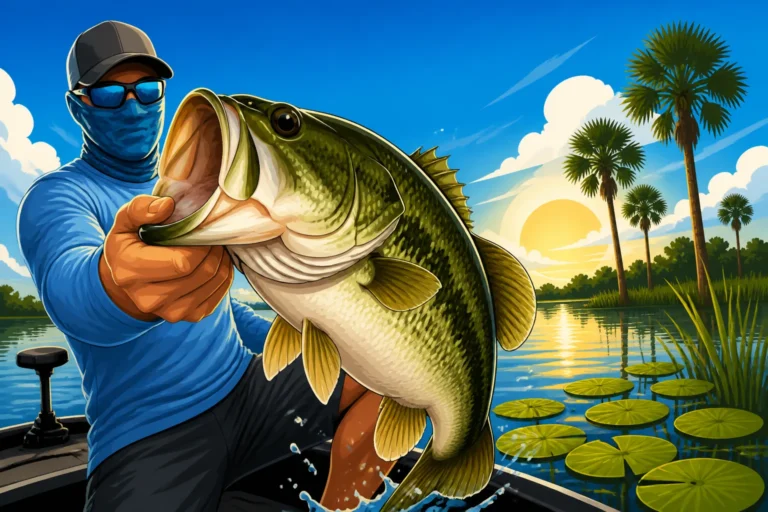
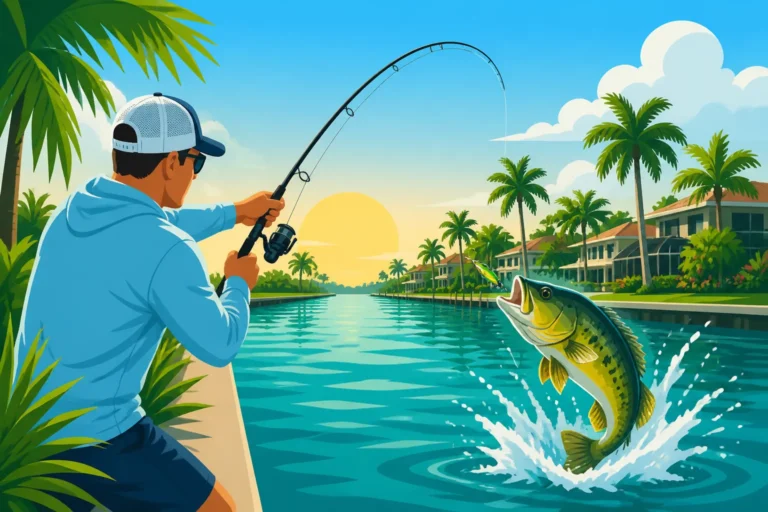
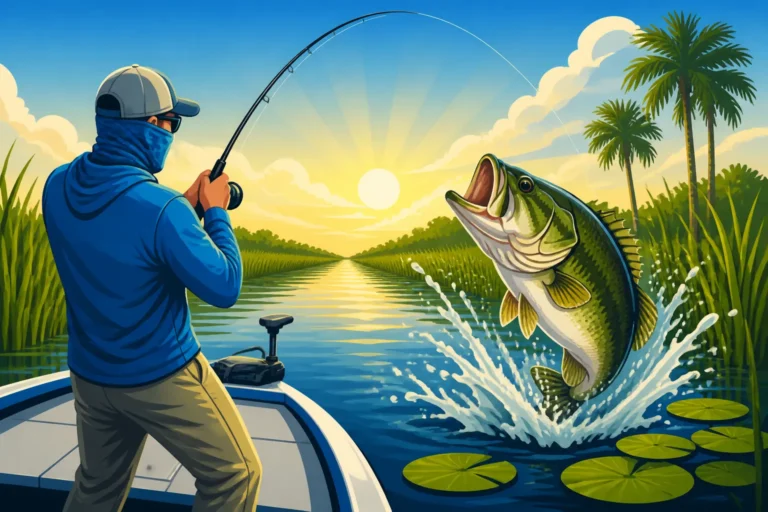
Ah, the quintessential Florida sportfish! While the Peace River might not be as famous for giant bass as Lake Okeechobee, it holds a healthy population, especially in its freshwater reaches.
- Where to Find Them: Look for bass in the slower-moving water, around lily pads, hydrilla beds, fallen trees, and undercut banks in the upper and middle sections of the river. Tributary creeks flowing into the Peace River can also be excellent bass spots.
- Best Baits & Lures: Live shiners are always a top choice for bigger bass. Artificially, plastic worms (Texas-rigged or Carolina-rigged), spinnerbaits, buzzbaits, and crankbaits that mimic baitfish are highly effective. Don't forget topwater frogs or poppers fished over matted vegetation during low light hours.
- Seasonal Tips: Bass fishing can be excellent year-round, but spring (pre-spawn and spawn) often brings the biggest fish to shallower water. Warm weather usually means an earlier start is best before the sun gets too high. For more in-depth knowledge, consult our Florida Largemouth Bass Fishing Guide.
Snook
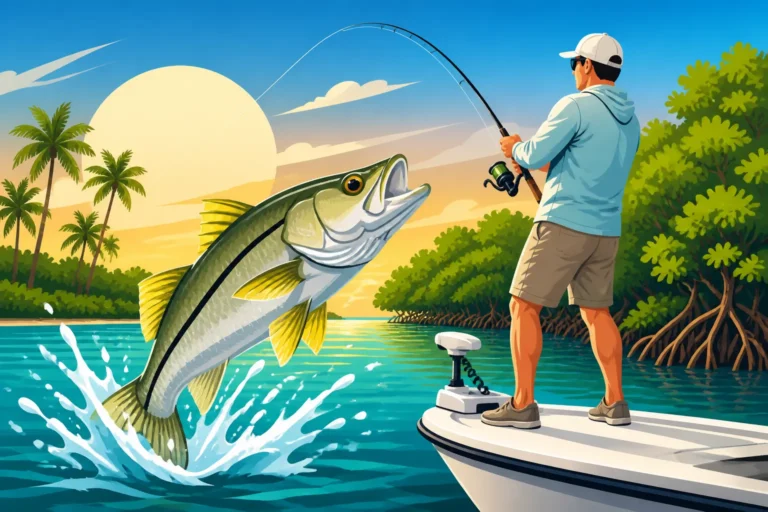
The "common snook" is one of Florida's most iconic gamefish, and the Peace River offers unique opportunities to target them in surprising freshwater-brackish environments.
- Where to Find Them: Snook thrive in the lower, brackish sections of the Peace River, particularly around the bridges, docks, and mangrove shorelines closer to Charlotte Harbor. However, they are known to push surprisingly far upriver during warm periods, sometimes into nearly fresh water. Look for them holding tight to structure, waiting to ambush baitfish.
- Best Baits & Lures: Live bait is king for snook: pilchards, mullet, and shrimp are irresistible. For artificials, soft plastic paddle tails, jerkbaits, and lipped plugs that can be worked along mangrove edges or bridge pilings are excellent. Topwater plugs can create explosive strikes at dawn and dusk.
- Seasonal Tips: Snook are sensitive to cold, so they're most active and widespread in the Peace River from spring through fall. Winter can see them retreating to deeper, warmer canals and creeks. Remember to check Florida Fishing Regulations and Bag Limits as snook have strict closed seasons. A local guide found via FishingBooker would know exactly where they're holding at any given time. For comprehensive info, check out our Florida Snook Fishing Guide.
Catfish (Channel, Blue, and White)
For anglers who enjoy a strong fight and excellent table fare, the Peace River's catfish population is a true gem.
- Where to Find Them: Catfish are abundant throughout the entire length of the Peace River, but the deeper holes, channels, and areas with slower currents or submerged timber are prime spots. They often congregate downstream from rapids or sharp bends where food collects.
- Best Baits & Lures: Catfish are opportunistic feeders. Cut bait (mullet, shad), chicken livers, nightcrawlers, and various stink baits are highly effective. A simple bottom rig with a weight and a circle hook is often all you need.
- Seasonal Tips: Catfish bite well year-round, but summer nights can be particularly productive as they become more active in cooler water. After heavy rains, when the river rises and brings new food sources, can also be a fantastic time to target them. You can find more species-specific information in our Florida Catfish Fishing Guide.
Other Noteworthy Species
The Peace River also offers shots at other exciting fish:
- Redfish: Primarily found in the lower, brackish sections and Charlotte Harbor, often schooling on grass flats or patrolling mangrove edges.
- Spotted Seatrout: Abundant on the grass flats of the lower river and harbor, particularly in cooler months.
- Tarpon: The "Silver King" makes its way up the Peace River, especially during spring and summer migrations, offering incredible sight-fishing opportunities in the lower reaches.
- Panfish (Bluegill, Crappie, Shellcracker): These smaller, delicious fish are plentiful in the upper freshwater sections, providing great action for light tackle anglers and kids.
Practical Fishing Tips for the Peace River
A successful trip isn't just about knowing where the fish are; it's also about having the right approach.
Essential Gear and Tackle
Given the diverse nature of the Peace River, a versatile fishing setup is your best friend.
- Rods and Reels: For the freshwater sections, a medium-light to medium action spinning rod (6'6" to 7'0") with 8-15 lb braided line is excellent for bass and panfish. For the brackish and saltwater areas, you'll want something a bit heavier – a medium-heavy spinning rod (7'0" to 7'6") with 20-30 lb braid and a fluorocarbon leader (20-40 lb) will handle snook, redfish, and even smaller tarpon.
- Line and Leaders: Braided line is generally preferred for its sensitivity and strength. Always use a fluorocarbon leader in clear water, especially for wary species like snook and redfish. For toothy species like catfish (or even a surprise gar), a heavier monofilament or even a wire leader might be necessary. To get a good understanding of what might work for you, check out our guide on the Best Rod and Reel Setup for Florida Inshore Fishing.
- Hooks and Weights: A variety of circle hooks (1/0 to 4/0 for live bait) and J-hooks (for artificials) are good to have. Keep an assortment of lead weights (split shot, egg sinkers, worm weights) to adapt to different depths and currents.
Navigating the River and Access Points
The Peace River can be tricky to navigate, especially upstream where it's narrower and shallower.
- Boat Ramps: Numerous public boat ramps provide access. In the upper river, ramps like the Bartow Boat Ramp and the Arcadia Peace River Park Ramp cater to smaller boats, kayaks, and canoes. Downriver, larger ramps in Punta Gorda and Port Charlotte can handle bigger bay boats and skiffs. Always check ramp conditions and water levels, especially during dry seasons.
- Kayak and Canoe Fishing: The Peace River is a paddler's paradise. Many sections, particularly upstream, are ideal for kayaks and canoes, offering peaceful fishing away from motorboat traffic. These vessels also allow access to shallow backwater areas and oxbows that larger boats can't reach.
- Bank and Pier Fishing: While not as extensive as some other Florida rivers, there are opportunities for bank fishing, particularly in public parks and designated fishing areas in towns like Bartow and Arcadia. The bridges and causeways near Punta Gorda also offer some pier and bridge fishing access. Before you head out, make sure you know your Florida Freshwater Fishing License Rules and all other relevant regulations.
Seasonal and Environmental Considerations
Florida's weather and environment constantly influence fishing.
- Water Levels: The Peace River's water levels fluctuate significantly with rainfall. During dry seasons, some upper sections can become very shallow, making boat navigation difficult. After heavy rains, the river can rise and darken, affecting water clarity and fish behavior.
- Temperature: Like all Florida fisheries, water temperature plays a huge role. Warm months (spring to fall) generally see more active fish across all species, with saltwater species pushing further upstream. Cooler winter months can slow down bass and snook, sending them to deeper, more stable waters. Knowing the Best Time of Year to Fish in Florida can drastically improve your success.
- Tides: In the lower, brackish sections, tides are a critical factor. Moving tides (incoming or outgoing) concentrate baitfish and activate predators. Slack tide often sees a slowdown in activity. Check local tide charts for Punta Gorda or Port Charlotte before heading out. FishingBooker often provides useful tide information alongside charter listings for the lower Peace River.
| Peace River Section | Primary Species | Best Techniques | Access | Key Considerations |
|---|---|---|---|---|
| Upper River (Bartow, Fort Meade) | Largemouth Bass, Catfish, Panfish | Jigs, Worms, Live Bait (shiners, crickets), Bottom Rigs | Kayak, Canoe, Small Jon Boat, Bank Access | Narrow, shallow, less current, natural beauty |
| Mid-River (Arcadia) | Largemouth Bass, Catfish, Panfish | Spinnerbaits, Cut Bait, Jigs, Live Worms | Kayak, Canoe, Small Motorboat, Bank Access | Wider, deeper holes, some tidal influence |
| Lower River (Port Charlotte, Punta Gorda) | Snook, Redfish, Tarpon, Seatrout, Mangrove Snapper, Bass | Live Bait (mullet, pilchards, shrimp), Soft Plastics, Plugs | Medium to Large Motorboat, Kayak, Pier, Bridge | Strong tidal currents, brackish water, mangrove habitats |
| Charlotte Harbor Mouth | Redfish, Snook, Tarpon, Seatrout, Flounder, Pompano | Live Bait, Topwater, Jigging, Drifting | Medium to Large Motorboat, Kayak | Expansive grass flats, oyster bars, strong tides |
Final Thoughts on Peace River Fishing
The Peace River truly is a treasure for Florida anglers. Its ability to transition from a winding freshwater stream to a brackish, tidal estuary within its course means that it offers an incredibly diverse fishing experience unlike many other rivers in the state. Whether you're chasing trophy bass in the quiet upper reaches, battling a powerful snook around a bridge piling downstream, or enjoying the tranquility of paddling through its wild sections, the Peace River promises adventure. Just remember to always respect the local Florida Fishing Regulations and Bag Limits and practice good conservation habits to ensure this beautiful fishery thrives for generations to come.
Disclaimer
The information provided in this guide is for general informational purposes only and is subject to change. Always consult the latest regulations and advisories from the Florida Fish and Wildlife Conservation Commission (FWC) before engaging in any fishing activities. Fishing conditions, species availability, and access points can vary.