Is the Florida Keys Good for Bonefish Year-Round?
Many anglers dream of chasing bonefish in the crystal-clear waters of the Florida Keys, but a common question that pops up is whether this elusive "grey ghost" is truly a year-round target. The short answer is yes, you can find bonefish in the Florida Keys throughout the entire year, but the nuances of their behavior and your chances of success definitely fluctuate with the seasons. This guide will dive deep into understanding bonefish patterns, seasonal considerations, and practical tips to help you hook into these incredible sportfish no matter when you visit the Keys.
Understanding Bonefish and Their Habitat in the Florida Keys
Before we talk about year-round fishing, it's essential to understand what makes bonefish tick and why the Florida Keys are such a prime location for them. These aren't just any fish; they're adapted to a very specific environment, and knowing that helps us predict their presence.
The Elusive "Grey Ghost" of the Flats
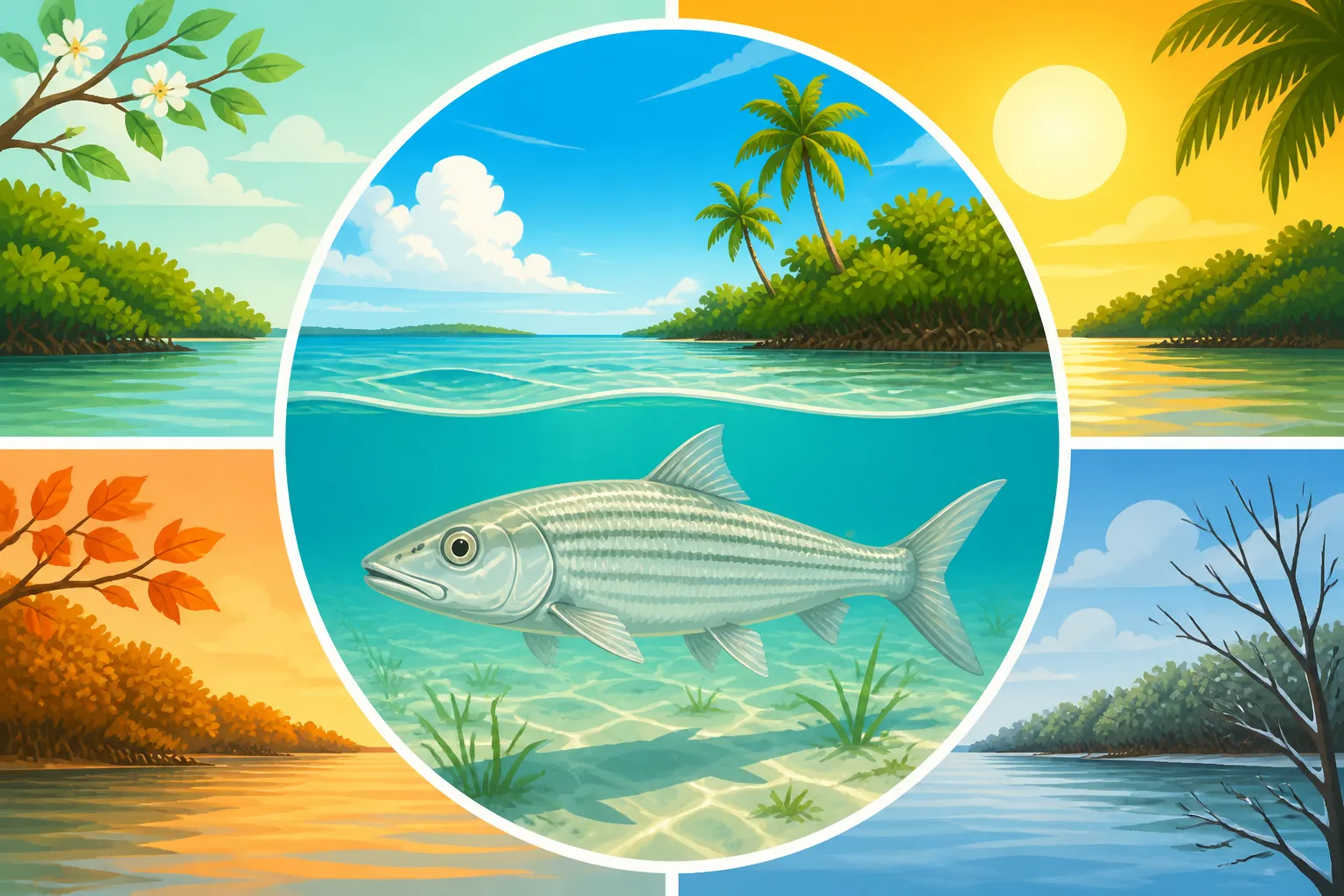
Bonefish, Albula vulpes, are revered by shallow-water anglers worldwide for their incredible speed and fighting spirit. Often called the "grey ghost of the flats," their silvery bodies blend seamlessly with the sandy bottoms and seagrass beds, making them incredibly difficult to spot until they're often right on top of you. They primarily feed on crustaceans, worms, and small baitfish, using their cone-shaped snout to root around in the substrate. This feeding behavior is why you'll often see their tails breaking the water's surface, a tell-tale sign that a bonefish is busy foraging. Their keen eyesight and sensitivity to vibrations mean they are easily spooked, demanding a stealthy approach from any angler hoping to fool them. It's this combination of wariness and blistering speed that makes catching a bonefish one of the most rewarding experiences in Florida's inshore fishing.
Key Environmental Factors for Bonefish
The Florida Keys offer a perfect storm of environmental factors that draw bonefish in and keep them around. Primarily, these fish thrive in warm, shallow, clear waters over sandy or grassy flats, which the Keys have in abundance. Water temperature is perhaps the most critical factor influencing their activity. Bonefish are a tropical species, preferring water temperatures generally above 70°F (21°C). When temperatures drop significantly, they tend to move to deeper, more consistent water, or become less active, making them harder to locate and entice. The extensive network of shallow flats, channels, and mangrove shorelines throughout the Keys provides ample foraging grounds and crucial refuge from predators. The clarity of the water is also paramount, not just for the angler to spot them, but also because bonefish rely heavily on their vision for feeding and detecting danger. This unique blend of warm, clear, productive shallow-water habitats is precisely why the Florida Keys remain a top destination for bonefish, even if their accessibility shifts with the mercury.
Bonefish Seasons and Peak Times in the Florida Keys
While you can technically find bonefish any time of year, certain seasons and weather patterns significantly influence their presence and behavior on the flats. Understanding these cycles is key to planning a successful trip.
Breaking Down the Seasonal Activity
Fishing for bonefish in the Florida Keys isn't a one-size-fits-all affair throughout the year. The spring (March-May) and fall (September-November) are generally considered the prime seasons. During these transitional periods, the water temperatures are ideal—warm enough to keep bonefish active on the flats but not so scorching that they become lethargic or move to deeper, cooler water during the hottest parts of the day. You'll find larger schools actively tailing and cruising, making them more visible and eager to feed. The weather during these months is also typically more stable, with fewer strong cold fronts than winter and less chance of intense summer thunderstorms.
The summer months (June-August) can still be excellent for bonefish, especially early mornings or late evenings when the sun isn't as high and the water isn't at its peak temperature. During midday, bonefish might seek deeper channels or slightly cooler water, making them harder to find on the very shallow flats. However, the warmer water means higher metabolism, and if you find them, they're often very aggressive. Summer also brings the potential for afternoon thunderstorms, which can affect visibility and fishing plans.
Winter (December-February) is when bonefishing can be the most challenging, particularly after strong cold fronts. When air and water temperatures plummet, bonefish often retreat to deeper, warmer pockets of water, such as channels or protected basins, and become far less active. They might still come onto the flats on warm, sunny days, especially during periods of prolonged mild weather, but they will be much more sensitive to cooler temperatures and shy. Conversely, if you hit a warm spell in winter, it can be fantastic, as the fish often emerge hungry. To really dial into the bite during these periods, checking the localized Best Time of Year to Fish in Florida data for specific areas of the Keys can be invaluable, as conditions can vary even within a few miles.
Weather's Impact on Bonefish Behavior
Beyond just the season, daily weather patterns play a monumental role in bonefish behavior. As mentioned, water temperature is king. A sudden cold snap, even in spring or fall, can send bonefish scurrying for deeper water. Conversely, a few consecutive warm, sunny days in winter can bring them back onto the flats, tailing eagerly.
Wind is another significant factor. Light, consistent winds are often preferred, as they ripple the surface, breaking up the sun's glare and making it harder for wary bonefish to spot predators (or anglers!). This can make them feel more secure and less spooky. However, strong, persistent winds can make sight fishing nearly impossible, churning up the water and hindering casting accuracy. High winds can also make poling a flats boat or even wading extremely difficult.
Cloud cover can be a double-edged sword. On one hand, a totally overcast day can make spotting bonefish much harder, as you lose the contrasting shadows that help them stand out against the bottom. On the other hand, intense, bright sun on a flat can sometimes make bonefish incredibly wary, causing them to hug the bottom and refuse to feed actively. The "perfect" condition often involves bright sun for visibility, combined with a light, consistent breeze to break up the surface glare and make the fish feel more secure. Knowing how to read the Best Tides for Inshore Fishing in Florida along with weather patterns will greatly improve your success.
Gear, Techniques, and Finding Your Bonefish
Chasing bonefish in the Florida Keys requires more than just knowing when they might be around; it demands the right tools and a refined approach. These fish are challenging, but with the proper preparation, they are within reach.
Essential Gear for Florida Keys Bonefishing
When it comes to bonefishing, precision and stealth are paramount, which means your gear needs to be up to the task. Whether you're a fly angler or prefer spin fishing, having the right setup is crucial for success on the skinny water of the flats.
For fly fishing, which is arguably the most popular and traditional method for bonefish, a 7- to 9-weight fly rod is standard. An 8-weight is often considered the sweet spot, offering enough backbone to cast in windy conditions and handle larger bonefish, while still being light enough for delicate presentations. Pair this with a high-quality saltwater reel that has a smooth, reliable drag system and ample backing – these fish are famous for their scorching runs! Your fly line should be a weight-forward floating line, specifically designed for saltwater and tropical temperatures, allowing for quick, accurate casts. Leaders are typically 9-12 feet long, tapering down to a 10-12 pound fluorocarbon tippet. As for flies, presentation is more critical than the exact pattern, but reliable choices include various Gotchas, Bonefish Bitters, Crazy Charlies, and Squimp patterns, usually in tan, pink, or white, and in sizes #2 to #8.
If spin fishing is your preferred method, a 7-foot medium-light to medium action rod is ideal, paired with a 2500-3000 series spinning reel. Spool your reel with 10-15 pound braided line, which offers excellent casting distance and sensitivity. A 2-3 foot section of 15-20 pound fluorocarbon leader is tied to the braid. Lures like small jigs (1/8 to 1/4 ounce) tipped with a small piece of shrimp or a soft plastic shrimp imitation are incredibly effective. The key is to use lures that mimic the bonefish's natural prey and can be presented subtly without spooking the fish. Brands like DOA Shrimp or Berkley Gulp! Shrimp are popular choices for their realistic action and scent. Remember, the goal is often to "match the hatch" of what bonefish are naturally rooting for on the bottom.
Effective Techniques for the Flats
Success in bonefishing comes down to a few core principles: spotting the fish, making a delicate presentation, and having patience.
Sight fishing is the primary method. This means actively scanning the water for signs of bonefish. Look for "tails"—the waving of a bonefish's tail out of the water as it feeds head-down on the bottom. Also, watch for "pushes" or "wakes" as a fish cruises quickly, pushing a bulge of water ahead of it. Finally, look for shadows, subtle color changes, or flashes of silver, especially when the light is right. Polarized sunglasses are absolutely non-negotiable for spotting these camouflaged fish.
Once you spot a bonefish (or a school), the presentation must be precise and quiet. For fly anglers, the cast should land softly, a few feet in front of and beyond the fish, allowing the fly to sink naturally. The retrieve should be slow and subtle, mimicking a crawling crab or shrimp. Avoid casting directly on top of the fish, as this will almost certainly spook them. For spin anglers, cast your jig or bait far enough ahead of the fish to avoid splashing, letting it sink to the bottom. A slow, subtle drag-and-pause retrieve, just enough to kick up a puff of sand, is often irresistible. The art lies in leading the fish just right, anticipating its path, and presenting the bait as naturally as possible. This is where mastering the Florida Inshore Fishing Techniques truly pays off.
Leveraging Guides and Resources
While DIY bonefishing is possible, especially for experienced flats anglers, hiring a local guide, particularly for your first few trips, dramatically increases your chances of success and shortens the learning curve. Guides possess invaluable local knowledge: they know the tides, the currents, the specific flats where bonefish are likely to be, and how the fish react to different conditions. They also have specialized boats (flats boats) designed for silently navigating extremely shallow water and platforms (poling towers) that give them an elevated vantage point to spot fish from afar.
Booking a guide through platforms like FishingBooker can connect you with experienced captains who specialize in bonefish. You can search for guides in key bonefish areas like Islamorada, Marathon, or Key West. For instance, if you're specifically looking for a fly fishing experience, you might search for a Best Fishing Charters for Catching Bonefish on Fly. These experts can also provide all the necessary gear, eliminating the need for you to invest in specialized equipment right away. They'll also handle the often-complex navigation of the flats and ensure you're fishing legally. Knowing which Florida Fishing Charter Guide is right for you can make all the difference, especially when you're targeting a tricky species like bonefish. Moreover, guides can teach you the nuances of casting and retrieving that are specific to bonefishing in the Keys, accelerating your learning process for future independent trips.
Consider these options when looking for a guide:
| Guide Type | Description | Best For | Average Cost (Half-Day) |
|---|---|---|---|
| Flats Guide | Specializes in shallow water fishing on skiffs, focusing on sight fishing for bonefish, permit, and tarpon. These guides are masters of stealth and spotting fish. They often use push poles to move silently. Many are dedicated to specific techniques like Fly Fishing for Florida Bonefish. | Anglers seeking the quintessential bonefish experience, fly fishermen, those who value stealth and expert fish-spotting. | $500 – $750 |
| Backcountry Guide | While also fishing the flats, backcountry guides might venture further into mangrove labyrinth and protected waters, targeting a wider variety of species in addition to bonefish, such as snook and redfish. They often operate slightly larger bay boats that can handle more open water as well as shallow areas. | Anglers looking for diverse inshore fishing, those who prefer spin fishing, or if bonefish are not the sole target. | $450 – $700 |
| DIY Angler | Renting a small boat (skiff or bay boat) and exploring on your own. Requires extensive knowledge of the area, tides, navigation, and bonefish behavior. You'll need your own gear and confidence in navigating very shallow, complex waters. You’ll need to study resources like Best Flats Around Islamorada for Sight Fishing beforehand. | Highly experienced shallow-water anglers with local knowledge or those seeking an adventurous challenge and willing to put in the significant research and effort required. | Boat Rental + Bait + Gas |
It's also a good idea to research specific spots like the Key West Fishing Spots or areas known for good access. While a guide will put you on the fish, understanding the general layout and types of habitats can enhance your appreciation for the fishery. When booking, make sure to communicate your target species (bonefish!) and preferred method (fly or spin) to ensure you're matched with the right captain. A reputable guide service found on platforms like FishingBooker will have detailed profiles of their captains, boats, and specialties, making the selection process much easier.
Ultimately, while the Florida Keys are indeed good for bonefish year-round, your best chances for encountering active, catchable fish will come with careful planning. Pay attention to the seasons, keep a close eye on the weather, and consider leveraging the expertise of a local guide. Their knowledge, combined with your preparation, will transform a good fishing trip into an unforgettable bonefishing adventure.
Disclaimer
Please note that fishing regulations, seasons, and bag limits are subject to change by the Florida Fish and Wildlife Conservation Commission (FWC). Always check the latest FWC regulations before heading out on the water. This guide provides general information and should not be considered legal advice.