Fly Fishing for Florida Bonefish
There’s a unique thrill, and let’s be honest, a fair bit of frustration, that comes with pursuing bonefish on the fly in Florida. Many anglers dream of sight fishing for these wary "gray ghosts" on the pristine flats, only to find themselves battling finicky fish, challenging casts, and the relentless Florida sun. This guide is here to demystify the process, offering practical advice and deep insights to transform your bonefishing aspirations into rewarding realities on the sun-drenched saltwater flats.
The Elusive "Gray Ghost": Understanding Florida Bonefish
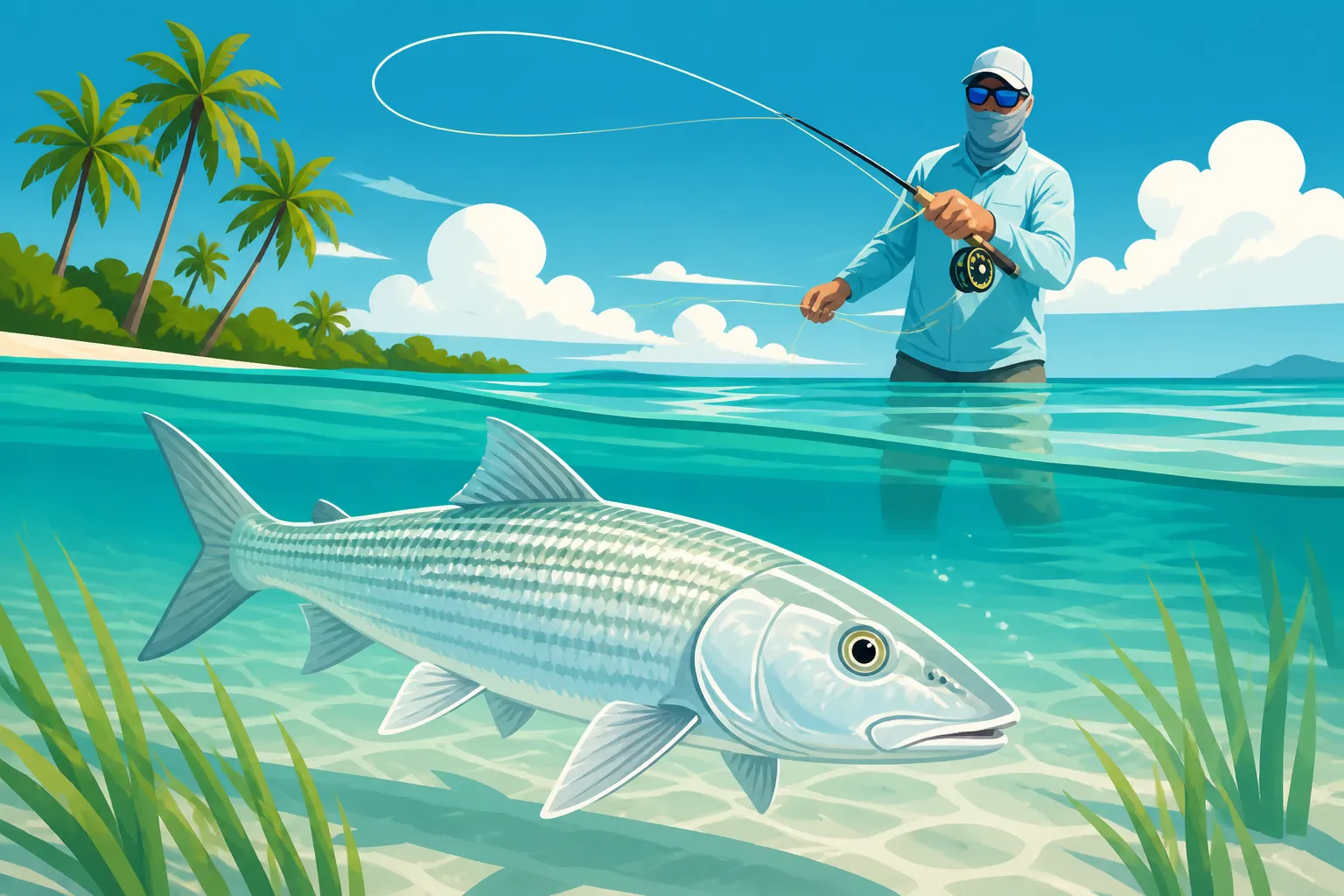
Fly fishing for bonefish in Florida isn't just a pursuit; it's an education in patience, precision, and understanding one of the most intelligent and skittish fish in the shallow saltwater ecosystem. These fish, Albula vulpes, are perfectly camouflaged masters of their environment, often blending seamlessly with the sandy or grassy bottoms, earning them their famous nickname. They're not just a fish; they're an experience that pushes your angling skills to their limits.
What Makes Bonefish So Challenging?
The primary challenge with bonefish lies in their incredible sensory perception and their skittish nature. Unlike many other species that might tolerate a clumsy cast or a heavy footfall, bonefish will vanish at the slightest disturbance. Their keen eyesight allows them to spot movement from afar, and their lateral line is highly sensitive to vibrations. This means every step in the boat, every missed cast, every shadow, can send them bolting across the flat, leaving nothing but a puff of mud in their wake. It’s a constant dance between stealth and aggression, requiring anglers to be acutely aware of their surroundings and their own actions. The shallow water they inhabit offers little cover for error, making the challenge all the more intense. You truly feel like you're hunting, not just fishing, and that's part of the immense satisfaction when you finally hook one.
Ideal Habitats and Behaviors
Florida's bonefish primarily inhabit the shallow, clear water flats, mangroves, and seagrass beds of South Florida, with the Florida Keys being their undisputed stronghold. You'll find them tailing with their fins out of the water as they root through the bottom for crabs, shrimp, and small baitfish, or cruising stealthily in schools across expansive white sand flats. Their behavior is largely dictated by the tides, which bring in fresh food and provide deeper water for safe passage. During an incoming tide, they'll push onto the shallowest parts of the flats to feed, making them more visible. As the tide recedes, they'll often move to deeper channels or basins for safety. Understanding these patterns is crucial for knowing when and where to look. They are ambush predators and opportunistic feeders, always on the hunt, but always with an escape plan in mind. Observing their feeding patterns, how they react to current, and their preferred depth can give you a significant advantage, tuning you into their rhythm.
Essential Gear for Florida Bonefish Fly Fishing
Having the right equipment is paramount when pursuing Florida bonefish with a fly rod. This isn't a situation where you can just grab any old setup and expect success. Bonefishing demands specialized gear designed for precise casting, fighting powerful, fast-running fish, and enduring the harsh saltwater environment. Investing in quality equipment truly pays dividends in performance and durability.
Rods, Reels, and Lines: The Right Setup
For bonefish, a fast-action, 8-weight fly rod is generally considered the workhorse. It offers the power to cast accurately in the often-windy conditions of the flats, yet retains enough sensitivity to present delicate flies. Some anglers might opt for a 7-weight for very calm days and smaller fish, or a 9-weight when targeting larger bonefish or in particularly breezy conditions. Paired with this, you'll need a reliable saltwater fly reel with a smooth, powerful drag system and ample backing capacity (at least 200 yards of 20-pound dacron or gel-spun). Bonefish are renowned for their blistering first runs, and a subpar drag will lead to snapped leaders and lost fish.
The fly line itself is equally critical. A weight-forward (WF) floating line specifically designed for saltwater use is essential. These lines have a shorter, heavier head to help load the rod quickly and punch through the wind. Look for lines with a tropical coating that resists wilting in the heat, ensuring smooth casting throughout the day. Brands like Rio, Scientific Anglers, and Orvis offer excellent lines tailored for bonefish, and you can find a wide selection of these options available on Amazon. For more on optimizing your gear, check out our guide on Best Rod and Reel Setup for Florida Inshore Fishing.
Fly Selection for Different Scenarios
Choosing the right fly is often half the battle. Bonefish flies are designed to imitate their natural forage: small crabs, shrimp, and baitfish. The key is to match the hatch, but also to consider the bottom composition and water depth.
- Crab Patterns: Flies like the "Squimp," "Crabslider," and various "Merkin" patterns are highly effective. They typically have weighted eyes to sink quickly and land gently. Colors often range from tan, olive, and natural crab hues.
- Shrimp Patterns: The "Gotcha" fly is legendary for bonefish, along with patterns like "Crazy Charlie" and "Bonefish Bitters." These are often tied with subtle flash and rubber legs to mimic swimming shrimp. Pink, tan, and natural shrimp colors are popular.
- Weighted vs. Unweighted: For deeper water or faster currents, you'll want flies with heavier lead or tungsten eyes to get down quickly. For very shallow water, unweighted or lightly weighted flies are crucial to avoid spooking fish with a heavy splashdown. The idea is for the fly to land softly, almost imperceptibly, near the fish. Having a diverse fly box with various sizes, weights, and colors is vital for adapting to changing conditions and the discerning tastes of the bonefish on any given day.
Leader and Tippet Considerations
The leader system for bonefish needs to be strong enough to withstand their powerful runs, yet subtle enough to fool these incredibly wary fish. A typical bonefish leader will be 9 to 12 feet long, often tapered, with a butt section of 20-25 lb monofilament, a mid-section, and a fluorocarbon tippet. Fluorocarbon is preferred for the tippet material due to its nearly invisible properties underwater and its abrasion resistance.
For the tippet, 10-12 lb test is standard. If you’re fishing incredibly clear water with extremely spooky fish, you might drop down to 8 lb, but be prepared for a longer fight. On the other hand, if you're dealing with larger fish or fishing around abrasive coral, 15 lb might be prudent, though it will definitely reduce your bite ratio. The knot connecting your fly to the tippet needs to be strong and reliable—a Non-Slip Mono Loop or an improved clinch knot are popular choices. Remember, the leader's length also plays a role in presentation; a longer leader can help keep the fly line further from the fish, aiding in stealthy presentations.
Mastering the Art of Presentation: Techniques and Strategies
Fly fishing for bonefish is less about brute force and more about finesse, stealth, and precise execution. It's a game of inches, where every movement, every cast, and every retrieve matters. This is where your understanding of the fish and your command of the rod truly shine.
Spotting and Approaching Bonefish
This is arguably the most crucial skill. You can have the best gear and the perfect fly, but if you can't see the fish, you can't catch them. Bonefish spotting requires keen eyesight, polarized sunglasses, and often, the elevated vantage point of a poling skiff. Look for "tails" breaking the surface, "nervous water" (subtle disturbances indicating a school), or the subtle darker shapes moving across the lighter bottom. The sun at your back is always ideal for spotting.
Once spotted, the approach is key. A good guide will slowly pole the boat, positioning you for a shot. Anglers on foot need to move deliberately and quietly, avoiding any sudden movements or splashes that could send vibrations through the water. Remember, bonefish are extremely sensitive. As discussed in our How to Approach Fish Without Spooking Them article, stealth is paramount. The goal is to get within casting range without the fish ever knowing you're there. This often means long walks, careful wading, and sometimes, heartbreakingly, watching a school vanish before you even get a chance.
The Critical Cast: Accuracy and Delicacy
The bonefish cast is a combination of accuracy, speed, and delicacy. You often have a very narrow window to present the fly, and it needs to land in just the right spot. The "right spot" is typically 3-5 feet in front of a cruising fish, or slightly beyond a tailing fish so you can strip the fly into its feeding zone. The fly must land softly, without a splash that would spook the fish. This requires a smooth, controlled loop and an unhurried, yet quick, presentation.
Wind is almost always a factor on the flats, making accurate casting even more challenging. Practicing your double haul will be invaluable for generating the line speed needed to punch through the wind. You'll also need to be proficient at casting into different wind directions – with the wind, against it, and crosswind. The ability to make quick, accurate casts from various angles, even with limited backcasting room, will significantly increase your success rate. A successful cast isn't just about distance; it's about putting the fly exactly where it needs to be, with minimal disturbance.
Stripping Techniques to Entice a Bite
Once your fly is in the water, the retrieve, or "strip," is what breathes life into it and convinces the bonefish it's a natural meal. The general rule is to start with slow, short strips, mimicking a foraging crab or shrimp. A 6-12 inch strip, followed by a pause, is a common starting point. However, bonefish can be incredibly picky, and you’ll need to experiment.
- Varying Speed: Sometimes a steady, slow retrieve works best. Other times, a quicker, more erratic strip, followed by a longer pause, can trigger a chase.
- Bottom Contact: Often, letting the fly settle to the bottom for a moment, then giving it a strip that kicks up a puff of sand, can imitate a fleeing shrimp or crab and trigger a strike.
- The "Eat": When a bonefish takes the fly, it's often a subtle "tick" or a sudden tightening of the line. Do not lift the rod to set the hook like you would with a bass. Instead, keep stripping firmly until you feel the weight of the fish, then make a strong, downward strip-strike while keeping the rod tip pointed at the fish. Once the line is tight and the fish is on, then you can raise the rod and fight it off the reel. Missing the strip-strike is one of the most common mistakes beginners make, leading to frustrating refusals.
Optimal Conditions and Seasons for Bonefish
Understanding when and where bonefish are most active can drastically improve your chances. It's not just about showing up; it's about showing up at the right time. Florida's weather patterns and tidal charts are your best friends in this regard.
Best Tides and Weather Patterns
Bonefish are highly tidal-dependent feeders. Generally, the last half of an incoming tide and the first half of an outgoing tide are considered prime times. As the tide pushes in, it brings fresh water and food onto the flats, encouraging bonefish to move into shallower areas where they are more accessible to fly anglers. The higher water can also make them feel safer. During an outgoing tide, bonefish will often position themselves in channels and cuts, waiting for food to be flushed off the flats. A gently moving tide is often better than a slack tide, where fish tend to be less active.
Weather also plays a critical role. Clear, sunny days with light winds are ideal. The sunlight penetrates the water, making it easier to spot fish, and light winds make for easier casting and poling. Overcast skies can make spotting almost impossible, while strong winds create chop that obscures visibility and makes delicate presentations a nightmare. Cold fronts, especially in winter, can push bonefish off the flats into deeper, warmer water, shutting down the bite. Conversely, a stable weather pattern over several days often leads to consistent fishing. For a deeper dive into how to time your trip, our article on Best Tides for Inshore Fishing in Florida offers comprehensive advice.
Seasonal Considerations and Migrations
While bonefish are present in the Florida Keys year-round, certain seasons offer better opportunities.
- Spring (March-May): This is often considered peak season. The weather is generally stable, the water temperatures are rising, and bonefish are very active. This is when some of the biggest bonefish are often encountered.
- Summer (June-August): Fishing can still be excellent, but you need to contend with higher temperatures, humidity, and the possibility of afternoon thunderstorms. Early mornings are crucial during these months before the heat becomes oppressive. Also, tropical storms can disrupt fishing for extended periods.
- Fall (September-November): Another fantastic season, similar to spring. The summer heat begins to subside, and bonefish are actively feeding. The fish are often fat and feisty, preparing for cooler weather.
- Winter (December-February): This can be hit or miss. Cold fronts can make bonefishing very challenging as fish move to deeper water. However, prolonged periods of warm, stable weather can produce some incredible days, especially for larger fish. Anglers need to be flexible and watch the weather closely. It's not uncommon to experience a range of conditions, so understanding Best Time of Year to Fish in Florida is key to planning your trip.
Common Mistakes and How to Avoid Them
Even experienced fly anglers can make mistakes when targeting bonefish. These fish have an uncanny ability to exploit any weakness in your technique or approach. Being aware of these common pitfalls is the first step toward correcting them and improving your success rate.
Spooking Fish: Stealth is Key
The number one mistake made by bonefish anglers, especially those new to the flats, is spooking the fish. This can happen in countless ways:
- Heavy Footfalls: Whether you're wading or moving around in a skiff, heavy steps transmit vibrations through the water that bonefish detect instantly. Always move slowly and deliberately. If wading, shuffle your feet rather than lifting them high.
- Casting Shadows: A shadow cast over a fish, whether from your body, rod, or boat, is an immediate alarm bell. Always be aware of the sun's position and try to stay low.
- Line Slap: A poorly executed cast that causes the fly line to "slap" loudly on the water's surface will send bonefish scattering faster than you can blink. Focus on smooth, unrolling loops and gentle presentations.
- False Casting Too Much: Excessive false casting over the fish can spook them before your fly even lands. Get the line out quickly and efficiently with minimal false casts once you've spotted your target.
- Wearing Bright Clothing: While not as critical as other factors, bright or contrasting clothing can make you more visible from above, especially if fish are at very close range. Earth tones or light blues and grays are generally preferred.
The solution to all these is practice, patience, and a heightened sense of awareness. Treat every fish as if it's the most sensitive creature you've ever encountered.
Poor Presentation and Fly Selection
Even if you manage not to spook the fish, a poor presentation or an ill-chosen fly can still lead to frustration.
- Landing Too Close or Too Far: Landing a fly directly on a bonefish's head will almost certainly spook it. Landing too far away means the fish might not see it, or another angler (or the current) might move it out of the feeding zone. The sweet spot is typically 3-5 feet in front of a cruising fish, allowing it to "discover" the fly naturally.
- Incorrect Retrieve: As mentioned earlier, the retrieve is critical. A fly that sits lifeless or moves unnaturally will be ignored. Experiment with strip speeds and pauses. If the fish follows but doesn't eat, try changing the retrieve, or even the fly pattern.
- Wrong Fly for Conditions: Using a heavily weighted fly in shallow, soft-bottomed water will create too much disturbance and might even bury in the mud. Conversely, an unweighted fly in deep or swift current won't get to the fish fast enough. Match your fly's weight, size, and color to the specific conditions of the flat and the apparent feeding preference of the fish. For instance, if bonefish are tailing in light green grass, a small, olive-colored shrimp pattern that lands softly might be perfect.
Learning the nuances of Florida Bonefish Fishing Guide and specifically, Fly Fishing for Florida Tarpon can provide additional insights into precision casting and presentation strategies that are transferable to bonefish.
Preserving the Future of Florida's Bonefish
As anglers who cherish the unique challenge and beauty of Florida's bonefish, it's our shared responsibility to ensure these incredible fish thrive for generations to come. Conservation isn't just a recommendation; it's an imperative.
Catch and Release Best Practices
Bonefish are a strictly catch-and-release species in Florida, meaning it is illegal to harvest them. This conservation measure is crucial given their vulnerability and importance to the ecosystem. Therefore, mastering proper catch and release techniques is non-negotiable.
- Minimize Fight Time: While exhilarating, long fights exhaust the fish, making them more susceptible to predators and less likely to recover. Use appropriate tackle to land them efficiently.
- Wet Hands Only: Always handle bonefish with wet hands to protect their delicate slime coat, which acts as a barrier against disease.
- Quick Release: Avoid keeping the fish out of the water for extended periods for photos. A quick, respectful photo is fine, but prioritize getting the fish back into its element swiftly.
- Support the Fish: When handling, support the fish horizontally with both hands. Avoid holding them vertically by the jaw or tail, which can cause internal damage.
- Revive Properly: If a fish seems sluggish, hold it gently by the tail in the water, facing into a gentle current, and move it back and forth to push oxygen through its gills. Release only when it swims away under its own power.
These practices, common across many species as detailed in Catch and Release Best Practices for Snook, are vital for bonefish survival.
Understanding Regulations and Limits
While bonefish are catch-and-release only, there are still important regulations to be aware of. Florida Fish and Wildlife Conservation Commission (FWC) sets these rules to protect the species and its habitat.
- No Harvest: As stated, keeping bonefish is prohibited.
- Gear Restrictions: While fly fishing is inherently selective, ensure you understand any general gear restrictions that might apply to the areas you're fishing.
- Protected Areas: Be aware of any specific protected zones, such as national parks or wildlife refuges, that may have additional rules regarding access or fishing methods. Always check the latest FWC regulations before heading out, as rules can change. This includes knowing who needs a Florida Fishing License Guide and any specific permits you might need, even for catch and release fishing. Supporting conservation efforts, whether through purchasing fishing licenses or donating to organizations like the Bonefish & Tarpon Trust, contributes directly to the research and habitat protection that ensures healthy bonefish populations.
Fly Fishing for Bonefish: At a Glance
| Factor | Description |
|---|---|
| Target Species | Bonefish (Albula vulpes) – known as the "gray ghost" for their camouflage and elusive nature. |
| Primary Habitat | Shallow, clear saltwater flats, seagrass beds, and mangrove fringes in South Florida, especially the Florida Keys. |
| Recommended Rod | 8-weight, fast-action fly rod (7-weight for calm, 9-weight for wind/larger fish). |
| Recommended Reel | Saltwater fly reel with smooth, powerful drag and 200+ yards of 20 lb backing. |
| Fly Line | Weight-forward (WF) floating tropical saltwater fly line. |
| Leader/Tippet | 9-12 foot tapered leader, 10-12 lb fluorocarbon tippet. |
| Key Flies | Crab patterns (Squimp, Merkin, Crabslider), Shrimp patterns (Gotcha, Crazy Charlie, Bonefish Bitters). Variety of weights (weighted/unweighted) and colors (tan, olive, pink). |
| Optimal Conditions | Sunny, clear days with light winds. Last half of incoming tide, first half of outgoing tide. Stable weather patterns. |
| Best Seasons | Spring (March-May) and Fall (September-November) are prime. Summer can be good (early mornings), Winter is hit-or-miss with cold fronts. |
| Critical Skills | Spotting fish, stealthy approach, accurate & delicate casting (3-5 ft ahead of fish), proper strip-strike, patience, understanding tides. |
| Regulations | Strictly catch and release in Florida. No harvest allowed. |
Disclaimer
The information provided in this guide is for general informational purposes only and is not intended as legal advice regarding fishing regulations. Fishing rules and regulations, including license requirements, seasons, and bag limits, are subject to change by the Florida Fish and Wildlife Conservation Commission (FWC). Always consult the latest official FWC regulations before engaging in any fishing activities. Adherence to all local, state, and federal laws is the responsibility of the angler.