Best Reef Spots Off Key West for Snapper
There’s nothing quite like the excitement of a Key West fishing trip, but it can be genuinely deflating to spend hours out on the water, burning fuel, only to come back without a single keeper. The frustration of knowing there are amazing snapper lurking in those vibrant reefs but not being able to pinpoint them is a common one. This comprehensive guide is here to unravel that mystery, directing you to the best reef spots off Key West where snapper thrive and arming you with the know-how to fill your cooler.
Why Key West's Reefs Are a Snapper Goldmine
Key West isn't just famous for its stunning sunsets and vibrant culture; it's a true angler's paradise, especially when it comes to reef fishing for snapper. The intricate network of coral reefs, rocky outcrops, and artificial structures creates an ideal habitat for a variety of snapper species, offering both resident and migratory populations ample food, shelter, and breeding grounds. It's this biodiversity and abundance that makes the area so special, but also a bit overwhelming if you don't know where to start looking.
The Dynamic Ecosystem of Key West Reefs
The waters surrounding Key West are part of the Florida Keys National Marine Sanctuary, a protected area that boasts one of the world's most extensive barrier reef systems. This healthy ecosystem is a bustling metropolis for marine life, providing the perfect conditions for snapper to flourish. Picture submerged mountains and valleys, covered in living coral, sponges, and anemones, teeming with baitfish, crustaceans, and other small organisms that make up a snapper's diet. These complex structures aren't just beautiful; they're essential hunting grounds and nurseries for countless species, including the snapper we love to target.
The constant flow of the Gulf Stream also plays a critical role, bringing nutrient-rich waters and a steady supply of pelagic baitfish closer to the reefs. This influx of food means snapper here are often healthy, plentiful, and eager to bite. Understanding this dynamic environment is the first step to truly appreciating why Key West offers such phenomenal snapper fishing opportunities. It's not just random luck; it's a finely tuned natural system that supports a robust fishery.
Common Snapper Species Around Key West
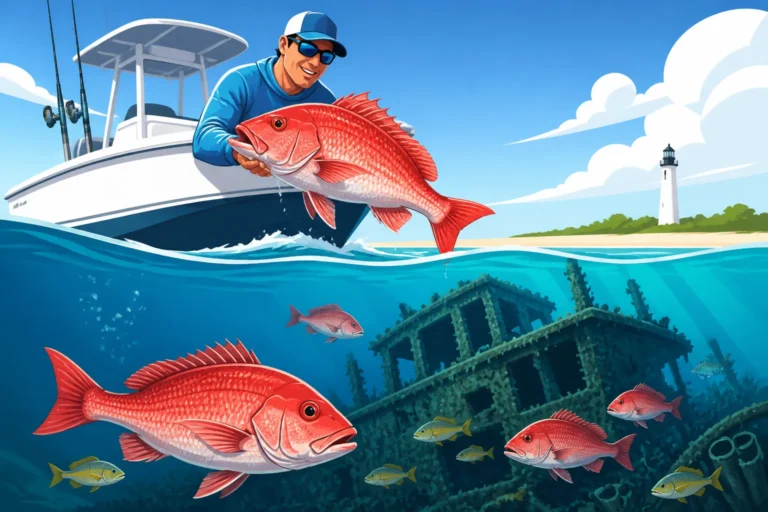
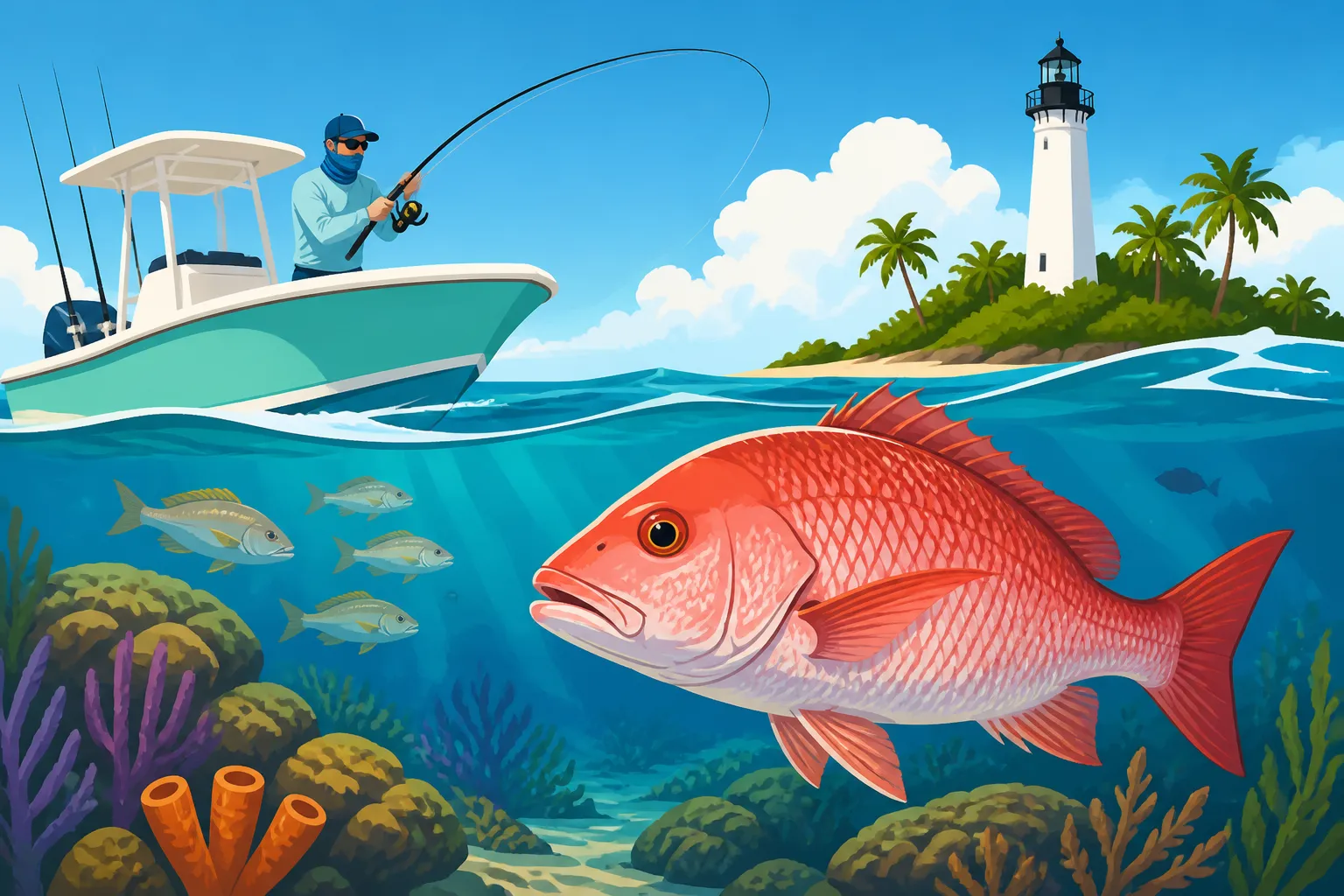
When you’re dropping a line into the turquoise waters off Key West, you're not just targeting "snapper" – you're aiming for a specific variety, each with its own characteristics, preferred habitats, and fight. Knowing which species you're likely to encounter can help you tailor your tactics for maximum success. The most common snapper species found on the reefs here include mangrove snapper (also known as grey snapper), yellowtail snapper, mutton snapper, and lane snapper. While red snapper are present in Florida, their season is primarily in the Gulf of Mexico, and they are less commonly targeted on the Atlantic side reefs directly off Key West within state waters.
- Mangrove Snapper: These are ubiquitous, often found closer to shore, around structure, and even in shallow patches. They’re feisty fighters for their size and excellent table fare. You’ll find them tucked into crevices, under ledges, and around virtually any form of cover. If you’re fishing anywhere near structure, chances are you'll encounter them. For more details on targeting this popular species, check out our Florida Mangrove Snapper Fishing Guide.
- Yellowtail Snapper: Instantly recognizable by their prominent yellow caudal fin, yellowtails are often found schooling higher in the water column over reefs. They're typically targeted with chumming tactics and light tackle, offering a fast-paced, action-packed fishing experience. Their delicate white meat makes them a prized catch for dinner.
- Mutton Snapper: These larger, more elusive snapper are highly sought after by anglers. They prefer deeper reefs and wrecks, often solitary or in small groups. Muttons are powerful fighters, making them a thrilling catch. They require a bit more finesse and heavier tackle but are incredibly rewarding.
- Lane Snapper: Smaller than their cousins, lane snapper are still abundant and delicious. They often inhabit shallower reefs and grass flats, making them a fun target for anglers of all skill levels. They respond well to a variety of baits and presentations.
Here's a quick look at some of the snapper species you might encounter around Key West:
| Snapper Species | Typical Habitat | Preferred Depth | Common Bait | Average Size | Distinguishing Feature |
|---|---|---|---|---|---|
| Mangrove Snapper | Shallow reefs, wrecks, mangroves | 5-80 feet | Live shrimp, cut bait | 1-5 lbs | Dark stripe through eye, pointed anal fin |
| Yellowtail Snapper | Mid-water column over reefs | 30-150 feet | Chum, small cut bait | 1-3 lbs | Bright yellow tail and stripe |
| Mutton Snapper | Deeper reefs, wrecks, sandy patches | 60-250 feet | Live pilchards, pinfish | 5-20 lbs | Pinkish body, faint bars |
| Lane Snapper | Shallow reefs, grass flats | 10-100 feet | Shrimp, small cut bait | 0.5-2 lbs | Yellow lines on pinkish body |
Pinpointing Key West's Prime Snapper Reefs
Finding the best snapper spots off Key West isn't about aimlessly driving around. It's about understanding where these fish like to congregate and why. The key is structure – whether it's natural coral formations, artificial reefs, or shipwrecks, these underwater anomalies create the perfect ambush points and food sources for various snapper species. Targeting these locations will significantly increase your chances of a successful outing.
Natural Reef Systems: The Living Labyrinths
Key West is surrounded by a spectacular natural reef system, part of the third-largest barrier reef in the world. These vibrant, living structures are the heartbeat of the local fishery. They offer endless nooks and crannies where snapper can hide from predators, find food, and spawn. When targeting natural reefs, look for areas with significant depth changes, ledges, and coral heads. These features create eddies and current breaks where baitfish gather, and consequently, where snapper will be waiting.
One of the most productive areas is the Western Sambo Ecological Reserve and the surrounding patches of coral south of it. While the reserve itself is a no-take zone designed for protection, the areas immediately adjacent to it, particularly on its fringes, can be incredibly productive. The fish here benefit from the untouched sanctuary and often spill over into fishable waters. It's a complex underwater landscape that requires careful navigation but rewards persistent anglers. Another excellent area is the Sambos Reef system itself, which offers numerous ledges and coral formations where mangrove and mutton snapper thrive. The depths here can range from 20 to over 100 feet, providing opportunities for various species.
Always be mindful of marine sanctuary boundaries. You can find detailed charts and GPS coordinates online or through local bait shops. Remember, respecting these protected areas is crucial for sustaining the incredible fishing resources of the Florida Keys. For a broader look at the region's fishing potential, our Key West Fishing Spots article dives into more general areas worth exploring.
Artificial Reefs and Shipwrecks: Man-Made Havens
Beyond the natural coral formations, Key West also benefits from a number of deliberate and accidental man-made structures that have become thriving artificial reefs. These include sunken vessels, old bridge pilings, and various concrete or metal deployments specifically designed to attract marine life. These spots are essentially fish magnets, concentrating snapper and their prey in relatively easy-to-locate areas.
The USNS Gen. Hoyt S. Vandenberg is perhaps the most famous artificial reef in Key West, sunk specifically as a dive site. While its primary purpose is recreational diving, the sheer size and complexity of the wreck at depths between 40 and 140 feet attract an incredible array of fish, including large mutton snapper and gag grouper (when in season). Fishing directly on a wreck frequented by divers can be challenging due to snagging, but the surrounding areas, where pieces of the wreck have broken off or where debris has settled, can be incredibly productive for snapper without the direct diving pressure. You might need heavier tackle for these deeper spots to pull fish away from the structure.
Other notable artificial reefs include the Alexander's Wreck and various smaller, unnamed concrete piles scattered throughout the waters south of Key West. These locations often aren't as publicized, and finding them might involve consulting local fishing charts or, even better, engaging with a local charter captain. Many experienced captains use their extensive knowledge and private numbers (secret spots) to consistently put clients on fish. If you're looking to connect with a seasoned pro, platforms like FishingBooker are excellent resources for finding Key West-based captains who specialize in reef fishing.
Essential Techniques and Gear for Key West Snapper
Once you've identified your target reef, the next step is to ensure you have the right techniques and gear to successfully catch snapper. It's not just about dropping a line in the water; it's about understanding fish behavior, mastering your presentation, and having tackle that can handle the fight in and around abrasive structures.
Rigging for Success: The Bottom Fishing Blueprint
Most snapper species are bottom dwellers, so a solid bottom fishing rig is your go-to setup. The most common and effective rig for snapper off Key West is a simple "knocker rig" or a "fish-finder rig."
- Knocker Rig: This involves threading an egg sinker directly onto your main line, followed by a swivel, and then a fluorocarbon leader (typically 30-50 lb test, depending on the target species and structure). A sharp, strong hook (like a 3/0 to 6/0 circle hook) is tied to the end of the leader. The beauty of the knocker rig is that the sinker rests directly on the hook, allowing the bait to sit naturally on the bottom while still giving the fish minimal resistance when it bites.
- Fish-Finder Rig: For slightly more sensitive bites or when fishing in areas with less current, a fish-finder rig can be effective. Here, the sinker (usually a pyramid or egg sinker) slides freely on the main line via a plastic sleeve or a fish-finder slide. A swivel is then tied, followed by a leader and hook. This setup allows fish to pick up the bait and move off without immediately feeling the weight of the sinker, giving you a better chance to set the hook.
Regardless of the rig, using fluorocarbon leader is highly recommended. Its low visibility in water can make a significant difference, especially with wary snapper. For an in-depth look at this approach, our article on Bottom Fishing Technique for Snapper provides fantastic insights.
Bait That Brings the Bite
Snapper are opportunistic feeders, but some baits are undeniably more effective than others. Fresh is always best, so if you can catch your own bait, you'll be ahead of the game.
- Live Bait: This is often the most productive option, especially for larger, pickier snapper like muttons. Live pilchards, pinfish, cigar minnows, or even small grunts are irresistible. Hook them through the nose or the back for a lively presentation. You can often net pilchards over shallow grass flats in the morning.
- Cut Bait: Fresh chunks of squid, ballyhoo, threadfin herring, or even a piece of a larger fish like bonita, can be incredibly effective, particularly for mangrove and lane snapper. Cut the bait into manageable, bite-sized pieces that fit your hook well.
- Shrimp: Live shrimp are a universal snapper bait, attractive to almost every species. They're particularly effective for mangrove and lane snapper, especially in shallower waters. They can be purchased at most local bait and tackle shops like those found in the Key West Bight Historic Seaport.
Chumming can also be a game-changer, especially for yellowtail snapper. Dropping a steady stream of finely ground bait (chum) into the water creates a feeding frenzy, drawing fish up from the reef and keeping them interested. Then, present a small piece of bait on a light leader within the chum slick, often without a sinker, to mimic the chum.
Rods, Reels, and Lines
For reef fishing off Key West, you'll want a medium-heavy spinning or conventional rod, typically 6 to 7 feet long, with a fast action. This gives you the power to pull fish away from structure and the sensitivity to feel subtle bites. Pair this with a reliable reel spooled with 30-50 lb braided line. Braid offers superior sensitivity and strength for its diameter, which is crucial when fishing around sharp corals. Attach a 30-50 lb fluorocarbon leader, about 3-6 feet long, using an FG knot or a double uni knot for a strong, streamlined connection.
If you're heading out on a charter, they'll provide all the necessary gear. However, if you're bringing your own, ensure it's up to the task of battling strong fish in unforgiving environments. You'll also want to make sure you know What to Bring on a Florida Fishing Charter if you decide to go that route. Many anglers, especially those new to Key West, find that hiring a local guide is invaluable. Not only do they have the boats and gear, but their knowledge of current conditions and specific hot spots is unparalleled. You can easily find highly-rated charters specializing in snapper fishing through platforms like FishingBooker.
Navigating the Regulations and Conservation
Fishing in Florida, especially in an ecologically sensitive area like Key West, comes with a responsibility to understand and adhere to regulations. These rules are in place to ensure sustainable fish populations for future generations of anglers. Ignoring them can lead to hefty fines and penalties, so it's always best to be informed.
Understanding Size and Bag Limits
Each snapper species in Florida has specific size and bag limits, which can sometimes vary between the Atlantic and Gulf coasts, and even change throughout the year. For instance, mangrove snapper size and bag limits are typically quite consistent, but species like mutton snapper can have more nuanced rules. Before every trip, it's crucial to consult the most current regulations from the Florida Fish and Wildlife Conservation Commission (FWC). You can find this information on their website, through their "Fish Rules" app, or by picking up a printed regulations pamphlet at any bait and tackle shop.
Penalties for violating these regulations can be severe. This isn't just about avoiding a ticket; it's about doing your part to protect the fishery. If you're unsure about the size of a fish, err on the side of caution and release it. Carrying a measuring device and being familiar with how to properly measure fish (usually from the tip of the nose to the end of the tail with the tail pinched) are essential practices.
Responsible Angling and Release Practices
Catch and release is an integral part of conservation, especially when targeting fish that might be undersized or when you've already filled your bag limit. Knowing how to properly release a fish minimizes stress and increases its chances of survival.
- Minimize Fight Time: Get the fish in quickly to reduce exhaustion.
- Handle with Care: Use wet hands or gloves to avoid removing the fish's protective slime coat. Avoid squeezing fish, especially around the gills or belly.
- Remove Hook Quickly: Use de-hooking tools if possible. If the fish is deeply hooked, especially in the gullet, cut the line as close to the hook as possible rather than trying to rip it out. Circle hooks significantly reduce gut hooking.
- Revive Properly: If a fish is lethargic, hold it upright in the water, facing into a gentle current, until it can swim away under its own power. This is particularly important for fish caught in deeper water that might be suffering from barotrauma (swim bladder expansion).
- Venting or Descending Devices: For fish caught in deeper waters (typically 30 feet or more), barotrauma can be an issue. Venting tools (hypodermic needles to release gas from the swim bladder) or descending devices (tools that take the fish back to depth) are crucial for increasing survival rates. Familiarize yourself with these tools and their proper use, or fish shallower.
By practicing responsible angling, you contribute to the health and sustainability of Key West's incredible snapper populations, ensuring that these reefs remain productive for years to come. After all, a healthy fishery means more successful and enjoyable trips for everyone. And if you end up with a cooler full of keepers, our How to Fillet a Snapper guide will help you prepare your catch for the dinner table.
Disclaimer
Fishing involves inherent risks, including but not limited to adverse weather conditions, marine life encounters, and equipment malfunction. Always prioritize safety, check local weather forecasts, and ensure all boating and fishing equipment is in good working order. Adhere strictly to all local, state, and federal fishing regulations and consult with the Florida Fish and Wildlife Conservation Commission (FWC) for the most up-to-date rules. The information provided in this guide is for informational purposes only and should not be considered a substitute for professional guidance or personal due diligence.