Bottom Fishing Technique for Snapper
Many anglers dream of pulling up a big, delicious snapper from Florida's bountiful waters, but getting your bait to the bottom without getting tangled or picked apart by smaller fish can be a real headache. It’s frustrating when you know the fish are down there, but you just can’t seem to connect with them. This guide will walk you through the nitty-gritty of bottom fishing for snapper, offering practical advice and techniques to improve your success rate and fill your cooler.
Understanding Snapper Behavior and Habitat
Snapper aren't just swimming aimlessly; they have preferred hangouts and feeding routines. Knowing these intimately is your first step to consistent success when you're targeting them with a bottom fishing technique. Without this foundational understanding, you're essentially just guessing, and that's no fun for anyone.
Preferred Habitats and Structure
Snapper species are structure-oriented fish, meaning they love to hang around anything that offers cover, food, and protection from predators. This could be anything from natural reefs, rocky outcroppings, and ledges to artificial reefs like sunken ships, culverts, and bridge pilings. In fact, many successful snapper anglers spend as much time finding the right structure on their fish finder as they do actually fishing. For instance, a common mistake is simply dropping a line anywhere. Instead, focus on areas with a good amount of relief – sudden drops, humps, or even debris fields – where snapper can ambush prey or hide. Offshore, this means navigating to known wrecks or natural hard bottom areas indicated on charts or found using sonar. Inshore, think about bridge pilings, channel markers, or deeper oyster bars that provide similar cover. The more complex the structure, the more likely it is to hold a good population of snapper.
Beyond just structure, water depth plays a huge role. While mangrove snapper, for example, can be found in relatively shallow inshore waters and nearshore reefs, species like the prized red snapper typically prefer deeper offshore environments, often hundreds of feet down. Each species has its comfort zone, and understanding these depths is key to targeting the right fish. A good example of hyper-local knowledge is how productive the ledges off Florida's Gulf Coast can be for various snapper and grouper species, particularly around areas like the Florida Middle Grounds. Similarly, the deep wrecks off Key West are renowned for holding large populations of mutton snapper. Understanding these distinct preferences will help you target a specific species with greater precision.
Feeding Patterns and Times
Snapper are opportunistic feeders, but they certainly have their peak activity times. Generally, they feed most aggressively during periods of strong tidal movement, which stirs up baitfish and crustaceans, making them easier targets. For many inshore snapper, this often means fishing during the incoming or outgoing tides, especially around creek mouths or passes where currents are concentrated. For offshore species, the slack tide can sometimes be less productive, while a steady drift with the current often triggers more bites. A great read to get a better handle on these dynamics is "Best Time of Day to Fish in Florida", which covers how tides and time influence various species.
Beyond tides, certain times of day can be more productive. Dawn and dusk are often prime feeding windows for many fish, including snapper, as light levels are lower, giving them an advantage over their prey. However, deep-water snapper don't rely on ambient light as much, so their feeding can be more tied to current and scent. Weather can also influence activity; a stable weather pattern usually means more consistent fishing, while drastic cold fronts can sometimes shut down the bite, pushing fish into deeper, more stable waters. Understanding these nuances—the combination of structure, depth, tide, and time—is what separates a casual bottom fisherman from a highly successful one.
Essential Gear for Florida Bottom Fishing
You wouldn't try to change a tire with a spoon, and you shouldn't try to bottom fish for snapper with inadequate gear. Having the right tools for the job makes all the difference, especially when you're battling a hard-fighting fish in a tough environment where they're constantly trying to cut you off on the structure.
Rods, Reels, and Line Selection
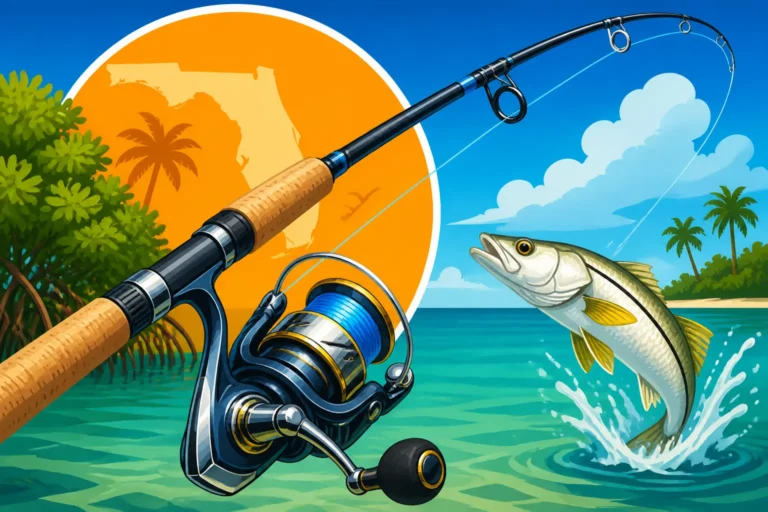
When it comes to bottom fishing for snapper, you need gear that can handle the stress. We're talking about robust rods and reels that can muscle a fish away from structure and withstand the corrosive saltwater environment. For inshore or nearshore snapper (like smaller mangrove snapper), a medium-heavy spinning rod or conventional rod, typically 7-8 feet long, paired with a 4000-6000 series spinning reel or a mid-sized conventional reel (like a Penn Squall or Shimano Charter Special), often works well. These setups offer a good balance of power and sensitivity. For offshore species, especially red snapper or large mutton snapper, you'll want to step it up significantly. Think heavy-action conventional rods, often with a bent butt for stand-up fighting, matched with powerful reels capable of holding 300-500 yards of line, like a Shimano Talica or an Okuma Makaira. Many of these reliable setups can be found on platforms like Amazon, making it easy to compare options and read reviews.
Line selection is another critical component. Braided line has become incredibly popular for bottom fishing due to its zero-stretch properties, which provide excellent sensitivity for detecting subtle bites, and its thinner diameter for its given strength, allowing you to use lighter sinkers. For most snapper, 30-60 lb braided mainline is a good starting point. However, direct tie-offs to braid can be problematic due to its visibility and lack of abrasion resistance against structure. This is where fluorocarbon leaders come into play. A good "Best Rod and Reel Setup for Florida Offshore Fishing" guide would explain these details further. Attach 20-80 lb fluorocarbon leader to your main braided line via a strong knot like an FG knot or an Albright knot. The leader provides invisibility, which is crucial for finicky fish, and superior abrasion resistance against sharp rocks and snapper teeth. The specific test weight of your leader will depend on the size of the snapper you're targeting and the amount of structure you're fishing.
Hooks, Sinkers, and Rigs
The terminal tackle is where your bait meets the fish, so don't skimp here. Snapper have incredibly strong jaws and sharp teeth, so stout, sharp hooks are non-negotiable. Circle hooks are often preferred and, in some cases, legally required (especially for species like red snapper), as they promote healthier releases by typically hooking the fish in the corner of the mouth, avoiding gut hooks. Sizes can range from 3/0 to 8/0, depending on your bait size and target snapper. Brands like Gamakatsu and Owner make excellent, strong circle hooks that stand up to the fight. When buying these, look for packages that clearly state "offshore" or "heavy-duty" to ensure they're up to the task.
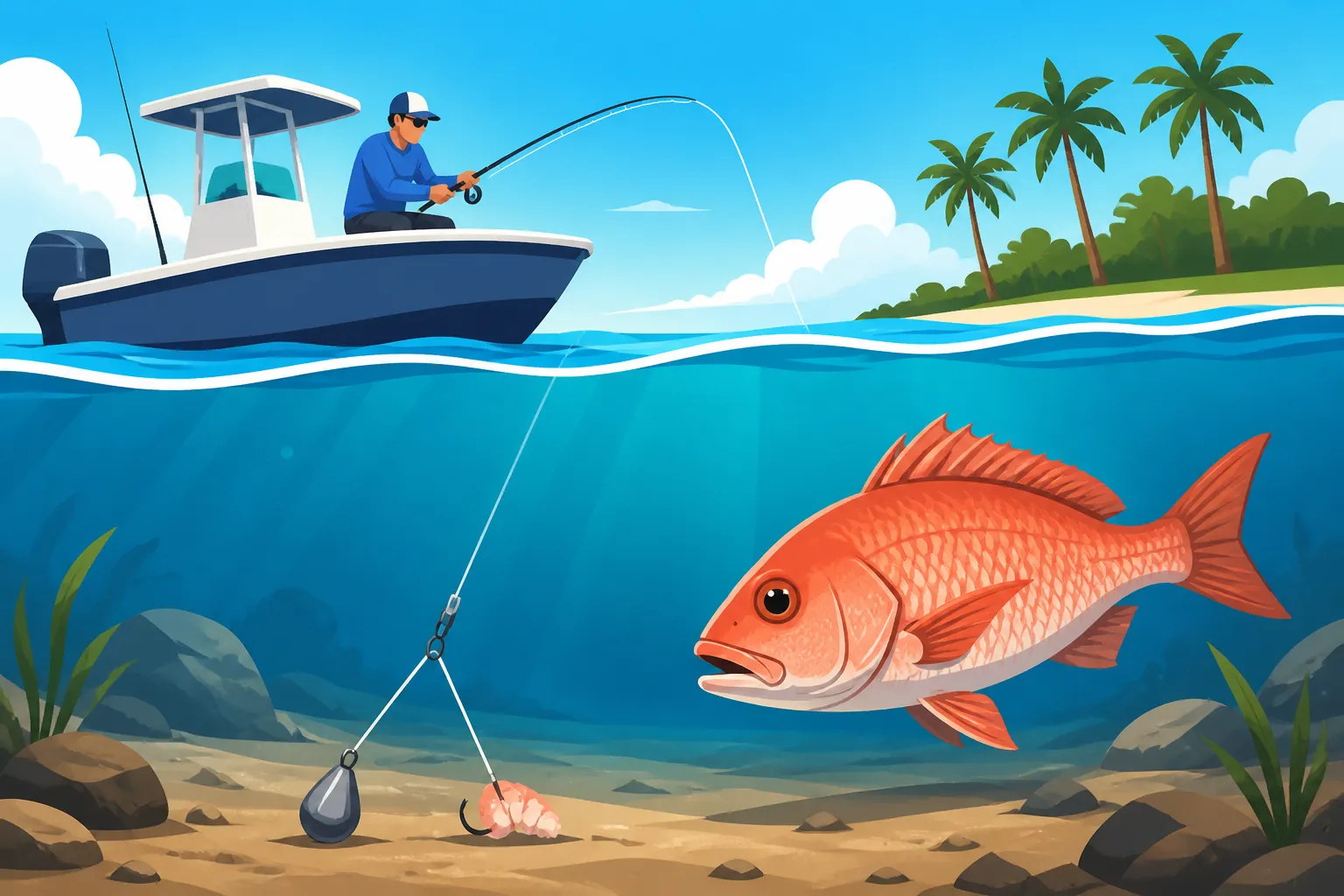
Sinkers are necessary to get your bait down to the bottom and keep it there, especially in current. Pyramid sinkers, egg sinkers, or bank sinkers are common choices, ranging from 2 ounces in shallower, calmer waters to 16 ounces or more in deep water with strong currents. The goal is to use the lightest sinker possible that still holds your bait on the bottom, allowing for a more natural presentation. For rigging, the most common bottom fishing setup for snapper is a simple "knocker rig" or a "fish-finder rig." A knocker rig involves threading an egg sinker directly onto your leader, which slides down to the hook when a fish bites, giving the fish less resistance. A fish-finder rig (also known as a Carolina rig) uses a swivel to separate the sinker from the hook, allowing the bait to drift more naturally. Both are highly effective, and choosing between them often comes down to personal preference or the specific conditions of your fishing spot.
Bait Selection Live vs. Cut
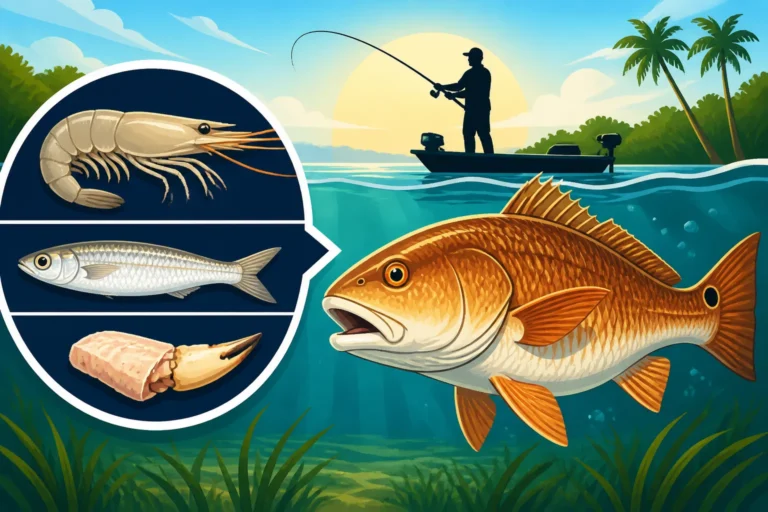
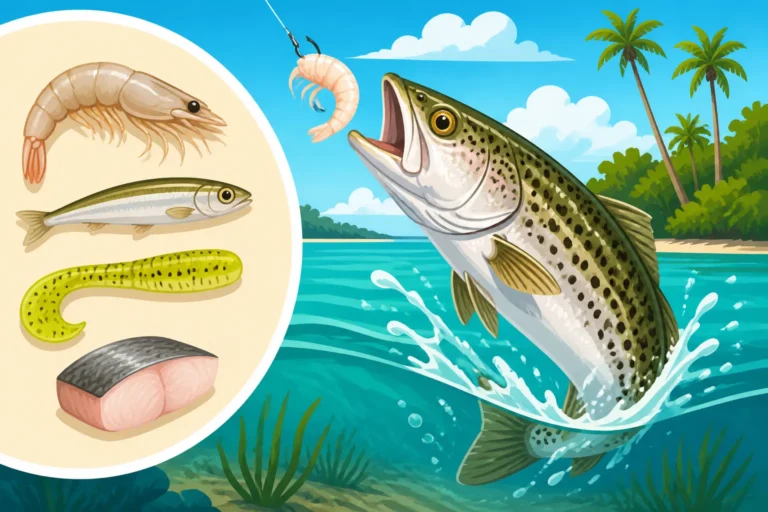
Snapper are not terribly picky, but certain baits consistently outperform others. This often boils down to a choice between live bait and cut bait, both of which have their merits depending on the situation and target species. Live bait, such as pilchards, sardines, pinfish, or cigar minnows, is incredibly effective because its natural movement and distress signals attract predatory fish. For species like red snapper and large mutton snapper offshore, a frisky live bait can be irresistible. Many anglers spend time cast netting or sabiki-rigging for their own live bait, ensuring freshness and quantity. Inshore, live shrimp or mud minnows can be deadly for mangrove snapper around docks and bridges. The key with live bait is to hook it in a way that allows it to swim naturally and stay alive as long as possible, often through the nose, lips, or behind the dorsal fin.
Cut bait, on the other hand, relies heavily on scent to draw fish in. Fresh chunks of mullet, bonita, squid, or even the belly strips of a legal-sized grunt or mackerel can be highly effective, especially when fished on the bottom in areas with current. Squid is a classic, widely available bait that snapper often can't resist, particularly smaller lane or vermilion snapper. The strong scent trail it creates can draw fish from a distance, making it a good choice for chumming. When using cut bait, ensure it's fresh, as stale bait is far less appealing. Sometimes, a combination works best – a live bait with a small piece of squid added for extra scent. For more details on sourcing and using live bait, check out resources on "Best Live Bait for Florida Inshore Fishing". Ultimately, having a variety of fresh baits on hand is often the best strategy for a successful day of bottom fishing for snapper.
Mastering the Bottom Fishing Technique
Knowing your gear and your target is one thing, but putting it all together to actually catch fish is where the true art of bottom fishing lies. It's about precision, patience, and knowing when to make your move before the fish gets the upper hand or the current takes your line into a mess.
Anchoring and Positioning
Getting your boat positioned correctly over the desired structure is paramount for successful bottom fishing. Simply drifting over a spot might work occasionally, but to consistently target specific structure, anchoring is often the way to go. Start by identifying your target structure using your GPS and fish finder. Then, consider the wind and current. You'll want to approach the spot from upwind or upcurrent, dropping your anchor well before you're directly over the structure, allowing your boat to drift back and settle right on top of it. This often requires some trial and error, so don't be discouraged if it takes a few attempts. It's a crucial skill, as being off by even a few yards can mean the difference between constant action and a slow day.
Once anchored, double-check that your boat is holding securely and isn't swinging too much. Many anglers deploy a second "stern anchor" in strong currents or winds to pin the boat down precisely, creating a more stable platform. The goal is to present your bait vertically down into the fish-holding structure without getting dragged off course. This also allows for more accurate deployment of chum, if you choose to use it, to draw fish to your exact location. For example, if you're fishing a small wreck, you want your boat positioned so that your baits are dropping right into the heart of the structure, not fifty feet away. This meticulous approach significantly increases your chances of encountering those target snapper. Learning "How to Chum for Fish From a Boat" can be a game-changer here.
Dropping Your Bait and Detecting Bites
With your boat perfectly positioned, it’s time to get your bait down. The technique for dropping your bait can impact your success. Don't just free-spool your line; instead, control the descent by thumbing the spool on a conventional reel or slowly letting line off a spinning reel. This prevents tangles, especially when multiple lines are going down, and ensures your bait reaches the bottom without spinning wildly. As your sinker hits the bottom, you'll feel a distinctive thump. Then, reel up just enough slack to ensure you're in direct contact with your bait, but not so much that you're pulling the sinker off the bottom. You want your bait to be just touching or hovering very slightly above the structure.
Detecting a snapper bite can sometimes be subtle, especially in deep water or strong current. It might be a gentle tap, a slight vibration, or a sudden, hard pull. The key is to pay close attention to your rod tip. Look for any unusual movement – a twitch, a dip, or a sustained bend. Because snapper often "mouth" the bait before committing, you might feel a few gentle taps before the actual take. With circle hooks, resist the urge to "set" the hook aggressively. Instead, when you feel a sustained pull or the rod begins to load, simply start reeling steadily. The circle hook will do its job, rotating into the corner of the fish's mouth as pressure is applied. This technique maximizes your hookup ratio and minimizes lost fish.
The Hookset and Fight
As mentioned, with circle hooks, the hookset is less about a dramatic sweep and more about a steady, firm retrieve. Once you feel that solid pull and begin reeling, you’ll know you’re on. The immediate aftermath of a hookup on a snapper near structure is critical. These fish, especially larger ones like red snapper or mutton snapper, will immediately try to run back into the safety of the structure to cut your line. Your job is to prevent this at all costs. Set your drag appropriately – tight enough to exert pressure and prevent the fish from taking too much line, but loose enough to prevent a break-off from a sudden surge.
Keep your rod tip pointed towards the sky, maintaining constant pressure. Pump the rod by lifting it steadily, then reeling down quickly to gain line. Repeat this motion until the fish is away from the bottom and heading towards the surface. For powerful offshore species, this can be a grueling battle. Be prepared for strong head shakes and multiple dives. If you're fishing with heavy braided line and a stiff rod, you can really lean into the fish. Bringing the fish up too fast from deep water can cause barotrauma, where expanding gases inside the fish injure it. While not always avoidable, you can sometimes slow the ascent slightly if you're in very deep water. When the fish reaches the surface, have a gaff or a large, sturdy net ready for a quick and secure landing. Remember, safe handling and quick release of undersized fish are crucial, adhering to "Florida Fishing Regulations and Bag Limits".
Common Challenges and Troubleshooting
Even the most experienced anglers face challenges when bottom fishing. The underwater environment is unpredictable, and conditions can change rapidly. Knowing how to troubleshoot common issues can save your day and your sanity, preventing lost fish and wasted time.
Dealing with Current and Wind
Current and wind are often the biggest adversaries for bottom fishermen. Strong currents can sweep your bait away from the target structure, make it difficult to feel bites, and cause your lines to tangle, especially if multiple lines are going down. The primary way to combat current is by increasing the weight of your sinker. While the goal is always the lightest weight, sometimes a heavy bank sinker is necessary just to keep your bait on the bottom. In extreme current, you might need to use a "sea anchor" or "drift sock" from the bow of your boat even while anchored to slow down the swing and keep your lines more vertical. Adjusting your anchor position slightly can also help, sometimes moving a little up-current allows your baits to settle back perfectly.
Wind presents similar, but often different, challenges. It can make boat positioning difficult, push your boat off course, and create bow lines that are hard to manage. When the wind is blowing, try to anchor with the wind and current running in the same direction if possible, which minimizes boat swing. If you're drifting, a drift sock deployed from the bow can slow your drift speed, allowing your baits to stay down longer and present more naturally. Always be mindful of other boats and structures when drifting to avoid collisions. Using heavier tackle and braided line can help cut through the water and wind more efficiently, giving you better control over your bait's presentation, even in challenging conditions.
Avoiding Snags and Break-offs
Fishing around structure, which is where snapper love to live, inevitably means dealing with snags. Losing tackle is frustrating and costly, but there are ways to minimize it. The first rule is to use a rig that minimizes direct contact between your main line and the structure. This is where a fish-finder rig with a leader or a knocker rig truly shines. When dropping your bait, always feel for the bottom. As soon as you feel the sinker hit, reel up just a foot or two. This keeps your bait in the strike zone just above the most snag-prone areas. If you constantly feel your sinker grinding on the bottom, you're likely in the "danger zone."
Another common cause of break-offs is the fish themselves running into the structure immediately after being hooked. This is why a quick, aggressive initial retrieve is so important. As soon as you feel the fish, start reeling hard to get it away from its home turf. If you do get snagged, resist the urge to simply pull straight back, which often just wedges the sinker deeper. Instead, try to approach the snag from a different angle, or even point your rod tip directly at the snag and pull straight up, which can sometimes free the rig. If all else fails, a quick, hard pull might break the line at the leader, preserving your main line. Remember that some leaders are designed to break under extreme stress before your main line, which is an important consideration when selecting your fluorocarbon. For more on this, checking "What Pound Test Line for Grouper Fishing?" might offer some relevant insights, as grouper also inhabit structure.
Managing Bycatch Grunts, Pinfish, and Sharks
When you're bottom fishing, especially in Florida's prolific waters, you're bound to catch more than just snapper. While some bycatch, like legal-sized grunts or small groupers, can be a welcome addition to the cooler, others, like sharks or countless pinfish, can be a nuisance. Pinfish and smaller bait stealers are notorious for picking baits clean before a snapper even gets a chance. To combat this, try using tougher baits like whole squid or larger cut bait that's harder for small fish to swallow. Sometimes, using a slightly larger hook can also help filter out the smallest nibblers.
Sharks are a different beast. While exciting for some, they can quickly shut down a snapper bite, scare off other fish, and eat your valuable catch right off the line. If sharks become a major problem, the best strategy is often to move to a different spot. If moving isn't an option, try switching to artificial lures (though less effective for snapper on the bottom) or focus on faster retrieves to get your fish up before a shark can grab it. You might also reconsider chumming if sharks are present, as it can draw them in. Always handle sharks with extreme caution, and if you're not targeting them, release them quickly and safely.
Specific Snapper Species and Their Nuances
Florida is a snapper paradise, hosting a diverse range of species, each with its own characteristics, preferred habitats, and regulatory quirks. Knowing your target snapper will greatly inform your bottom fishing strategy and prevent any legal mishaps.
Red Snapper Regulations and Best Practices
The red snapper is arguably the most coveted of Florida's snapper species, renowned for its delicious white meat and powerful fight. Found primarily in federal waters (typically beyond 9 miles in the Gulf and 3 miles in the Atlantic), these fish can grow quite large, often exceeding 20 pounds. The biggest challenge with red snapper is their highly regulated season, which is often very short, sometimes only a few days or weeks each year, primarily in the Gulf of Mexico. This means when the season is open, it's a mad dash to get out there. Staying up-to-date on "Florida Red Snapper Season Guide" is absolutely essential before planning a trip.
When targeting red snapper, focus on deep-water structures like wrecks, artificial reefs, and large natural ledges, often in 80-300 feet of water. Heavy conventional tackle with 50-80 lb braided line and a strong fluorocarbon leader (60-80 lb) is necessary. Live bait, such as cigar minnows, pinfish, or pilchards, is king, but fresh cut bait like bonita or squid can also be very effective. Use a heavy lead sinker (8-16 oz) to get your bait down quickly. Because red snapper are often found in large schools, when you find them, the action can be furious. Remember that circle hooks are mandatory for red snapper. Also, be aware of "Red Snapper Size and Bag Limits" as they are strictly enforced to protect this prized fishery.
Mangrove Snapper Inshore vs. Offshore Tactics
Mangrove snapper, also known as gray snapper, are one of Florida's most accessible and abundant snapper species. They can be found in a huge range of habitats, from shallow mangrove estuaries and oyster beds to nearshore reefs and deep offshore wrecks. This adaptability means you can target them year-round in various locations. For a comprehensive overview, checking out a "Florida Mangrove Snapper Fishing Guide" is a great idea.
Inshore, mangrove snapper are often targeted around docks, bridge pilings, jetties, and rock piles. Light to medium spinning tackle with 15-30 lb braided line and 20-30 lb fluorocarbon leader works well. Live shrimp, small pilchards, or cut chunks of sardine are highly effective. These fish can be incredibly wary in clear, shallow water, so a stealthy approach and light leader are important. Offshore, mangroves congregate around reefs and wrecks in deeper water, often alongside other snapper species. Here, you can bump up your tackle slightly, using similar baits but perhaps a heavier sinker to reach the bottom. They are often less spooky in deeper water, and chumming with cut pilchards or block chum (readily available on Amazon) can be incredibly effective at bringing them up from the structure and into a feeding frenzy.
Lane and Vermilion Snapper Smaller but Abundant
While they don't reach the trophy sizes of red snapper or mutton snapper, lane and vermilion snapper are delicious, abundant, and provide consistent action when bottom fishing in Florida. These smaller snapper species are often found on hard bottom, ledges, and reefs, typically in deeper water ranging from 50 to 300 feet. They frequently school together and are known for their aggressive bites.
To target lane and vermilion snapper, you can often use lighter offshore tackle than you would for red snapper – a medium-heavy conventional or spinning rod with 30-50 lb braided line and a 30-50 lb fluorocarbon leader. Smaller hooks (1/0 to 3/0 circle hooks) are appropriate for their smaller mouths. Cut squid is a top bait for both, but small live baits like minnows or pieces of sardine are also very effective. Because they are often in schools, using multiple hook rigs, such as a "chicken rig" (a two-hook dropper loop rig), can allow you to catch more than one fish at a time, making for a very productive outing. Always keep an eye on "Florida Fishing Regulations and Bag Limits" for these species, as they also have minimum size and bag limits, though generally more liberal than the highly regulated red snapper. These species are perfect for those days when the bigger fish aren't biting, or when you just want consistent action and a tasty dinner.
Safety and Regulations for Responsible Bottom Fishing
Responsible bottom fishing isn't just about catching fish; it's about doing so safely and sustainably. Florida has strict regulations in place to protect its fisheries, and ensuring you adhere to them is crucial for the health of our oceans and the future of fishing for generations to come.
Understanding Bag and Size Limits
Florida's fishing regulations are designed to manage fish populations, ensuring that species can reproduce and thrive. This means that nearly every commercially and recreationally important fish species has specific bag limits (how many you can keep) and size limits (the minimum and sometimes maximum length a fish must be to be kept). For snapper, these limits vary significantly by species and often by location (Gulf vs. Atlantic waters). For instance, "Red Snapper Size and Bag Limits" are among the most stringent, with a narrow slot and low bag limit, whereas other species like lane snapper often have more generous allowances.
It's your responsibility as an angler to know these rules before you head out. The Florida Fish and Wildlife Conservation Commission (FWC) website is the official source for all regulations, and you can even download their Fish Rules app for real-time information. Ignorance of the law is not an excuse, and penalties for violations can include hefty fines, confiscation of gear, and even loss of fishing privileges. Always carry a measuring device and, if necessary, a means to vent or dehook fish caught from deep water to reduce barotrauma, especially for those you plan to release. Understanding the difference between "State Waters vs Federal Waters Fishing Rules in Florida" is also critical for species like red snapper.
Essential Safety Gear and Practices
Beyond regulations, personal safety and the safety of your crew should always be your top priority. Accidents can happen quickly on the water, so being prepared is non-negotiable. Always ensure your boat is equipped with all required safety gear, including life jackets for everyone on board (especially children), a throwable flotation device, visual distress signals (flares or an electronic strobe), a sound-producing device (horn or whistle), and a fully charged fire extinguisher. It's a good idea to perform a pre-trip safety check before every outing.
Consider packing a well-stocked first-aid kit, plenty of fresh water and snacks, sunscreen, and appropriate clothing for varying weather conditions. Inform someone on shore of your float plan – where you're going, who's with you, and when you expect to return. For offshore trips, a VHF radio and a personal locator beacon (PLB) are highly recommended. Pay close attention to weather forecasts, and if conditions are predicted to be rough, it's always better to reschedule. When handling fish, particularly those with sharp fins or teeth, use gloves and dehooking tools to prevent injuries. Remember, a safe day on the water is a successful day, regardless of how many fish you catch.
| Snapper Species | Typical Habitat | Preferred Bait | Common Rig | Average Size |
|---|---|---|---|---|
| Red Snapper | Offshore wrecks, reefs (80-300 ft) | Live bait (cigar minnows), fresh cut bait (bonita, squid) | Knocker or Fish-finder | 5-20 lbs |
| Mangrove Snapper | Inshore docks, bridges; offshore reefs (5-200 ft) | Live shrimp, small pilchards, cut sardine | Knocker or Fish-finder | 1-8 lbs |
| Lane Snapper | Hard bottom, ledges, reefs (50-300 ft) | Cut squid, small live minnows, shrimp | Fish-finder, Chicken rig | 0.5-2 lbs |
| Vermilion Snapper | Deep reefs, ledges (100-400 ft) | Cut squid, small pieces of fish | Chicken rig | 0.5-2 lbs |
| Mutton Snapper | Offshore reefs, wrecks, sandy areas near structure (50-300 ft) | Live pinfish, pilchards, large chunks of cut bait | Fish-finder | 5-20 lbs |
Disclaimer
The information provided in this guide is for general informational purposes only. Fishing regulations in Florida are subject to change by the Florida Fish and Wildlife Conservation Commission (FWC). Always consult the latest official FWC regulations before heading out to fish. Fishing involves inherent risks, and adherence to safety guidelines is essential.