Best Spots for Permit Fishing in the Keys
Oh, the elusive permit! If you've ever cast a line in the Florida Keys with the dream of catching one of these magnificent, finicky fish, you know the struggle is real. They're beautiful, they're strong, and they can be incredibly frustrating to find, let alone hook. This guide is all about cutting through that frustration, helping you pinpoint the best spots in the Keys where you stand a real chance of encountering – and hopefully landing – one of Florida's most sought-after game fish.
Understanding the Permit's World in the Florida Keys
Before we dive into specific locations, it's crucial to understand what makes permit tick, especially in the unique environment of the Florida Keys. These aren't just any fish; they're intelligent, sight-oriented predators with a keen sense of their surroundings. Knowing their preferred habitat and behavior patterns is like having a secret weapon in your tackle box.
The Allure of Crabs and Clear Water
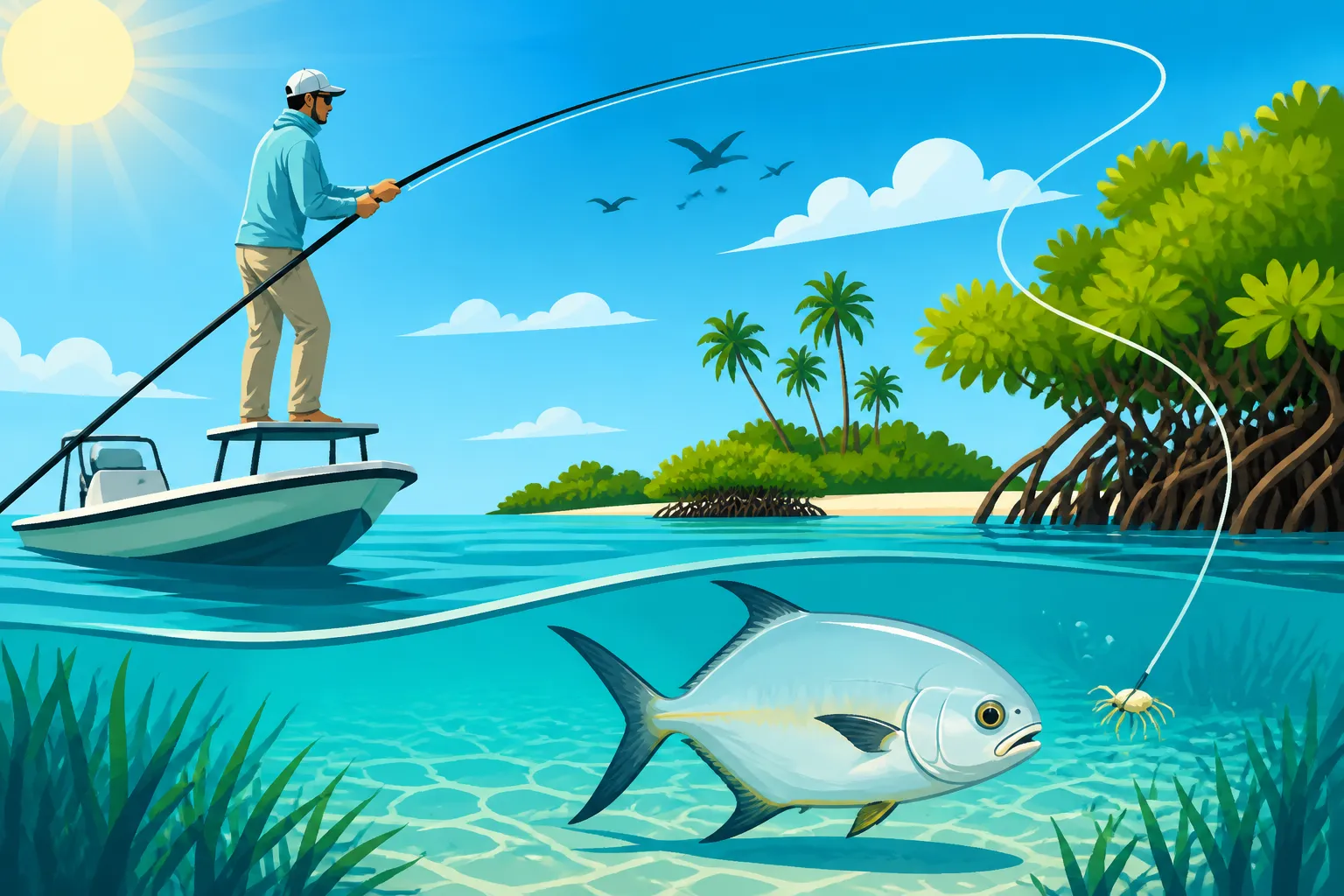
Permit are primarily bottom feeders, and their absolute favorite meal is crustaceans. Think small crabs, shrimp, and sometimes even tiny mollusks. This dietary preference is why you'll often find them patrolling sandy flats, grassy areas, and around structures where these critters hide. They're constantly foraging, using their keen eyesight to spot subtle movements on the seabed.
But it's not just about the food; it's about the conditions. Permit absolutely thrive in crystal-clear water. This allows them to spot their prey from a distance and, unfortunately for us anglers, it also allows them to spot us! The gin-clear waters of the Florida Keys, especially on the flats, are precisely what makes this area a prime permit haven. You'll rarely find permit in murky, stirred-up water unless they're actively chasing a bait ball in a very specific scenario, which is usually not when you're targeting them with artificials or flies. When the sun is high and the water is calm, that's when their visibility is at its peak, and so is your chance to spot them cruising.
Prime Habitats: Flats, Channels, and Wrecks
Permit aren't picky about just one type of environment within the Keys; they utilize several different zones depending on the tide, time of year, and even their mood. Understanding these distinct habitats is key to broadening your permit search.
Shallow flats are arguably the most iconic permit habitat in the Keys, particularly for sight-fishing enthusiasts. These vast, shallow areas with sandy or grassy bottoms are where permit will "tail" – dipping their heads down to root for crabs, with their tails sometimes breaking the surface. This is the ultimate challenge and reward for many anglers. The flats near Islamorada, for instance, are legendary for this kind of action. You'll find them cruising singly, in pairs, or in small schools, often moving with the tides across these shallow feeding grounds.
Beyond the flats, permit frequent deeper channels and cuts, especially during outgoing tides when bait is washed out. These deeper areas provide cover and a steady food supply. Bridge pilings, like those found around the Seven Mile Bridge near Marathon, create currents and structure that attract permit. They’ll often hold in these areas, waiting for an easy meal to drift by. These spots can be excellent when the flats are too shallow or too windy for effective sight fishing.
And then there are the wrecks and artificial reefs. Offshore wrecks, particularly in the Gulf of Mexico side of the Keys, can hold massive schools of permit. These fish are usually much larger than their flats-dwelling cousins. They're attracted to the structure, which harbors abundant baitfish and crustaceans. Fishing these wrecks often involves dropping live crabs or weighted jigs directly onto the structure. This is a completely different ballgame from flats fishing, often requiring heavier tackle and a boat with good electronics to locate the wreck and the fish. It's a fantastic option for targeting bigger, often less wary, permit.
Top Permit Fishing Grounds in the Lower and Middle Keys
The Florida Keys offer a treasure trove of permit fishing opportunities, with different areas known for different types of experiences. While permit can be found throughout the chain, some locations consistently stand out.
Lower Keys: Bahia Honda and the Backcountry
The Lower Keys, encompassing areas from Marathon down to Key West, are legendary for their diverse permit habitats. The sheer number of shallow water flats and channels creates endless opportunities for those willing to explore.
Bahia Honda State Park is often lauded as one of the most beautiful beaches in the United States, but for anglers, it's also a fantastic launchpad for permit fishing. The waters surrounding Bahia Honda Key, particularly on the Gulf side, feature extensive shallow flats and seagrass beds that are teeming with crabs and other crustaceans. The bridge connecting Bahia Honda to Spanish Harbor Key also creates significant current and structure, often holding permit, especially around tidal changes. Anglers can wade the flats or use a shallow-draft skiff to explore the area. It’s a truly iconic spot to find these fish.
Further into the backcountry, west of Key West, lie the Content Keys and other remote islands. These areas are characterized by pristine, clear water and miles of untouched flats. Getting to these spots often requires a reliable shallow-water boat and a good understanding of the local channels and tides, but the reward can be phenomenal. Permit in these remote areas tend to be less pressured and can offer incredible sight-fishing experiences. This is where a knowledgeable guide, perhaps found through a platform like FishingBooker, can be invaluable, as they know the specific tides and subtle bottom contours that hold fish. This kind of fishing often leads to encounters with other coveted species like bonefish and tarpon, making for a truly memorable day on the water. Check out our guide on Florida Keys Fishing Guide for a broader overview of the region's offerings.
For those looking for something a bit different, the deeper waters around Key West also offer permit opportunities. Numerous wrecks, both natural and artificial, dot the waters surrounding Key West. These can hold large schools of permit, often in the 15-30 pound range. You might need to journey a bit further offshore for these, but the fight from a large wreck permit is something to behold. These are often targeted using live crabs, dropped directly over the structure. A good depth finder is essential for locating these productive spots.
Middle Keys: Marathon and Islamorada's Fabled Flats
Moving eastward into the Middle Keys, you'll find more exceptional permit fishing. This region combines flats fishing with deeper channel and bridge fishing, offering varied tactics.
Marathon is home to the iconic Seven Mile Bridge, a landmark that also serves as a fantastic permit habitat. The old bridge pilings create an incredible amount of current, structure, and shelter, making it a natural gathering point for permit, especially when they're not actively feeding on the shallow flats. These fish often cruise the deeper water around the pilings, waiting for crabs and other small prey to be swept by. Fishing here can be challenging due to strong currents and boat traffic, but it can be incredibly productive. Anglers often use live crabs on a jig head or even heavy jigs to get down to where the fish are holding. This area is also popular for Florida Tarpon Fishing Season Guide trips, so expect to see other anglers targeting big game.
Islamorada, often called the "Sportfishing Capital of the World," certainly lives up to its name when it comes to permit. The vast expanse of shallow flats in the backcountry, on both the Atlantic and Gulf sides, provides endless opportunities for sight fishing. The clear, calm waters create ideal conditions for spotting cruising permit, often tailing in water as shallow as one or two feet. Renowned flats like those near the Tea Table Key and the Channel Five Bridge offer prime real estate for permit. This is where anglers spend hours poling silently, scanning the water for that tell-tale black tail or subtle shadow. The focus here is typically on fly fishing or casting small, realistic crab imitations on light tackle. When fishing these shallow flats, knowing the Best Tides for Inshore Fishing in Florida is absolutely critical, as permit are highly tide-dependent. If you're planning a trip, looking up Islamorada, Florida Fishing Spots will give you even more detailed information on local hot zones.
Strategies for Success and Securing Your Catch
Permit fishing isn't just about showing up at a good spot; it's about employing the right techniques, having the correct gear, and often, having a healthy dose of patience and persistence.
Essential Gear, Bait, and Lures
When it comes to tackle, precision and stealth are paramount for permit. For flats fishing, a medium-light spinning rod (7-7'6") with a fast action, paired with a 2500-3000 series reel, spooled with 10-15 lb braided line and a 20-30 lb fluorocarbon leader, is a solid setup. For fly fishing, an 8 or 9 weight rod with a matching floating line and a sturdy leader is standard.
The choice of bait is perhaps the most critical decision. Live crabs are king for permit. Small blue crabs, fiddler crabs, or small stone crabs are irresistible to them. Presenting a live crab naturally, either on a small circle hook (1/0 to 2/0) with minimal weight or free-lined on the flats, is often the most effective method. For artificials, realistic crab imitations like the "Permit Crab" fly or small jigs with crab-colored soft plastics can be deadly when permit are actively feeding. You can learn more about finding the right offerings in our article on Best Live Bait for Florida Inshore Fishing.
For wreck fishing, heavier tackle is needed to battle larger permit and manage deeper currents. A medium-heavy conventional or spinning setup with 30-50 lb braid and a heavier fluorocarbon leader (40-60 lb) is advisable. Live crabs are still the top choice, but weighted jigs and even some cut bait can sometimes work.
Reading the Water and Tides
Permit are incredibly responsive to tidal movements. On the flats, they often push onto the shallowest areas with an incoming tide, feeding aggressively before retreating to deeper channels as the tide falls. An outgoing tide can be excellent for permit staging in channels or around bridge pilings, waiting for food to be flushed out. Knowing how to read a tide chart and understanding local currents is non-negotiable for consistent permit success. Pay close attention to current seams, eddies, and areas where water flows over shallow points, as these are often ambush points for feeding permit.
Sunlight and water clarity are also crucial. Calm, sunny days with clear water are ideal for sight fishing on the flats, allowing you to spot permit from a distance. Overcast conditions or choppy water make sight fishing incredibly difficult, though permit might still be present. For specific techniques, check out our guide on Sight Fishing Technique for Shallow Flats.
The Value of a Skilled Guide
While DIY permit fishing can be incredibly rewarding, the learning curve is steep. Permit are notoriously challenging, and local knowledge makes a massive difference. Hiring a reputable guide who specializes in permit fishing in the Keys can dramatically increase your chances of success. A guide knows the subtle nuances of the flats, the specific feeding behaviors, and the precise crab imitations that work on any given day. They also have the specialized equipment, like poling skiffs, and the experience to put you in the best position.
Platforms like FishingBooker are excellent resources for finding experienced permit guides in the Florida Keys. You can filter by location (e.g., Key West, Islamorada, Marathon) and even by species, ensuring you connect with a captain who truly knows permit. They can also advise on things like What to Bring on a Florida Fishing Charter to ensure you're fully prepared. While guides can be an investment, the knowledge and opportunities they provide are often priceless, especially for such a challenging species. Our article on How to Choose a Florida Fishing Guide offers great advice on finding the perfect captain for your trip.
Here's a quick comparison of the main permit fishing environments in the Keys:
| Feature | Shallow Flats (e.g., Islamorada, Bahia Honda) | Channels & Bridges (e.g., Seven Mile Bridge, Key West) | Offshore Wrecks (e.g., Gulf side of Key West) |
|---|---|---|---|
| Primary Method | Sight fishing (fly or spinning) | Live bait (crabs), jigs, sometimes artificials | Live bait (crabs), heavy jigs |
| Target Fish Size | Typically 5-25 lbs | Often 10-30 lbs, can be larger | Frequently 20-40+ lbs, can be schooling giants |
| Conditions | Clear, calm water; sunny days for best visibility; good tides | Strong currents; tidal flow crucial; deeper water | Deeper water; offshore conditions; good electronics needed |
| Challenge | Stealth, presentation, spotting fish, accurate casting | Current management, boat positioning, heavier tackle | Locating wrecks, current, fighting big fish in structure |
| Best For | Fly anglers, sight-fishing enthusiasts, experienced shallow-water anglers | Anglers comfortable with current, looking for larger fish from a boat | Anglers seeking big numbers of large permit, offshore experience |
No matter where you decide to target permit in the Florida Keys, remember to always be mindful of the regulations. Permit have specific size and bag limits, and understanding these is part of responsible angling. You can find detailed information on Florida Fishing Regulations and Bag Limits to ensure you're always fishing legally and sustainably. Many anglers also practice catch and release for permit, especially the larger breeding fish, to help preserve this incredible fishery for future generations.
Beyond the Obvious: Exploring Lesser-Known Permit Haunts
While the famous spots certainly hold their weight, the Florida Keys are vast, and with a little exploration, you can uncover some lesser-known permit fishing goldmines. These areas might require a bit more effort or a keen eye, but they often yield less-pressured fish.
Coastal Beaches and Shorelines
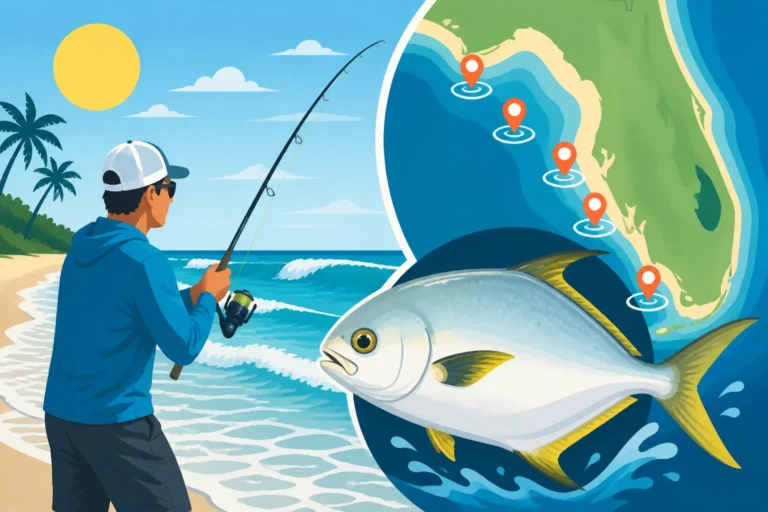
When people think permit, they often imagine skiffs poling silent flats. However, permit are sometimes found cruising the troughs and sandy depressions along the Keys' beaches, especially on the Atlantic side with a gentle surf. These fish are usually looking for sand fleas or small crabs stirred up by the waves. This can be a fantastic opportunity for shore anglers or those casting from small boats just off the beach. Spots with rocky outcroppings or areas near inlets that create small current breaks can be particularly productive.
Imagine a calm morning, walking a secluded stretch of beach with a spinning rod, and suddenly spotting a permit's dark shadow just beyond the breaking waves. It's a different kind of permit hunt, often requiring longer casts and a bit more luck, but definitely worth exploring, especially if you're not equipped for full-on flats fishing. Small bucktail jigs or weighted crab imitations are good choices here.
Mangrove Edges and Interior Creeks
While not their primary habitat, permit will sometimes venture into the deeper edges of mangrove islands and the mouths of interior creeks, particularly during high tides. They might be following baitfish or searching for a quick meal away from the open flats. These areas can be tricky to navigate, often requiring a very shallow-draft boat or even a kayak. Fishing mangrove edges requires precise casting and quick retrieves, as the fish can dart into cover in an instant.
If you’re exploring the backcountry, don't overlook these subtle transitions. A deeper pocket alongside a mangrove line, especially where a small current flows, could hold a cruising permit. This is where patience and observation pay off. It’s not a consistent producer like the flats or wrecks, but it can offer a surprise catch in an unexpected place, and a truly wild encounter. Many guides know these hidden spots and can be found through platforms like FishingBooker.
Artificial Reefs and Deeper Patches
Beyond the well-known wrecks, there are countless smaller artificial reefs and deeper rock piles scattered throughout the Keys, some of which are not widely publicized. These structures, often in 15-40 feet of water, can be magnets for permit. They might not hold the massive schools found on the bigger wrecks, but you can often find smaller groups or larger individual fish.
Locating these spots usually requires good sonar and a bit of reconnaissance. Look for subtle humps or rubble fields on your charts, and then spend some time idling over them with your electronics. If you mark baitfish or structure-oriented fish, it's worth dropping a live crab down. This type of fishing is often less about sight and more about structure, similar to targeting snapper or grouper. While you're primarily targeting permit, you might also hook into a snapper or a small grouper, making for a fun mixed bag. Areas near Marathon Florida Fishing Spots or around the offshore humps west of Key West are prime areas for this kind of exploration.
Disclaimer
Please be aware that fishing conditions, regulations, and fish behavior can change rapidly. Always consult the latest Florida Fish and Wildlife Conservation Commission (FWC) regulations before heading out. This guide provides general information and should not be considered a substitute for professional advice or current official regulations.