Fishing Lake Toho for Trophy Bass
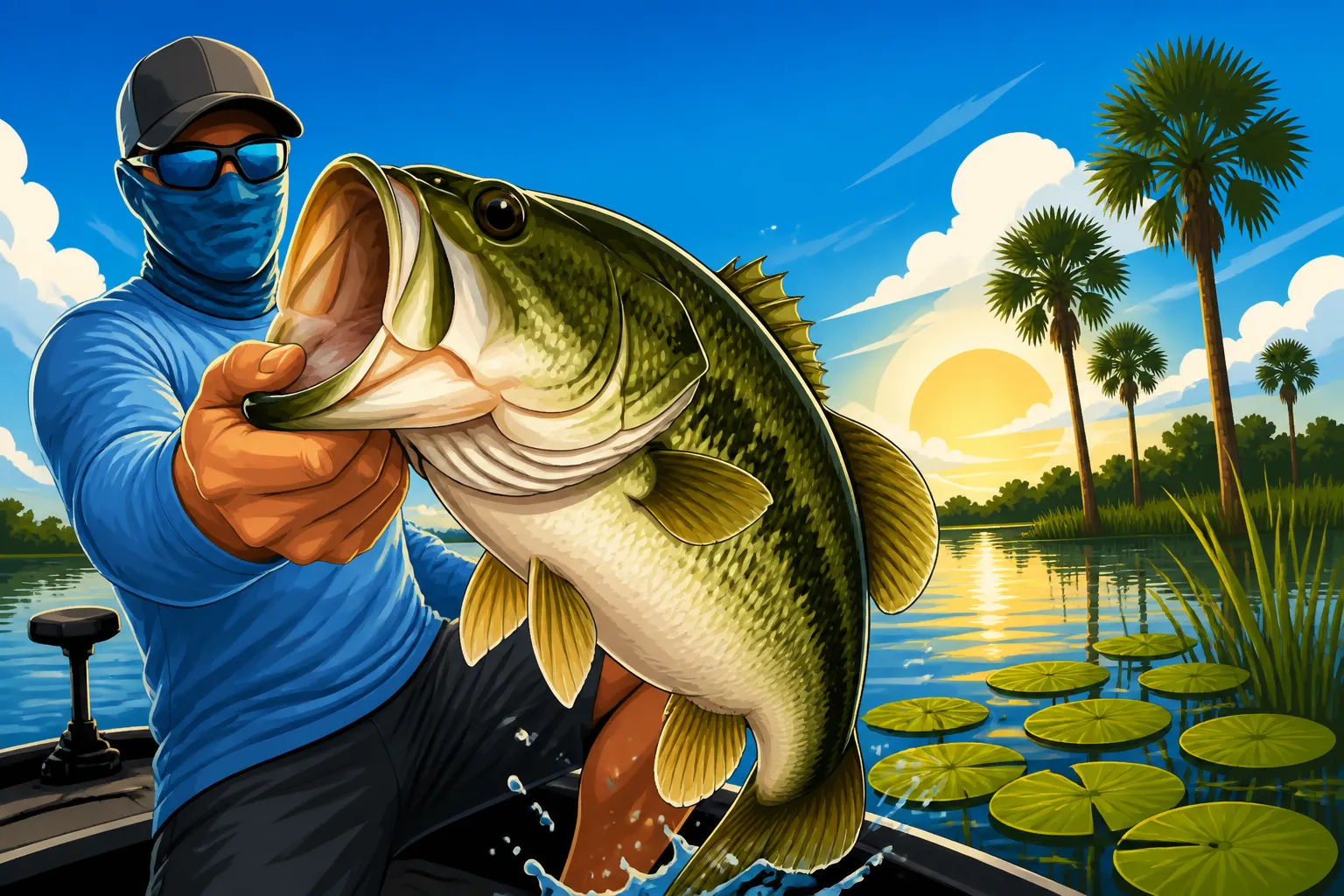
There's nothing quite like the thrill of chasing that elusive, massive largemouth bass, especially in a place as legendary as Lake Tohopekaliga, affectionately known as Lake Toho. Many anglers arrive with high hopes, only to be overwhelmed by its vastness and complex ecosystem, wondering how to find those true trophy fish rather than just another keeper. This guide is designed to cut through that confusion, giving you the insider knowledge and practical strategies you need to effectively fish Lake Toho for those once-in-a-lifetime monster bass.
Why Lake Toho is a Premier Trophy Bass Destination
Lake Toho isn't just another pretty face in the chain of Central Florida lakes; it's a living legend in the bass fishing world. This massive body of water, covering over 18,000 acres, has consistently produced some of the largest largemouth bass in the state, making it a dream destination for anglers aiming for that personal best or even a state record. Its reputation isn't just hype; it's built on a foundation of ideal conditions that cultivate truly giant fish.
The Lake's Unique Ecosystem for Big Bass
What makes Lake Toho so special for trophy bass? It starts with its incredibly rich and diverse ecosystem. The lake is relatively shallow, with an average depth of around 6 feet, which means sunlight penetrates deeply, fostering an explosion of aquatic vegetation. You'll find vast expanses of hydrilla, eelgrass, cattails, and lily pads, all of which serve as crucial habitat. This dense cover provides perfect ambush points for predatory bass and offers ample protection for their primary forage species. Think about it: a giant bass doesn't get giant by missing meals, and Toho's abundant baitfish populations, including shad, shiners, and various panfish, offer a constant buffet. When bass have an endless supply of high-protein food and plenty of places to hide and ambush, they grow big, fast. The consistent water quality and nutrient flow, particularly from inflows like Shingle Creek, further enrich this environment, keeping the food chain robust.
Historical Reputation and Tournament Success
Lake Toho has a long and storied history as a big bass powerhouse. It's not uncommon for anglers to pull 10-pounders from its waters, and fish exceeding that mark are caught every year. The lake has been the stage for numerous major bass tournaments, including multiple Bassmaster Opens and even the Bassmaster Classic, precisely because of its ability to kick out huge bags of fish. When professional anglers from across the country choose a body of water for their biggest competitions, it speaks volumes about its potential. These tournaments aren't just about catching a lot of fish; they're about catching trophy fish. The consistent success in these high-stakes events reinforces Toho's status as a legitimate trophy bass factory. Anglers often flock here after seeing news reports of double-digit bass being weighed in, eager to test their skills against the giants that call Toho home. This reputation for producing Florida Largemouth Bass Fishing Guide caliber fish is a magnet for serious trophy hunters.
Best Times and Seasons for Trophy Bass on Lake Toho
Timing is everything when it comes to trophy bass fishing, and Lake Toho is no exception. While you can catch bass year-round, certain seasons and conditions dramatically increase your odds of hooking into a true monster. Understanding these patterns and adapting your approach accordingly is key to maximizing your success.
Spring Spawning Season: The Prime Window
Without a doubt, the absolute best time to target trophy bass on Lake Toho is during the spring spawning season. This period, typically from late January through April, is when the biggest females move into shallower waters to bed. They are often less cautious and more aggressive, making them more susceptible to well-presented baits. As water temperatures climb into the 60s and 70s, you'll see a distinct shift in bass behavior.
- Pre-Spawn (Late January – February): This is when the big females start staging in slightly deeper water adjacent to spawning flats, gorging themselves to build energy for the spawn. They're often grouped up and feeding heavily. Look for channels, points, and grass lines leading into known spawning areas.
- The Spawn (February – March/April): When temperatures stabilize and the moon phases align (especially around the full and new moons), the bass move onto their beds. These fish are incredibly territorial and protective. Sight fishing for bedding bass is a popular and effective technique during this window, though it requires a keen eye and precise casting. You'll often find them on hard bottoms, sand spots, or sparse grass in 1-4 feet of water.
- Post-Spawn (April – May): After the spawn, females move off their beds, often retreating to slightly deeper cover to recover. They'll still feed, but sometimes less aggressively, making them a bit more challenging. Males, however, often hang around the beds for a while, guarding fry, and can still be quite aggressive.
Remember, Florida Bass Fishing Techniques during this time often involve slower presentations and baits that mimic bluegill or shiners that might be trying to eat their eggs.
Cooler Months Advantage: Winter Patterns
While spring gets all the glory, don't overlook the cooler months, particularly late fall and winter (November through January). Many anglers find that some of the largest bass are caught during these periods. As temperatures drop, the metabolic rate of bass slows down, but they still need to feed. They often become more concentrated in certain areas and will actively seek out warmer water or deeper thermal refuge.
During a cold front, for instance, bass might push into deeper pockets within hydrilla beds or hold tight to the bottom in channels. When the sun comes out and warms the shallows, these same fish might move up briefly to sun themselves and feed. This can create fantastic opportunities for anglers who understand how to adapt to changing conditions. Look for concentrations of baitfish in these areas, as the bass will be close by. Fishing slower-moving baits like jigs, bladed jigs, or soft plastics can be incredibly effective when bass are lethargic but still looking for a substantial meal. Understanding how cold fronts affect winter fishing in Florida is crucial for success during these months.
Summer and Fall Strategies: Adapting to Heat
Summer (June-September) and fall (October-November) on Lake Toho present their own unique challenges and opportunities for trophy bass. The intense heat of Florida summers means that bass often become nocturnal or crepuscular, feeding most actively during low-light conditions.
- Summer: Early mornings and late evenings are prime times. Look for bass to school up and chase baitfish on the surface, especially near deeper grass lines or ledges. During the day, they'll seek refuge in dense overhead cover like thick hydrilla mats, under docks, or in deeper holes where the water is cooler. Flipping and pitching heavy jigs or creature baits into this thick cover is a go-to tactic. Understanding how hot weather affects summer fishing in Florida can dramatically improve your summer catch rates.
- Fall: As water temperatures begin to cool slightly, bass become more active and start feeding aggressively to prepare for winter. This "fall turnover" can be fantastic, as baitfish schools become more concentrated, and bass follow suit. Look for schooling activity in open water, or target points and submerged humps where bass ambush bait. Topwater baits, crankbaits, and spinnerbaits can be highly effective during this time.
Top Techniques and Lures for Lake Toho Trophy Bass
Catching a trophy bass on Lake Toho isn't just about being there at the right time; it's about employing the right techniques and using the most effective lures. Toho's diverse habitat means you need a versatile tackle box and a willingness to adapt your strategy to the conditions you face.
Targeting Cover and Structure
Lake Toho is renowned for its abundant aquatic vegetation and various forms of structure, which are magnets for big bass. Mastering techniques to fish these areas is paramount.
- Flipping and Pitching Heavy Cover: This is a classic Toho technique. The lake is often covered in dense hydrilla, cattails, and lily pads. Trophy bass love to burrow deep into this vegetation for shade, ambush points, and thermal regulation. You'll need stout rods (heavy or extra-heavy action), strong braided line (50-80 lb test), and heavy tungsten weights (1 oz or more) to punch through the thick canopy. Pair these with weedless jigs (like a Berkley PowerBait Power Jig) or creature baits. The goal is to drop your bait vertically into small openings or along the edges of the cover, letting it fall naturally. A subtle twitch or two, then retrieve and repeat. This is a close-quarters combat technique, and when a big bass hits, it's usually explosive.
- Punching Mats: Similar to flipping and pitching, but specifically designed for the thickest, unbroken mats of hydrilla or hyacinths. You're literally "punching" a hole through the vegetation with a heavy weight and compact bait (often a beaver-style soft plastic or a small jig). The key is to use enough weight to break through the mat quickly and get your bait to the water below. Once through, let it sink, twitch, and be ready for a bite. Big bass often hold directly under these mats, enjoying the cooler, shaded water.
- Working Edges and Transition Zones: Don't just focus on the densest cover. The edges where vegetation meets open water, or where shallow grass transitions to deeper channels, are also prime ambush points. Spinnerbaits, vibrating jigs (like a Z-Man ChatterBait), and lipless crankbaits can be incredibly effective here, allowing you to cover water quickly and draw reaction strikes from aggressive bass.
Open Water and Schooling Bass
While Toho is famous for its vegetation, it also has expansive open water areas where bass can be found schooling and chasing baitfish, especially during feeding frenzies.
- Topwater Action: There's nothing more exciting than a giant bass exploding on a topwater lure. During low-light conditions (dawn, dusk, cloudy days) or when bass are actively busting bait on the surface, topwater baits are devastating. Poppers, walking baits (like a Heddon Super Spook), and prop baits can draw massive strikes. Focus on areas where baitfish are abundant, or around grass lines and submerged structure. The key is to use a consistent retrieve that mimics a struggling baitfish.
- Crankbaits and Carolina Rigs for Deeper Water: When bass aren't on the surface or buried in the thick stuff, they might be holding on deeper structure or suspended in open water. Deep-diving crankbaits are excellent for covering water and probing deeper ledges, humps, or channels. Choose colors that mimic local baitfish. For even deeper presentations, or when fish are scattered on the bottom, a Carolina rig with a soft plastic lizard or worm can be very effective. This allows your bait to float enticingly above the bottom, giving it a natural, subtle action that tempts wary bass.
- Swim Baits and Spinnerbaits for Active Fish: When bass are actively roaming and feeding, especially in slightly clearer water or around sparse vegetation, larger swimbaits (both hard and soft) can entice monster strikes. Spinnerbaits are also excellent search baits, particularly in stained water, as their flash and vibration can draw fish from a distance. Experiment with different blade combinations and skirt colors to match the conditions. If you're looking for Best Lures for Florida Bass Fishing, these are definitely on the list.
Live Bait Success with Wild Shiners
For many trophy bass anglers on Lake Toho, live bait, particularly wild shiners, is the ultimate secret weapon. There's just something about a struggling live baitfish that a big bass can't resist, especially when they're less inclined to chase artificials.
- The Power of the Wild Shiner: Wild shiners are the natural forage for Lake Toho's bass, and when presented correctly, they are incredibly effective. You can buy them from local bait shops around Kissimmee or even catch your own if you know how. The size of the shiner matters; for trophy bass, don't be afraid to go big – 6-10 inch shiners are standard.
- Rigging and Presentation: The most common way to fish shiners is freelining them or suspending them under a bobber. For freelining, simply hook the shiner through the lips or dorsal fin (carefully, to keep it lively) on a large, strong hook (like a 4/0 to 7/0 circle hook or Kahle hook). Let it swim naturally in areas where you suspect big bass are lurking, such as around grass lines, submerged trees, or over spawning beds. Using a sensitive rod will help you detect subtle bites. If using a bobber, rig it so the shiner swims just above the cover or at a depth where bass are likely to be.
- Patience is Key: Live bait fishing requires patience. Let the shiner do its work, and when a bass takes it, give it a moment to fully ingest the bait before setting the hook. This is often where a guide can be invaluable, knowing exactly where to set up and how to present these tempting offerings. If you're interested in booking a guide, sites like FishingBooker offer a wide selection of local experts.
Navigating Lake Toho and Finding Productive Spots
Lake Toho is a big place, and simply dropping a line anywhere might not yield the results you're hoping for, especially when targeting trophy bass. Understanding its layout, key features, and how to "read" the water will dramatically increase your chances of finding those sweet spots where the giants hide.
Key Areas and Hotspots on Lake Toho
While bass can be found throughout Lake Toho, certain areas are historically known for producing larger fish due to their combination of depth, cover, and baitfish presence.
- Shingle Creek: Located on the northern end of the lake, Shingle Creek is a major inflow that brings in fresh water and nutrients. The mouth of the creek and the areas immediately surrounding it are excellent, especially during colder months or after heavy rains. The current can concentrate baitfish, and the creek edges offer varied structure.
- Goblet's Cove: This cove, also on the northern end, is a well-known spawning ground. It features a mix of hydrilla, lily pads, and relatively hard bottoms, making it ideal for bedding bass in the spring. Even outside of spawn, its dense cover provides excellent habitat.
- The North End Grass Flats: The entire northern end of Toho is characterized by vast grass flats. These expansive areas, particularly those with a mix of hydrilla and eelgrass, are perfect for both baitfish and bass. Look for subtle depth changes, isolated clumps of thicker vegetation, or small holes in the grass.
- Kissimmee River Connection: Lake Toho is part of the Kissimmee Chain of Lakes, and the Kissimmee River flows through it, connecting it to Lake Kissimmee. The river channel and its associated bends, submerged structure, and deeper pockets can hold significant numbers of larger bass, especially when they're transitioning between lakes or seeking refuge from extreme temperatures. Areas where the river widens into the main lake basin often create productive points and current breaks. For more insights on the chain, you might want to check out our Lake Kissimmee Fishing Guide in Central Florida.
- Coon Island and Makinson Island: These islands provide more structure and cover within the main lake body. The areas around them, especially their grass lines and deeper drops, are often productive. Look for isolated pockets of hydrilla or submerged timber that could be holding fish.
Reading the Water and Identifying Productive Signs
Finding the "X" on the map isn't always enough. You need to be able to interpret what the water is telling you.
- Vegetation Changes: Pay close attention to changes in vegetation type, density, and height. A line where dense hydrilla meets sparser eelgrass, or where a deep grass line ends, can be a transition zone that bass use. Look for "holes" or "blow-outs" in the grass, which can indicate feeding activity.
- Baitfish Activity: One of the clearest signs of bass presence is baitfish activity. Look for schools of shad or shiners flickering on the surface, jumping out of the water, or being harassed by predators. Birds diving (especially terns or ospreys) can also indicate schooling baitfish. Where there's bait, there are usually bass.
- Water Color and Clarity: While Toho isn't typically crystal clear, variations in water color and clarity can be important. Bass often prefer slightly stained water, which provides cover for ambush predators. Areas where a slight current or inflow creates a distinct color change can be a hotspot.
- Electronics and Mapping: Modern electronics are your best friend on a large lake like Toho. Use your depth finder to identify submerged humps, ledges, and channels. Side-imaging and down-imaging can reveal hidden structure and even schools of baitfish or individual bass. High-definition mapping (like that found on Garmin or Lowrance units) will show you contour lines, vegetation edges, and other key features, helping you pinpoint potential trophy bass haunts.
The Value of a Local Guide for Trophy Bass
For anglers serious about catching a trophy bass on Lake Toho, especially if it's your first time or if you have limited time, hiring a local fishing guide is an invaluable investment.
- Unparalleled Local Knowledge: A good guide spends hundreds of days a year on the water. They know the lake like the back of their hand – where the big bass are staging during specific seasons, how the fish react to different weather patterns, and which baits are producing at that exact moment. They'll know exactly where to find those Best Guides for Lake Okeechobee Bass Fishing type of insights, but for Toho. This local intelligence is nearly impossible to replicate on your own in a short visit.
- Equipment and Experience: Guides provide all the necessary equipment, often specialized for trophy bass fishing, including stout rods, reels, and a livewell full of fresh wild shiners. They'll also have a comfortable boat rigged with top-notch electronics, allowing you to focus purely on fishing.
- Learning Opportunity: Beyond just catching fish, a guide trip is an incredible learning experience. You'll pick up tips on casting, bait presentation, fish handling, and understanding bass behavior that can benefit your fishing for years to come. They can help you learn How to Fight a Tarpon on Light Tackle techniques for bass, ensuring you land that monster.
- Maximizing Your Chances: Ultimately, a guide dramatically increases your odds of catching a trophy bass. They eliminate the guesswork and put you directly on fish, saving you countless hours of searching. If you're traveling a long distance, this efficiency is priceless. Platforms like FishingBooker make it easy to find and book reputable Lake Toho bass guides, allowing you to read reviews and compare options before your trip. This ensures you're connecting with a seasoned pro who specializes in trophy largemouth bass. For more on selecting the right person, read our guide on How to Choose a Florida Fishing Guide.
Florida Trophy Bass Regulations and Conservation
When you're out chasing those legendary largemouth bass on Lake Toho, it's incredibly important to be aware of Florida's specific fishing regulations. These rules are in place not to make your life harder, but to ensure the health and sustainability of our incredible bass populations for future generations of anglers.
Understanding Bass Size and Bag Limits
Florida has specific rules regarding the size and number of bass you can keep. For largemouth bass, the statewide rule generally allows you to keep five bass per person, per day. However, only one of those five bass can be 16 inches or longer. The other four must be under 16 inches. These are general guidelines, and it's always best to consult the latest Florida Fish and Wildlife Conservation Commission (FWC) regulations before you head out, as rules can occasionally change or vary by specific body of water. The goal of this slot limit is to protect the larger, breeding-size bass, allowing them to reproduce and grow, which directly contributes to the trophy potential of lakes like Toho.
Practicing Catch and Release for Giants
While you can keep some bass, when it comes to trophy-sized fish (those over 8-10 pounds or exceeding 20 inches), many dedicated trophy hunters practice catch and release. These large bass are often the most important breeders in the lake, contributing significantly to the genetics and overall health of the bass population.
- Minimizing Stress: When you catch a large bass, handle it with care. Use a large, soft landing net if possible. Avoid holding the fish by its jaw horizontally if it's too heavy; instead, support its body horizontally with one hand under its belly and the other gripping its lower jaw. This prevents damage to its jaw and internal organs.
- Quick Release: Have your camera ready for a quick photo, and then release the fish as quickly as possible. If the fish looks lethargic, hold it upright in the water by its tail and gently move it back and forth to push water through its gills until it swims away under its own power. Barbless hooks can also make removal easier and faster.
- Fish Care: In tournaments, anglers often use specialized livewells with aeration and recirculation systems to keep fish healthy during weigh-ins before release. While recreational anglers might not have the same setup, keeping a fish wet and minimizing its time out of water is crucial.
Remember, the thrill of catching a true giant is often in the fight and the memory, not necessarily in bringing it home for dinner. Practicing responsible catch and release helps ensure that Lake Toho continues to be a top destination for trophy bass.
Conclusion
Chasing trophy bass on Lake Toho is an experience unlike any other, demanding patience, skill, and a deep understanding of this incredible fishery. By focusing on the lake's rich ecosystem, targeting the prime spring spawning season, adapting to cooler months, and employing proven techniques like flipping heavy cover or fishing with live shiners, you'll dramatically increase your chances of hooking into that bass of a lifetime. Remember to utilize resources like local guides, who offer unparalleled knowledge, and always adhere to Florida's fishing regulations to ensure these magnificent fish thrive for generations to come. With preparation and persistence, your next trip to Lake Toho could just be the one where you finally land that monster you've been dreaming of.
Disclaimer
The information provided in this guide is for general informational purposes only. Fishing conditions, regulations, and best practices can change. Always consult the latest regulations from the Florida Fish and Wildlife Conservation Commission (FWC) before any fishing trip. Safety should always be your top priority on the water.