Best Spots for Kayak Fishing in the Everglades
The vast, wild expanse of the Florida Everglades calls to the adventurous angler, but its sheer size and unique environment can feel incredibly daunting for anyone considering a kayak fishing trip. You might be wondering where to even begin, what to bring, or how to stay safe in such an untamed landscape. This guide is designed to cut through that confusion, offering clear, actionable advice on the best spots for kayak fishing in the Everglades, ensuring your paddling and fishing adventure is both fruitful and memorable.
Why Kayak Fishing in the Everglades is a Unique Experience
The Everglades isn't just another fishing destination; it's an ecosystem unlike any other on Earth. This "River of Grass" offers an unparalleled blend of freshwater and saltwater environments, where you can literally cast for largemouth bass and snook within shouting distance of each other. However, this uniqueness also brings its own set of challenges and rewards that kayak anglers need to be prepared for.
The Allure of the Pristine Wilderness
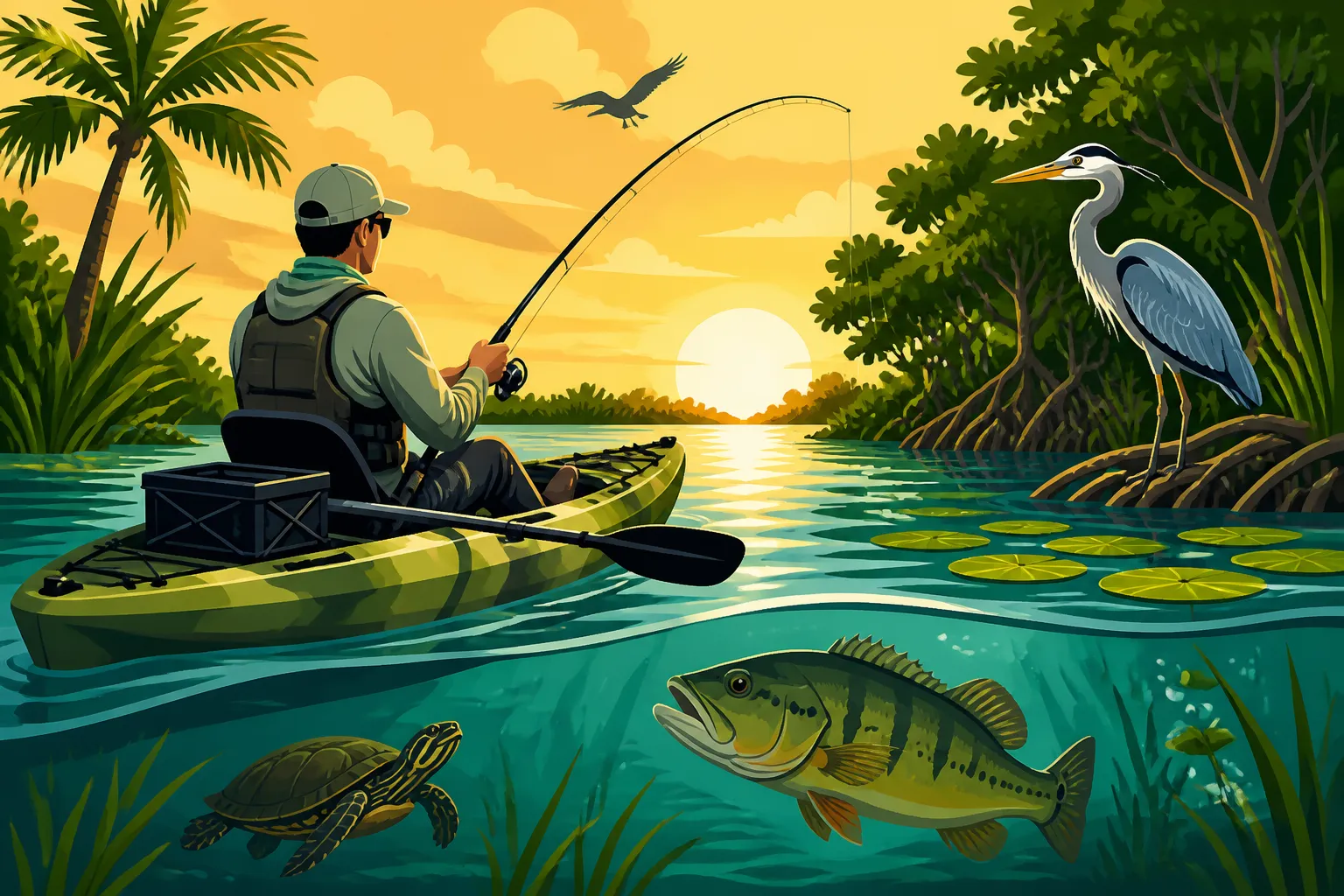
Imagine paddling silently through winding mangrove tunnels, the only sounds being the gentle dip of your paddle and the occasional splash of a feeding fish or the call of a wading bird. The Everglades offers an incredible sense of solitude and connection to nature that's hard to find in more urbanized fishing spots. It's not uncommon to spot alligators, crocodiles, manatees, dolphins, and a stunning array of birdlife while you're out on the water. This raw, untamed beauty is a huge part of what draws so many to the region. The opportunity to target species like the elusive tarpon, powerful snook, and hard-fighting redfish in their natural habitat, often on artificial lures or even fly, is a truly special experience. For those seeking true wilderness and a break from crowded boat ramps, the Everglades delivers.
Unique Challenges for Kayak Anglers
While the allure is strong, the Everglades presents significant challenges for kayak anglers. First and foremost is navigation. The vast network of creeks, bays, and mangrove tunnels can be disorienting, and it's incredibly easy to get lost without proper navigation tools. Weather conditions can change rapidly, with intense afternoon thunderstorms, strong winds, and scorching sun being common. Wildlife encounters, particularly with alligators and crocodiles, require respect and awareness. The sheer size of the area means long paddles are often necessary to reach productive fishing grounds. Furthermore, cell service can be spotty or non-existent in many remote areas, adding to the importance of self-reliance and preparedness. Knowing the intricacies of Florida Fishing Regulations and Bag Limits is also crucial, as rules can vary by region and species.
Top Kayak Fishing Zones in the Everglades
The Everglades is massive, stretching over 1.5 million acres. To simplify, we can break it down into a few key areas, each offering distinct opportunities and challenges for kayak anglers.
Flamingo and Florida Bay
At the southern tip of the Everglades National Park lies Flamingo, a popular launching point that offers direct access to Florida Bay and the labyrinthine creeks and shallow waters of the backcountry. This area is famous for its incredible saltwater fishing opportunities.
- Target Species and Techniques: In Florida Bay, you'll primarily be targeting snook, redfish, spotted seatrout, and juvenile tarpon. The vast shallow flats are perfect for sight fishing, especially during higher tides when fish move up to feed. Anglers often use topwater plugs, soft plastic jerkbaits, or live shrimp under a popping cork. The mangrove edges and oyster bars are key areas to cast. For those looking to really test their skills, chasing larger tarpon can be done, especially during their migratory periods.
- Access and Navigation: Flamingo offers multiple launch points, including a boat ramp and designated kayak launches. The main challenge here is the sheer size of Florida Bay and the intricate network of creeks. A reliable GPS unit loaded with marine charts is absolutely essential. Places like Mrazek Pond and Snake Bight are well-known spots, but don't be afraid to explore the smaller, unnamed cuts and coves. Be aware of wind conditions in Florida Bay, as it can get choppy quickly, making long paddles arduous. You might also want to explore some of the self-guided canoe trails like Hell's Bay for a truly immersive experience, though these require serious preparation and navigation skills. If you're new to the area, consider looking into guides, possibly through platforms like FishingBooker, who specialize in Everglades Fishing Guide services.
- Unique Considerations: This area is within a National Park, so specific rules and regulations apply beyond general Florida fishing licenses. There are also designated wilderness areas where motorized boats are prohibited, making them ideal for kayak exploration. Keep an eye out for crocodiles, especially in the brackish water channels. Always carry plenty of water and insect repellent, as mosquitoes and no-see-ums can be intense, particularly in warmer months.
Chokoloskee and the Ten Thousand Islands
Moving to the western edge of the Everglades, Chokoloskee Island serves as the gateway to the sprawling Ten Thousand Islands National Wildlife Refuge. This region is a true backcountry paradise, characterized by an endless maze of mangrove islands, shallow passes, and hidden bays.
- Target Species and Techniques: This area is a prime destination for redfish, snook, and tarpon, with occasional shots at permit and Goliath grouper (catch and release only, of course). The key here is understanding the tides, as water levels can fluctuate dramatically, exposing vast mudflats or flooding mangrove roots. Fishing the outgoing tide around creek mouths and passes can be incredibly productive as baitfish get flushed out. Soft plastics, weedless spoons, and live pilchards or mullet are go-to baits. Fly anglers will find endless opportunities to stalk redfish tailing on the flats. This area is a phenomenal place for those who love to explore and aren't afraid of tight quarters.
- Access and Navigation: Public boat ramps and kayak launches are available in Chokoloskee, including at Chokoloskee Island Park and Marina. Navigation in the Ten Thousand Islands is notoriously difficult. Without a good map and GPS, you can easily get turned around. The tides are powerful, and currents can be strong in the major passes. It's highly recommended to go with someone experienced or hire a guide for your first few trips. For more detailed insights on how to navigate these waters, exploring information on Best Backcountry Spots in the Ten Thousand Islands can be invaluable.
- Unique Considerations: The sheer remoteness here means preparedness is paramount. Always let someone know your float plan. The fishing pressure can be lighter in the deeper recesses of the islands, rewarding those willing to paddle further. This area is also rich in history, with ancient Calusa shell mounds scattered throughout the islands. Remember, many of these islands are protected bird nesting sites, so observe from a respectful distance.
Everglades City and Barron River
Just north of Chokoloskee, Everglades City offers another fantastic access point to the western Everglades, particularly the Barron River and its numerous feeder creeks. This area is generally more developed than Chokoloskee but still offers excellent fishing.
- Target Species and Techniques: Similar to Chokoloskee, you'll find plenty of snook, redfish, and tarpon here. The Barron River itself and the surrounding canals provide excellent structure. Fishing around fallen trees, docks, and bridge pilings can yield good results. Live bait, like shrimp or pilchards, freelined or under a cork, works exceptionally well. Artificial lures such as suspending twitchbaits and jig-and-soft-plastic combos are also effective.
- Access and Navigation: Everglades City has several boat ramps and places to launch kayaks, including public ramps and private marinas. Navigation is somewhat simpler than the sprawling Ten Thousand Islands, as the main river channels are more defined. However, venturing into the smaller, unmarked creeks still demands careful attention to your map and GPS. The general area is a great base for anglers targeting a variety of species.
- Unique Considerations: Everglades City has more amenities than Flamingo or Chokoloskee, with restaurants and lodging options. It can also be a bit busier, especially during peak season. Pay attention to boat traffic in the main channels, as larger fishing vessels frequent the area. It's a great spot to consider if you're looking for a slightly less remote experience but still want classic Everglades fishing.
Freshwater Canals (Tamiami Trail and C-Canals)
For a completely different Everglades kayak fishing experience, venture into the freshwater canal systems that run alongside major roads like the Tamiami Trail (US-41) and the various C-canals in South Florida.
- Target Species and Techniques: Here, your primary targets will be largemouth bass, and more excitingly, the vibrantly colored peacock bass, which are an invasive but highly sought-after species. You'll also encounter Mayan cichlids, oscars, and various panfish. These canals often have clear water, making sight fishing a viable option. Topwater frogs, spinnerbaits, soft plastic worms, and small jerkbaits are all excellent choices for bass. Peacock bass are aggressive and will readily strike fast-moving lures. Fly anglers can have a field day with poppers and streamers.
- Access and Navigation: The beauty of canal fishing is its accessibility. You can often pull off the road and launch your kayak directly from the bank. Navigation is straightforward – you're essentially paddling in a straight line or following the canal's twists and turns. This makes it an excellent option for beginners or those looking for a quick fishing fix without extensive travel.
- Unique Considerations: While convenient, these areas are often less wild than the backcountry. You'll be closer to roads and potentially more urban environments. Alligators are abundant in these canals, so always maintain a safe distance. Watch out for submerged obstacles like fallen branches or trash. For freshwater anglers, make sure you understand the Florida Freshwater Fishing License Rules, as they differ from saltwater licenses.
Here's a quick comparison of these fantastic Everglades kayak fishing zones:
| Zone | Primary Species | Access Level | Challenge Level | Best For | Unique Feature |
|---|---|---|---|---|---|
| Flamingo / Florida Bay | Snook, Redfish, Seatrout, Tarpon (juvenile) | Moderate | High | Saltwater flats & backcountry | Remote, pristine National Park setting |
| Chokoloskee / Ten Thousand | Redfish, Snook, Tarpon, Permit | Moderate | Very High | Backcountry mangrove maze, tidal fishing | Vast, intricate island system |
| Everglades City / Barron River | Snook, Redfish, Tarpon | Easy to Moderate | Moderate | River & canal fishing, accessible backcountry | More amenities, good base for exploration |
| Freshwater Canals | Largemouth Bass, Peacock Bass, Mayan Cichlid | Very Easy (roadside) | Low | Accessible freshwater action | Unique exotic species in urban-ish wilderness |
Essential Gear and Techniques for Everglades Kayak Anglers
Being well-equipped is crucial for a successful and safe kayak fishing trip in the Everglades. This isn't your average lake or river, so a few specialized items and techniques can make all the difference.
Your Kayak and Safety Essentials
Choosing the right kayak for the Everglades means prioritizing stability, shallow draft, and storage. Pedal-drive kayaks (like those from Hobie or Old Town) are often favored here, as they allow for hands-free propulsion, which is invaluable for casting while maneuvering through tight spots or fighting a fish. However, paddle kayaks are also perfectly suitable, especially if you prefer a simpler setup or are navigating very narrow trails.
Safety gear is non-negotiable. Always wear a U.S. Coast Guard-approved Personal Flotation Device (PFD). A signaling whistle, mirror, and bright flag for visibility are critical, especially in Florida Bay or areas with boat traffic. A comprehensive first-aid kit, a repair kit for your kayak, and a reliable bilge pump (even for a sit-on-top) should always be with you. The sun in Florida is intense, so sun protection is paramount: a wide-brimmed hat, polarized sunglasses, long-sleeved UPF clothing, and plenty of reef-safe sunscreen. Don't forget insect repellent – the mosquitoes and no-see-ums can be legendary. Finally, carrying ample water is not just a suggestion, it's a necessity. Dehydration can set in quickly in the Florida heat and humidity.
Navigation Tools Are Your Best Friends
Getting lost in the Everglades is not just an inconvenience; it can be dangerous. A reliable GPS device, either a dedicated marine unit from brands like Garmin or Lowrance, or a smartphone/tablet running a good mapping app (e.g., Navionics, Avenza Maps with FWC charts), is absolutely vital. Make sure your device is waterproof and fully charged, and consider bringing a portable power bank. Always download offline maps before you go, as cell service is unreliable. Knowing how to read a tide chart is also essential for saltwater areas, as tides dictate fish movement and access through shallow channels. For those considering an Is a Guide Required to Fish the Everglades Backcountry? question, proper navigation is one of the strongest arguments for using one initially.
Fishing Tackle and Techniques
For saltwater species like snook and redfish, a medium-light to medium spinning rod (7-foot to 7-foot, 6-inch) paired with a 2500-4000 series reel spooled with 10-20 lb braided line is a versatile setup. A 20-30 lb fluorocarbon leader is recommended for abrasion resistance against sharp oyster shells and fish teeth. For freshwater bass and peacock bass, a similar setup with slightly lighter leader (10-15 lb fluorocarbon) works well.
When it comes to lures, versatility is key:
- Topwater Plugs: For explosive strikes from snook, redfish, and bass, especially in low light conditions.
- Soft Plastics: Paddle tails, jerkbaits, and worm imitations rigged weedless are highly effective around mangroves and grass. Z-Man and D.O.A. are popular brands.
- Spoons: Weedless spoons are excellent for covering ground and imitating baitfish in shallow, grassy areas.
- Jigs: Jig heads paired with various soft plastic bodies are incredibly versatile for bottom bumping or swimming through the water column.
Live bait, particularly live shrimp or small pilchards, can be deadly in the saltwater areas, especially when fish are finicky. Knowing how to cast net for bait can be a huge advantage.
Navigating Regulations and Responsible Angling
Florida's unique ecosystem comes with specific rules and a strong emphasis on conservation. Understanding these regulations is not just about avoiding fines, but about protecting the incredible resource that is the Everglades fishery.
Understanding Florida Fishing Licenses
Before you even launch your kayak, ensure you have the correct Florida Fishing License Guide. If you're fishing in saltwater areas like Florida Bay or the Ten Thousand Islands, you'll need a Florida Saltwater Fishing License Rules. If you're targeting largemouth bass or peacock bass in the freshwater canals, a Florida Freshwater Fishing License Rules is required. Many anglers who frequent the Everglades purchase a combination license to cover all bases, as the brackish water can blur the lines between environments. Remember that some species, like snook, require an additional permit, so be sure to check Florida Snook Permit Requirements before heading out. Children under 16 and Florida residents over 65 are often exempt, but always verify current rules with the Florida Fish and Wildlife Conservation Commission (FWC).
Bag Limits, Seasons, and Protected Species
Beyond the general license, every species has specific bag limits, size restrictions, and open/closed seasons. These regulations are designed to ensure sustainable fish populations. For example, Florida Tarpon Fishing Season Guide details catch-and-release rules for this iconic fish. Snook and redfish also have strict slot limits and closed seasons to protect them during spawning. Always check the latest FWC regulations before your trip. Ignorance of the law is not an excuse, and penalties for violations can be significant.
Certain areas within the Everglades, especially within the National Park and Wildlife Refuges, may have additional rules regarding fishing methods, bait use, or access. Always review the specific regulations for the area you plan to visit.
Practicing Ethical Catch and Release
The Everglades is a delicate ecosystem, and practicing ethical catch and release is vital, especially for species like snook, redfish, and tarpon, which are often targeted for sport rather than harvest.
- Minimize Fight Time: Use appropriate tackle to land fish quickly, reducing stress.
- Handle With Care: Keep fish in the water as much as possible. If you must bring them aboard, use wet hands or a wet net. Avoid touching their gills or eyes.
- Proper Dehooking: Have a dehooking tool readily available to quickly remove hooks. Cut the line if the fish is deeply hooked.
- Revive If Necessary: If a fish seems sluggish, hold it gently in the water, facing into the current, until it regains strength and can swim away on its own.
By adhering to regulations and practicing responsible angling, you contribute to the health and longevity of this magnificent fishery, ensuring that future generations can enjoy the unparalleled experience of kayak fishing in the Everglades. For first-timers or those looking to expand their knowledge of the area, a guided trip booked through a reputable service can provide invaluable insights into both fishing techniques and conservation practices.
Disclaimer
Fishing in the Florida Everglades can be challenging and unpredictable. Always prioritize safety, check weather conditions, and be aware of your surroundings. This guide provides general information, and it is the angler's responsibility to consult the latest regulations from the Florida Fish and Wildlife Conservation Commission (FWC) and Everglades National Park before any trip. Fishing conditions and accessibility can change, so local knowledge and up-to-date information are crucial.