Ten Thousand Islands Fishing Guide in South Florida
Few fishing destinations in Florida present such a formidable yet rewarding challenge as the Ten Thousand Islands. Anglers often struggle with its vast, intricate maze of mangroves, shallow waters, and ever-changing tides, making it feel impossible to find the best spots or even know where to begin. This comprehensive guide will untangle the complexities of fishing this unique South Florida ecosystem, providing you with the knowledge and strategies to experience incredible inshore action.
Welcome to the Ten Thousand Islands: An Angler's Paradise
The Ten Thousand Islands region of Southwest Florida isn't just a fishing spot; it's an entire world unto itself. Stretching along the coast from Marco Island down to Everglades City and beyond, this expansive wilderness is a labyrinth of mangrove islands, oyster bars, and shallow bays, all intertwined with intricate tidal creeks and estuaries. It’s a place where the wild heart of Florida beats strongest, offering an unparalleled backcountry fishing experience that's both breathtakingly beautiful and incredibly productive.
What Makes This Region Unique for Fishing?
What truly sets the Ten Thousand Islands apart is its unique geology and hydrology. Unlike the open flats or clear waters found in some other parts of Florida, this area is defined by its dense mangrove forests, which create an endless network of sheltered waterways. These mangroves serve as nurseries for countless marine species, offering protection and an abundant food source, making it an ideal habitat for many of our most sought-after inshore game fish. The brackish water, a mix of freshwater from the Everglades and saltwater from the Gulf of Mexico, creates a dynamic environment that supports a rich diversity of life. The challenges here are part of the allure – navigating the narrow passages, reading the subtle signs of fish activity, and understanding the powerful influence of the tides can be intimidating, but the rewards are truly magnificent.
The Sheer Scale and Untamed Beauty
When people talk about "South Florida fishing," they often picture vibrant coral reefs or bustling marinas. But the Ten Thousand Islands offers something entirely different: raw, untamed nature. Imagine poling silently through a narrow creek, the only sounds being the gentle lapping of water against your skiff and the calls of exotic birds. The coastline here is constantly shifting, shaped by storms and tides, creating a landscape that feels ancient and wild. This isn't just about catching fish; it's about immersing yourself in an environment that few ever get to truly experience. The sheer scale can be overwhelming; there are indeed thousands of small islands, many of them uninhabited, providing endless nooks and crannies for fish to hide and for anglers to explore. It's truly one of the most stunning places to cast a line in the Sunshine State.
Common Frustrations and Why This Guide Helps
Let's be real, the Ten Thousand Islands can be a tough nut to crack, especially for first-timers. A major frustration many anglers face is simply getting lost. The maze of mangroves can disorient even experienced navigators, and GPS can only do so much when every channel looks similar. Another common complaint is the challenge of accessing prime fishing areas due to extremely shallow water, oyster bars that can damage props, or strong tidal currents. And then there's the fish themselves – they're here in abundance, but knowing where they are in this expansive environment and how to entice them can feel like solving a complex puzzle. This guide aims to alleviate those frustrations by breaking down the unique characteristics of this fishery, offering tried-and-true techniques, and providing practical advice on planning your trip, whether you're going it alone or opting for a seasoned guide.
Navigating the Unique Ecosystem of the Ten Thousand Islands
Understanding the distinct features of the Ten Thousand Islands ecosystem is paramount to successful fishing. This isn't your typical open-water fishing; it's a dynamic interplay of land and sea, where every mangrove root and tidal current plays a role in the movement and behavior of fish.
Mangrove Mazes and Tidal Creeks
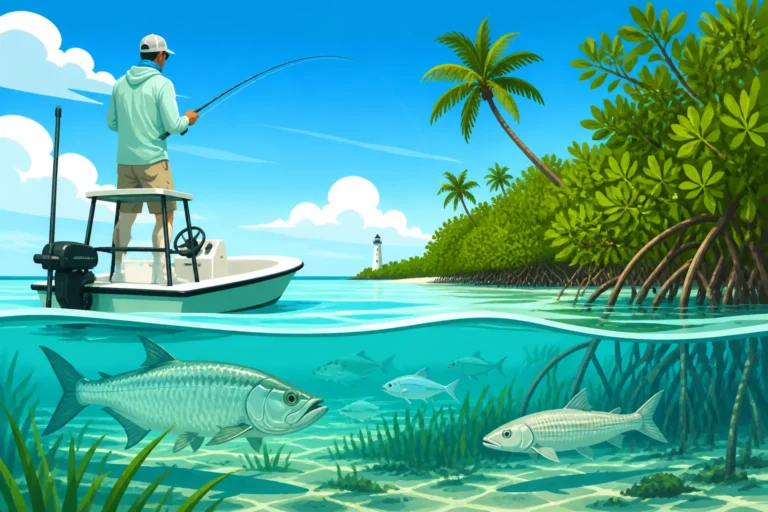
The defining feature of this region is undoubtedly its dense mangrove forests. These aren't just pretty trees; they form the backbone of the ecosystem. Red mangroves, with their distinctive prop roots, provide critical habitat, shelter, and feeding grounds for juvenile fish, crabs, and shrimp – the base of the food chain. The channels and creeks that wind through these mangroves are essentially highways for fish, connecting larger bays to the interior. During high tide, fish push deep into the mangrove tunnels, seeking baitfish and cooler water. As the tide recedes, they often funnel out into the main creeks and onto the edges, creating ambush points. Learning to read these flows and target the edges of the mangroves is a core skill for anyone fishing here. It’s a game of patience and precision, as a well-placed cast into a shadowy pocket can often yield explosive results.
Shallow Bays and Estuaries
Beyond the narrow creeks, the Ten Thousand Islands opens up into expansive shallow bays and estuaries. These areas, like the vast waters around Chokoloskee Bay, are often characterized by grass flats, oyster bars, and sandy potholes. These bays are transitional zones, where fish might move from the deeper Gulf waters to feed or seek shelter before moving into the mangrove creeks. Oyster bars are particularly productive, as they provide structure, attract bait, and offer eddies where predatory fish can lie in wait. Wade fishing can be incredibly effective in these shallow bays, allowing you to quietly stalk fish that might spook from a boat. However, navigating these areas requires extreme caution; many spots are only a foot or two deep at high tide, and lower tides can leave you high and dry. A shallow-draft boat, like a technical poling skiff, is often essential for truly exploring these areas without damaging your vessel or the delicate habitat.
The Influence of Freshwater Runoff
Another critical, and often overlooked, aspect of the Ten Thousand Islands is the influence of freshwater runoff from the Everglades. This influx of freshwater creates a brackish environment, meaning the salinity levels can vary significantly depending on rainfall, season, and proximity to the mainland. Many of the most popular inshore species, like snook and redfish, thrive in brackish waters, tolerating a wide range of salinity. However, extreme fluctuations, especially after heavy rains, can push fish out of certain areas as they seek more stable conditions. This also means that anglers might encounter a wider variety of species than just typical saltwater fare, occasionally even catching freshwater species mingling with their saltwater cousins. Understanding these freshwater inputs, which can often be identified by slightly stained or "tea-colored" water, can help you predict where fish might be holding. It adds another layer of complexity, but also another dimension to the angling opportunities available in this unique region.
Prime Fish Species to Target in the Ten Thousand Islands
The Ten Thousand Islands is a vibrant tapestry of marine life, offering anglers a shot at some of Florida's most iconic inshore game fish. Knowing which species thrive here and understanding their habits is key to a successful outing.
Snook: The Mangrove Master
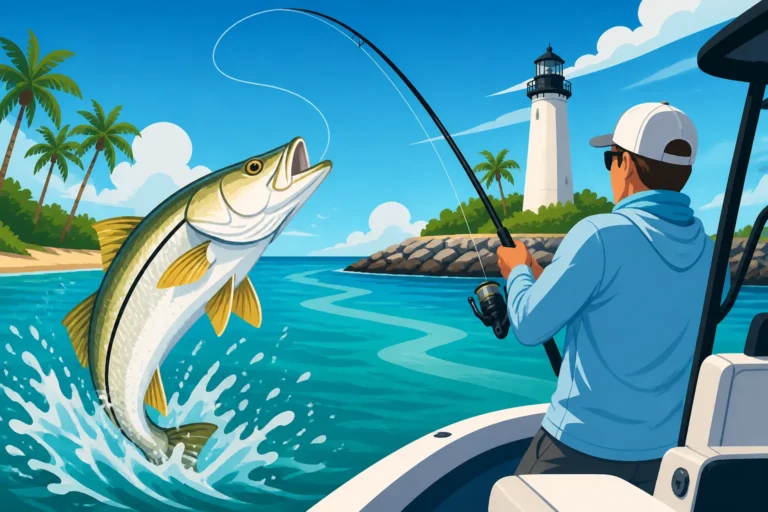
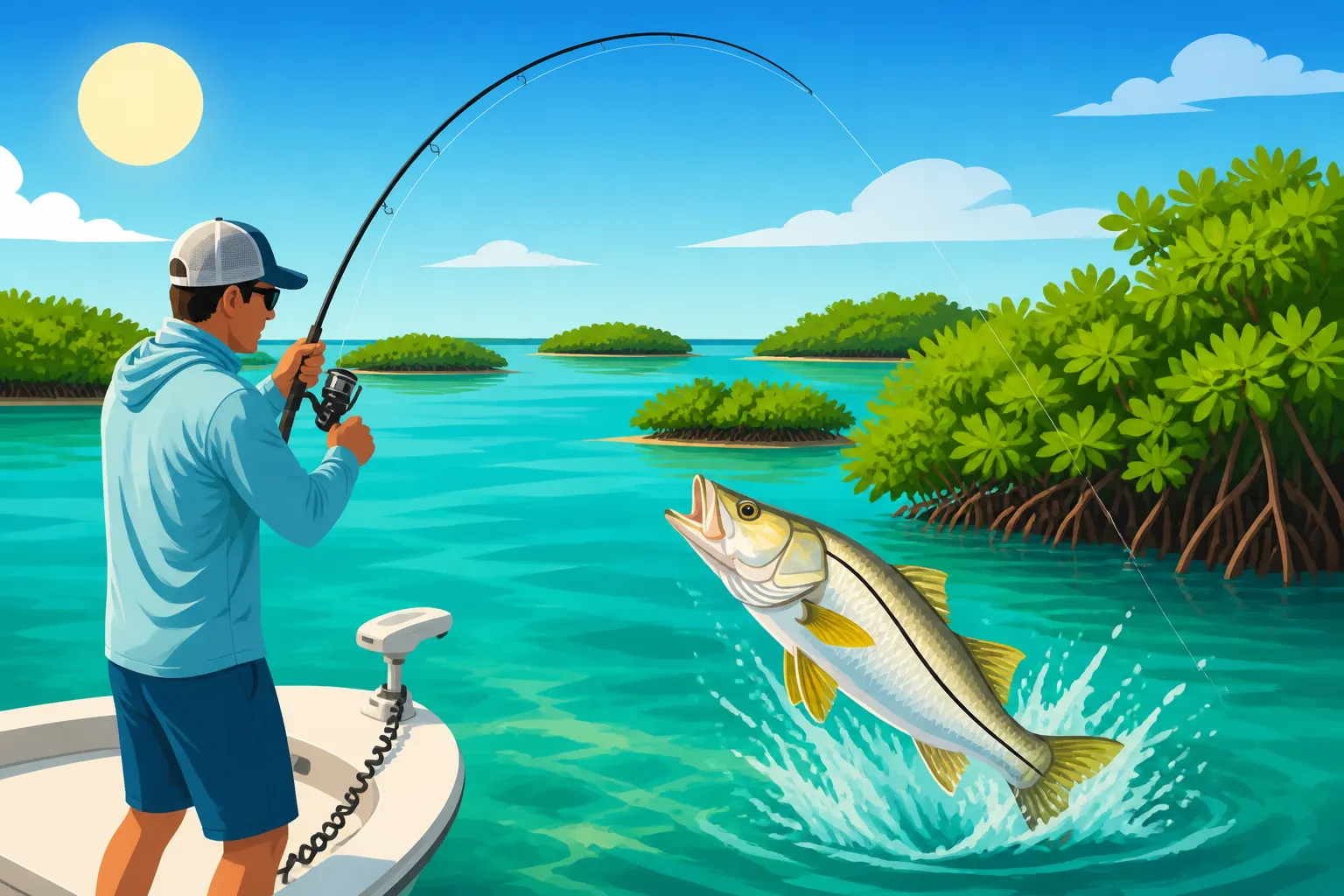
If there's one fish synonymous with the Ten Thousand Islands, it's the snook. These powerful, intelligent predators absolutely love the mangrove environment. They use the labyrinthine root systems for ambush points, darting out to snatch unsuspecting baitfish or crustaceans. Snook are notoriously strong fighters, known for their aggressive strikes and acrobatic jumps. Targeting snook here often involves precise casting into tight mangrove pockets, under overhanging branches, or along the current lines in tidal creeks. They're particularly active during incoming and outgoing tides when bait is being pushed in or out of the mangroves. Live bait, such as pilchards, pinfish, or shrimp, can be incredibly effective, but snook will readily strike artificial lures like soft plastics, jerkbaits, and topwater plugs. You'll want to check the latest Florida Snook Season Guide before heading out, as regulations can change.
Redfish: Tail-Waving Opportunists
Another incredibly popular species in the Ten Thousand Islands is the redfish. These copper-colored beauties are often found "tailing" in super shallow water, their tails breaking the surface as they root around for crabs, shrimp, and small fish in the grass flats and sandy bottoms of the bays and creeks. Redfish are strong, dogged fighters, known for their powerful runs. They're often found in schools, making for exciting sight-fishing opportunities. When the tide is low, they might congregate in slightly deeper potholes or along the edges of oyster bars. A great technique for redfish is to cast weedless spoons or soft plastics into shallow water, mimicking their natural prey. Fly anglers particularly love this region for redfish, enjoying the challenge of presenting a fly to a "tailing" fish. These fish are a blast to catch, and the Ten Thousand Islands provides some of the best opportunities to target them. Learn more about targeting these incredible fish in our Florida Redfish Fishing Guide.
Tarpon: The Silver King's Domain
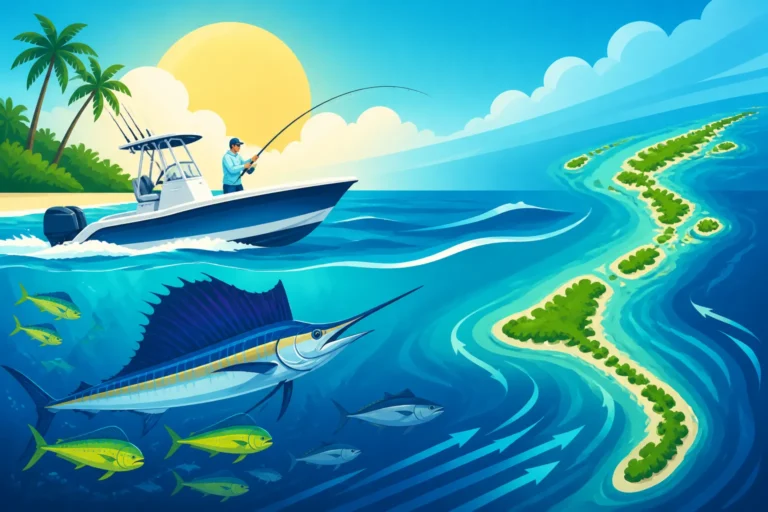
While often associated with the open Gulf or the Florida Keys, tarpon—the magnificent "Silver King"—are surprisingly prevalent in the Ten Thousand Islands, especially during certain times of the year. Juvenile tarpon often inhabit the deeper mangrove creeks and backcountry ponds, growing up in these nutrient-rich waters before heading out to the open ocean. Larger migratory tarpon pass through the outer edges of the Ten Thousand Islands, especially in the spring and early summer. Catching a tarpon, regardless of size, is an unforgettable experience due to their sheer power and incredible aerial displays. Targeting them in the backcountry requires heavy tackle and stealth, often involving live bait or large flies cast near rolling fish. While not as abundant as snook or redfish, the possibility of hooking into a monster tarpon adds an exciting dimension to fishing this region. For more in-depth information on these acrobatic fish, check out our Florida Tarpon Fishing Guide.
Other Notable Catches: Trout, Permit, and More
Beyond the big three, the Ten Thousand Islands offers a diverse array of other species that can make your trip even more exciting. Spotted seatrout are plentiful in the shallower grass flats, especially during cooler months. They're eager biters and a great option for a consistent bite. You can learn more about finding them in our Florida Spotted Seatrout Fishing Guide. Permit, while more elusive, can be found foraging over sandy and grassy bottoms, particularly near the outer islands. Tripletail are often spotted around crab trap buoys or floating debris. Black drum and sheepshead frequent the oyster bars and structure within the creeks, providing excellent opportunities for bottom fishing with shrimp or crabs. The sheer biodiversity means that even on a slow day for one species, there's always a chance to hook into something unexpected and exciting. The varied habitats support everything from small baitfish to impressive sharks, making every cast an adventure.
Essential Fishing Techniques for Ten Thousand Islands Success
Fishing the Ten Thousand Islands requires a blend of specific techniques, patience, and an understanding of the unique environment. It's not just about brute force; it's about finesse, stealth, and knowing how to adapt to the ever-changing conditions.
Sight Fishing the Flats
Sight fishing is perhaps the most rewarding technique in the Ten Thousand Islands, particularly when targeting redfish and sometimes snook or permit. This involves slowly poling or silently drifting over shallow grass flats and sandy areas, actively looking for signs of fish. These signs might be a redfish's tail breaking the surface, a subtle "push" of water indicating a fish moving, or the flash of a snook as it cruises a pothole. Success hinges on a keen eye, polarized sunglasses, and the ability to make quick, accurate casts to moving targets without spooking them. The clear, shallow water on many flats, especially during higher tides, makes sight fishing viable. When you spot a fish, the goal is to present your bait or lure several feet in front of it, allowing the fish to see it and react naturally. This can be an incredibly thrilling and challenging way to fish, requiring both patience and precision. For an overview of how these techniques apply to a wider range of scenarios, our Florida Inshore Fishing Techniques guide offers great insights.
Casting into the Mangrove Tunnels
The mangrove tunnels and shorelines are prime hunting grounds for snook and often redfish. This technique focuses on getting your lure or live bait deep into the shadows and underneath the tangled roots where these predatory fish lie in wait. It requires a fair bit of accuracy and skill to avoid getting hung up in the dense vegetation. Anglers often use skipping casts or sidearm casts to get their presentations deep into these tight spots. Live shrimp, small pilchards, or artificial lures like soft plastic paddletails or jerkbaits are excellent choices. The key is to retrieve your bait slowly, mimicking a wounded prey item, and be ready for an immediate, explosive strike. This is not a place for timid casts; you need to be confident and willing to get your hands dirty, as retrieving snags is part of the game.
Live Bait vs. Artificial Lures
The age-old debate of live bait versus artificial lures holds true in the Ten Thousand Islands, with both having their distinct advantages. Live bait, such as fresh shrimp, pilchards, or pinfish, often offers the most consistent bites. The natural scent and erratic movement can entice even the most finicky fish. However, catching or buying live bait can be time-consuming, and keeping it alive requires extra gear. Artificial lures, on the other hand, offer convenience and allow anglers to cover more water quickly. Soft plastics rigged on jig heads, topwater plugs for explosive strikes, and weedless spoons are all highly effective. The choice often comes down to personal preference, prevailing conditions, and the target species. Many experienced anglers bring both, adapting their approach based on what the fish are responding to on a given day. Our Best Live Bait for Florida Inshore Fishing article delves deeper into various bait options that work well here.
Gear Selection for the Backcountry
Choosing the right gear is crucial for Ten Thousand Islands fishing. You'll want medium-heavy spinning rods, typically 7-7.5 feet long, paired with 2500-4000 series reels. Spool your reels with 10-20 lb braided line, which offers superior casting distance and sensitivity, and a strong 20-40 lb fluorocarbon leader for abrasion resistance against sharp mangrove roots and oyster shells. For heavier fish like larger tarpon, you might even step up to a 5000-6000 series reel with 30-50 lb braid. A good pair of polarized sunglasses is non-negotiable for spotting fish in the shallow water, and a wide-brimmed hat and sun-protective clothing are essential under the South Florida sun. Don't forget a pair of pliers for hook removal and a net or lip gripper for handling fish safely. Given the remote nature of many spots, a well-stocked tackle box with a variety of lures, hooks, and weights is also a must-have.
Planning Your Ten Thousand Islands Fishing Adventure
A successful fishing trip to the Ten Thousand Islands isn't just about what happens on the water; it starts with solid planning. From understanding the best times to visit to knowing the legalities, a little preparation goes a long way in this unique destination.
Best Times of Year to Visit
While you can technically fish the Ten Thousand Islands year-round, certain seasons offer optimal conditions and target species. Generally, the cooler months from fall through spring (October to April) are considered prime time. During these months, the air temperatures are more comfortable, the humidity is lower, and species like snook, redfish, and trout are highly active in the backcountry as they feed heavily. Water clarity tends to improve, making sight fishing more productive. Summer (May to September) can be hot and humid, with frequent afternoon thunderstorms. However, large migratory tarpon can be abundant on the outer edges, and the inshore bite can still be excellent, especially during early mornings or late evenings. Just be prepared for the heat and sudden weather changes. Understanding the Best Time of Year to Fish in Florida generally can also help you pinpoint your ideal visit.
Tidal Considerations and Weather Impacts
Tides are the lifeblood of the Ten Thousand Islands, dictating when and where fish will feed. An understanding of the tidal flow is non-negotiable. Incoming tides often push bait into the mangrove creeks and can activate the bite, while outgoing tides can concentrate fish along choke points as water drains out. Slack tide, with minimal water movement, is often the slowest for fishing. Always consult a local tide chart for your specific fishing date and location. Weather also plays a huge role. Cold fronts in winter can stun fish and make them lethargic, pushing them into deeper holes. Strong winds can make navigating difficult and muddy up the shallow flats, reducing visibility. Conversely, calm, sunny days with a moderate breeze are often ideal. Pay close attention to marine forecasts, not just general weather. Even a slight change in wind direction can completely alter fishing conditions in the backcountry.
Permits and Regulations: What You Need to Know
Florida has specific regulations to protect its precious marine resources, and the Ten Thousand Islands is no exception. First and foremost, anyone over the age of 16 will need a valid Florida Fishing License Guide. This includes both residents and non-residents, with different fees and requirements depending on your residency status. You’ll need to specify if you're fishing freshwater, saltwater, or both, as the Ten Thousand Islands is predominantly saltwater but with significant brackish zones. Always double-check the current bag limits and slot sizes for species like snook, redfish, and trout, as these can change regionally and seasonally. Some species, like tarpon, are catch-and-release only unless you purchase a special permit if you intend to keep one (which is rare). Many parts of the Ten Thousand Islands fall within the boundaries of Everglades National Park or other protected areas, which may have additional rules regarding access, idling speeds, or even bait restrictions. Always familiarize yourself with these specific guidelines before you cast a line. The Florida Fish and Wildlife Conservation Commission (FWC) website and their Florida GoOutdoors App Fishing License are excellent resources for the most up-to-date information on Florida Fishing Regulations and Bag Limits.
Hiring a Guide vs. DIY Exploration
Deciding whether to hire a professional guide or venture out on your own is a crucial choice for fishing the Ten Thousand Islands. Both options offer distinct experiences and come with their own set of advantages and challenges.
The Unmatched Value of a Local Guide
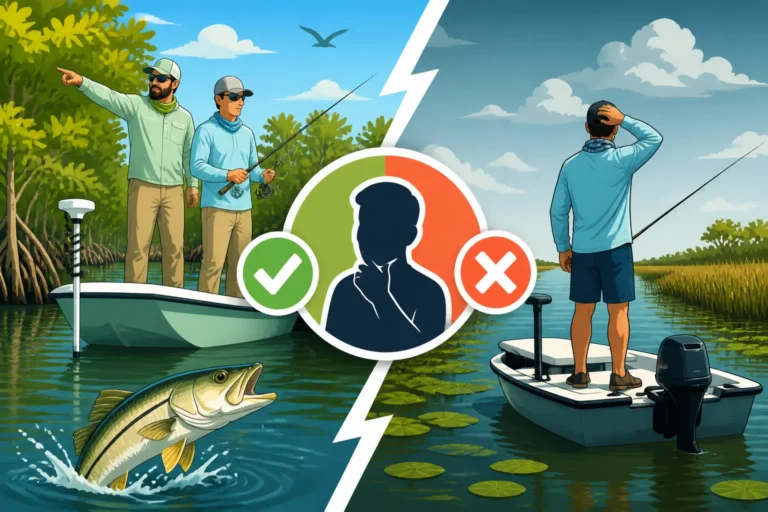
For many, especially first-time visitors or those unfamiliar with the area, hiring a local fishing guide is hands-down the best decision. The Ten Thousand Islands is incredibly complex, and a seasoned guide offers unparalleled expertise. They know the labyrinthine channels like the back of their hand, understand the subtle nuances of the tides, and have an intimate knowledge of where the fish are holding based on current conditions. A good guide will provide all the necessary gear, bait, and often even handle the fishing license for everyone on board, simplifying your trip immensely. More than just finding fish, they teach you local techniques, spot fish you'd never see, and ensure your safety in a challenging environment. This investment often translates into a far more productive and enjoyable day on the water, turning a potentially frustrating experience into a memorable success. When searching for reputable captains, platforms like FishingBooker can be an excellent starting point, allowing you to browse available charters, read reviews, and compare prices. Our Florida Fishing Charter Guide provides more detailed advice on what to expect.
Equipping Yourself for a Solo Trip
If you're an experienced angler with your own shallow-draft boat, navigating the Ten Thousand Islands on your own can be an incredible adventure. However, it requires significant preparation and an understanding of the inherent risks. You'll need a reliable vessel, ideally a poling skiff or a bay boat with a shallow draft and a trolling motor, to access the prime backcountry spots. Essential navigational tools include a robust GPS with detailed charts, a satellite phone or VHF radio for emergencies (cell service can be spotty), and plenty of fuel. Safety gear, including life jackets, flares, and a first-aid kit, is non-negotiable. Beyond the boat, you'll need all your own fishing gear, bait (or the means to catch it), and a solid plan for where you intend to fish, factoring in tides and weather. Self-guided trips offer unparalleled freedom and the thrill of discovery, but they demand a high level of self-sufficiency and respect for the wilderness. Always let someone know your float plan, and never underestimate the power of Mother Nature in this remote area.
Finding the Right Guide for Your Trip
Choosing the right guide can make or break your Ten Thousand Islands experience. It's not just about finding someone with an open date; it's about finding a captain whose style, expertise, and target species align with your expectations. Start by researching guides who specialize in the Ten Thousand Islands backcountry. Look for captains with extensive experience in the area, particularly those who use shallow-draft boats suitable for accessing the best spots. Read reviews from previous clients to get a sense of their personality and effectiveness. Consider what you want to catch – some guides specialize in fly fishing for tarpon, others focus on live bait for snook and redfish. Don't be afraid to call a few captains, discuss your goals, and ask about their approach. Platforms like FishingBooker are invaluable here, as they aggregate profiles, allow you to filter by location and species, and show client feedback. This thorough vetting process will ensure you book a trip that's tailored to your ideal fishing adventure. Our guide on How to Choose a Florida Fishing Guide offers even more insights into this process.
Disclaimer
The information provided in this guide is for general informational purposes only. Fishing regulations, seasons, and licensing requirements in Florida are subject to change. Always consult the official Florida Fish and Wildlife Conservation Commission (FWC) website or app for the most current and accurate regulations before engaging in any fishing activities. Ensure you have all necessary licenses and permits. Fishing can be a dangerous activity; always prioritize safety and be aware of local conditions.