Best Spots Near Naples for Snook
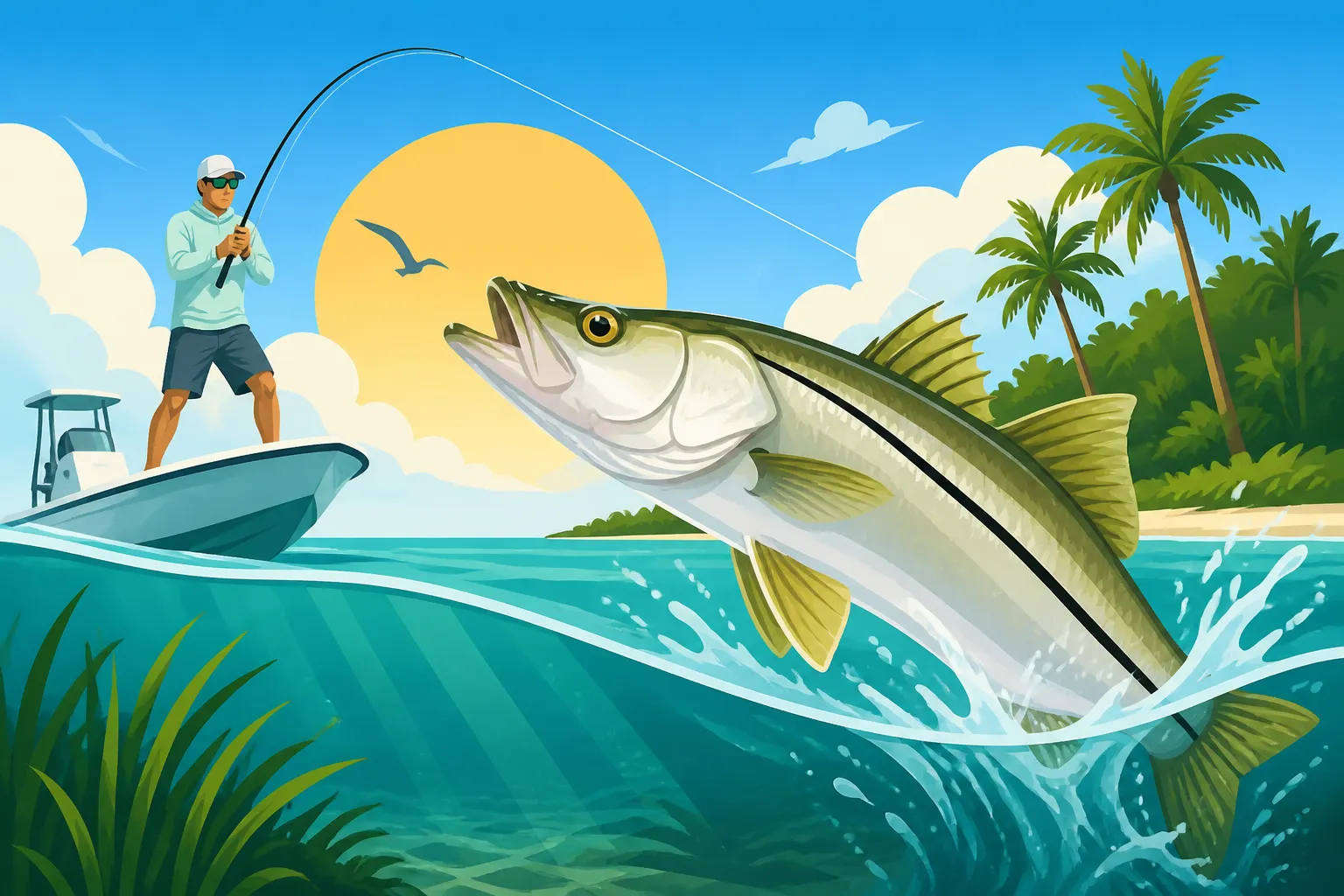
Oh, the common frustration! You've heard tales of those legendary snook, the tackle-busting "linesiders" that call Southwest Florida home, and you're aching to experience that incredible fight for yourself. But staring at a map of Naples, with its intricate waterways and endless coastline, can feel overwhelming. Where do you even begin to cast for these elusive beauties? This guide is designed to cut through that confusion, giving you the insider scoop on the very best spots near Naples for snook, along with the knowledge you need to turn those fishing dreams into a reel-screaming reality.
Understanding Snook Behavior Near Naples
Before we dive into specific locations, it's crucial to understand what makes snook tick in the Naples area. These intelligent predators aren't just lounging anywhere; they have very specific preferences that change with the seasons, tides, and available food. Knowing their habits is half the battle when it comes to consistently finding and hooking them.
Seasonal Movements and Water Temperatures
Snook are incredibly sensitive to water temperature. This isn't just a casual preference; it's a matter of survival for them, especially in the subtropical climate of Southwest Florida. When water temperatures dip below 68 degrees Fahrenheit, snook become lethargic and vulnerable. During colder months, typically from late fall through early spring, you'll find them retreating deep into warmer backwater areas, canals, and rivers where the water is more stable and often a few degrees warmer. Think of sheltered spots, canals with dark bottoms that absorb heat, or even deep holes in rivers where they can escape the chilling effects of cold fronts.
Conversely, as the water warms up in late spring and through the summer, snook become much more active and spread out. This is when you'll find them venturing out of the backwaters and into the open bays, along beaches, and congregating around passes and inlets for spawning. They thrive in water temperatures between 70 and 85 degrees Fahrenheit, becoming aggressive feeders. Understanding this seasonal migration is key to knowing whether to target the deepest, most protected corners of the backcountry or the more exposed, high-energy areas of the coast. For a more comprehensive look at when these changes happen, you might want to check out our guide on Florida Snook Season Guide.
Tidal Influences and Feeding Patterns
Tides are the lifeblood of snook fishing, especially in the estuarine and coastal waters around Naples. Snook are ambush predators, and they use tidal currents to their advantage, positioning themselves to intercept baitfish, shrimp, and crabs as they're swept past. Generally, a moving tide—whether incoming or outgoing—is better than a slack tide. A strong current often disorients baitfish and makes them easier targets, while also carrying vital nutrients.
During an incoming tide, snook often move onto shallow flats, into mangrove creeks, and around oyster bars, following the rising water that brings in new food sources. They'll hug mangrove roots or structure, waiting for an unsuspecting meal to swim by. An outgoing tide, on the other hand, pulls water, bait, and nutrients out of the backwaters, concentrating fish around choke points like creek mouths, culverts, and points leading into the main bay. This is when snook often stack up, making for some intense feeding frenzies. Pay close attention to the tide charts for the Naples area, and you'll dramatically increase your chances. Certain tides can be more productive than others depending on the specific location, so observing how the current flows in your chosen spot is always beneficial.
Habitat Preferences in Naples' Waters
Snook are true structure junkies. They love anything that provides cover, current breaks, and an ambush point. In Naples, this translates into a variety of ideal habitats. Mangrove shorelines are perhaps the quintessential snook habitat. The intricate root systems offer shelter from predators, a steady food supply (small crabs, baitfish), and shade from the intense Florida sun. Snook will often lie deep within the shadows of the mangroves, darting out to strike at passing prey.
Beyond mangroves, artificial structures like docks, bridge pilings, seawalls, and rock jetties are prime snook real estate. These structures create current breaks and attract baitfish, which in turn attract snook. Don't overlook residential canals, especially those with good water flow and plenty of docks. At night, the glow from dock lights can be a magnet for bait, and therefore, for snook. Even natural features like oyster bars, grass flats, and potholes within these flats can hold snook, particularly during periods of higher water or when the fish are actively cruising for food. Understanding these preferences helps you "read" the water and identify potential snook lies even in unfamiliar territory.
Prime Inshore Snook Havens Around Naples
Naples boasts an incredibly rich and diverse inshore fishery, perfectly suited for targeting snook. From winding rivers to secluded backcountry bays, there are countless opportunities for anglers willing to explore. These inshore spots offer both challenge and immense reward, often yielding impressive snook that might surprise you in shallower waters.
Mangrove Estuaries and Backwater Creeks
The intricate network of mangrove estuaries and backwater creeks surrounding Naples is a snook angler's paradise. Areas like Rookery Bay National Estuarine Research Reserve, while partly protected, have vast stretches of accessible waters on their perimeters that are absolutely teeming with snook. The creeks feeding into Naples Bay, and particularly the extensive Ten Thousand Islands region just south of Naples, offer endless miles of prime habitat. These areas are characterized by winding channels, dense mangrove tunnels, and numerous small islands.
Snook will tuck deep into the shadows of the mangroves, especially on higher tides, waiting to ambush baitfish. As the tide falls, they'll often position themselves at the mouths of these creeks or along the edges of mangrove islands, where the current is carrying food out. Fishing these spots often involves precise casting, pitching live baits or artificials deep into the mangrove roots or along their edges. Kayaks, canoes, or shallow-draft boats are ideal for navigating these tighter spaces, allowing you to get right into the heart of the action. Remember, patience and stealth are your best friends here, as these fish can be easily spooked.
Dock Lights and Bridge Pilings
One of the most exciting ways to target snook in Naples, especially for those looking for a unique experience, is under dock lights and around bridge pilings after dark. As the sun sets, the artificial glow from waterfront homes and businesses attracts vast schools of baitfish, which in turn draw in hungry snook. The Gordon River, which winds through Naples, and the myriad of residential canals branching off it, are fantastic places to look.
Approach these spots quietly, either by boat or even on foot if you have access to a pier or public dock with good lighting. Cast artificial lures like bucktail jigs, soft plastics, or small MirrOlure plugs that mimic baitfish right into the edges of the light, letting them drift naturally with the current. Live shrimp or pilchards fished on a free line or under a small popping cork can also be incredibly effective. For bridge pilings, such as those under the Tamiami Trail bridges or the bridges leading to Gordon Pass, snook use the structure to break the current, creating an ideal ambush point. Cast your offerings upstream and let the current carry them naturally past the pilings, being ready for a sudden, aggressive strike. Fishing these locations often requires strong tackle and quick reflexes, as snook will try to break you off on the structure.
Shallow Flats and Oyster Bars
While mangroves get a lot of attention, the expansive shallow grass flats and oyster bars scattered throughout Naples Bay and its surrounding waters are also prime snook territory, especially during warmer months. These areas provide excellent foraging grounds, rich with crustaceans and baitfish. Good examples include the flats around Keewaydin Island on the backside, or the various oyster beds found closer to the main channels.
Snook will cruise these flats, particularly on an incoming or higher tide, actively hunting for food. Sight fishing can be incredibly rewarding here – poling a boat or kayak slowly and quietly, looking for subtle disturbances, wakes, or the dark shadow of a snook moving across the bottom. Presenting a well-placed artificial, such as a D.O.A. C.A.L. jig, or a live bait like a pinfish or pilchard, can elicit an immediate strike. Oyster bars, with their sharp edges and irregular structure, create perfect hiding spots and current breaks for snook. Cast parallel to the edges of the bars or into potholes within them. Be mindful of your leader, as oysters can be brutal on fishing line. A stronger leader is a must to avoid getting cut off by these abrasive structures. If you're looking to explore deeper into the local fishing scene, considering a local charter can provide invaluable insights into these specific areas; platforms like FishingBooker connect you with experienced Naples captains.
Exploring Naples' Outer Perimeters for Snook
Sometimes, the biggest snook and the most intense action can be found just beyond the protected inshore waters. Naples' passes, inlets, and even its beaches offer different opportunities to tangle with these powerful fish, especially when they're making their seasonal movements or staging for spawning.
Passes and Inlets
The main passes and inlets around Naples, like Gordon Pass and Wiggins Pass, are vital arteries for snook. These high-energy areas are natural highways for migrating baitfish and offer powerful currents that snook love. During the spring and summer, particularly around the full and new moons, large numbers of snook will congregate in and around these passes for their annual spawn. This can lead to some truly epic fishing, although regulations often mean these fish are strictly catch-and-release during spawning season. Check the current Florida Fishing Regulations and Bag Limits to ensure you're compliant.
Fishing these areas effectively means understanding the dynamics of the current. Snook will often stage on the down-current side of sandbars, deep holes, or rock jetties, waiting for the current to deliver an easy meal. Live baits like pilchards, threadfin herring, or larger scaled sardines, fished on a strong fluorocarbon leader with a circle hook, are incredibly effective here. Artificials such as large swimbaits, jerkbaits, or topwater plugs can also provoke aggressive strikes, especially at dawn, dusk, or under the moon. Casting into the turbulent water around jetties and letting your bait or lure drift into calmer eddies where snook are waiting is a classic and highly productive tactic.
Surf Fishing Along the Naples Coastline
Don't overlook the miles of pristine beachfront that Naples offers. While perhaps not as renowned for snook as some other areas, surf fishing along the coast can be surprisingly productive, especially during the warmer months when snook are actively patrolling the beaches. They'll cruise the troughs and cuts just beyond the breakers, looking for baitfish that get pushed into the wash.
The Naples Pier is a well-known landmark and often a good starting point, as snook will frequently congregate around its pilings, especially during bait migrations. However, even away from the pier, walking the beach and looking for signs of baitfish activity—diving birds, nervous schools of minnows—can point you to hungry snook. Live pilchards or threadfins, cast into the surf and allowed to drift, are excellent choices. Artificial lures like shallow-diving plugs, soft plastic jerkbaits, or even larger bucktail jigs can also entice a strike. Early morning and late evening often yield the best results when the sun is lower and snook are more comfortable moving into shallower water. Be prepared for a powerful fight in the open water; these beach snook are often big and strong.
Essential Techniques and Tackle for Naples Snook
Having the right gear and knowing how to use it is paramount to success when targeting snook in Naples. These fish are powerful, cunning, and have a knack for finding every weakness in your setup. Being prepared means you'll spend less time frustrated and more time enjoying the thrill of the catch.
Best Baits and Lures for Local Snook
When it comes to bait, live is almost always best for snook, especially the larger, more wary ones. Pilchards (also known as whitebait or scaled sardines) and threadfin herring are absolute candy for snook in Naples. Cast netting these baits in the local grass flats or near channel markers at dawn is a common practice among serious snook anglers. Shrimp, while smaller, are also a universal food source and can be highly effective, particularly in mangrove creeks and around dock lights. Pinfish and mullet, fished live, are great options for larger snook.
For artificial lures, variety is key. Topwater plugs like the Heddon Super Spook Jr. or Rapala Skitter Walk are exhilarating to fish, provoking explosive strikes at dawn and dusk. Soft plastics, such as the D.O.A. C.A.L. series or Gulp! shrimp, rigged on a jig head, are incredibly versatile and can be fished effectively in nearly any snook habitat. MirrOlure MirrOdine or MirrOminnow lures are excellent for mimicking baitfish in clear water. Bucktail jigs are old-school but incredibly effective, especially around bridge pilings and in deeper channels. Always match the hatch – pay attention to what baitfish are in the area and choose your lures accordingly. For specific recommendations, check out our guide on the Best Bait for Snook Fishing in Florida.
Rod, Reel, and Line Setup
Snook demand robust tackle. For inshore and nearshore fishing around Naples, a medium-heavy spinning rod, typically 7 to 7.5 feet in length, with a fast action tip, is ideal. This length provides good casting distance and leverage for fighting fish, while the fast action allows for precise presentations and sensitivity to subtle bites. Pair this with a reliable spinning reel in the 3000 to 5000 series size, known for its smooth drag and strong retrieve. Shimano, Daiwa, and Penn all offer excellent options that stand up to saltwater conditions.
Spool your reel with 15-30 pound braided line. Braid offers incredible sensitivity, casting distance, and strength for its diameter. The key, however, is your leader. Snook have abrasive mouths and will quickly chafe through straight braid. A 30-50 pound fluorocarbon leader, 24-36 inches in length, is essential. Fluorocarbon is nearly invisible in water and more abrasion-resistant than monofilament. Connect your braid to your fluorocarbon leader with a strong knot like an FG knot or a Double Uni knot. For more detailed insights on tackle specifics, consider reviewing our article on What Pound Test Line for Snook Fishing?.
Responsible Catch and Release Practices
Snook are a prized sportfish in Florida, and their conservation is critical. Many snook fisheries operate on a slot limit or are entirely catch and release during certain seasons or in specific areas. Always check the current regulations from the Florida Fish and Wildlife Conservation Commission (FWC) before heading out. When you do catch a snook, practicing proper catch and release techniques is vital for their survival.
Handle snook as little as possible. If you must handle them, support their body horizontally, especially larger fish, to avoid damaging their internal organs or jaw. Never hold a snook vertically by the jaw. Use a de-hooking tool to quickly remove hooks. If the fish is "gullet-hooked," cut the line as close to the hook as possible. Revive the fish by holding it gently in the water, facing into the current, until it swims away under its own power. Avoid dragging fish onto dry land or keeping them out of the water for extended periods for photos. Remember that every released snook is an investment in future fishing opportunities. Learn more about Catch and Release Best Practices for Snook to ensure you're doing your part.
Here's a handy table summarizing some key snook spots around Naples:
| Location Type | Specific Naples Area Examples | Best Time/Conditions | Primary Techniques |
|---|---|---|---|
| Mangrove Estuaries | Rookery Bay perimeter, Ten Thousand Islands | High/falling tide, warmer months | Pitching live bait/jigs into mangroves, stealthy approach |
| Dock Lights & Canals | Gordon River, residential canals | Nighttime, moving tide | Live shrimp, small soft plastics, MirrOlures |
| Bridge Pilings | Tamiami Trail bridges, Gordon Pass bridge | Moving tide (incoming/outgoing) | Live bait (pilchards), bucktail jigs, swimbaits |
| Shallow Flats | Backside of Keewaydin Island, Naples Bay flats | Incoming/high tide, sight fishing opportunities | Live pilchards, D.O.A. C.A.L. jigs, topwater |
| Inlets & Passes | Gordon Pass, Wiggins Pass | Strong moving tides, especially around new/full moon | Large live bait, big plugs, heavy tackle |
| Naples Coastline/Surf | Naples Pier, beachfront cuts | Early morning/late evening, warmer months | Live bait (pilchards), jerkbaits, shallow plugs |
Whether you're exploring the serene backwaters or tackling the turbulent passes, Naples offers an incredible snook fishing experience. Do your homework on tides, weather, and current regulations, and you'll be well on your way to catching the snook of a lifetime. And if you're ever looking for a local guide to show you the ropes and pinpoint those secret honey holes, remember that resources like FishingBooker can help you find experienced captains specializing in Naples snook fishing.
Disclaimer
Fishing conditions and regulations in Florida can change frequently. Always consult the latest Florida Fish and Wildlife Conservation Commission (FWC) regulations before heading out. This guide is for informational purposes only and does not constitute legal advice.